Tkemali Sauce Recipe: Georgian Sour Plum Sauce for Winter

Tkemali Sauce

☆ 5

Tkemali is a great sauce for grilled meat and shashlik, and the base of many Caucasian dishes, above all kharcho soup.

I remember, many years ago, back when I was still at school, I was spending the holidays at my grandmother’s in the village. My aunt came by and said she had seen from the bus, along the road, a lot of cherry plum trees growing in a shelterbelt, and the plums were ripe and big. We walked to the shelterbelt. But it wasn’t cherry plum there at all, it was crab apples.

We did find cherry plums a little further on, though. Big, ripe, bright yellow. We picked loads of them. We barely managed to carry them home, but what can you do: our family is big and everyone wants jam. A few of the cherry plums went into a spicy tkemali sauce.

Tkemali is a small, sour wild plum that grows in the Caucasus. Since tkemali is rare where we live, wild cherry plum makes a perfect substitute. The shade of tkemali sauce depends on the colour of the plums.

So: summer is the season for tkemali and cherry plums, and the time to make tkemali sauce and ordinary plum sauce for the winter. Georgian tkemali is easy to make and goes with fish, meat, poultry and side dishes, though you can also just spread it on bread and eat it like that. That’s exactly what I do, for one.

Oddly enough, the shop-bought tkemali sauce that plenty of brands sell tastes more like apple purée.

Meanwhile, tkemali is easy to make and, if done right, keeps for a very long time. The base of the sauce is tkemali or cherry plum. Wild is better, but cultivated garden plums will do too. Cultivated ones are softer and less sour. Cherry plum is Prunus cerasifera, and tkemali (Prunus divaricata, also classed as Prunus cerasifera) is the spreading plum, one of the ancestors of the common garden plum.

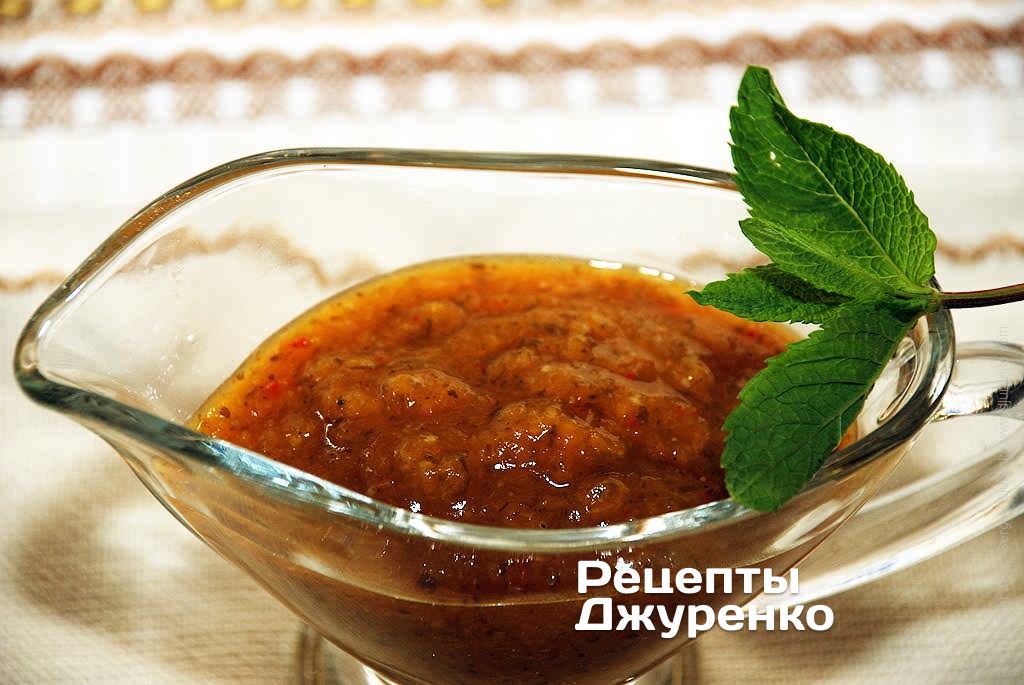
Tkemali sauce is easy to make and, if done right, keeps for a very long time. Tkemali sauce for meat and the sour base for kharcho soup.

Ingredients

4–5 small jars

Base

Seasoning

  • Garlic 1 head
  • Hot chili pepper 0.5–1
  • Dill 0.5 bunch
  • Cilantro 0.5 bunch
  • Mint 0.5 bunch
  • Salt 2 tsp (12 g)
  • Sugar 3 tsp (14 g)
  • Coriander seeds 1 tsp
  • Imeretian saffron 1 tsp
  • Wine vinegar 1 tsp (if the plums aren’t sour)

Step-by-step recipe

Cooking the plums

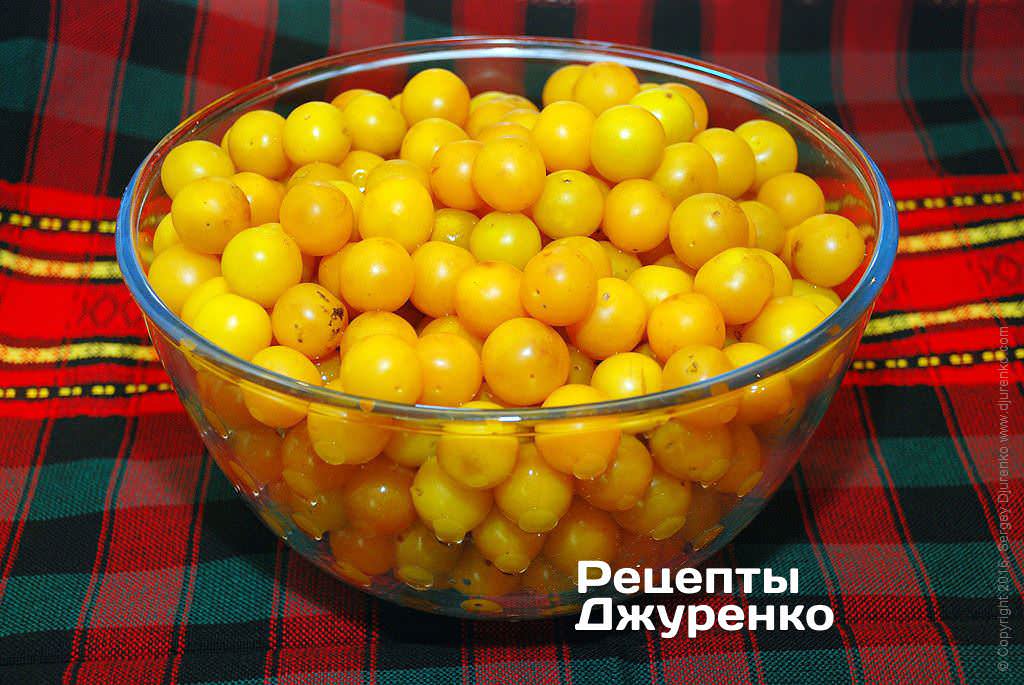
  1. Put 1 kg of cherry plums into a suitable pot, add water to cover the plums and set over the heat. Be warned: when it comes to the boil there will be a lot of foam, so keep an eye on it and stir.
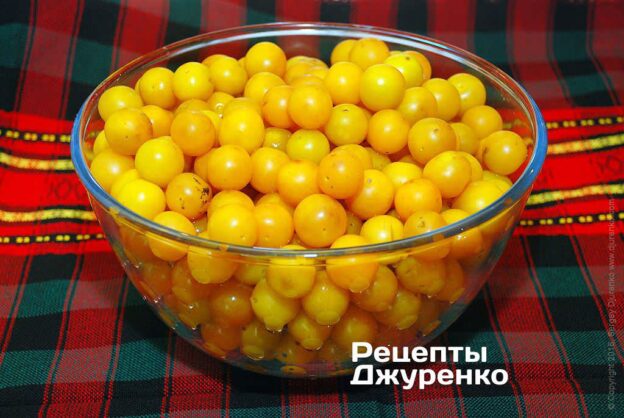
    Cherry plums.
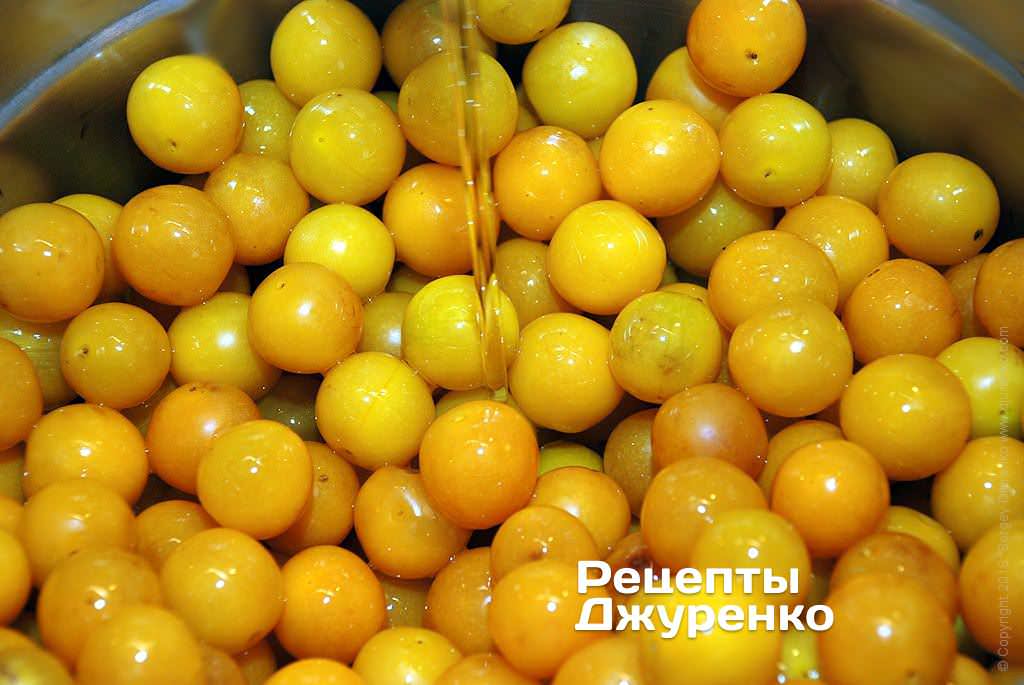
  2. Cook the plums. If the sauce is going to be eaten straight away, cook them briefly, a couple of minutes, or even just bring to the boil. If you’re making it to store for the winter, cook for 15–20 minutes.
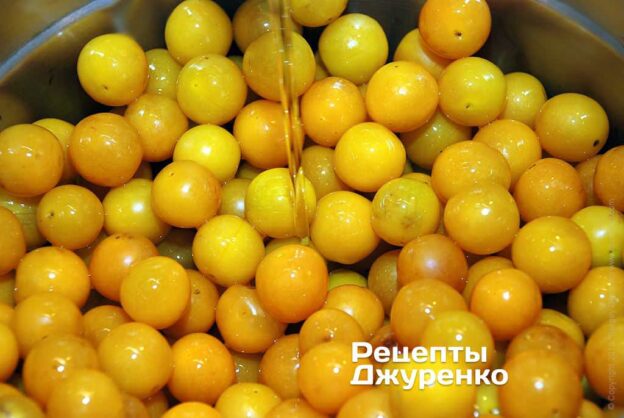
    Cooking the cherry plums.
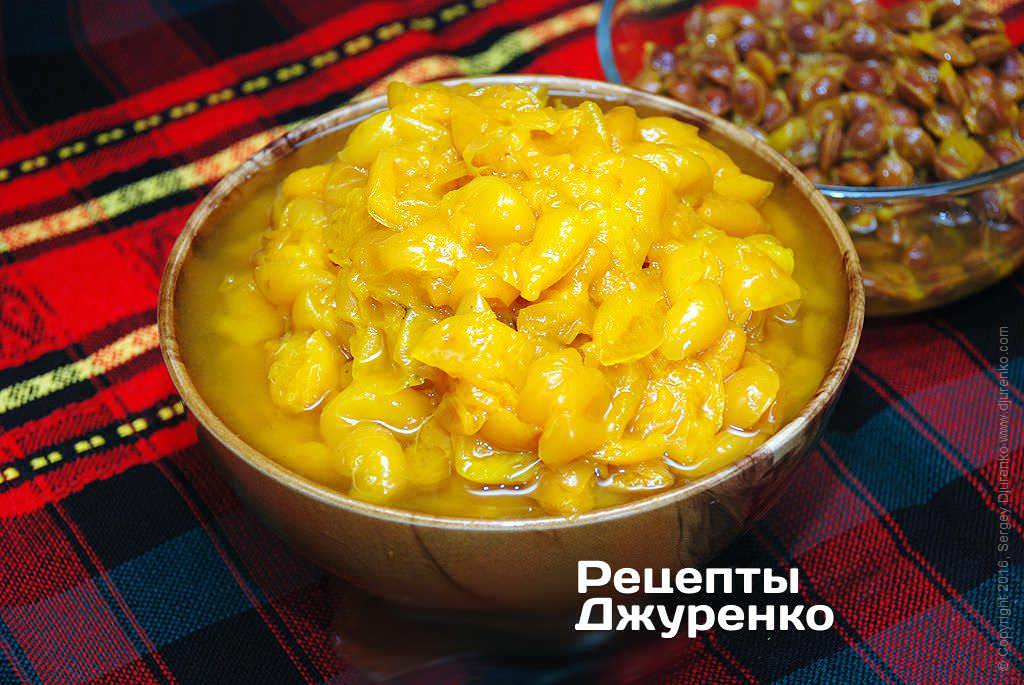
  3. In that time the plums will cook through and the stones will come away easily. Rubbing them through a sieve in this form is practically impossible, so pick out the stones by hand once cooled. I don’t throw away the skins: they cook down well, give the right sourness and are invisible in the sauce.

    Don’t pour away the liquid left after cooking.
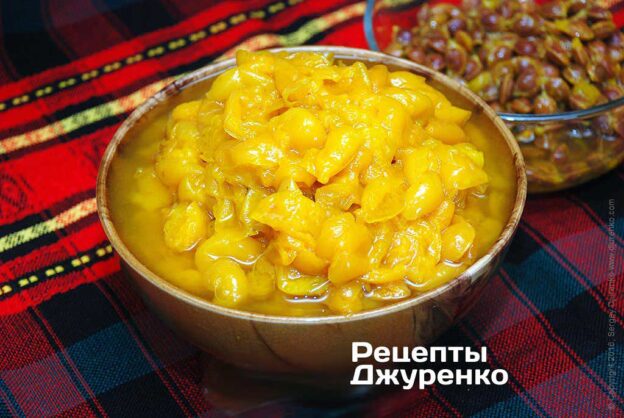
    Picking out the stones.

Making the seasoning

Mint: traditionally they use ombalo (Mentha pulegium), pennyroyal. But where to get it here, I have little idea. Ordinary fresh mint is sold in shops, and that’s what I use. In principle you can use dried mint as well.

  1. Peel the garlic and put it in a blender. You can also chop it very finely with a knife or even pound it in a mortar, but a blender is easier.

  2. Add salt, coriander, Imeretian saffron, all the herbs, the seeded chili pepper and sugar. If the plums are overripe and not very sour, you can add 1 tsp of wine vinegar.
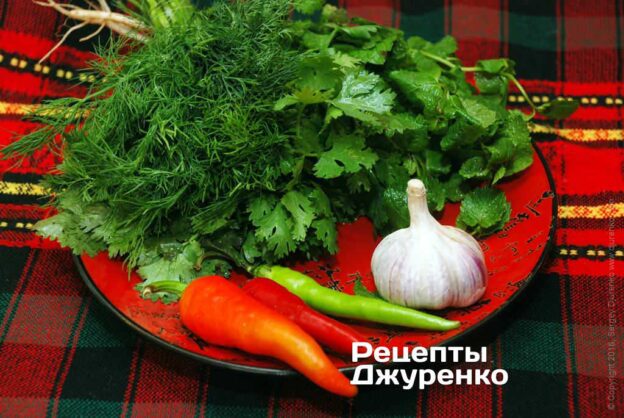
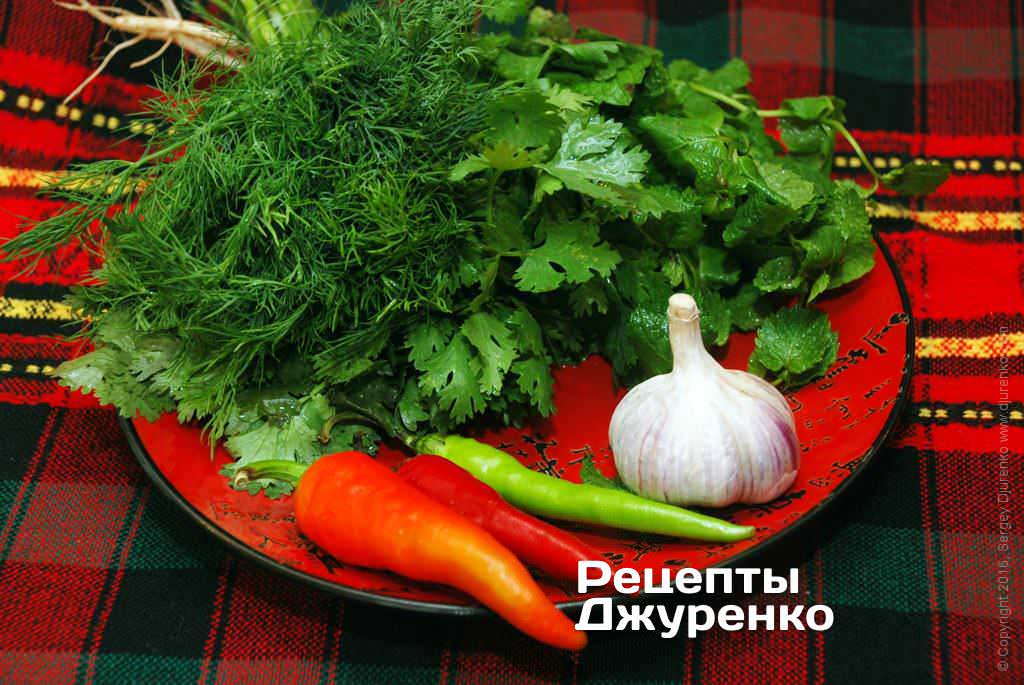
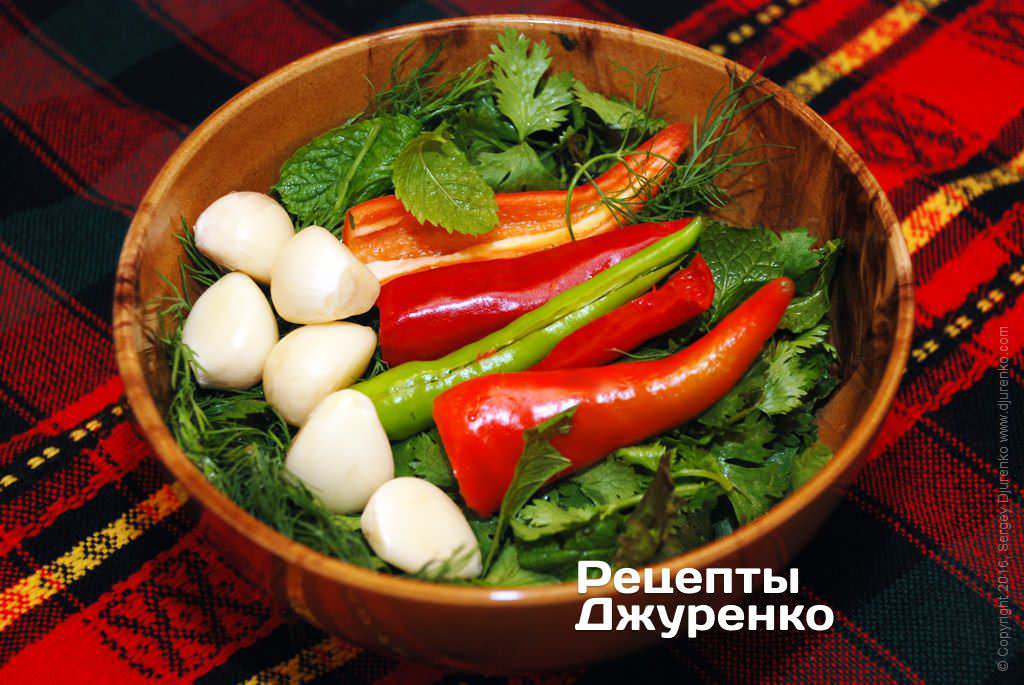
    Herbs, garlic, hot pepper.

    Many people add a walnut dressing, but that’s optional. Pound a cup of walnut (100 g) kernels in a mortar with salt, garlic and pepper until the oil separates, pour off the oil and add the nuts to the sauce. But I don’t do that.

  3. Blitz everything very finely. You should get a mush.
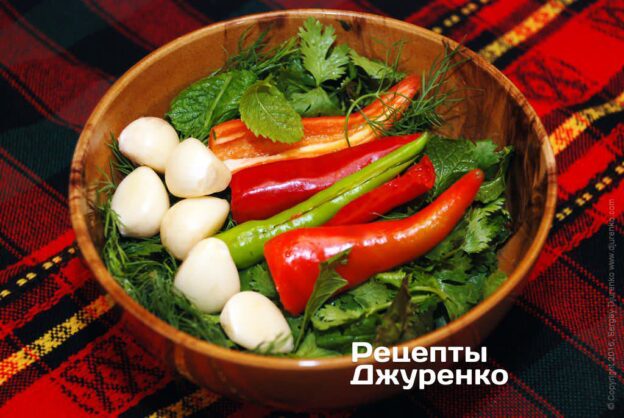
    Chopping all the herbs, garlic and pepper.
  4. Add the plums and blitz again.

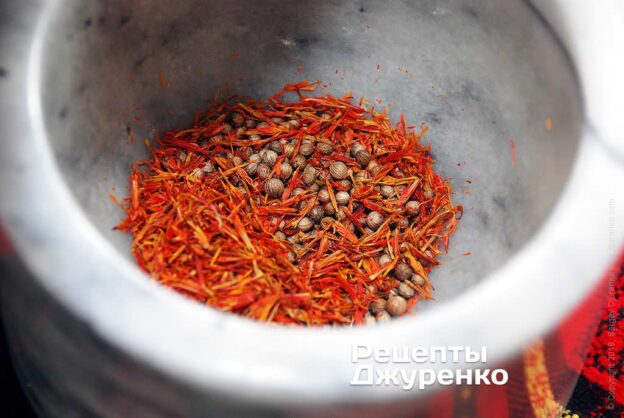
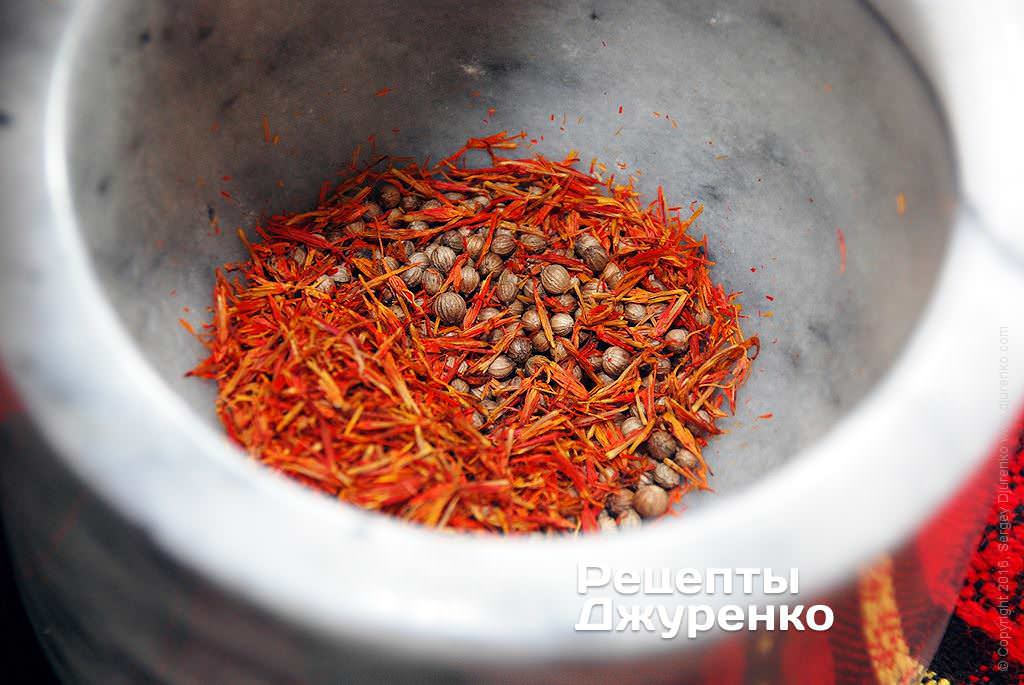
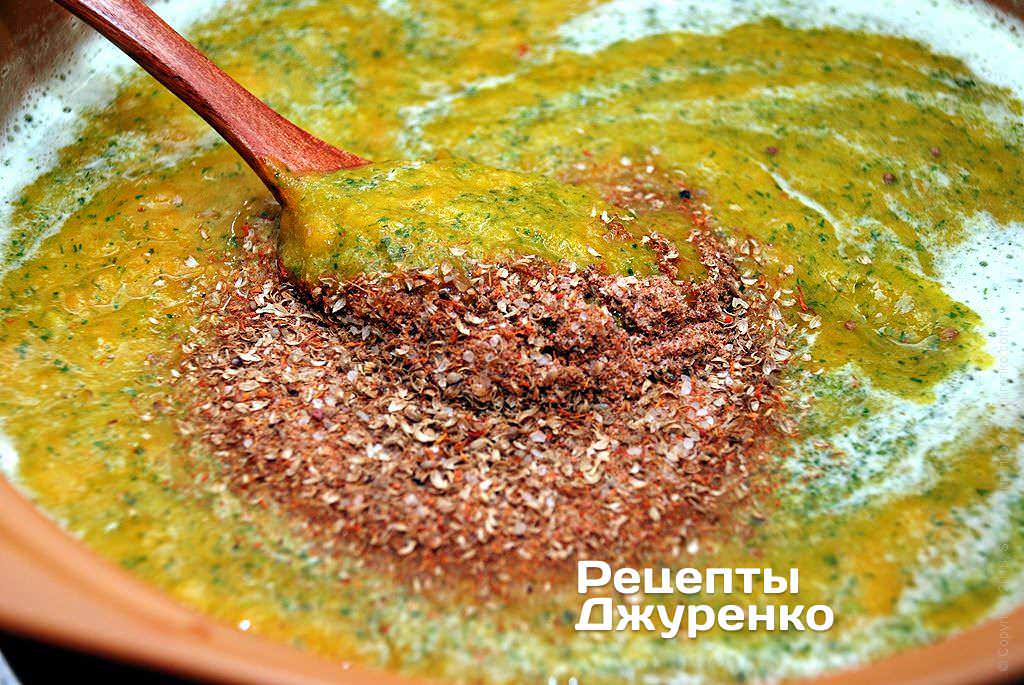
    Coriander and Imeretian saffron.

Cooking the sauce

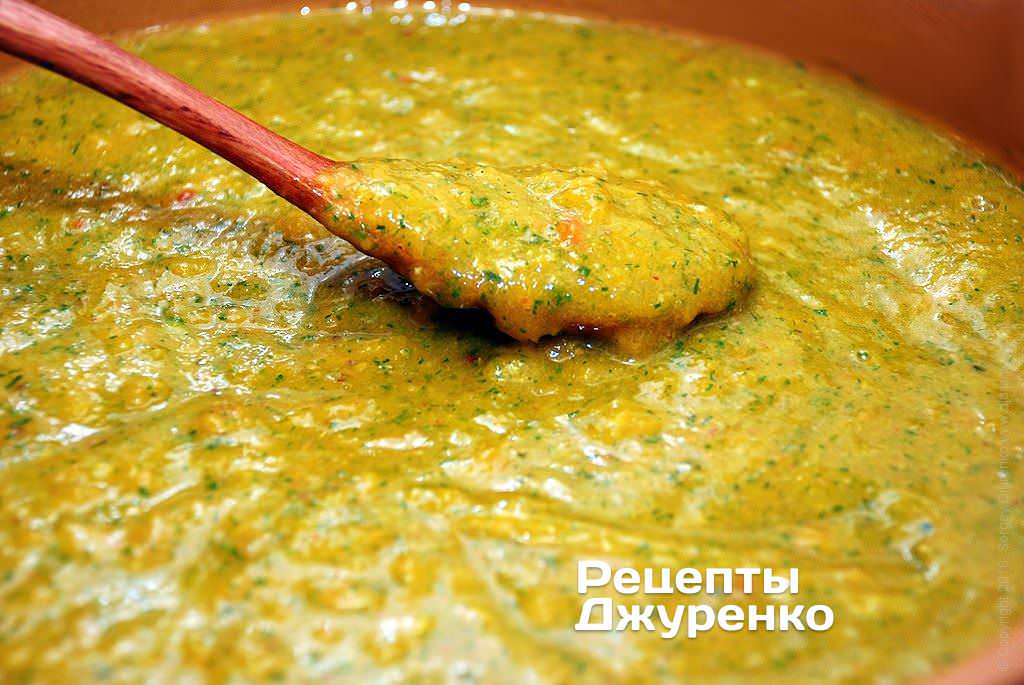
  1. Now pour everything into a pot and thin it a little with the liquid left from cooking the plums. It should be the consistency of sour cream.
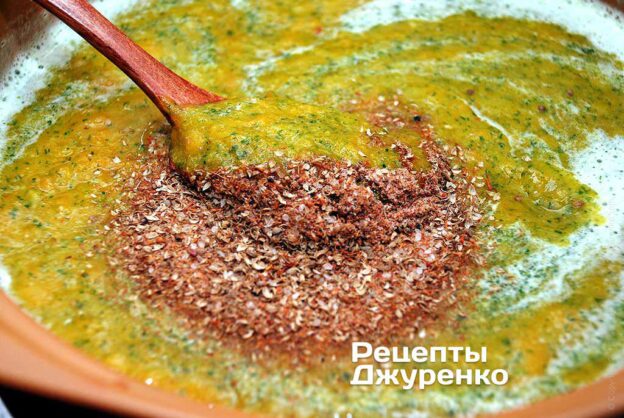
    Mixing the tkemali, spices and herbs.
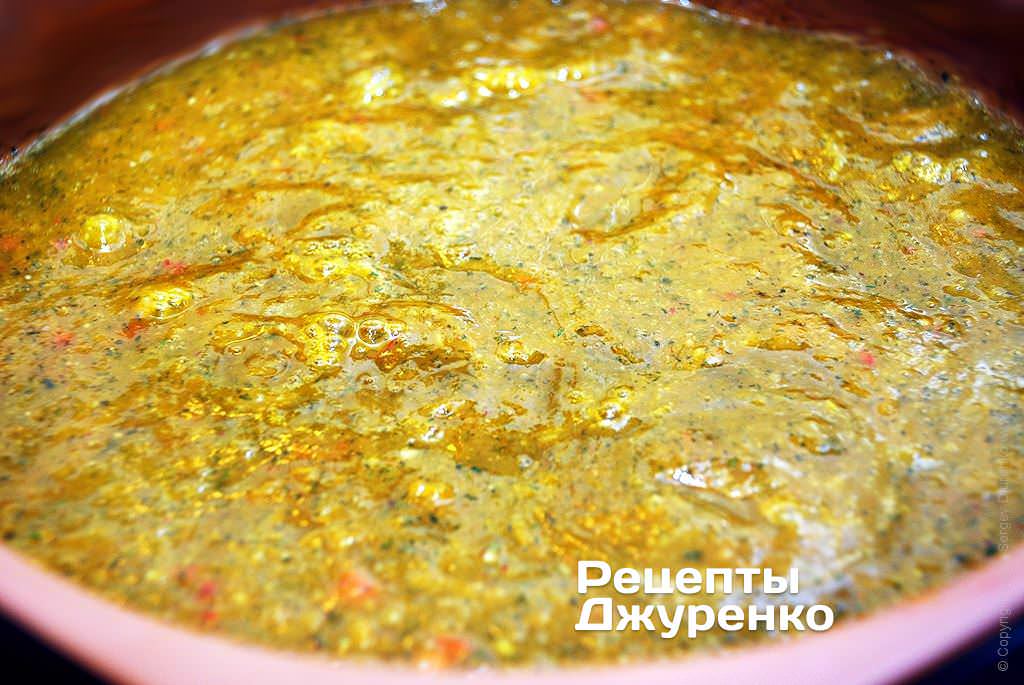
  2. Put the tkemali sauce on the heat and bring to the boil. Over very low heat, stirring constantly, simmer for 10 minutes. If you’re making tkemali sauce for the winter, cook it longer.
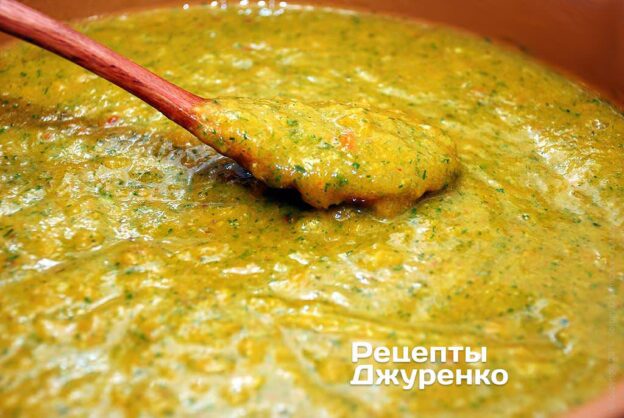
    Cooking the sauce until done.
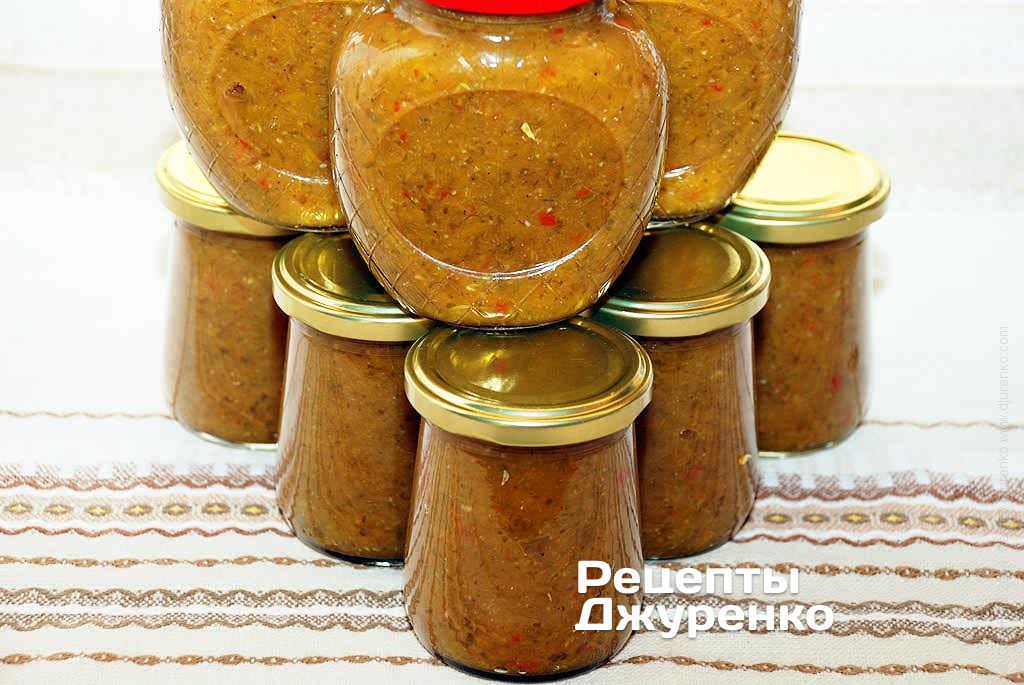
  3. Spoon the tkemali into sterilized jars right to the top and close with lids. Jars from shop-bought sauces with screw-on lids are ideal.
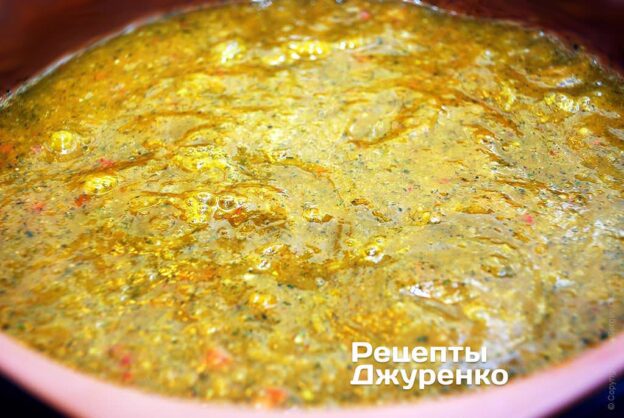
    Pouring the finished sauce into jars.
  4. Let cool and put in the fridge.

    In the Caucasus the sauce is made a little runny, poured into bottles, topped with a few drops of vegetable oil and sealed with corks, which are then coated with pitch. Here, everything is much simpler.

    Tkemali sauce is incredibly tasty. It never lasts until winter: it gets eaten much sooner, just spread on a couple of slices of bread with a glass of tomato juice.
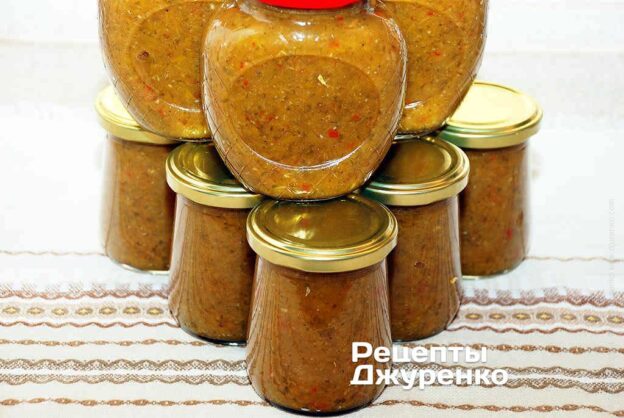
    Tkemali sauce for the winter

    Although I do manage to hide a little away for making kharcho soup.
How did you like this recipe?

Rate it with one tap.

Thanks for rating!
Sorry you didn't like it

Leave your email and I'll write to find out what went wrong. A 1–2 rating counts only with an email. I won't publish it.

Tell us how it turned out

Calories and macros

40 kcal

100 g

  • Protein1.8 g19% of kcal
  • Fat0.3 g8% of kcal
  • Carbs6.7 g73% of kcal

Calculated from the recipe ingredients, excluding salt and spices. Data: USDA and Matvaretabellen.

Made it? Tell me how it turned out — I read every review

The maximum upload file size: 10 MB. You can upload: image. Links to YouTube, Facebook, Twitter and other services inserted in the comment text will be automatically embedded. Drop file here

To Get It Right

If the sauce turns out too sour

Tkemali is a sour sauce, and its sourness comes from the plums and nothing else. Everything else in it is seasoning and spices. I wouldn’t sweeten it: it’s not jam. But the main thing is that you like it.

Without saffron

You can leave out the saffron; it’ll still be delicious. If your saffron is in whole flowers, crush it or add it to the blender before blitzing the other ingredients.

How to store it

For the winter, cook the sauce longer, spoon it straight into sterilized jars right to the top, close with lids and keep in the fridge once cooled. I sometimes still have a couple of jars from the year before. Three 0.4-liter jars last me a year.

Have your own trick for this recipe?

Questions and answers

How long to cook tkemali sauce?

For sauce you’ll eat straight away, cook the plums for a couple of minutes or just bring them to the boil; for the winter, 15–20 minutes. The finished sauce simmers over very low heat for 10 minutes, a little longer for the winter.

Which cherry plums are best for tkemali, yellow or red?

Any will do, wild ones are best: garden plums are less dense and less sour. The color of the sauce comes from the color of the plums, and greenish plums make a sourer sauce.

Can you make tkemali from regular plums?

Tkemali is itself a small, sour wild plum from the Caucasus; here, cherry plums replace it perfectly. For regular plums I have a separate recipe: plum sauce for the winter.

How much sauce do you get from 1 kg of cherry plums?

About 0.6 liters. From 3.5 kg of wild cherry plums I got six 0.2-liter jars and three 0.33-liter jars. The exact amount depends on the plums and how many herbs you add.

What is the difference between tkemali and asyzbal?

Asyzbal is an Abkhazian cherry plum sauce. I’ve seen it only once: it was red, made from non-yellow plums. It tastes very similar to tkemali.

Didn't find an answer? Ask your question