
Teriyaki Sauce



Ingredients
250 ml of marinade
- For the marinade
- Soy sauce 100 ml
- Mirin 50 ml
- Honey 1 tbsp (21 g)
- Dry white wine 50 ml
- Ginger, garlic, salt, spices optional
- For a thick sauce
- Starch 1 tbsp (10 g)
- Water a little (to dilute the starch)
Step-by-step recipe
Teriyaki marinade
Strictly speaking, teriyaki is soy sauce, sake and sugar taken in equal amounts. Everything else is written about as major or minor additions that supposedly improve the flavor. Reading original articles about teriyaki, I noticed that few authors dwell on the composition of the marinade or sauce; the lion’s share of the discussion goes to how the food is cooked. It feels as if making the sauce is taken for granted and raises no questions.
Buying good, natural soy sauce is no problem: just read the label carefully and don’t pick a chemical cocktail of hellish composition. Sake is a fairly rare product where I live. Sake is a rice wine made by fermentation without distillation. And sugar, I hope, needs no explanation. With ingredients available here, this set can be replaced with soy sauce and mirin, a very sweet, even cloying rice wine that resembles a liqueur. It substitutes quite well for both sugar and sake and, notably, that is usually what is done in most cases.
Prepare the ingredients: soy sauce, mirin, dry white wine and honey. I add the wine and honey to taste: the wine gives a little acidity, which matters for marinating, and the honey gives extra sugar and its own aroma.

If you don’t use alcohol, simply leave out the wine and mirin and add sugar and acidity to taste (for example, rice or wine vinegar).
Mix the soy sauce and mirin in any suitable bowl, then add the wine and honey. Stir everything thoroughly until the honey dissolves.
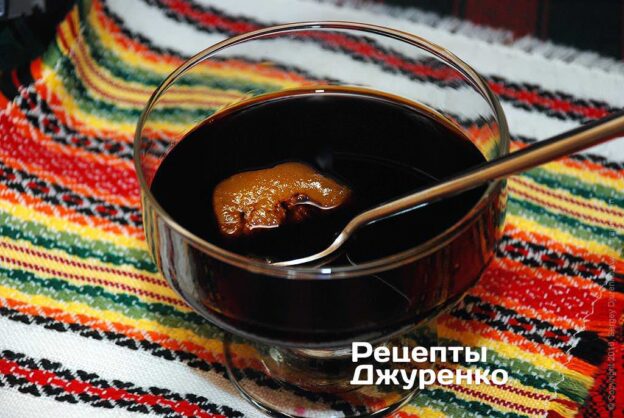
Add ginger, garlic or salt if you like. It is believed that to reduce the smell of certain foods fried with teriyaki, you should add ginger, fresh or dried, to the marinade and then reduce the sauce a little. Garlic is added for extra aroma. Salt is added so that the food fried with teriyaki releases its juices. This is a bit puzzling, since soy sauce is salty enough on its own.


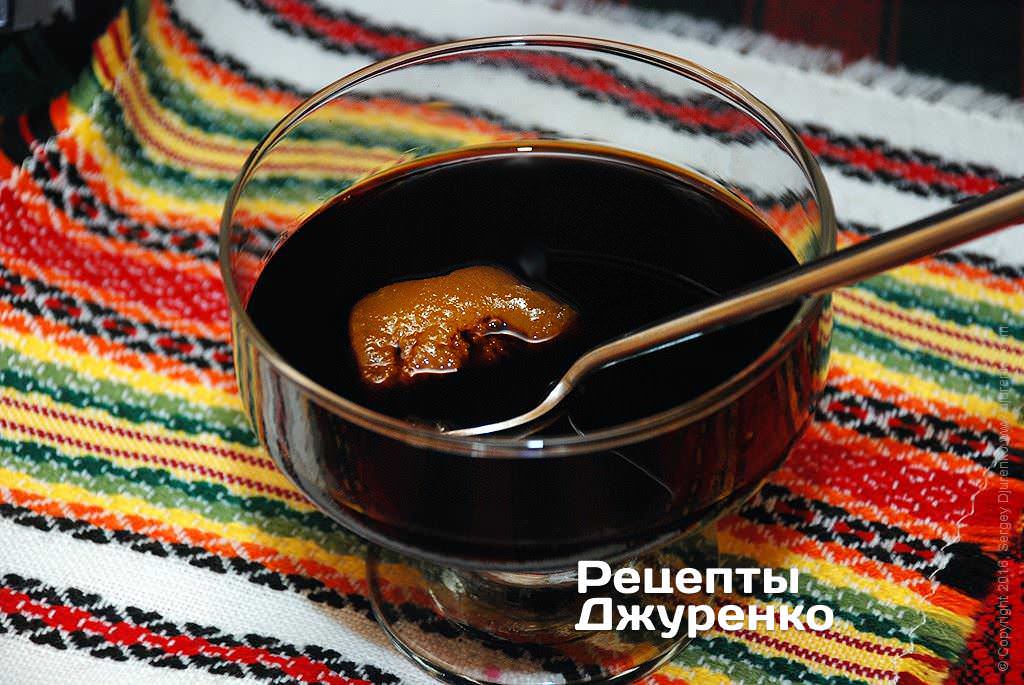

Marinating and frying
Marinate meat, chicken or fish in the marinade for a few hours in the refrigerator. Even 1 hour is enough, really. The meat will be incredibly tasty. Tested many times.
Fry the meat in a pan or on a grill, basting it with the sauce. The result is a beautiful, dark, glossy glaze, so highly valued in dishes called teriyaki.
Thick sauce from the marinade
Make teriyaki sauce from the leftover marinade: bring the liquid to a boil, add 1 tbsp starch (10 g) diluted in a little cold water, and stir until it thickens.
Or, which is most likely the proper way, simmer the sauce over medium heat to the desired thickness, without starch.
Serving
Cool the sauce and serve it cold with meat or fish. If you like, add spices to taste.
Calories and macros
96 kcal
100 g
- Protein4 g21% of kcal
- Fat0.3 g3% of kcal
- Carbs14.1 g75% of kcal
Calculated from the recipe ingredients, excluding salt and spices. Data: USDA and Matvaretabellen.