
Homemade Tomato Ketchup
Ingredients
200 ml of sauce
Base
- Ripe tomatoes 1.5 kg
- Natural grape vinegar 1 tbsp, plus more to taste
Spices
- Allspice berries 3–4
- Black peppercorns 5–6
- Ground nutmeg 1–2 pinches
- Cumin 1/4 tsp
- Dried aromatic herbs (basil, oregano, savory, mint) 1/4 tsp
- Sugar 1/2 tsp, plus more to taste (2 g)
- Salt 2–3 pinches, plus more to taste
- Ground hot red pepper to taste
Step-by-step recipe
Preparing the tomatoes
If very ripe red tomatoes have flooded the market or your garden, it is time to make fermented tomatoes and tomato ketchup.
For ketchup, choose large, very ripe tomatoes of a nice red color without white patches. Ideally, the variety should have a high dry matter content. Such varieties are usually grown for making tomato sauce and tomato paste, for salting and canning.


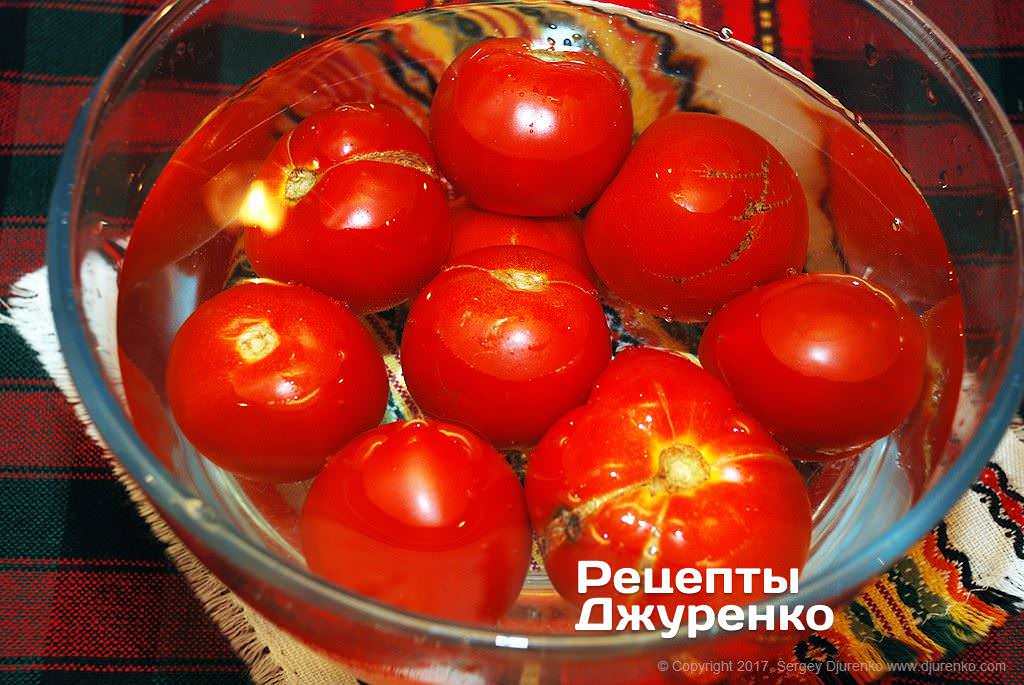
Put the tomatoes ready for processing into a large bowl and pour boiling water over them. After 1–2 mins, douse the tomatoes with cold water so they cool down and the skin comes loose.
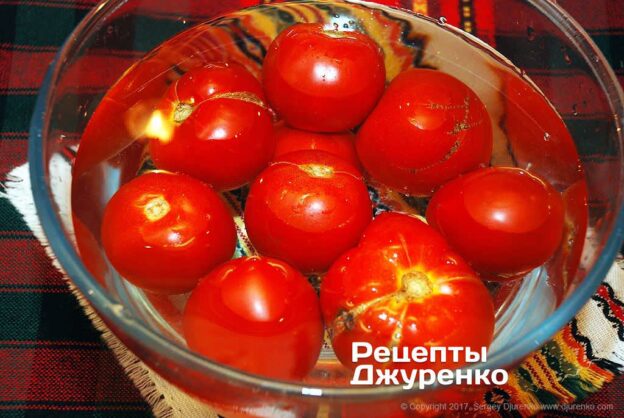
One at a time, carefully peel each tomato of its cellophane-like skin.
Cut the tomato in half and carefully remove the seeds. It is easiest to do this with a small knife, cutting the seed pockets away from the flesh.
Try to make sure no hard seeds are left, otherwise the tomato ketchup will have clearly noticeable bits in it, and that is unpleasant.

With a sharp knife, remove all the white parts inside, as there are almost always some. Also cut out the core where the green stem was. If a tomato turns out brownish inside, it is no good.
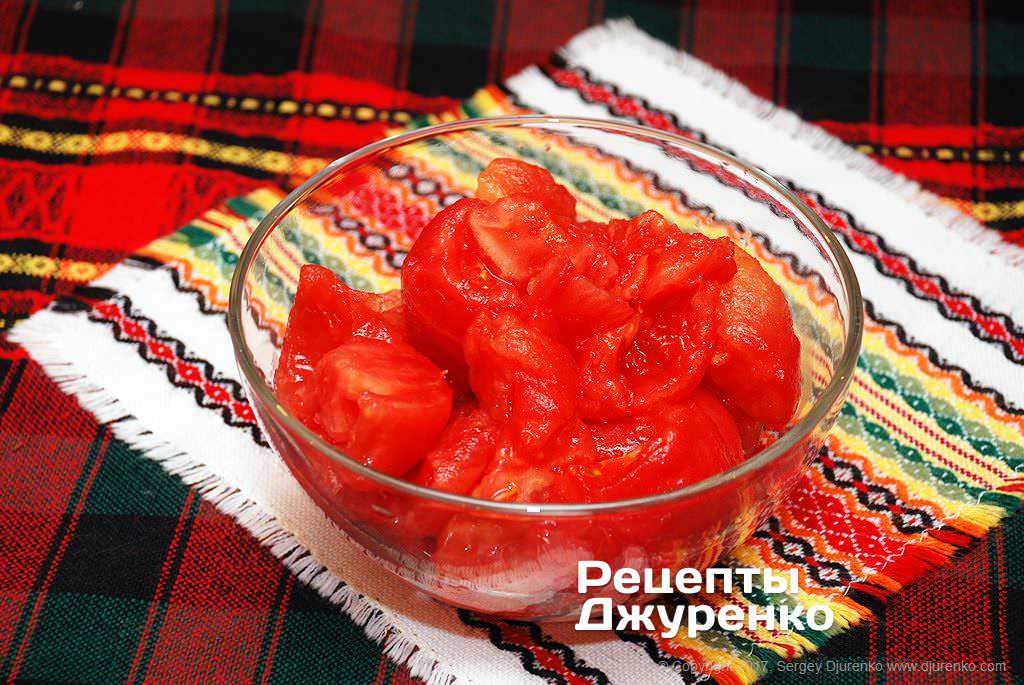
Tomato purée with spices
Grind the tomato flesh into a smooth purée. The easiest way is to put the tomato flesh into a blender and blend thoroughly. To get rid of any hard bits completely, such as leftover core and skin, I recommend also rubbing the purée through a sieve or a mesh colander. Despite all my care during preparation, almost a tablespoon of hard bits was left in the sieve.
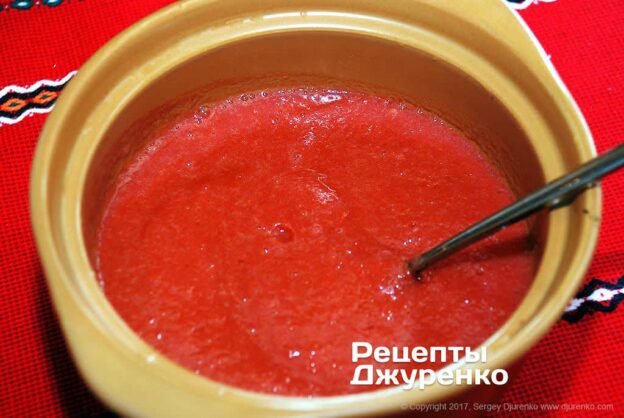
Homemade ketchup will be cooked with natural spices only, without any chemical additives. I settled on the following spice mix.
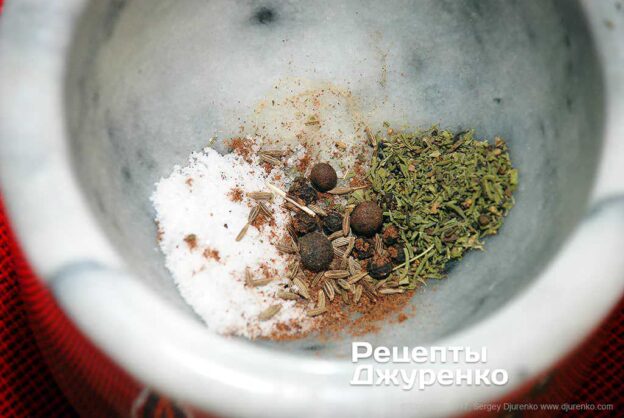
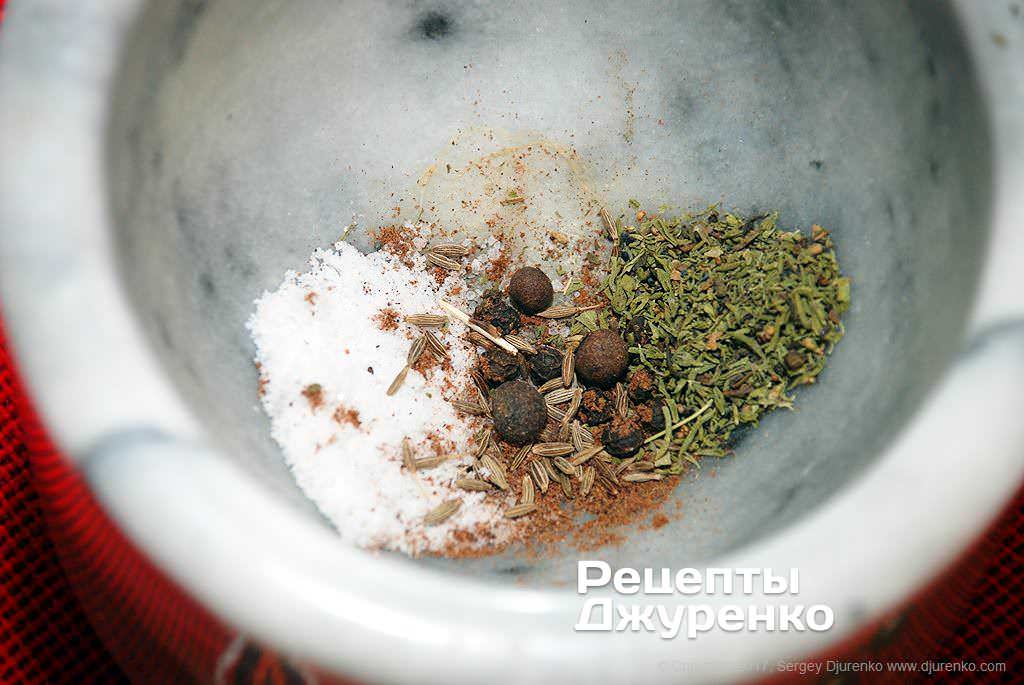
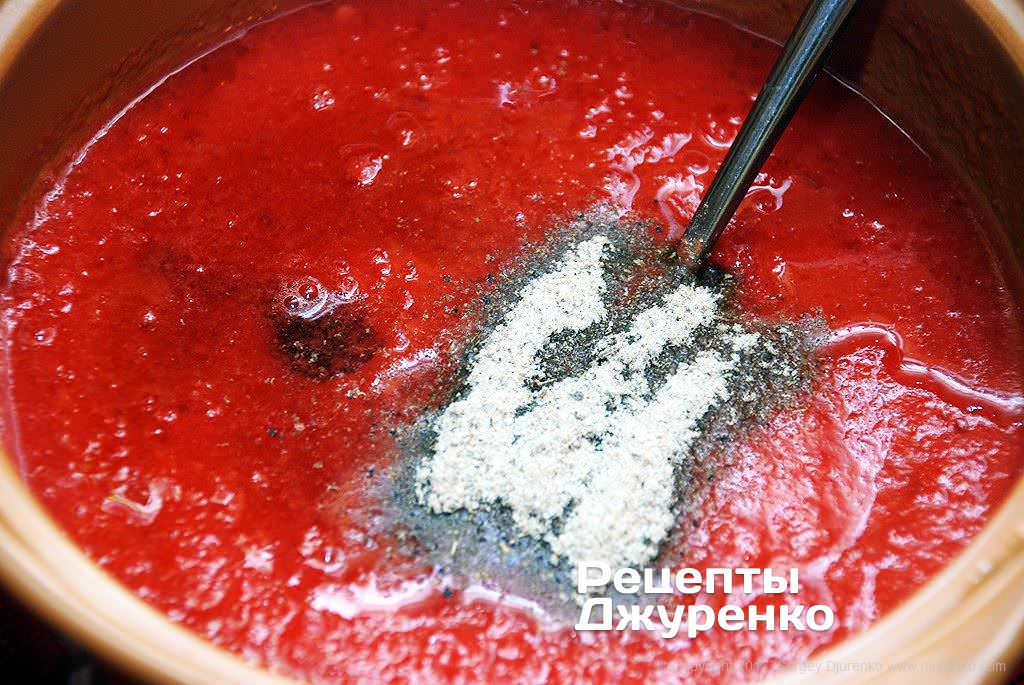
Put into a mortar 3–4 allspice berries, 5–6 black peppercorns, 1–2 pinches of ground nutmeg, a quarter teaspoon each of cumin and dried aromatic herbs: basil, oregano, savory, mint, and so on. Add 1/2 tsp of sugar (2 g) and 2–3 pinches of salt. Grind the spices very finely. I also recommend sifting the aromatic spice mix through a tea strainer.
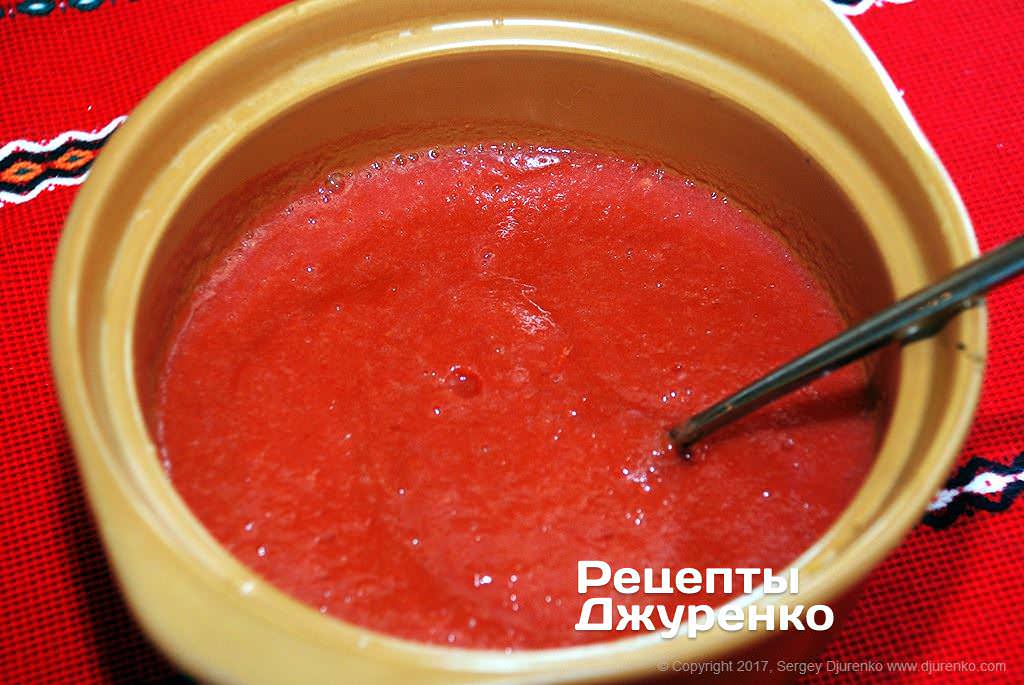
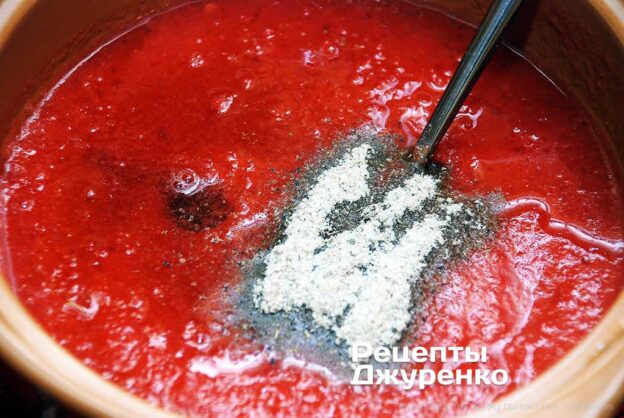
Mix the tomato purée with the spices and add 1 tbsp of natural grape vinegar.
You will most likely need to add salt and sugar to taste, but at the final stage of cooking.
Cooking the ketchup
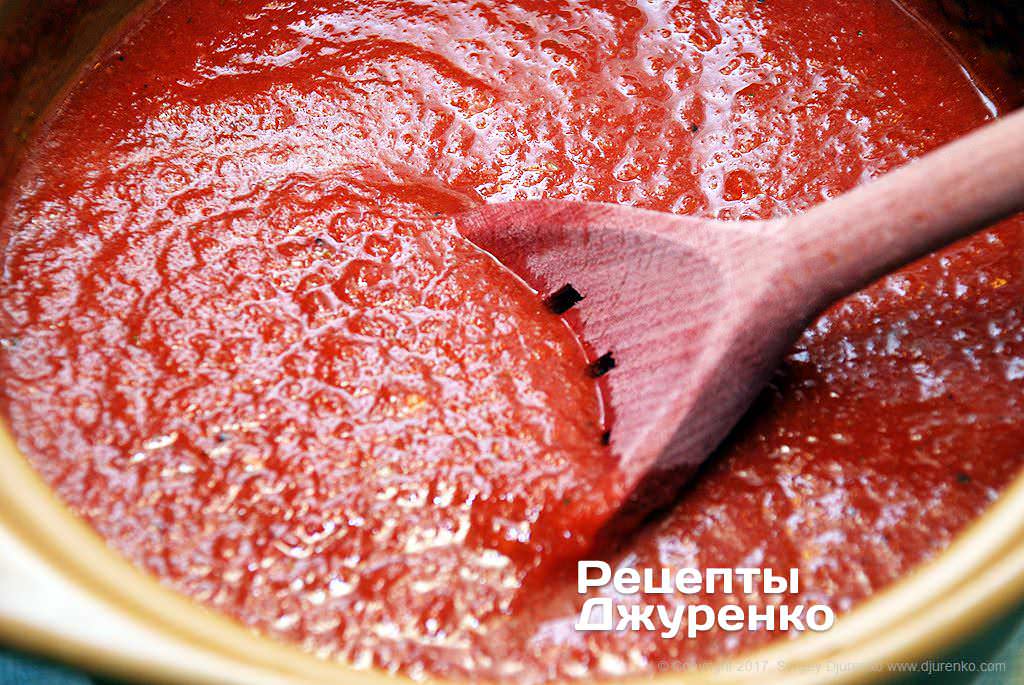
Put the pot of tomato purée on the heat, medium or below medium. Do not rush the heating, ketchup easily sticks to the bottom of the pot. Do not cover the pot with a lid. Stir the tomato purée with a wooden spoon so it heats evenly.
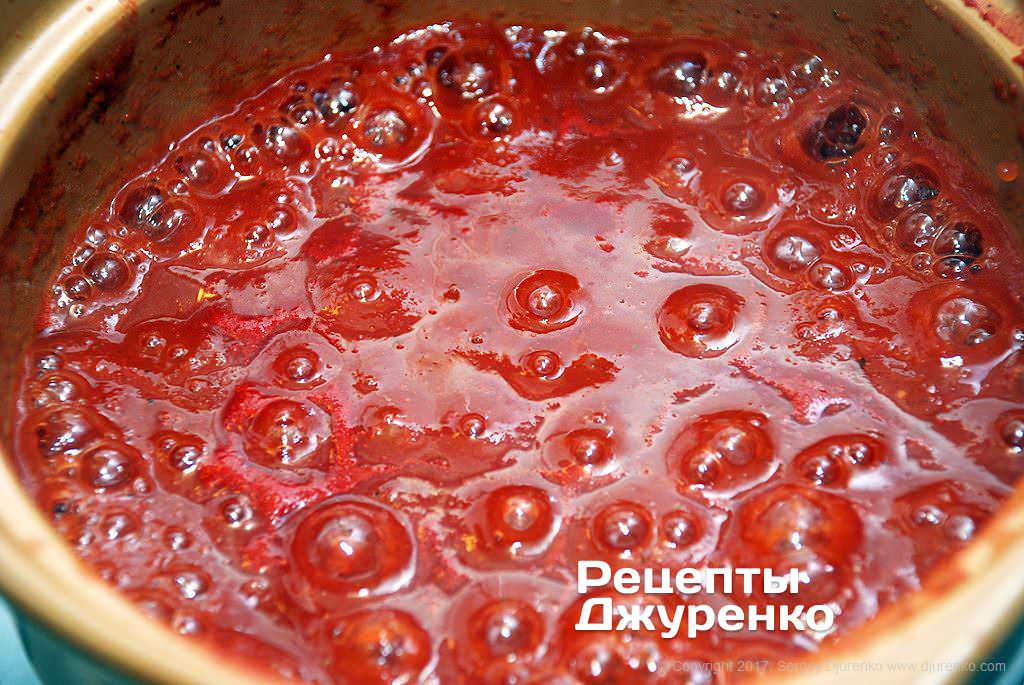
And one more thing, be careful: thick tomato purée spits large drops very aggressively when it boils, like a volcano.
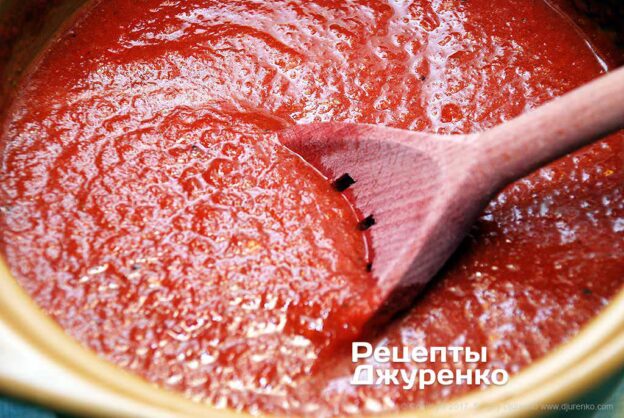
Stirring often, simmer the tomato purée over low heat until it is thick enough for a sauce. This can take up to half an hour, which is usually enough. Taste the ketchup and add wine vinegar, salt, sugar and, strictly to taste, a little finely ground hot red pepper. Stir once more and let it boil for 1–2 mins.
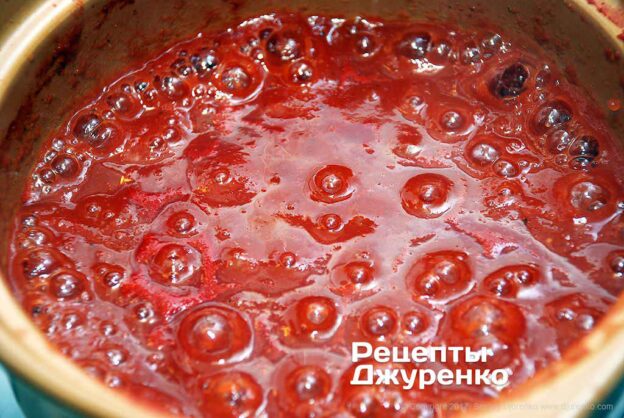
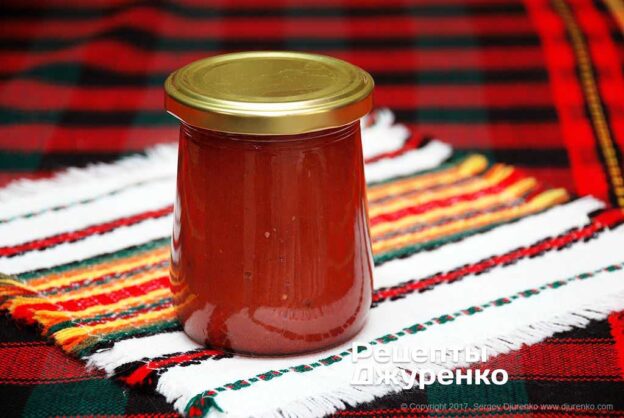
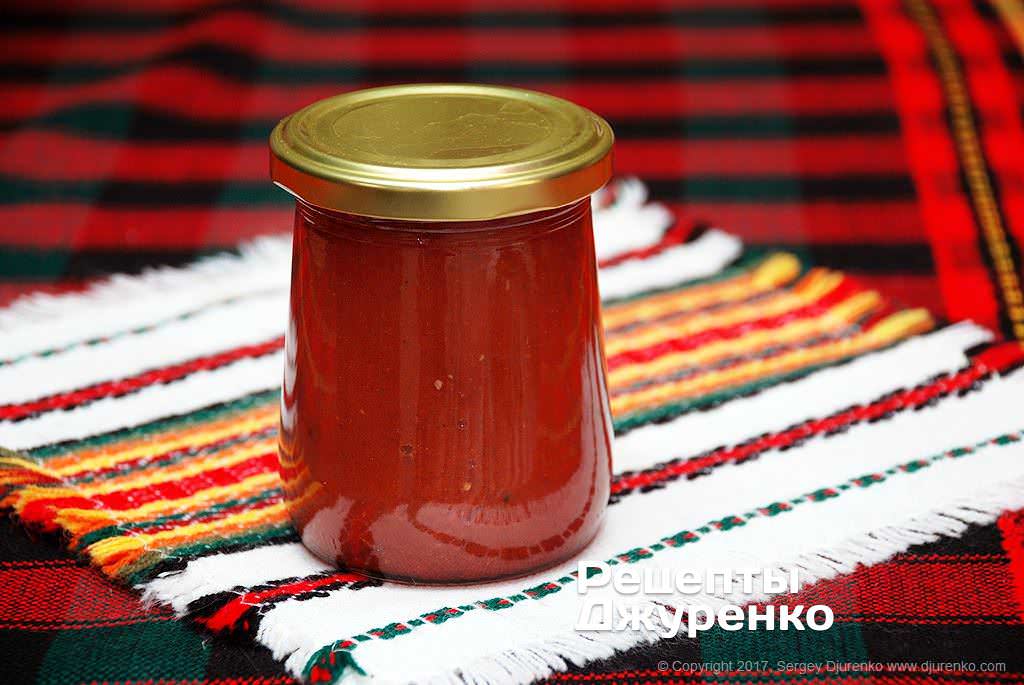
Without preservatives, homemade ketchup does not keep long. But if you like, you can pour it into prepared jars while it is still boiling, seal them and sterilize for 10–15 mins in boiling water or an autoclave.
I wrapped the hot jars in a wool blanket until they cooled completely and kept them in the fridge for several weeks. Then the ketchup was eaten to the last drop.
Serving
So, the homemade tomato ketchup is ready. As it cools, the sauce will thicken a little more thanks to the pectins in tomatoes, so the final consistency will be just right.
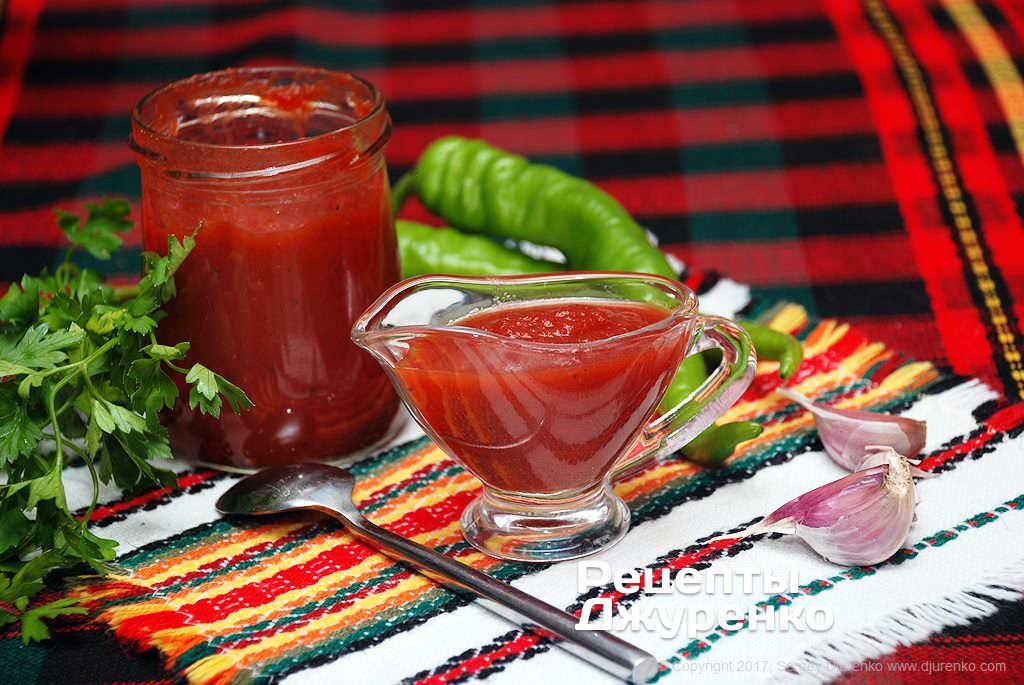
Tomato ketchup is a wonderful, pleasant sauce. It is easy and quick to make. It goes perfectly with grilled meat or kebabs. Any homemade pizza spread with this ketchup will be superb. By the way, tomato ketchup makes an excellent marinade for shashlik.
If you are planning a picnic or a backyard barbecue, put the tomato ketchup in a sauce boat and add herbs, hot pepper pods, garlic cloves, fresh bread or a lavash appetizer. Treat yourself to a feast and a delicious meal.
Calories and macros
19 kcal
100 g
- Protein0.9 g21% of kcal
- Fat0.2 g12% of kcal
- Carbs2.9 g67% of kcal
Calculated from the recipe ingredients, excluding salt and spices. Data: USDA and Matvaretabellen.
How did you like this recipe?
To Get It Right
How many tomatoes you need
1.5 kg of tomatoes gives about 200 ml of ketchup, a small jar: after peeling only the flesh is left, and it is then cooked down. For a bigger batch, buy tomatoes accordingly, and expect a larger batch to take longer to cook down.
When to make it
Best of all closer to autumn, when very ripe red tomatoes with a high dry matter content and small seed pockets appear. Watery tomatoes will take much longer to cook down.
Thick ketchup without starch
Factory ketchups are thickened with starch or xanthan gum, while homemade ketchup is thickened only by cooking down. Don’t overcook it: as it cools, the sauce thickens further thanks to the pectins in tomatoes.
Have your own trick for this recipe?
Questions and answers
How do you preserve homemade ketchup?
Pour the boiling ketchup into prepared jars, seal them and sterilize for 10–15 minutes in boiling water or an autoclave. Without preservatives, homemade ketchup does not keep long: I wrapped the hot jars in a blanket until they cooled and kept them in the fridge for several weeks.
How long do you cook ketchup from tomatoes?
Up to half an hour over low heat, stirring often, until the purée is as thick as a sauce. After adding the spices to taste, let it boil for another 1–2 minutes.
Can you make ketchup from tomato paste?
This recipe uses fresh tomatoes, not paste. Most factory ketchups are made from tomato paste, often with starch, while homemade ketchup is just tomatoes and spices.
What is the difference between tomato sauce and ketchup?
By and large, any tomato sauce is ripe tomato pulp and spices. Ketchup is cooked down thicker, with vinegar and sugar added, so it tastes sweet and sour.
Can you make ketchup without vinegar?
Yes: there is only 1 tbsp of vinegar here, mostly for flavour. But without vinegar or preservatives the ketchup keeps for an even shorter time, so store it in the fridge.