Salad Dressings

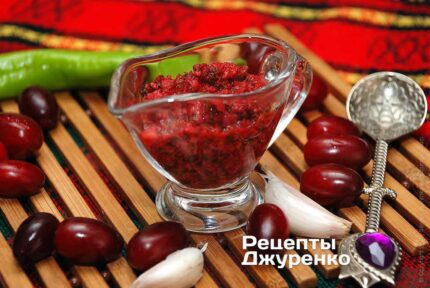
Ingredients
- For a simple dressing
- Vegetable oil (sunflower, corn or olive) or sour cream to taste
- For vinaigrette
- Olive oil 2-3 tbsp
- Wine vinegar 1 tsp
- Mustard, garlic, spices to taste
- For flavored oil
- Vegetable oil to taste
- Herbs, pepper, garlic to taste
Step-by-step recipe
Simple dressings
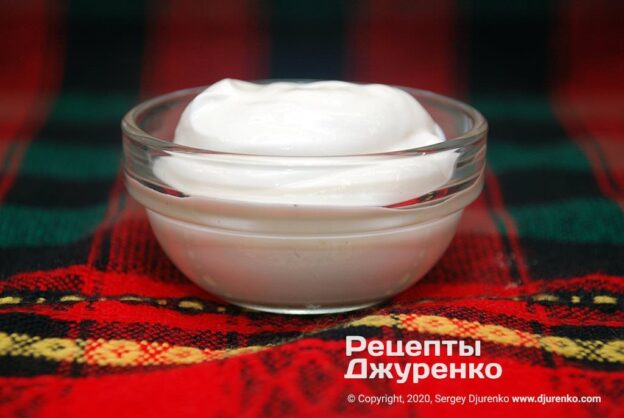
Dressing a salad with vegetable oil or sour cream is the simplest dressing for many salads. Historically, here it is sunflower oil. Depending on the region, corn oil is also used, while olive oil used to be quite scarce. The second common dressing is plain sour cream. Notably, both options go very well with mixed vegetables.
Oil-based dressings
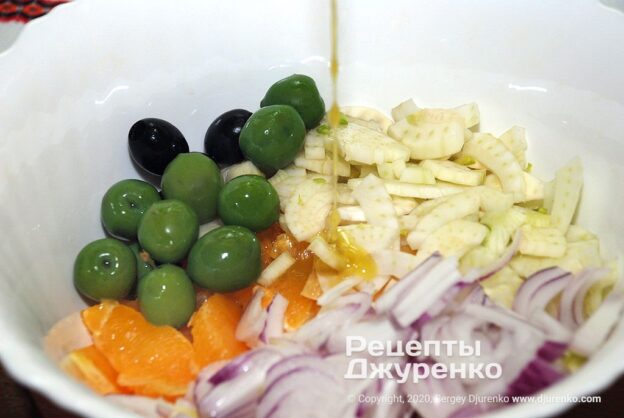
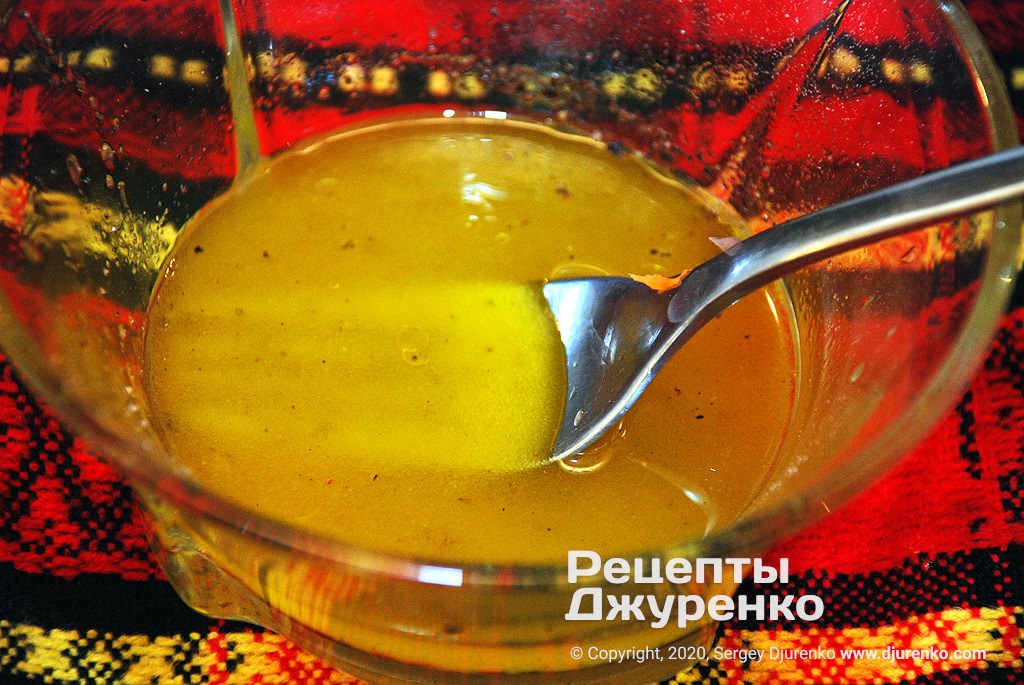
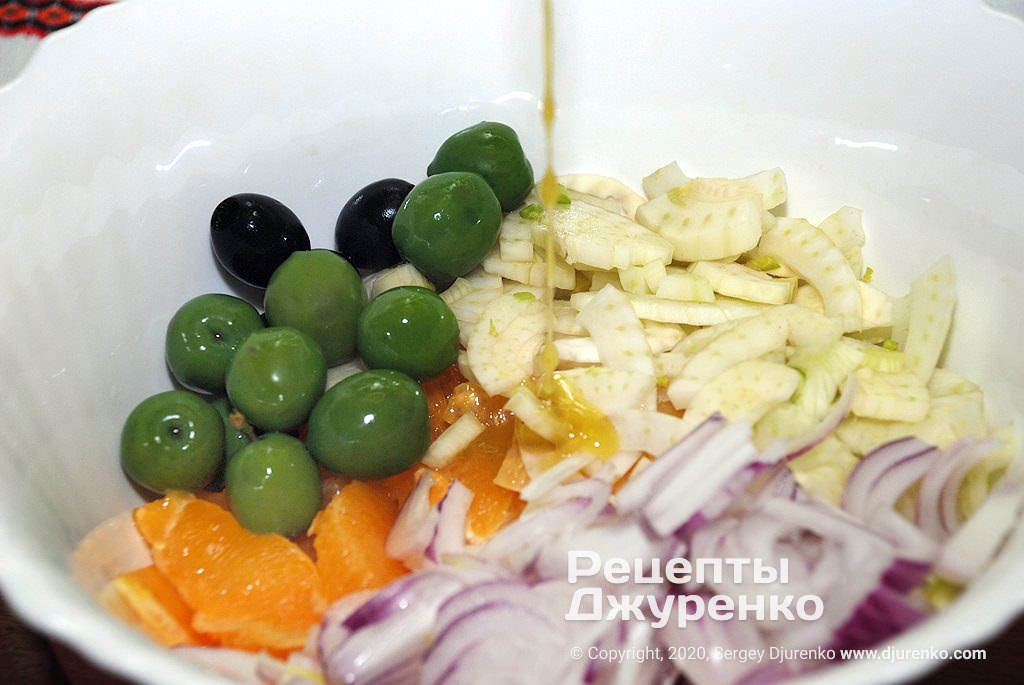
Make a vinaigrette: pour 1 tsp of wine vinegar into 2-3 tbsp of olive oil and whisk well with a fork or whisk until the mixture is smooth. Spices, mustard and garlic are often added. Besides changing the flavor, these additions keep the dressing from separating, since fat and acid don’t mix well.
This is one of the old salad dressings. In its day it was the most fashionable and popular dressing, yet it is extremely simple to make. It is a lightly emulsified mixture of olive oil and an edible acid: vinegar, citrus juice and so on. Vinaigrette works best with boiled and baked vegetables, green salads and herbs, and raw vegetables.
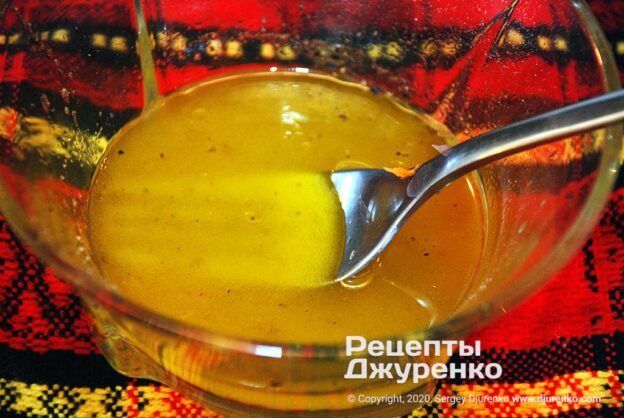
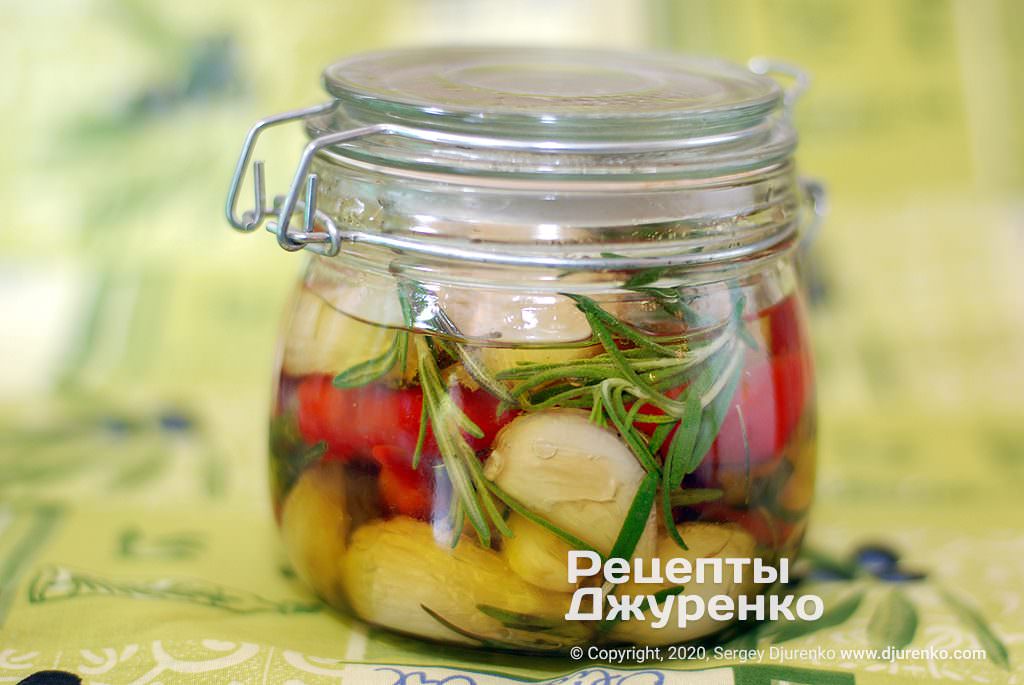
Make flavored oil: add herbs, pepper, garlic and other ingredients to oil warmed over low heat. The oil infuses, and once cooled it is used as a salad dressing. Such oil, by the way, keeps quite a long time in the refrigerator.
Emulsion sauces
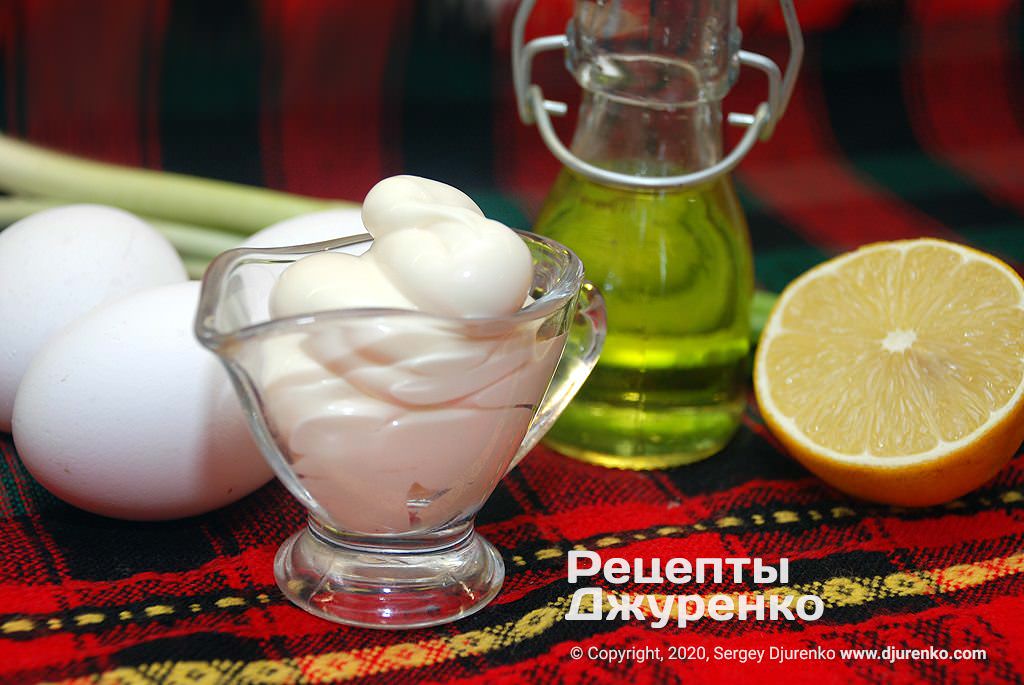
Make homemade mayonnaise, an emulsion of egg yolks, vegetable oil and vinegar. Mayonnaise often includes other minor additions as well. It is not difficult if you use fresh ingredients and give the sauce some time.
Our favorite salad dressing and the base of many sauces is mayonnaise. I’ll admit I don’t like it very much. Still, if it is needed for the New Year’s Olivier salad, I make it myself. Without it you can’t have herring under a fur coat, cod liver salad, mimosa salad and another fifty well-known appetizers. One theory is that mayonnaise descends from a similar aioli sauce recipe, which is made in a similar way but contains garlic.
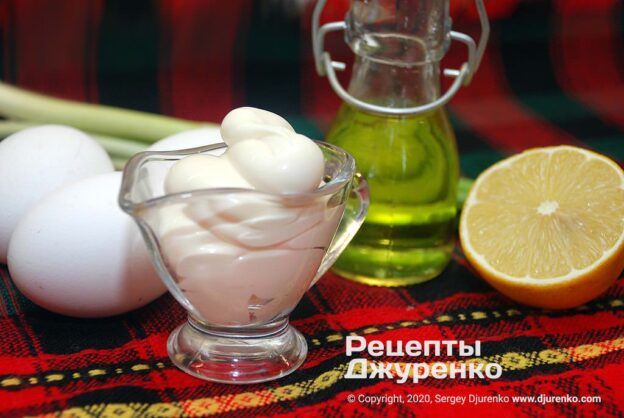
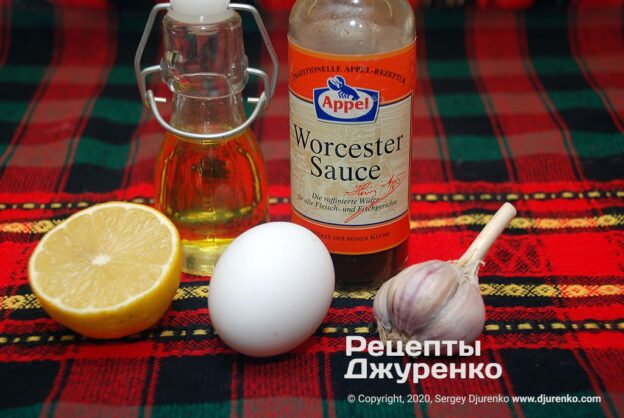
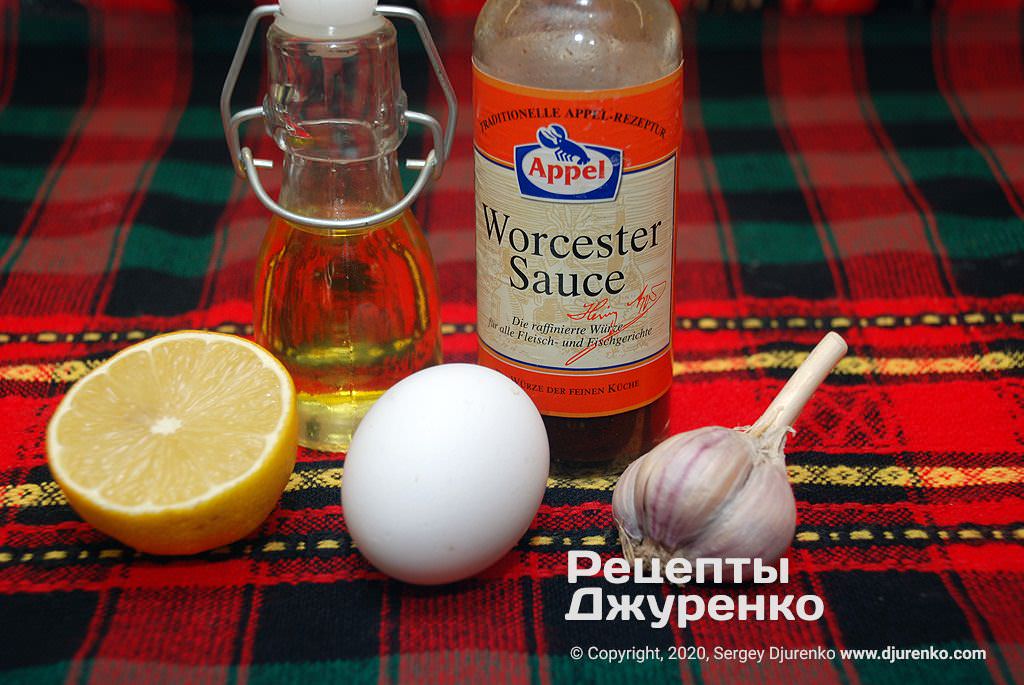
Make Caesar dressing: mix the contents of a lightly boiled egg with Worcestershire sauce, olive oil, garlic and lemon juice. This sauce is now used as a dressing for many salads that contain fresh greens. Caesar salad dressing recipe.
Some salad dressings came about by accident or were improvised, yet became famous worldwide. Caesar Cardini improvised this dressing for his salad.
Herb and fermented dairy dressings
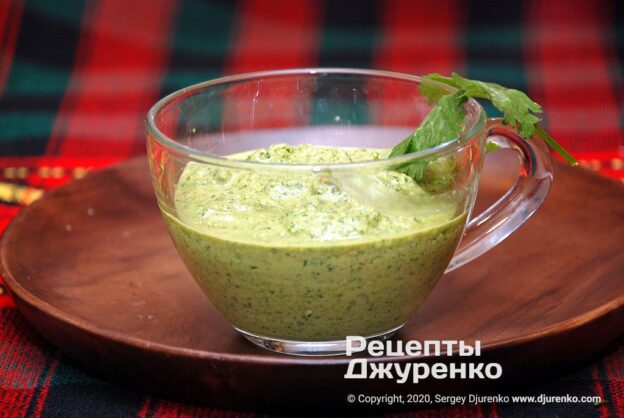
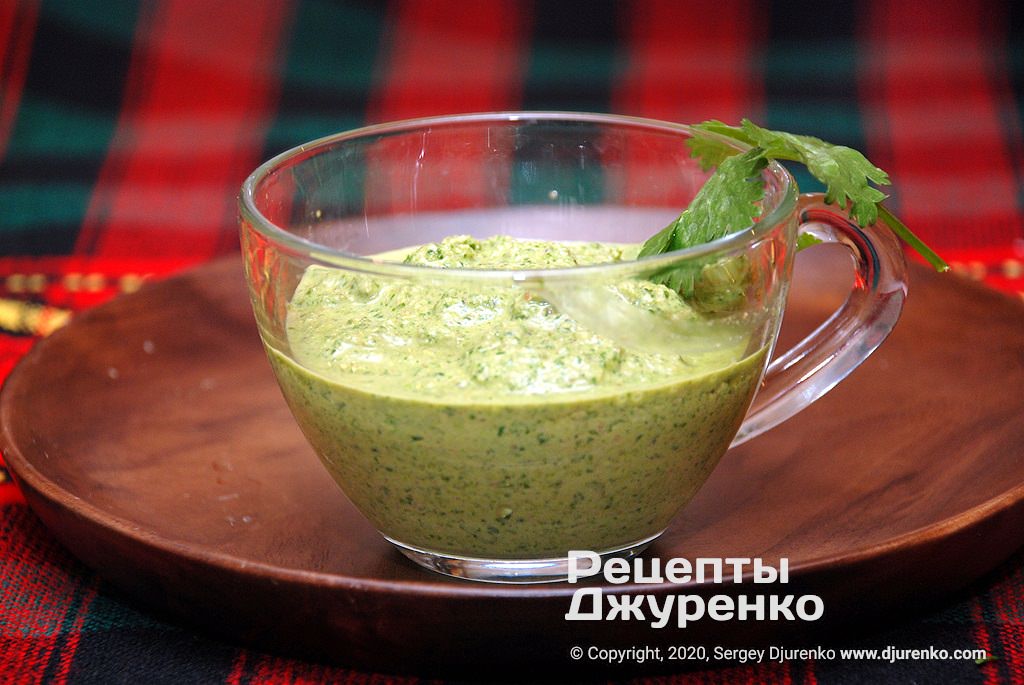
Make an herb dressing: grind green plant parts and aromatic herbs to a paste and thin it with olive oil or lemon or lime juice. I really like these salad dressings. They are most often used for salads of Mediterranean cuisines, Mexican dishes and Asian appetizers. In Italy, pesto often serves as a salad dressing. Recipe for pesto sauce or basil sauce.
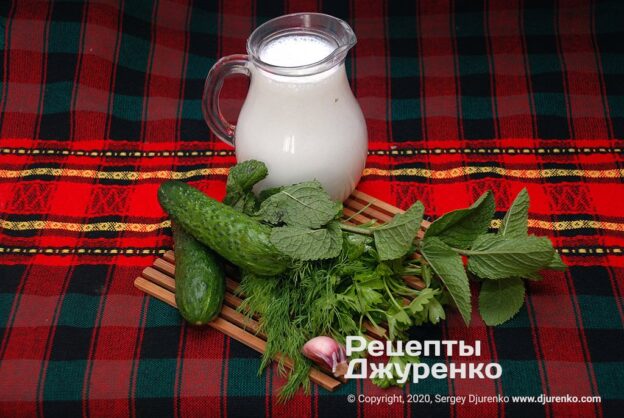
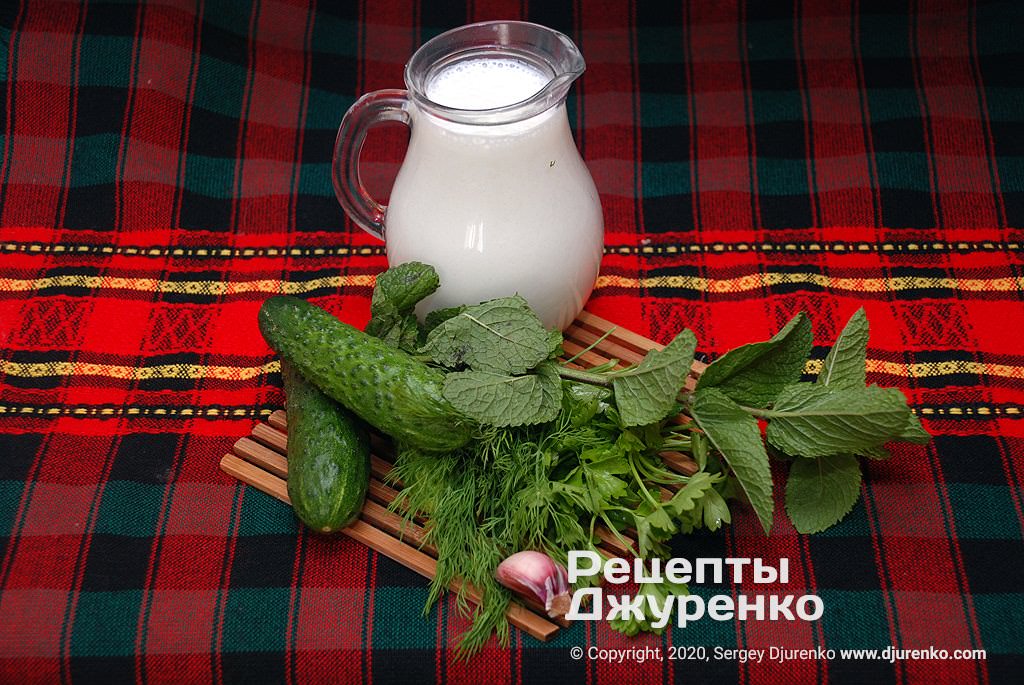
Make a dressing with a fermented dairy base. These salad dressings are very popular in the Middle East, the Mediterranean and the Balkans. Greek tzatziki sauce is a unique combination of yogurt, herbs and garlic, and suits not only salads but many other dishes. In French cooking, dressings based on crème fraîche and cream emulsions are popular. Blue cheeses are often added to the sauces, which is ideal for salads with chicken. Recipe for Greek tzatziki sauce.
Serving
Dress the salad: if the recipe needs the salad to soak up the sauce, make the sauce just before mixing; if the salad is dressed right before serving, make it a few minutes before the meal. Don’t make the dressing in advance.