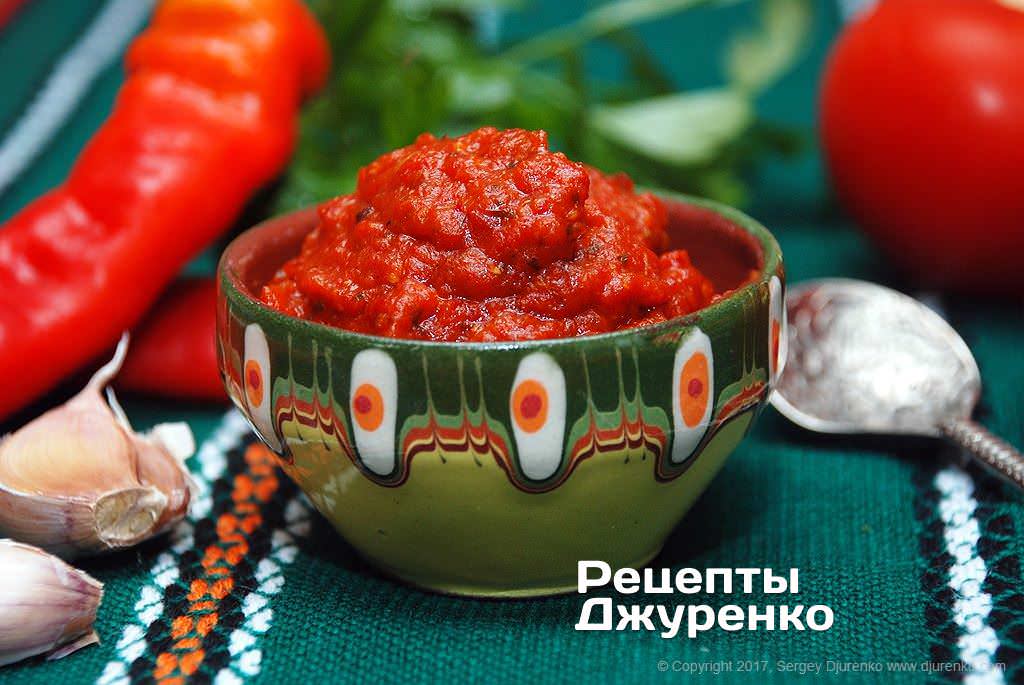
Lyutenitsa: Bulgarian Roasted Pepper and Tomato Sauce
Lyutenitsa is the most affordable and widespread vegetable sauce, typical mainly of Bulgarian cuisine. You'll find this amazing sauce everywhere, and the recipes are completely different. Or rather, each recipe has its own special touch that makes that particular sauce unique. That said, across most of the Balkans you'll find very similar sauces with their own names and national flavor.
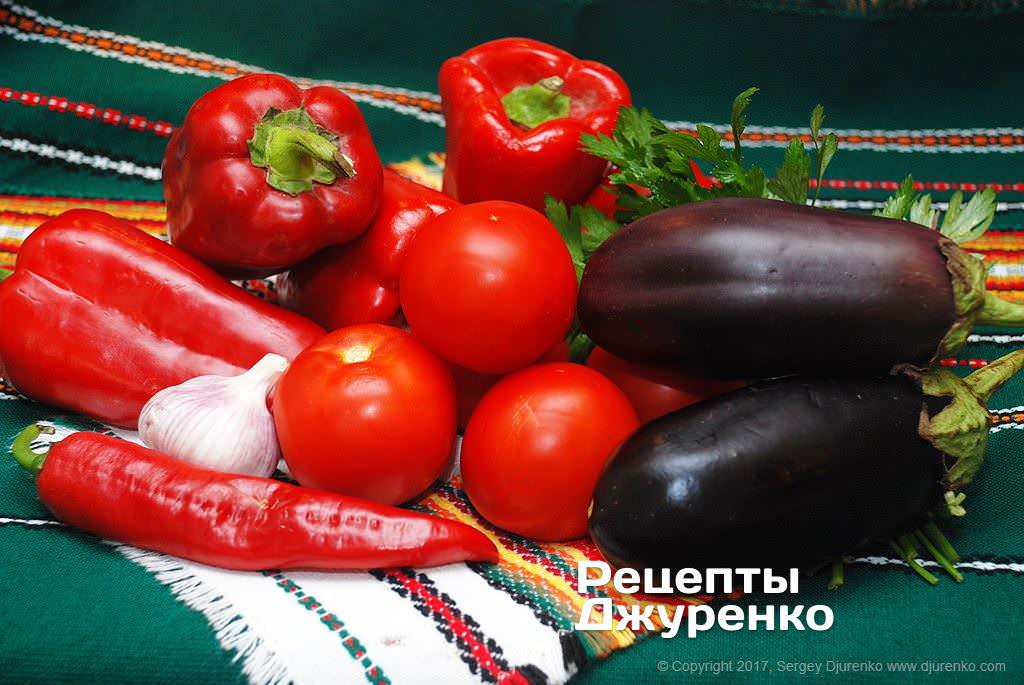
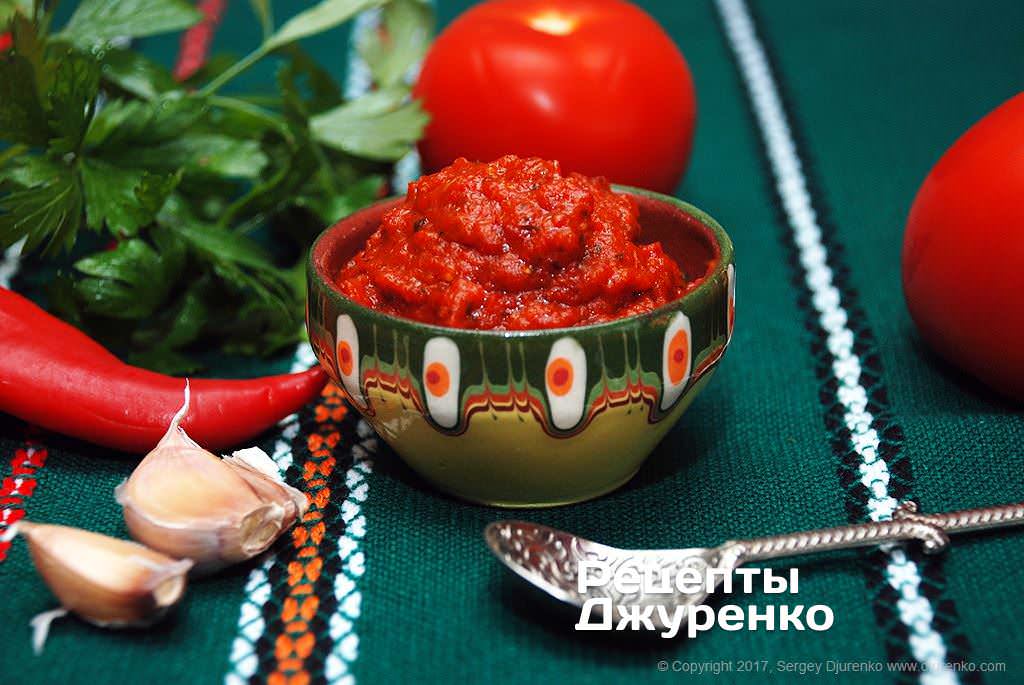
The main ingredient of lyutenitsa is roasted or baked red bell pepper. Red peppers give the sauce the intense red color it's famous for. Besides peppers, Bulgarian lyutenitsa contains tomatoes, chili, garlic, spices and vegetable oil. Those are the basics, and depending on taste or region, carrots, onions, eggplant and even brynza cheese get added too.
Very similar to lyutenitsa is so-called “green caviar”, kyopolou. It's more an appetizer than a sauce: eggplant baked, peeled and mixed with garlic and spices, sometimes with peppers and tomatoes. Serbian ajvar is a sauce-cum-appetizer where the main ingredient is roasted pepper and the other vegetables are minor additions.
Bulgarian lyutenitsa is tasty, very tasty. If you can't make it yourself, stores offer all sorts of versions to suit your taste. Some aren't spicy at all, some are even sweet. Some are hot or very hot, made from finely ground or fairly coarsely chopped ingredients. Alongside the “classic” traditional versions, there's always lyutenitsa with various extras. For example, ketchup , a tomato sauce, usually contains quite a few additives that preserve it and keep it pourable.
Surprisingly, store-bought lyutenitsa rarely contains chemical additives. And all the well-known lyutenitsa recipes recommend sterilizing the sauce in jars, with nothing added. They say it keeps for a long time.
Lyutenitsa is easy to make. Roast the red bell peppers any way you can, though preferably over an open flame or in a special pepper roaster, a chushkopek. The other main ingredients go in without cooking first, and the whole sauce is simmered down until thick. As a nice bonus, you can always add roasted eggplant, carrots, onions and other vegetables.
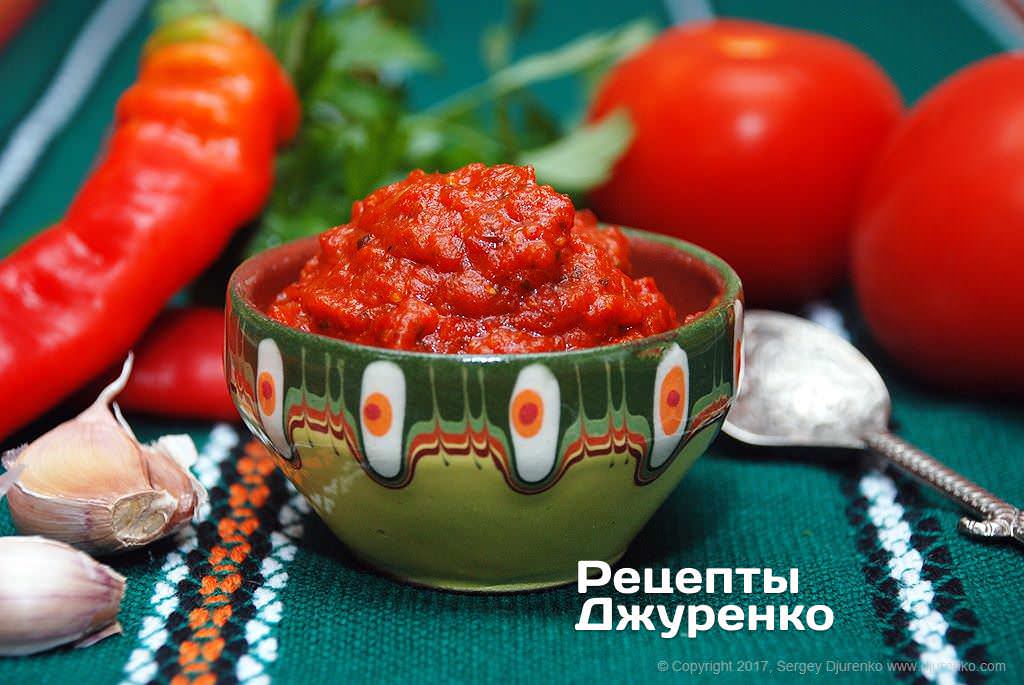
Ingredients
350 ml
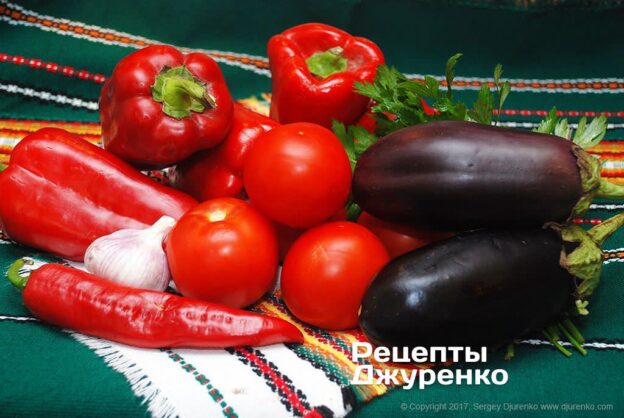
- Red bell peppers 5-6
- Ripe red tomatoes 4-5
- Red chili peppers 1-2
- Garlic 3-4 cloves
- Parsley 4-5 sprigs
- Vegetable oil 3-4 tbsp
- Eggplant (optional) 1-2
- Salt, sugar, cumin to taste
Step-by-step recipe
- Since lyutenitsa is first and foremost about good red bell peppers, let the amount of pepper guide you and choose everything else to match. Peppers should make up more than half the volume. The tomatoes should be ripe, even a little overripe. Eggplant is optional; traditional recipes rarely include it, and when they do, the sauce is called lyutenitsa with eggplant.
- For the lyutenitsa to be incredibly tasty and fragrant, the peppers and eggplant need to be roasted. Many recipes suggest boiling the vegetables, but that way you lose everything special about lyutenitsa. You can roast the peppers and eggplant in different ways. Best of all is an open flame or the heat of glowing coals on a grill. Alternatively, the vegetables roast well in the oven.
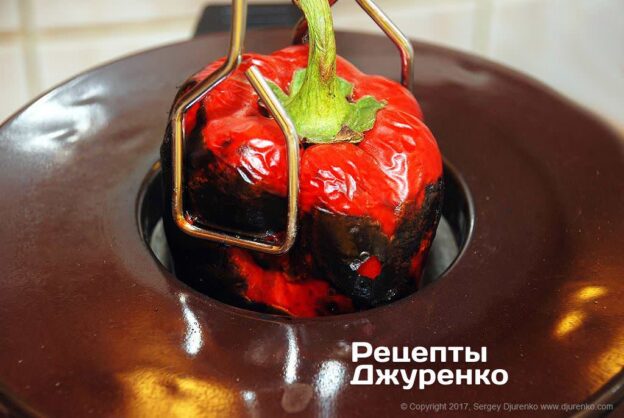
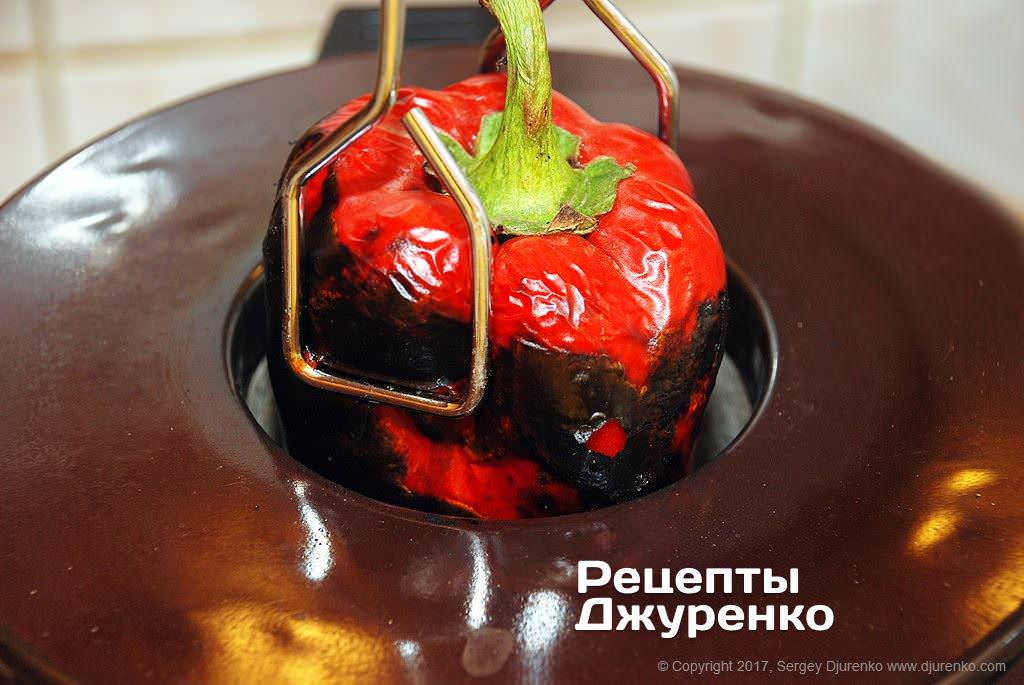
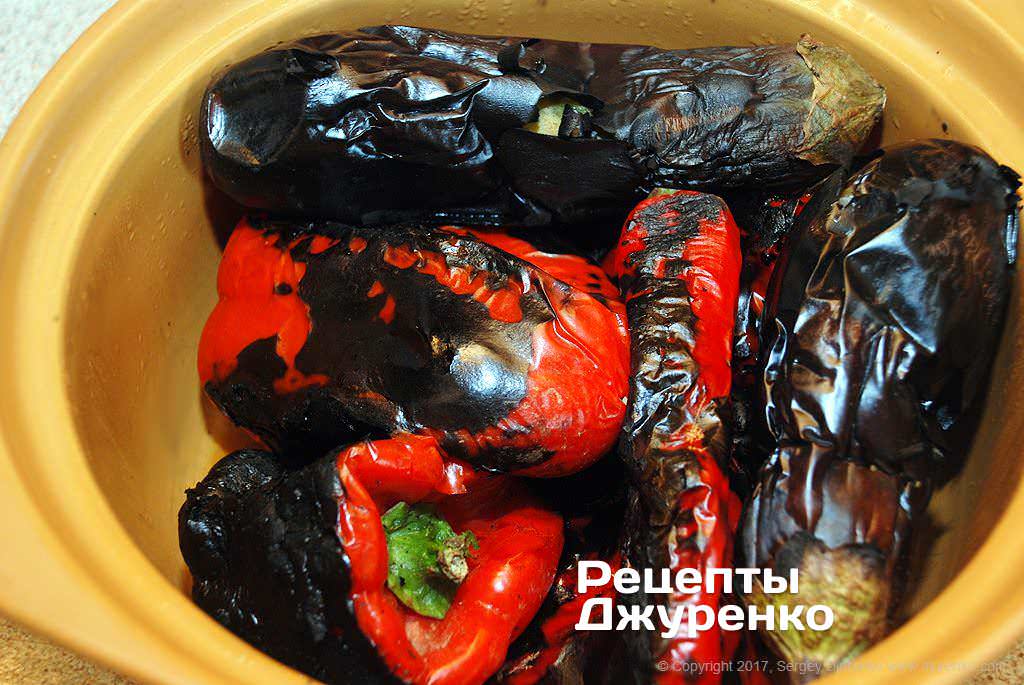
- In Bulgaria, vegetables are roasted in a clever electric oven called a chushkopek, a pepper roaster. An amazing and very handy gadget: it roasts a big, fleshy red pepper in a few minutes. One by one, roast all the bell peppers, chili and eggplant until the skin is charred, and put them in a pot with the lid on. Alternatively, put the roasted vegetables on a plate and cover with plastic wrap.
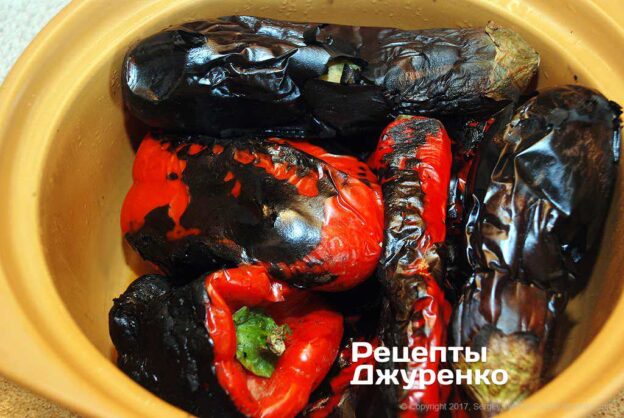
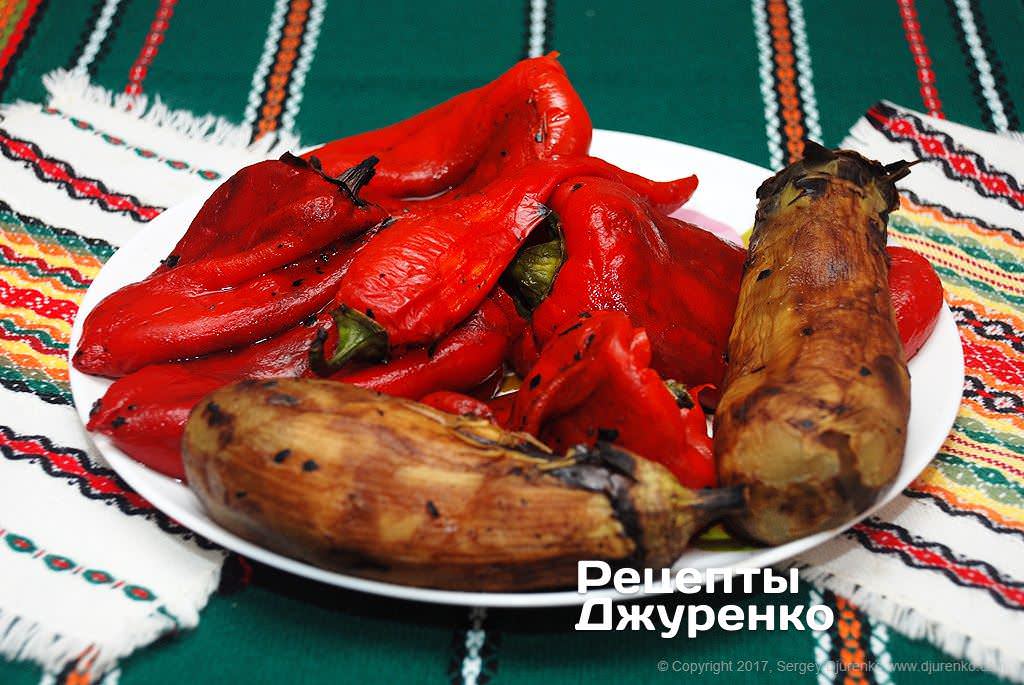
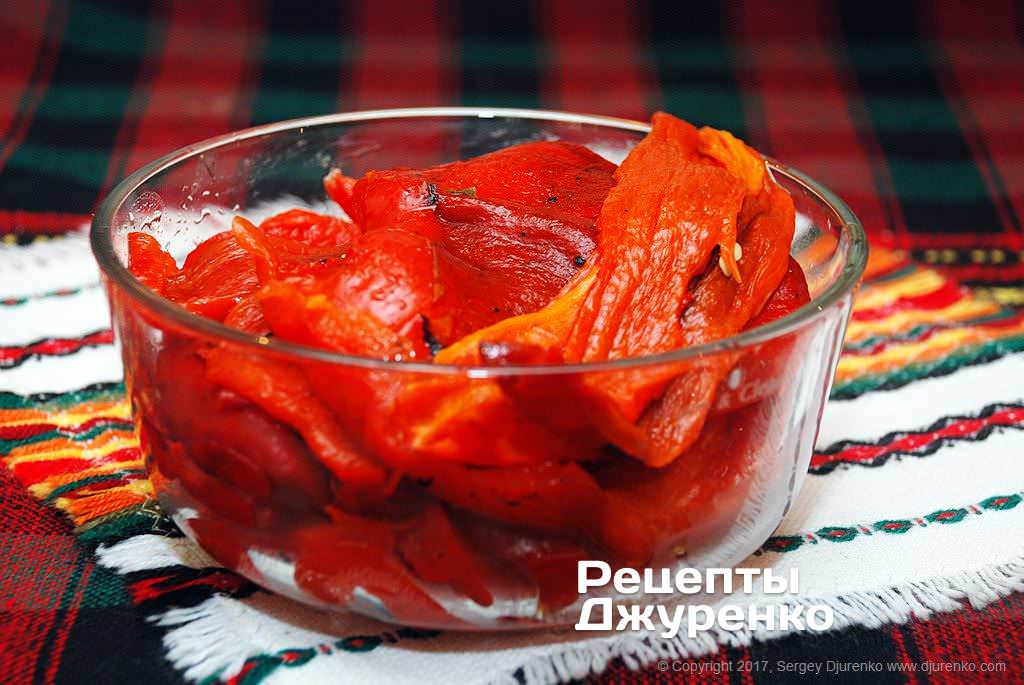
- Once cool, peel the charred skin off the peppers and eggplant; it slips off perfectly. Just don't rush to peel them hot, or you may burn yourself. Let the peppers and eggplant cool thoroughly. Besides, cooling in a closed container makes the vegetables softer, as the trapped heat keeps cooking them, and the skin comes off more cleanly.
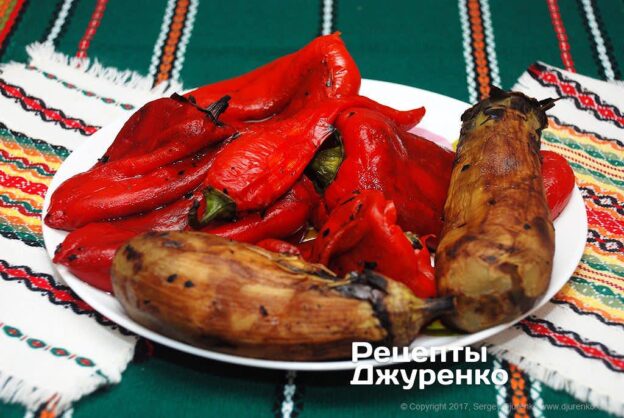
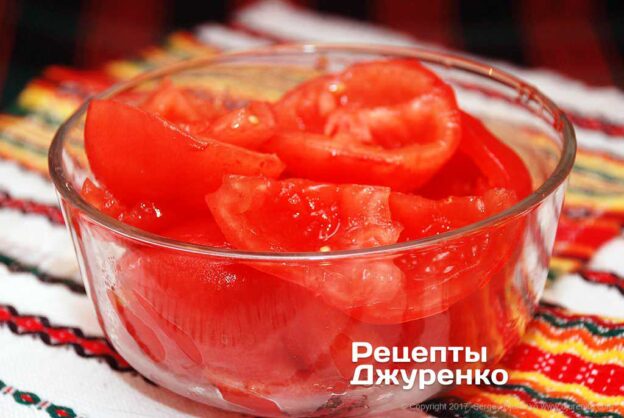
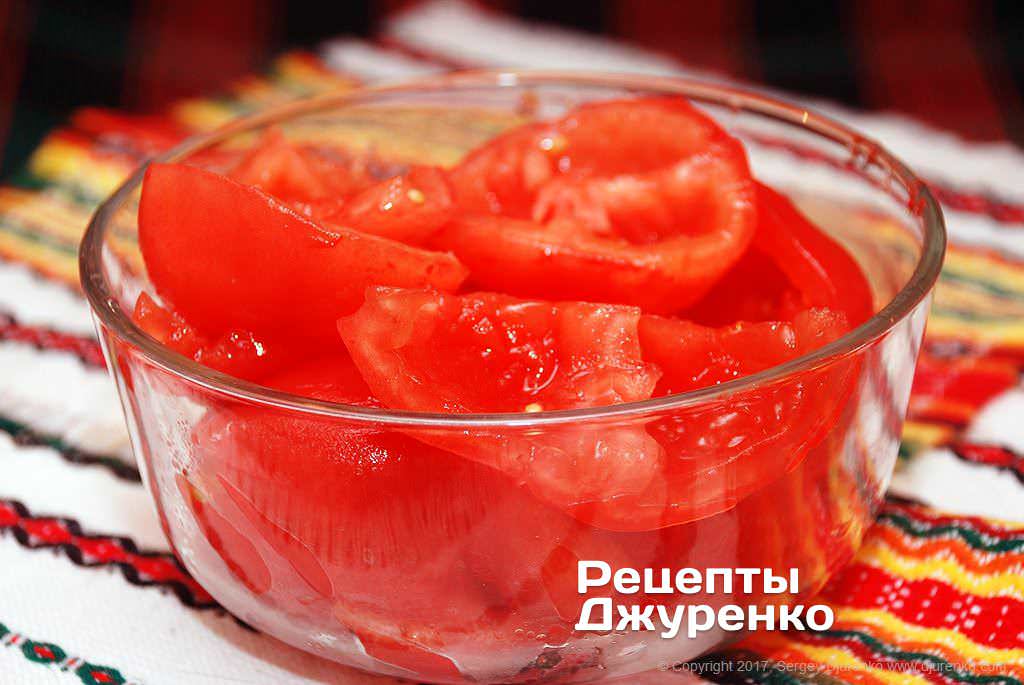
- Put the tomatoes in a deep bowl and cover with boiling water for 1-2 minutes. Rinse them with cold water, peel, and remove the seeds and any white parts. Blend the tomato flesh into a purée. By and large, preparing the tomatoes is like making a Mexican salsa from tomatoes or tomatillos.
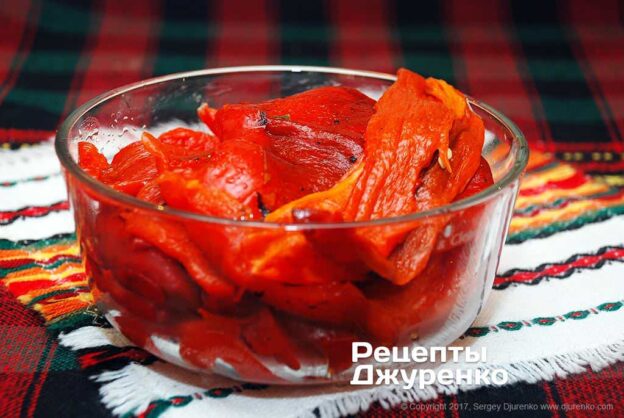
- Carefully remove the seeds and stems from the roasted bell peppers and chili, picking off any remaining charred skin as you go. As with the tomatoes, blend the peppers into a purée; this is the main component of lyutenitsa.
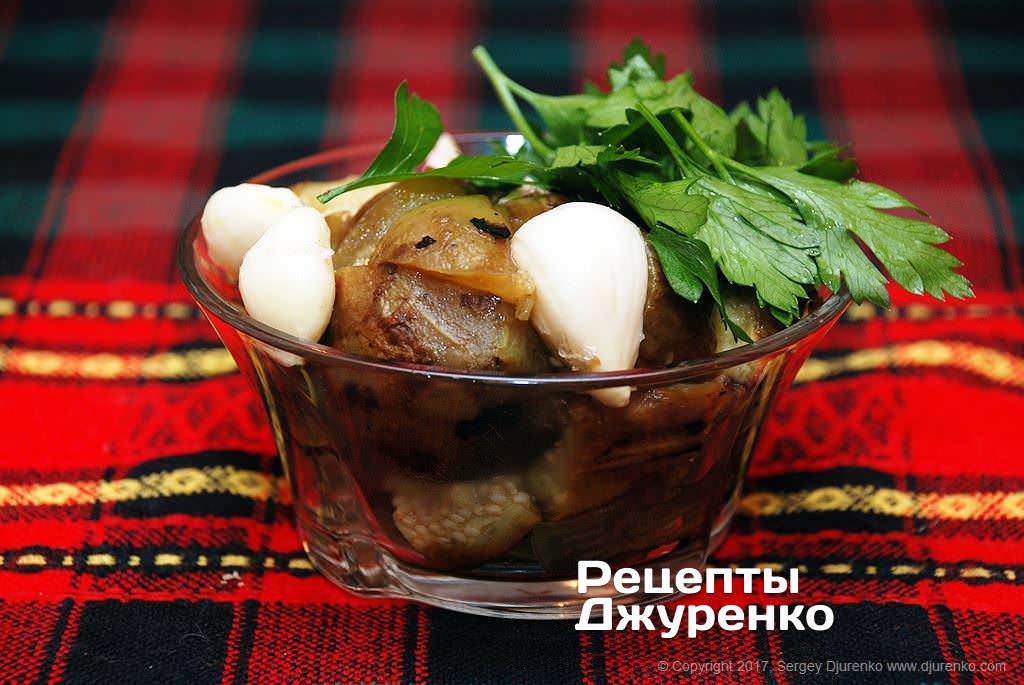
- Cut the stems off the roasted eggplants, halve them lengthwise and scrape out as many seeds as you can if they've matured. Peel the garlic; the amount is up to you, but for this many vegetables I think 3-4 large cloves is about right. Pick all the leaves off the parsley, discarding the tough stems. Blend the eggplant flesh, garlic and parsley into a purée.
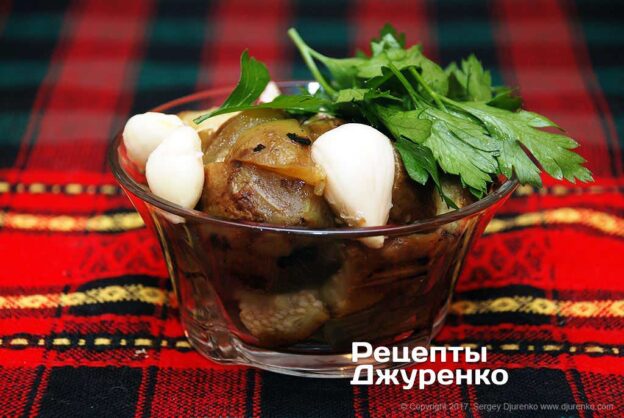
- In the old days, before kitchen appliances, all the ingredients were chopped by hand with a knife or put through a meat grinder, so lyutenitsa was quite coarse and resembled eggplant caviar. Nowadays, modern food processors give you a smooth vegetable sauce with a texture like Italian marinara.
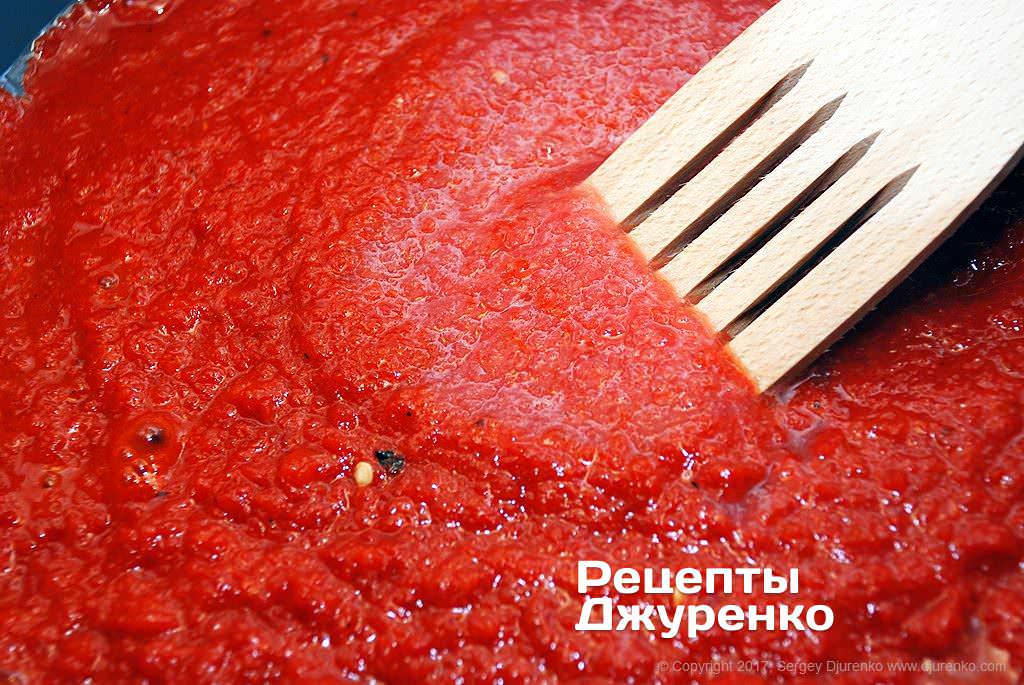
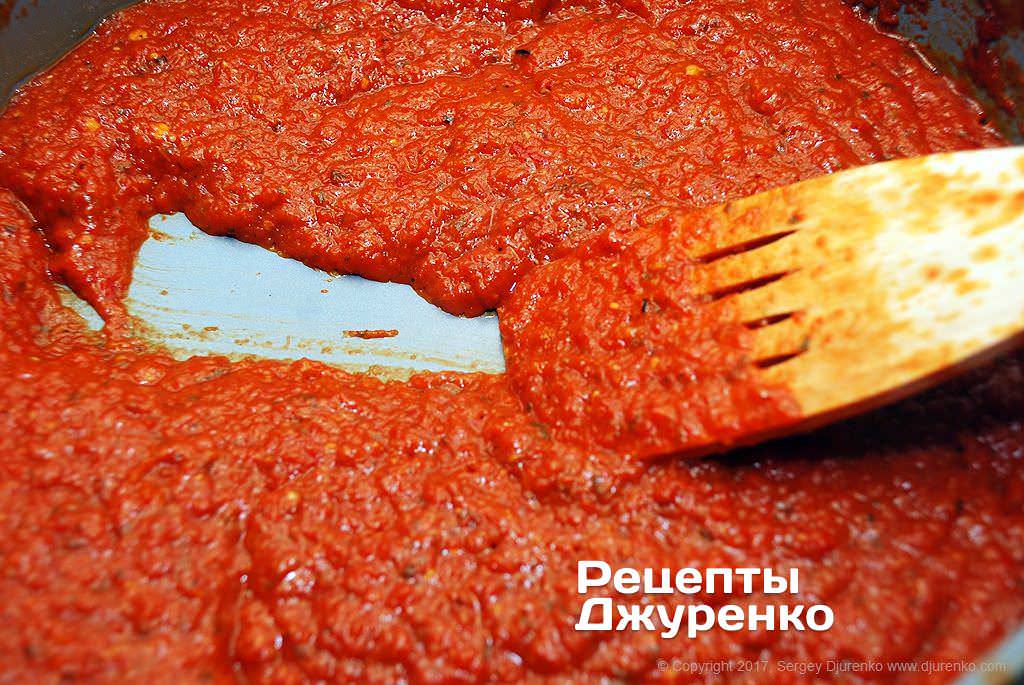
- Once all the components are ready, all that's left is to cook the lyutenitsa. You can do it in a pot or sauté pan. Heat the vegetable oil, preferably sunflower, and let it warm for a few minutes. Pour the roasted pepper purée and tomato purée into the hot oil. Simmer the vegetable mixture uncovered. Stir the purée fairly often so it doesn't stick to the bottom. By the way, an ordinary wooden spatula or spoon is handy for stirring.
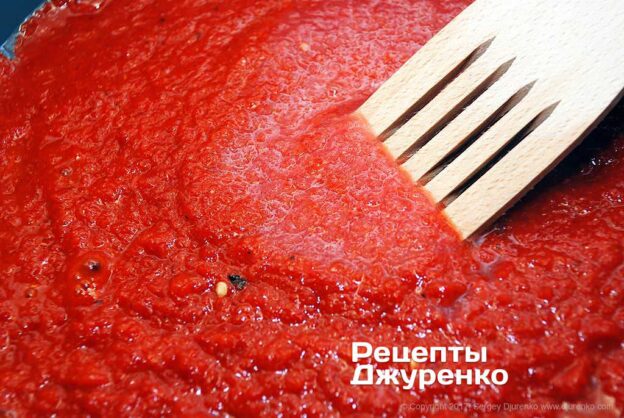
- Once the pepper and tomato purée comes to a boil, turn the heat down a little. Simmer until it starts to thicken. Tomatoes usually release a lot of moisture, and you need to cook off as much of it as possible. Then add all the eggplant, garlic and parsley purée. Despite their different color, these ingredients don't change the sauce's nice red color much, just as herbs in Bolognese sauce don't change the red color of that meat ragù.
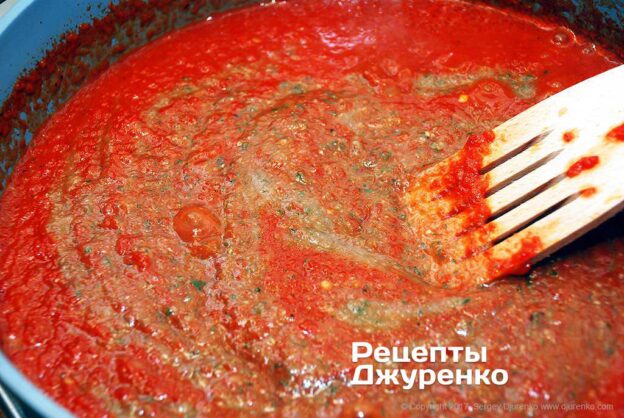
- Next comes an important step: the seasoning. Salt the sauce to taste and add sugar. Lyutenitsa should be a little sweet, just a little. Add 1-2 pinches of cumin ground in a mortar; in Bulgaria this spice is called “kimion”. Keep in mind the sauce will keep thickening as it loses moisture, so go easy on the spices.
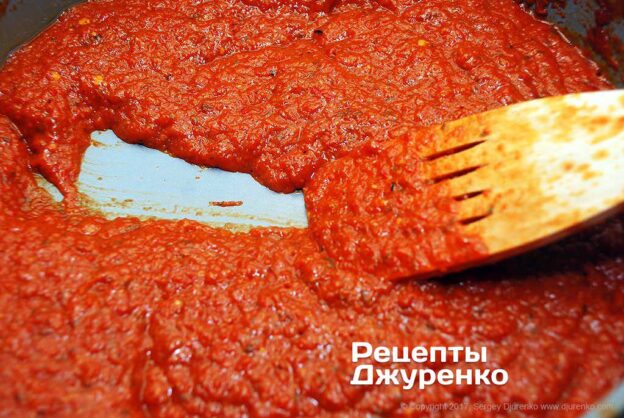
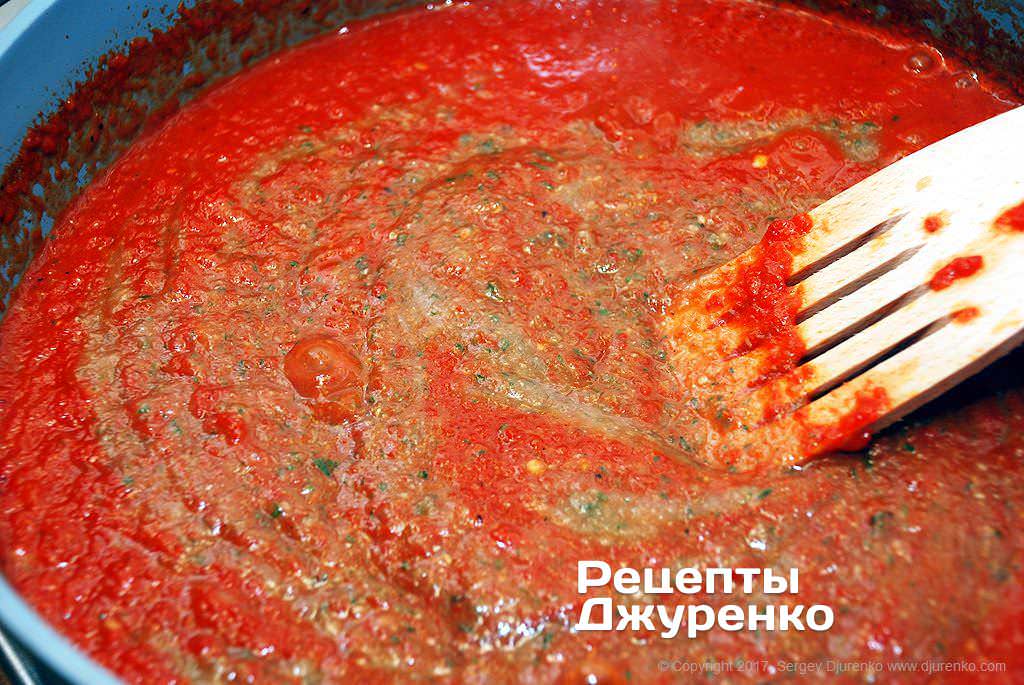
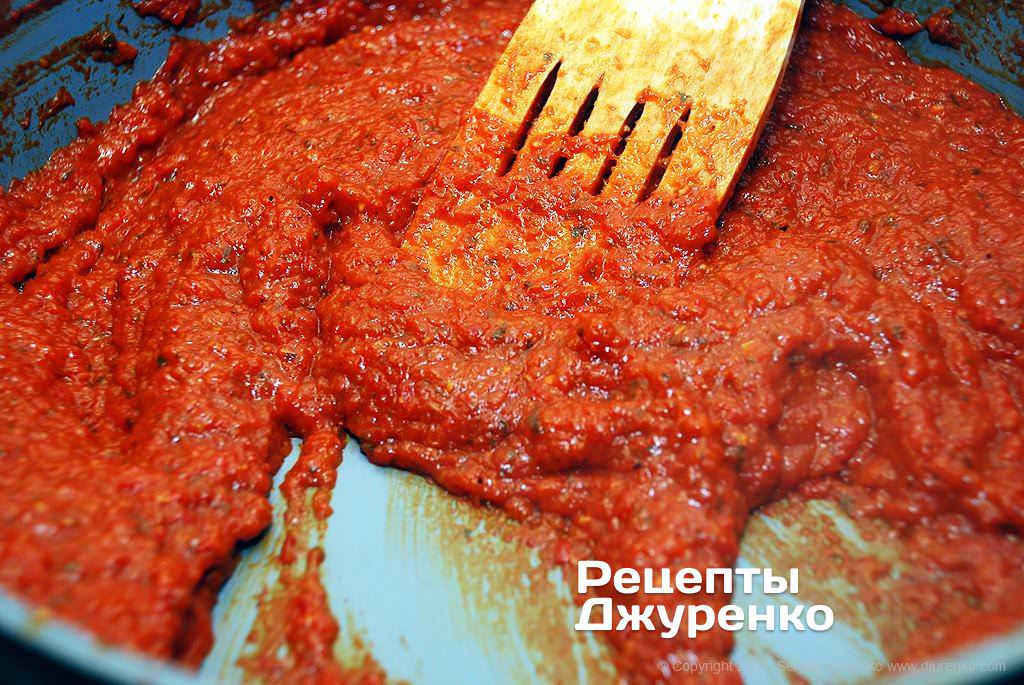
- Keep heating the vegetable mixture, stirring regularly. You'll see plenty of steam rising from the purée. Gradually the lyutenitsa will become quite thick, with a texture like the Greek roasted eggplant dip melitzanosalata: thick and not runny at all. The sauce should be fairly stiff. If you run the spatula across the bottom of the pan, the trail won't fill back in with sauce. That's the sign the lyutenitsa is ready.
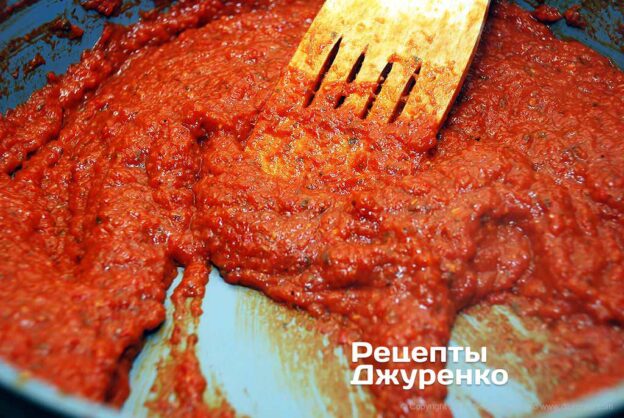
- Spoon the hot lyutenitsa into small sterilized jars and refrigerate once cool. That way it keeps for quite a while. Though it gets eaten very quickly. If you're putting it up for winter, sterilize the jars in hot water for at least half an hour, then seal them.
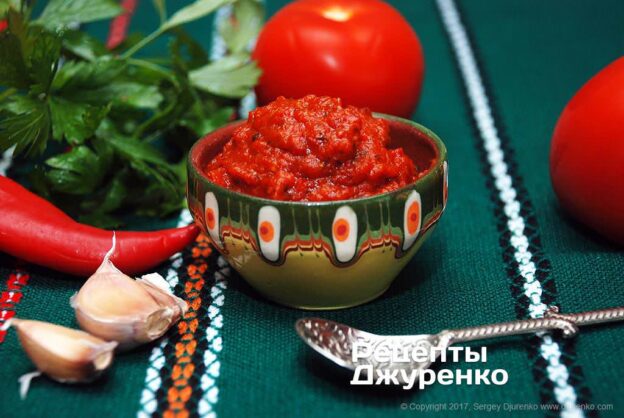
- Lyutenitsa is both a sauce and an appetizer. It makes great simple sandwiches: spread a tablespoon of lyutenitsa on a slice of fresh wheat bread. Or make yourself a light lunch of fresh brynza and herbs with lyutenitsa and a fried hot pepper.
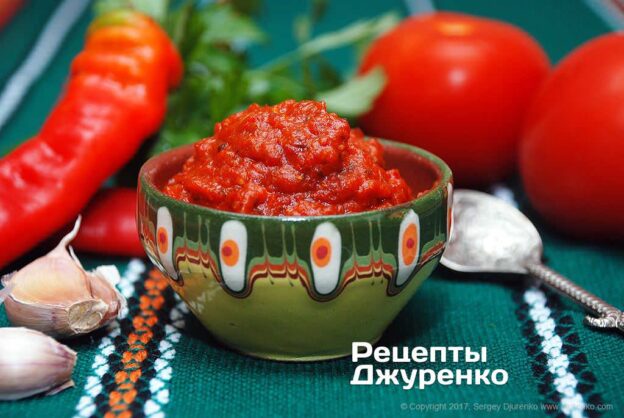
- Lyutenitsa is a great condiment for a grilled pork chop or tasty homemade chicken sausage, especially for a festive spread. And a slice of salo with garlic and lyutenitsa is a real treat!
| Serves: | 350 ml |
| Calories: | 110 |
| Prep: | 1 h |
| Cook: | 30 mins |
| Total: | 1 h 30 mins |
| Category: | Snacks and Sauces |
| Cuisine: | Bulgarian cuisine |
| Rating: |
⭐
⭐
⭐
⭐
⭐
4.3
(6)
|