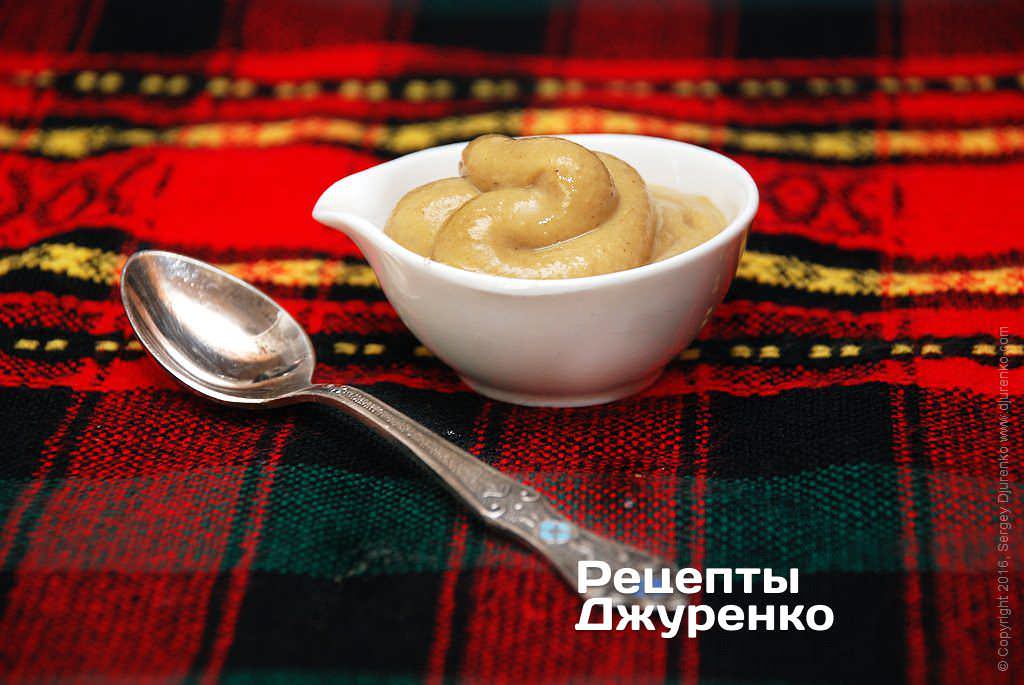
Homemade Mustard Recipe from Mustard Powder
Homemade mustard contains nothing superfluous. Back in my youth, when a single ruble could fill you up to the brim, the tables in ordinary Soviet canteens (practically all of them) only rarely had a salt shaker and a pepper shaker, but almost always there was a 200 g jar of fiery mustard. With an aluminium spoon in it. And it was free.
Table mustard is a very ancient condiment made from the seeds of mustard, a cultivated plant. The ripe seeds are ground very finely, steeped to release the mustard oil, and “refined” with various additions: sugar, salt, vegetable oil, vinegar.
Mustard is one of the most popular condiments in many national cuisines: German, French, Eastern European. But “foreign” mustards are usually sweetish and not hot.
Mustard makes superb marinades and sauces, and it preserves all sorts of dishes well. They say mustard comes in kinds: “white” (Sinapis alba), the English one; “black”, the Dijon one; and “Sarepta”, the Eastern European one. Mustard seeds contain an essential, mustard oil, and also up to 25-35% fatty oil.
Today the variety of table mustards from different producers is simply astonishing. But look closely at the ingredients. Along with the usual ones there are sodium benzoate, stabilizers, antioxidants… and a shelf life of 90-180 days. That frightens me.
Who is stopping you from making fresh, tasty, properly hot table mustard yourself?
More in Sauces
 AdjikaReal Caucasian adjika: hot red chili peppers, garlic, coriander, khmeli-suneli and rock salt ground into a fiery paste. No tomatoes, step-by-step with photos.
 Tkemali SauceHomemade Georgian tkemali sauce from cherry plums with garlic, herbs and chili. Great with grilled meat and the sour base for kharcho soup. Keeps all winter.
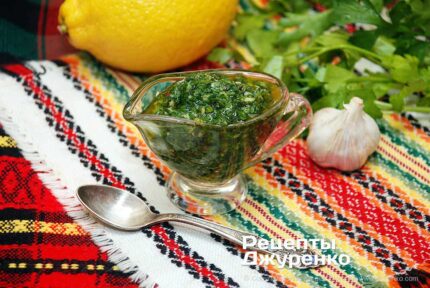 Garlic Gremolata – Italian Parsley SauceClassic Italian gremolata from parsley, lemon zest and garlic in 10 minutes. The traditional condiment for osso buco, risotto, braised meat and fish.
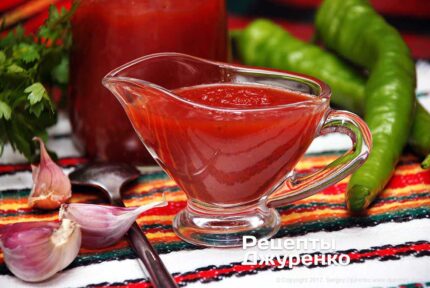 Homemade Tomato Ketchup: Cook, Can and Keep in the FridgeHomemade tomato ketchup from ripe tomatoes and natural spices, no preservatives: peel, purée, cook down, then can in jars and keep in the fridge for weeks.
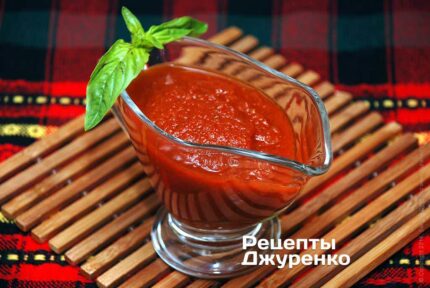 Homemade Tomato SauceHomemade tomato sauce from ripe fresh tomatoes, onion, garlic and herbs, slowly simmered until thick. Better than ketchup for pizza, pasta, meat and fish.
Ingredients
1 jar
- Mustard powder 50 g
- Salt, sugar, table vinegar, vegetable oil to taste
- Ground turmeric, mustard seeds optional
Step-by-step recipe
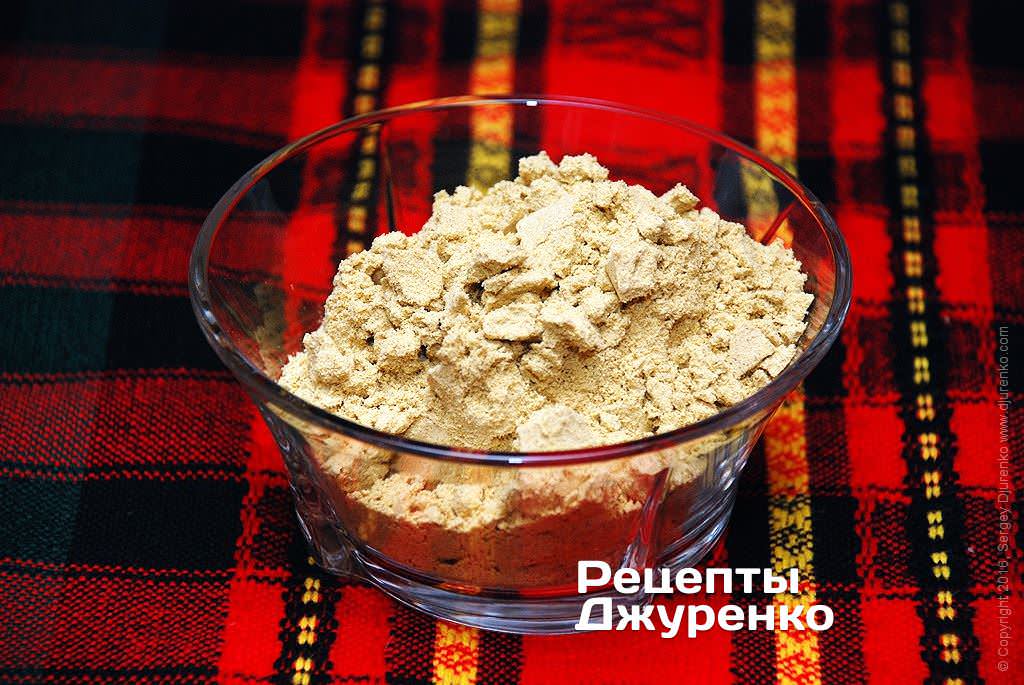
- Dry mustard powder is sold everywhere. Just make sure the packet is airtight, because in the open air the powder quickly loses its strength. If you like, you can grind a few lightly roasted mustard seeds in a coffee grinder.
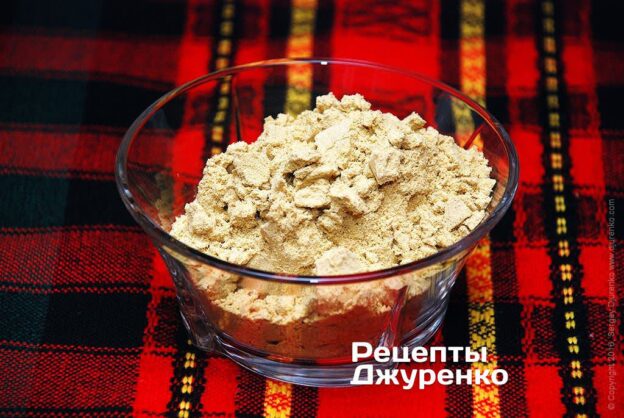
- It is ideal if you have a food thermos that can keep its temperature for several hours, so the mustard oil forms better. If not, no problem.
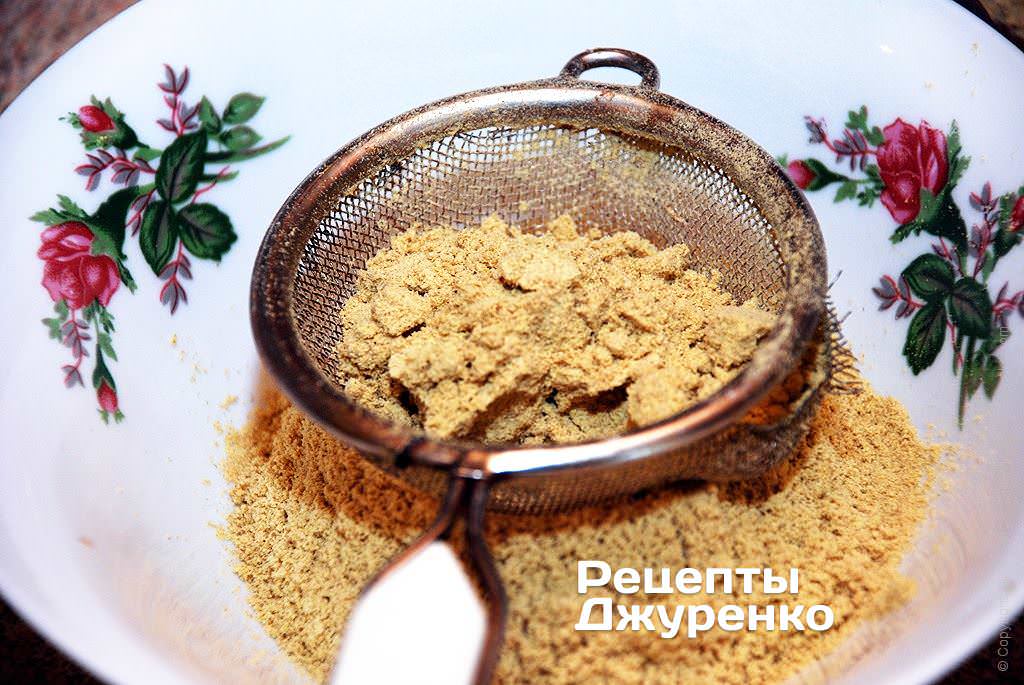
- Be sure to sift the mustard powder through a tea strainer. The powder usually contains unground bits, husks and even whole seeds. Sifting also loosens the powder so it steeps better. This matters if you want the result to be hot and fiery.
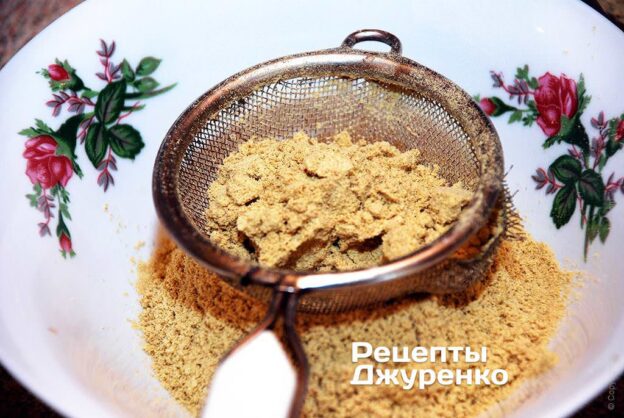
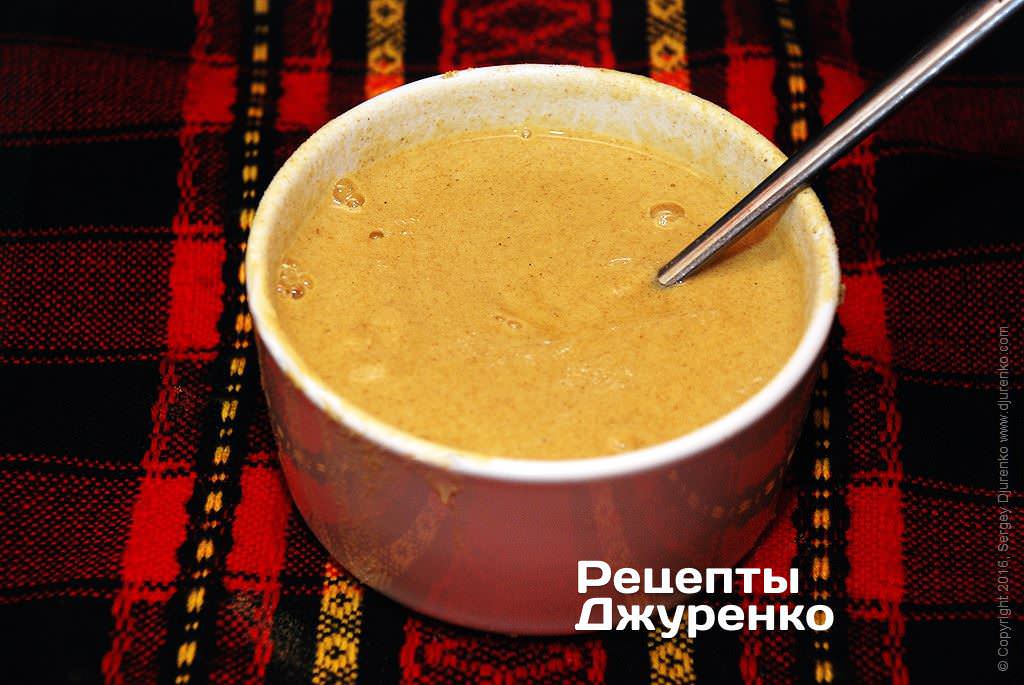
- Put the sifted mustard powder into a small, deep ceramic bowl. Pour in very hot water, straight from a vigorously boiling kettle. Stir the mustard powder with the water thoroughly until you get a smooth, semi-liquid paste. For the powder to steep and release the mustard oil, keep the paste hot for at least 30 mins.
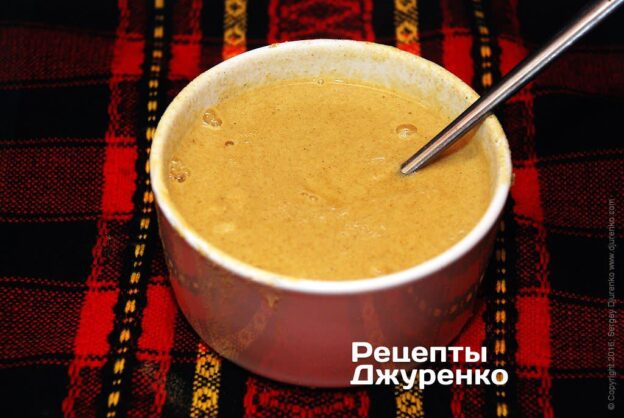
- With a food thermos, just seal it right away and leave it; it keeps the heat well.
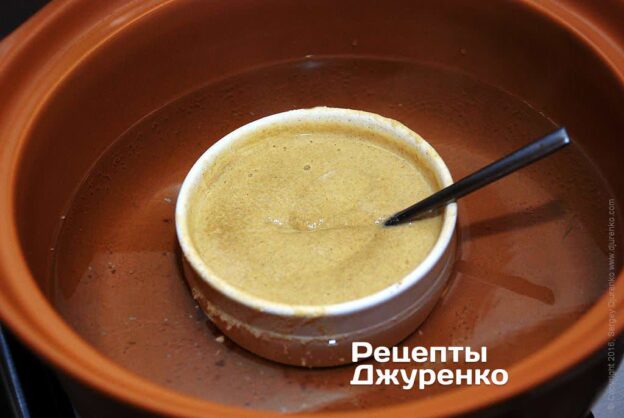
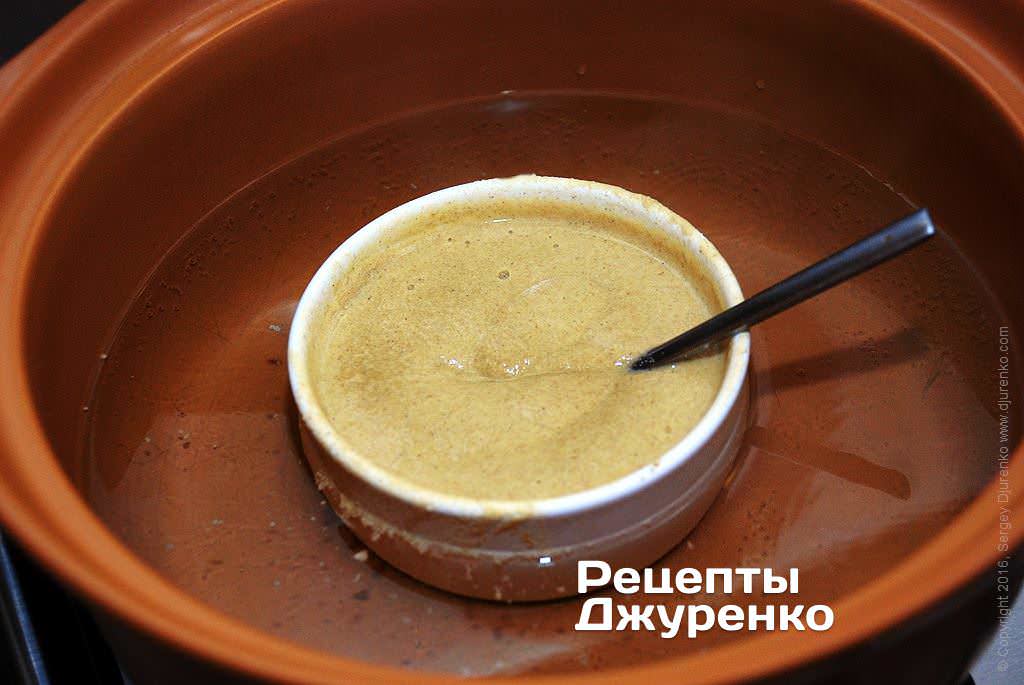
- If you have no thermos, use a water bath. Pour boiling water into a pan wider than the bowl with the mustard, set the bowl with the mustard paste in the water (so the water doesn't boil over the edge), and put the pan on the heat straight away. Bring the water to a gentle simmer. The mustard in the bowl will stay hot the whole time. Leave the water bath on the heat.
- When it cools, leave it in the bowl for 10-12 hours (up to 1 day) in a cool place so the bitterness goes away. If you skip this, the result will most likely be bitter, or hot and bitter.
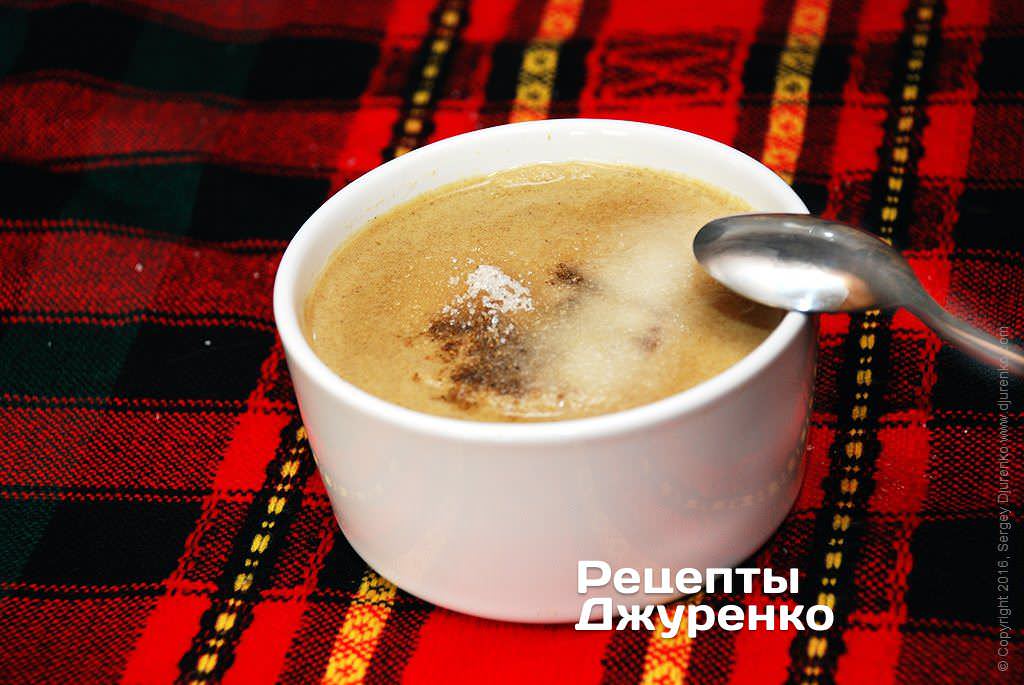
- Add sugar, salt and vinegar to the mustard, to taste. People often ask why homemade mustard differs in colour from the shop-bought kind. Most likely the ready-made mustard contains a lot of additives, including ones that improve the colour. But if you like, add a little turmeric for a nice yellowish colour. Whole mustard seeds are often added to the hot mustard too, but that is optional. If the result is too thick, thin it with boiling water. Add 1 tsp of vegetable oil and stir.
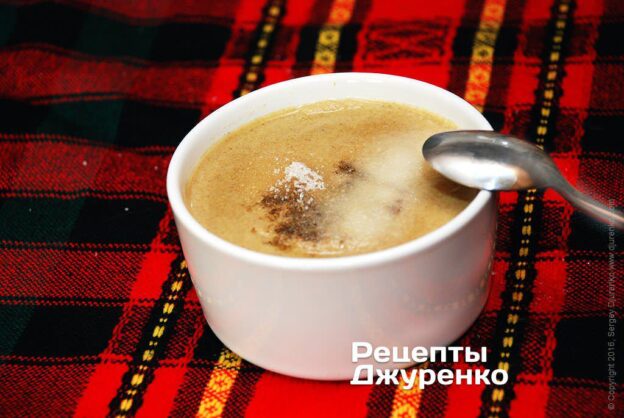
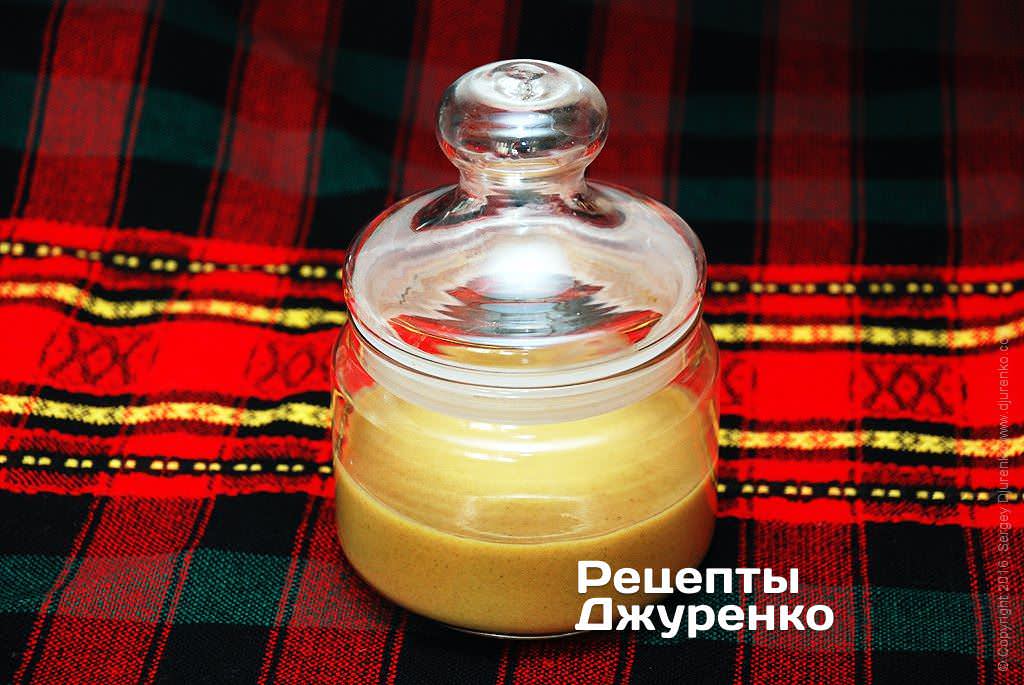
- The condiment already tastes right and has a hint of heat, but it is not quite hot yet; it needs to “mature”. Transfer the mustard to a jar, seal it tightly and put it in the fridge. The heat develops with time. It may take a few days. After 3-4 days it reaches the right sharpness. Just the way it should be!
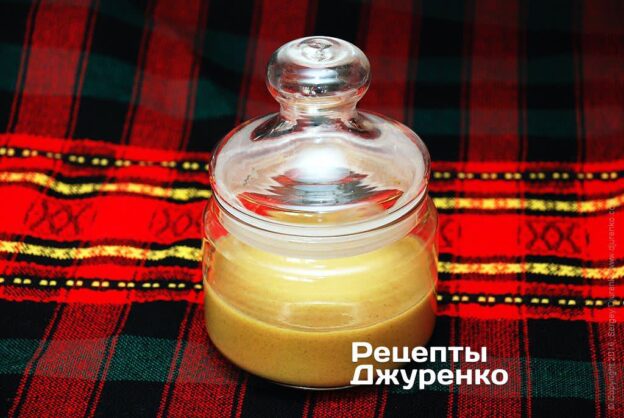
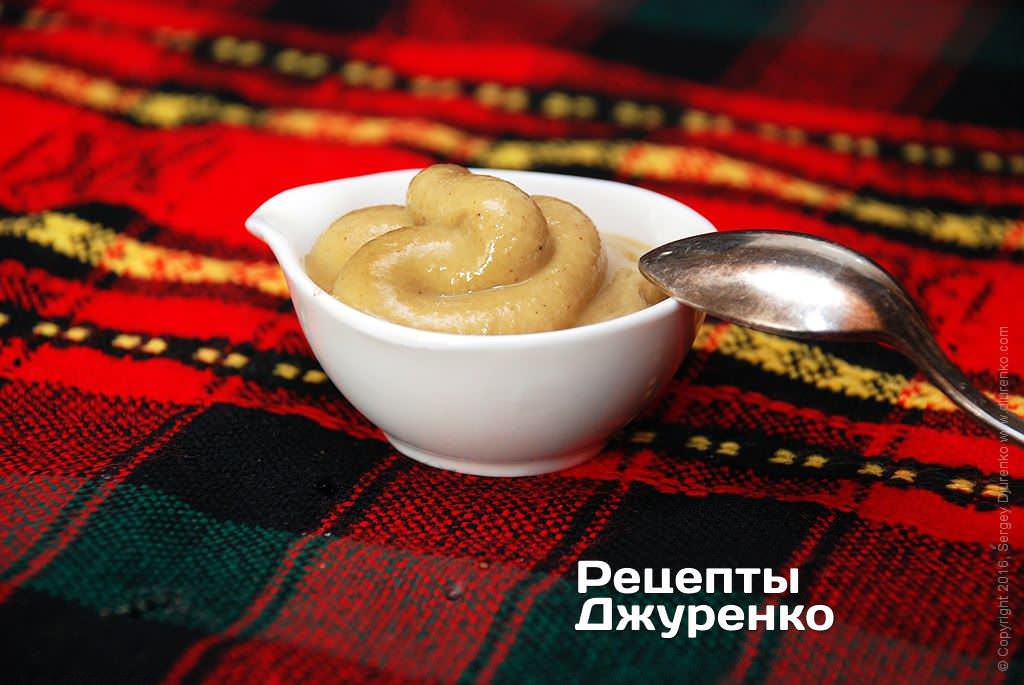
- A wonderful homemade condiment, a completely natural product. It brings to mind milk sausages with Ukrainian bread and a spoonful of homemade mustard…
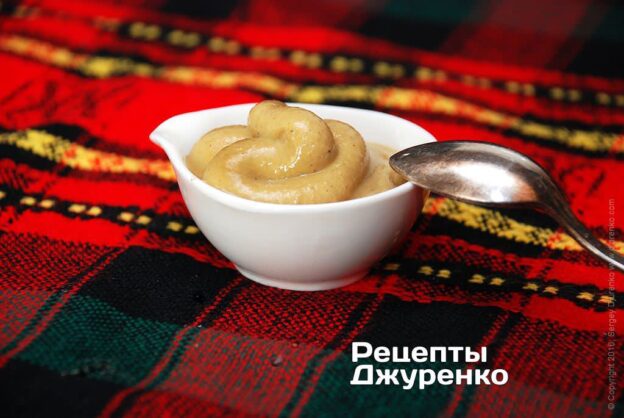
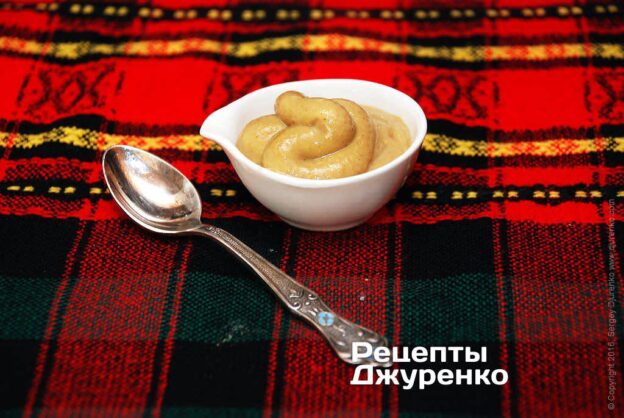
- And one more thing: do NOT keep mustard for a month, a week at most, and make a fresh batch.
 Pull chopper for garlic and onionAliExpress
 Oil sprayerAliExpress
 Kitchen scale up to 5 kgAliExpress
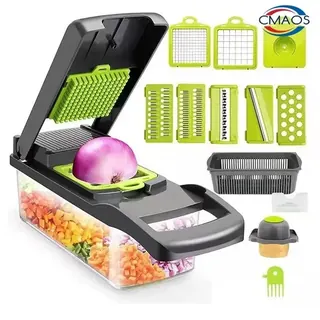 Vegetable chopper with handleAliExpress
 Measuring cups and spoonsAliExpress
 Peeler with wooden handleAliExpress
 Chunky Chelsea bootsINTERTOP
 Lace-up bootsINTERTOP
 Platform sheepskin slippersINTERTOP
 Beige sheepskin bootsINTERTOP
 Suede knee-high bootsINTERTOP
 Heeled ankle bootsINTERTOP
 Brown Chelsea bootsINTERTOP
 Classic Chelsea bootsINTERTOP
 Smoby Bon Appetit play kitchenБудинок іграшок
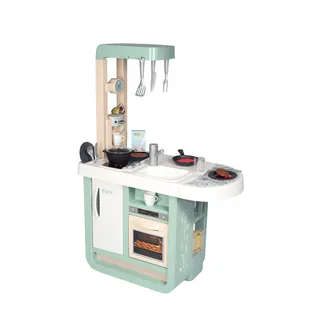 Smoby kitchen with oven and fridgeБудинок іграшок
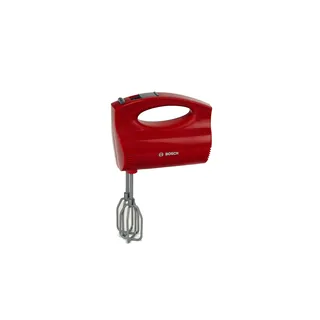 Bosch Mini toy mixerБудинок іграшок
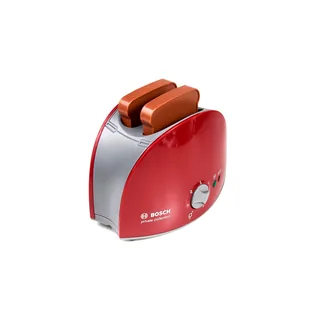 Bosch Mini toy toasterБудинок іграшок
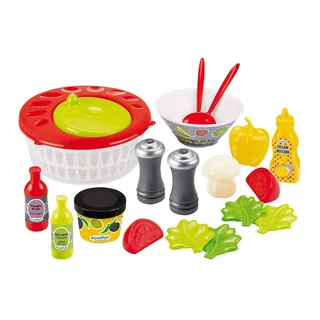 Chef’s salad play setБудинок іграшок
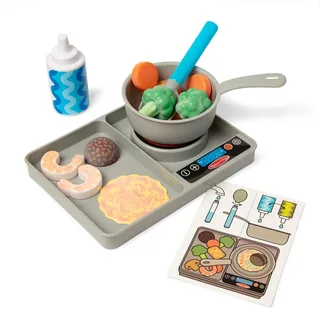 Melissa & Doug sauté play setБудинок іграшок
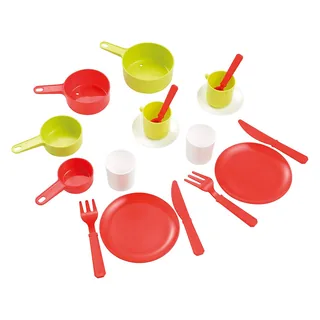 Smoby cookware in a panБудинок іграшок
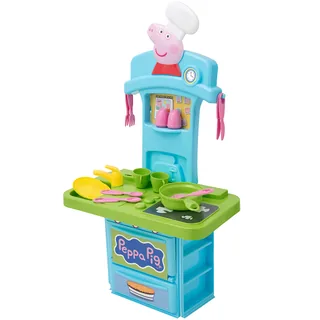 Peppa Pig kitchenБудинок іграшок
 | Yield: | 1 jar |
| Calories: | 96 kcal per 100 g |
| Prep: | 10 mins |
| Cooking: | 30 mins |
| Ready in: | a few days |
| Category: | Snacks and Sauces › Sauces |
| Cuisine: | European |
| Rating: |