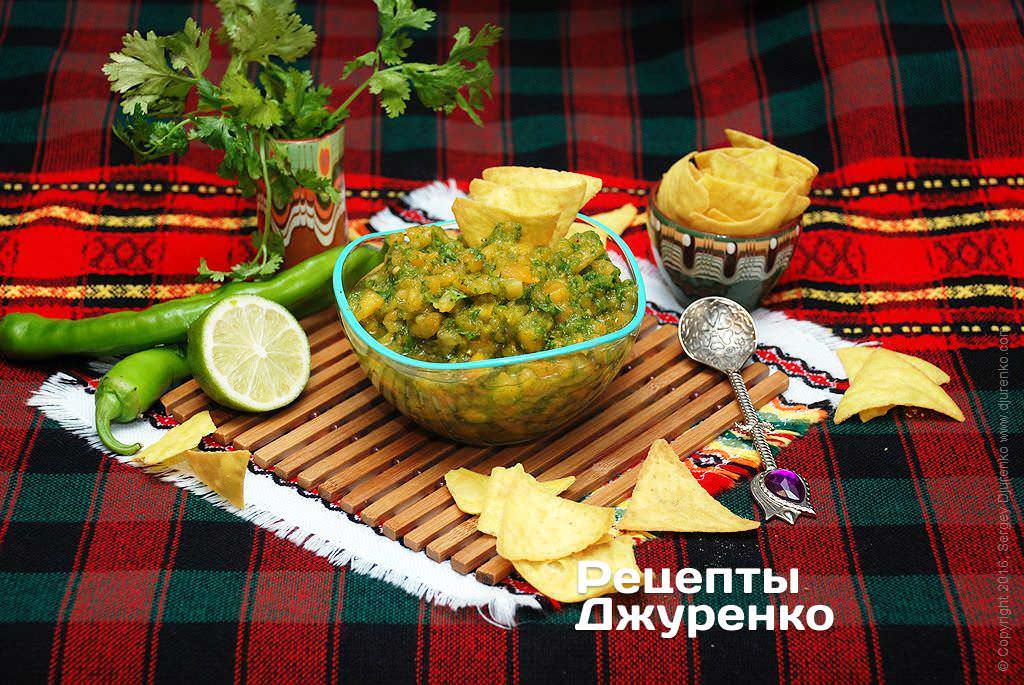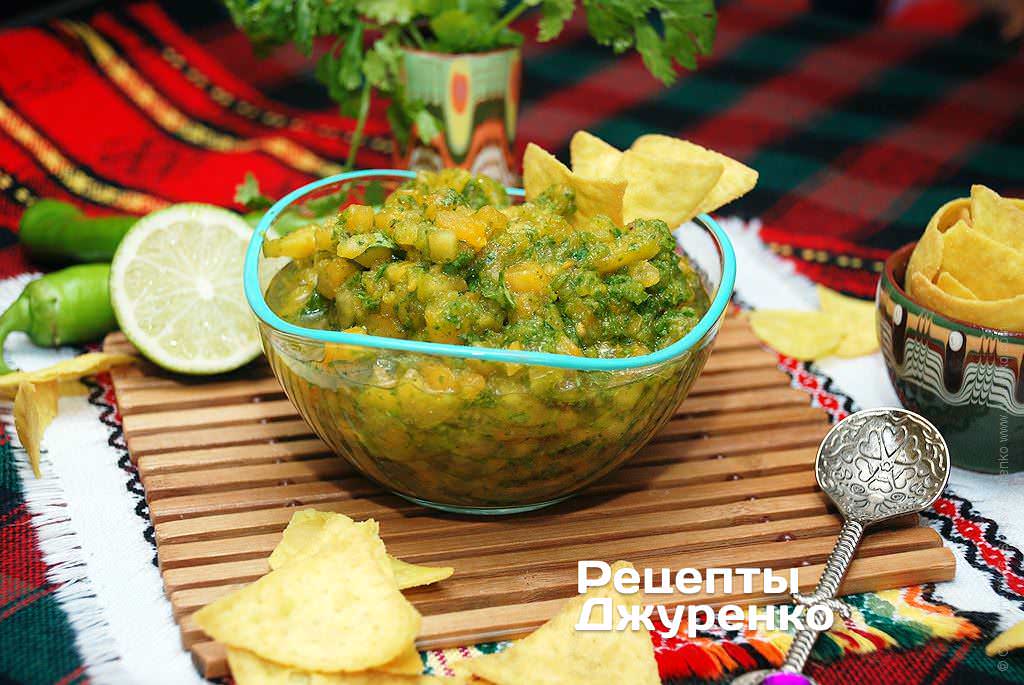
Homemade Salsa Recipe with Physalis or Yellow Tomatoes

Salsa with Physalis, Yellow Tomatoes and Cilantro
☆ 4.9

Strictly speaking, salsa can also be a salad, depending on how finely you chop the ingredients. Usually, though, it is made from finely chopped tomatoes (ripe, half-ripe, yellow or even green) or from physalis, tomatillos or feijoa, with chili peppers, onion, garlic, herbs and spices.

Every nation, whatever its own way of cooking, always has a sauce or condiment on the menu that improves or brings out the taste of a dish: horseradish and mustard, adjika, ketchup and mayonnaise.

The history of modern Mexican cuisine goes back to the times of the Aztecs and the Maya, at least thirty centuries! In hot Mexico, where people are as fiery as the sun, the sauces are just as fiery. The famous passionate dance is even named after this sauce: salsa.

Salsa is usually served as a sauce with tortillas or tacos. It can be raw or cooked. A typical sauce, pico de gallo, is mixed and served raw. Pico de gallo, which translates as “rooster’s beak”, is a fresh sauce of chopped tomatoes, onion and chili peppers. All sorts of ingredients can go into it: lemons, avocado, lime, cucumber and radishes.

You can also make salsa with green tomatoes, but there is a catch. Green tomatoes contain solanine, a toxic alkaloid found in plants of the nightshade family.

Solanine in unripe tomatoes is dangerous, but once the tomatoes reach full size and start to lighten, turning whitish-green, milky or slightly pink, their solanine content drops sharply, and they can be eaten after salting, marinating or fermenting.

So, to be safe, avoid the greenest tomatoes. If you can’t get physalis, which has no solanine, it is better to use half-ripe tomatoes, and yellow ones are better still. That is no problem at all in vegetable season. A little salsa is always welcome when serving a salad.

Ingredients

4 servings

  • Physalis or yellow tomatoes 0.5 kg
  • Green chili pepper 1
  • Garlic 4-6 cloves
  • Cilantro 1 bunch
  • Lime 1/2
  • White onion 1/2
  • Olive oil 1 tbsp
  • Salt a pinch
  • Black pepper, coarsely ground a pinch

Step-by-step recipe

Tomatoes

  1. Many cuisines around the world have similar sauces, and they are often all called salsa verde, even though they differ completely in ingredients and method. In Mexican cuisine it is a purée of tomatillos (physalis), hot jalapeño, white onion and cilantro. In American cooking the sauce is often made with a rather loose take on the recipe, not limited to the usual ingredients.

    By the way, guacamole salsa (Salsa guacamole) is one of my favorite sauces, made from mashed avocado, lime juice and chili. From region to region, local color and a region’s own set of add-ins are added to the base.

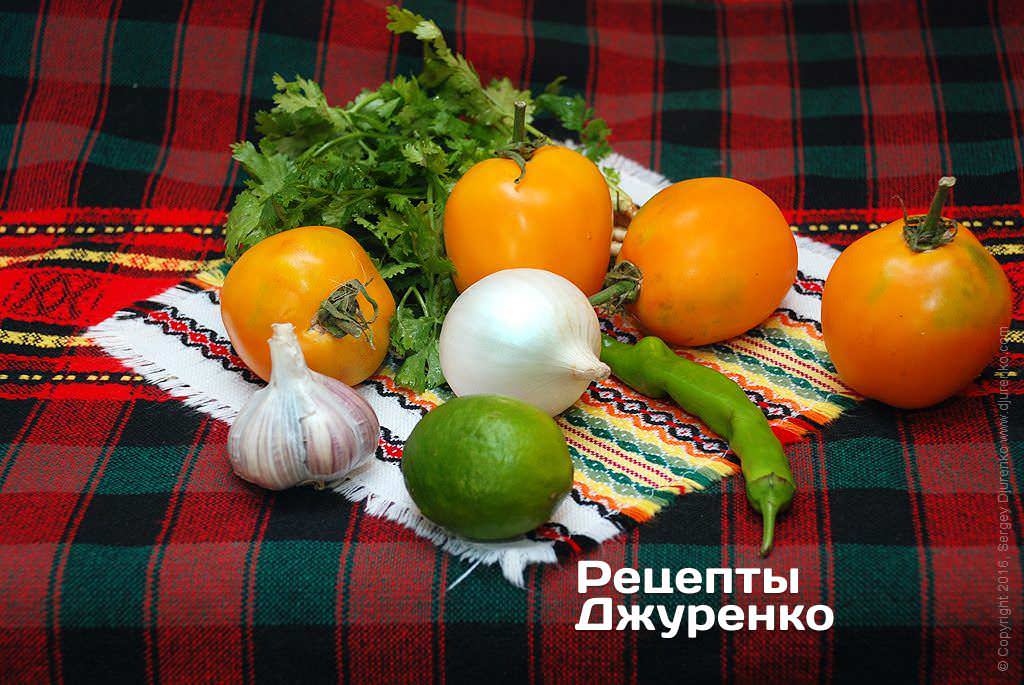
  2. Cut the yellow tomatoes or physalis in half crosswise and scrape out the seeds with the tip of a knife.
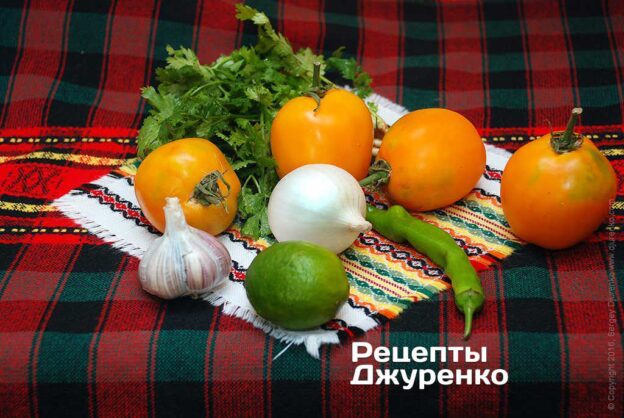
    Vegetables for salsa.

    If you can’t get physalis, use yellow or slightly brown (not fully ripe) tomatoes. In the southern US states, salsa is made with regular tomatoes four times out of five.

  3. Chop the flesh fairly finely, but so that the pieces of tomato are still clearly visible.

    You can peel the fruit if you like, but the skin is barely noticeable in the sauce.
Spicy purée

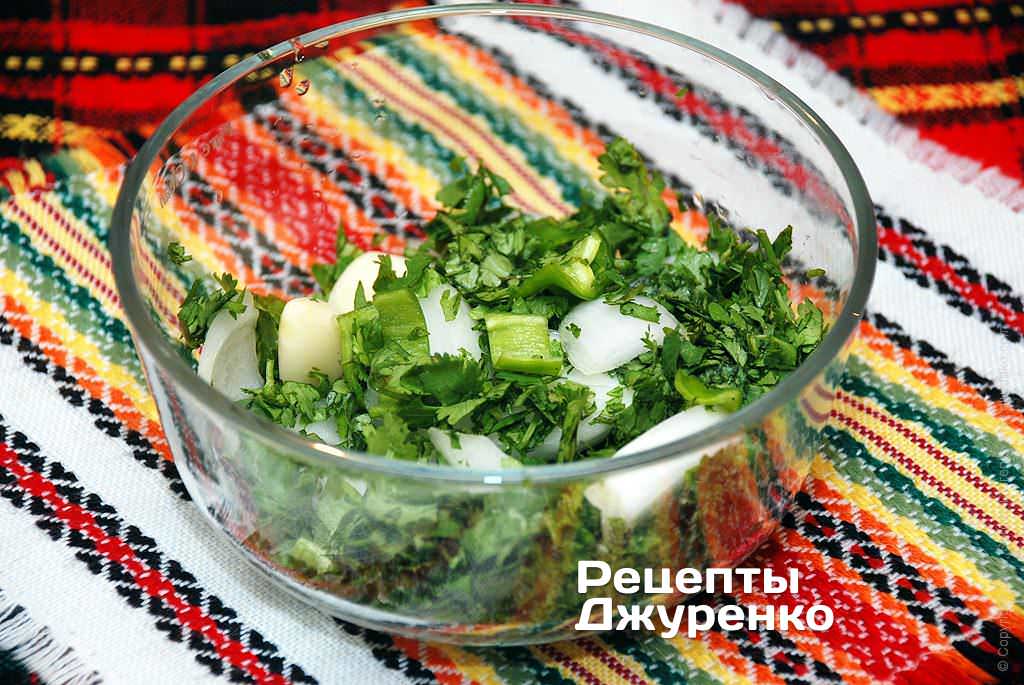
  1. Cut half a white onion, the peeled garlic and the seeded chili pepper into large pieces.

    Jalapeño is the chili used in salsa, but if you can’t find it in stores, a local variety will do just fine. How hot the sauce is, is entirely up to you.

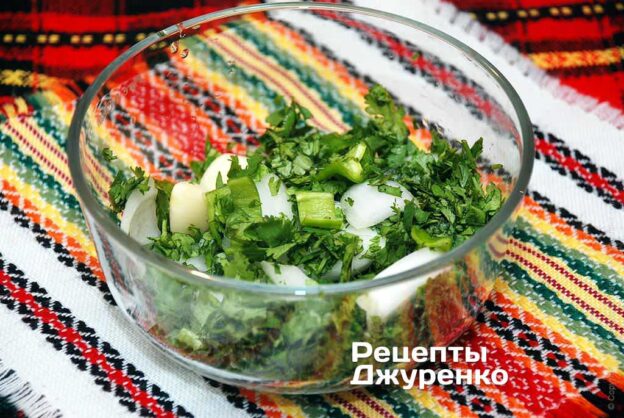
  2. Roughly chop the cilantro.

    Cilantro, garlic, chili pepper and onion ready for chopping.
  3. Add a pinch each of salt and coarsely ground black pepper. Squeeze in the juice of half a lime. Add 1 tbsp of olive oil.

  4. Blend all the ingredients in a blender or food processor into a spicy vegetable purée.
Mixing and serving

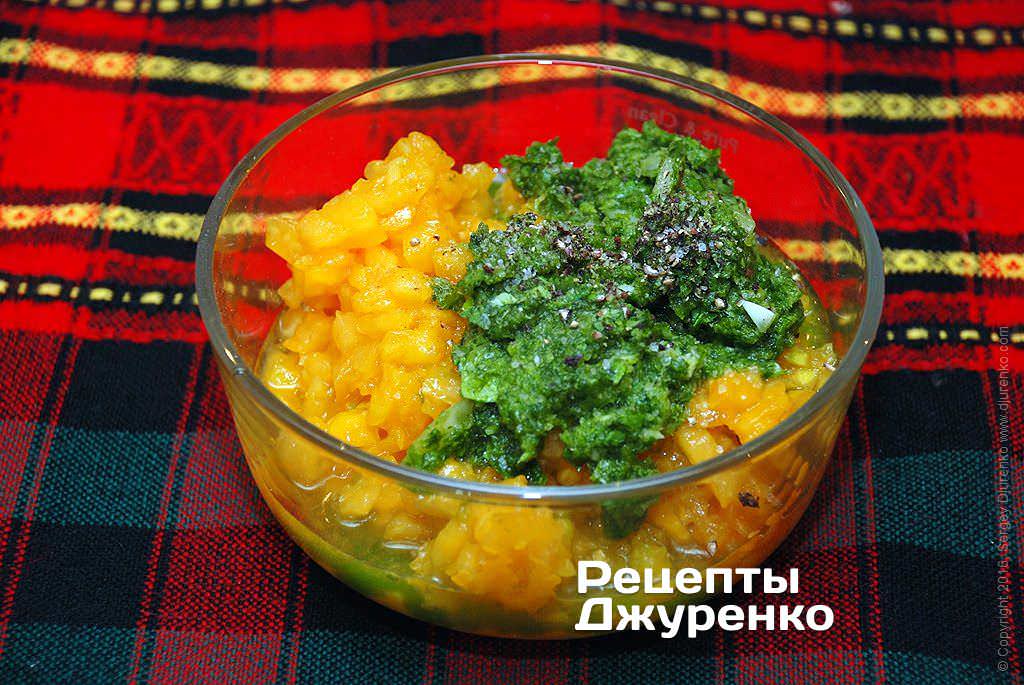
  1. Mix the spicy vegetable purée with the chopped tomatoes or physalis. That’s really all there is to it.
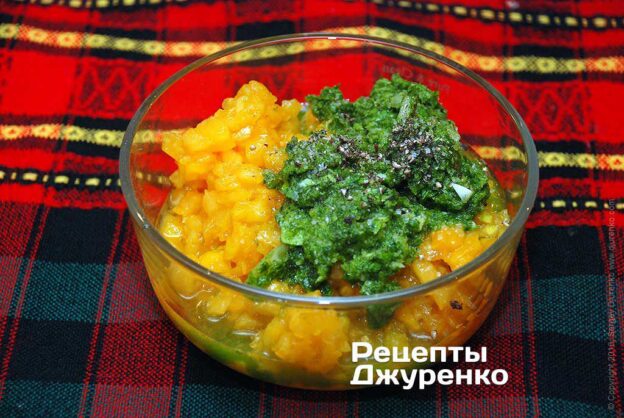
    Chopped tomatoes.
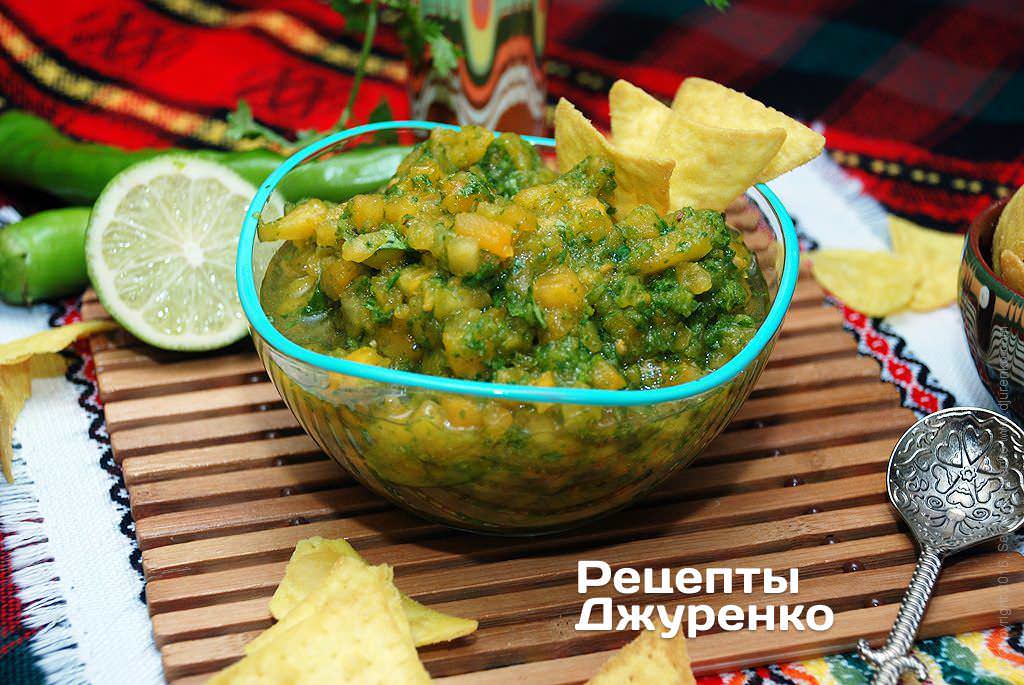
  2. Serve with meat or vegetable dishes, burritos and corn chips.

    Salsa also works as a dish of its own, for example as a filling for tacos — tortillas (unleavened corn or wheat flatbreads) stuffed with anything you like.
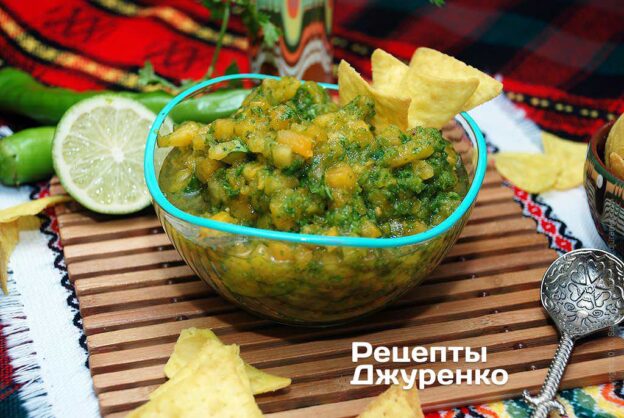
    Chips with salsa.

    A very original snack with all kinds of drinks, though it can be quite spicy.
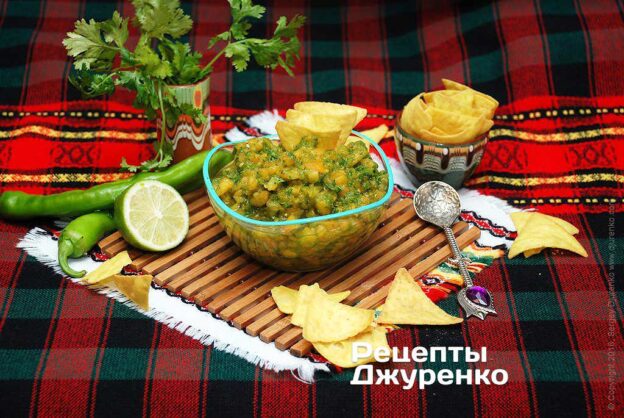
    Salsa

    Where tortillas are hard to find, you can use thin lavash instead. Just cut off a palm-sized piece, spread it with salsa and roll it up.
Calories and macros

115 kcal

Serving ≈ 170 g

  • Protein3 g11% of kcal
  • Fat4 g32% of kcal
  • Carbs18 g57% of kcal

100 g70 kcalProtein 2 gFat 2.7 gCarbs 10.6 g

Calculated from the recipe ingredients, excluding salt and spices. Data: USDA and Matvaretabellen.

Enjoyed the recipe? Pick me as a preferred source on Google, and you'll see my recipes more often in search. Choose on Google →
How did you like this recipe?
Thanks for rating!
Sorry you didn't like it

Leave your email and I'll write to find out what went wrong. A 1–2 rating counts only with an email. I won't publish it.

Tell us how it turned out
Made it? Tell us how it turned out — Sergey reads every review

The maximum upload file size: 10 MB. You can upload: image. Links to YouTube, Facebook, Twitter and other services inserted in the comment text will be automatically embedded. Drop file here