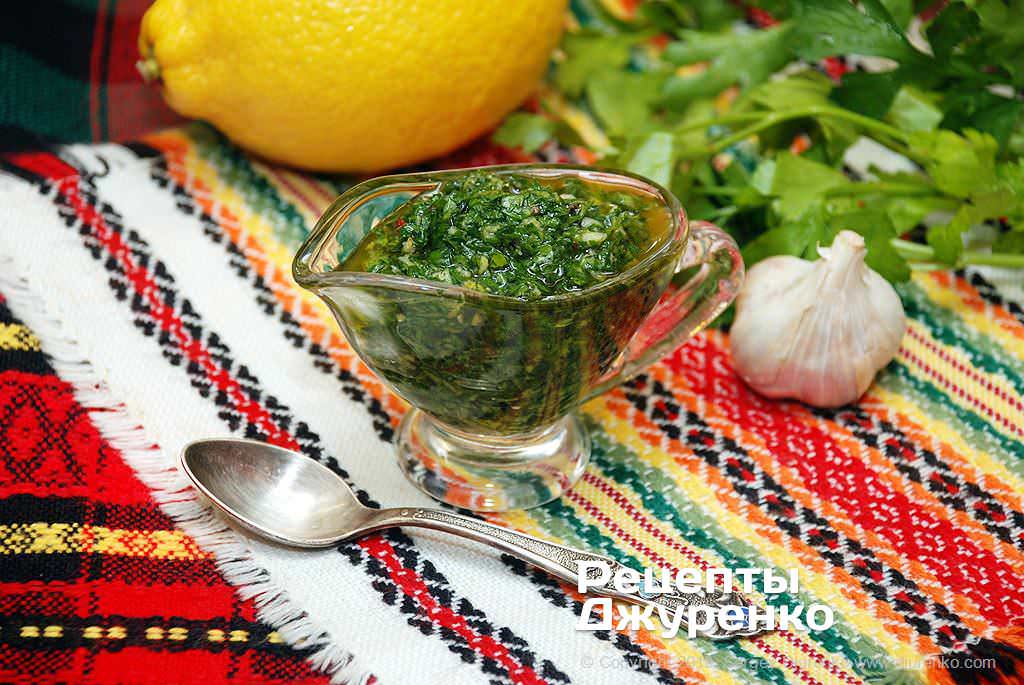
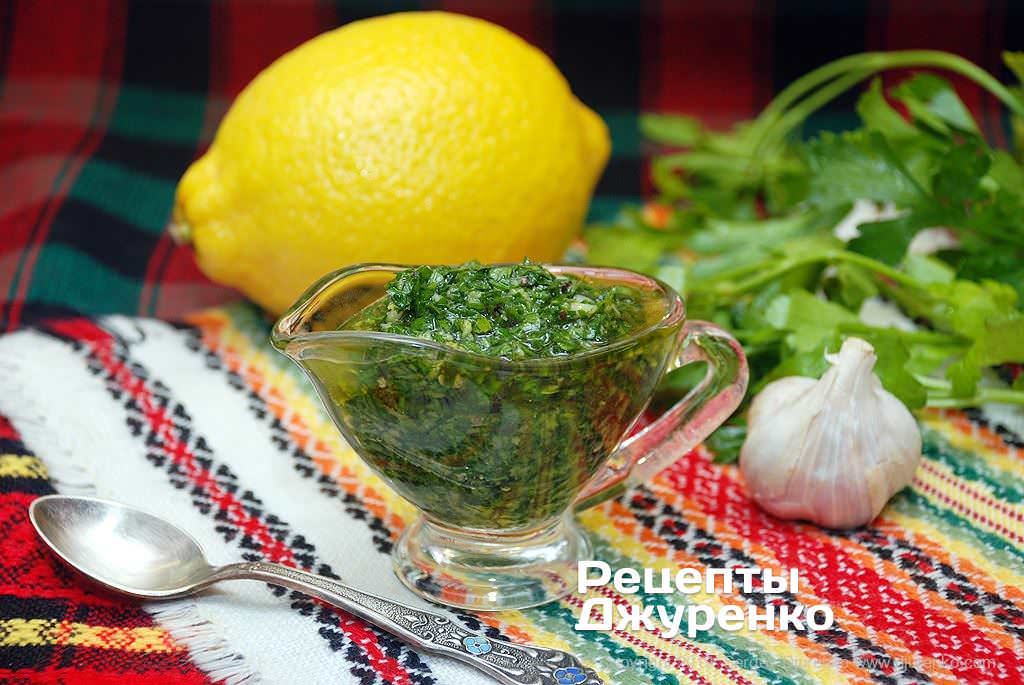
Gremolata Recipe – Italian Parsley, Lemon and Garlic Sauce
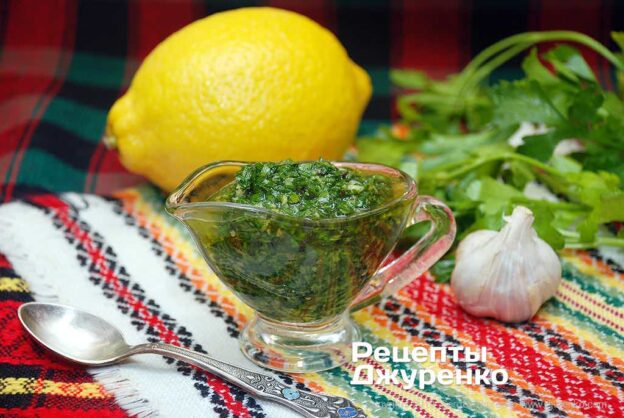
We first tried gremolata, a condiment and sauce popular all over Italy, in the north of the country, where it is made for special dishes or spread on simple sandwiches and snacks. It is a very easy sauce that takes literally 5-10 mins to make. Most often it is served with braised meat or fish, or with vegetables. The sauce comes from Lombardy, where it is an important part of the regional cuisine.
The ingredients could not be simpler. The main ones are parsley and garlic, lemon juice and zest, olive oil, salt and black pepper. Anchovy fillets sometimes turn up as an extra. Lemon is not a strict rule either: other citrus fruits work perfectly well. Fresh herbs are often added too, such as oregano, sage or cilantro, and, interestingly, grated horseradish, shallots, pecorino or pine nuts, which turns it into something like pesto.
Gremolata is an essential part of serving one special meat dish, osso buco. Behind this beautiful name hides an equally beautiful and delicious dish made from veal shank cut crosswise together with the hollow marrow bone; osso buco literally means “bone with a hole”. The meat is braised with vegetables and served with the parsley sauce. Anyone who has tried it knows how good it is.
I once read that classic gremolata is a very low-calorie condiment made with nothing but parsley, garlic and lemon. Apparently, olive oil is not always added, since it raises the calories considerably. Then again, it makes the sauce smooth and tasty. In Milan they make a wonderful saffron risotto, called simply Risotto alla Milanese, and gremolata is served with it as well.
The parsley should be fresh, curly or flat-leaf, but never wilted. A thick-skinned lemon is better, as the zest comes off more easily. Use homegrown garlic from the garden and the aroma and kick are guaranteed. And the best olive oil you can get, extra virgin.
The sauce is best made right before serving, although it keeps in the fridge for up to a week. It is ready to use straight away, but to my taste it needs a little time, literally half an hour, for all the flavors and aromas to come together. The amounts can be varied widely to your liking. Given that the Milanese version often includes rosemary, sage, anchovies and so on, this sauce is clearly a field for creativity.
More with garlic
 Eggplant Rolls with Feta and GarlicFried eggplant rolls with a feta, cilantro, chili and garlic filling: an easy cold meze appetizer, served chilled with pomegranate seeds.
 Oven-Roasted Pork Belly with Garlic and SpicesUkrainian-style pork belly studded with garlic, rubbed with freshly ground spices and roasted in the oven until sizzling. A classic snack with fresh bread.
 Hot Pepper Appetizer with Garlic and DillHot pepper appetizer with garlic and dill: fried chili peppers stuffed with a fragrant garlic paste and marinated in white wine and wine vinegar.
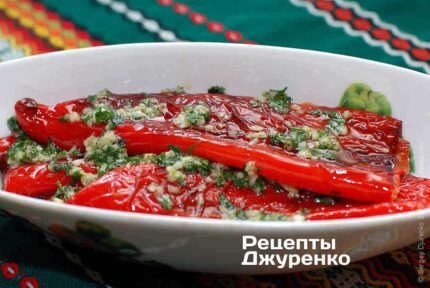 Marinated Sweet Peppers with Garlic and ParsleyBulgarian-style appetizer: long sweet peppers fried in olive oil until soft, then marinated with garlic, parsley and wine vinegar. Ready in 30 minutes.
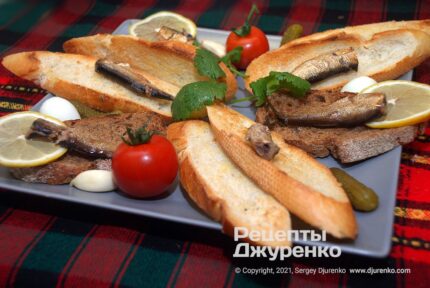 Garlic ToastsGarlic toasts: slices of baguette and dark bread toasted in a dry pan and rubbed with a garlic clove. A crisp base for an appetizer platter with toppings.
Ingredients
6-8 servings
- Parsley 1 bunch
- Lemon 1
- Garlic 2-3 cloves
- Olive oil optional
- Salt, black pepper to taste
Step-by-step recipe
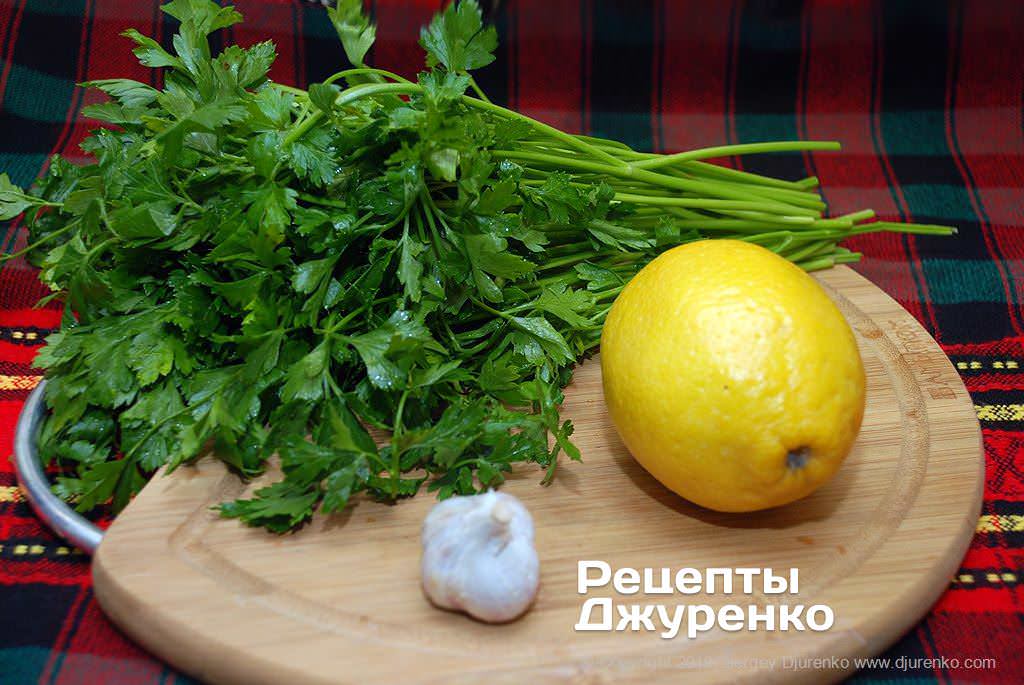
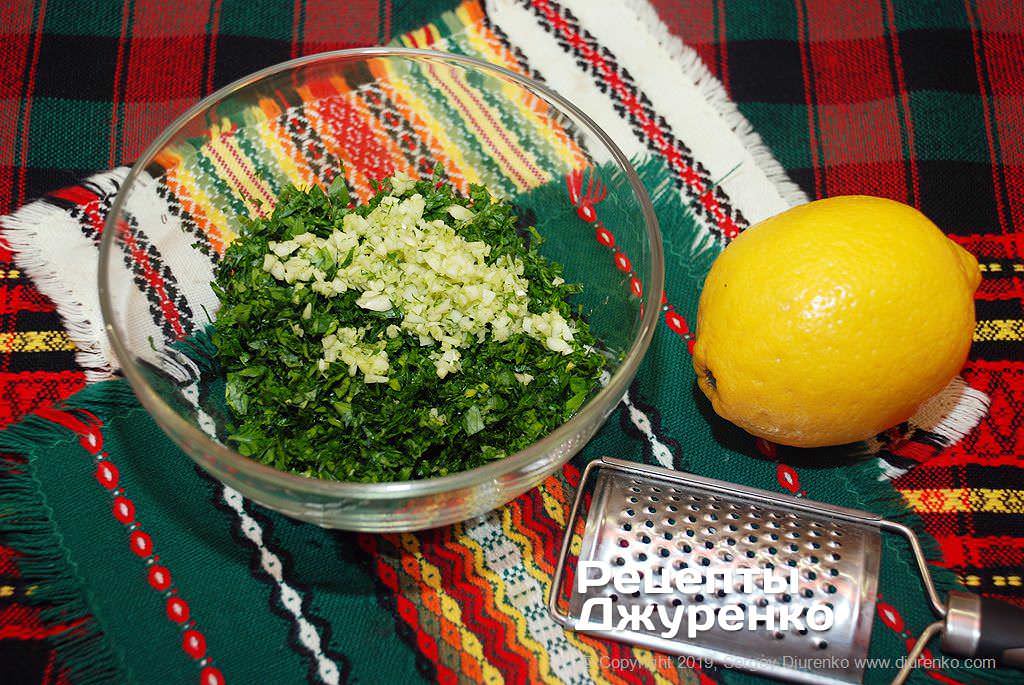
- I think everything you need for gremolata is in any fridge. Fresh parsley is available all year round and can be used freely in cooking. If your parsley happens to be a little wilted, soak it in cold water beforehand, then pat it dry. Wash the lemon for the zest and juice and wipe it dry. Peel the garlic cloves.
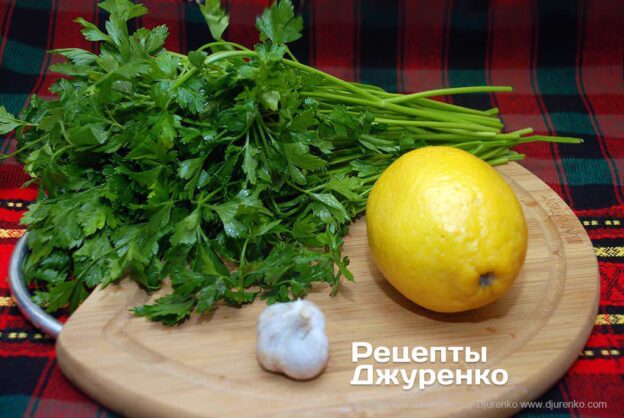
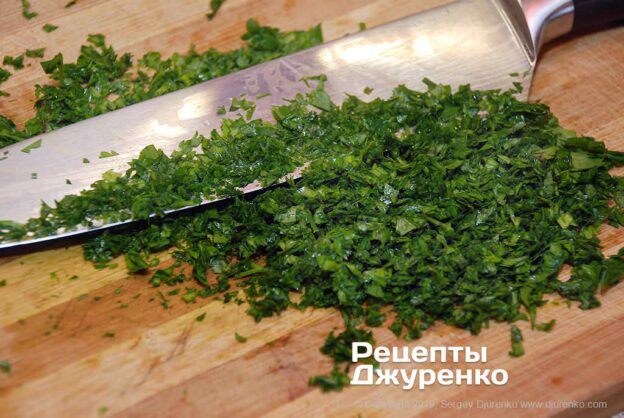
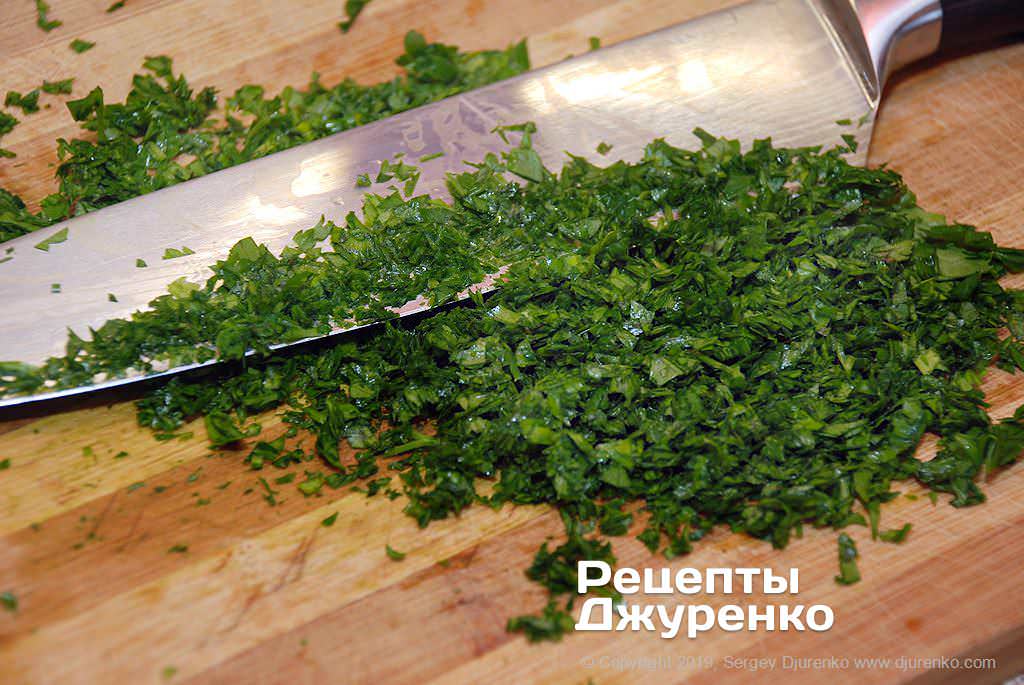
- Pick all the leaves off the parsley sprigs. Throw away the stems: they are tough and better left out of the condiment. The parsley leaves need to be chopped. This is usually done in a chopper, but I prefer all the ingredients chopped fairly coarsely, so I do everything with a chef's knife, which lets me control how fine it gets.
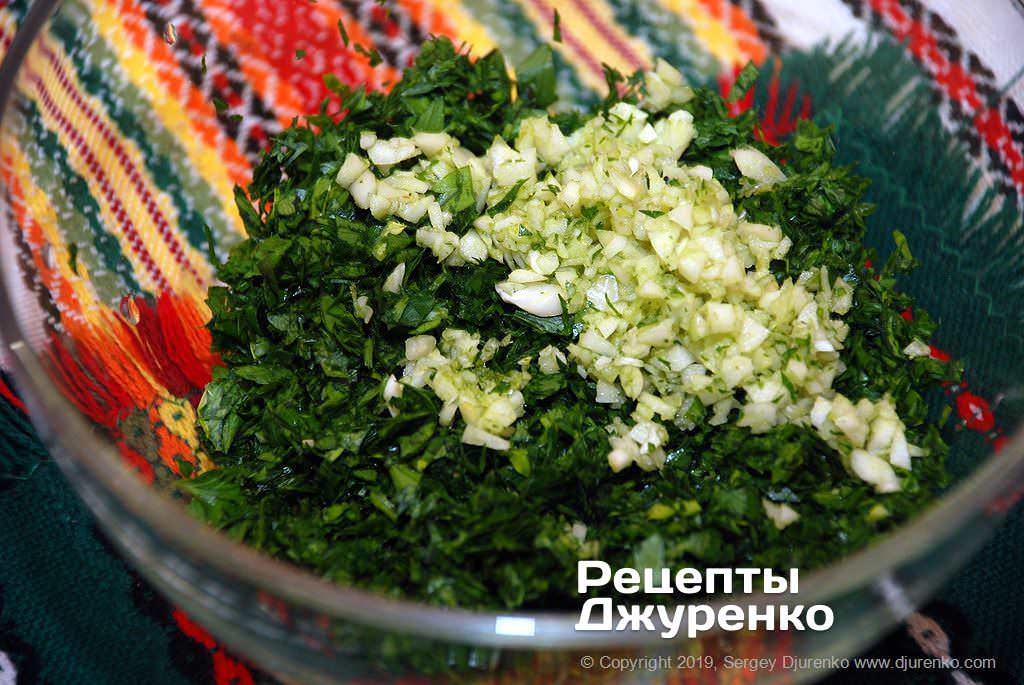
- Chop the peeled garlic cloves with a knife. Don't crush them in a mortar or grate them: you will get a lot of garlic juice that drowns out all the other aromas of the sauce. Add the chopped garlic to the chopped parsley. That said, if you decide to use a blender, the parsley and garlic can be chopped together.
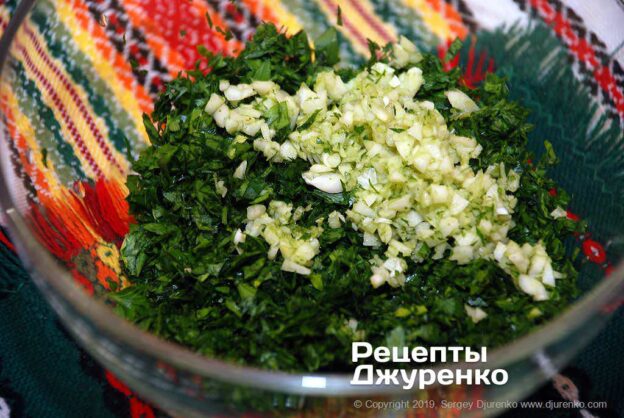
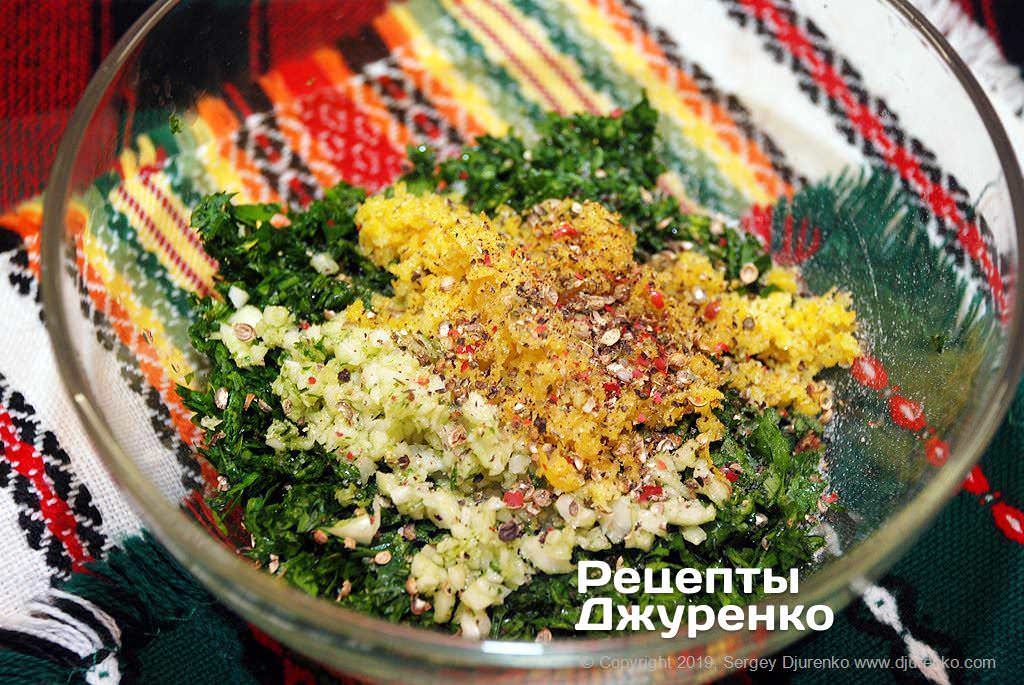
- You need a large, ripe lemon for the zest and juice. The zest is easiest to remove with a grater; try not to catch the white layer underneath, as it is noticeably bitter. Take only the yellow outer layer. If you know another way to zest a lemon, do it your way. Add the lemon zest to the parsley and squeeze in the juice of half a lemon.
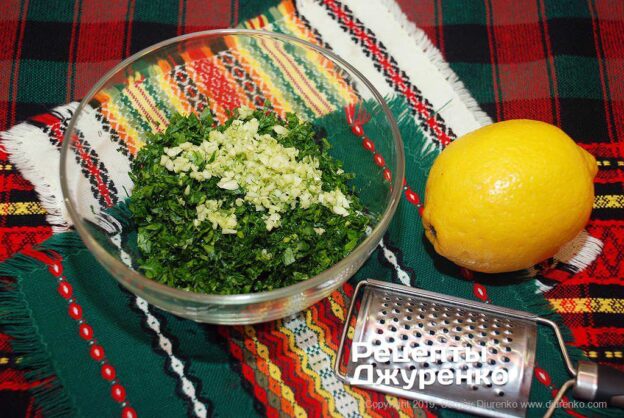
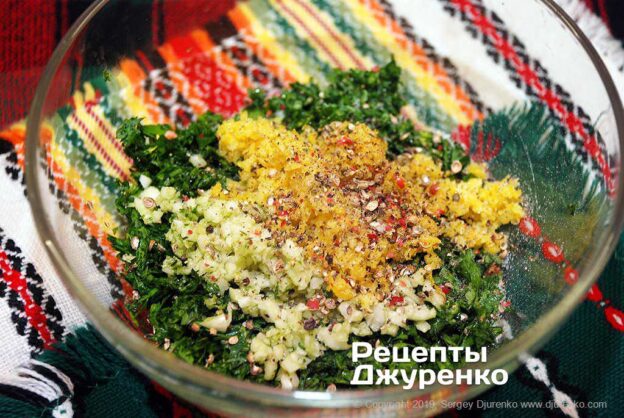
- Season the condiment with salt and ground black pepper, both to taste. It is better to grind the peppercorns in a mortar, as the pepper will be more fragrant. A mix of colored peppercorns works too. Stir all the ingredients together. At this point the condiment is close to classic gremolata and has hardly any calories.
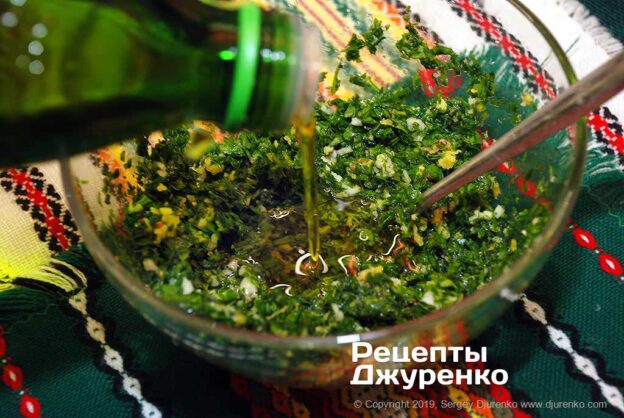
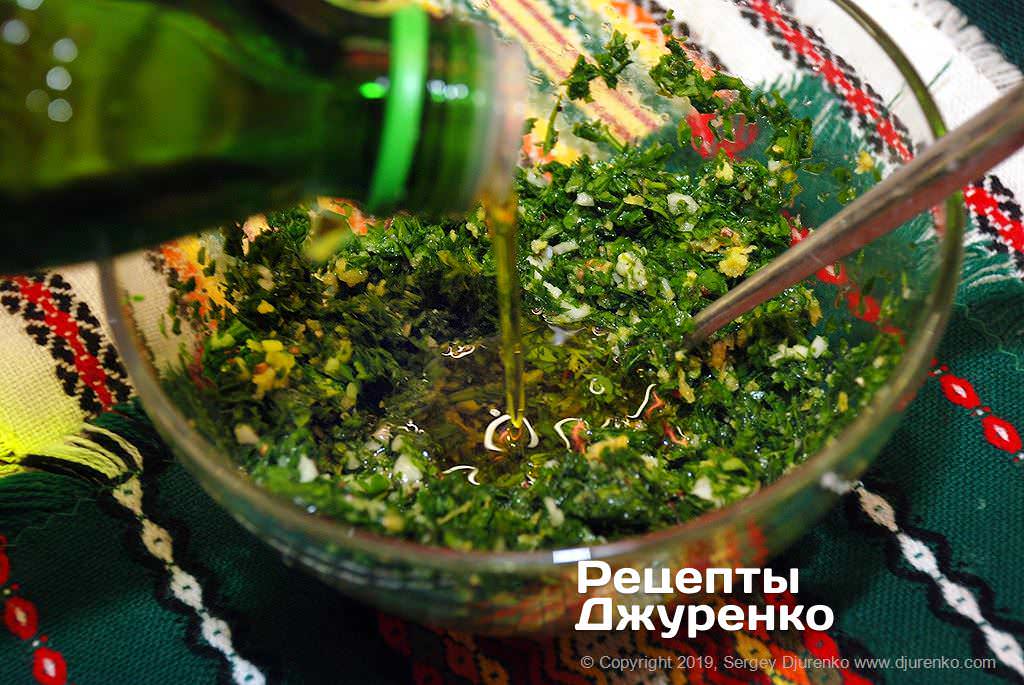
- These days olive oil is most often added to the sauce. It improves the flavor and texture, and also raises the calories considerably. If you like and don't mind that, add olive oil to the sauce, stirring all the time, until the mixture has the consistency of pesto. Adjust the acidity to taste with more lemon juice.
- Anchovies are often added to the condiment and make it even tastier, so they are worth a try. The condiment should be neither runny nor too coarse. To serve with meat or fish, spoon it into a small sauce bowl and bring it to the table with the main dish. As I said, gremolata keeps in the fridge for a short while. By the way, it turns out that spread on bread it makes delicious sandwiches or bruschetta.
 Pull chopper for garlic and onionAliExpress
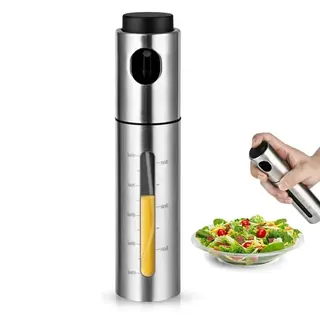 Oil sprayerAliExpress
 Kitchen scale up to 5 kgAliExpress
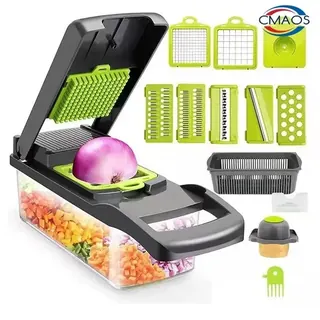 Vegetable chopper with handleAliExpress
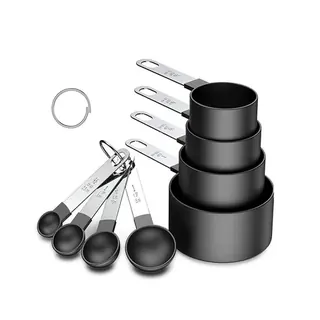 Measuring cups and spoonsAliExpress
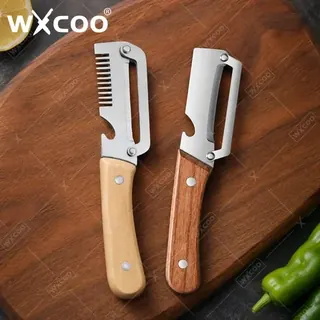 Peeler with wooden handleAliExpress
 Chunky Chelsea bootsINTERTOP
 Lace-up bootsINTERTOP
 Platform sheepskin slippersINTERTOP
 Beige sheepskin bootsINTERTOP
 Suede knee-high bootsINTERTOP
 Heeled ankle bootsINTERTOP
 Brown Chelsea bootsINTERTOP
 Classic Chelsea bootsINTERTOP
 Smoby Bon Appetit play kitchenБудинок іграшок
 Smoby kitchen with oven and fridgeБудинок іграшок
 Bosch Mini toy mixerБудинок іграшок
 Bosch Mini toy toasterБудинок іграшок
 Chef’s salad play setБудинок іграшок
 Melissa & Doug sauté play setБудинок іграшок
 Smoby cookware in a panБудинок іграшок
 Peppa Pig kitchenБудинок іграшок
 | Yield: | 6-8 servings |
| Calories: | 20 kcal per 100 g |
| Prep: | 5 mins |
| Cooking: | 10 mins |
| Ready in: | 15 mins |
| Category: | Snacks and Sauces › Sauces |
| Cuisine: | Italian cuisine |
| Rating: |