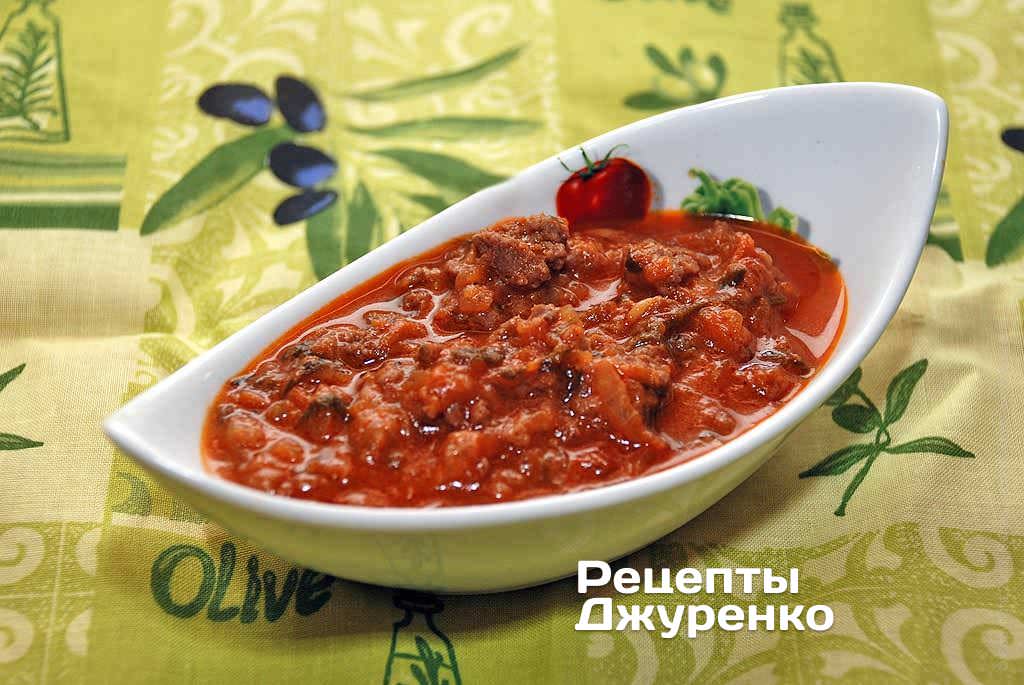
Classic Bolognese Sauce (Ragù alla Bolognese) Recipe
Bolognese sauce, or as it is often called, ragù, is a thick meat sauce with various vegetables and tomato added. It is one of the best-loved meat sauces for Italian pasta. The sauce owes its origin to the city of Bologna, the capital of the province of the same name in northern Italy. It has the highest standard of living in Italy, powerful industry, and sits at the crossroads of important trade routes. Bologna is considered the culinary capital of Italy. It is the home of pasta (tagliatelle), tortellini, salsiccia and Bolognese sauce.
Bolognese sauce is traditionally served with fresh tagliatelle or used to make lasagne Bolognese. Though, often and less traditionally, ragù is served with macaroni or other types of pasta. It is also sometimes served with mashed potatoes or couscous.
More than 30 years ago the classic recipe for Bolognese sauce was notarized in the city of Bologna. A delegation from Bologna at the Italian Academy of Cuisine submitted a request to the Chamber of Commerce and the recipe was officially recorded. This step made the recipe official, to ensure respect for the gastronomic tradition of Bologna in Italy and around the world.
The classic Bolognese recipe is considered to include beef and pancetta, onion and carrot, celery, tomato (usually paste), meat broth, and also red wine and milk.
However, a classical piece of music written by the great Paganini and performed by another musician is hardly still the classic. So in making Bolognese, as with any other dish, besides the skill of the cook there are barely perceptible differences that make every sauce unique. It is worth saying that Bolognese resembles another Italian sauce, amatriciana, although their ingredients differ.
More with beef and tomatoes
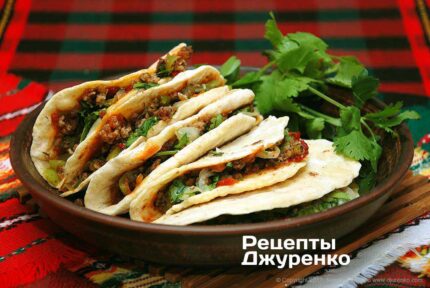 Beef Tacos with Pickled Onion and Fresh Salsa
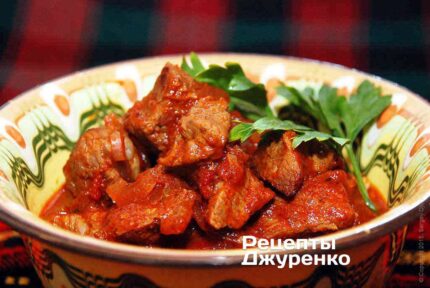 Beef Shoulder in Tomato and Vegetable Sauce
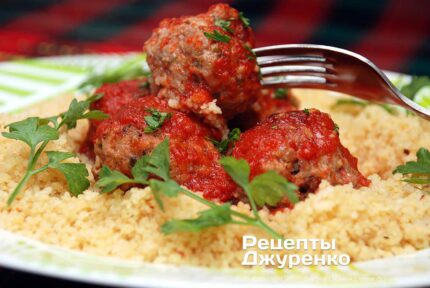 Beef Meatballs in Spicy Tomato Sauce
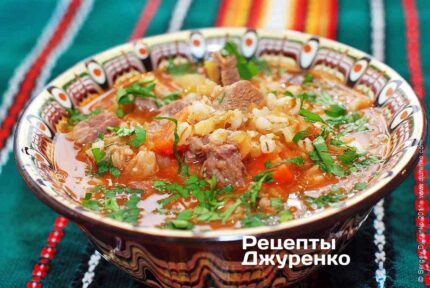 Classic Rassolnik: Hearty Pickle Soup with Beef, Pearl Barley and Tomato
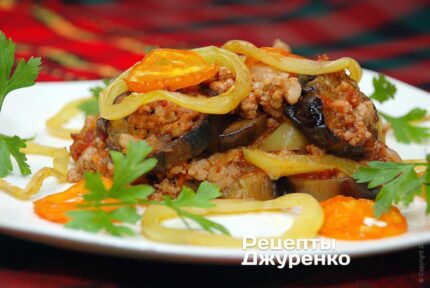 Eggplant Moussaka with Vegetables and Ground Meat (Beef, Pork)
Ingredients
serves 2-4 portions of pasta
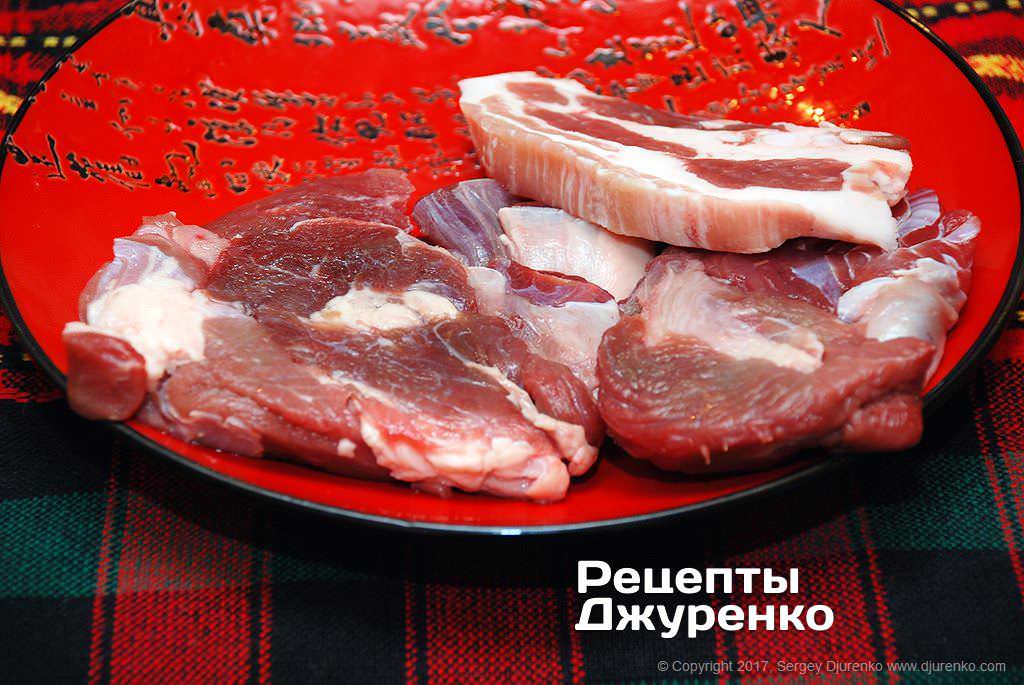
- Beef 300 g
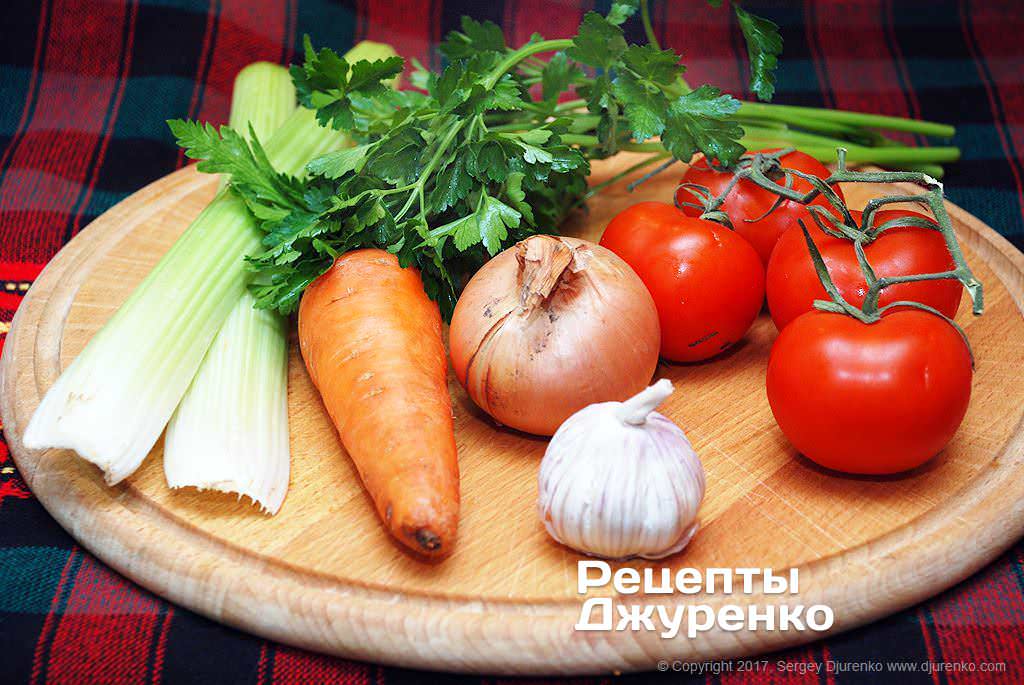
- Onion 1 onion
- Carrot 1 onion
- Celery stalks 2-3 stalks
- Bacon (streaky bacon, pancetta, pork belly) 50 g
- Parsley 5-6 sprigs
- Tomatoes 3-4 tomatoes
- Garlic 1-2 cloves
- Dry red wine 100 ml
- Dry white wine 100 ml
- Milk 100 ml
- Nutmeg, salt, black pepper to taste
Step-by-step recipe
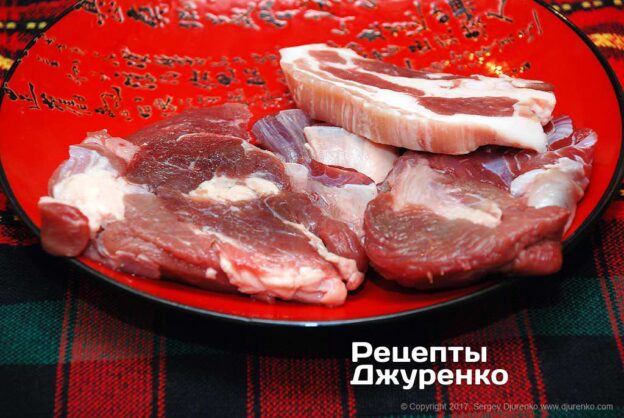
- It is important that the Bolognese comes out aromatic, thick, and mixes well with the pasta and clings to it. Italians recommend making the sauce with several kinds of meat: beef, pork, pancetta (Italian bacon). But as a rule they stick to beef browned in the fat rendered from pancetta. To my taste beef suits the sauce better than young veal. The sauce then turns out denser and richer.
- Milk in the sauce makes it a little more pleasant to the taste and less sour. The tang always comes from the wine and tomatoes. It is important not to add milk and wine at the same time. And perhaps the hardest part is that Bolognese takes a very long time to cook. At least 2 hours. But longer is better, as the sauce becomes uniform and “glossy” and combines wonderfully with the pasta.
- Making this sauce is a long and painstaking process, so it pays to prepare first. First of all, buy the ingredients. I think all of them are easy to find. The only problem might be celery stalks. Out of season they are simply not on sale. Sometimes, in that case, you can, with a big stretch, replace the celery stalks with 2 tbsp of finely chopped parsley and a little finely grated celery root.
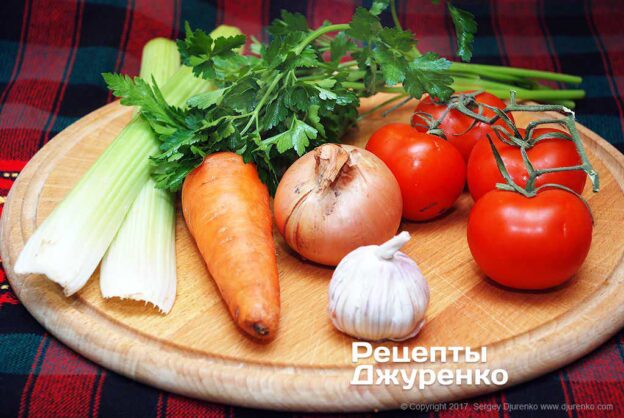
- Peel the vegetables. Chop the onion very finely with a knife. Grate the carrot on a fine grater. Pass the beef through a meat grinder twice to make mince. Scald the tomatoes, peel them and remove the seeds. Chop very finely. Fresh tomatoes can be replaced with canned chopped tomatoes.
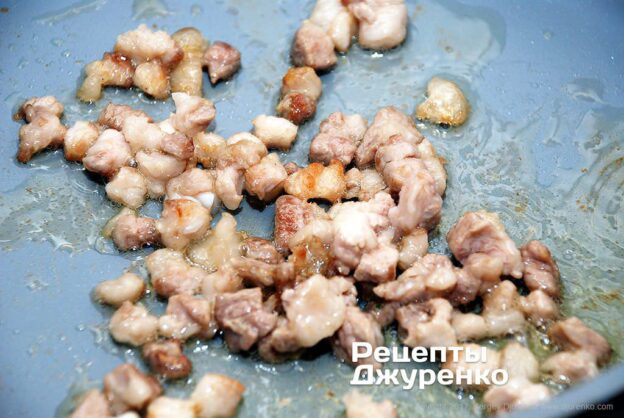
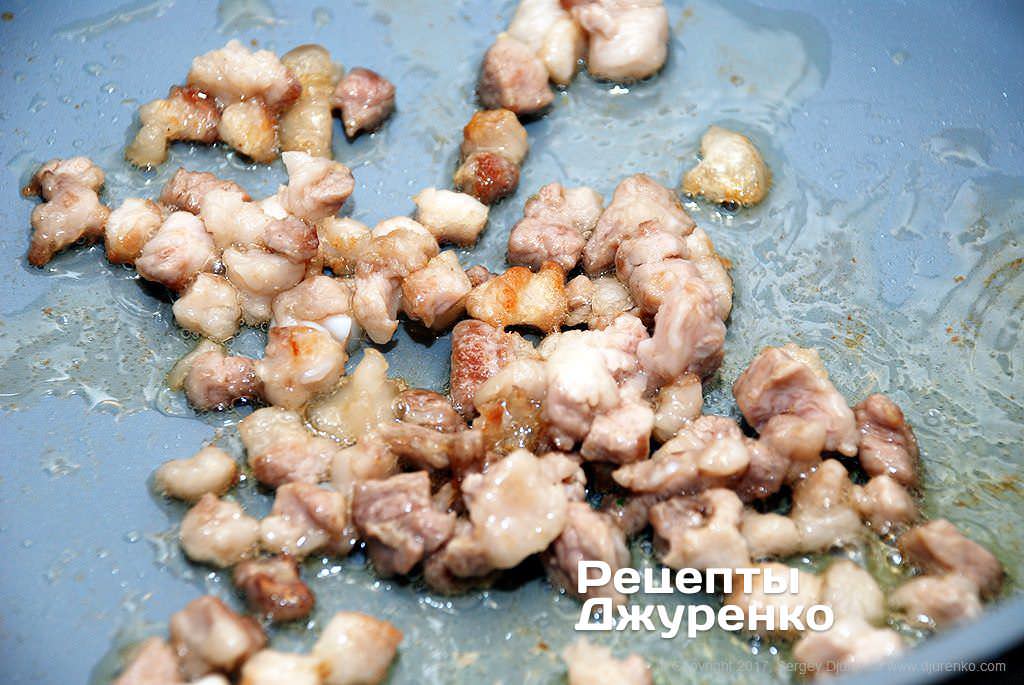
- Cut the bacon, or a piece of pork belly or pancetta, into small cubes. In a deep frying pan, fry the diced pork until the fat renders out. The cracklings can be eaten with bread or left in, in which case the sauce will have pieces of fried pork. If for some reason pork fat is not acceptable, heat a mixture of butter and olive oil, 2 tbsp of each.
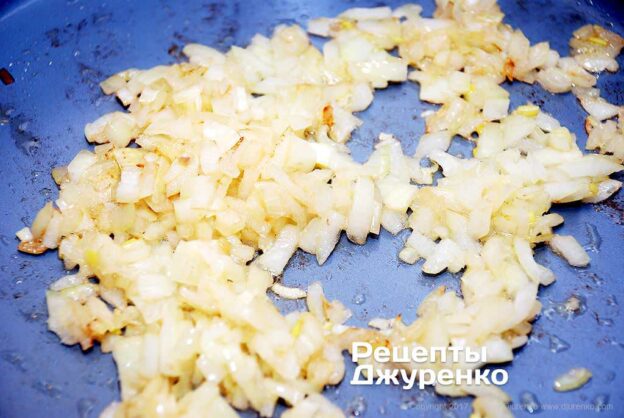
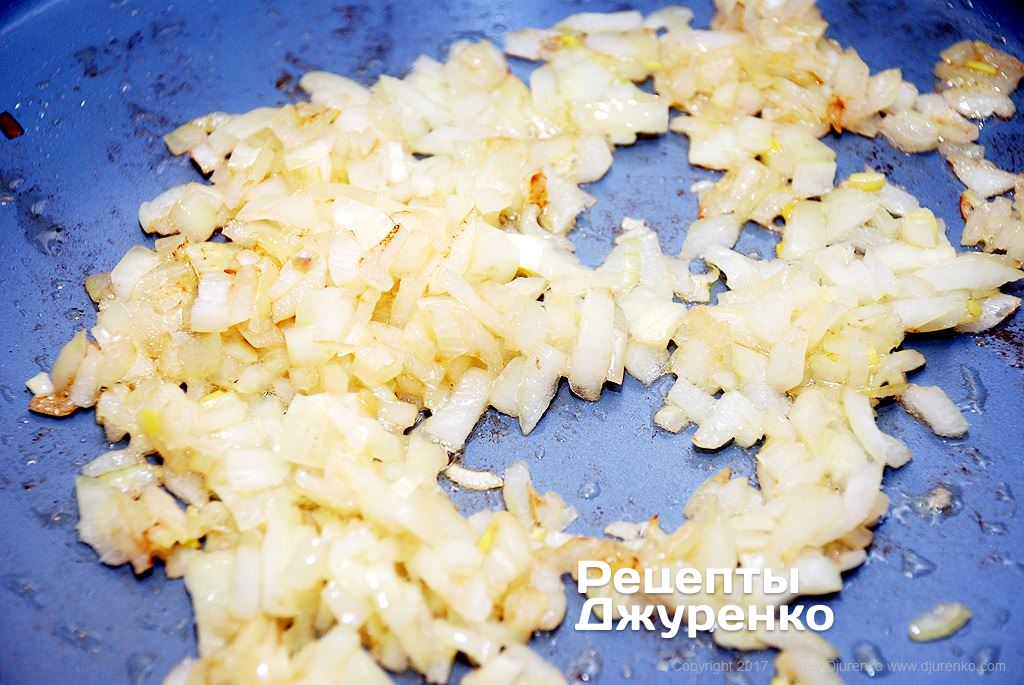
- Once the fat is ready, fry the chopped onion in it until soft. Do not overcook the onion, or the sauce will have a noticeable aftertaste. It is enough for the onion to turn slightly golden with no sign of browning.
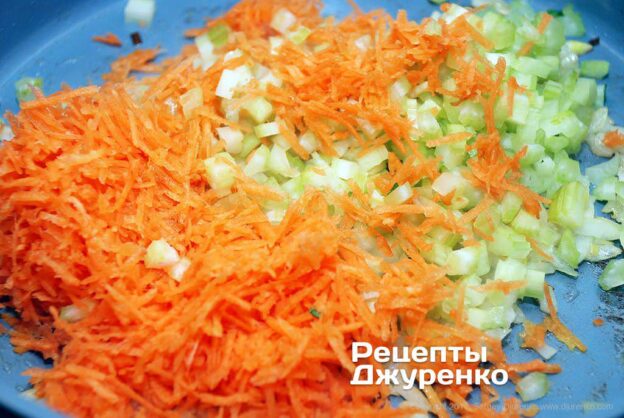
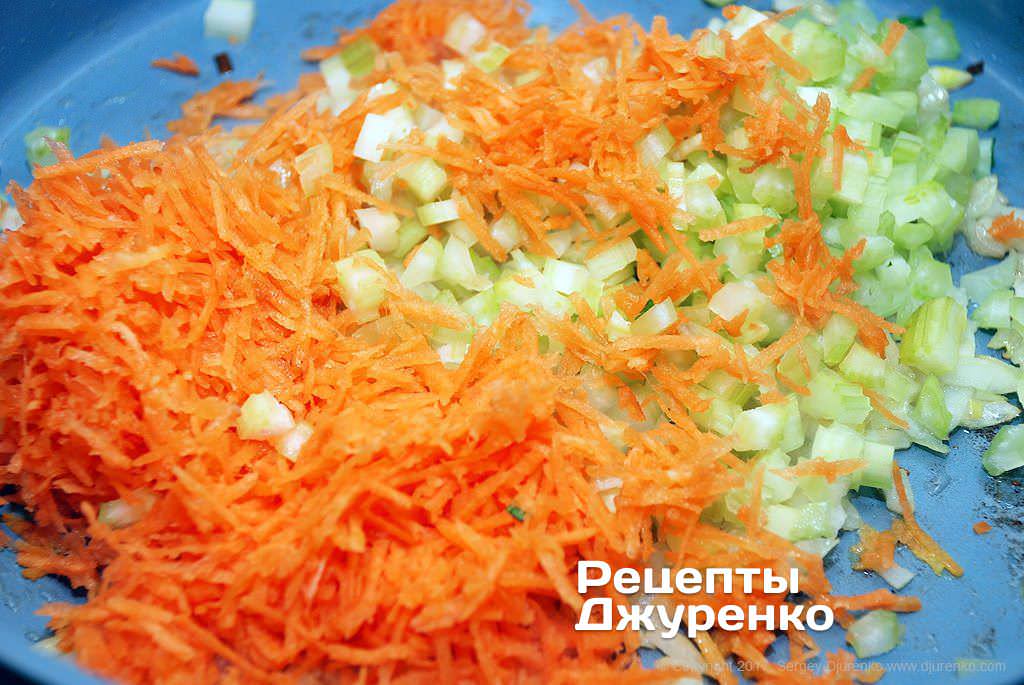
- Add the grated carrot and chopped celery stalks to the fried onion. Fry the vegetables for 5-6 mins, stirring constantly.
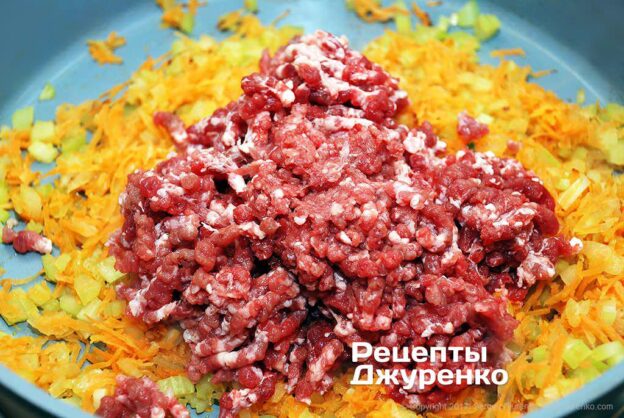
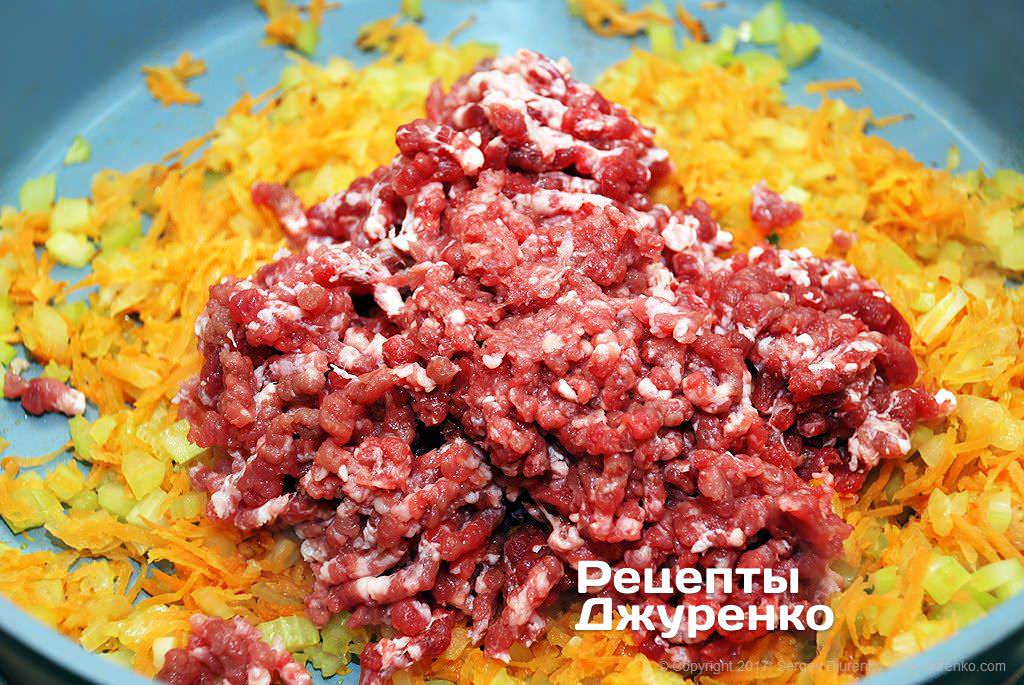
- Add the ground beef to the fried vegetables and mix thoroughly, breaking up the lumps of meat so that the mixture of vegetables and beef becomes uniform. Keep frying, stirring constantly, for another 7-8 mins.
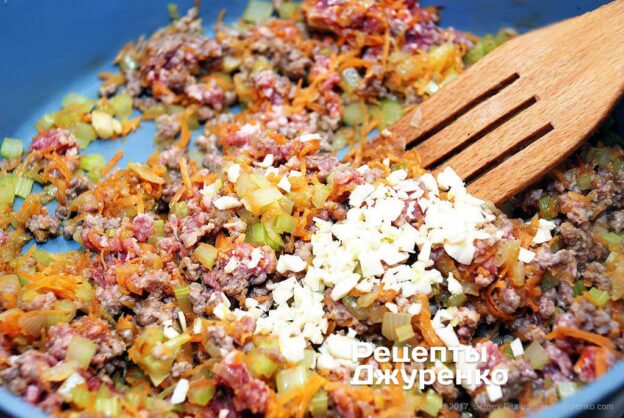
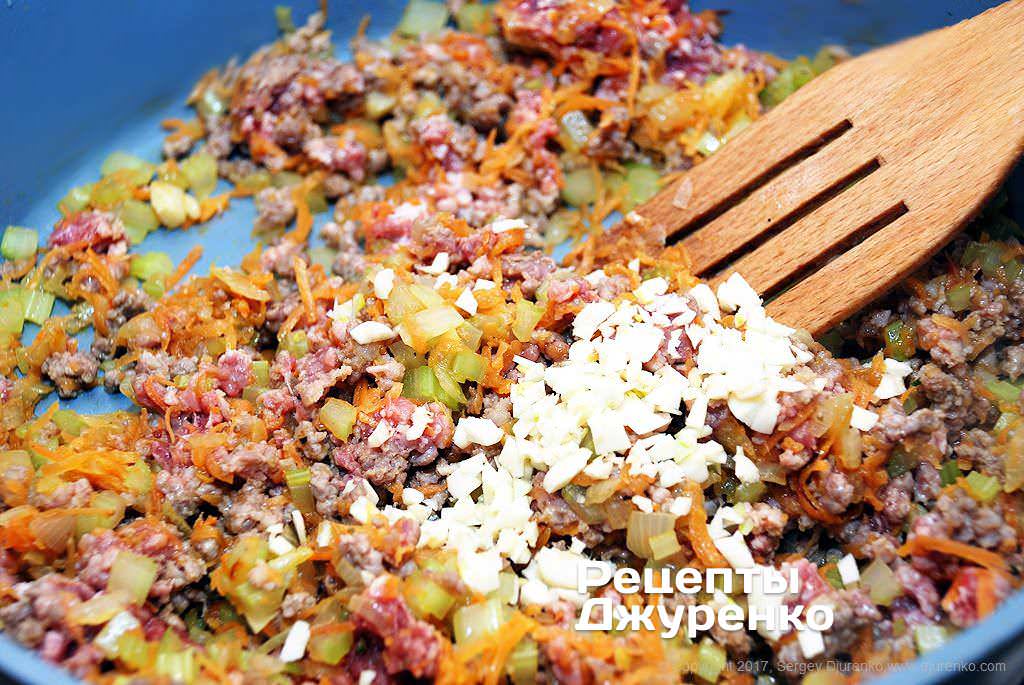
- Add the finely chopped garlic. Season the sauce with a pinch of salt, ground black pepper and grated nutmeg. Sometimes, to improve the flavor of the sauce, I add 0.5 tsp of sugar, which makes it sweet-and-sour, only very slightly sweet.
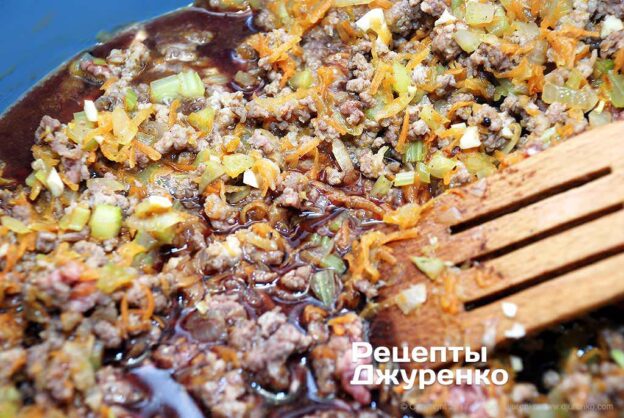
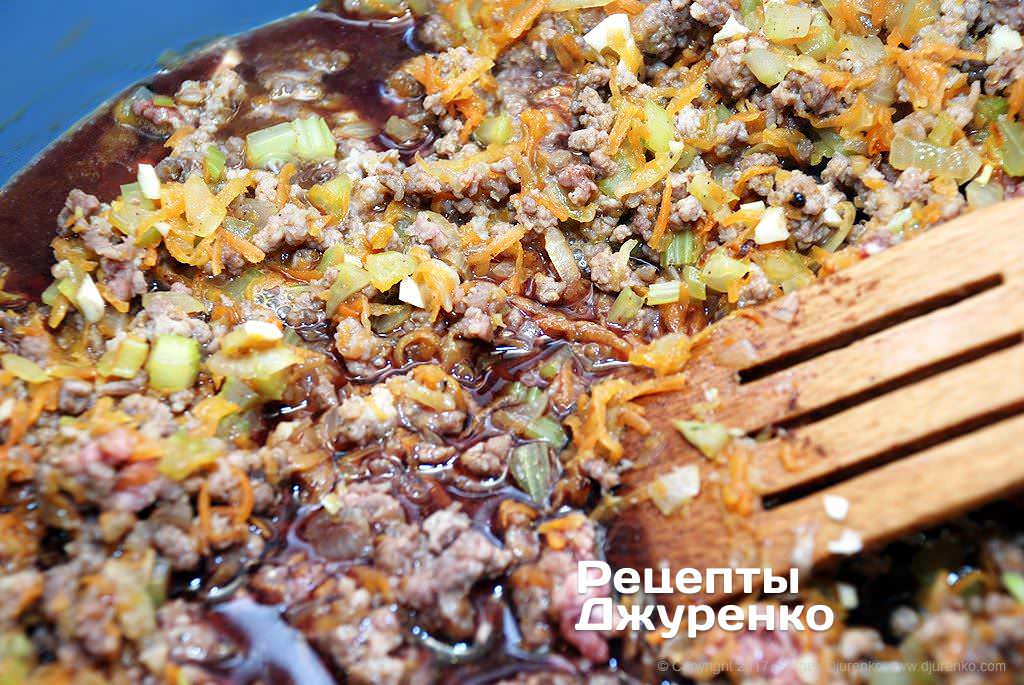
- Next add a mixture of dry white and red wine.
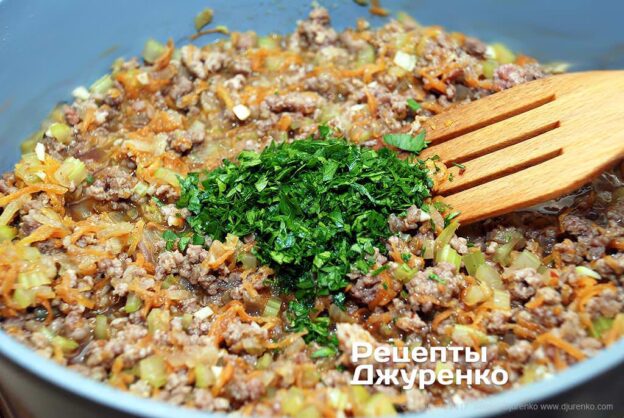
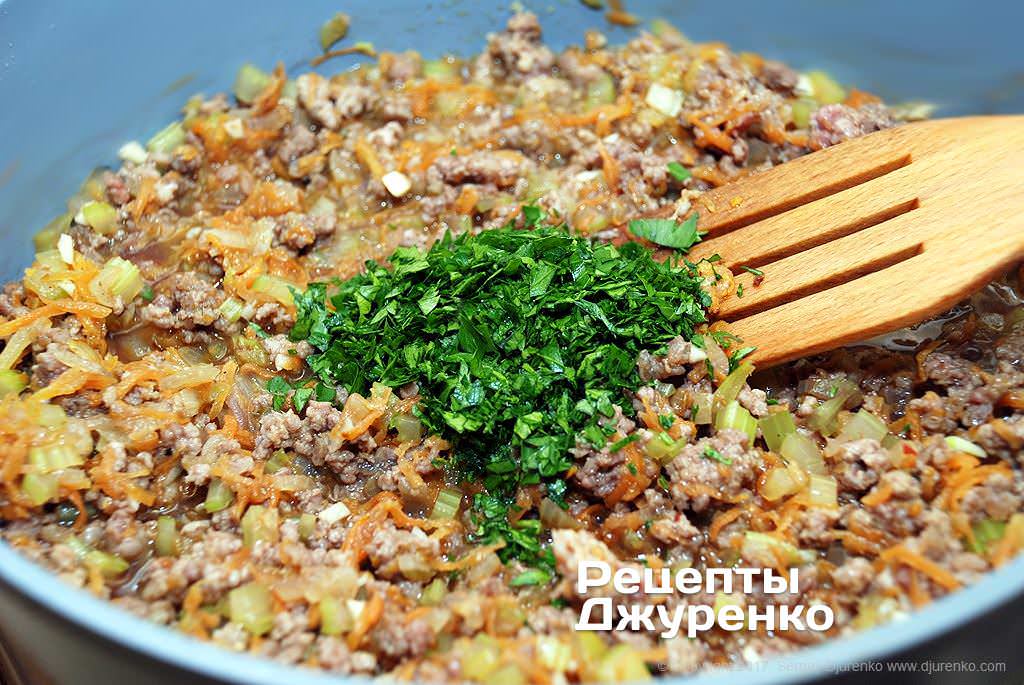
- Keep stewing for another 15 mins over low heat, covered, and only then add the chopped parsley.
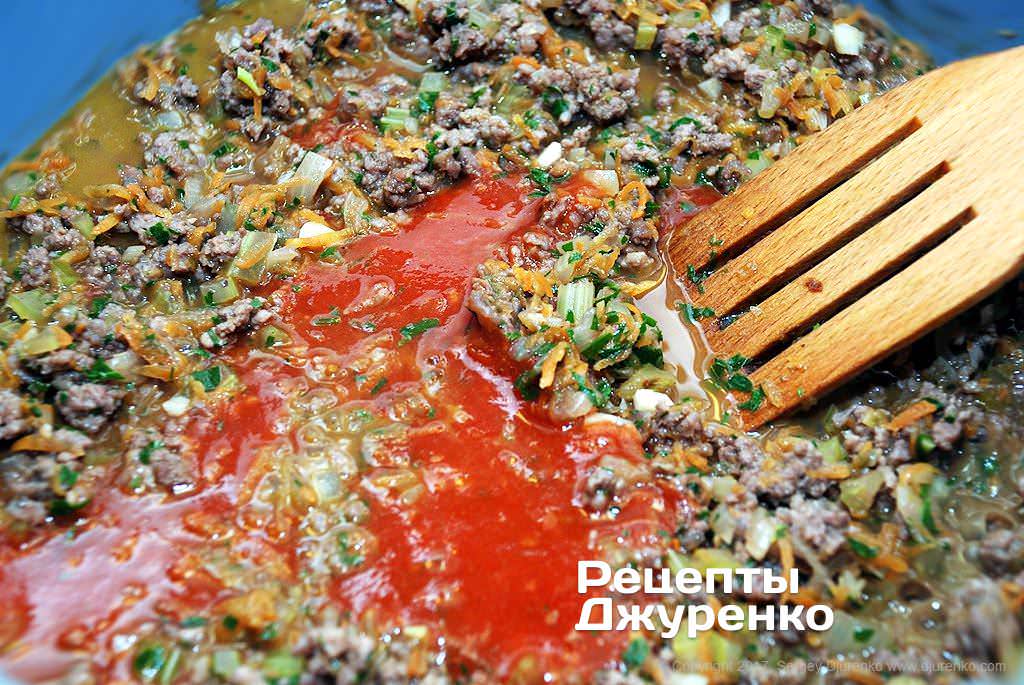
- Add the chopped tomatoes and about a cup of broth or water. Stir and keep stewing over the lowest heat you can manage. The sauce should literally simmer. It is very important to stir from time to time so that it does not burn or stick to the pan.
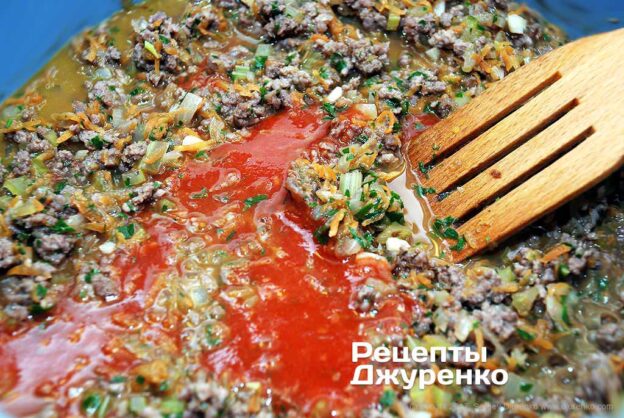
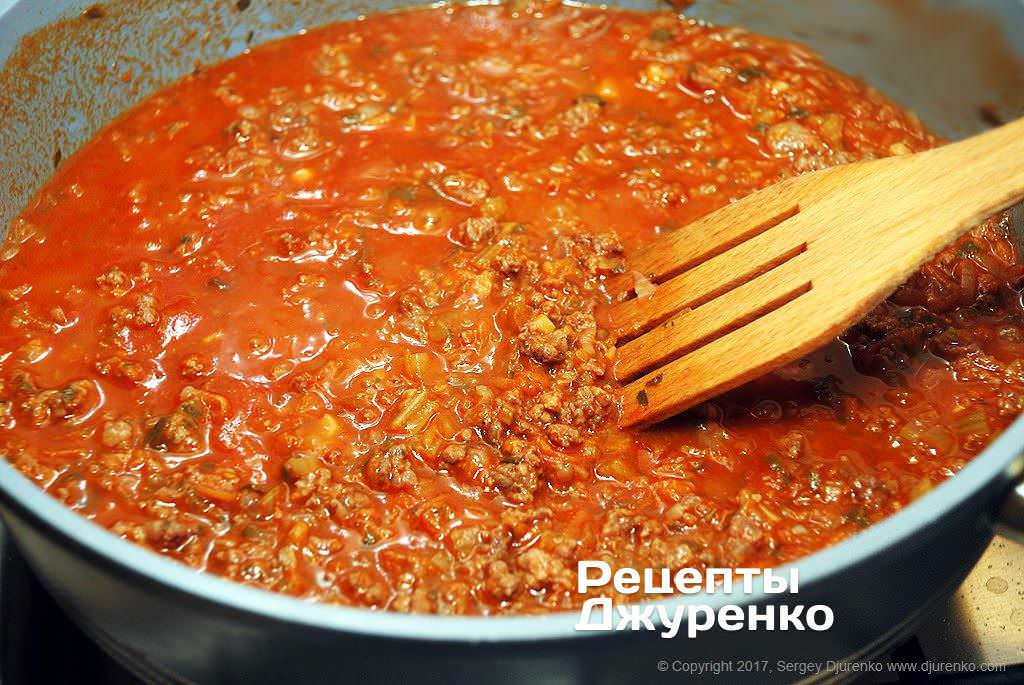
- The longer the sauce stews, the better. If the liquid cooks away, you can top up with meat broth (or water) in small amounts. Throughout the cooking the sauce should barely bubble.
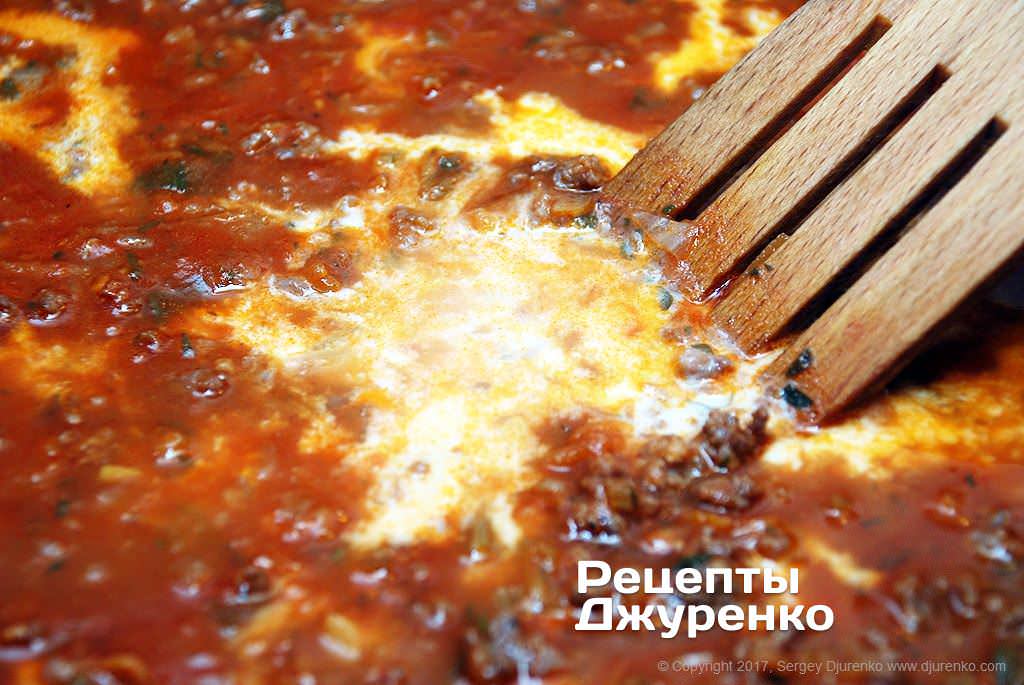
- Half an hour before the end of cooking, pour the milk into the sauce. If you like, you can add 2-3 pinches of dried herbs (oregano, basil, mint, savory). Stir, cover and stew over low heat until the sauce is completely done.
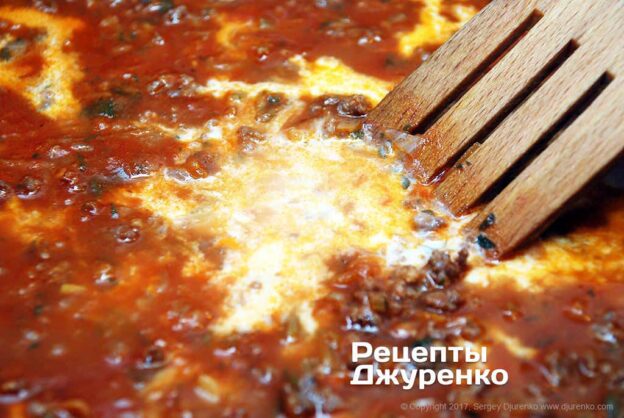
- When the meat sauce is nearly ready, cook the pasta. The pasta is a wide noodle, tagliatelle or pappardelle. But the narrower fettuccine will do just fine. Cook the pasta in a large amount of rapidly boiling water, salted at 5-7 g of salt per liter of water. When the pasta is cooked to “al dente”, drain it in a colander and wait for the water to run off.
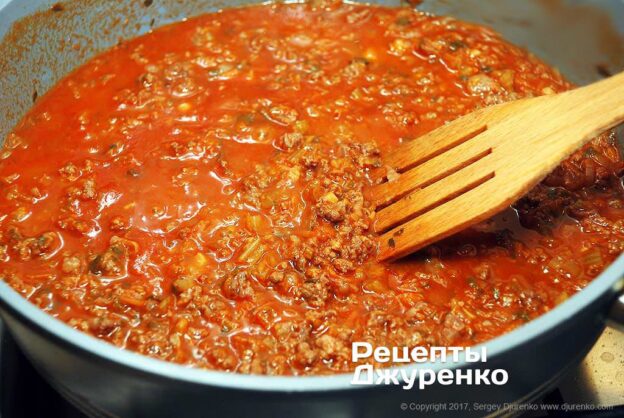
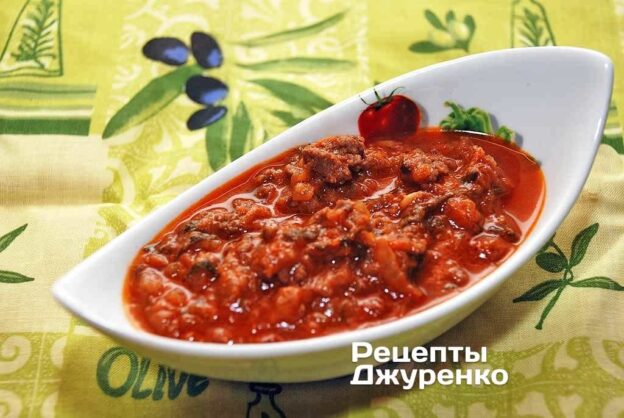
- In a large bowl mix the pasta with half of the sauce. Toss thoroughly and put on plates. Spoon the rest of the sauce on top of the pasta. Be sure to sprinkle with 1 tsp of finely grated Parmesan.
- Bolognese is perhaps the ideal tomato-based meat sauce for pasta. Despite the somewhat involved and lengthy cooking process, the sauce keeps in the fridge and can be reheated as needed. Though, of course, freshly made sauce is much tastier.
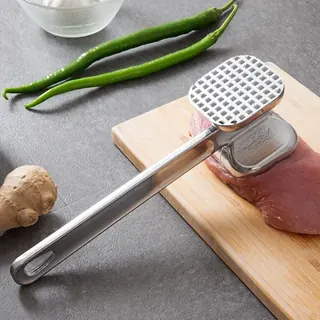 Meat tenderizerAliExpress
 Kitchen probe thermometerAliExpress
 Pull chopper for garlic and onionAliExpress
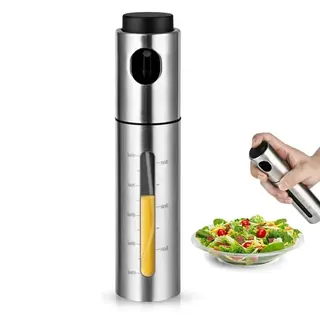 Oil sprayerAliExpress
 Kitchen scale up to 5 kgAliExpress
 Vegetable chopper with handleAliExpress
| Yield: | serves 2-4 portions of pasta |
| Calories: | 127 kcal per 100 g |
| Prep: | 30 mins |
| Cook: | 2 h 30 mins |
| Total: | 3 hours (or longer) |
| Cuisine: | Italian cuisine |
| More of my recipes: | |
| Rating: |