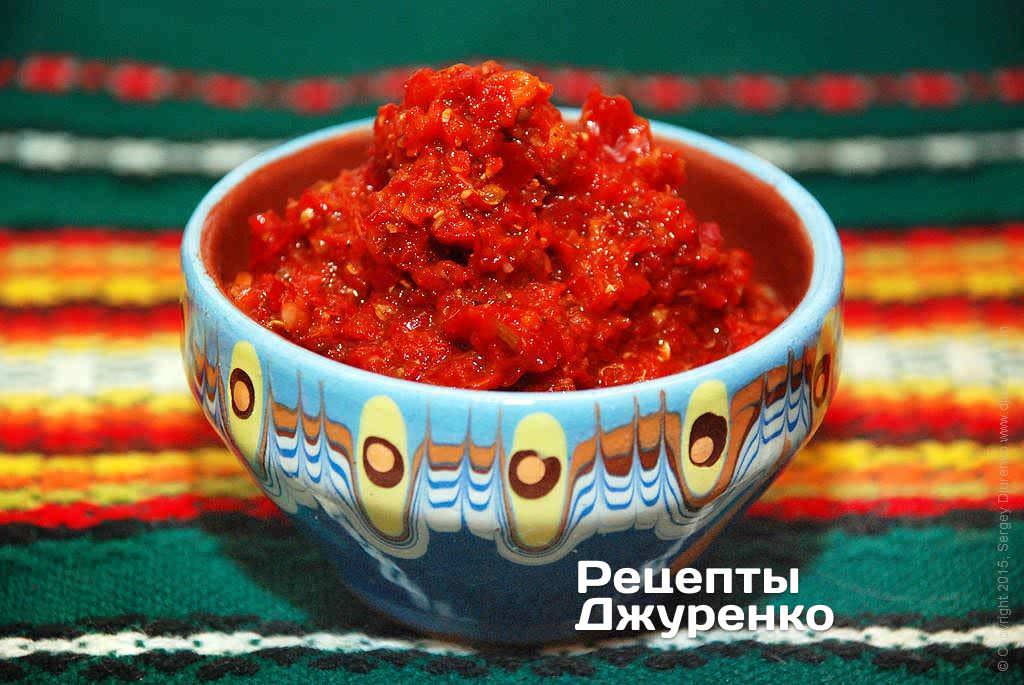
Authentic Adjika Recipe: Hot Pepper, Garlic and Herb Paste
What comes to mind when you think of Caucasian cuisine? Many would say shashlik, wine, mountains, stern customs, long life. Plenty of opinions. But ask: what about the food itself?
And most will answer: heat! I won't argue or try to prove otherwise. Caucasian food is fairly spicy, though it's still a long way from Mexican. The most common condiment is adjika, roughly what guacamole is in Mexico.
Adjika is hot chili pepper, garlic, herbs, wine vinegar and salt. By the way, add it to tacos and you'll see the light!
Let me repeat: adjika, not the mildly spicy jam of tomatoes, bell peppers, carrots and apples that our home cooks put up by the ton for winter.
For example, type “adjika recipe” into Google and you'll get thousands of links to “masterpieces” along the lines of: take 5 kg of tomatoes and 2 kg of bell peppers. That is closer to traditional Bulgarian lyutenitsa.
Of course, it's a sauce, a tasty and popular one.
Rarely, very rarely, do you come across a recipe close to the real thing. Remember: this is not a tomato sauce with apples. It is hot chili pepper, garlic, herbs, wine vinegar and salt.
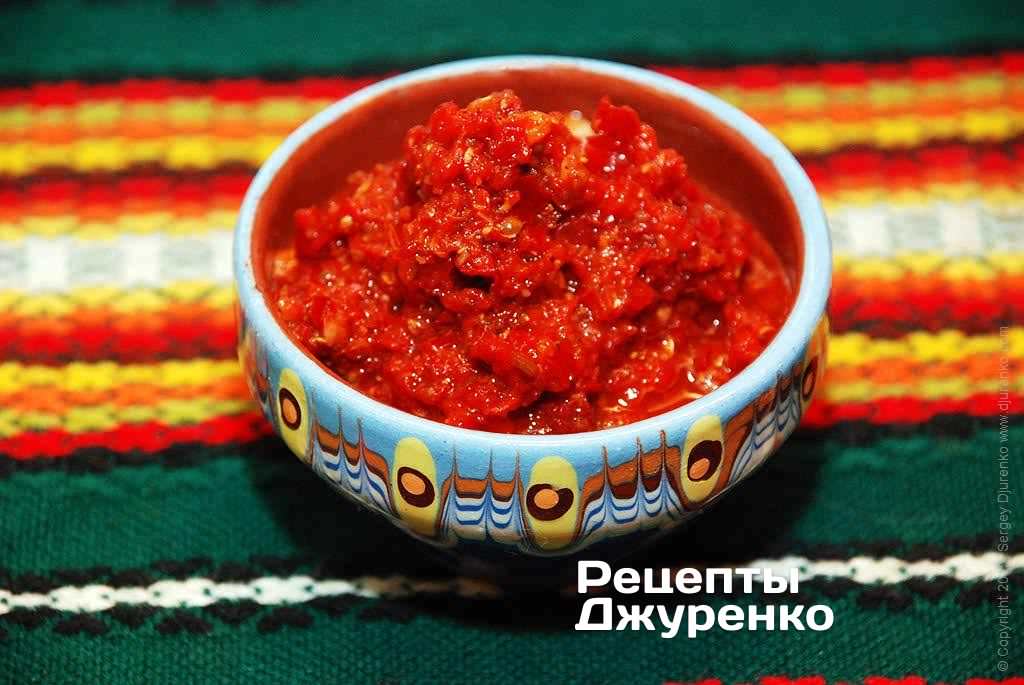
Ingredients
1 jar
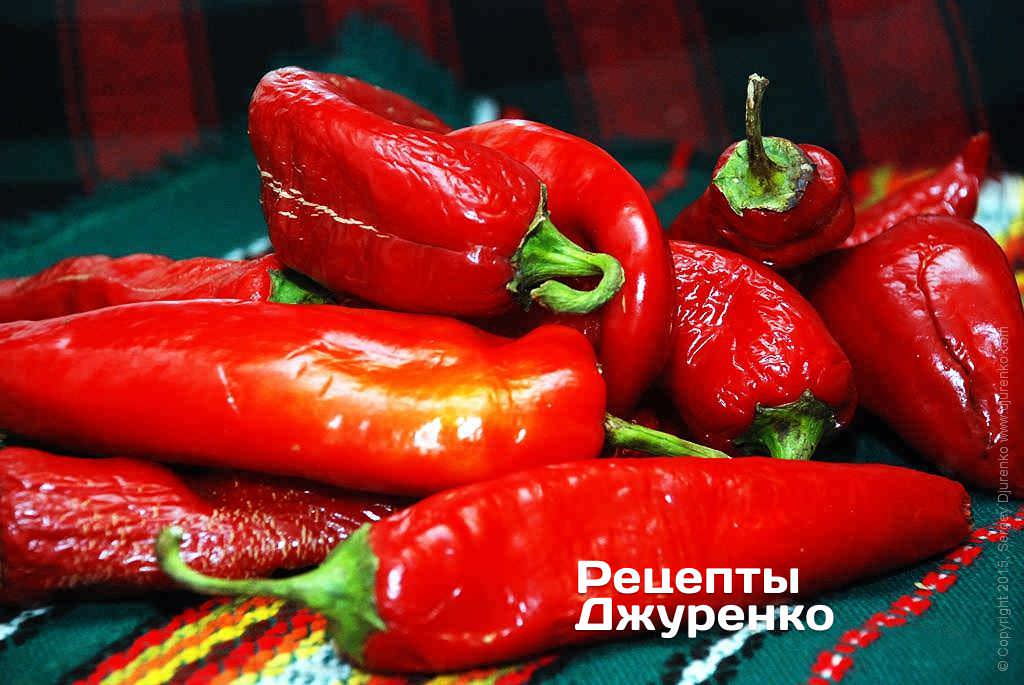
- Hot red chili peppers 1 kg
- Garlic 2 heads
- Coriander seeds 2 tbsp
- Rock salt up to 100 g
- Khmeli-suneli, fenugreek, Imeretian saffron to taste
- Wine vinegar to taste
- Walnuts (shelled) optional
Step-by-step recipe
- The word “adjika”, so I was told, comes from Abkhazia and means “salt”. Shepherds have always grazed their flocks in the mountains. The owners of the livestock gave the shepherds salt for the animals to make them thirsty. The animals would then eat and drink more and, accordingly, put on fat. Salt has always been very expensive. A Roman legionary received salt, or money to buy salt, as part of his pay. Ukrainian chumaks travelled to Crimea for salt and sold it at the markets.
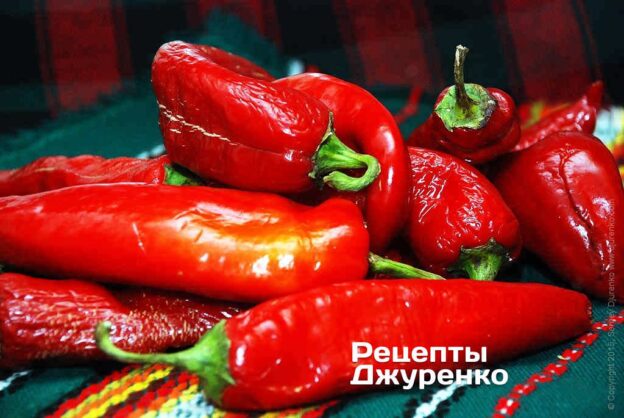
- In the Caucasus, to keep the shepherds from stealing the salt instead of using it for the animals, hot pepper was mixed into it. But shepherds are cunning rascals: they used the fiery salt as a seasoning. And they often added fragrant herbs to it: parsley, coriander, fennel and other dried spices, khmeli-suneli or utskho-suneli, fenugreek, garlic. In Abkhazia the resulting mixture is called “pepper salt” or “adzhiktsatsa”, salt ground with herbs.
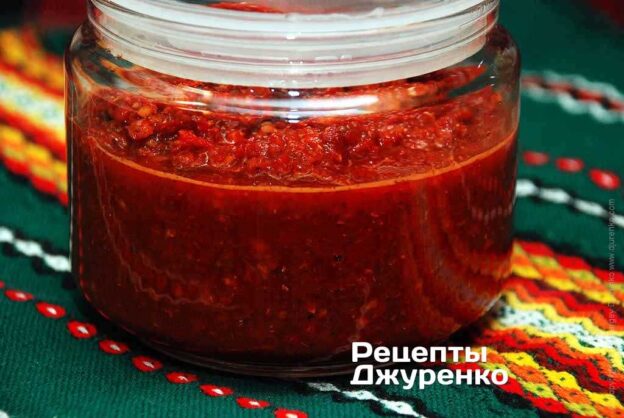
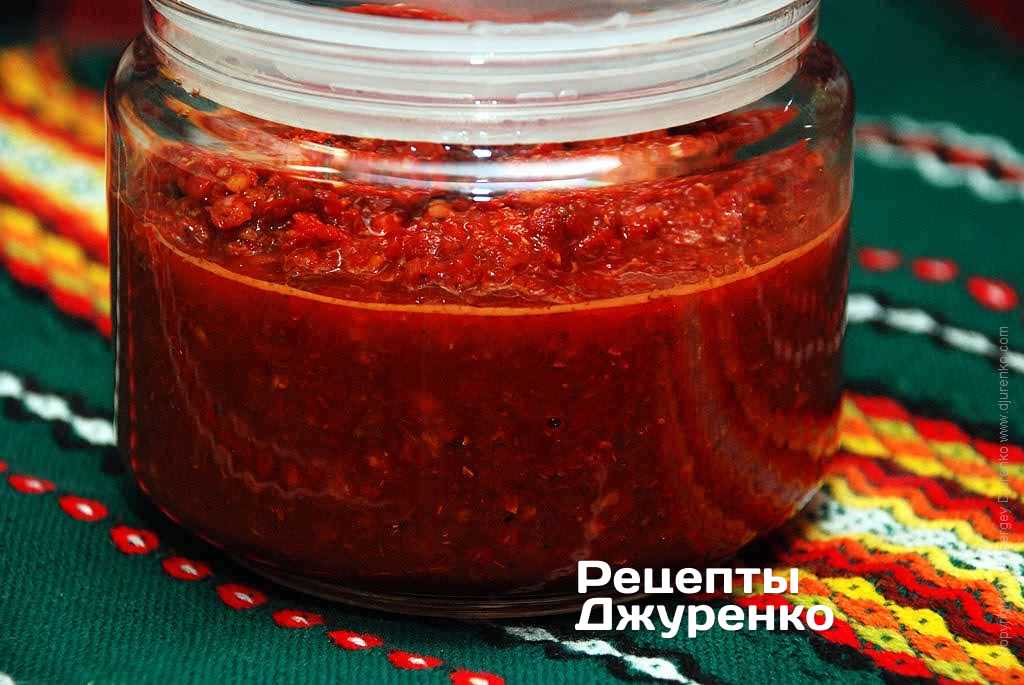
- Adjika is eaten with meat and other dishes, even with melon. It is the main component of various Abkhazian sauces. Adjika is not ketchup, not a sauce and not a gravy; there are no tomatoes in it, only hot pepper. It is a fairly thick paste. It keeps for a long time, so making it for winter is common practice. When making adjika, sticking to exact proportions doesn't matter at all! What matters is that you like it. But hot pepper should make up at least half of the volume. In the Caucasus, adjika is made from herbs and peppers ground between two stones. At home you can grind it with stones too, I won't argue. But it's better to use a chopper, a blender or a stone mortar.
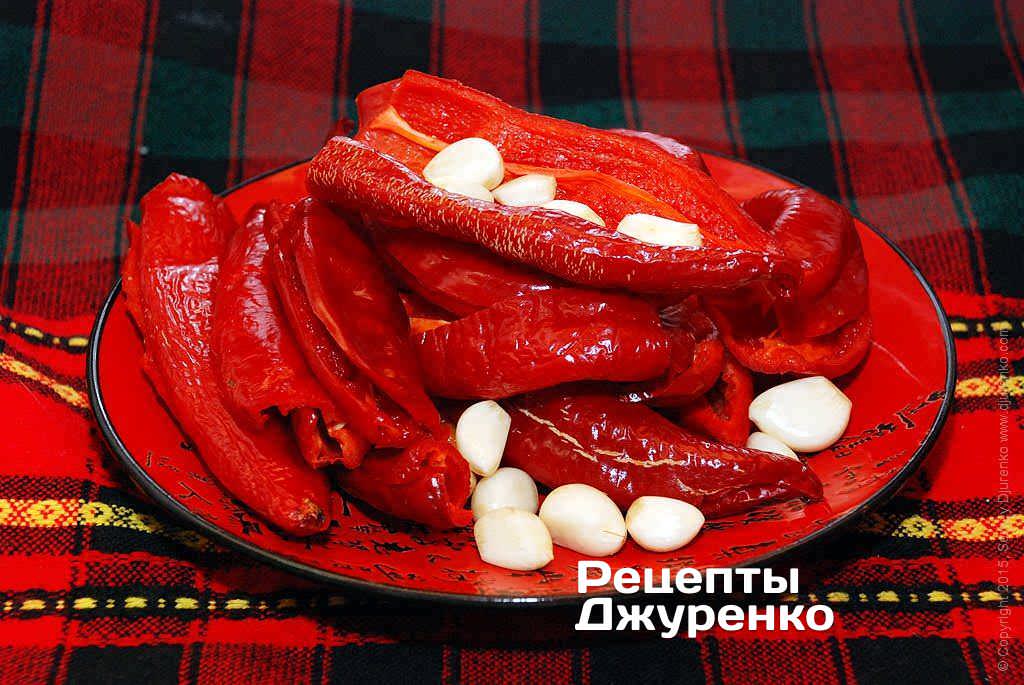
- Wash the hot red peppers and spread them out in the shade for 3 days so they dry out a little.
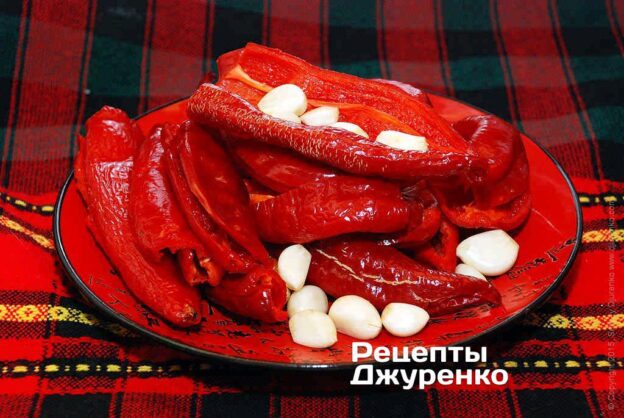
- Remove the stems and seeds from the hot peppers. Finely chop the peppers and garlic. Often the pepper seeds are left in, which makes the adjika even hotter.
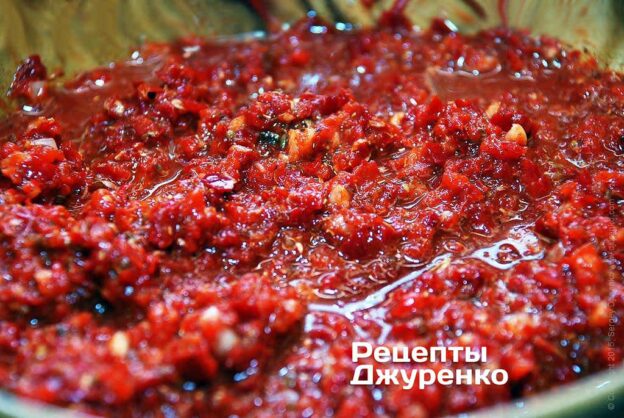
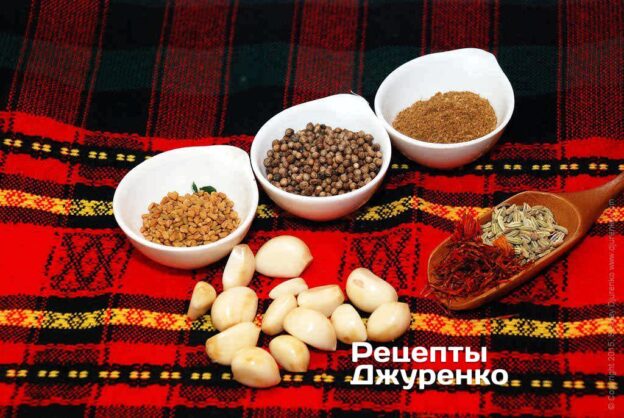
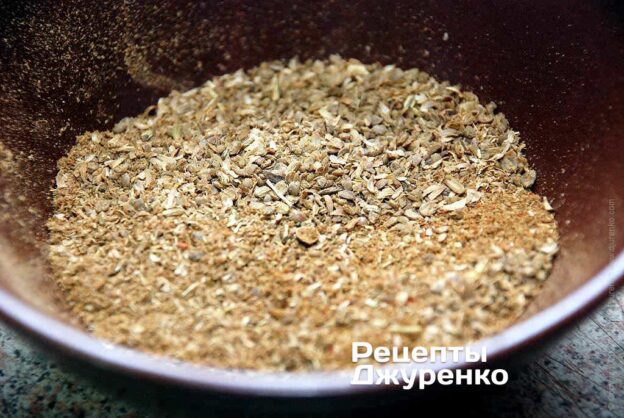
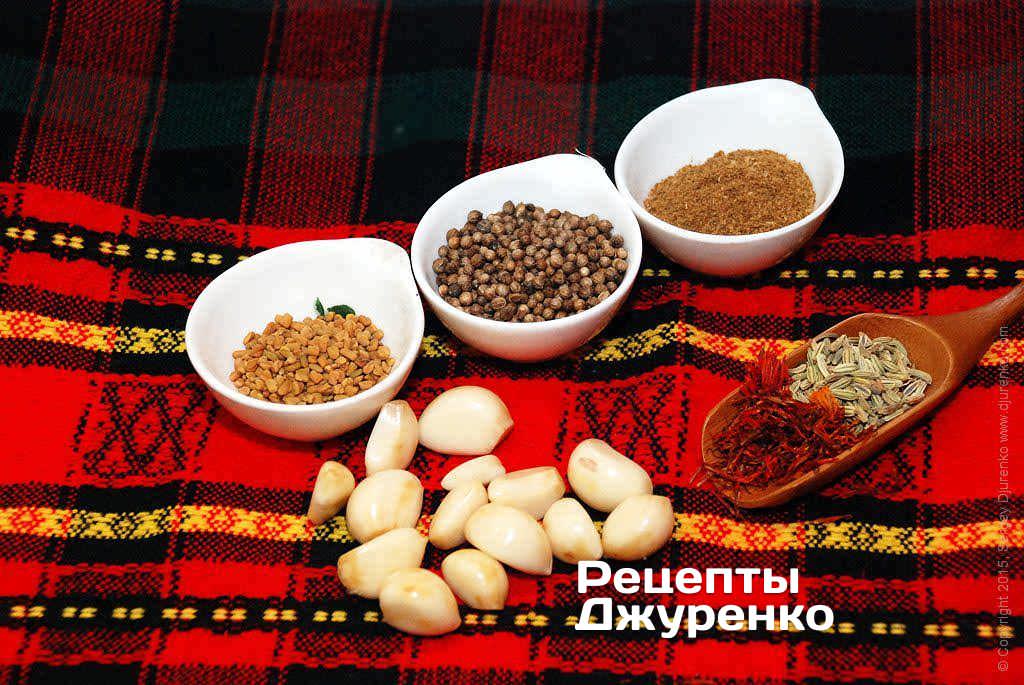
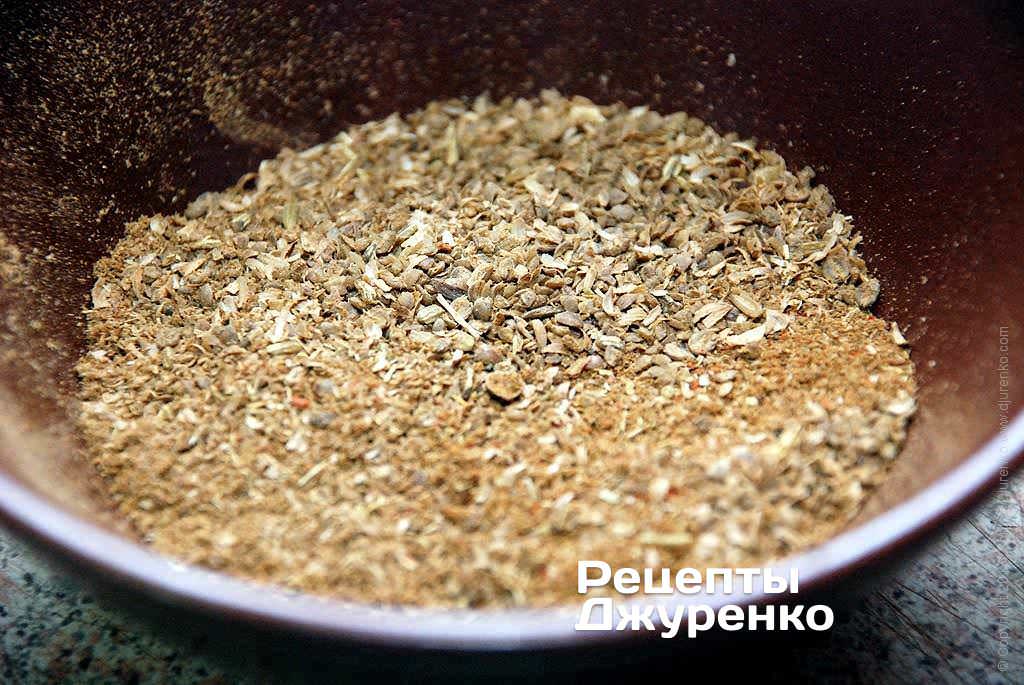
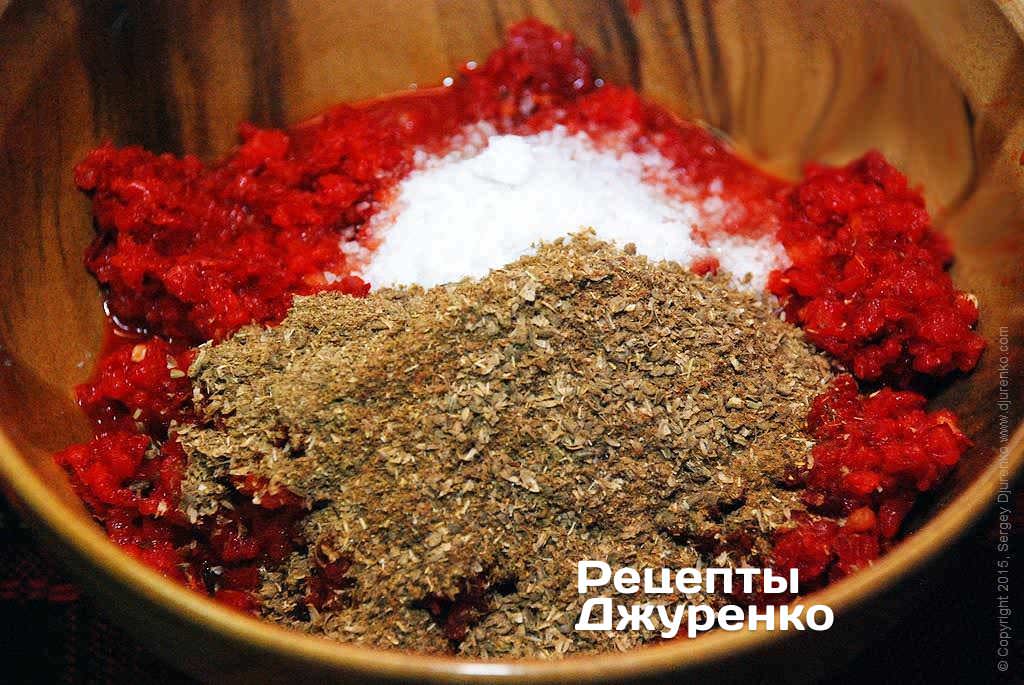
- Add dry coriander seeds crushed in a mortar and, to taste, khmeli-suneli and ground fenugreek, saffron or so-called Imeretian saffron (marigold); dill and fennel seeds can go in too.
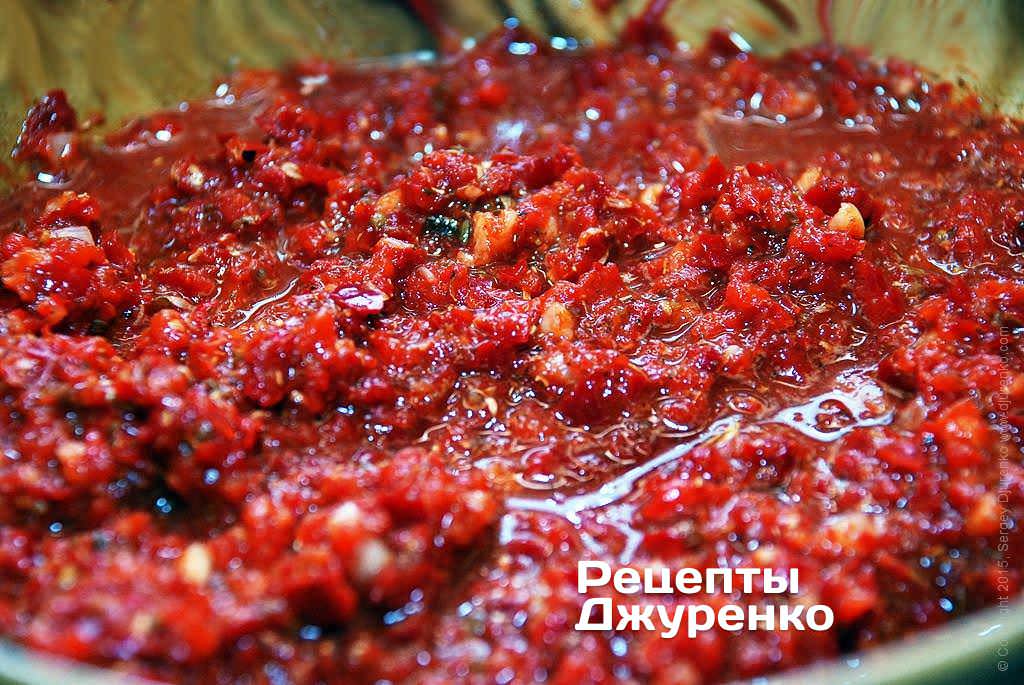
- The peppers, garlic and spices need to be ground well.
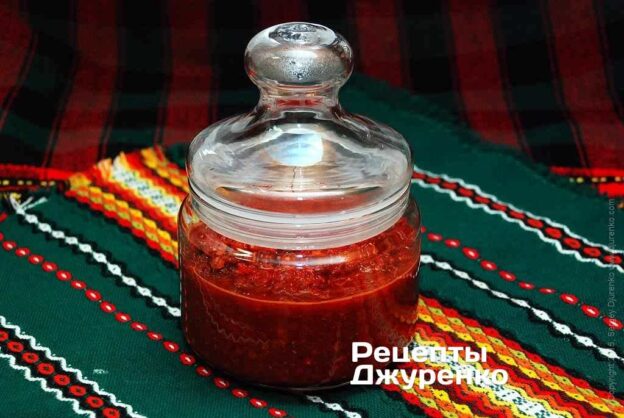
- Salt the adjika generously with coarse rock salt. Mix everything thoroughly and add up to 1/2 cup of wine vinegar or freshly squeezed pomegranate juice to thin the adjika to the consistency you want.
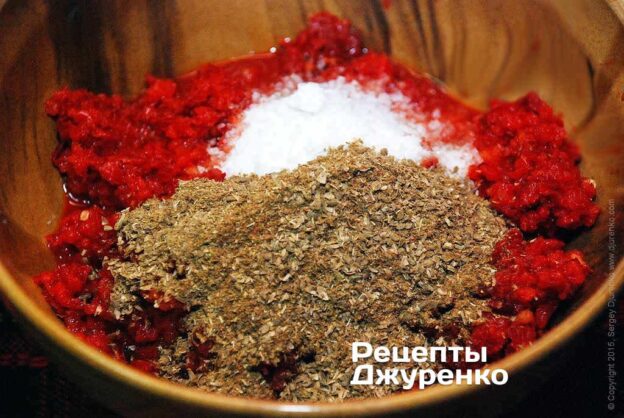
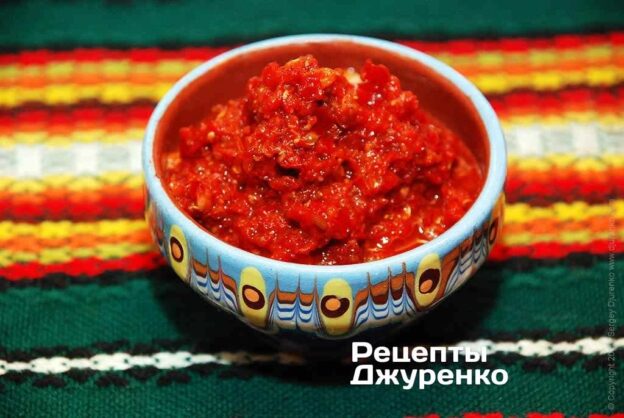
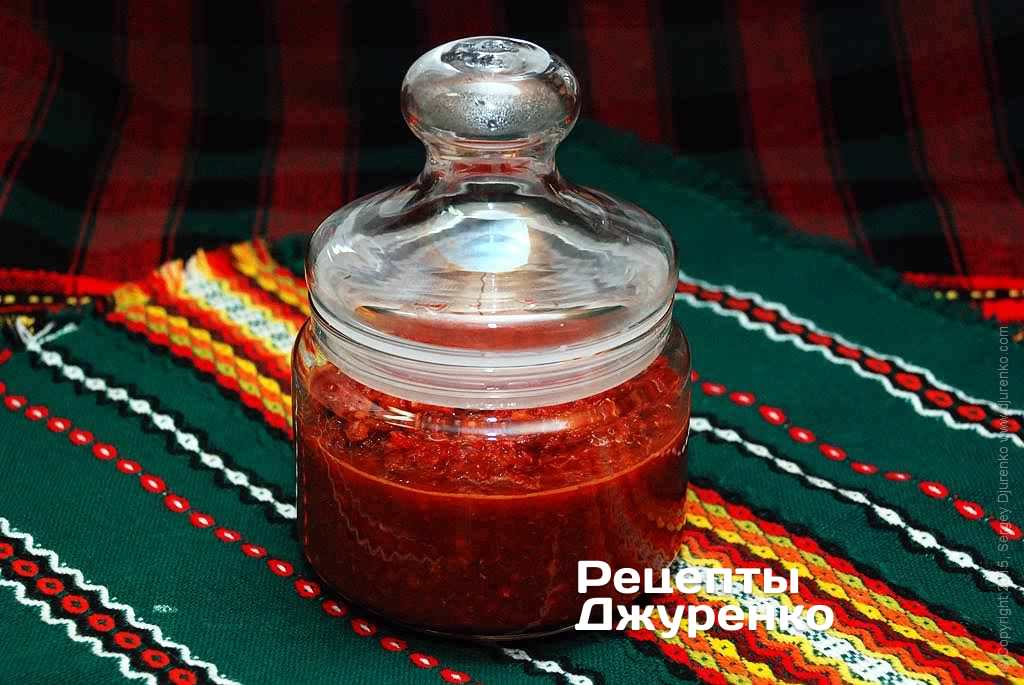
- You'll get a paste (thick or slightly runny) with a very hot taste and a wonderful aroma. It serves as the base for sauces and milder versions of adjika.
- To improve the flavor, add walnuts ground to a powder or fresh green herbs: cilantro, dill, parsley, leaf celery. Instead of khmeli-suneli and fenugreek you can use the utskho-suneli spice blend, which contains all the necessary components, including coriander and fenugreek. To tone down the heat, add chopped sweet red pepper.
- It can be made not only from red peppers. Green adjika is also very popular. Adjika typical of a particular area is usually named after it: Georgian adjika, Abkhazian adjika and so on. A version with tomatoes has a right to exist too, even though tomatoes are not part of the classic recipe. By the way, the vast majority of store-bought adjika is made with tomatoes and fruit and vegetable puree.
- It's best not to make adjika with bare hands, or you'll be scrubbing them all day. The seasoning keeps well in the cold. Just pack it into jars and seal tightly.
| Yield: | 1 jar |
| Calories: | 59 |
| Prep: | 3 days |
| Cook: | 1 h |
| Ready in: | a few days |
| Category: | Snacks and Sauces |
| Cuisine: | Caucasian cuisine |
| Rating: |
⭐
⭐
⭐
⭐
⭐
4.9
(3)
|