
Lemon Confiture (Lemon Jam)
Homemade lemon jam, preserve or confiture is a winter preparation you make in the season of cheap citrus. It’s a sweet-and-sour dessert with a noticeable bitterness from the lemon zest. It turns out very thick, even jelly-like. In European countries it would be called marmalade, though here that word means a different product. This preserve is great for tea time or for baking cookies.
Buy large, very ripe fruit with bright yellow skin and as few seeds as possible. Ripe lemons guarantee there’s no sharp sourness, even with sugar added in the usual proportions.
To reduce the loss of nutrients while cooking the confiture, use cookware that keeps the fruit from touching metal; a ceramic pot is ideal. Pack the finished product into small jars of 0.2-0.3 l. It’s a jelly-like product made of lemon pulp that is puréed after cooking, and it can be used for pies and crepes, an excellent filling for nalysnyky, or as an addition to farmer’s cheese, and so on.


Ingredients
1.5 l
- Ripe lemons 1.5-1.7 kg
- Sugar 1.5 kg
- Water 3 cups (600 ml)
Step-by-step recipe
Lemons
Homemade lemon confiture isn’t difficult to make, although it needs a lot of time for the fruit to steep in the sugar syrup. Unlike lemon preserves, confiture or jam is most often made from puréed or chopped fruit. You need to decide at the start whether you want the bitterness of the lemon peel, and either keep the zest or remove it.
Wash the lemons very thoroughly and dry them.

If you don’t want the bitterness, peel the lemons. We cooked the lemons with the peel to get a slightly bitter taste.
Keep in mind: pectin is found in the peel and the white pith, and thin-skinned or peeled lemons have little of it, so the confiture may set less firmly.
Slice the lemons into rounds 5-6 mm thick. By the way, use a ceramic knife; the less the lemons touch metal, the better.
Remove the seeds; however much you’d like to avoid it, ripe fruit always has them. They’re easy to see and come out easily with the tip of a knife.


Syrup and steeping
While cooking, you can add other citrus fruits in small amounts, such as orange or lime. Orange peel isn’t as bitter, so you can always leave it on. If you add all the sugar at the very beginning, along with a little pectin, you can cook the lemon jam in one go and skip the steeping. Then the lemon slices will stay intact, but the jam will be runnier.
Put the lemon slices in a ceramic pot and add half of the prepared sugar (750 g), about four cups.
Pour in 3 cups of clean water (600 ml) and stir gently. The sugar dissolves easily.
The water is needed to dissolve the sugar and make the syrup the lemons steep in for 1–2 days. You can replace it with lemon juice only partly, no more than a third, or the confiture will turn out very sour.
Put the pot over medium heat and, stirring constantly, bring the mixture to the point where it starts to boil and foam appears.

Cook for 2-3 minutes, then turn off the heat.
Wait until the mixture cools to room temperature.
Cover the pot with a lid and put it in a cold place for 1-2 days. This time is needed for the syrup to take up the juices of the lemons and the zest, if you left it on.


Final cooking and jarring
Before the final cooking, prepare jars with lids: wash them thoroughly and sterilize them with boiling water or hot steam. Small jars of 0.2-0.3 l are best for the finished confiture.
Add all the remaining sugar (750 g) to the pot, stir and put it on the heat.
As soon as the sugar dissolves, without waiting for it to get very hot, strain the whole mixture through a colander into a large bowl or another pot. All the liquid part should be collected for further cooking.

By the way, if you have leftover lemon peels, you can spread them on a baking sheet lined with baking paper and dry them in the oven, which makes decent candied peel.
Put the strained syrup on the heat and bring to a boil. Cook for 2-3 minutes, then reduce the heat.
If foam forms, it’s best to skim it into a cup with a spoon and eat it; it’s just as tasty as the confiture itself.
If your confiture doesn’t set well, you can extend this last cooking by 5–10 minutes. To be sure, add pectin or Gelfix to the last cooking following the instructions on the packet; I don’t recommend gelatin.

Pack the hot lemon confiture into jars, right up to the neck, trying not to leave any empty space. It’s best to use a spoon dipped in boiling water first.
Close the jars with lids right away and set them upside down on the table. After a few minutes you can turn them over, once you’re sure they’re airtight.

Let the jars cool completely, then you can put them in the pantry.
At first, while the confiture is hot, it’s quite runny, and that’s how it should be. As it cools, even without pectin, it will thicken considerably and take on the properties of jelly. In the end you’ll have to “cut” it with a spoon, and it will spread wonderfully on bread.

Serve it with tea and syrniki; homemade nalysnyky with it are very tasty. Sometimes I add it to farmer’s cheese when I want a snack.
The finished product keeps quite a long time. Since I don’t make much, 6-8 jars, it gets eaten quickly. The confiture doesn’t crystallize, as often happens with traditional jam.


Calories and macros
169 kcal
100 g
- Protein0.5 g1% of kcal
- Fat0.1 g1% of kcal
- Carbs43.4 g98% of kcal
Calculated from the recipe ingredients, excluding salt and spices. Data: USDA and Matvaretabellen.
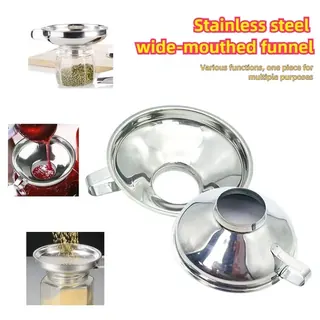 Wide-mouth canning funnelAliExpress
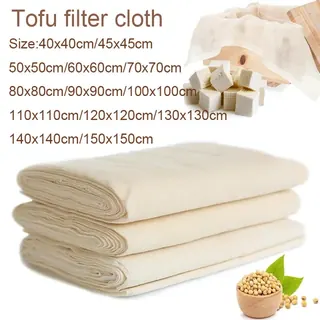 CheeseclothAliExpress
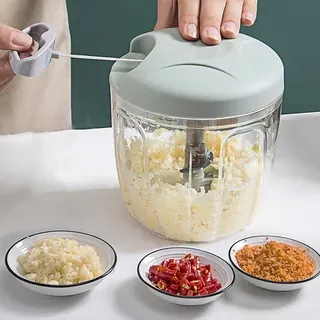 Pull chopper for garlic and onionAliExpress
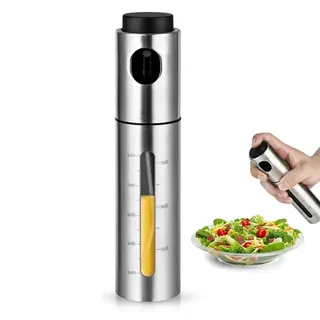 Oil sprayerAliExpress
 Kitchen scale up to 5 kgAliExpress
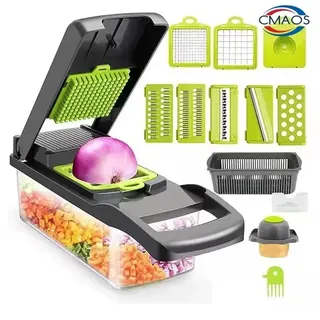 Vegetable chopper with handleAliExpress