Cottage Cheese Casserole with Semolina and Orange Zest Recipe

Cottage Cheese Casserole with Semolina

☆ Rate it

For as long as I can remember, cottage cheese casserole has always been part of our home menu. We brought homemade cottage cheese and milk from the village and, as far as I recall, rarely bought them. At home we often baked a cottage cheese mixture with eggs and a bit of semolina. The recipe is very simple and has stood the test of many generations of relatives, even though each of them had their own unusual recipes.

Back in Soviet times, you could get this kind of cottage cheese casserole in almost every canteen and café, often of rather dubious quality. Most likely such dishes were a lifesaver that helped use up products past their prime. That said, factory canteens often served a really tasty casserole with sour cream.

Cottage cheese casseroles made at home for breakfast were something else, especially delicious. Leftovers were usually used up this way to save money, but the cottage cheese was always fresh and the very best. If you liked, the bake was made sweet, with raisins or dried apricots, and homemade eggs gave it a lovely color.

Making a cottage cheese bake comes down to baking a semi-liquid mixture of mashed cottage cheese with sugar, eggs, milk and a little flour or semolina. As it bakes, the mixture firms up and stops running, and the finished casserole turns out soft and even moist.

The foundation of a good, proper casserole is the best cottage cheese. You can buy decent quality in stores nowadays, but it is better to use soft, full-fat homemade cottage cheese. As a rule, it has a clearly visible grainy texture. The tastiest cottage cheese casserole is served with sour cream, but tastes differ.

Cottage cheese casserole with semolina is tender, fragrant and very tasty. An easy, tried-and-true way to make a casserole with raisins and vanilla.

Ingredients

4 servings

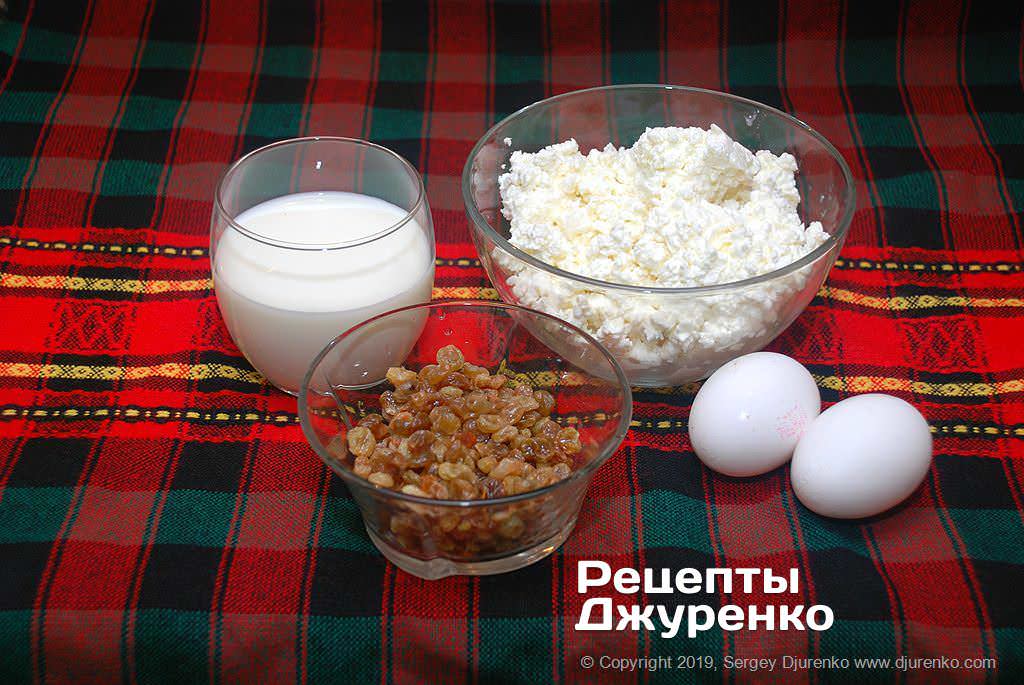
  • Cottage cheese (homemade is best) 500 g
  • Eggs 2
  • Milk 1 cup (200 ml)
  • Semolina 3–4 tbsp (slightly heaped) (36–48 g)
  • Sugar 3 tbsp (60–70 g)
  • Seedless raisins 50 g
  • Orange (zest) 1 small
  • Vanilla sugar 1 tsp (5 g)
  • Butter 1 tsp
  • Salt a pinch
  • Sour cream for serving

Step-by-step recipe

Getting ready

For a perfect, tasty casserole, it is best to buy homemade cottage cheese that is as fresh as possible and not sour. Depending on how the milk was soured, cottage cheese can often be noticeably tangy. This is not a flaw, but rather a feature of the particular product, so when buying it, just taste it. Besides, good homemade cottage cheese is very “grainy”, and you can clearly see it.

  1. Soak 50 g of raisins in advance; seedless ones are best.
    Homemade cottage cheese.

The cottage cheese mixture

A small batch of the cottage cheese mixture is easy to make in a large bowl with an ordinary kitchen mixer.

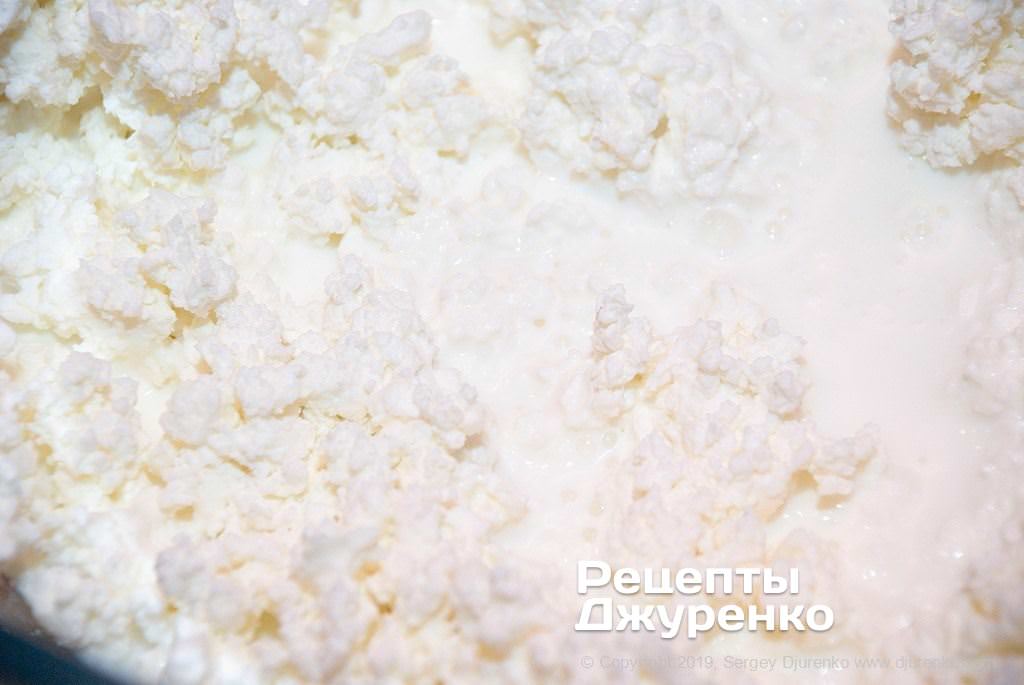
  1. Put all the cottage cheese (500 g) into a deep bowl and pour in the milk (200 ml). Using the mixer on low speed, beat the cottage cheese with the milk into a smooth, “creamy” mixture, or use a blender, whichever you prefer. You can do the same with an ordinary fork, although it will take longer and more effort.
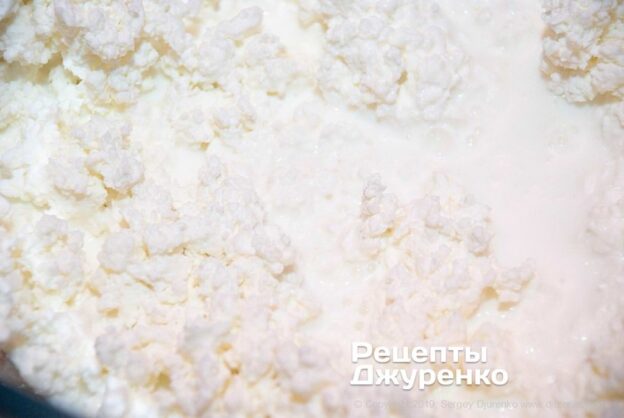
    Cottage cheese with milk.
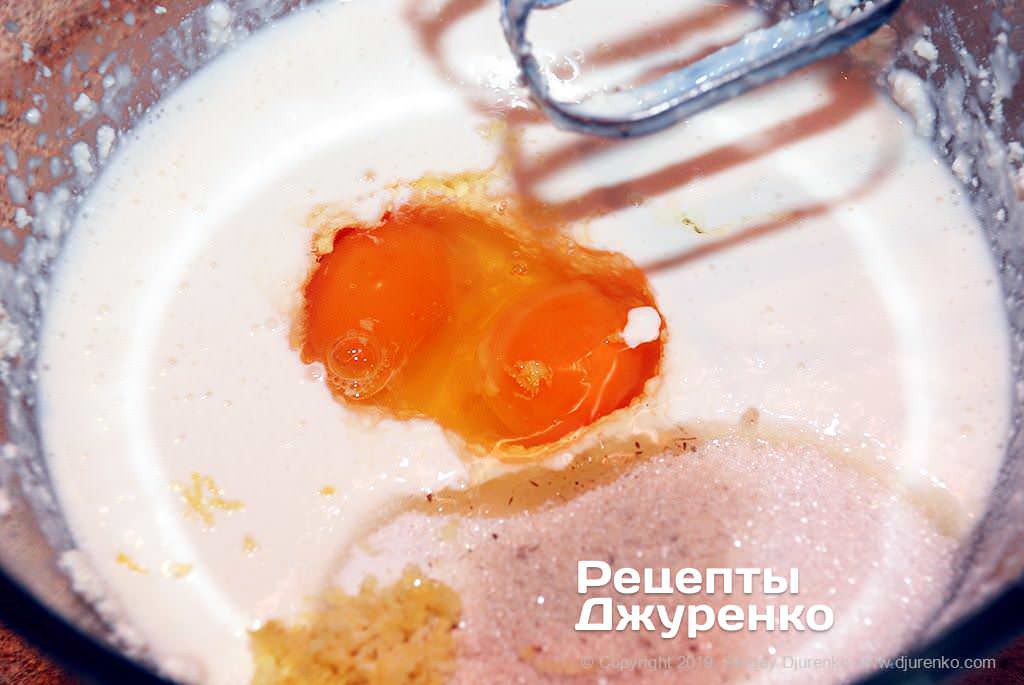
  2. Grate the zest from a small orange and add it to the mixture. Orange zest makes the bake especially fragrant. Add vanilla sugar (1 tsp), a pinch of vanillin or a couple of drops of vanilla extract. Crack two eggs into the bowl and add the sugar (3 tbsp).

    Adding eggs and sugar.
  3. Stir the mixture slowly so it becomes airy and smooth. Add enough semolina to make the casserole base stretchy and fairly thick, about 3 or 4 tablespoons.

    We use semolina to thicken the mixture. It is a simple, easy-to-find product, and surely everyone has eaten semolina porridge.

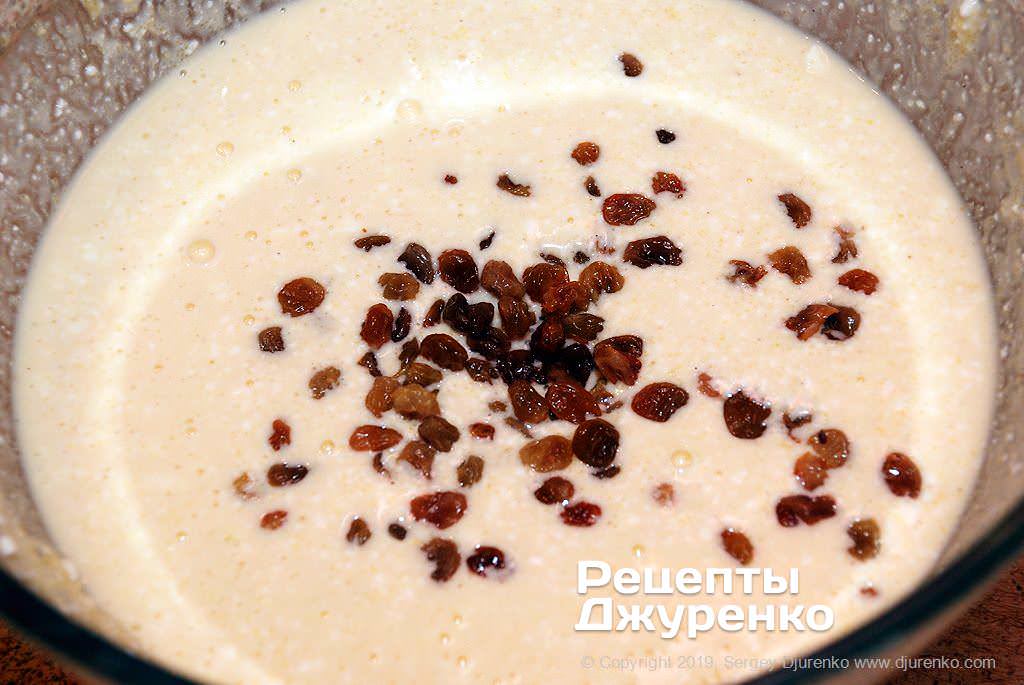
  4. At the very end, stir in the soaked raisins, draining them well.
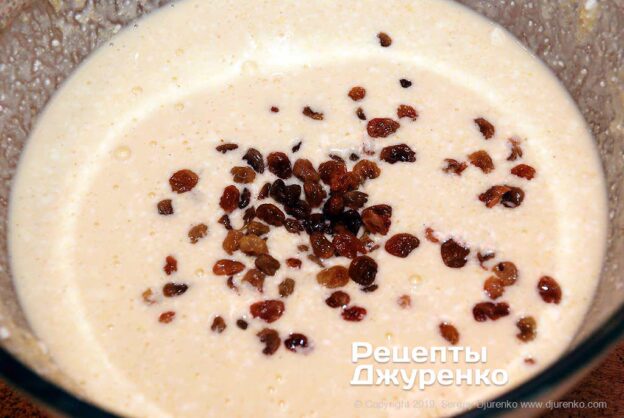
    Cottage cheese mixture.

    Leave the casserole mixture to rest for 20–25 mins. During this time the semolina swells, and this is important.
Baking

What kind of dish to bake it in is a matter of taste. To my taste, the bake is better tall, so we use a dish with a small base and high sides.

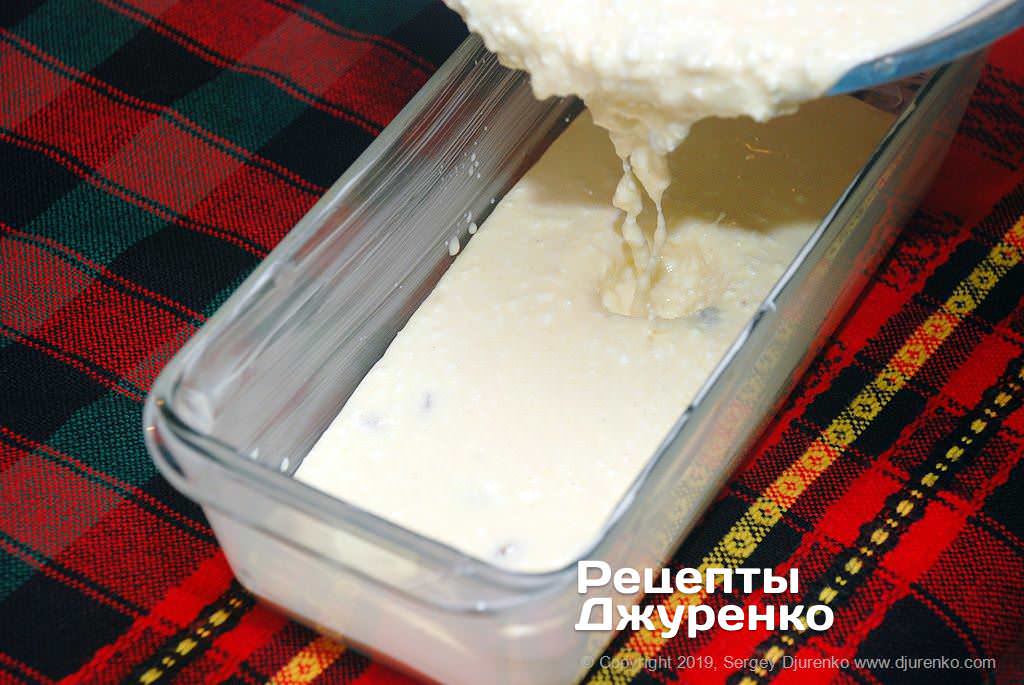
  1. Grease the bottom and sides of the dish with butter. Pour all the cottage cheese mixture into the greased dish and immediately put it into an oven preheated to 200°C.

    By the way, if you want a golden top, you can brush it with beaten egg during baking once the top has set a little. Sometimes the top is brushed with melted butter or sour cream, but that can make a diet dish richer.
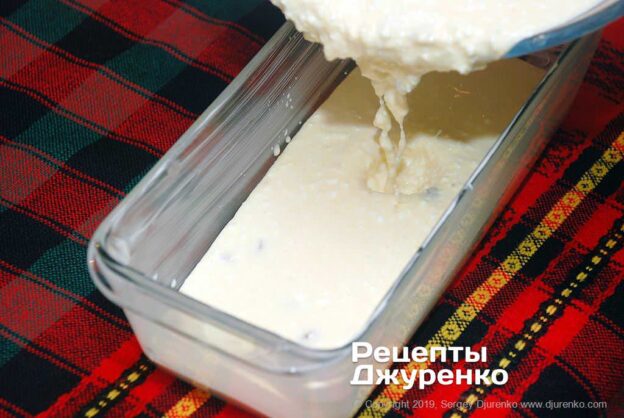
    Pouring the mixture into the baking dish.
  2. Bake until the surface has visibly “set” – usually 40–45 mins is enough. It is hard to say in advance how long the dish will take: it depends a lot on the consistency of the mixture.

    Often at the very end of baking the surface puffs up a little, but it sinks almost immediately as it cools, and that is normal. The part of the bake touching the bottom and sides of the dish always browns.
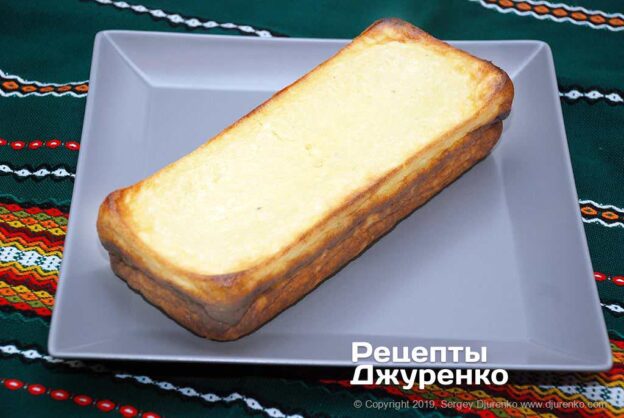
    Baked cottage cheese mixture.

Serving

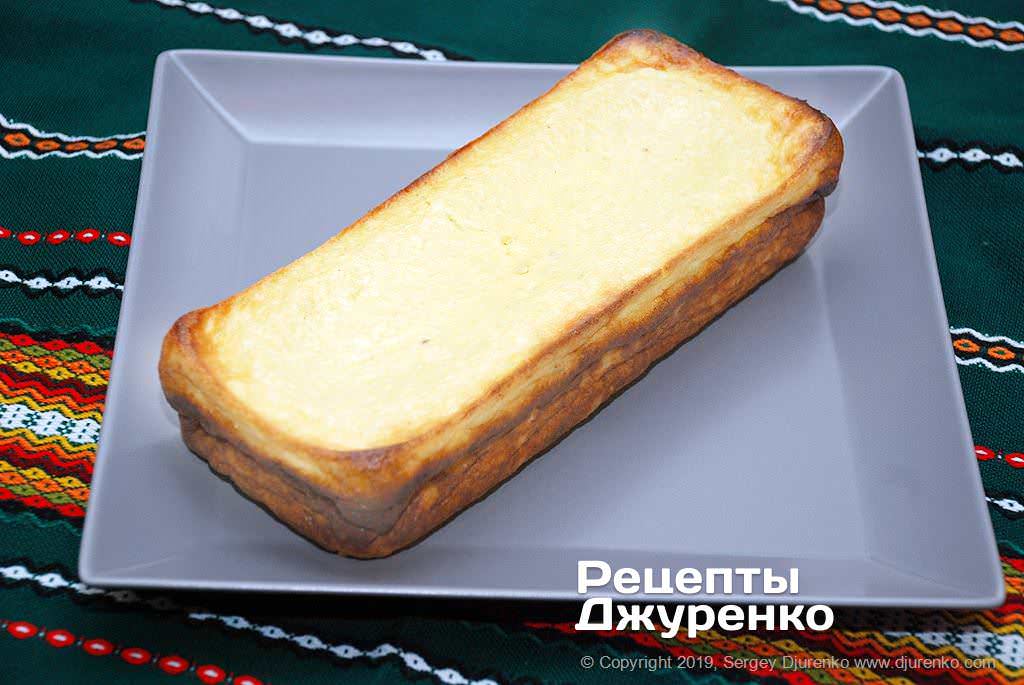
  1. Let the casserole cool until just warm – then it comes away easily from the sides of the dish. Transfer it to a large plate or cutting board. Cut the golden, fragrant bake into portions with a sharp knife and put them on plates. Although many people prefer it cold, I like it better fresh and warm.

    Cottage cheese casserole
  2. When serving, you can garnish it with a sprig of mint, orange slices, or fresh or frozen berries. A little powdered sugar won’t hurt either. But in our house this dish is not served without sour cream. You can pour sour cream over a portion or put a small sauce boat of it on the table, whichever you like.

How did you like this recipe?

No one has rated it yet — be the first.

Thanks for rating!
Sorry you didn't like it

Leave your email and I'll write to find out what went wrong. A 1–2 rating counts only with an email. I won't publish it.

Tell us how it turned out

Calories and macros

415 kcal

Serving ≈ 180 g

  • Protein27 g27% of kcal
  • Fat16 g36% of kcal
  • Carbs39 g38% of kcal

100 g228 kcalProtein 15 gFat 8.9 gCarbs 21.4 g

Calculated from the recipe ingredients, excluding salt and spices. Data: USDA and Matvaretabellen.

Made it? Tell me how it turned out — I read every review

The maximum upload file size: 10 MB. You can upload: image. Links to YouTube, Facebook, Twitter and other services inserted in the comment text will be automatically embedded. Drop file here

To Get It Right

Which cottage cheese to use

Fresh and not sour – taste it when buying. With homemade cottage cheese the fat content usually doesn’t matter; for store-bought, 5% works. Moist, soft cottage cheese needs less milk, otherwise water will collect at the bottom of the dish.

Measurements in grams

  • a cup of milk – 200 ml;
  • 3 tbsp of sugar – 60–70 g;
  • you can use less sugar to taste: the raisins add sweetness too.

Add-ins

Instead of raisins, use finely chopped dried apricots. Readers also add grated apple or banana, and a little lemon juice along with the orange zest.

No sour cream?

The casserole is great with mashed raspberries, fresh berries or honey.

Have your own trick for this recipe?

Questions and answers

How much semolina goes into a cottage cheese casserole?

For 500 g of cottage cheese and a cup of milk (200 ml) – 3–4 slightly heaped tbsp. Go by consistency: the mixture should become stretchy and thick. If the cottage cheese is moist and the mixture stays runny, add 1–2 more spoons of semolina.

Do you need baking soda or baking powder in a cottage cheese casserole?

No, I don’t add any. What makes the casserole fluffy is the swollen semolina and a mixture stirred until airy.

What can I use instead of semolina in a cottage cheese casserole?

Most often flour or cornstarch, about 2 tbsp; with them the mixture doesn’t need to rest, but the casserole comes out denser. I haven’t tried oat flour.

How do you know when a cottage cheese casserole is done?

The surface “sets” and stops wobbling, and the edges by the sides of the dish brown. At 200°C this usually takes 40–45 minutes. A wooden skewer inserted into the center comes out dry.

How do you keep a cottage cheese casserole from sinking?

It always sinks a little – that’s normal. To keep it from sinking more, don’t open the oven for the first 30 minutes and let the casserole cool in the dish rather than turning it out hot.

Didn't find an answer? Ask your question