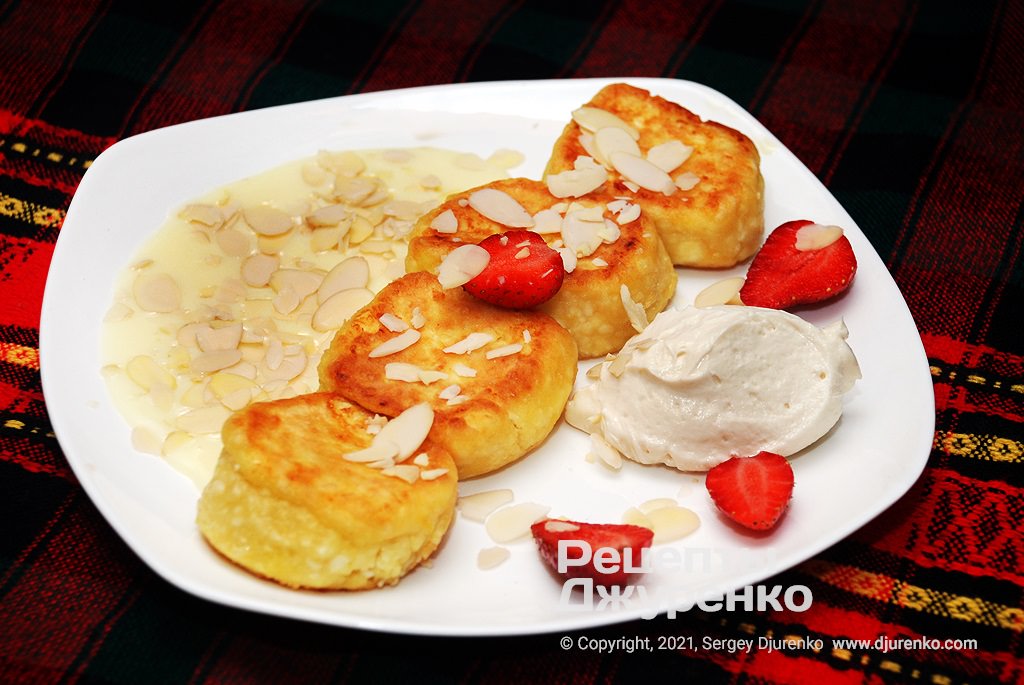
Vanilla Syrniki with Orange Zest
Ingredients
3 servings
For the dough
- Low-fat cottage cheese 600 g
- Eggs 2
- Sugar 2 tbsp (27 g)
- Wheat flour 2-3 tbsp (20–29 g)
- Orange zest from half an orange
- Vanilla to taste


For dusting and frying
- Wheat flour for dusting
- Olive oil 5-6 tbsp

For serving
- Jam, flaked almonds, condensed milk, strawberries, mascarpone, etc. for serving

Step-by-step recipe
How to make the syrniki dough
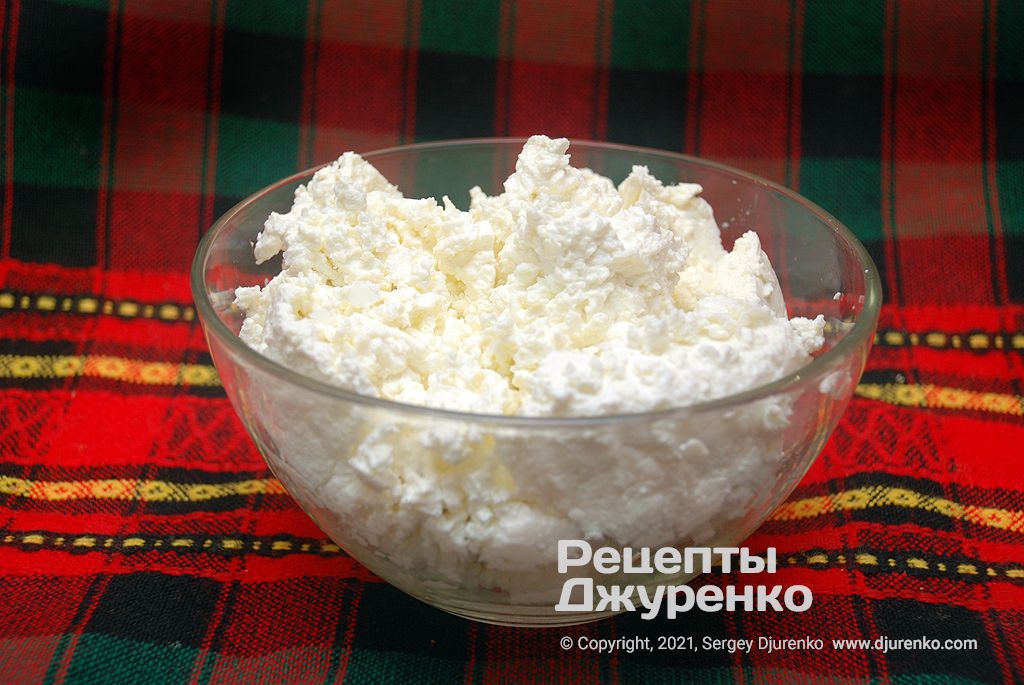
Good syrniki start, first and foremost, with good, tasty cottage cheese. It should be low in fat and grainy in texture.
Prepare the cottage cheese: if it is wet, squeeze it out a little.
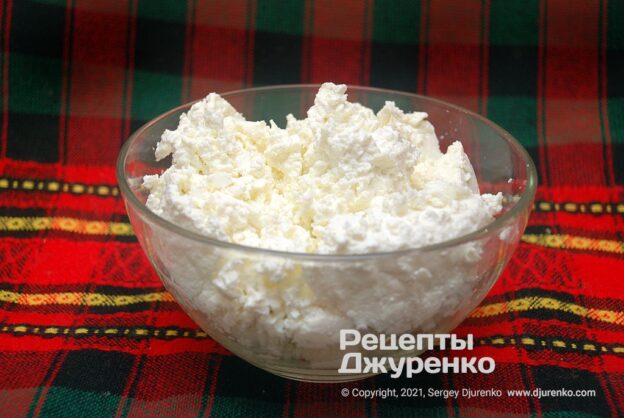
Put the cottage cheese in a large bowl and mash it with a fork to break up large lumps and loosen it. Most recipes tell you to press the cottage cheese through a sieve before making the dough. We never do that.
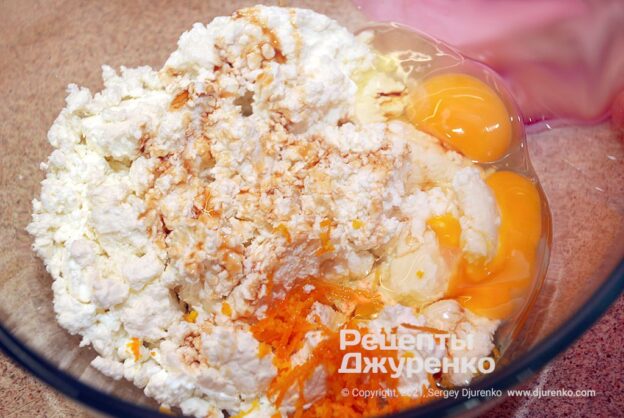
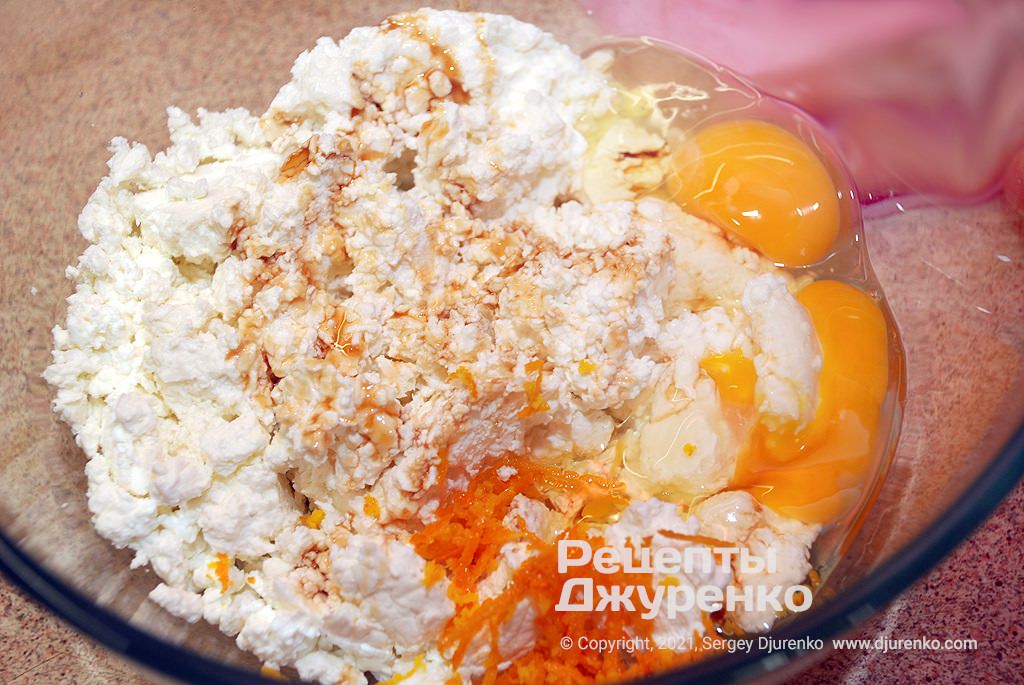
Add the zest of half an orange to the cottage cheese — you can grate it on a fine grater — along with the vanilla and 2 tbsp of sugar (27 g). If the cottage cheese is sour, add a little more sugar. To my taste, it’s better to make up for the sweetness with jam or condensed milk when serving, so add sugar carefully. Crack two eggs into the bowl, making sure no bits of shell get in.
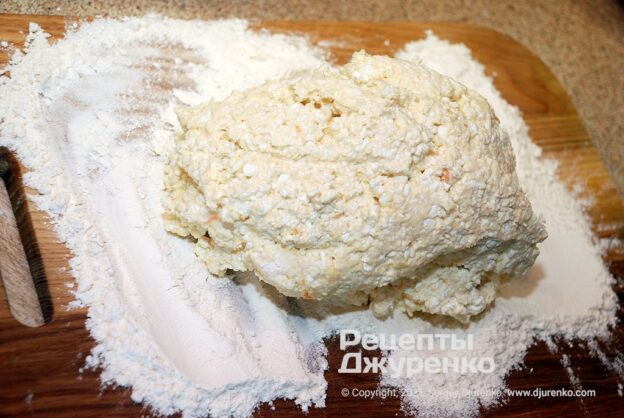
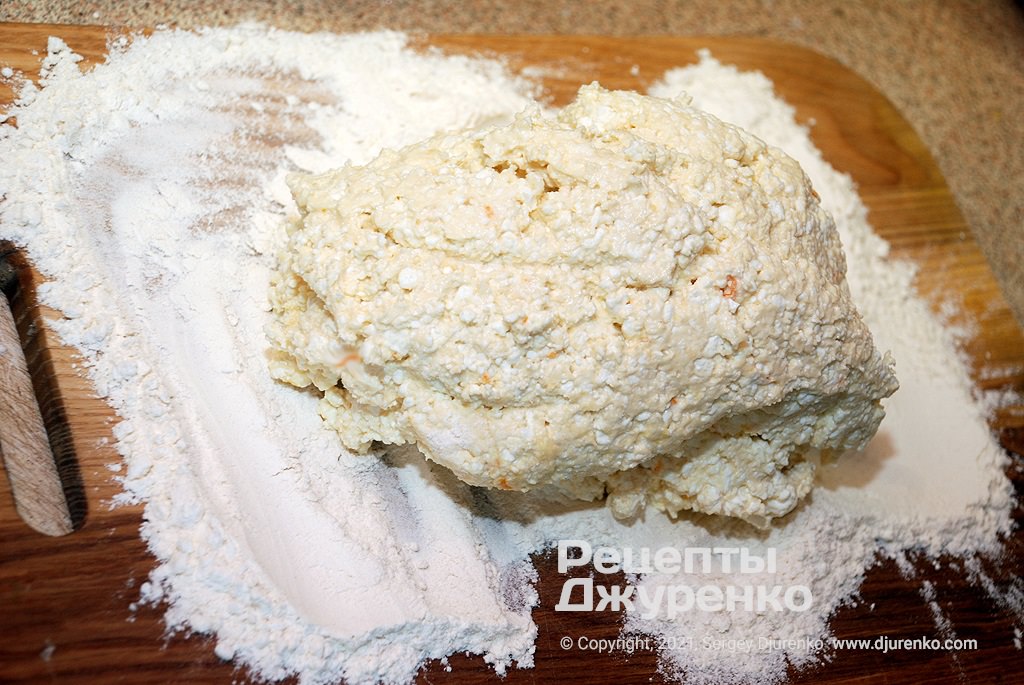
Mix the dough. Stir the cottage cheese mixture thoroughly with a fork, trying to make it as smooth as you can. If you come across lumps, mash them with the fork. Add the flour in small portions. Don’t try to make a dough like for bread. Syrniki dough should be soft and sticky, with a minimum of flour. For 600 g of cottage cheese you’ll need at most 3 level tbsp of flour (29 g) — that’s enough. The syrniki won’t fall apart; the cottage cheese holds together perfectly during frying.
How to shape the syrniki
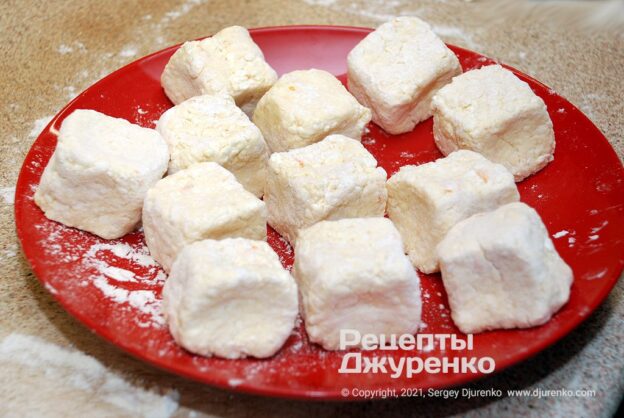
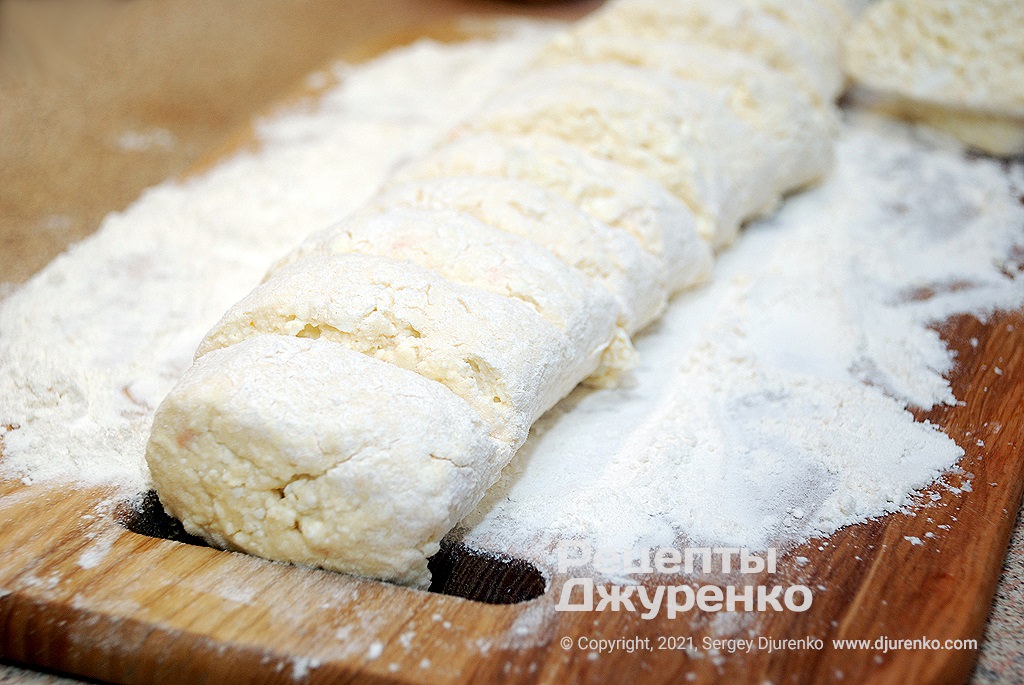
Shape a log and cut it into syrniki. Generously dust a table or cutting board with flour, stir the dough and turn it out onto the flour. Shape it into an elongated log 5-6 cm thick. Coat the dough generously with flour on all sides. This is important: during frying the flour forms a crust that keeps the syrniki from losing their shape and falling apart. By the way, try to make the ends of the log flat, so you won’t have to reshape the end pieces. Cut the log into pieces with a sharp knife — each piece will be one syrnik.

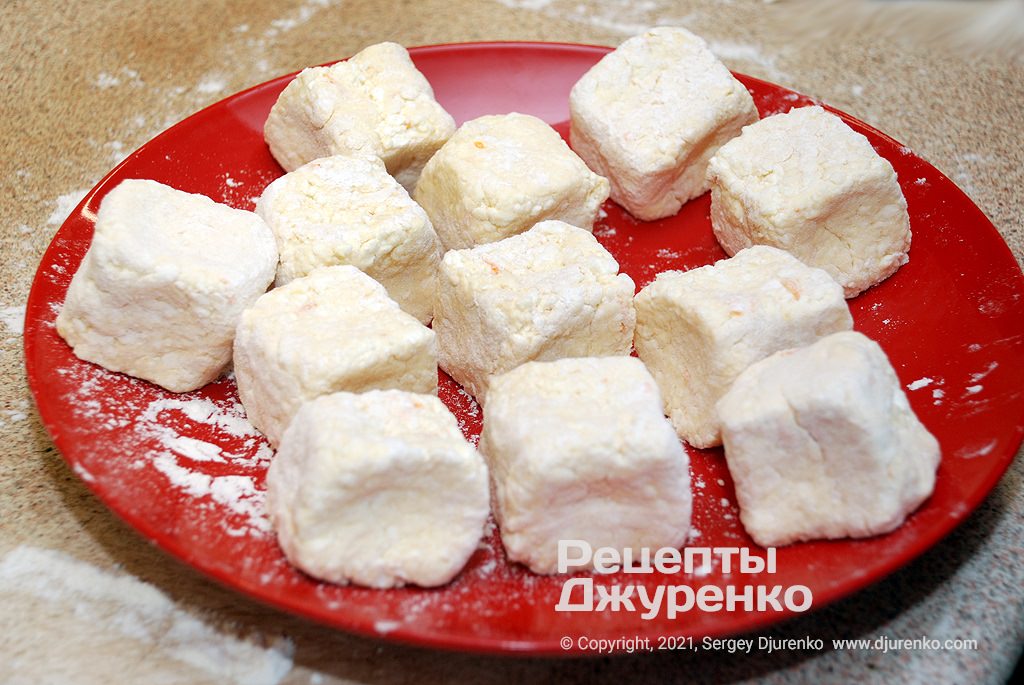
This amount of cottage cheese can make up to 16 syrniki; go by the size of your frying pan, since they all need to fit. We made 12 for the family.
Dust each syrnik with flour to cover the cut sides of the log. Then transfer them to a plate.
How to fry the syrniki
Heat the oil and add the rounds. Pour 5-6 tbsp of olive oil into a suitably sized frying pan — that’s the best option. Or, if you like, use refined sunflower oil. When the oil is well heated over medium heat, place all the cottage cheese rounds in it. You can lay them snugly next to each other. If you can, make them a little wider by pressing them down slightly. Reduce the heat to below medium and cover the pan with a lid.
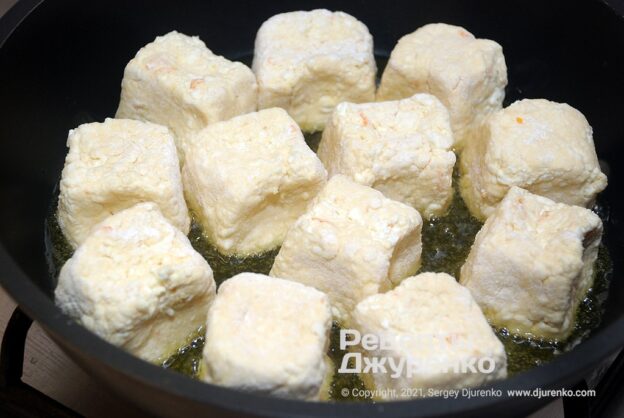
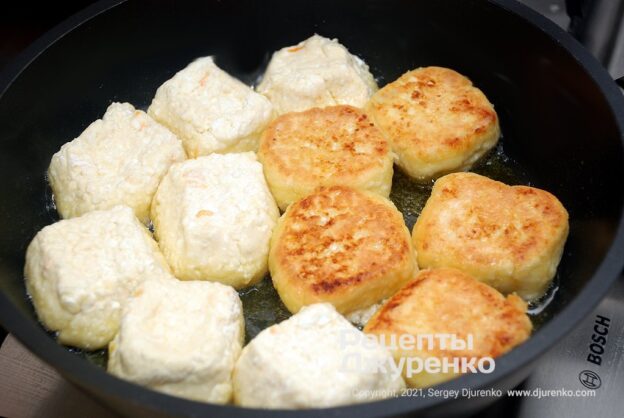
Fry the syrniki under the lid on one side until browned — this takes 8-10 mins. You want a firm crust of a nice golden-brown color. Keep an eye on them so they don’t overcook — the flour starts to burn quickly. Then turn all the syrniki over with a fork, cover the pan with the lid again and fry the other side the same way, another 8-10 mins. The total frying time will be up to 20 mins, which is enough for the centers to cook through.
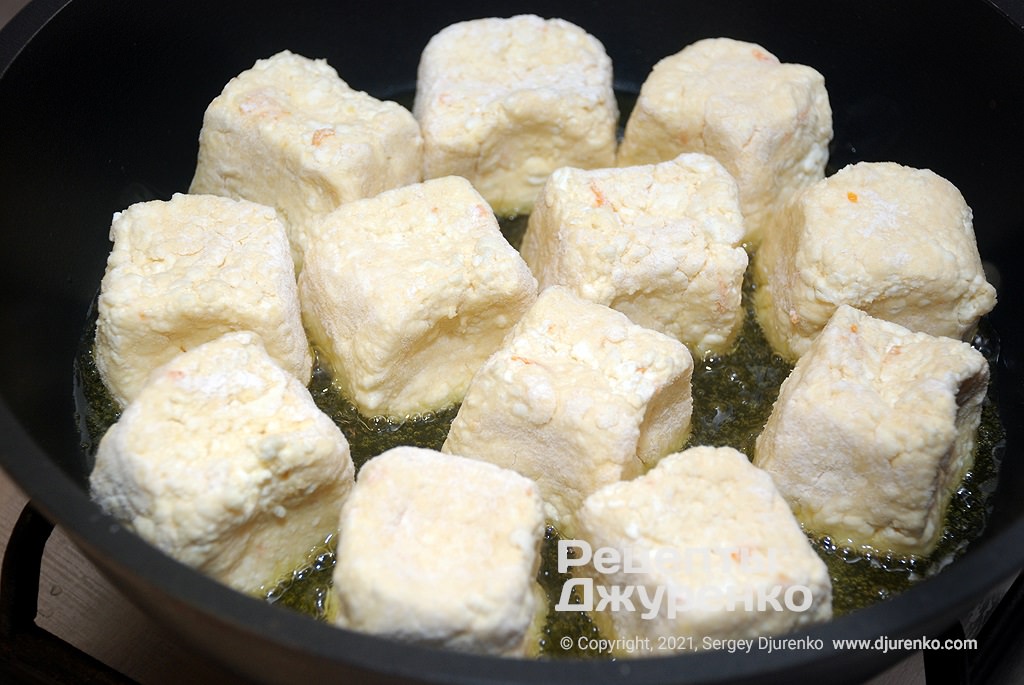
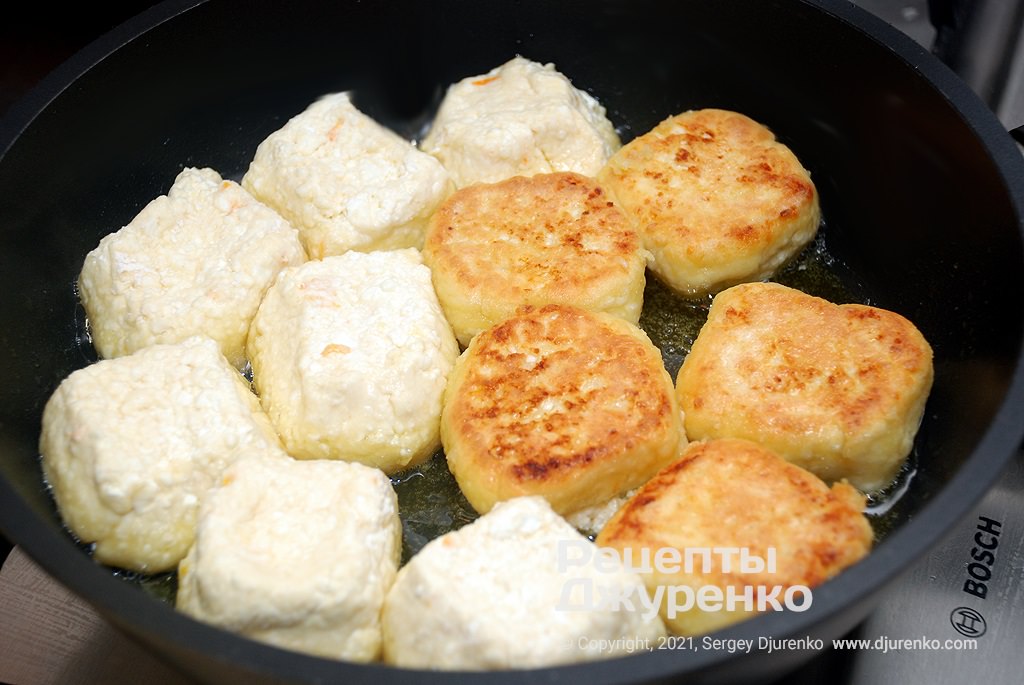
Serving
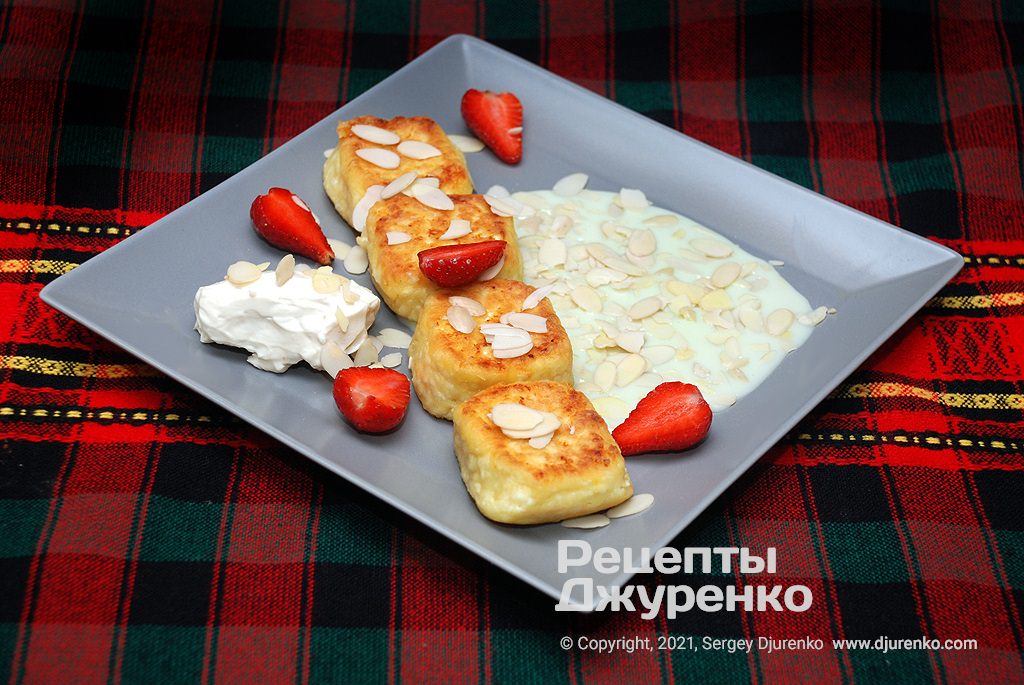
While the syrniki are frying, get the serving plates ready. We usually serve them with cherry, tangerine and apricot jam. They’re delicious with condensed milk sprinkled with flaked almonds. A few strawberries or some sliced fruit won’t hurt either. If you have fresh mint, add a sprig. A special treat is Italian mascarpone cream cheese whipped with powdered sugar and liqueur. Give it a try, you’ll love it!
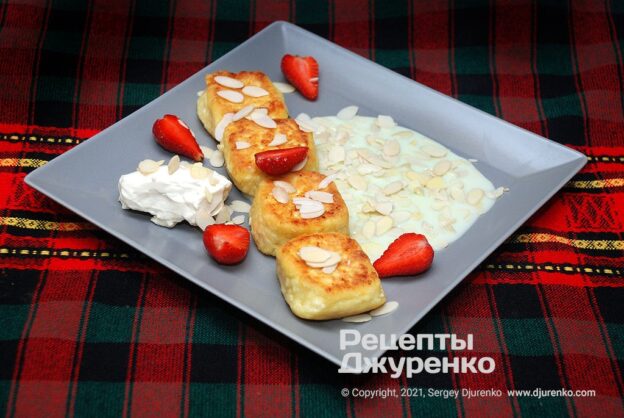
Arrange the syrniki on a plate with the tasty toppings and serve. For breakfast, I suggest adding fruit — banana, kiwi, a slice of melon or a ripe pear. If you like, dust the dish with a little powdered sugar: put it in a small sieve and shake it over the plate.

How did you like this recipe?
Rate it with one tap.
Calories and macros
440 kcal
Serving ≈ 230 g
- Protein42 g38% of kcal
- Fat19 g38% of kcal
- Carbs27 g24% of kcal
100 g192 kcalProtein 18.1 gFat 8.1 gCarbs 11.6 g
Calculated from the recipe ingredients, excluding salt and spices. Data: USDA and Matvaretabellen.