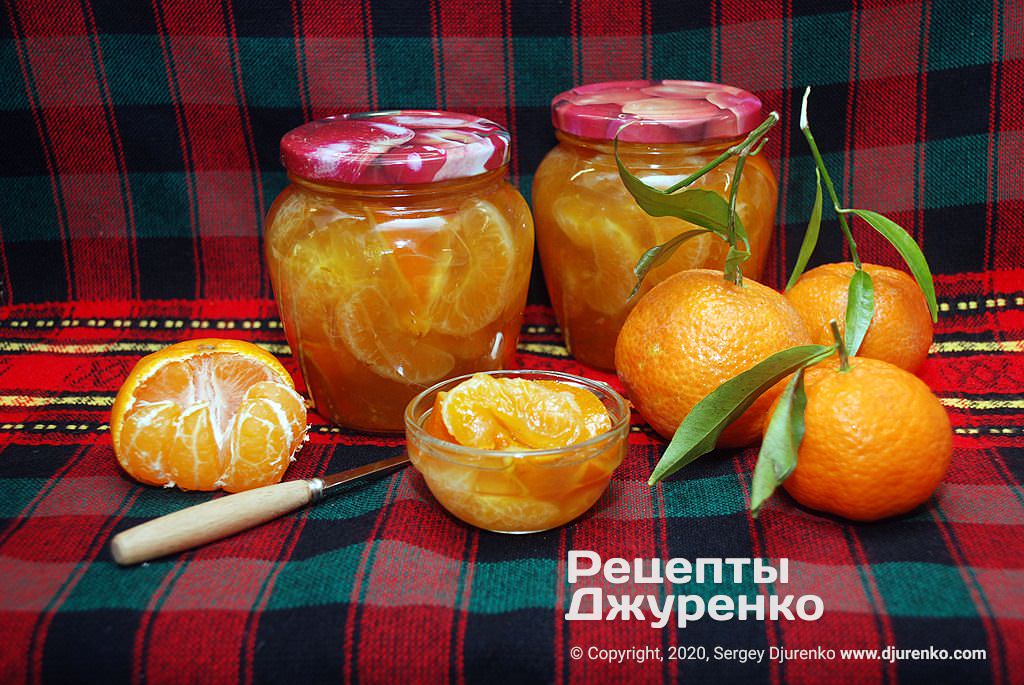
Tangerine Jam with Whole Segments – Easy Step-by-Step Recipe
Winter hardly seems the right time for home preserves, especially fruit ones. Yet, somewhat to my own surprise, December turns out to be the perfect season to make tangerine jam and treat yourself, your family and even your friends. Now New Year's celebrations come not only with Olivier salad and tangerines, but with tangerine jam too.
My family brought the idea for this recipe back from Paris. The crêpes with confiture simply swept them off their feet, and we decided to make something similar at home. Confitures and jams are fruit cooked down in sugar syrup, a kind of preserve that keeps well and is easy to make. The differences between all these sweet preserves usually come down to consistency, how finely the fruit is cut and how much sugar goes in.
From the start, purely as a matter of personal taste, we decided not to make the tangerine jam too thick, let alone jelly-like: I wanted the familiar consistency of, say, cherry preserves. But if you like, you can thicken it with pectin and bring it closer to marmalade. We also didn't chop the fruit, preferring to keep the segments whole.
All sorts of sweet preserves are made from citrus fruit, and the lines between them are often quite blurry. Confitures are usually denser and jelly-like, which is achieved with pectin or ingredients that contain it. Jams are runnier and spread easily; they are also not made from puréed fruit. Preserves, on the other hand, leave much more room for variation.
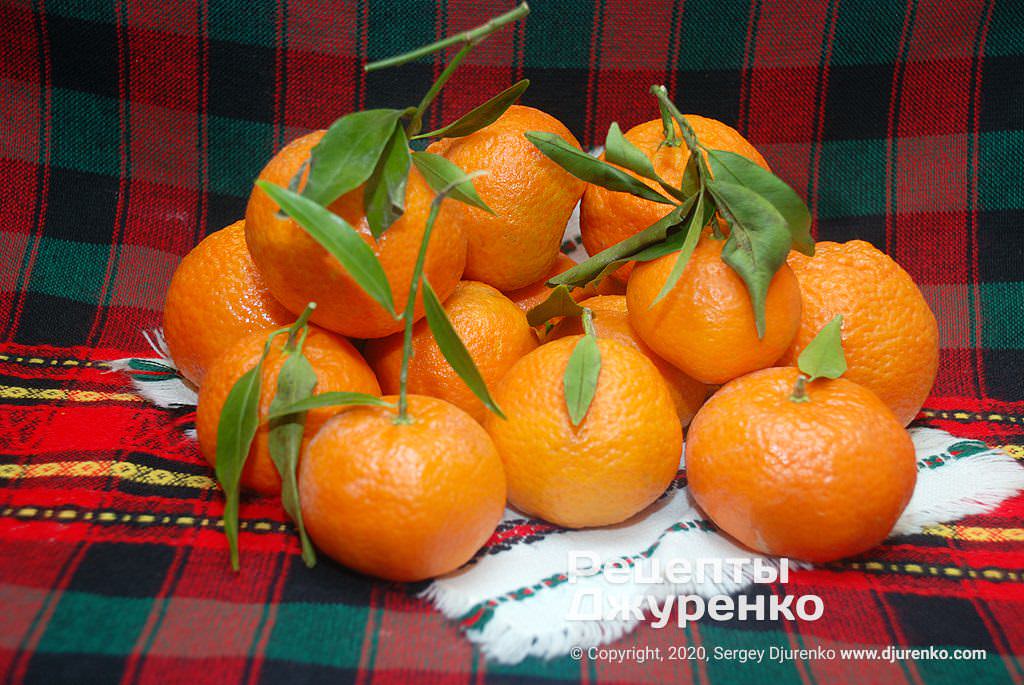
At the start of winter the shops are full of all kinds of citrus. For preserving, clementines are the better choice: they are less juicy and their segments hold their shape better. Or buy a mix of tangerines and clementines, which will make the jam less dense but more fragrant.
Tangerines are sweet and juicy, with a thin peel separated from the segments by a white pith layer. They are highly aromatic thanks to the essential oils in the zest. Clementines, a hybrid of tangerine and orange, are even sweeter but contain less juice. I confess I like them better, but New Year still makes me think of tangerines. Both work well for jam, and all it takes is about an hour of your time to end up with a wonderfully fragrant treat.
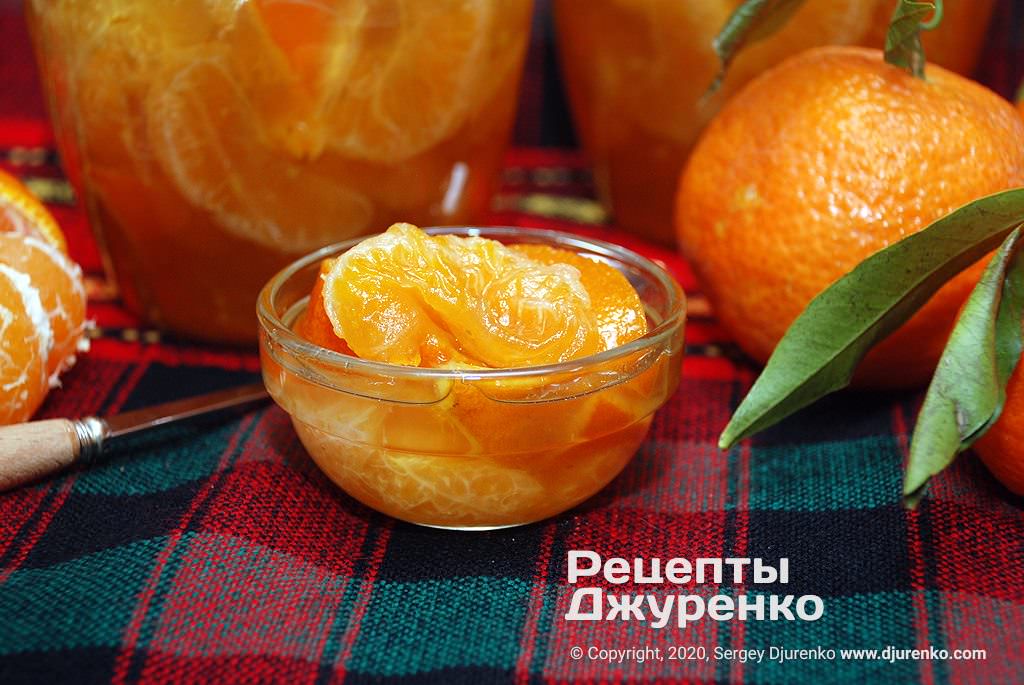
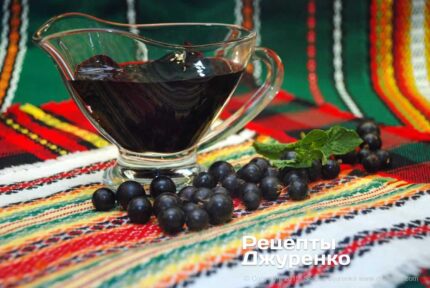
Ingredients
3 × 0.5 l jars
- Tangerines and clementines 1.5 kg
- Lemon 1
- Sugar 1 kg
- Pectin optional
Step-by-step recipe
- Use only ripe fruit for tangerine jam: bright orange, with no yellow patches. It's best to pick fruit with a noticeable air gap between the peel and the segments, as it is much easier to peel. To boost the aroma, the fruit is often blanched in boiling water before cooking. That's up to you: the jam has an intense, distinctive aroma even without this step. Wash the fruit thoroughly and pat dry.
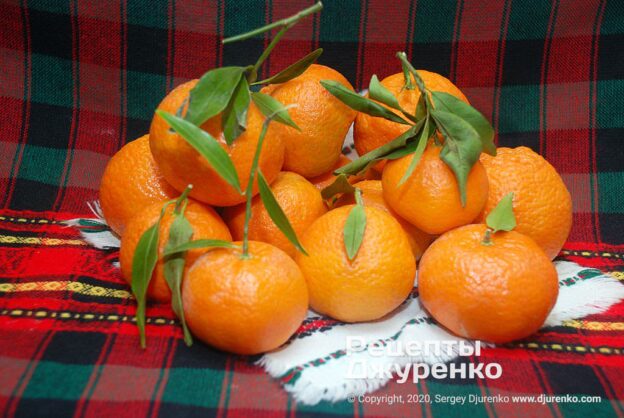
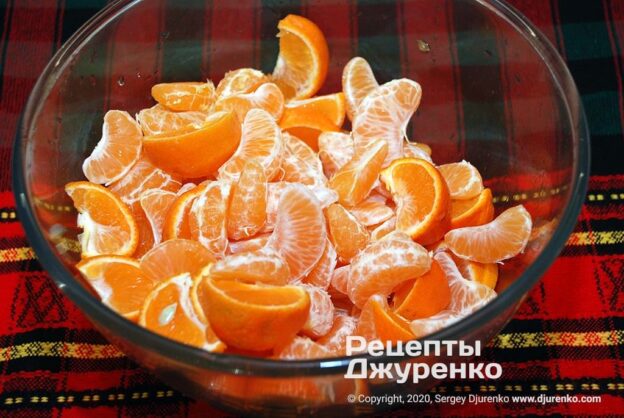
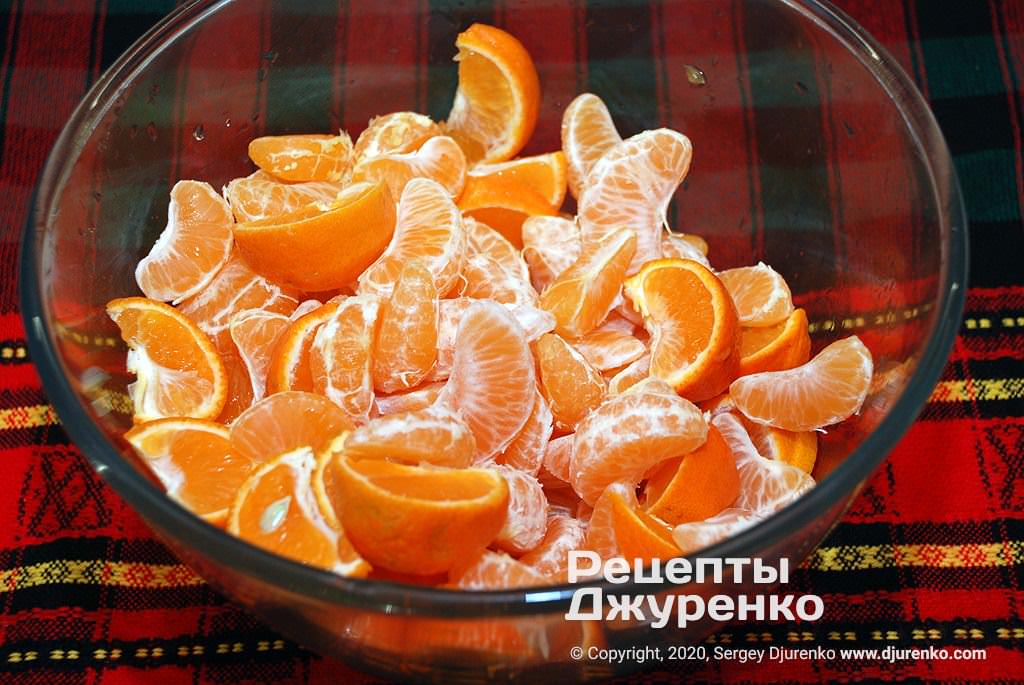
- Pick out 4–5 small tangerines, remove the stem and the hard, pea-sized remnant of the stalk. Cut each fruit, peel and all, into 6–8 wedges. Grate 2 heaped tbsp of zest from the remaining fruit. Most recipes cook strips of peel with the white pith removed in the syrup. I didn't do that, and limited myself to a few sliced fruits and the zest. Peel all the remaining tangerines and clementines and remove as much of the white strings as possible. Separate the fruit into individual segments.
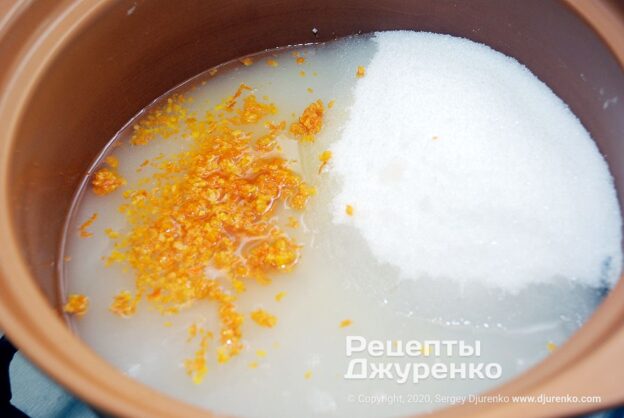
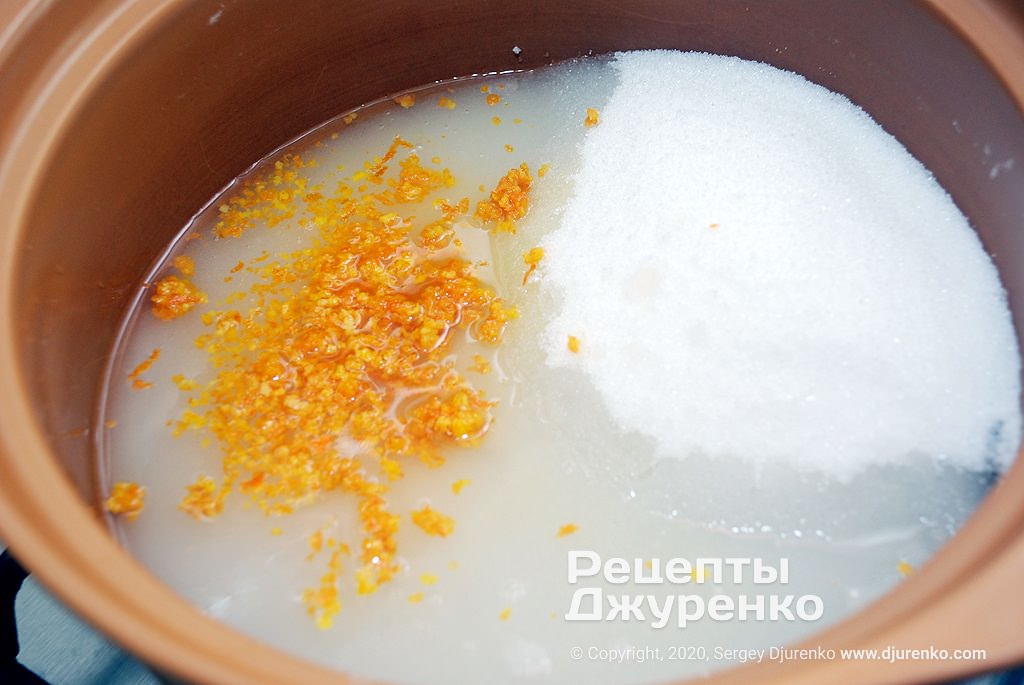
- In a saucepan of suitable size, combine 1 cup (200 ml) of water, 1 kg of white granulated sugar and all the grated zest. Squeeze in the juice of one small lemon. Stir and put over the heat. Heat the syrup, stirring constantly with a wooden spatula. The sugar won't dissolve completely because there is too little liquid, but that doesn't matter: the citrus segments will release their juice and add moisture.
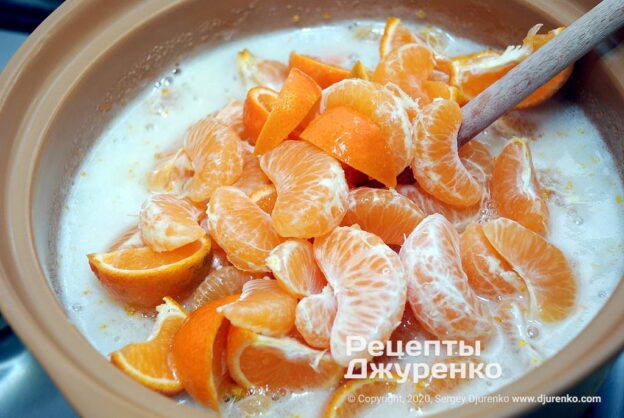
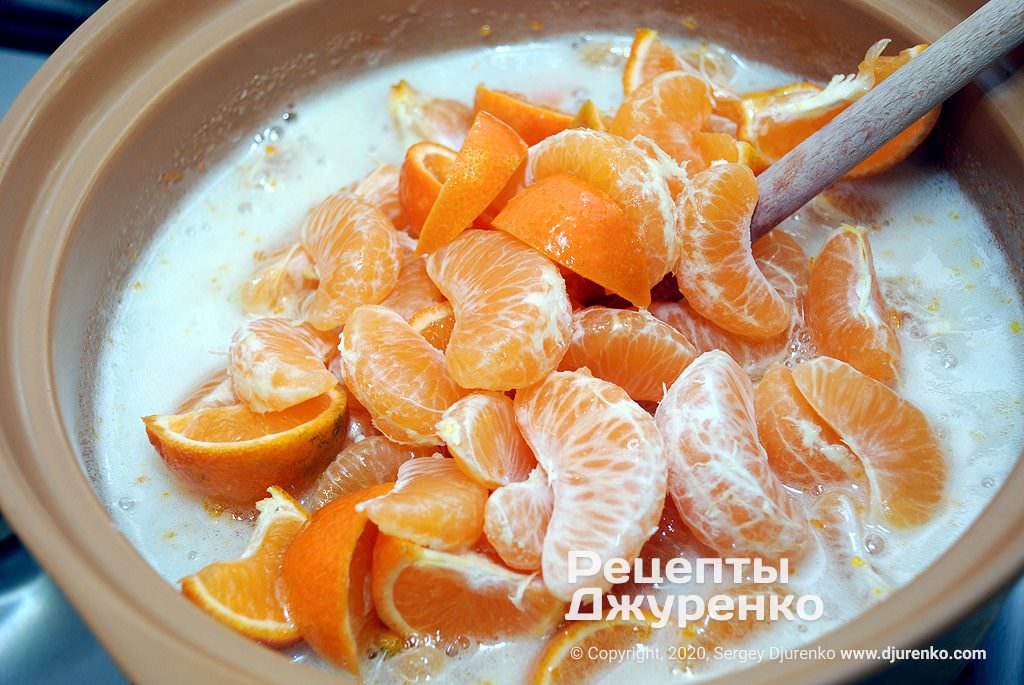
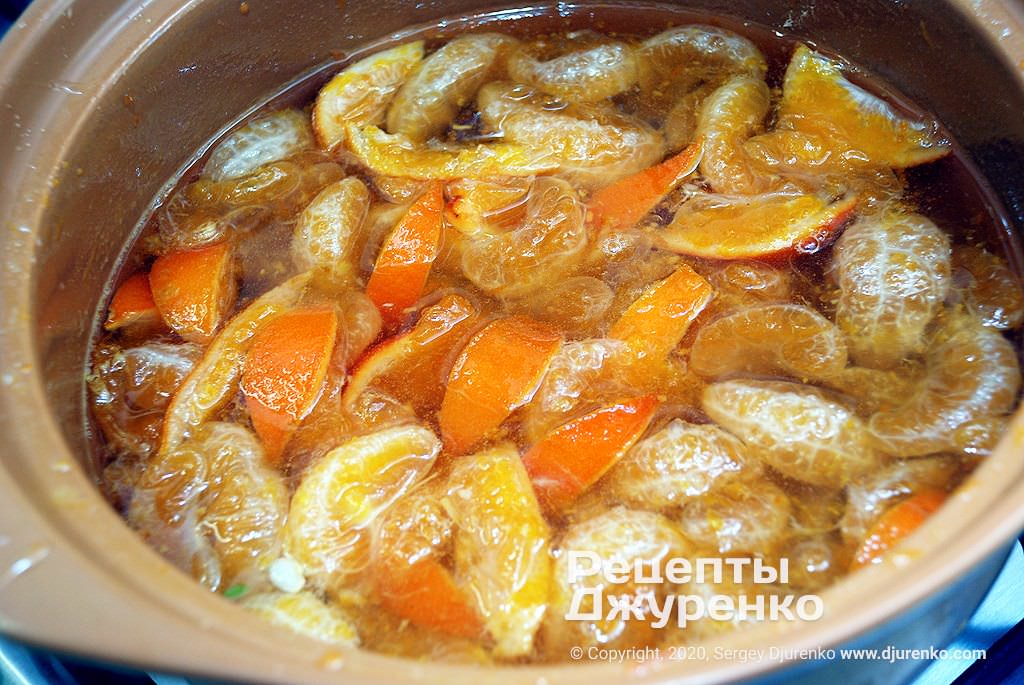
- Add all the segments to the boiling syrup at once and stir. Bring the syrup and segments to a boil, stirring constantly. It's important that the sugar doesn't stick to the bottom. As it heats up, the juice from the segments will thin the syrup and all the sugar will dissolve without a trace. At first the syrup will be clearly cloudy and white, and a little foam will appear.
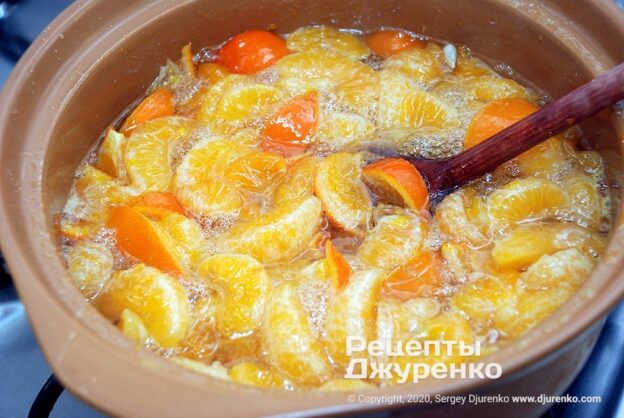
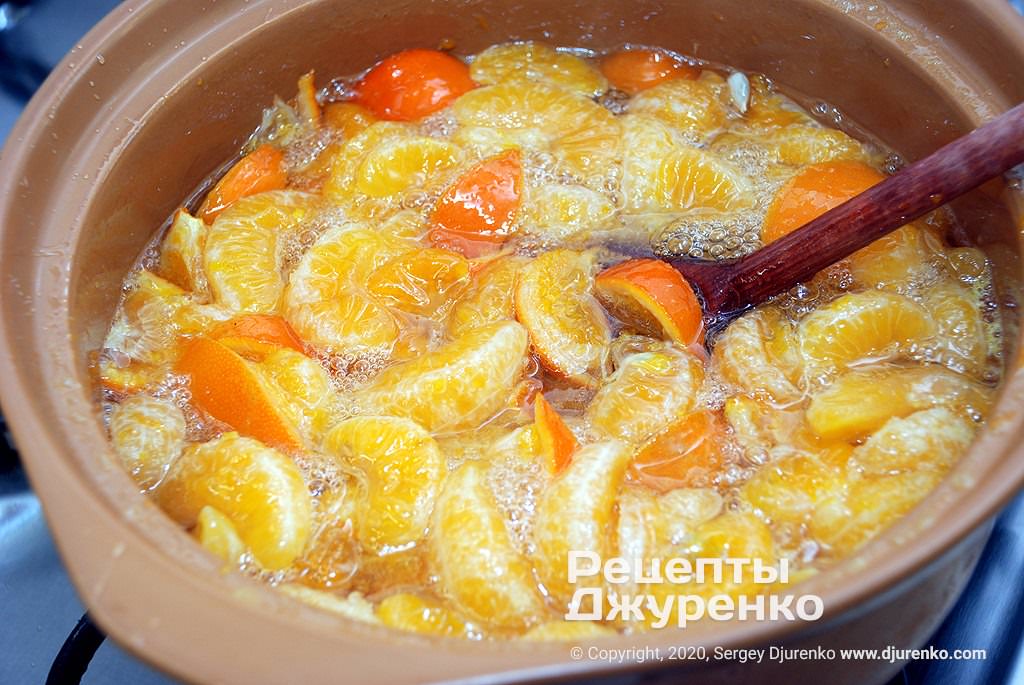
- Once it boils, the syrup will gradually turn clear and take on a lovely yellow-orange colour. Cook over medium heat, stirring constantly. Cooking time is 20–25 mins, no more. In that time the citrus segments will cook through, release their juice and soak up the syrup.
- A separate word about thickness. Without pectin, the jam will be fairly runny. You can cook it down like a jam, but then all the pieces will lose their shape. Adding pectin makes it much easier to get a thick or even jelly-like preserve. Pectin is sold in shops as a powder or mixed with sugar and citric acid. The package tells you how to use it.
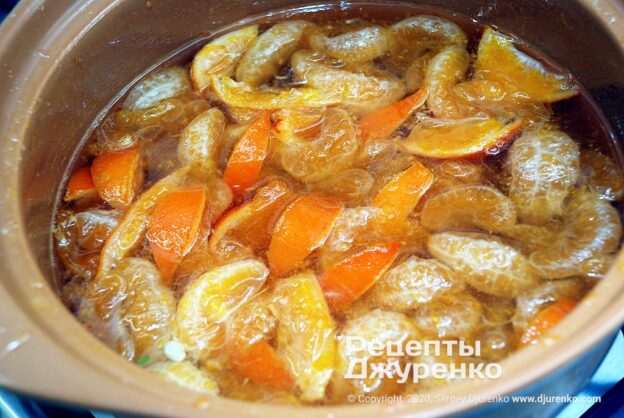
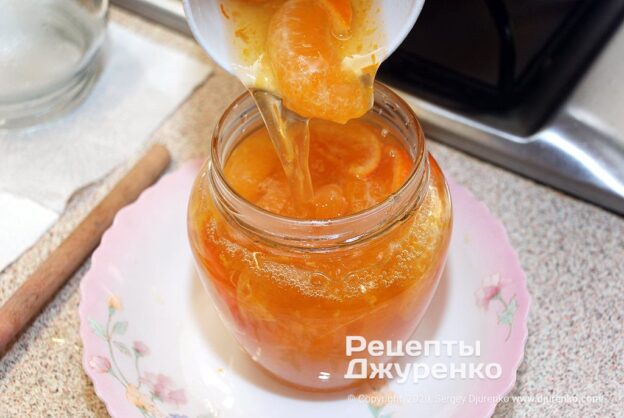
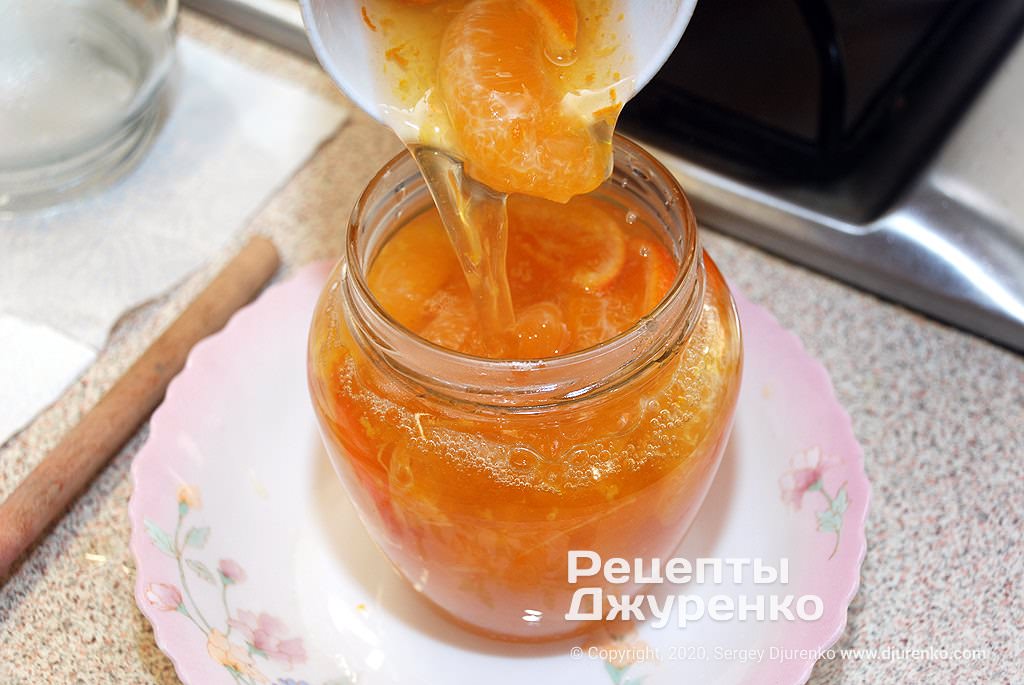
- Wash the preserving jars. The given amount of fruit, water and sugar makes about 1.5 l of tangerine jam, so plan your jars for that volume. Screw-top jars are very convenient. Sterilize the jars and lids with steam or boiling water. Pour the boiling tangerine jam into the jars, close with the lids and turn them upside down for a short while.
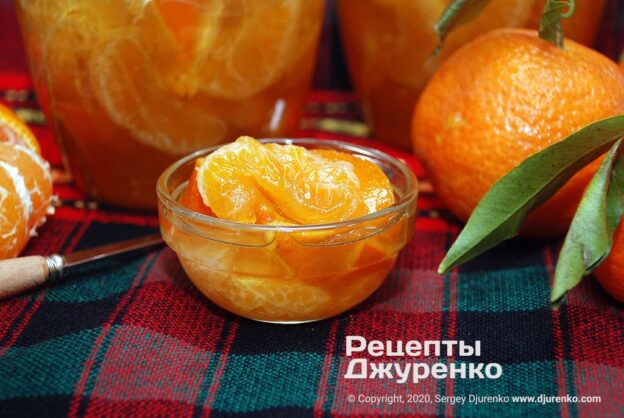
- The jars can be stored in the pantry. Sweet tangerine jam is great for desserts and as a topping for pancakes and crêpes. It also makes wonderful toast for breakfast. A denser, jelly-like version, like confiture, spreads beautifully on bread or works as a filling for baking.
| Yield: | 3 × 0.5 l jars |
| Calories: | 220 |
| Prep: | 30 mins |
| Cook: | 30 mins |
| Ready in: | 1 h |
| Category: | Desserts and Drinks |
| Cuisine: | French cuisine |
| Rating: |
⭐
⭐
⭐
⭐
⭐
4.9
(10)
|