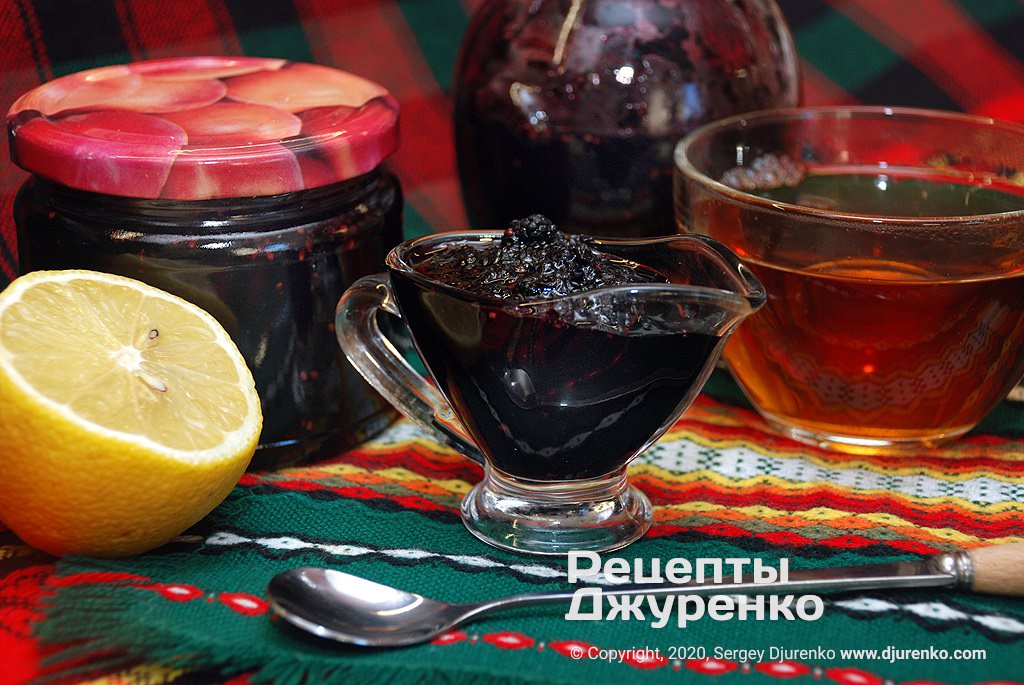
Mulberry Jam Recipe with Whole Berries and Lemon
When I was little, my grandmother made mulberry jam every year. Not much, just a few small jars. It was a special treat. Our mulberry tree grew beyond the vegetable gardens, and the kids and wasps stripped it bare. The ripening season is very short, so everyone rushed to get their share. Once nobody wanted any more berries (or, strictly speaking, fruit) and the grown-ups were tired of scrubbing stains out of our clothes, part of the harvest was put up for the winter.
A traditional sweet dessert of fairly thick syrup and mulberries that keep their shape during cooking – everyone loved it. It was especially good poured over fritters or used as a filling for thin crepes. The filling was optional, though: the crepes were simply folded several times and dipped in the jam, washed down with milk.
Black mulberries stain absolutely everything their juice touches. Curiously, the juice of white mulberries removes dark stains. By the way, if you get stained at home and there is no white mulberry tree nearby, plain citric acid handles the stains perfectly – I have tested it many times. I once read somewhere that the stains on clothes disappear on their own as soon as the berry season is over.
The mulberry is a very ancient cultivated tree. Its leaves are the staple food of the caterpillars that give us natural silk fibers. The wood is springy and heavy, and it is used to make musical instruments and various decorative items. The juicy fruit goes into liqueurs, drinks, jams and preserves, and it is even dried.
By and large, you can use any fruit – black or white. What matters is that it is very ripe and juicy. To my taste, black mulberries are better, as they give the jam a beautiful color. But, importantly, the fruit has a very faint, if distinctive, flavor of its own. To bring it out, add citric acid or lemon juice to the jam.
Fully ripe fruit bruises very easily, so it does not travel well. Ideally, it grows in your own garden. If you buy it or pick it far from home, be prepared for some of it to turn into puree by the time it reaches your kitchen. Sort it very carefully when preparing it. Remove the stems – they are fairly tough, but pinch off easily with your fingernails. Also pick out any bits of twigs, leaves and spoiled fruit.
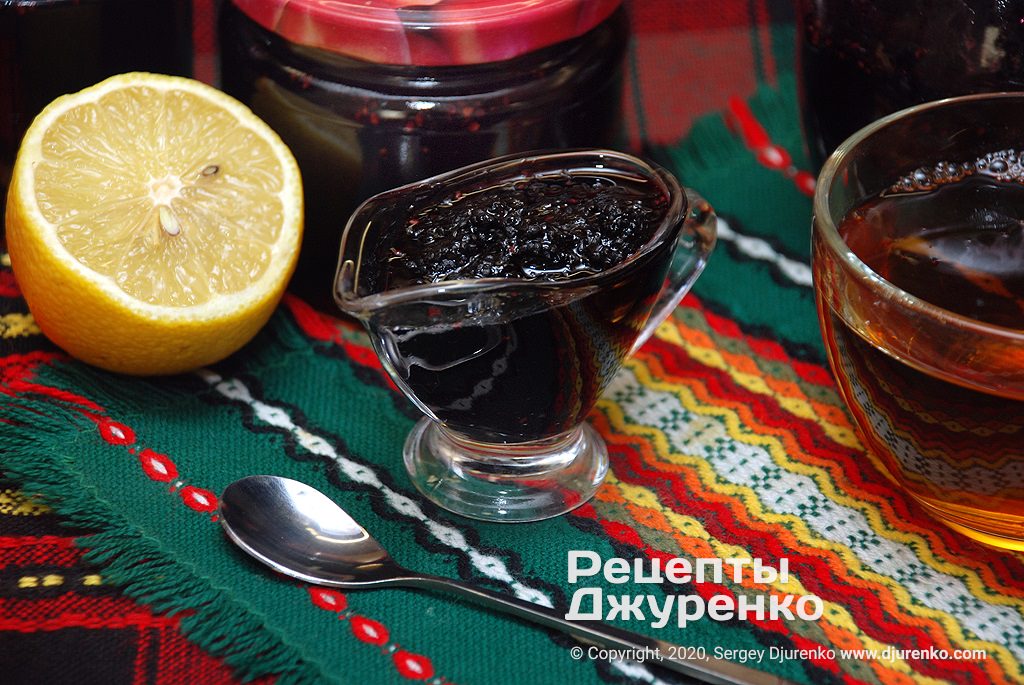

Ingredients
4–6 jars of 200 ml
- Ripe black mulberries 1 kg
- Sugar 1 kg
- Lemon juice as needed
Step-by-step recipe
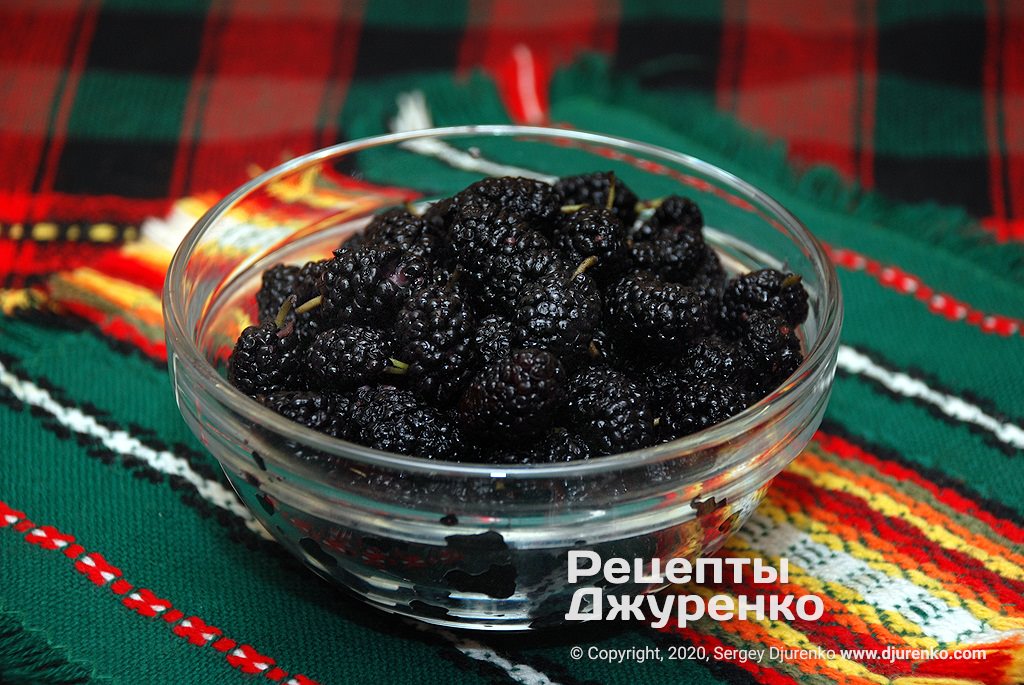
- Mulberry jam turns out perfect if the fruit is fresh off the tree and has not been squashed or transported. Ideally, it should be as ripe as possible, evenly colored an almost black shade, with a glossy surface. Wash the fruit and spread it out on a cloth or newspaper to dry.
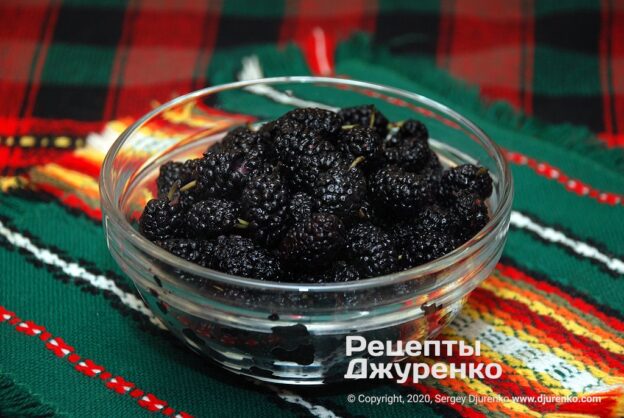
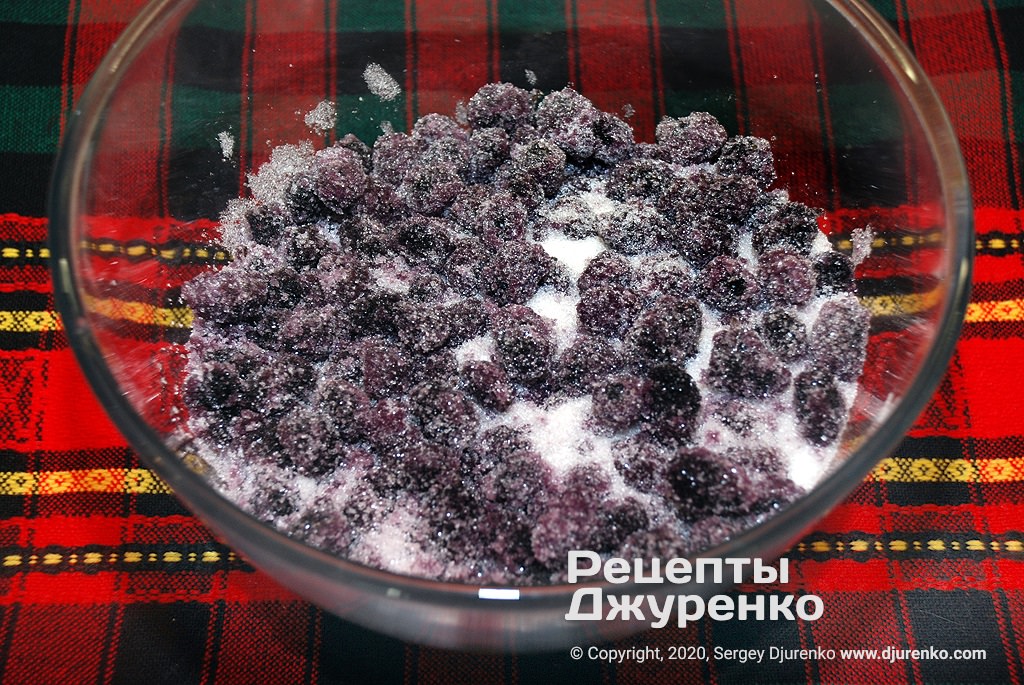
- Carefully sort through the mulberries, pulling or pinching off the stems and removing any debris and damaged fruit. Transfer the mulberries to a large bowl – preferably glass or ceramic. Cover with sugar, then gently shake and rock the bowl from side to side to distribute the sugar between the fruit. You can also lightly toss the fruit in the bowl. Leave the mulberries in the sugar for 3–4 hours.
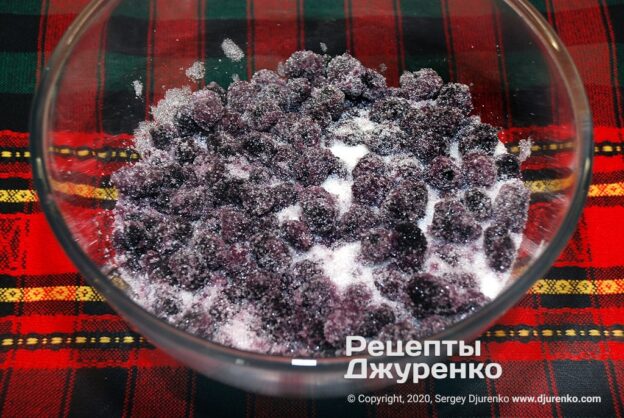
- During this time, the fruit will slightly moisten the sugar and turn it dark. Do not stir at this stage – the fruit would get damaged and would be barely noticeable in the finished jam. Transfer the fruit and sugar to a large pot and put it on the heat. We will cook the mulberry jam in three stages, with long periods of cooling and steeping in between.
- Heat the fruit and sugar over medium heat. Juice will appear almost immediately, dissolving the sugar and making the syrup fairly runny. Stirring the fruit with a wooden spatula, bring the liquid to a boil. Stir as gently and carefully as possible – this keeps the mulberries whole.
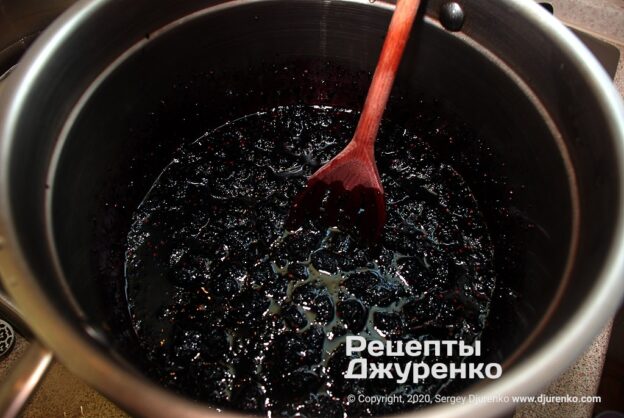
- Once the syrup comes to a boil, simmer over low heat for 8–10 mins, stirring constantly. Remove the pot from the heat and let it stand, covered, for 3–4 hours. Then put the mulberry jam back on the heat, bring it to a boil in the same way and cook for 8–10 mins. Leave the jam to steep once more.
- Prepare 150–180 ml jars. Large supermarkets often sell them in packs, usually with screw-top lids. I recommend washing the jars with baking soda, rinsing them and sterilizing them with hot steam or boiling water from the kettle. Wash the lids as well and boil them in a small pot.
- Put the mulberry jam on the heat and bring it to a boil. Strain freshly squeezed lemon juice into it through a small sieve. The amount of lemon juice is to taste. The goal is to give the jam a slight tartness that lets the delicate flavor of the mulberries come through. Usually 1–1.5 tbsp of juice per 1 kg of fruit is enough. Add it little by little, tasting as you go to decide whether it needs more. Very old recipes call for citric acid.
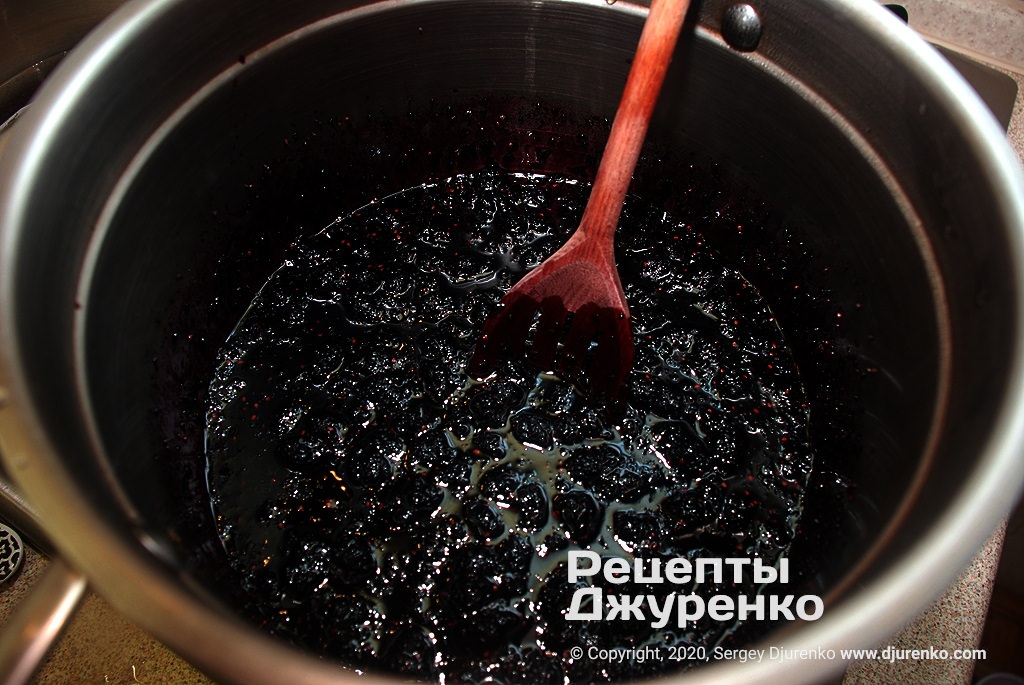
- After adding the lemon juice, cook the jam for another 10 mins. Then spoon it into the prepared jars and seal them with the lids right away. There is no need to turn the jars upside down or wrap them up until they cool completely. Mulberry jam keeps perfectly in the pantry until it is eaten. If you like, set some aside to enjoy with syrniki or crepes for breakfast.

- Although the syrup is fairly runny at first, the final product turns out thick and barely drips off the spoon. Its consistency resembles very thick honey on the verge of crystallizing.
| Yield: | 4–6 jars of 200 ml |
| Calories: | 230 |
| Prep: | 4 h |
| Cooking: | 30 mins |
| Ready in: | 4 h 30 mins (not counting cooling) |
| Category: | Desserts and Drinks |
| Cuisine: | European |
| Rating: |
⭐
⭐
⭐
⭐
⭐
4.8
(4)
|