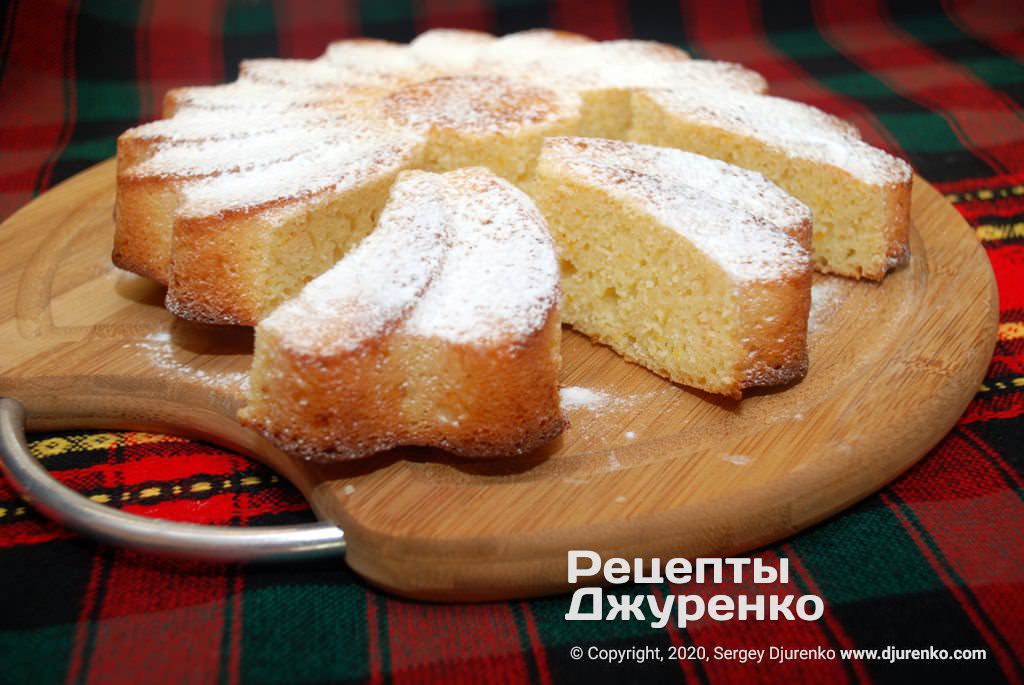
Kefir Mannik with Orange Zest (Semolina Cake)
We really liked this kefir mannik, an easy and tasty sweet bake. Essentially it is a cake based on semolina, eggs and sugar. As it turns out, it can be made as a cake or as small muffins, or used as the base of a layer cake. Thanks to its coarser texture, the baked sponge soaks up creams and fillings better without falling apart, and keeps its shape.
Cakes made with semolina have a few peculiarities. Before baking, you need to let the semolina swell. 40-45 mins is usually enough, though often it takes considerably longer. When we make mannik with kefir, the semolina is mixed with the fermented milk product and the eggs, and the sugar and a little regular soft flour go in at the very end.
Interestingly, baked goods made from semolina are found all over the world. Algerian kesra, a flatbread, is traditionally served with many dishes. Many Italian breads are baked with semola, essentially durum wheat semolina. The Turkish dessert İrmik Helvası is an incredible halva made from semolina. Caucasian cakes made from coarsely ground flour are soaked after baking in honey, syrups and sweets.
Semolina is considered a cereal grain, though what sets it apart from flour is the way it is milled and the size of the particles. Usually the grains are fairly large, from 0.2 mm and up. Wheat is milled by grade in several stages, followed by sifting and cleaning, and the result is semolina of the required quality. From it we make semolina porridge, manniks, soufflés and puddings, bread and more.
Semolina can be made from soft wheat (type M), durum wheat (type T) or a mix (type MT). MT works well. You can use Italian semola, but mix it with at least a third of regular soft flour.
From experience, even the best semolina is worth sifting through a sieve. You can come across leftover bits of grain, mineral “debris”, lumps or even bugs. In the latter case, don't use it. As a leavening agent, it's better to use ready-made baking powder, in which all components are strictly dosed, which guarantees no aftertaste in the cake. Also, this mannik recipe is a basic one. If you like, you can add raisins or candied fruit to the batter, or soak the cake with syrup, honey or cream.
More with lemon
 Kefir Muffins with Cherries and Orange ZestTender homemade muffins made with kefir, fresh or frozen cherries, orange zest and a pinch of ginger. Simple step-by-step recipe with photos, makes 12-15.
 Lemon Sandwich Cookies with FillingHomemade lemon sandwich cookies with zest and a soft lemon icing filling. Simple ingredients, cookie cutters and a step-by-step recipe with photos.
 Chocolate brownieChocolate brownie is an amazingly delicious chocolate pastry. Delicious and beautiful confection with cocoa, dark chocolate and chocolate chips.
 Cottage Cheese Casserole with Semolina and Orange ZestBaked cottage cheese casserole with semolina, raisins, vanilla and orange zest: a tender, fragrant family recipe with step-by-step photos. Serve with sour cream.
 Vanilla Syrniki with Low-Fat Cottage Cheese and Orange ZestTender syrniki from low-fat cottage cheese with vanilla and orange zest: minimal flour, a crisp crust, fried in olive oil. Step-by-step recipe with photos.
Ingredients
6-8 servings
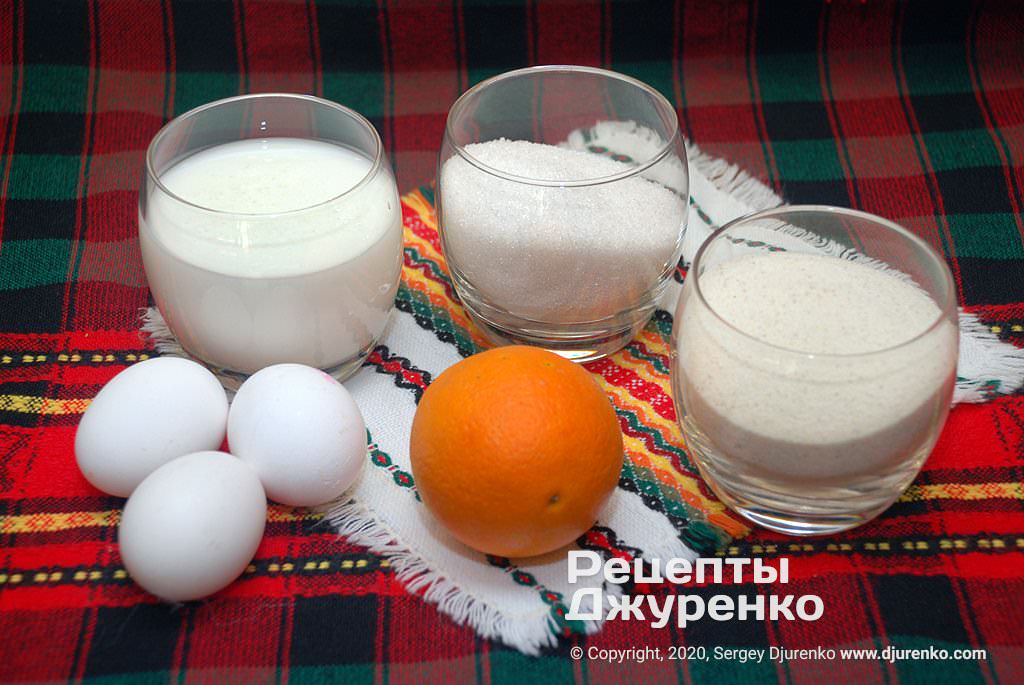
- Semolina 200 g
- Kefir (low-fat) 250 ml
- Egg 3
- Sugar 150 g
- Wheat flour 1-2 tbsp
- Orange (zest) 1 orange
- Butter 1 tsp
- Vanilla, flavoring, leavening agent (baking powder) to taste
- Powdered sugar for decoration
Step-by-step recipe
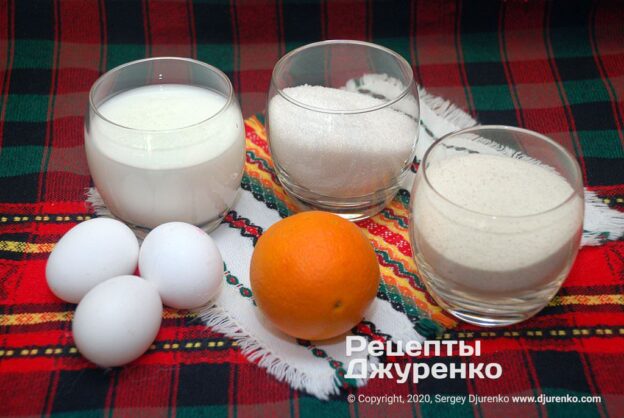
- Before mixing the batter, prepare all the ingredients. Sift the semolina and flour separately, measure out the sugar and bring the kefir to room temperature. Zest a small orange. The zest acts as a flavoring and mutes the taste and smell of the egg yolks. If you have a separate citrus flavoring, even better, as the cake will taste better.
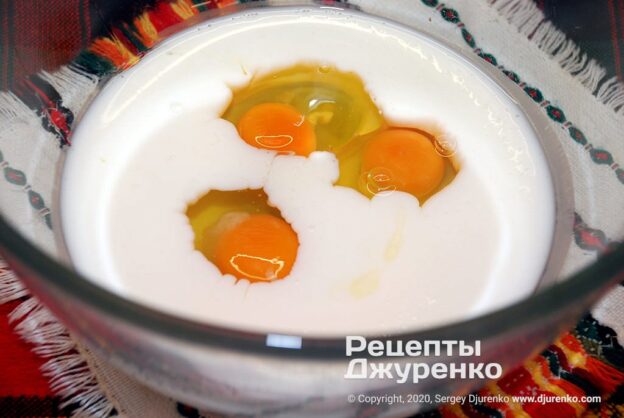
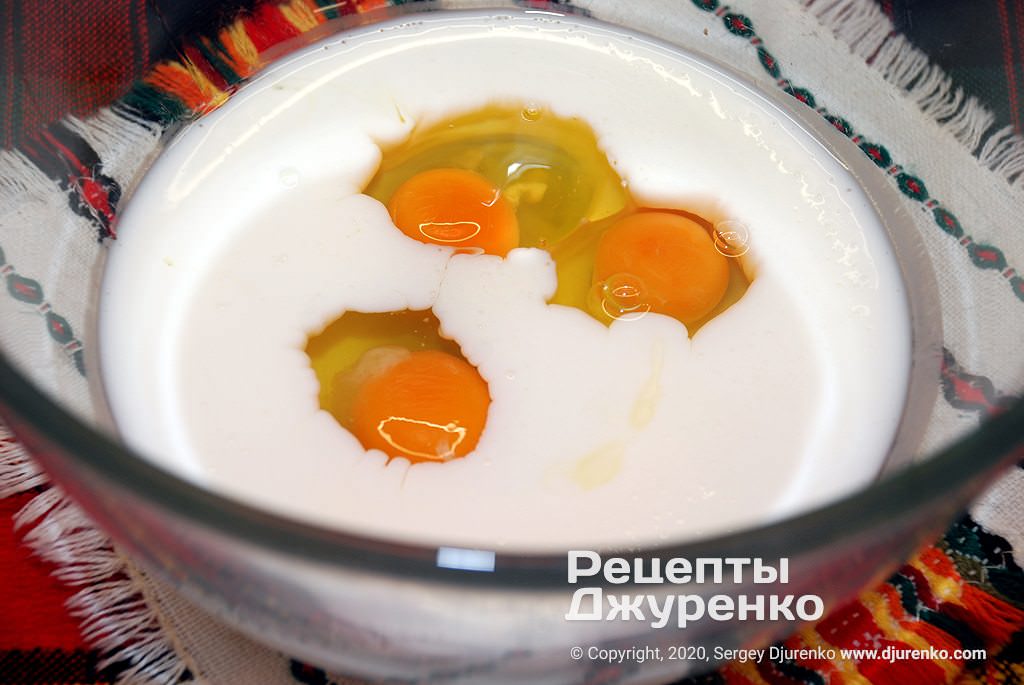
- Pour the kefir into a large, deep bowl. It shouldn't be cold, so take it out of the fridge in advance. Add the eggs to the kefir. By the way, the egg yolk determines the color of the bake. Homemade eggs with a dark orange yolk give a cake of a simply wonderful color. Using a whisk, mix the kefir and eggs thoroughly.
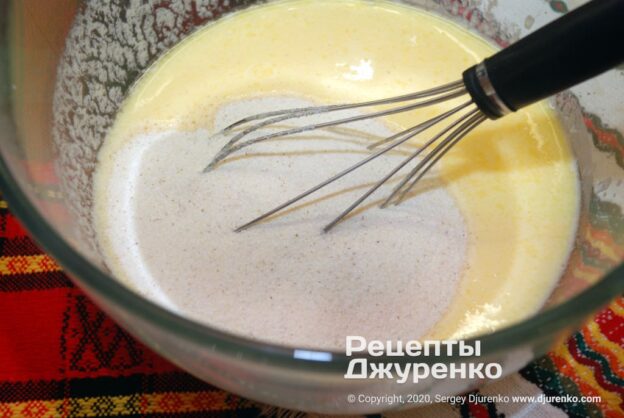
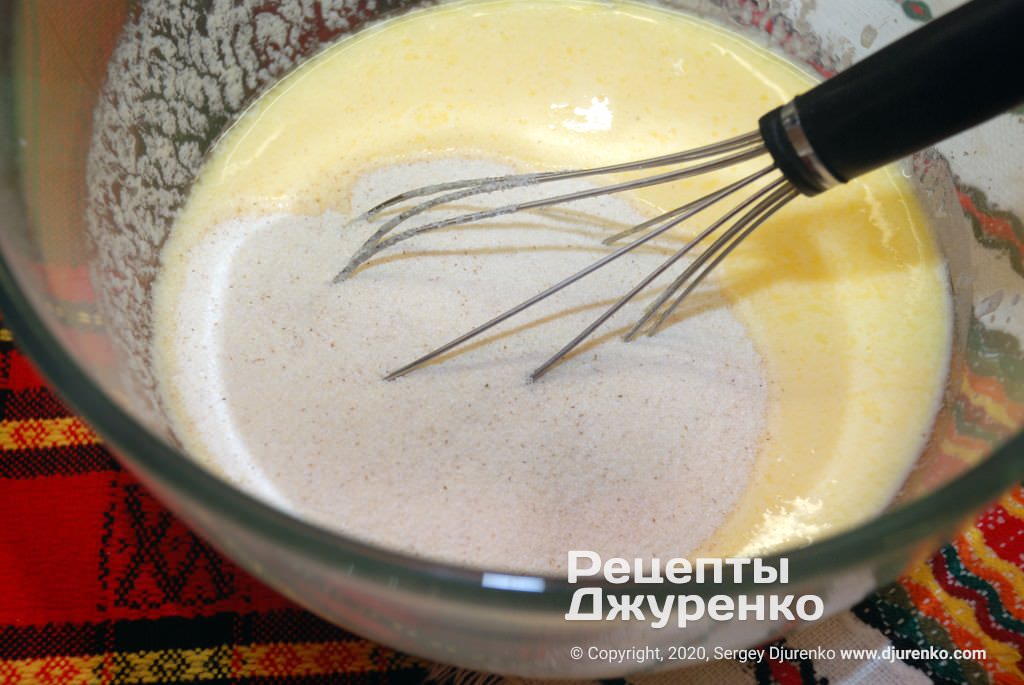
- Add the semolina to the mixture. Whisk everything together thoroughly. The goal is a completely smooth, liquid mixture with no lumps at all. Then cover the semolina mixture with a cloth and leave it to swell for 45-60 mins.
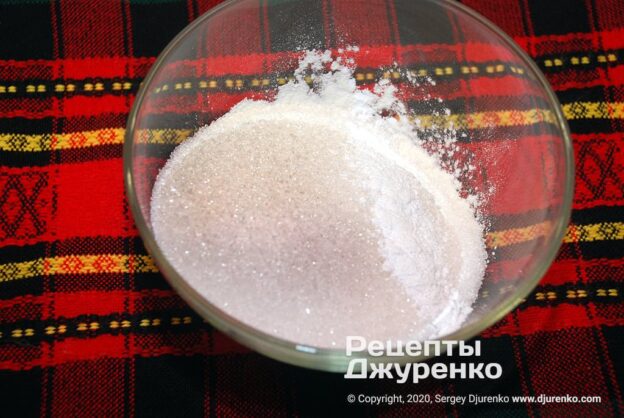
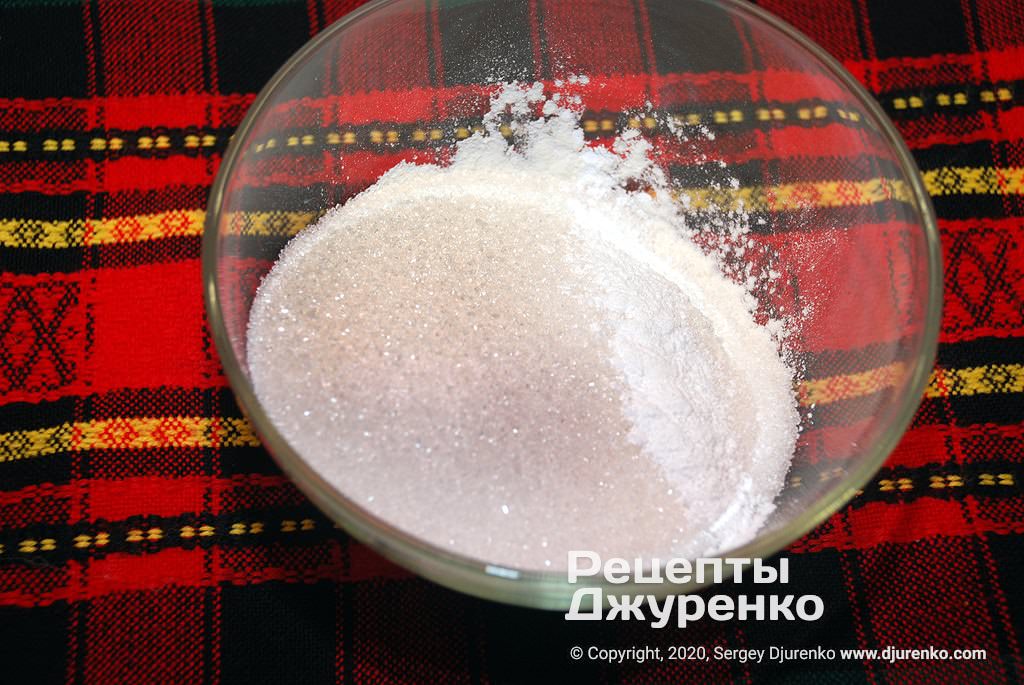
- Meanwhile, in a small bowl mix the sugar, half a sachet of baking powder (about 1 heaped tsp; the manufacturer states on the package how much flour it is meant for) and regular soft flour. As for the flour: if you use “soft” semolina, 1 tbsp with a small heap is enough. For MT or T semolina, 2 tbsp is enough. Mix the dry ingredients so that the baking powder is evenly distributed and the mannik turns out fluffier.
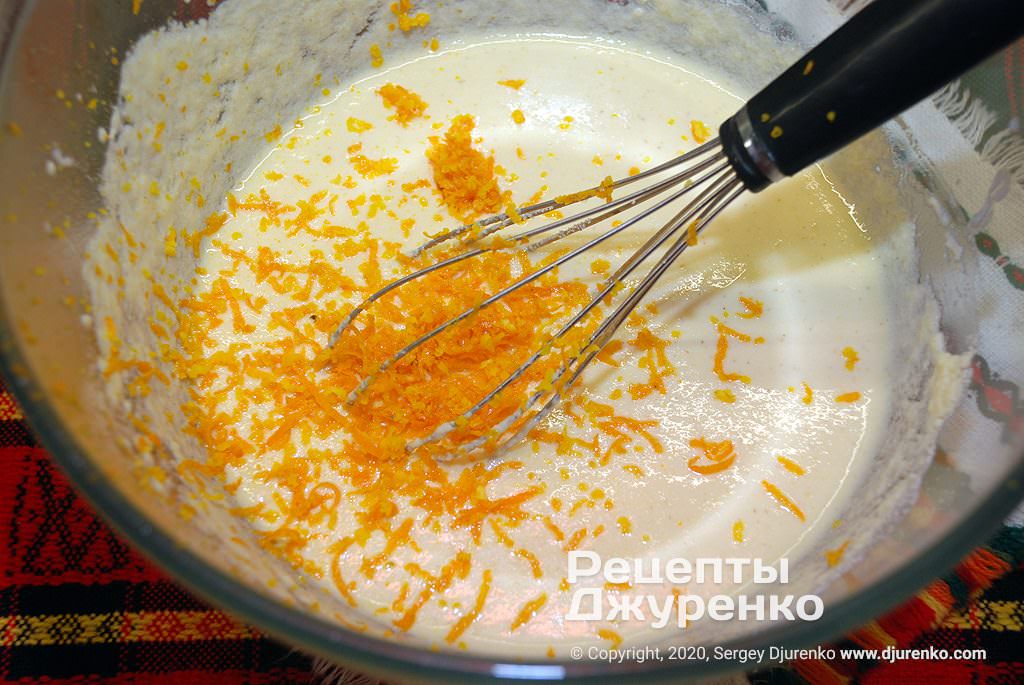
- When the semolina has swollen, add liquid vanilla extract to the batter to taste. If you use crystalline vanillin, it's better to mix it with the sugar. Add the grated zest to the batter and mix thoroughly. You can add confectionery flavorings, such as orange or vanilla, to your taste. What matters is that you can't smell the yolks. The cake should be aromatic.
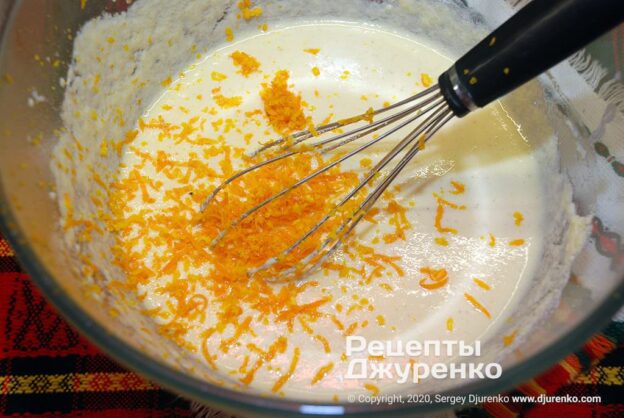
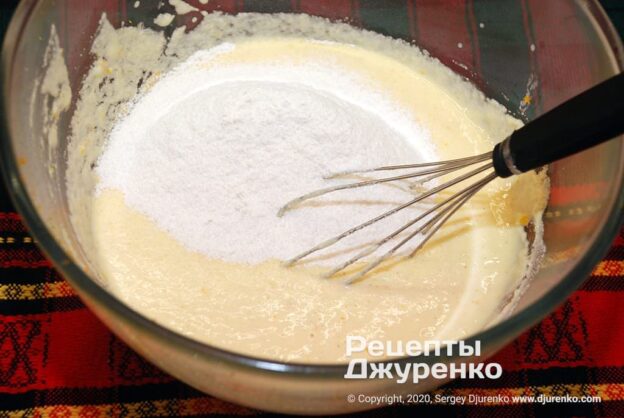
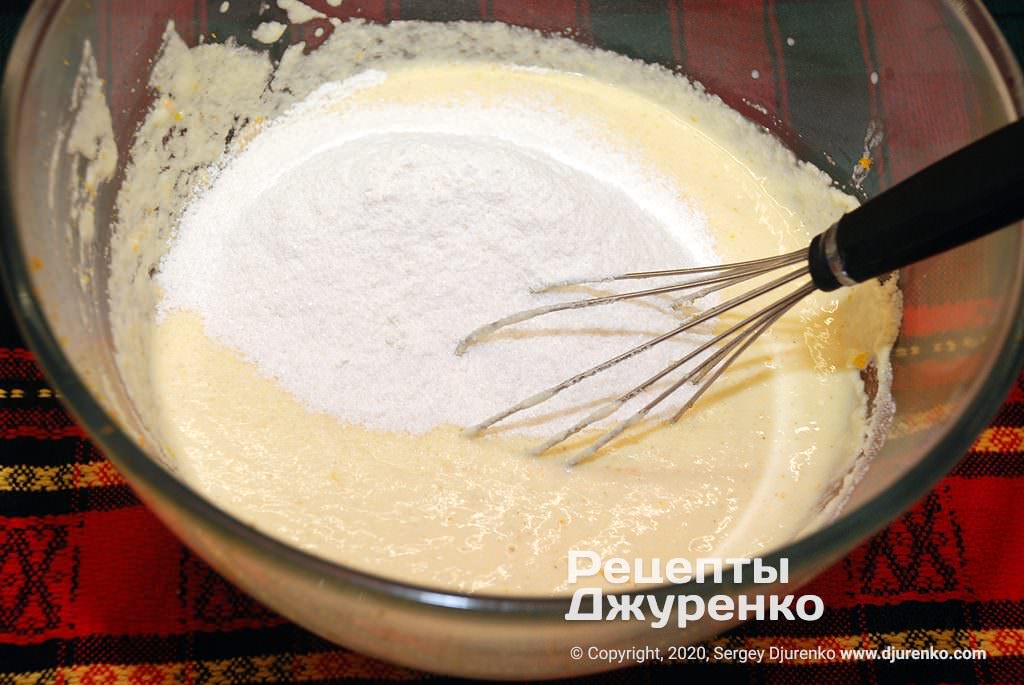
- Stirring constantly with a whisk, pour the sugar mixture into the batter. Mix very thoroughly until completely smooth. The final consistency of the batter should resemble thick honey slowly running off a spoon. If the batter is runnier, that's fine, as the cake will turn out slightly fluffier. Let the batter stand for 10 mins so the sugar dissolves.
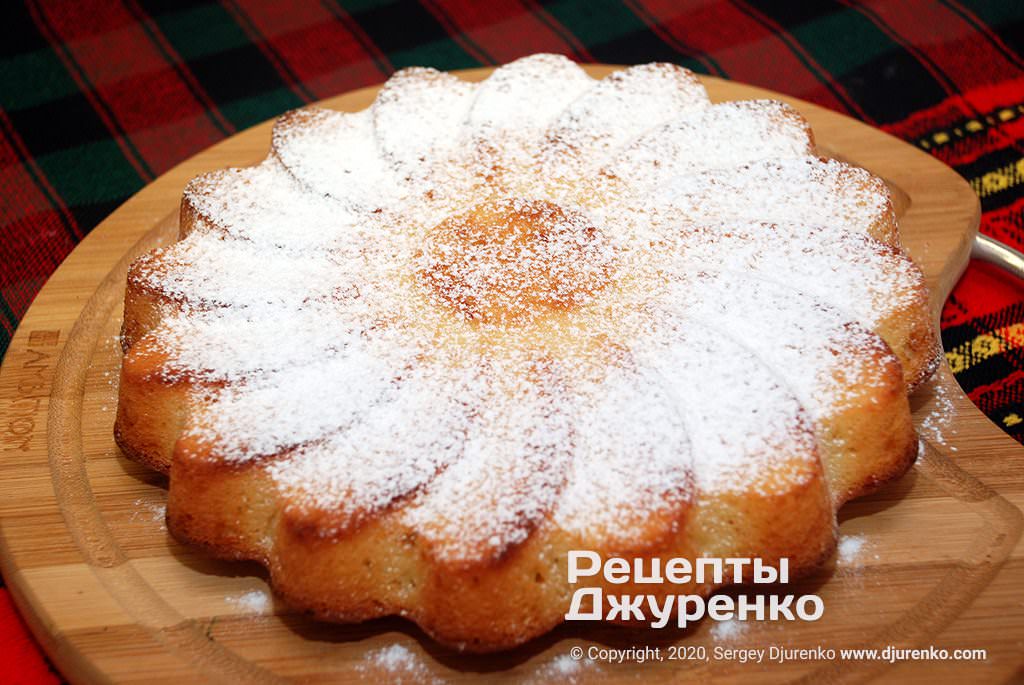
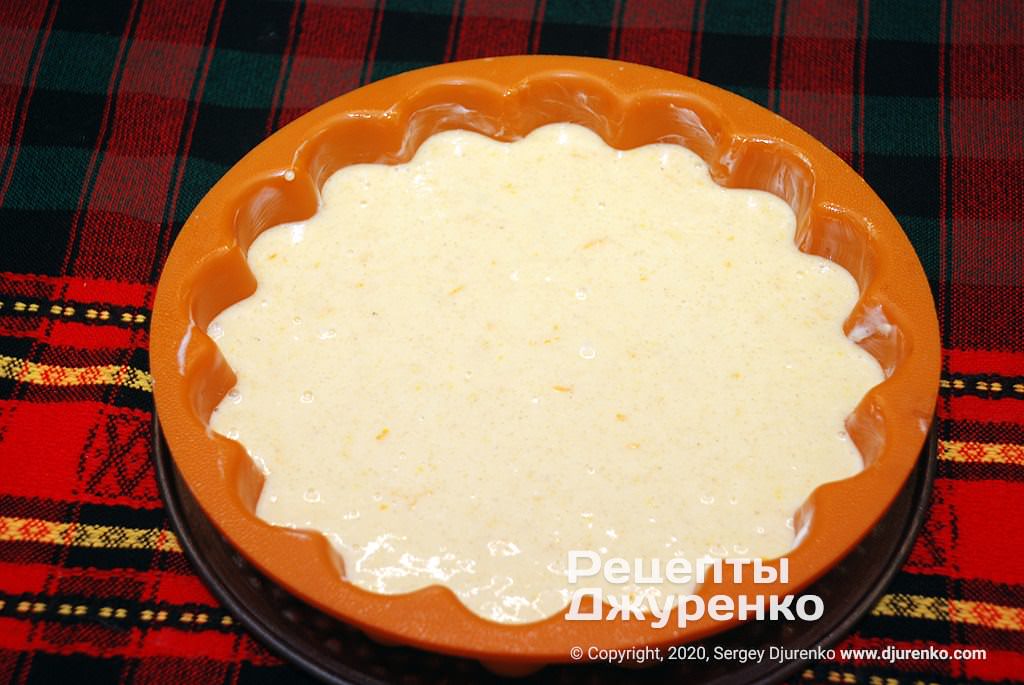
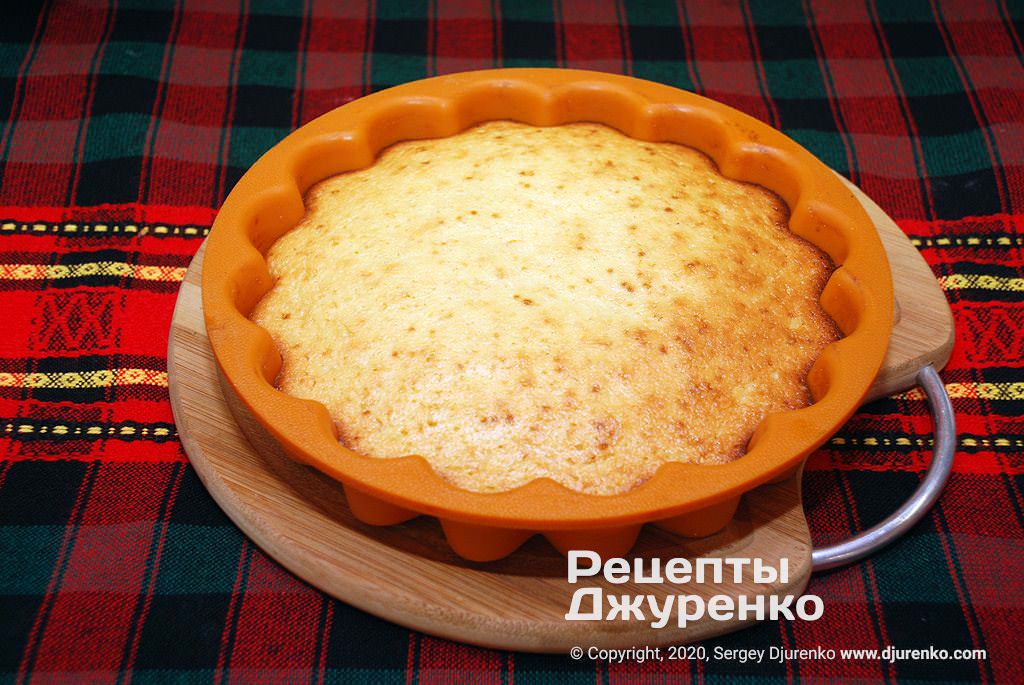
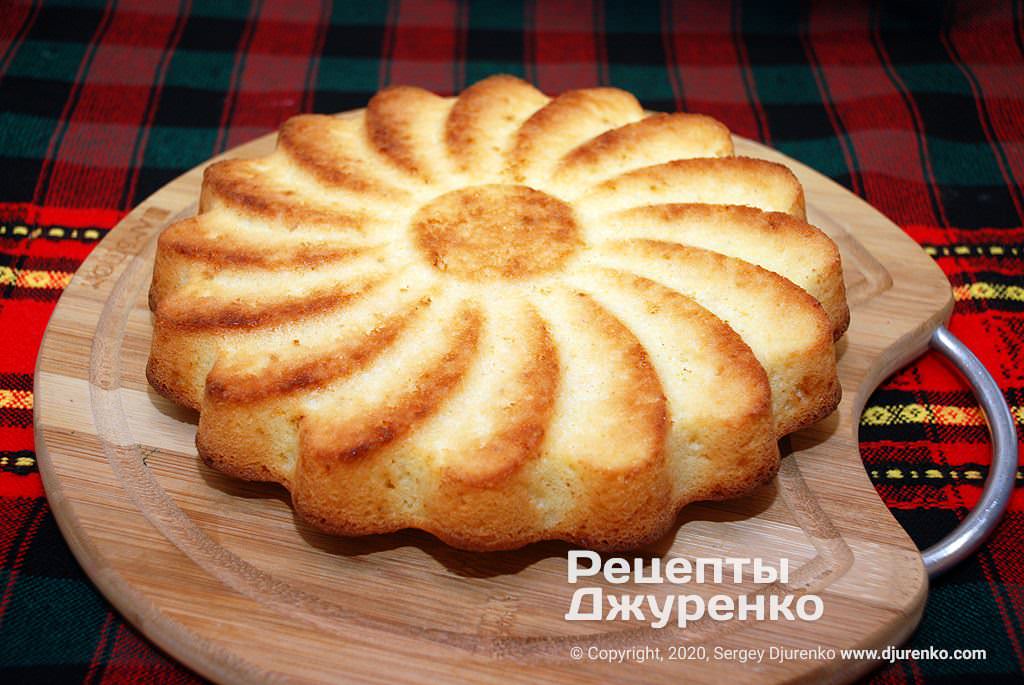
- Meanwhile, preheat the oven to 200°C. You will need a baking pan. I used a silicone pan 20 cm in diameter and about 5 cm deep. It turned out to be convenient, as the mannik came out of it perfectly after baking. It also gave a pretty pattern and a wavy edge to the cake. Grease the inside of the pan generously and thoroughly with a little butter. Pour the batter into the pan.
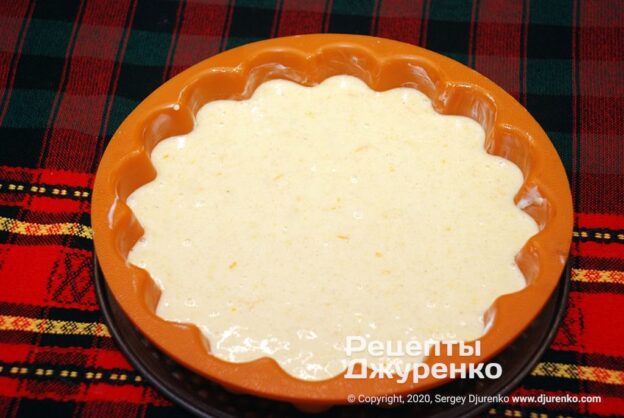
- I recommend placing the silicone pan on some kind of metal base or inside a larger rigid pan. This keeps the silicone from warping as you carry it to the oven. Put the pan with the batter in the well-heated oven. The baking time can be anywhere from 40 mins to 1 hour. Go by the color of the top and bottom, and do a toothpick test: when you pierce the cake, no batter should stick to the toothpick.
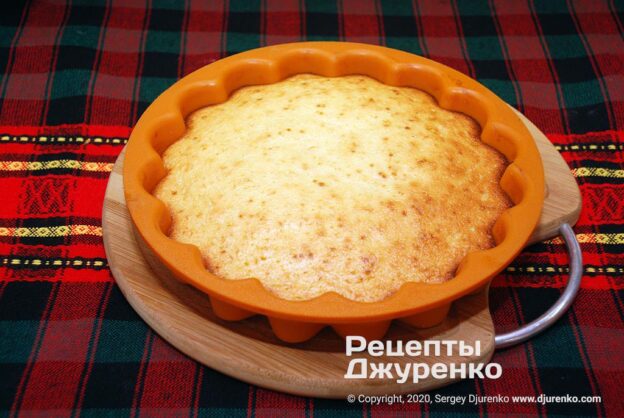
- Let the finished cake cool. Most likely it will come out of the pan perfectly and you can move it to a plate or board. Then, as you like, dust it with powdered sugar through a sieve, or decorate it with cream or fruit.

- If you like, you can cut the cake into layers and spread them with cream. Thanks to its denser, coarser texture, mannik soaks up syrups, honey or not-too-rich creams beautifully. You can add raisins, nuts or candied fruit to the batter. It is also delicious if you add cocoa to the batter and cover the finished cake with chocolate glaze.
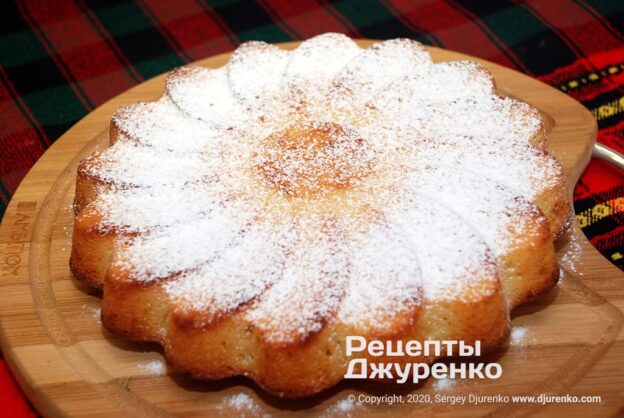
- If the cake is made as a bake to go with tea, cut it and put a piece on a plate. Drizzle a teaspoon of runny cherry jam over a slice of mannik, you'll like it. By the way, condensed milk is a nearly perfect soak.
 Silicone dough mat with markingsAliExpress
 Dough scraper with scaleAliExpress
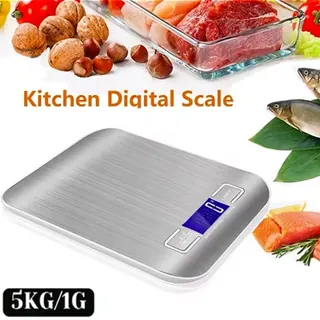 Kitchen scale up to 5 kgAliExpress
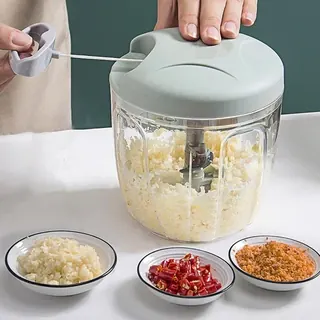 Pull chopper for garlic and onionAliExpress
 Oil sprayerAliExpress
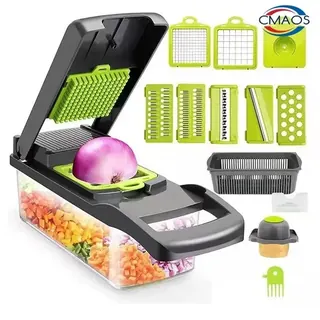 Vegetable chopper with handleAliExpress
| Yield: | 6-8 servings |
| Calories: | 220 kcal per 100 g |
| Prep: | 1 h |
| Cook: | 1 h |
| Total: | 2 h |
| Cuisine: | European |
| Rating: |