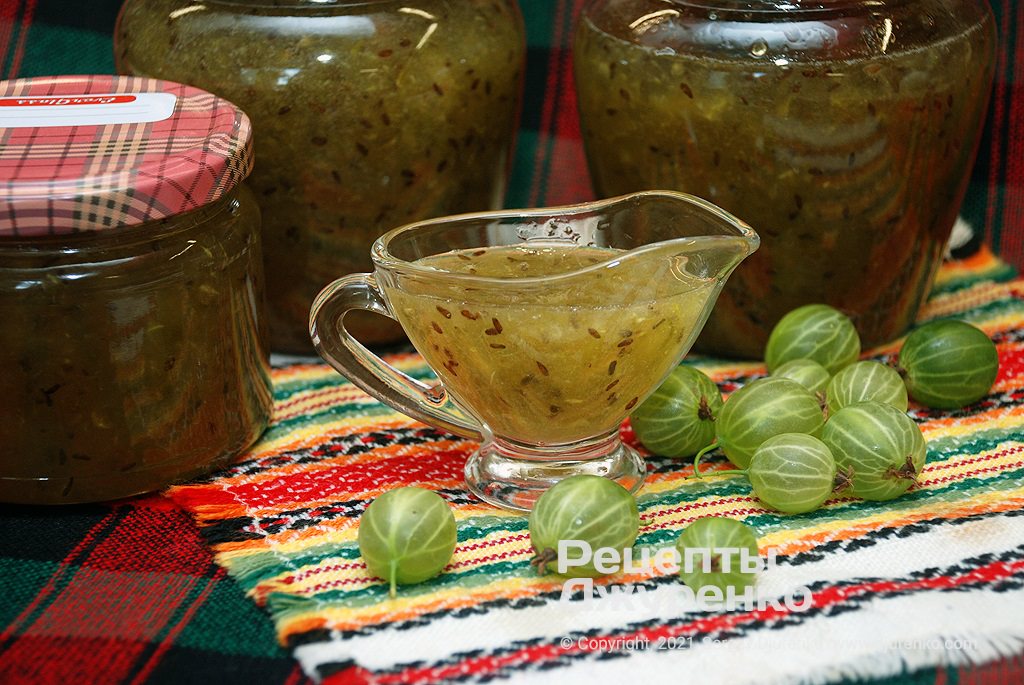
Gooseberry Jam with Lemon and Brandy – Easy Homemade Recipe
Make some jam – a delicious dessert and a great filling for all kinds of sweet dishes. It turns out especially good from gooseberries and goes perfectly with thin crepes. While the season lasts and gooseberries are plentiful, don't miss your chance! The berries ripen in July and August. They are rich in sugars – up to 15% – as well as fruit acids, which gives them their sweet-and-sour taste. Gooseberries make excellent confitures, jams and preserves, and you can also use them for compote and even fruit jellies. So my daughter and I decided to make a tasty sweet treat from pureed berries.
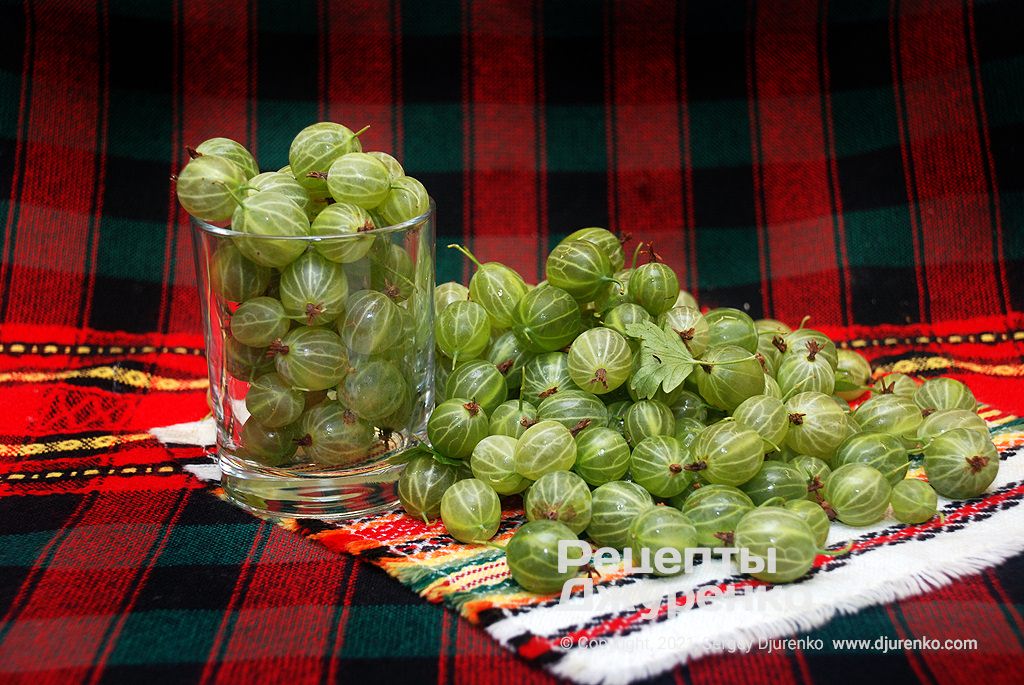
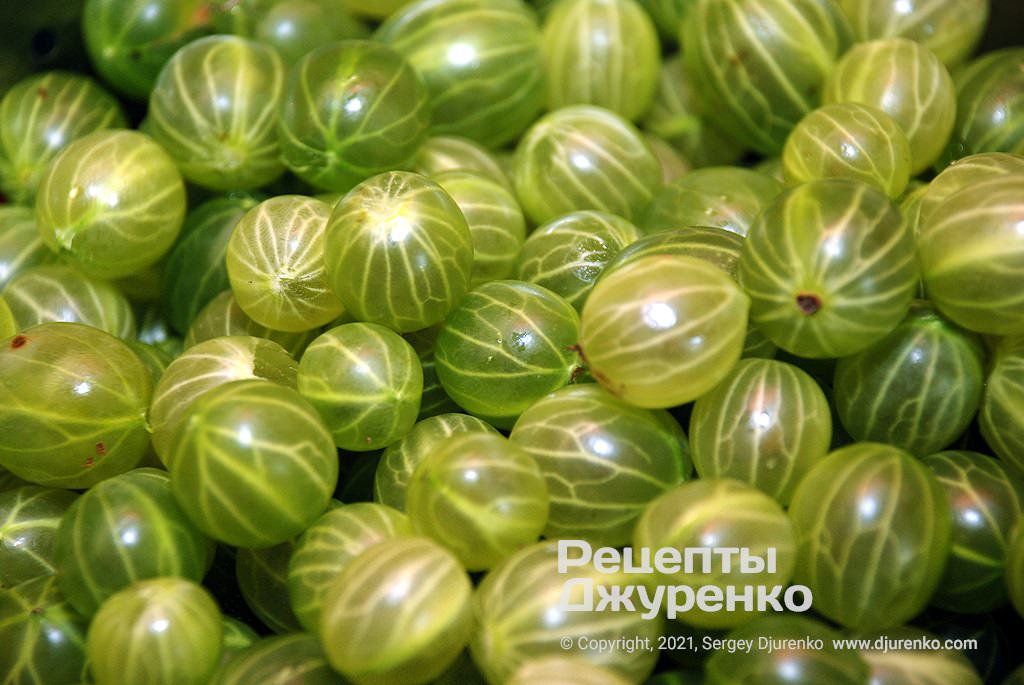
Since the jam will contain a lot of sugar, choose gooseberries that are not overripe. They can even be slightly underripe, as long as they are perfectly “edible”. Pick large, light green berries with clearly visible veins and a pleasant sweet-and-sour taste. Overripe berries are better suited for preserves with whole fruit.
Jam is usually distinguished from preserves and confiture. To be honest, I'm not entirely sure what the difference is. All of these sweet desserts are fruit or fruit pulp cooked down with sugar until thick – so-called candying. Typically, jam is a crushed fruit mass with sugar, while confitures may contain pectin or other gelling agents. Sugar can make up half the volume or even more. Besides, jam can usually be cooked in one go, and it takes very little time.
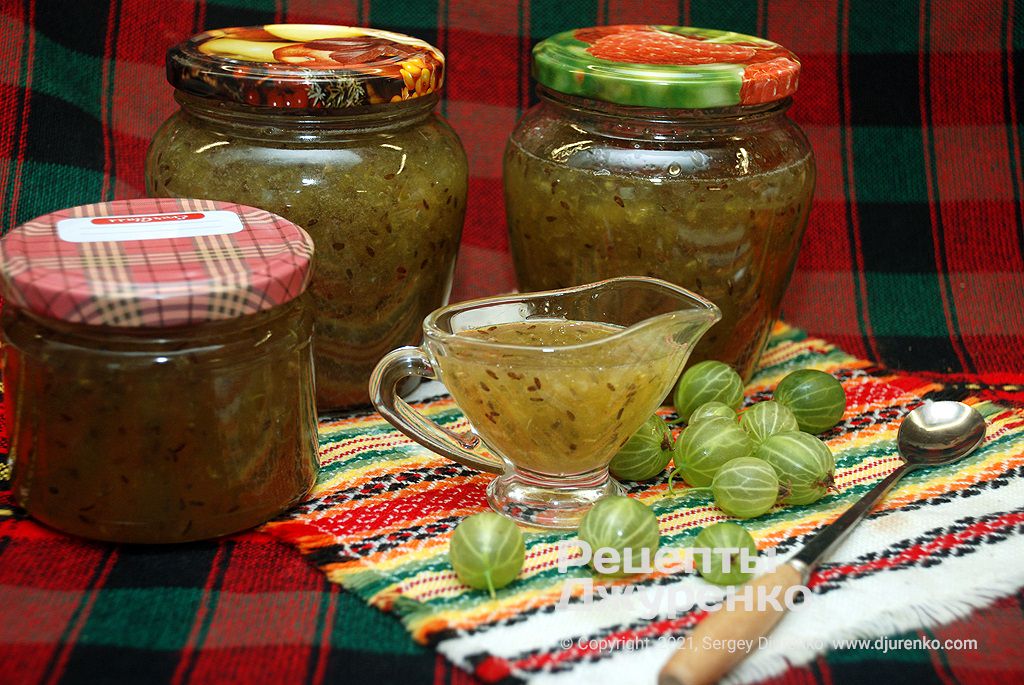

Ingredients
2 l
- Gooseberries 1 kg
- Sugar 1 kg
- Lemon (or lime) juice 3-4 tbsp
- Cognac or brandy 2-3 tbsp
Step-by-step recipe
- Gooseberry jam is best made from berries that are still, as they say, a little “green” – just slightly. They are firm and light green with prominent veins. Sometimes they even look translucent. You can use darker berries too, but then the jam won't be olive green. By the way, if you pick gooseberries in your own garden, be careful – the thorns on the branches are very sharp.
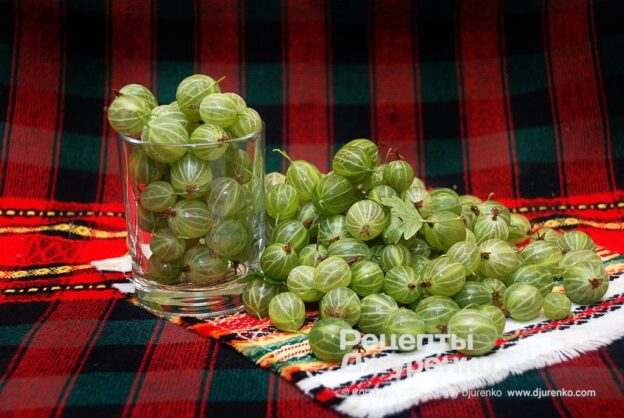
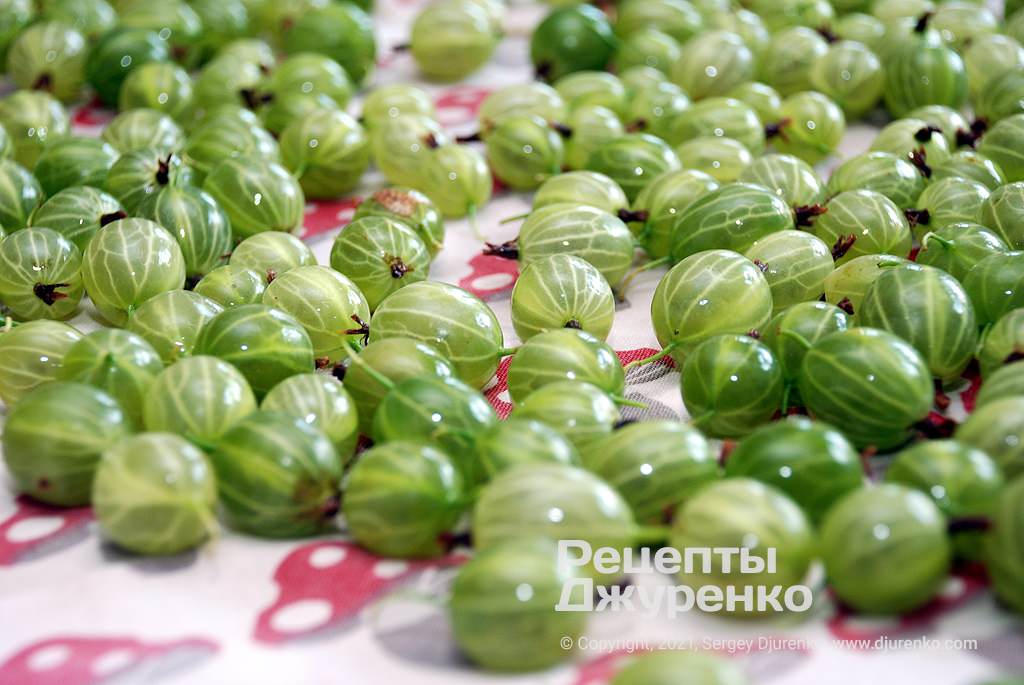
- Sort through the gooseberries, removing any that are completely green, rotten or overripe. You'll often find leaves and even the odd living creature. Then put the gooseberries in a bowl and wash them thoroughly. Tip them into a colander to drain. It's also worth drying them by spreading them out on a cloth or a large towel. The fewer drops of water left, the better.
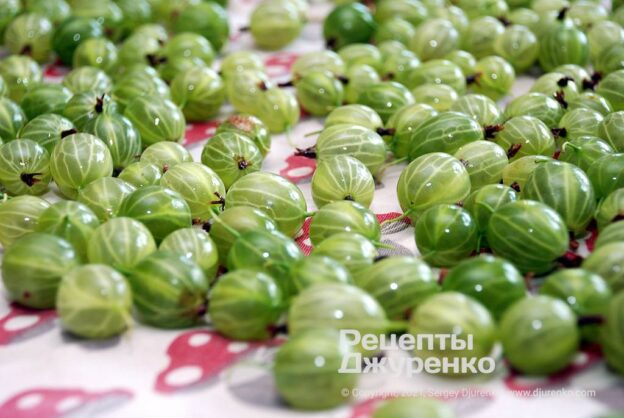
- Since the gooseberry jam will be made from pureed fruit, trim off the dried flower remnant on one end of each berry and the stem on the other. It's a bit slow and tedious, but in the finished jam these bits would be noticeable and completely out of place.
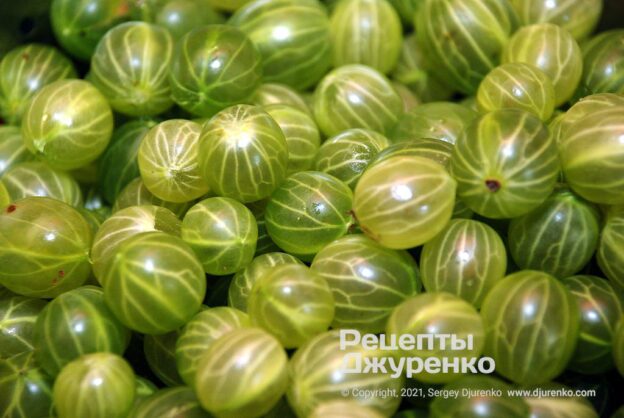
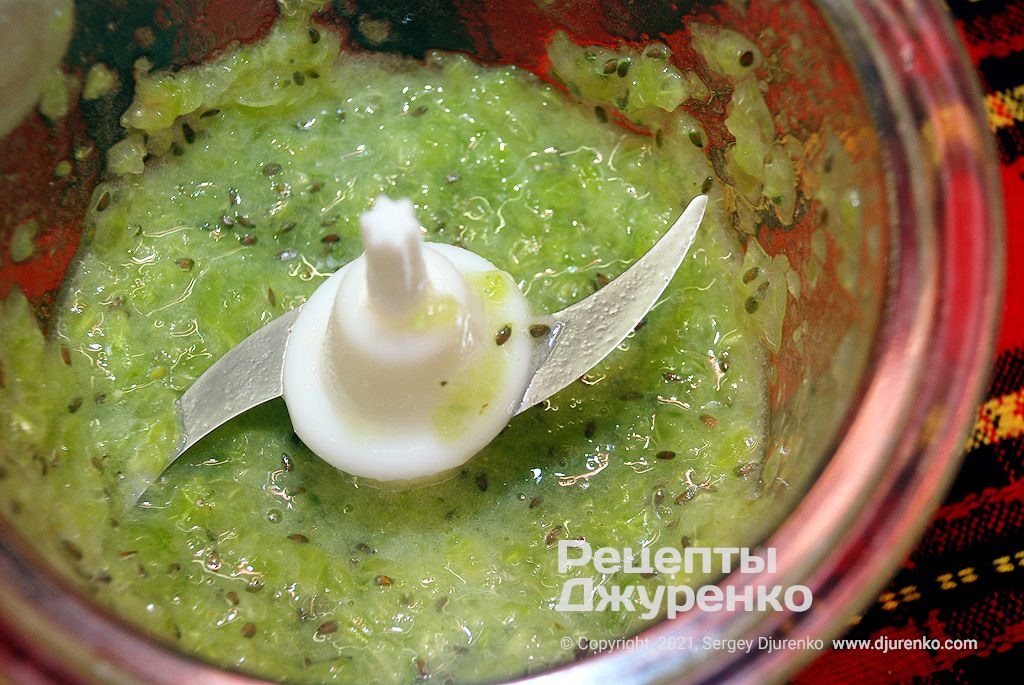
- Get a large pot or a heavy cauldron for cooking preserves, jam or fruit butter. A big wooden spoon is handy for stirring fruit and berries. Blitz all the gooseberries with a blender. It's better not to use a meat grinder – contact between the metal and the berries can make them darken and change color noticeably.
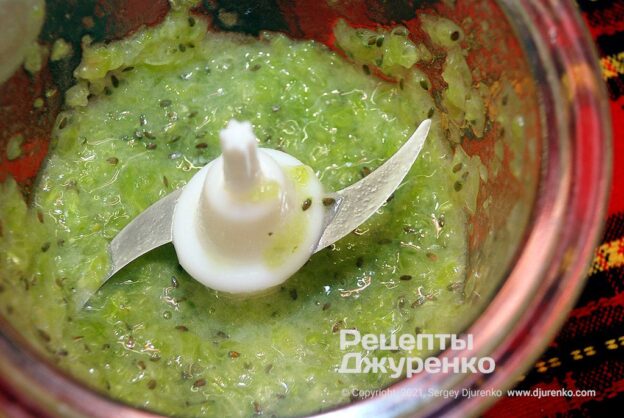
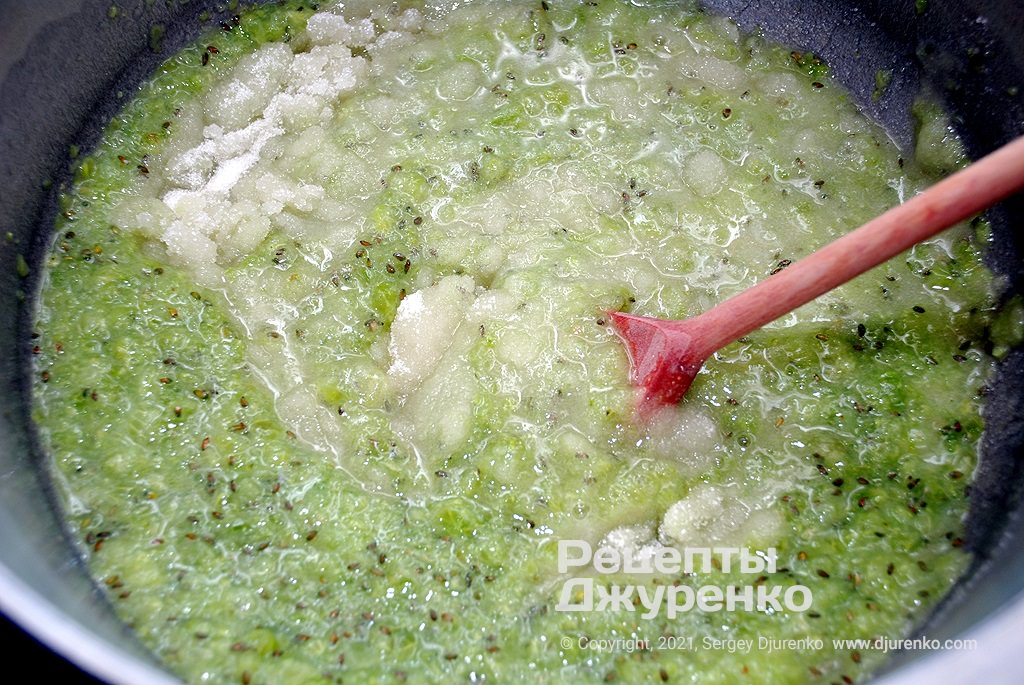
- Pour the coarsely pureed gooseberries into the cauldron and add 3–4 tbsp of lemon juice. This will keep the berries from darkening. Stir the puree and put it on the heat. I recommend adding 2–3 tbsp of brandy or cognac to the jam – it makes the taste much better. Start heating the berry mixture, stirring. Then add the sugar – in a one-to-one ratio by weight.
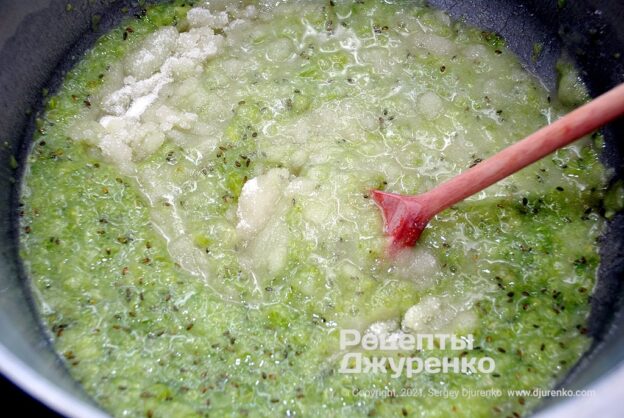
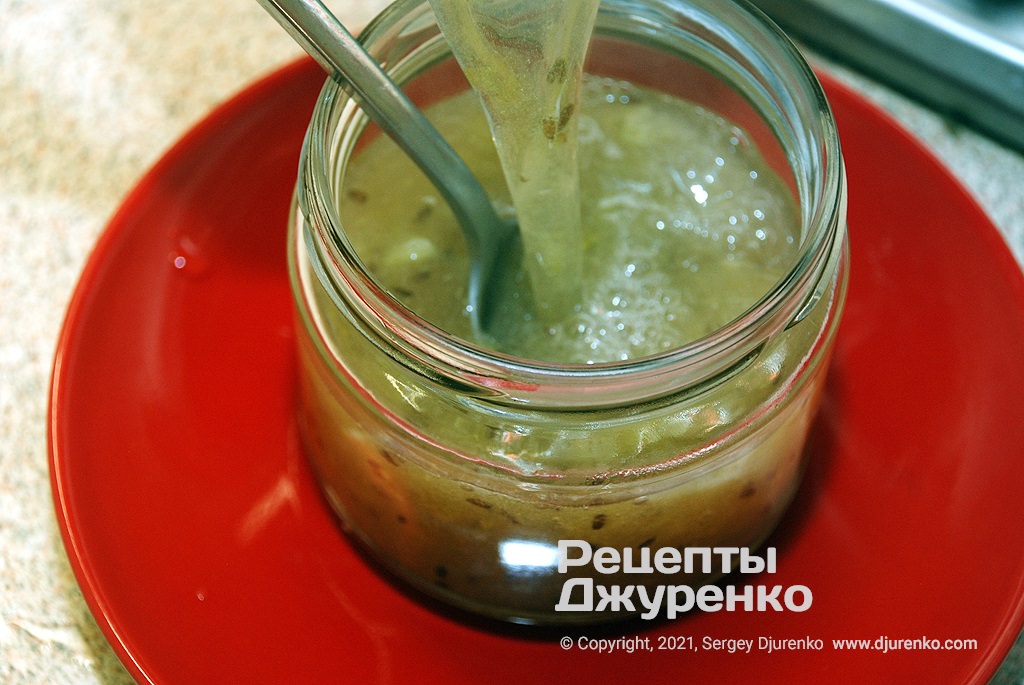
- A berry mixture with a lot of sugar burns very easily and sticks to the bottom of the cauldron, so keep stirring it with a wooden spoon. Bring the gooseberry jam to a boil and simmer for 2–3 minutes. While the jam is cooking, get the jars and lids ready – wash them and sterilize them with boiling water. While the jam is still boiling, ladle it into the jars with a cup and seal them right away.
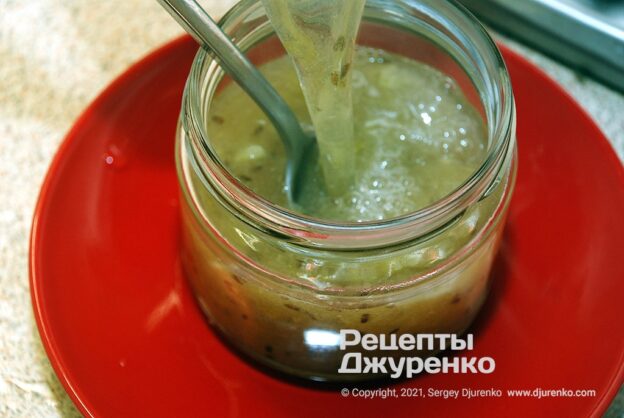
- At first the jam seems runny. After a few days of storage it thickens, and its consistency resembles good-quality honey. The color turns a light olive green. The seeds that every gooseberry has stay whole when blended and are clearly visible. After screwing on the lids, turn the jars upside down for a few minutes to make sure they are airtight.
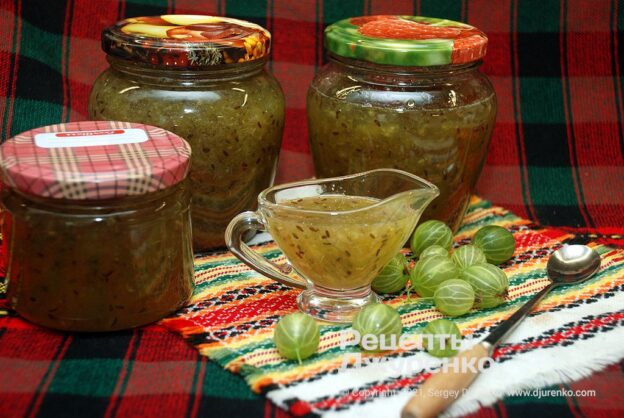
- Gooseberry jam keeps in the pantry or on a shelf. The high sugar content prevents fermentation and spoilage. Once opened, though, it's best to keep the jar in the fridge. We usually serve the jam with tea and with thin crepes. By the way, it's a great addition to other desserts too, especially homemade ice cream.
Yield: 2 l Calories: 210 Prep time: 30 mins Cooking time: 30 mins Total time: 1 h Category: Desserts and Drinks Cuisine: European Rating: