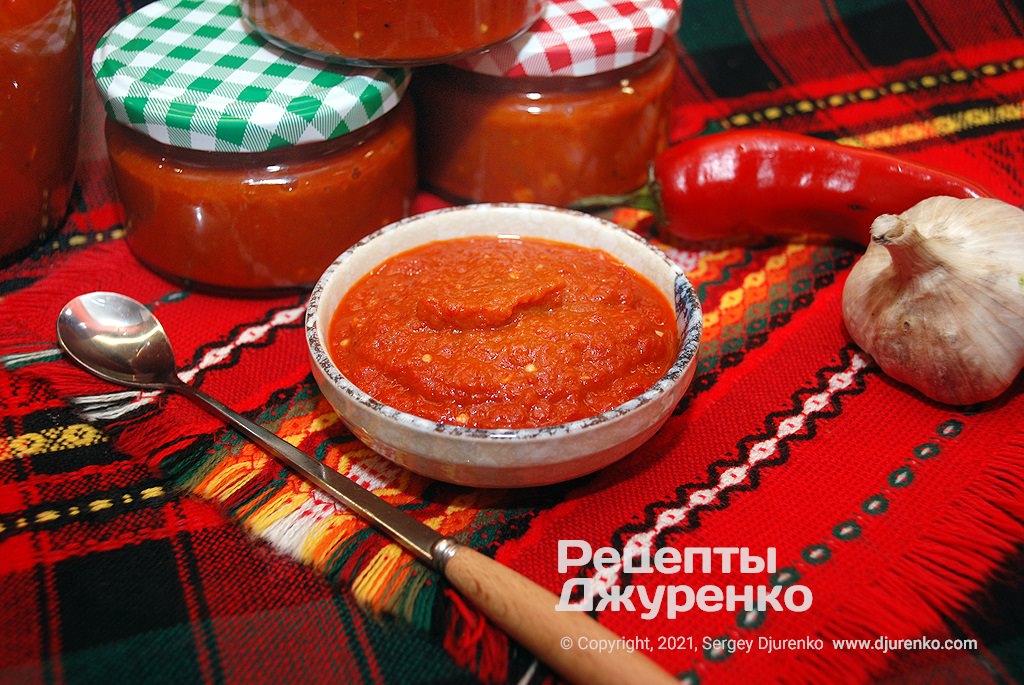
Ajvar – Serbian Roasted Red Pepper Sauce Recipe
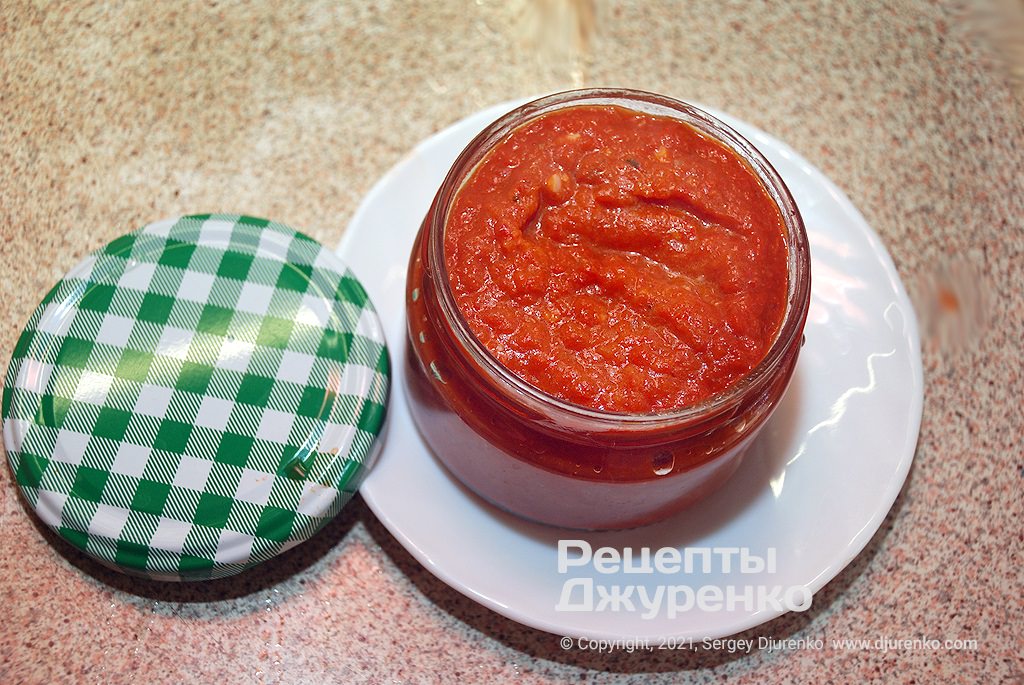
Ajvar is a sauce or salad of Balkan cuisine, especially popular and widespread in Serbia. It is made from sweet red peppers roasted over an open flame or on a charcoal grill, often with eggplant, onion, garlic and other vegetables added. It is cooked in huge quantities when the peppers are in season, because it keeps beautifully in airtight jars. It is an excellent condiment or sauce for meat. It is especially good spread on fresh bread and eaten with brined white cheese and fresh tomatoes.
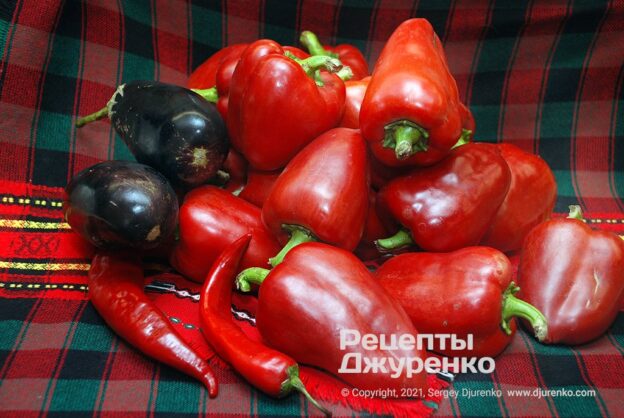
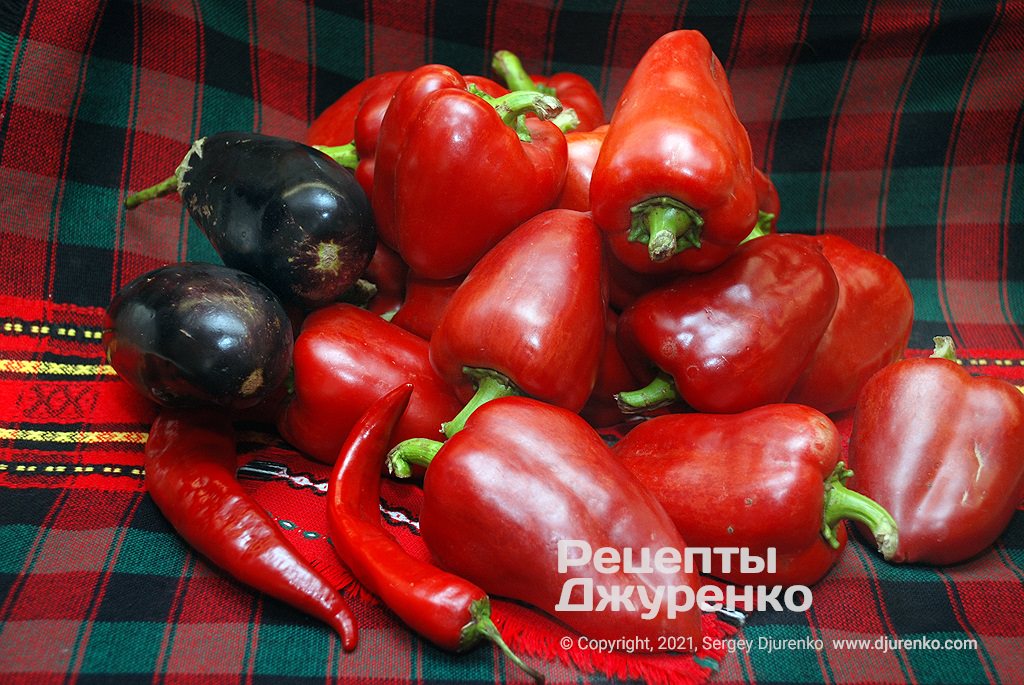
Take juicy, cone-shaped sweet red peppers. The size of the peppers does not matter. What matters is that once the skin is roasted until black, the peppers peel easily and the flesh stays juicy.
The name of the dish most likely comes from the Turkish word havyar, meaning caviar. In essence, it is a vegetable spread made from bell peppers. The season for making it is autumn, when there are plenty of different vegetables around. So, as a rule, the ingredients include whatever vegetables suit, among them roasted hot peppers, which make the sauce piquant and slightly spicy. If you like, you can give the sauce any flavor you want by adding or leaving out different components – only the bell pepper is essential.
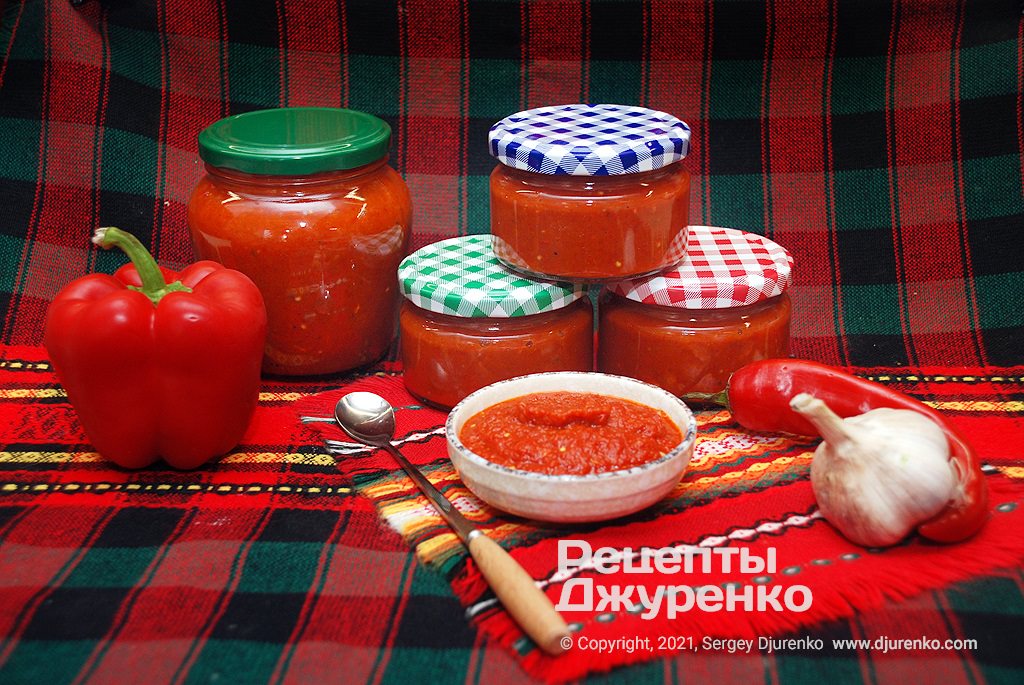
Ingredients
1.2 l
- Sweet red peppers 2.5 kg
- Hot red peppers 2
- Eggplants 0.5 kg
- Garlic 2-3 cloves
- Vegetable oil 100 ml
- Salt, smoked paprika, hot pepper, sugar, wine vinegar to taste
Step-by-step recipe
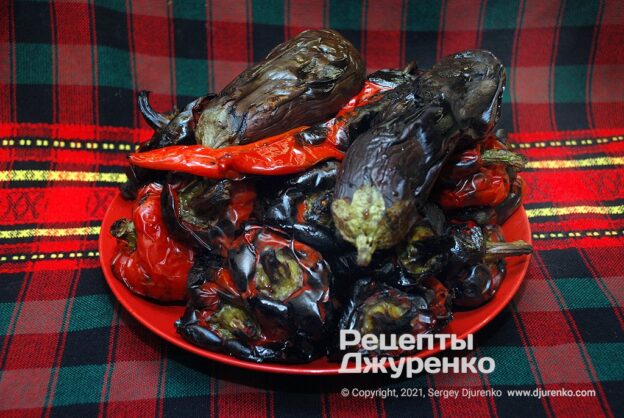
- To my taste, the most important thing when you set out to make Serbian ajvar is to roast the bell peppers properly. Without that wonderful smoky flavor and aroma you will end up with pepper ketchup, nothing more. It is important that the vegetables roast until the surface turns black and then rest for a while in a covered dish. After that they peel perfectly. Notably, you can roast the peppers whichever way is convenient for you. For a piquant flavor I add roasted hot peppers. And the roasted eggplants give the sauce its silkiness and smoothness.
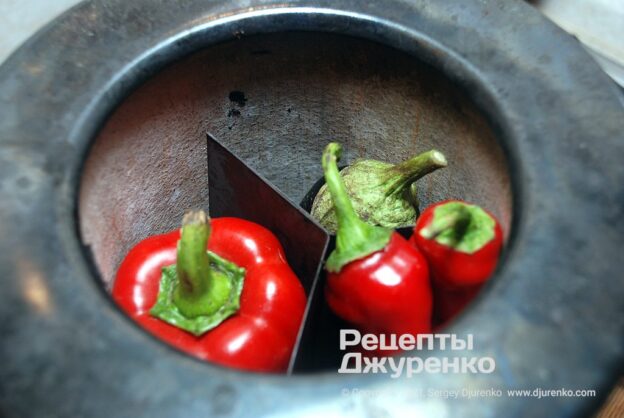
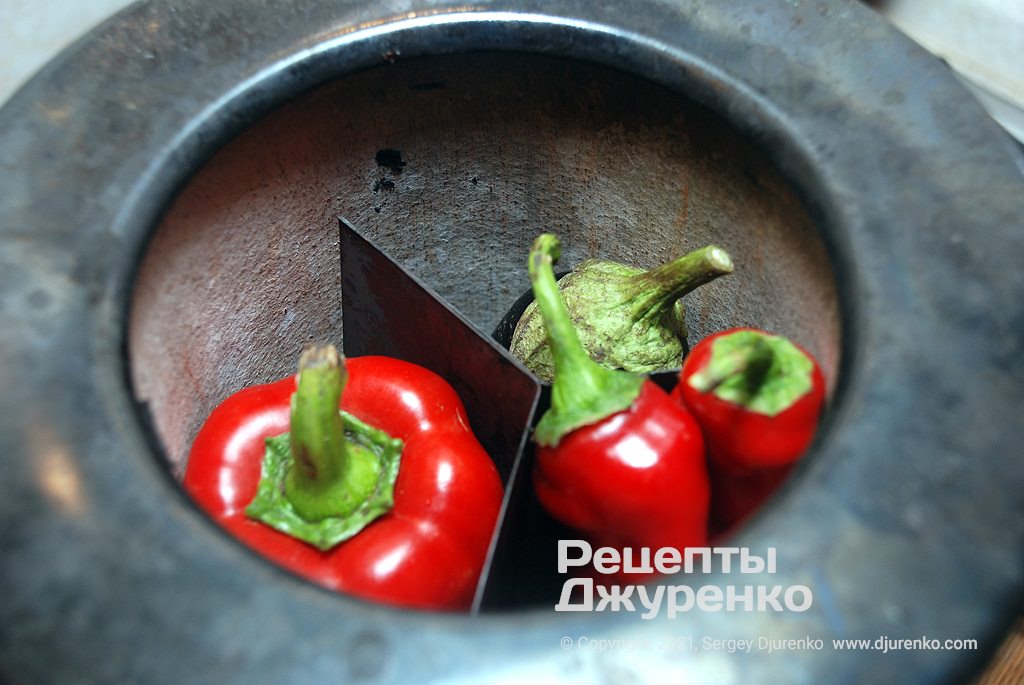
- Depending on what you have available, decide how you are going to roast the vegetables. The simplest option is a charcoal grill. There is probably one at every summer cottage or private house. Arrange the peppers on a grate and set it over the glowing coals. Turning the peppers from time to time, get the surface to blacken. In a city apartment you can roast them in the open flame of a gas burner. I use a Bulgarian pepper roaster, a “chushkopek”, which I brought home some time ago. You can also roast them in the oven, but in that case it will be hard to get a smoky aroma.
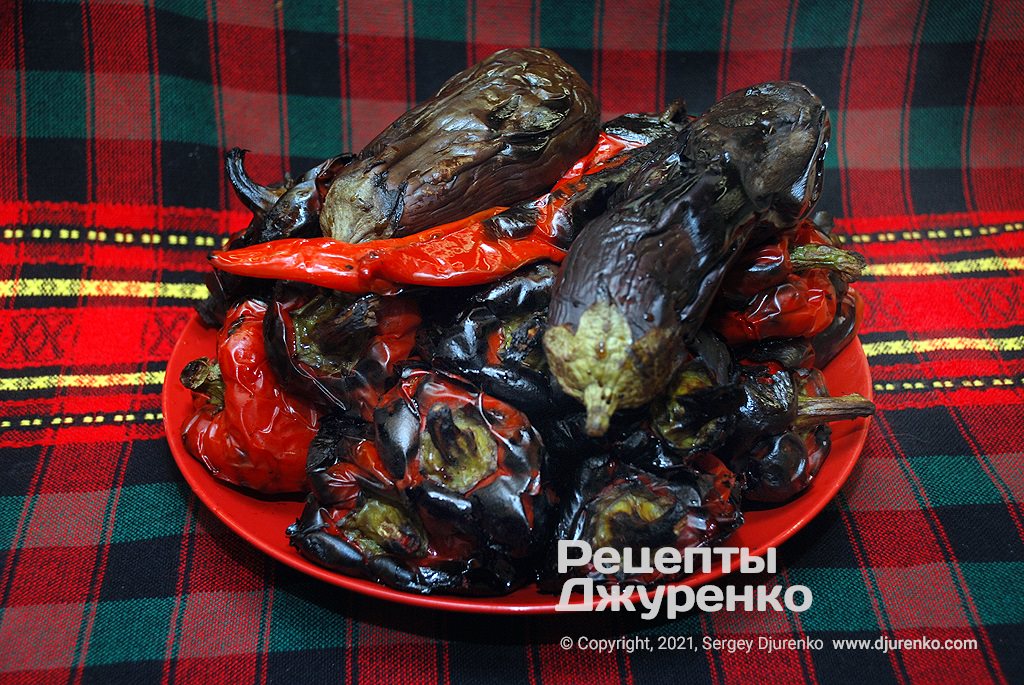
- It is important, once the peppers are roasted and the surface has blackened, to put them all in a bowl or pot and cover it with a plastic bag. This way the peppers soften further in their own heat, and the blackened skin comes away more easily. Roast all the sweet peppers. Roast the chili peppers the same way. Roast the eggplants until they are soft and the outer skin comes away.
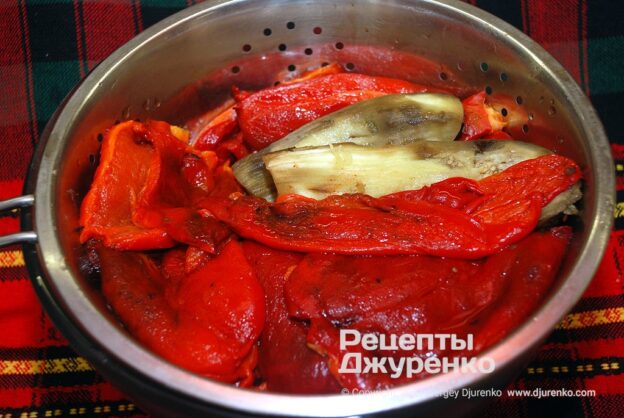
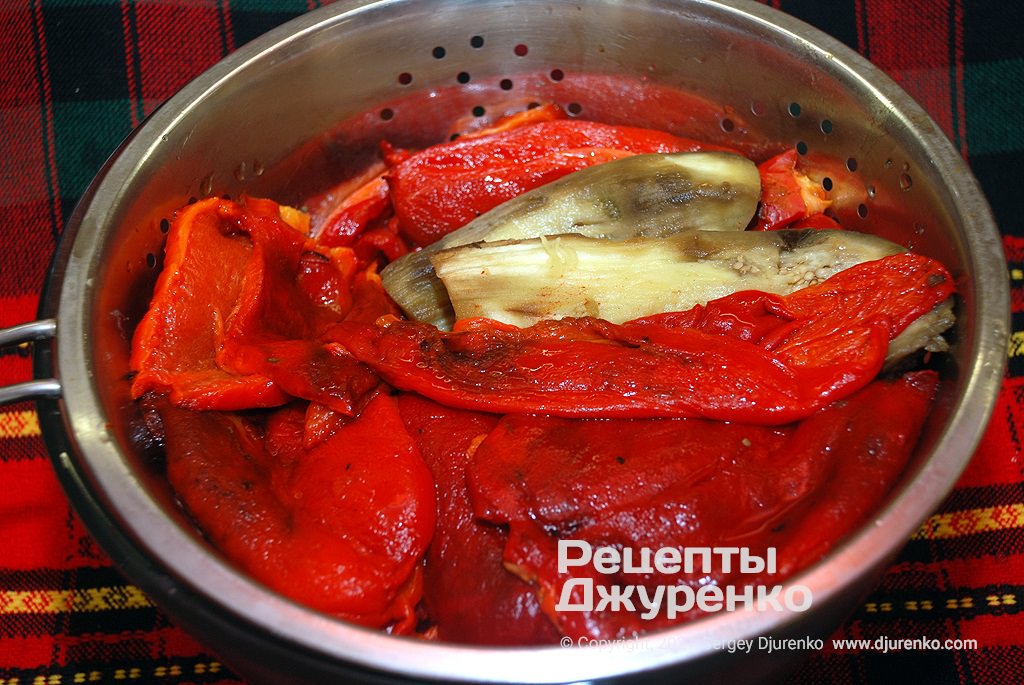
- Once the vegetables have cooled, they need to be peeled. It is not hard at all – the blackened skin comes off in one motion, like plastic film. Cut the eggplants in half lengthwise, remove the blackened parts and carefully cut out any spoiled spots – this happens often. Remove the skin, stem and seeds from the hot peppers. Peel all the bell peppers and rinse them under running water. Put all the peeled vegetables in a colander to let the liquid drain.
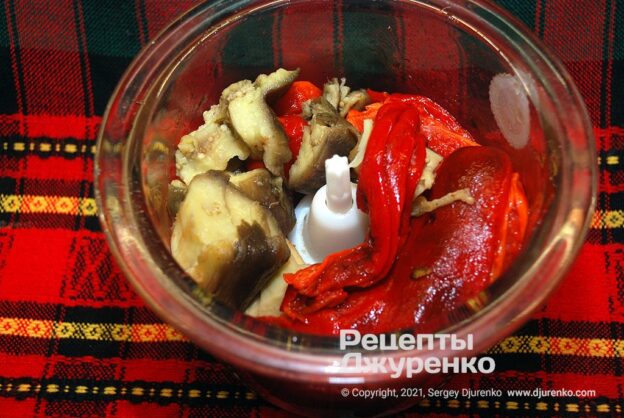
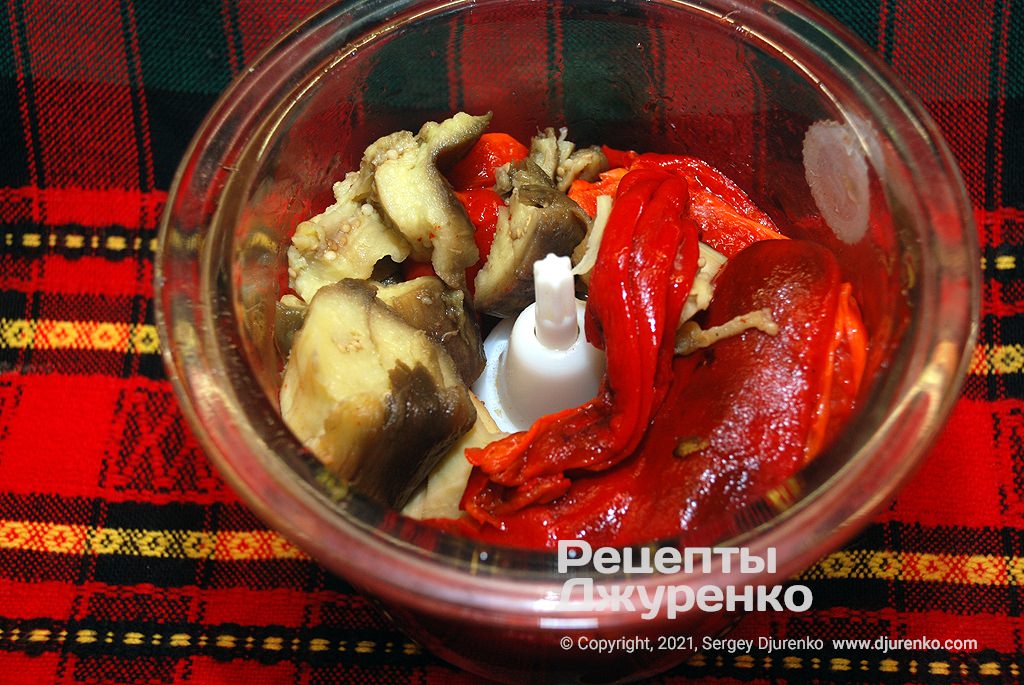
- The next step is to grind the vegetables. If you want your ajvar to have a coarse texture, you can do this with a meat grinder. I prefer a glossier sauce, so I puree the vegetables with a blender. Blend all the vegetables one after another and pour the vegetable mass into a large bowl. By the way, many people like the sauce to be noticeably orange – you can add 1-2 roasted yellow peppers.
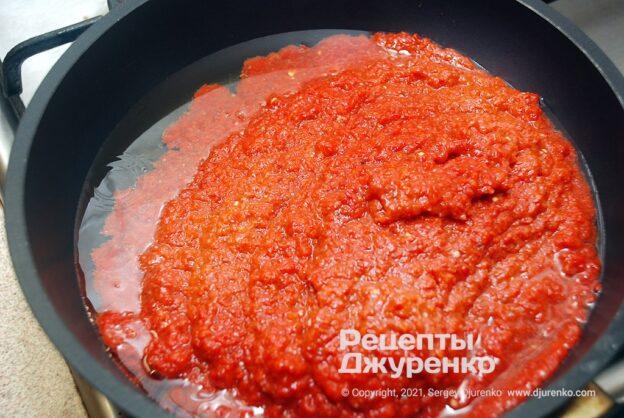
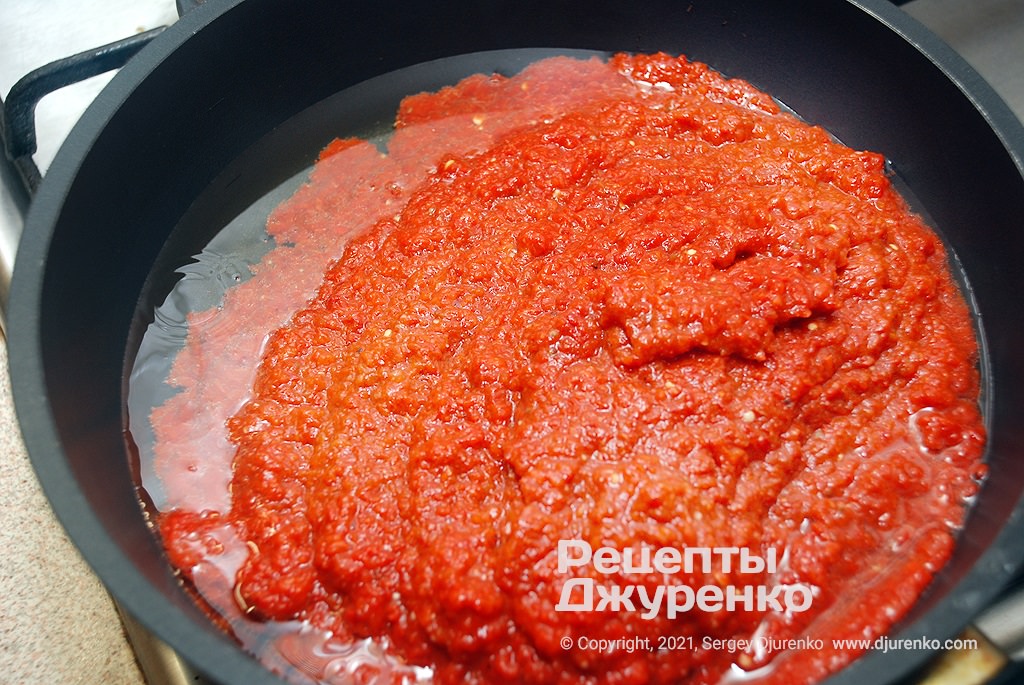
- To cook the vegetables, a cauldron or a pot is used if you have a great many peppers. At home, a large deep frying pan with a lid will do perfectly well. Pour half a cup of neutral vegetable oil into the pan – sunflower oil is quite suitable. Without bringing the oil to a boil, pour in all the prepared vegetable mass, then stir.
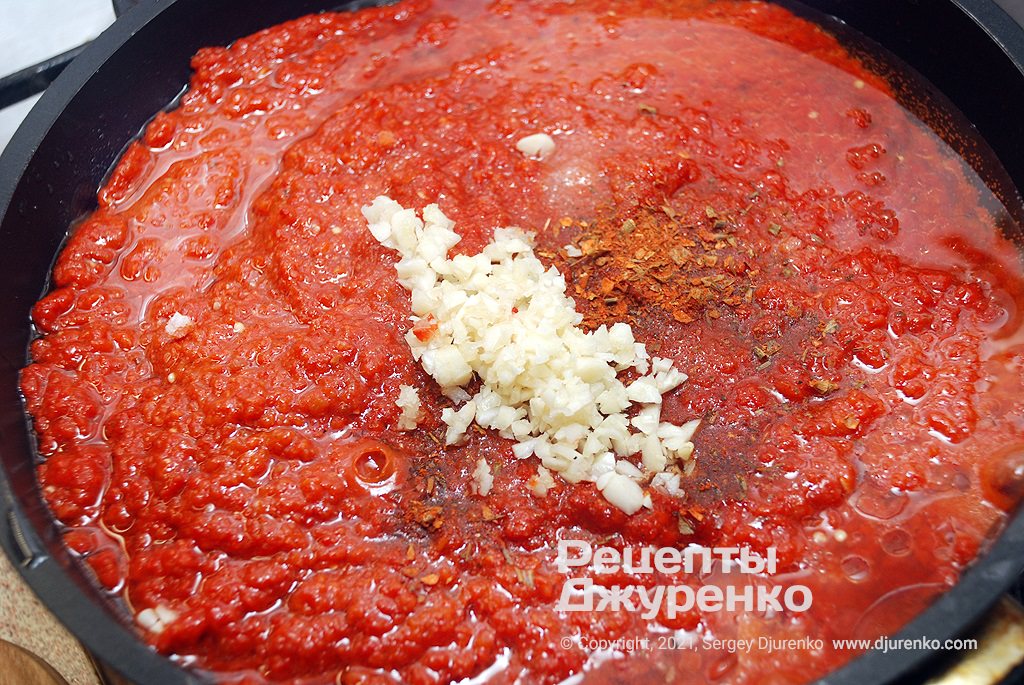
- Stirring the sauce fairly often, peel the garlic and chop it finely with a knife. Add the garlic to the sauce, and salt to taste – it may take quite a lot. If it so happens that the peppers have no noticeable smoky smell, add 1-2 tsp of smoked paprika. It is also worth adding 1-2 tsp of sugar – this will improve the flavor considerably. For more heat, add coarsely ground dried chili together with its seeds.
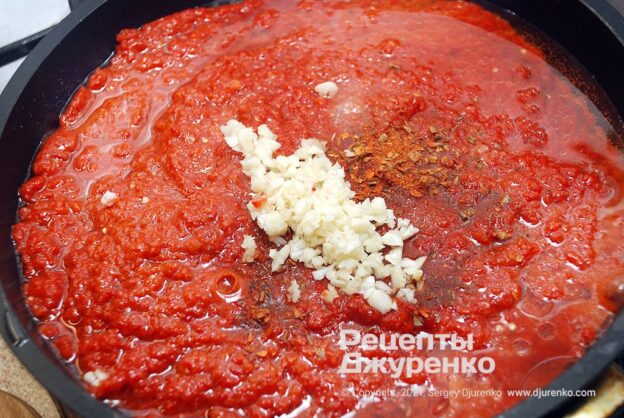
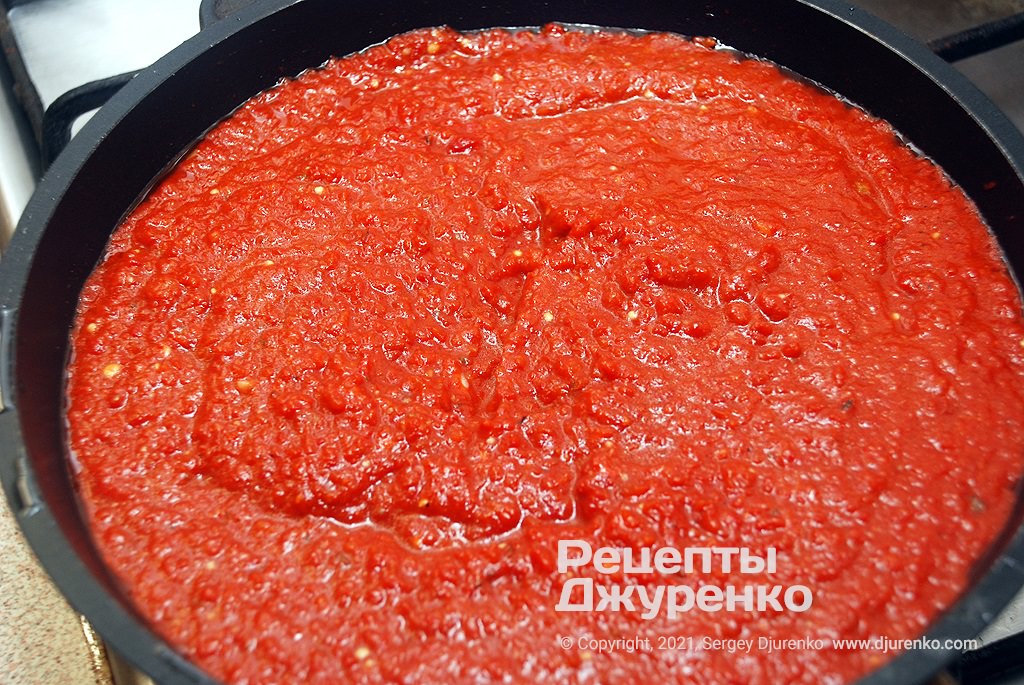
- Stirring, bring the ajvar just to a boil. Be careful: the sauce is thick, and as it boils, bubbles of steam can form that literally spit like a volcano. It is very easy to get burned. Cover the pan with a lid. Then add wine vinegar to the sauce – strictly to your own taste. I added 3 tbsp of natural red grape vinegar. Add salt if needed. Stirring often, cook the sauce at a gentle simmer for 15 mins.
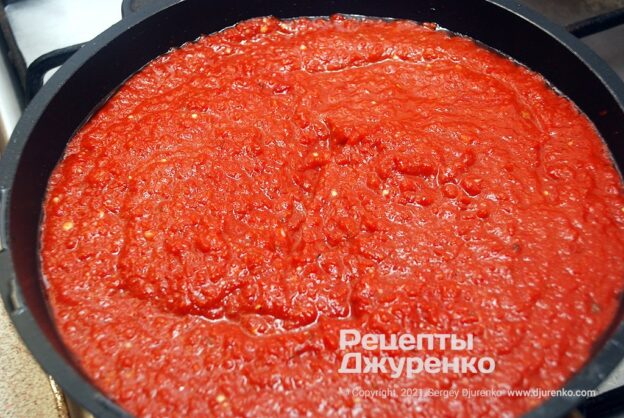
- Prepare small jars with lids – they need to be washed and sterilized with boiling water. When the ajvar is ready, fill the jars right up to the neck. It is best to leave as little air in the jar as possible. Close the jars with the lids and turn them upside down for a few minutes – this is how you check the seal. Then wrap the jars in a blanket or throw until they have cooled completely.
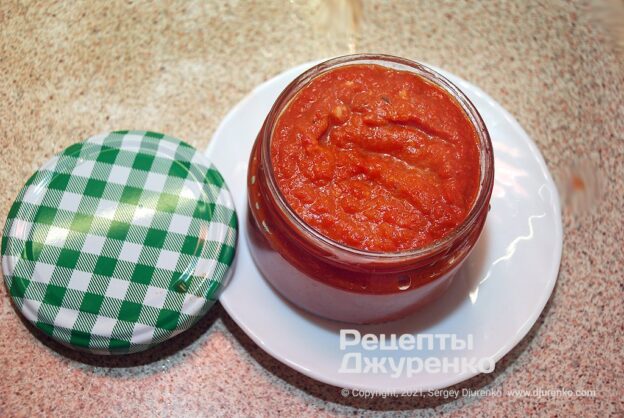
- You can store the pepper preserve in a pantry or in a cellar, if you have one. The sauce is thick and spreads beautifully on bread. It can be used as an addition to a side dish or even as a starter in its own right. In the Balkans, sauces like this are often served with brined white cheese and vegetables – in Bulgaria there is a very similar sauce, lyutenitsa. The quantity and ratio of vegetables in the sauce can be practically anything you like. If you increase the amount of vegetables, all the other ingredients should be increased proportionally.
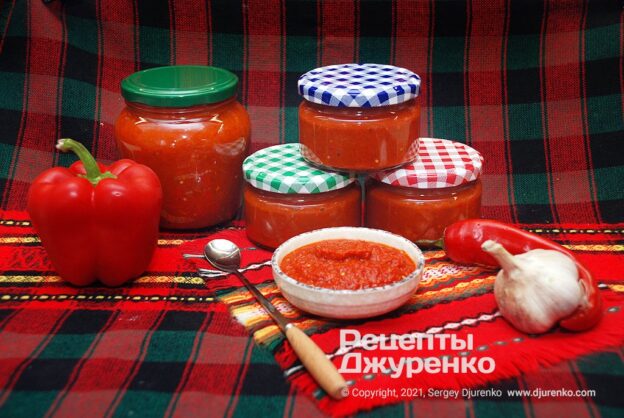
- The sauce can be made sweet or very hot, depending on how much chili goes into the vegetable mass. You can also change the flavor a great deal by varying the amount of garlic and how finely it is chopped. Raw or roasted onion is often used. You can come across versions that are more like a salad, with carrots and potatoes added. Sometimes, just before serving, a little garlic crushed with salt and a few sprigs of basil are added to the sauce.
Yield: 1.2 l Calories: 70 Prep: 45 mins Cook: 45 mins Total: 1 h 30 mins Category: Snacks and Sauces Cuisine: European Rating: