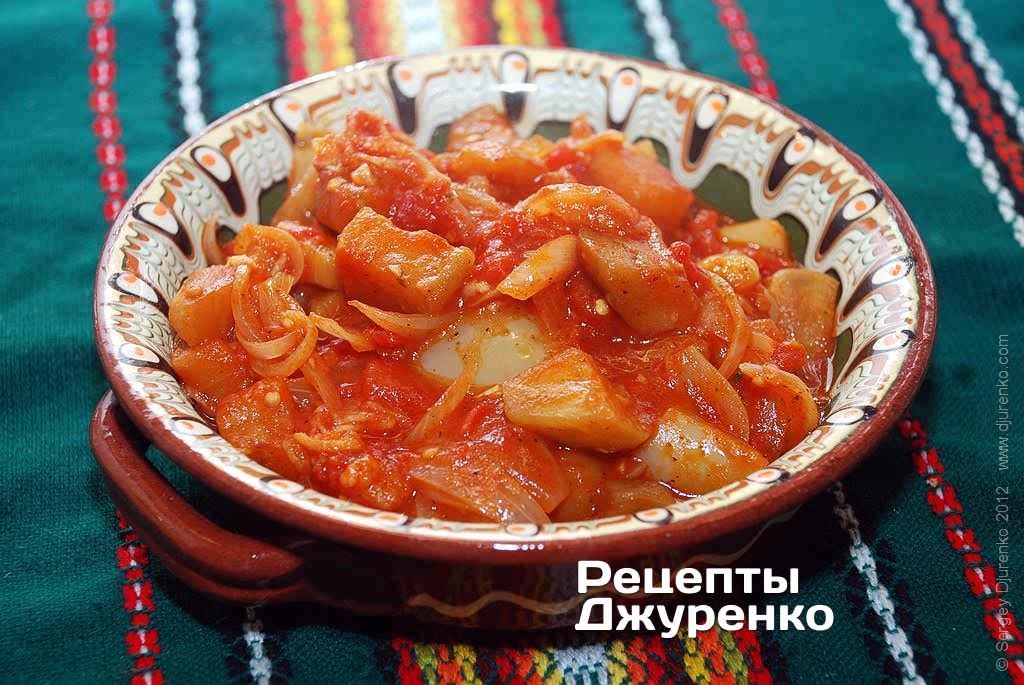
Lecho with Eggplant - Bulgarian-Style Eggplant Stew
Although lecho (Hungarian lecsó) is one of the best-known dishes of Hungarian cuisine, it is widespread in many European countries, especially in the Balkans. Those of us who are older surely remember that it used to be imported from Bulgaria, made from sweet Bulgarian pepper cut into pieces in tomato sauce. Incredibly tasty food, a great appetizer and simply a delicacy. 30-40 years ago a cold appetizer like this was hard to find and a sign of status. I'm not kidding!
Still, lecho is a Hungarian dish. Like most popular dishes, it hardly has an exact recipe. However, the famous Hungarian restaurateur Károly Gundel, founder of modern Hungarian cuisine and author of the “Little Hungarian Cookbook” of 1954, wrote that the real thing is made from green pepper, tomatoes, onion and bacon fat. These are the constant components; there are often variations and additions, but the base is always the same: bell pepper, tomatoes and onion.
In many countries the dish is not served on its own but as a side for meat, sausages and homemade sausage links. Moreover, meat is sometimes added, which makes it somewhat like a mild “Chili con carne,” the calling card of Mexican cuisine. Even in some regions of Hungary sausage or eggs are added. I have also come across the Spanish dish “pisto,” very similar to lecho a dish of tomatoes, onion, zucchini or eggplant. In the historical region of La Mancha it is considered a local invention and is even called “manchego” in everyday speech. And in the Bilbao area there is Pisto a la Bilbaina, with zucchini and eggs.
Right next to Hungary, in Bulgaria, alongside the common recipes there are also local variants. A wonderful dish that the locals call “Bulgarian-style eggplant.” An exceptionally tasty appetizer. If you eat a lot of it with bread, though, you can count it as a main dish rather than an appetizer.
When I first tried Bulgarian-style eggplant, I said confidently: this is lecho, just with eggplant. The flavor is familiar from childhood, you can't mistake it. The Bulgarians nodded happily: of course! They just didn't think we knew such fancy words.
More with tomatoes, bell peppers and eggplant
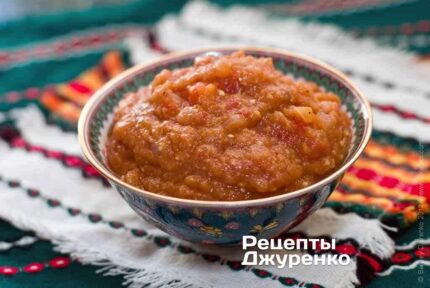 Eggplant caviarEggplant caviar – a famous appetizer! The most common way to prepare vegetable caviar is to fry vegetables and grind them.
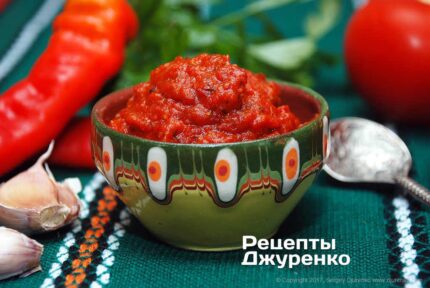 LyutenitsaHomemade Bulgarian lyutenitsa: roasted red peppers, tomatoes, chili, garlic and eggplant simmered into a thick, sweet and tangy sauce for meat, bread and cheese.
 Vegetable PizzaHomemade vegetable pizza with fresh tomato sauce, fried eggplant, roasted peppers, pickled onion, mozzarella and Parmesan. Step-by-step recipe with photos.
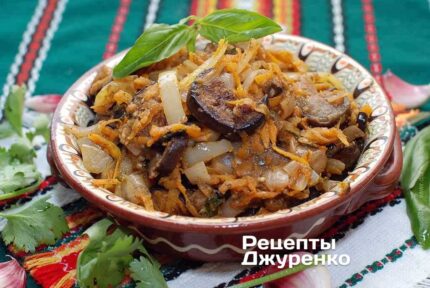 Ajapsandali: spiced Caucasian eggplant stewAjapsandali, a fragrant Caucasian stew of eggplant, bell peppers, tomatoes, carrots, garlic and fresh herbs. Step-by-step recipe with photos, hot or cold.
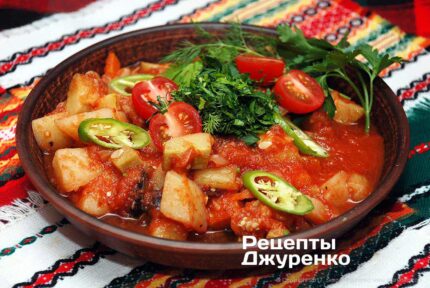 Vegetable StewSummer vegetable stew: young zucchini, roasted eggplant and peppers, new potatoes, onion and carrot simmered in fresh tomato purée. Vegetarian and easy.
Ingredients
2 servings
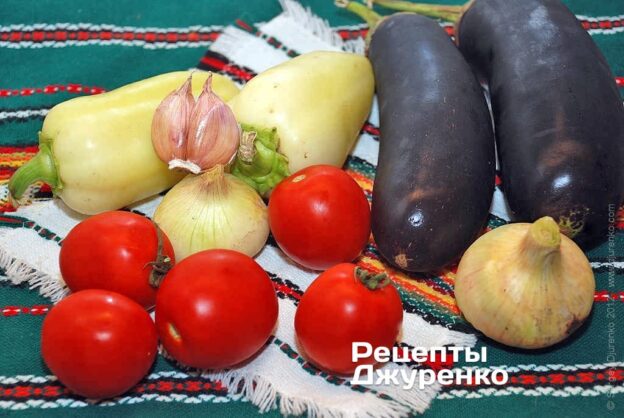
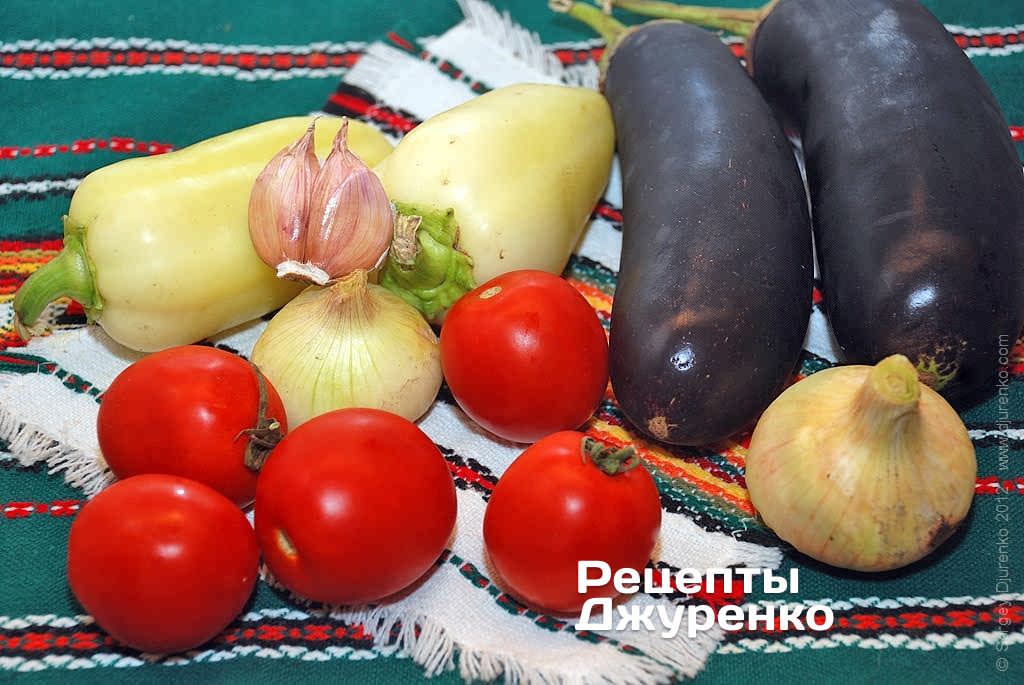
- Eggplants 2-3
- Onion 2
- Tomatoes 4-5
- Garlic 2-3 cloves
- Bell pepper 2-3
- Vegetable oil 2-3 tbsp
- Salt, ground black pepper to taste
Step-by-step recipe
- First, prepare all the ingredients so that everything is cut and ready for frying. The dish cooks quite fast, so while the eggplants are frying, there may simply not be enough time to prepare the tomatoes and peppers.
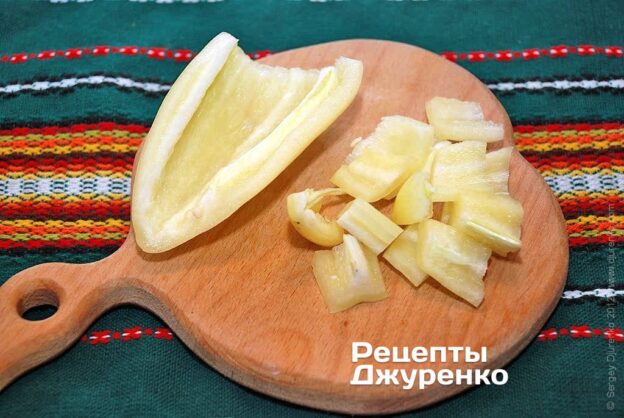
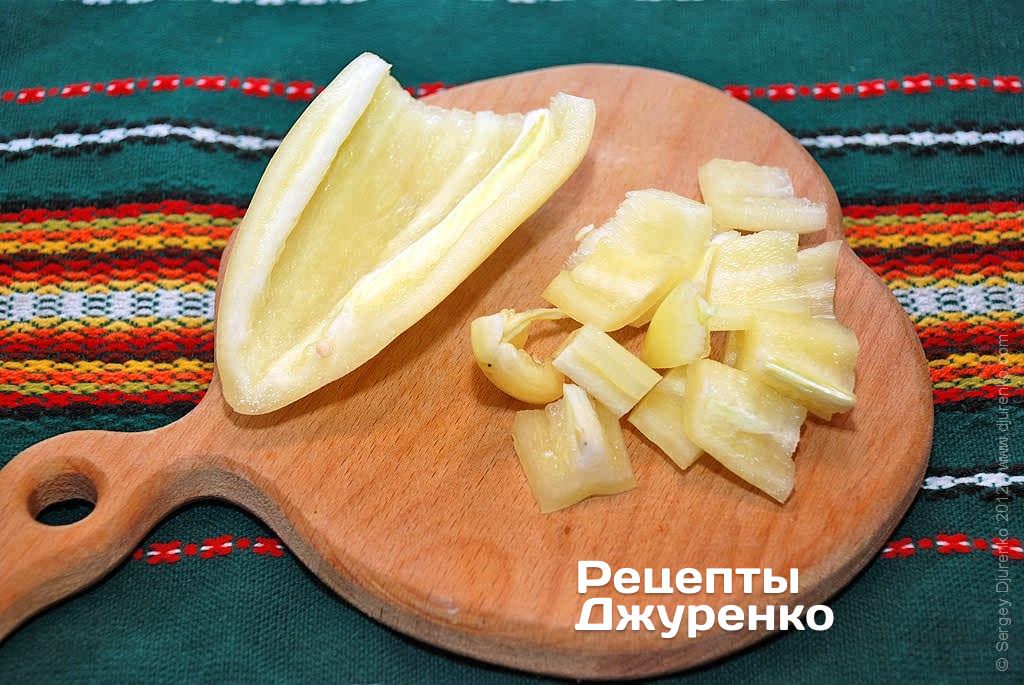
- Wash the sweet bell pepper, remove the stem and seeds. People often write that red pepper is better. I disagree. Since childhood I remember that the pepper should be green. Cut the cleaned pepper into large pieces. Actually, under certain conditions it's even better to cut it into strips, it will be even tastier.
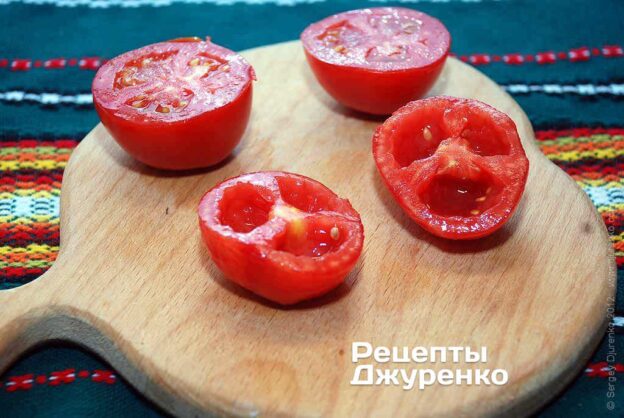
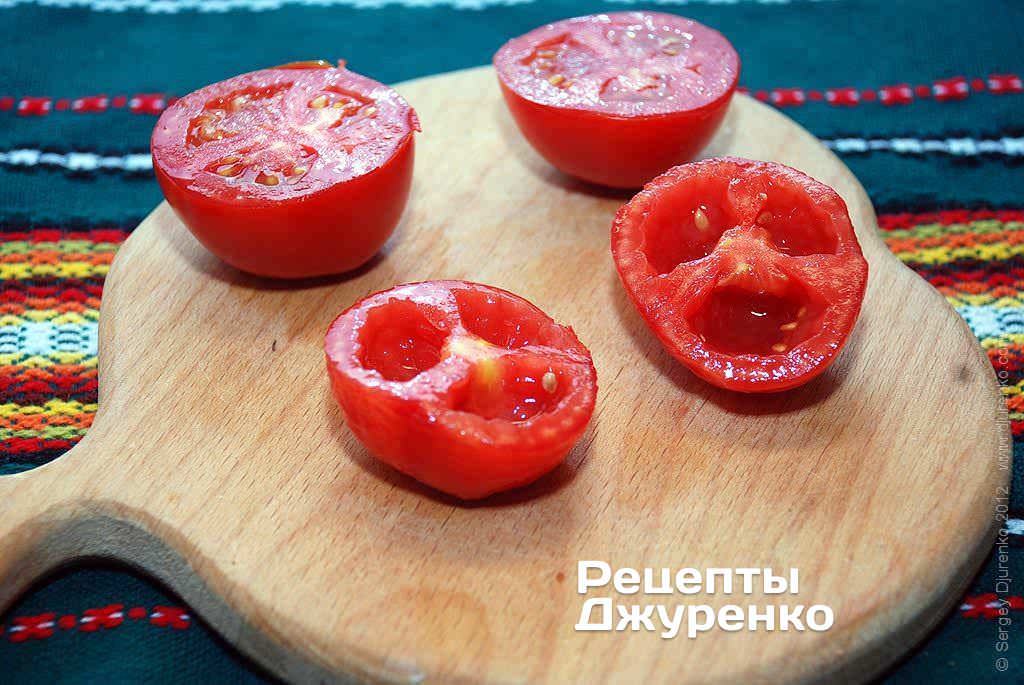
- Divide the tomatoes into two halves. Scald one half with boiling water, remove the skin and seeds, and chop the flesh coarsely. Squeeze the juice out of the other half. You can also take ordinary tomato juice, if you are sure it isn't made from tomato paste. You need about 1-1.5 cups of juice.
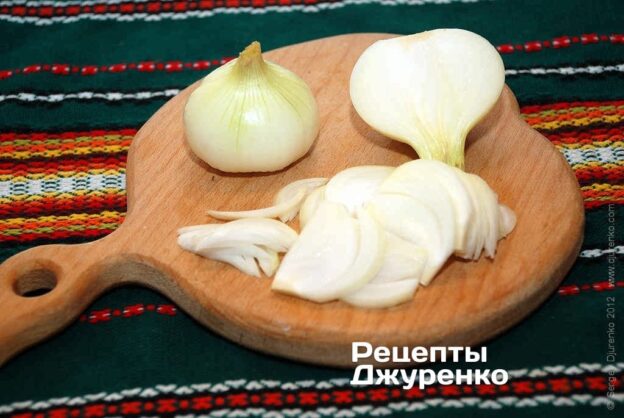
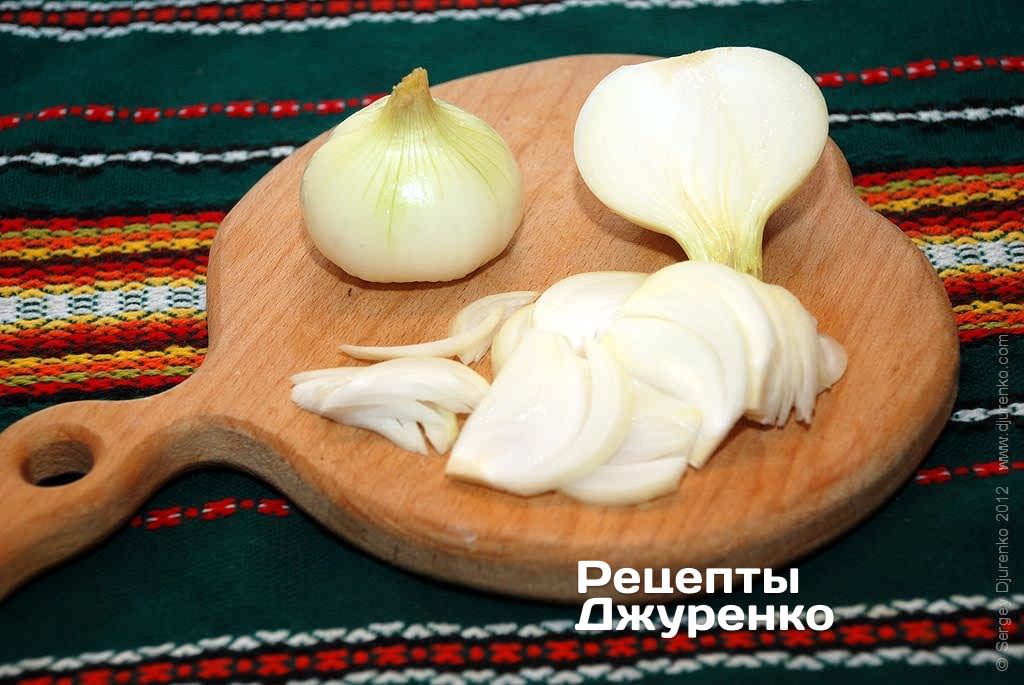
- Peel the onion and cut it into very thin strips. I recommend cutting along the onion, from pole to pole, rather than the usual way. Cutting lengthwise doesn't damage the fibers, and the onion doesn't cook down to mush, so the strips stay whole. This improves both the look and the flavor of the dish.
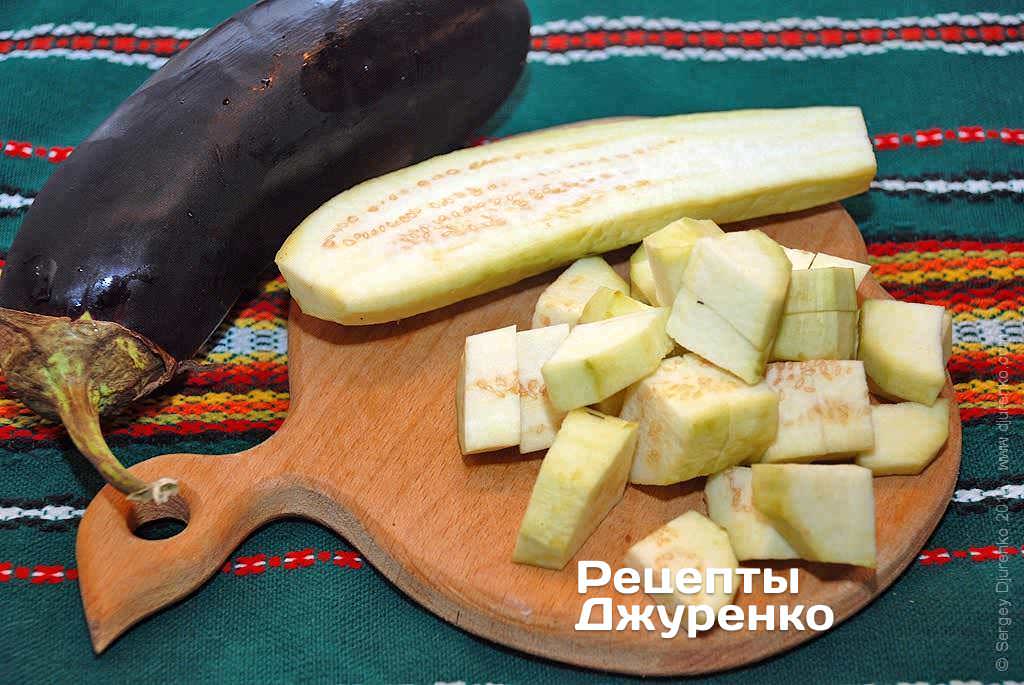
- Wash the eggplants, cut off the tails and peel them with a sharp knife. Eggplants darken quite quickly, so it's best to work fast.
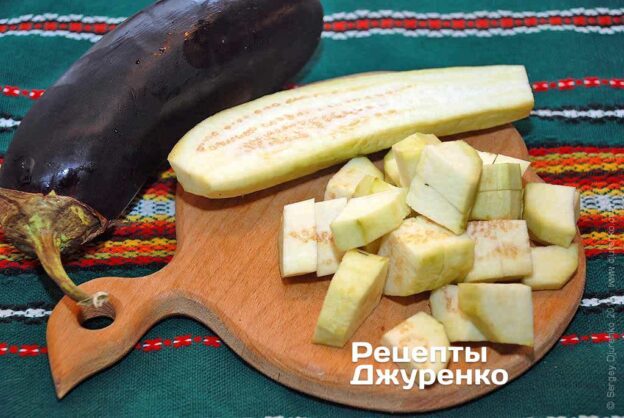
- Cut the peeled eggplants into cubes and put them in a hot frying pan with vegetable oil. Eggplants soak up oil like a sponge, almost instantly and completely. The pan will simply become dry. But don't be alarmed. Fry the eggplants over medium heat, stirring constantly, for about 10 mins. While frying they will give the oil back.
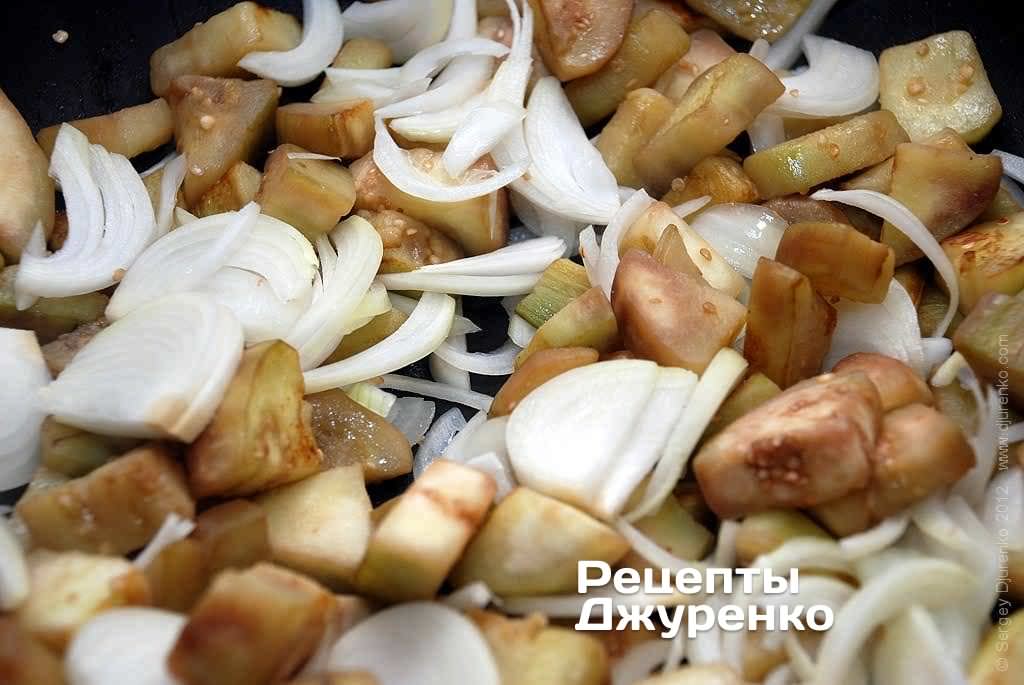
- Add the chopped onion to the eggplants. Keep frying, stirring, for another 10 mins. It's important that the vegetables don't burn.
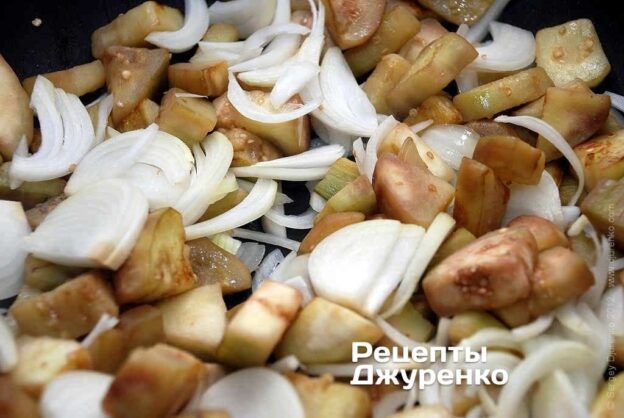
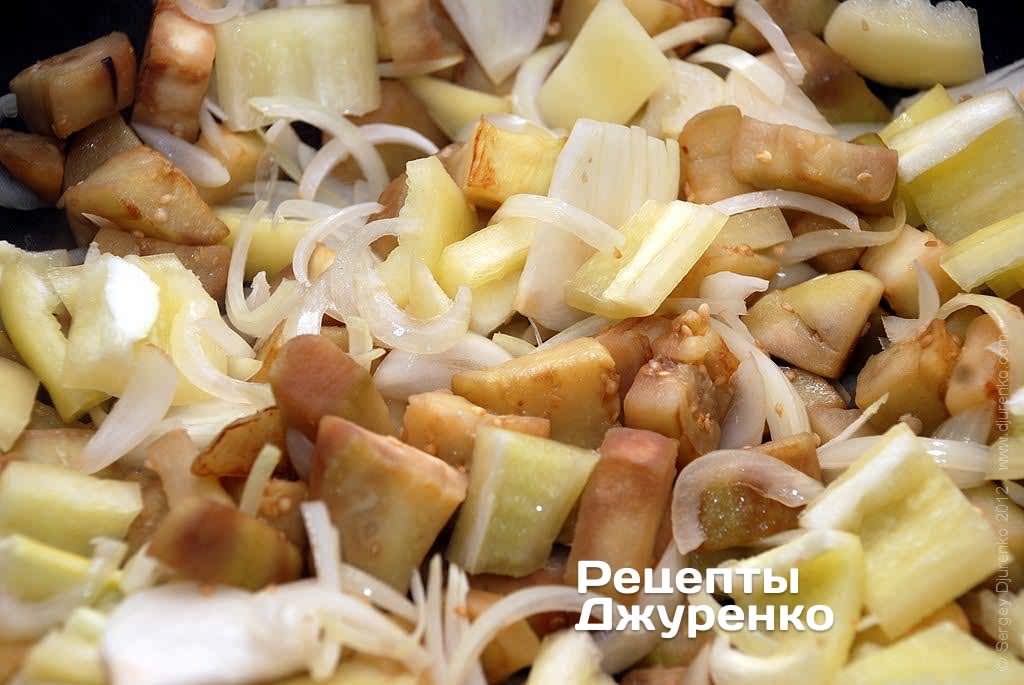
- Add the chopped pepper and keep frying.
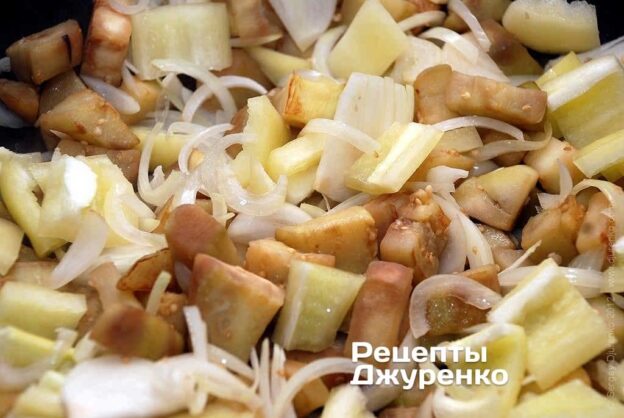
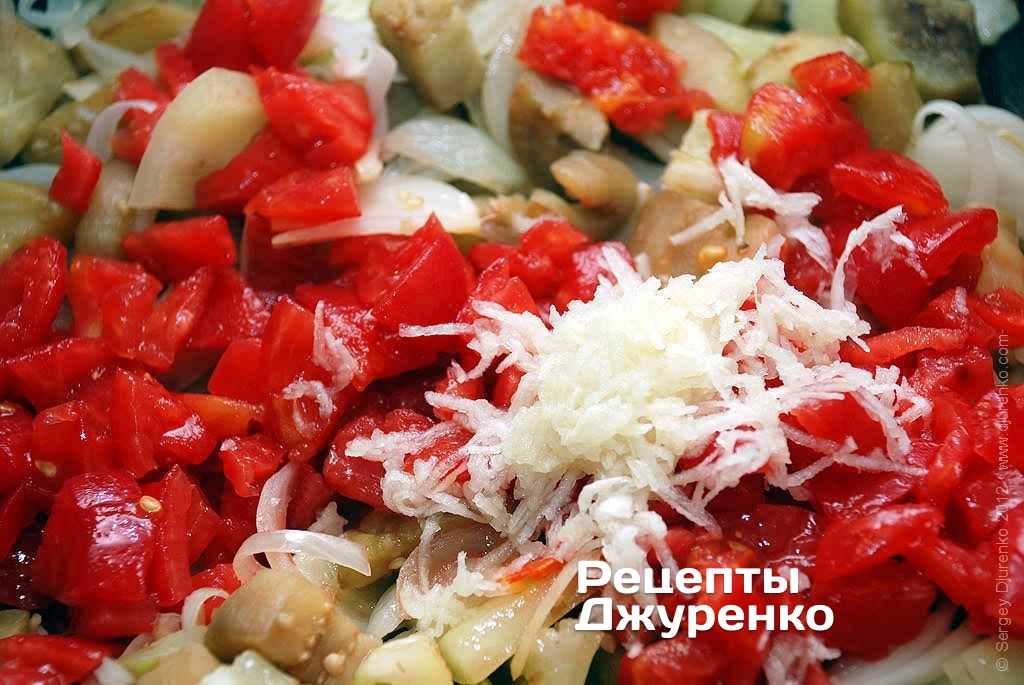
- As soon as the pepper is soft, add the chopped tomato flesh and finely grated garlic. Add salt and pepper to taste. Reduce the heat to below medium and simmer the vegetables, covered, for 15 mins. The tomato flesh will release liquid and the vegetables will stew.
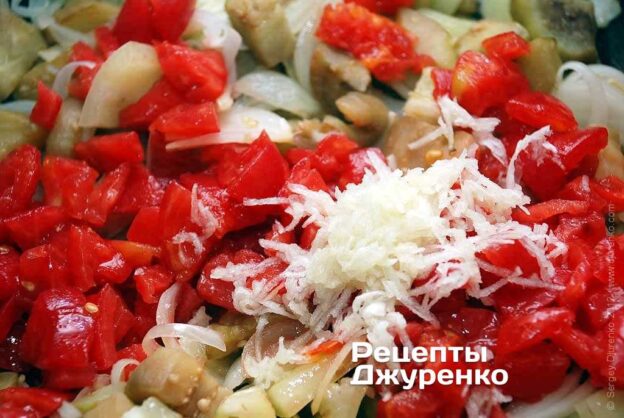
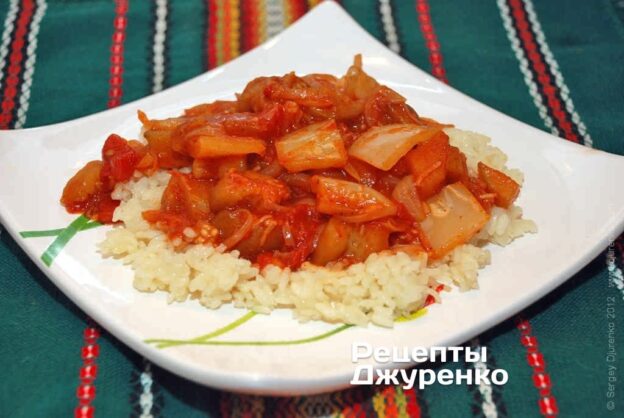
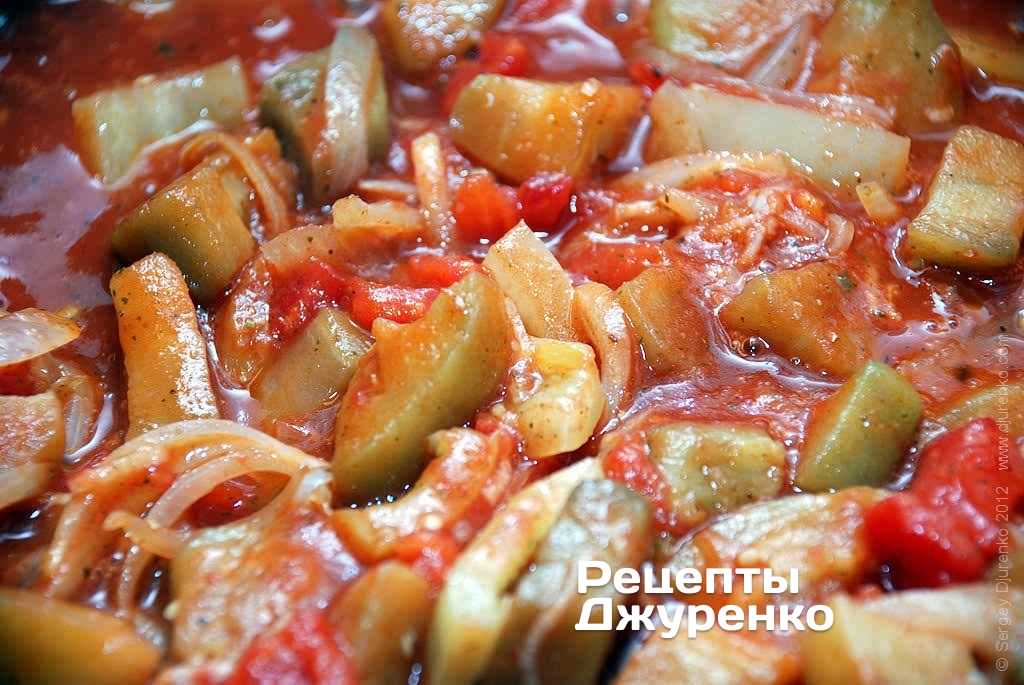
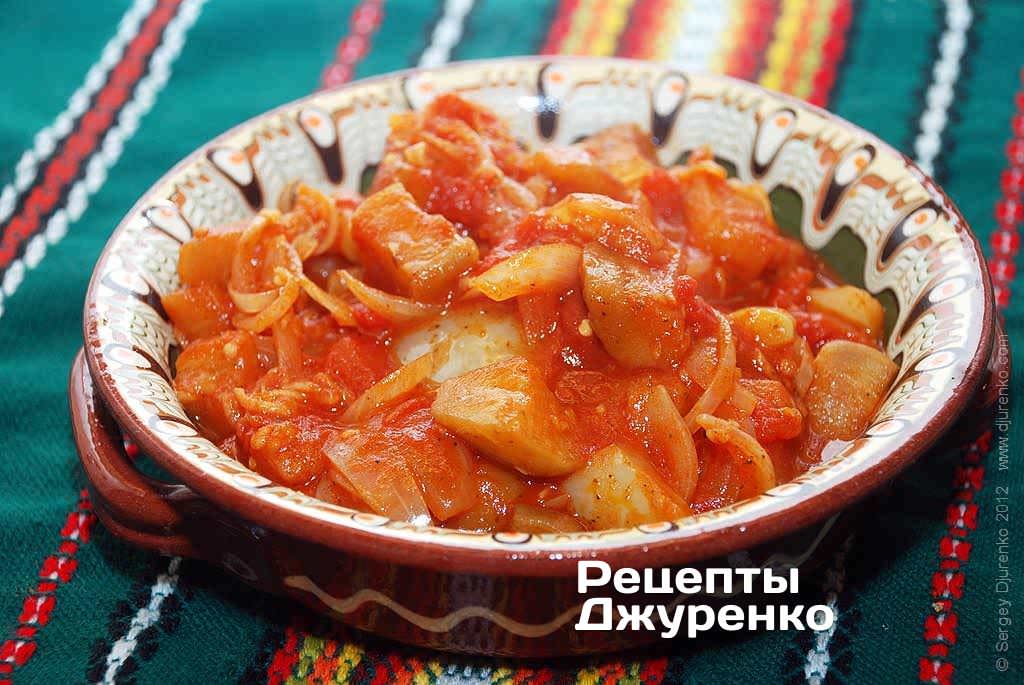
- After that time, add the fresh tomato juice. Simmer everything at a gentle bubble for at least 15 mins. You should get a fairly thick sauté with large pieces of pepper and eggplant, in a beautiful red color. By the way, many people like the dish with plenty of tomato, so the amount of tomato juice is up to you.
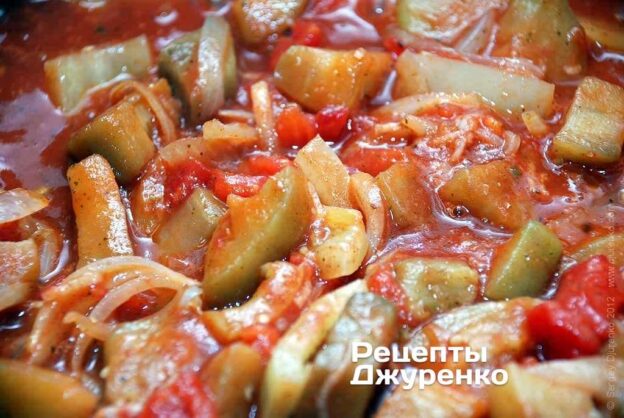
- That's it, really. The dish is great for home canning. Just pack the eggplant lecho into jars while it is boiling hot and seal.
- You can also simply eat it with white bread, for maximum enjoyment.
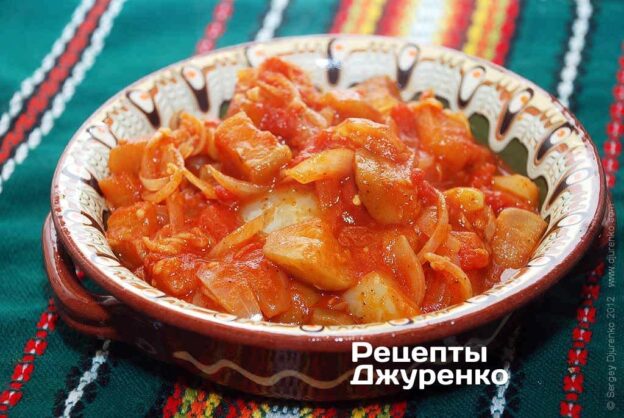
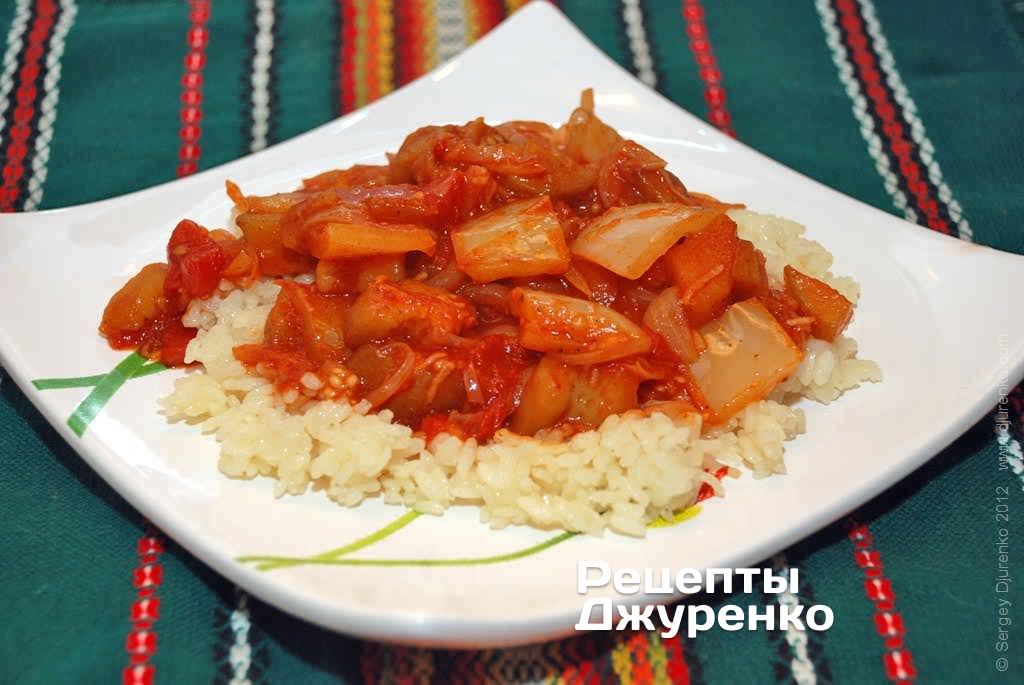
- Or you can serve it over boiled rice or pasta. The dish complements them perfectly. To each their own.
 Wide-mouth canning funnelAliExpress
 CheeseclothAliExpress
 Pull chopper for garlic and onionAliExpress
 Oil sprayerAliExpress
 Kitchen scale up to 5 kgAliExpress
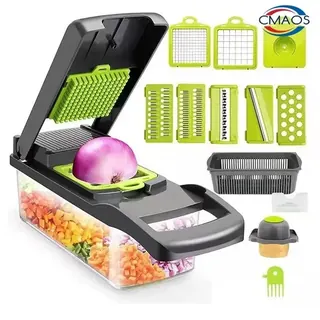 Vegetable chopper with handleAliExpress
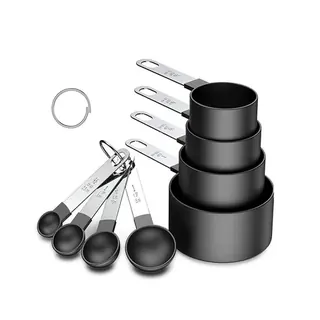 Measuring cups and spoonsAliExpress
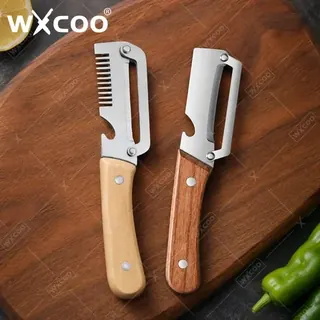 Peeler with wooden handleAliExpress
 Chunky Chelsea bootsINTERTOP
 Lace-up bootsINTERTOP
 Platform sheepskin slippersINTERTOP
 Beige sheepskin bootsINTERTOP
 Suede knee-high bootsINTERTOP
 Heeled ankle bootsINTERTOP
 Brown Chelsea bootsINTERTOP
 Classic Chelsea bootsINTERTOP
 Smoby Bon Appetit play kitchenБудинок іграшок
 Smoby kitchen with oven and fridgeБудинок іграшок
 Bosch Mini toy mixerБудинок іграшок
 Bosch Mini toy toasterБудинок іграшок
 Chef’s salad play setБудинок іграшок
 Melissa & Doug sauté play setБудинок іграшок
 Smoby cookware in a panБудинок іграшок
 Peppa Pig kitchenБудинок іграшок
 | Yield: | 2 servings |
| Calories: | 59 kcal per 100 g |
| Prep: | 50 mins |
| Cook: | 30 mins |
| Total: | 1 h 20 mins |
| Category: | Snacks and Sauces › Vegetable Appetizers |
| Cuisine: | Bulgarian cuisine |
| Rating: |