
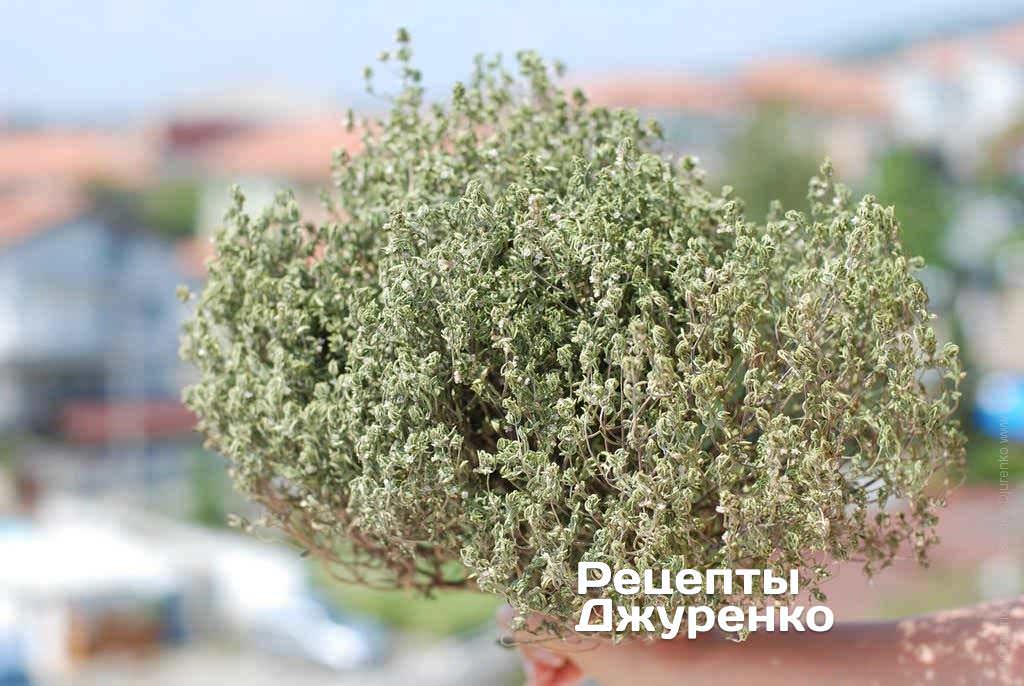
Savory (Chubritsa): Bulgarian Summer Savory Spice
We bring Bulgarian chubritsa, also known as savory, home year after year, and once friends gave us a bunch of dried bushes — we sorted the leaves by hand. Books advise 0.2–0.6 g per serving, but we rub a pinch between our fingers and add to taste, and with salt, paprika and fenugreek make sharena sol.
Anyone who has ever been to Bulgaria surely remembers the special taste of many local dishes, with a light spicy note quite unfamiliar to us. That is the taste of chubritsa, otherwise known as summer savory.
Chubritsa is perhaps the most popular Bulgarian seasoning, added to just about everything except tea. Most meat, fish and vegetable dishes contain it, either on its own or as part of various blends.
Many of us easily confuse savory with thyme because the names sound alike. In fact they are completely different plants. Thyme is another spice altogether, usually added to meat and smoked foods. Savory is a very ancient seasoning used in practically all the cuisines of the Mediterranean, the Balkans, the Caucasus and Asia. In Moldovan cuisine, for example, it is called “chimbru”, in the Caucasus “tsitron” and “dzhambul”, and in Georgian cuisine “kondari”.
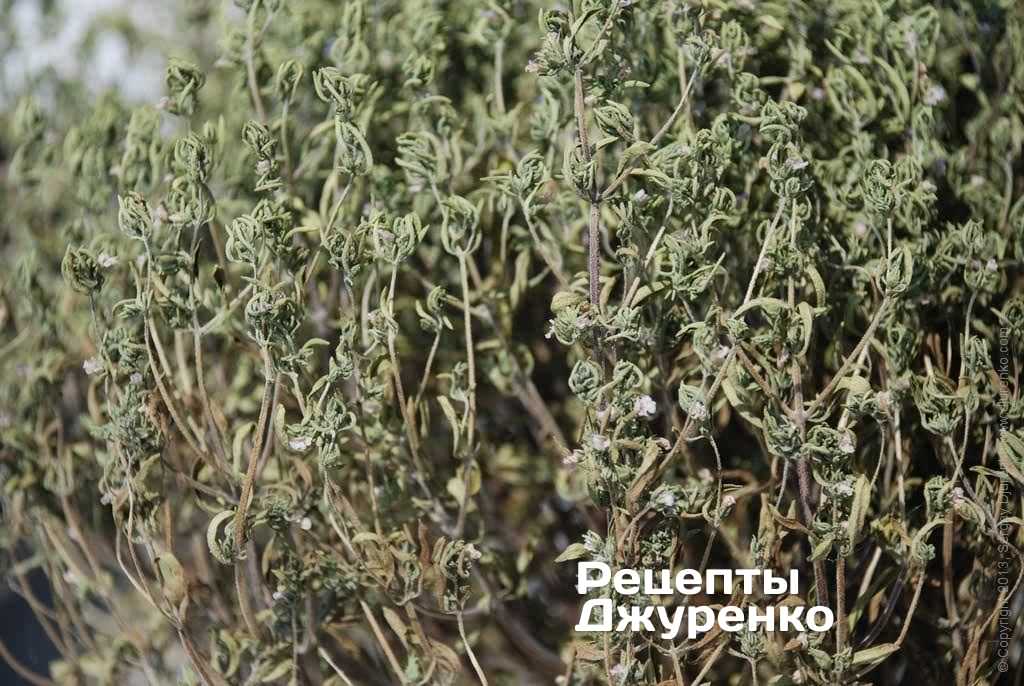
Savory is an ordinary garden or wild annual plant. You simply sow it, like dill, and it grows all over the vegetable garden. The bushes are low, up to half a meter, with short, narrow leaves and tiny flowers. It is completely undemanding about growing conditions, although gardeners say that the better the soil, the stronger the aroma.
Of the more than thirty species of savory, the garden and mountain kinds are the ones of culinary interest. They contain plenty of essential oil, which gives the spice its aroma and flavor. Remarkably, the aroma is much stronger when dried than fresh.
Bulgarian spice blends are unthinkable without chubritsa, first of all sharena sol, or “colored salt”. It is a mix of ordinary salt, dried ground savory, fenugreek, paprika and a few other additions. Its strong spicy aroma makes sharena sol a very refined seasoning. I, for example, love adding it to minced meat for patties.
Without chubritsa you cannot make Bulgarian moussaka, an exceptionally tasty meat dish that resembles a meat and potato pie, sometimes made with eggplant. The same goes for Bulgarian kebabche, made from pork and beef with this favorite seasoning. It is a real hit of Bulgarian cuisine.
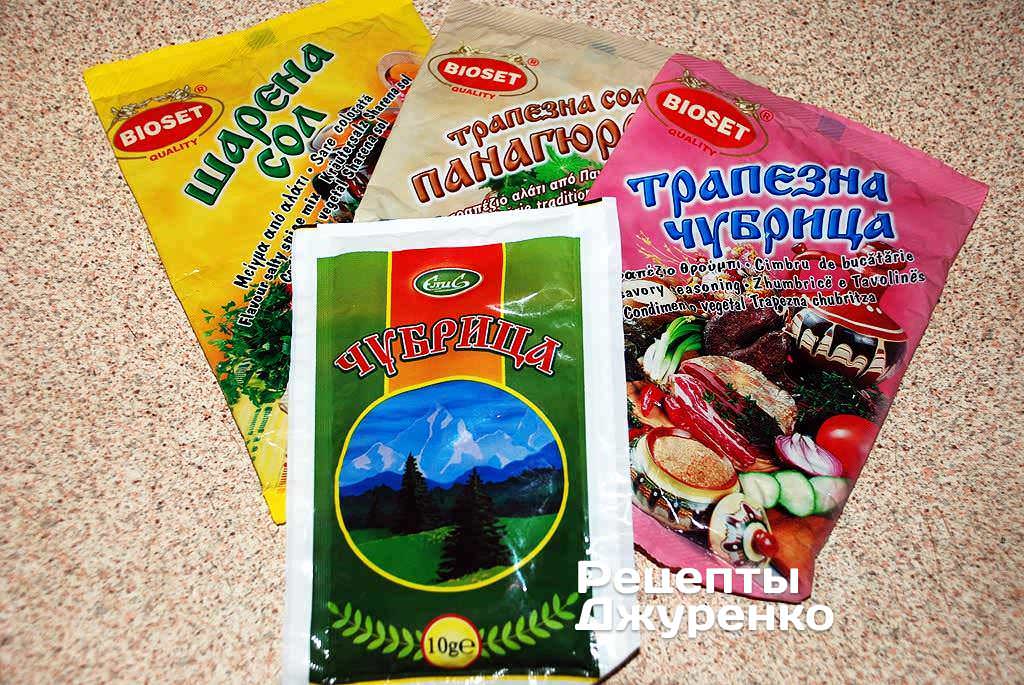
In any decent restaurant or bistro, instead of the usual ground black pepper, the tables hold shakers of “table chubritsa”, a mix of savory and salt. By the way, I know many people who have become chubritsa fans, and to this day the best present from Bulgaria is not a fridge magnet but a packet of the dried spice.
Ingredients
20 g
- Savory (chubritsa) to taste
- Salt to taste
- Red paprika to taste
- Hot red pepper to taste
- Fenugreek to taste
- Other spices (roasted corn, pumpkin seeds) to taste


Step-by-step recipe
Drying and sorting the leaves
We usually buy lots of packets of ready dried savory, which cost very little, and give them to all our friends who understand why. Lately, since the spice has appeared in packets in our shops, the number of orders has dropped. But as they say, it would be a sin to turn down gifts.
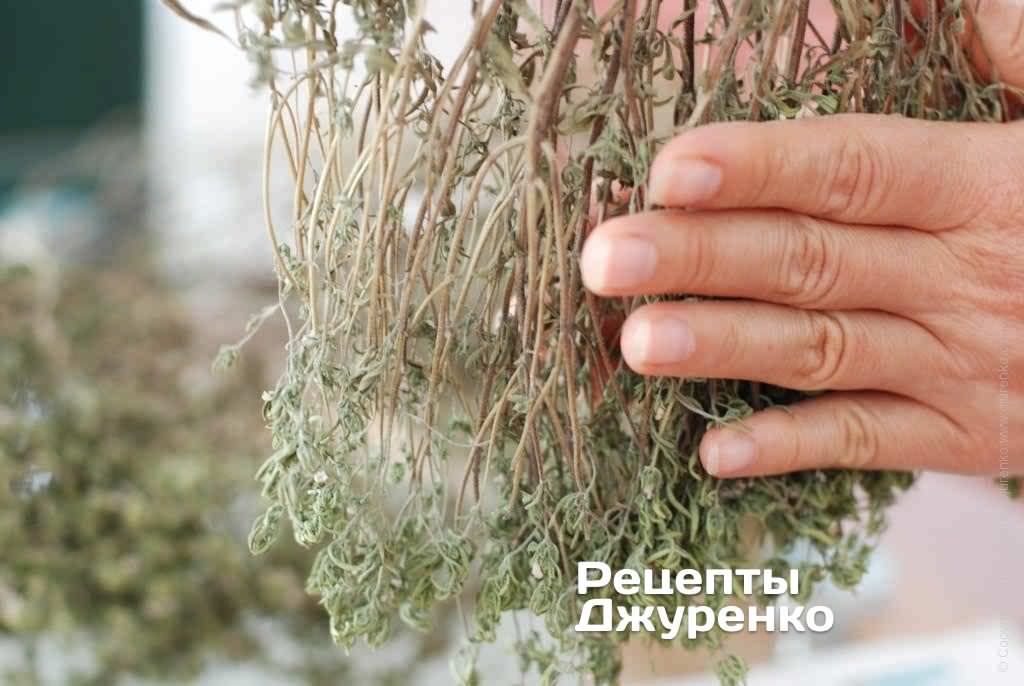
This year our Bulgarian friends, knowing how much we love savory, gave us a royal present: a bundle of dried bushes of the plant, grown in their parents’ vegetable garden. The instructions said to dry them a little more in the sun, since they were still slightly damp, and then strip off all the leaves.
Put the bushes out in the sun to dry a little more, since they are still slightly damp. It was quite hot in Bulgaria at the end of August, so this was easy.
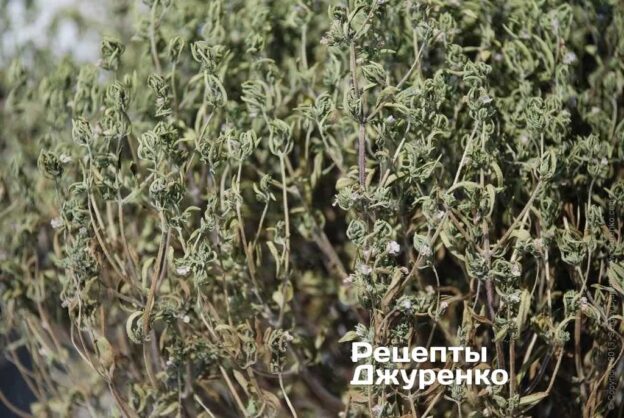
Carefully strip all the leaves onto a spread-out newspaper.
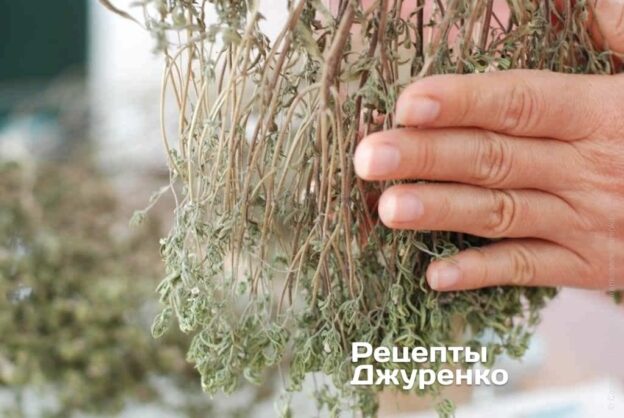
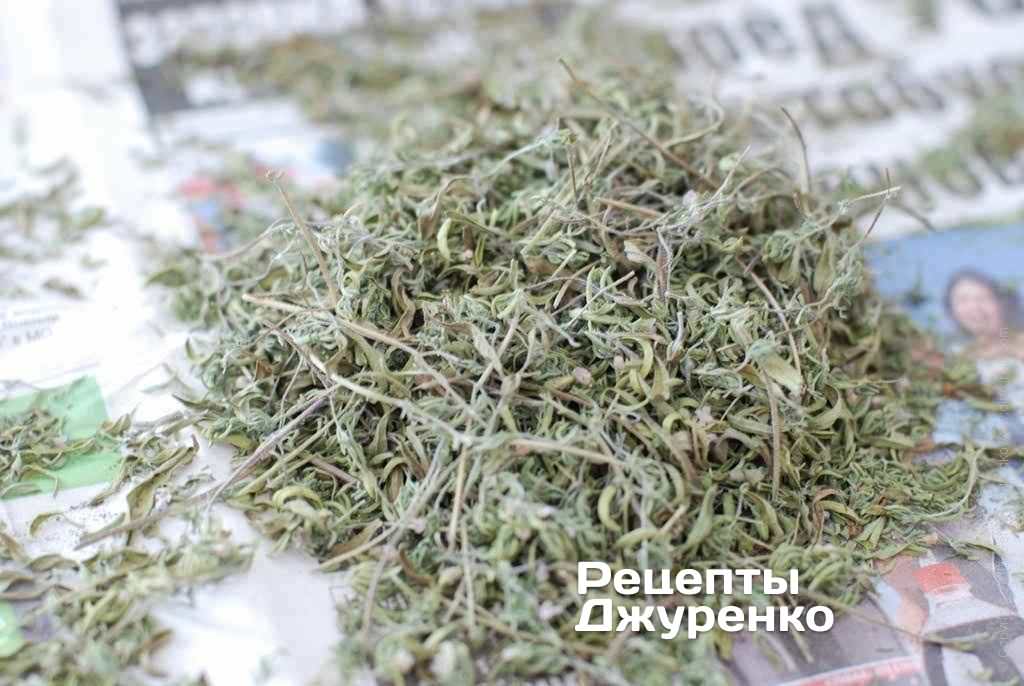
Clean the stripped leaves of leftover stems, which is a bit laborious. The stems are coarse and sharp, so you just have to go through everything by hand, separating the sticks from the leaves.
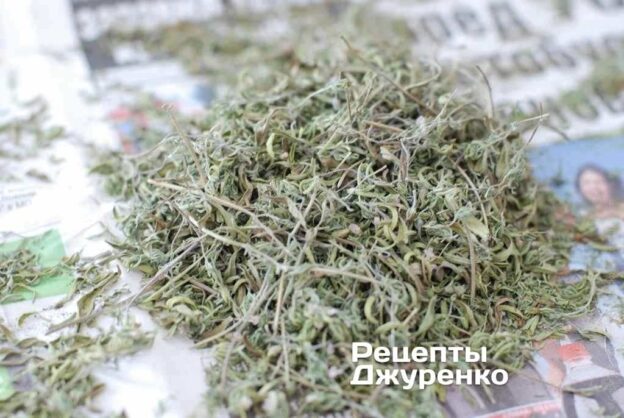
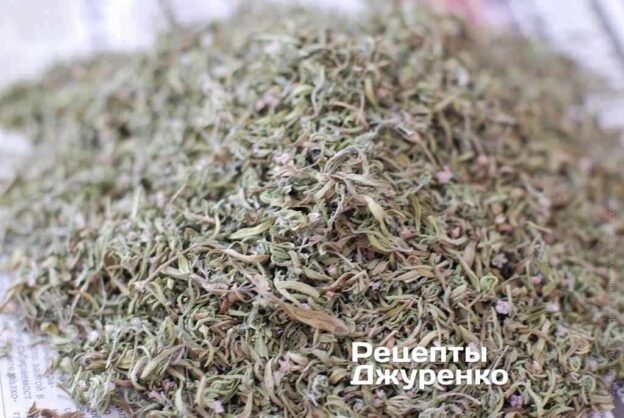
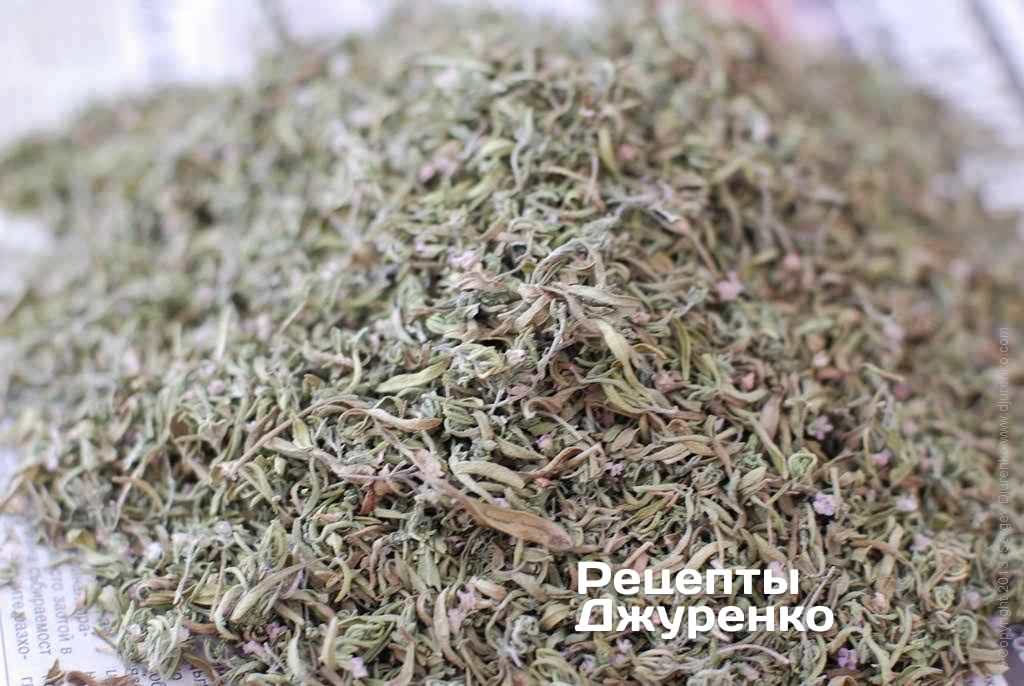
We ended up with a fairly large heap of dry leaves with a very strong aroma that tickled the nostrils and made our mouths water. It even made us hungry. In fact we had got pure spice, the same one we bring from Bulgaria year after year.
Adding it to dishes
Once home, the first thing we made was moussaka. Savory is a very aromatic spice, so it should be added carefully. Books recommend 0.2-0.6 g of the seasoning per serving. That is quite vague and arbitrary. We add it to taste.
Rub a pinch of the dry spice between your fingers to crush it, then stir it into the dish.
Taste and add more until you are satisfied with the flavor. It is worth saying that moussaka or kebabche should have a distinct spice flavor, which is important.
Sharena sol
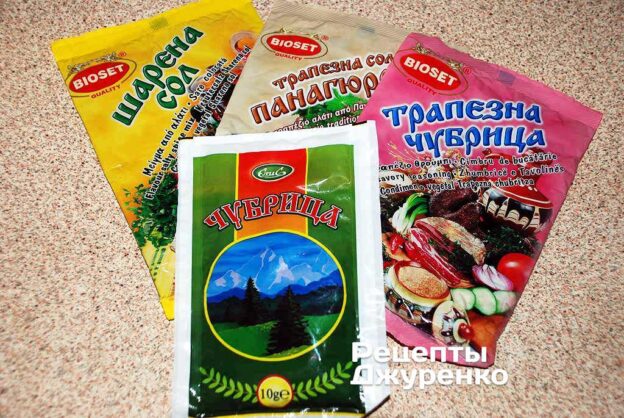
Part of the seasoning we brought back we naturally gave to friends. Some we kept as it is, and some we added to the blends we use for cooking. We also bring back a few ready-made blends.
Sharena sol usually consists of 5-6 components. It contains ordinary cooking salt, dried chubritsa, sweet or hot red pepper, and a rather unusual spice that is called “smindukh” in Bulgaria. Smindukh is fenugreek, a spice with a strong, even very strong, aroma. It also goes by the name shambala. Crushed roasted corn or pumpkin seeds are sometimes added to sharena sol. There are often other additions too, which differ from region to region.
Pour all the components into a jar in layers, forming a pretty pattern or picture. The proportions are up to you, although there is usually more fenugreek.
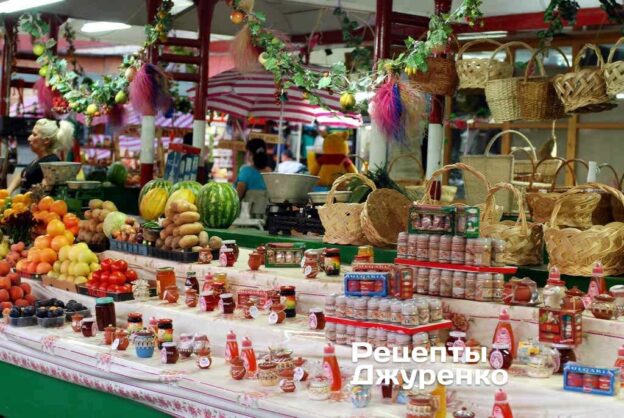
To use it as a seasoning, stir the mixture.
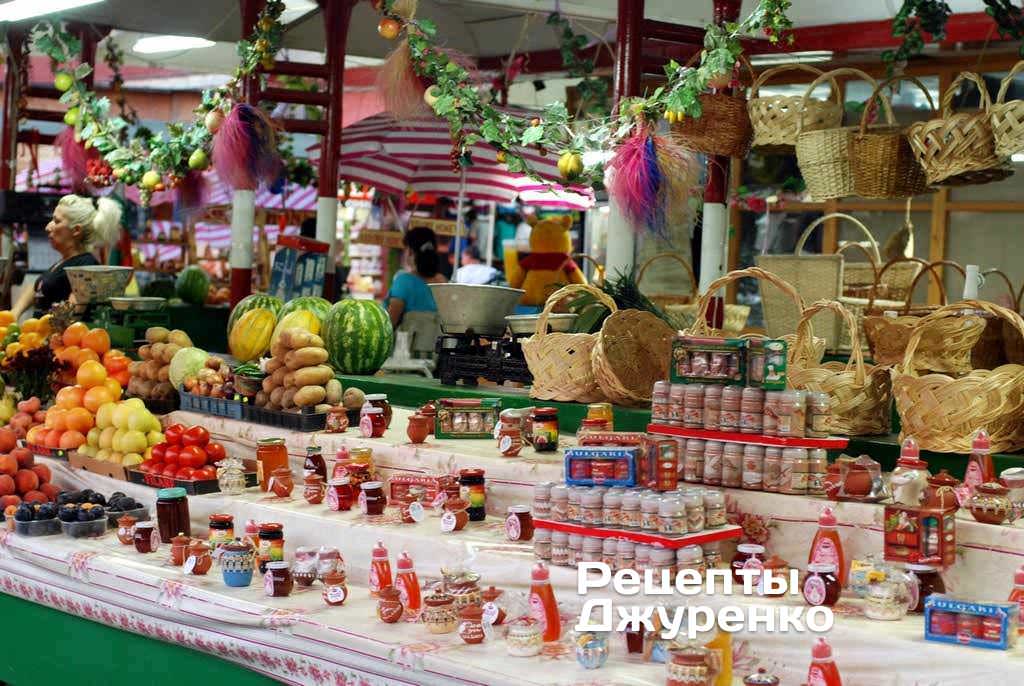
Table chubritsa
Table blends with chubritsa come in a huge variety. It seems the composition varies from one host to another.
Mix dried chubritsa, salt, and paprika or hot pepper. Fenugreek is often added to such blends, and the line between sharena sol and table blends practically disappears.
Serve at the table instead of ordinary ground black pepper. It greatly improves the taste of finished dishes.
Considering that all the ingredients for the blends are available in our shops, try making these spices for yourself. I am sure that even ordinary homemade patties will take on a completely different taste, and you will love it. Just don’t forget the main rule: don’t overdo it, everything is good in moderation.

How did you like this recipe?
Rate it with one tap.