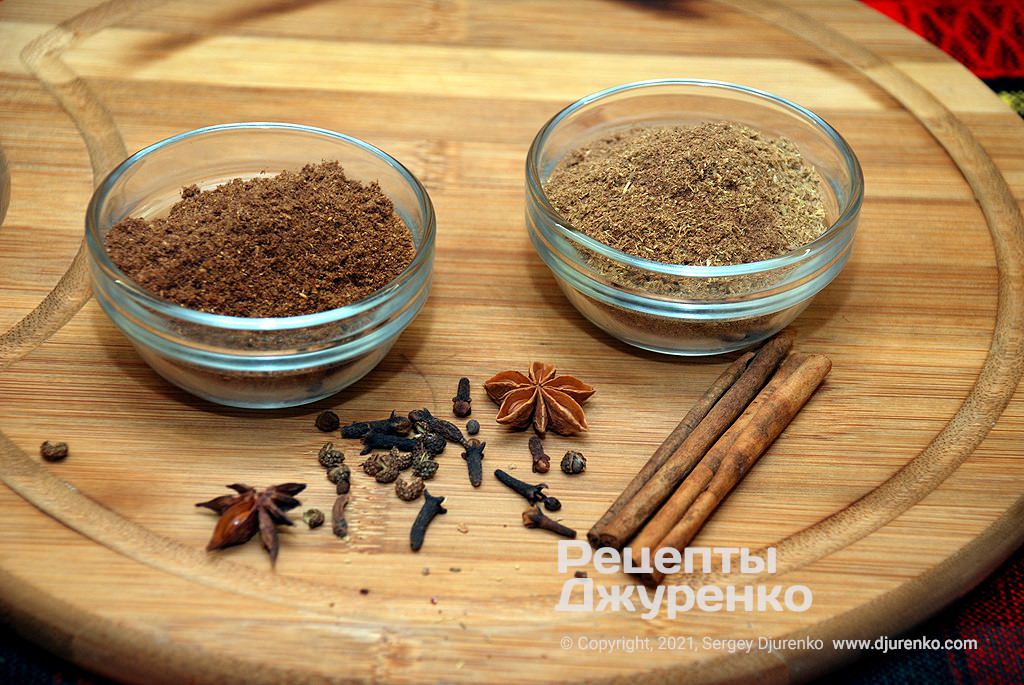
Wuxiangmian: Chinese Five-Spice Blend
Ingredients
65-95 g
For the classic version
- Cinnamon 15 g
- Star anise 15 g
- Sichuan pepper 15 g
- Fennel seeds 15 g
- Cloves 5-15 g
For the “everyday” version
- Star anise 15 g
- Dill seeds 20 g
- Cinnamon 15 g
- Cloves 2-10 g
- Licorice (root) 30 g
For the “simplified” version
- Cassia 50 g
- Anise 20 g
- Caraway 5 g
- Cloves 1-5 g
- Licorice (root) 15 g
- Ground Sichuan pepper a little, optional
Step-by-step recipe
Making the “classic” wuxiangmian
Like any spice blend, wuxiangmian should be made in small amounts and stored so it doesn’t lose its qualities. It is always better to make a fresh blend, which is quick and easy. By the way, all the ingredients can be bought in large supermarkets, which surprised even me. You will need a frying pan, a coffee grinder or spice mortar, a tea strainer and a large bowl for mixing. Prepare an airtight container for the spices right away.
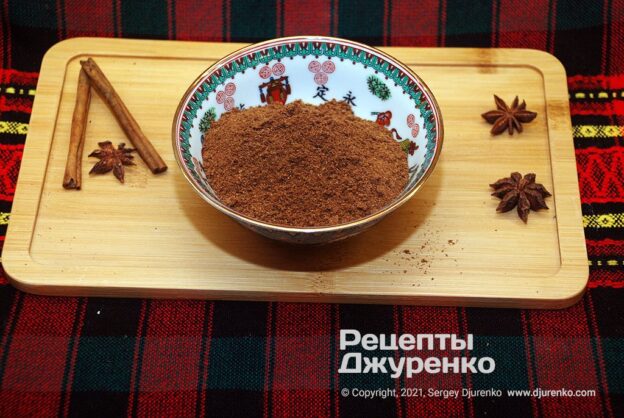
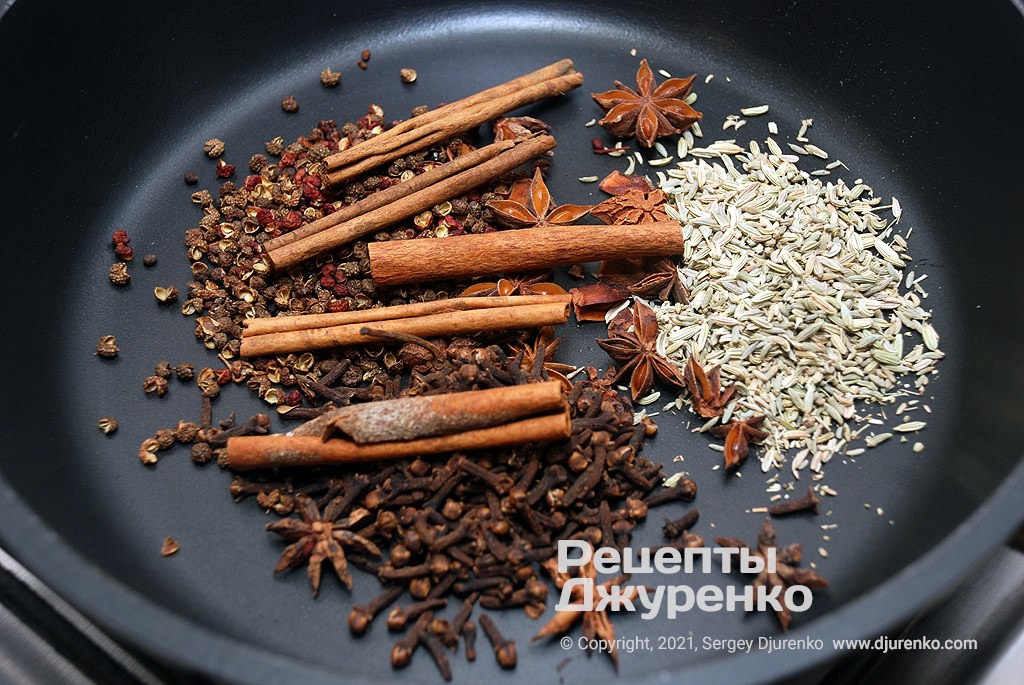
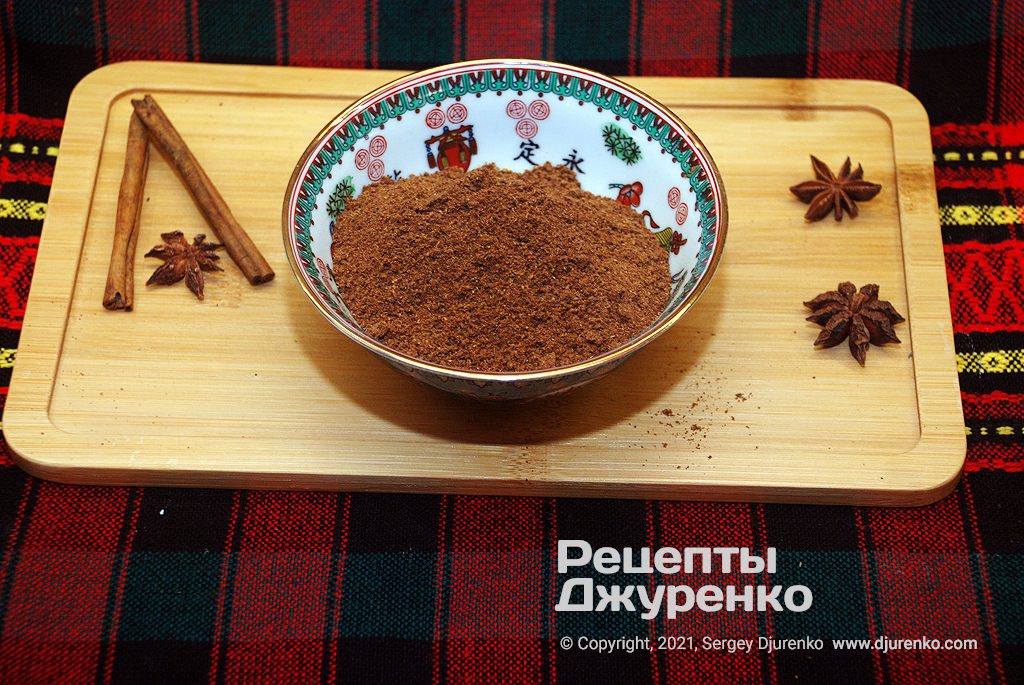
The blend always contains five ingredients. The classic blend is considered to be equal parts of Sichuan pepper, cinnamon, cloves, fennel seeds and star anise. It turns out very fragrant and dark. It tastes distinctly spicy but not hot. You can taste the Sichuan pepper, which you can’t mistake for anything else. By the way, this is exactly the blend we use to cook chicken with peanuts Gong Bao style, one of the tastiest dishes of Sichuan cuisine.
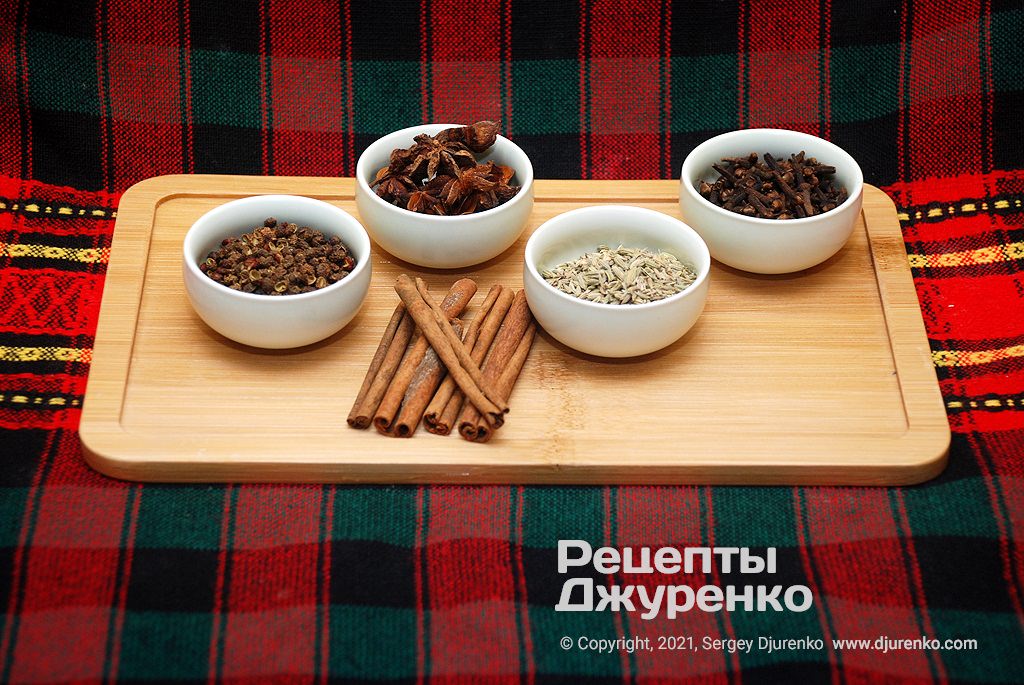
Measure out equal parts of all the ingredients. If you buy spices in small packets, the weight is always printed on them, usually 15-20 g. Be careful with cloves, a very aromatic spice. Adjust the amount yourself (5-15 g) or use only the top bud.
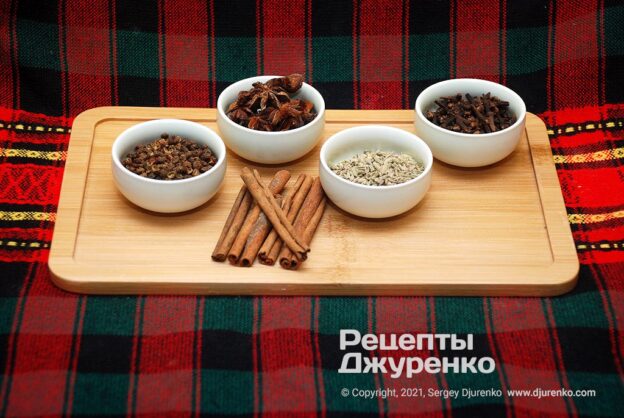
Note that what is most often sold are sticks not of true cinnamon but of cassia, a cheap substitute. Cinnamon bark is thin and rolled up like a scroll, which looks like a snail in cross-section. Cassia is thicker and simply rolled into a tube. Ground cinnamon is almost certainly either plain cassia or a mix.
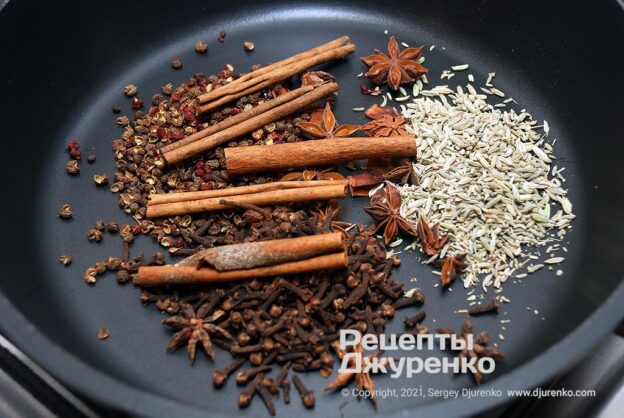
Warm all the prepared spices in a dry hot frying pan over medium heat. Important: don’t fry or burn them, just warm them until an intense aroma appears. Stir the spices as they heat and don’t let them overheat. As soon as you smell a distinct aroma, that’s enough, so tip them right away into a mortar or coffee grinder. If for some reason you use already ground spices (cinnamon, for example), better not to warm them.
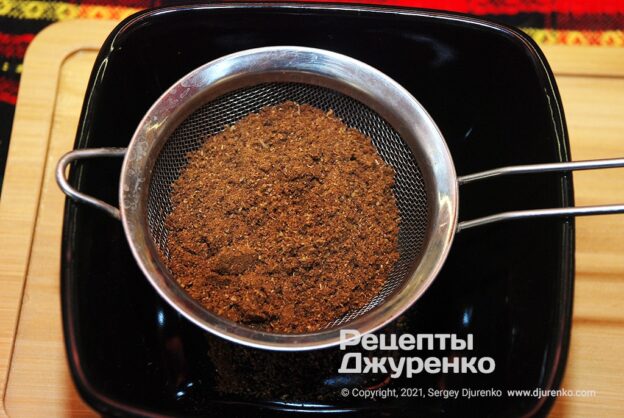
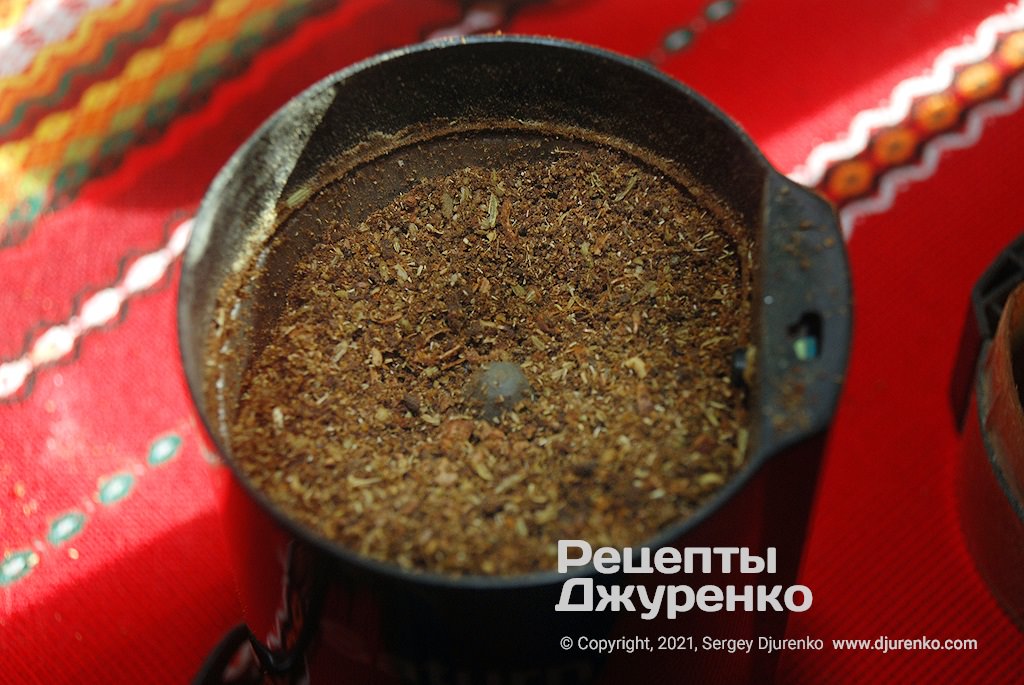
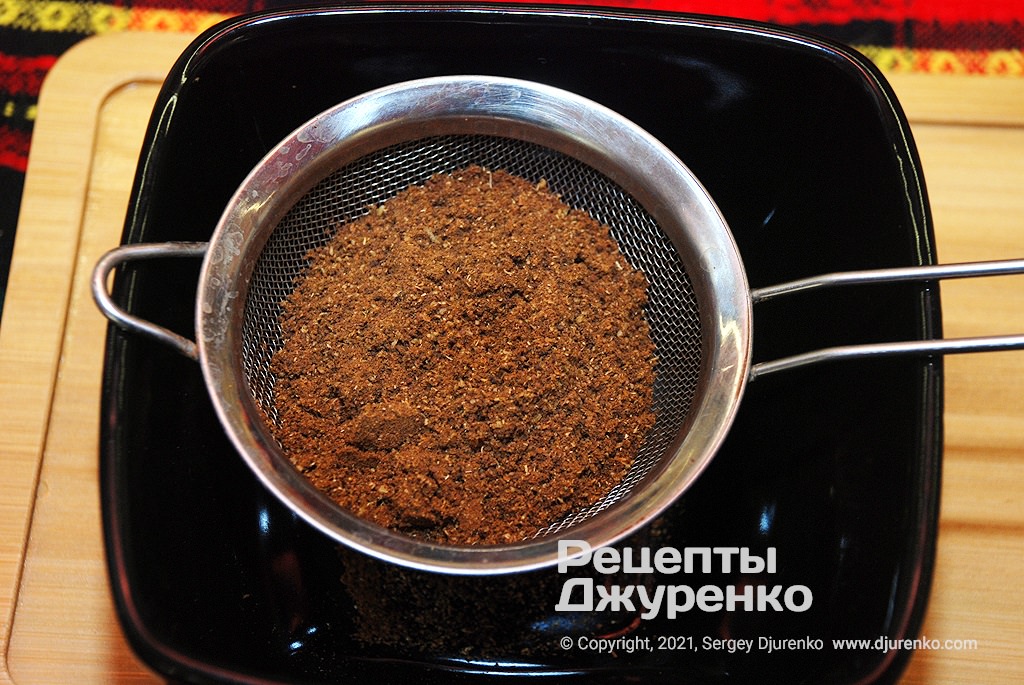
Grind all the spices with a mortar or coffee grinder and be sure to sift the powdered blend through a tea strainer.
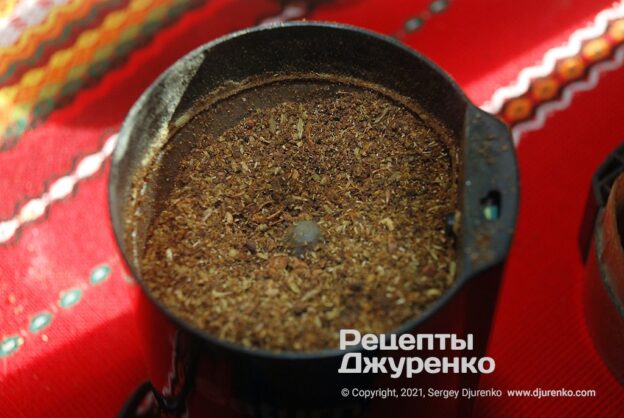
Some time ago I bought an inexpensive coffee grinder and use it only for spices. It makes grinding coriander or the ingredients of spice blends for meat, or fenugreek seeds, easy.
Sifting is needed because small stones and unground bits of plants can turn up. Sichuan pepper is the husk of the fruit of a tree of the genus Zanthoxylum (prickly ash), and parts of stalks and even twigs can remain on it.
Mix the wuxiangmian thoroughly in the bowl and right away transfer it to an airtight jar, or at least a plastic bag.
The “everyday” version: simpler and more common
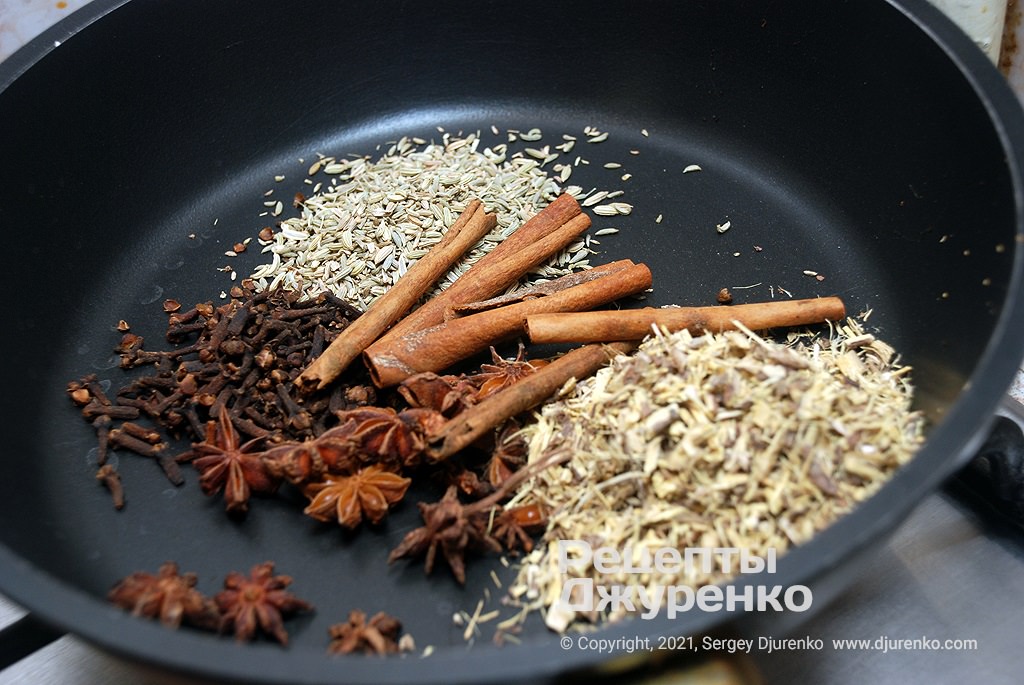
Since Sichuan pepper is not as easy to find outside China as one would like, a more delicate version of the five-spice blend, wuxiangmian, is common around the world. It uses licorice root. It gives the blend an almost tender aroma and a flavor reminiscent of the cough medicine everyone knows from childhood.
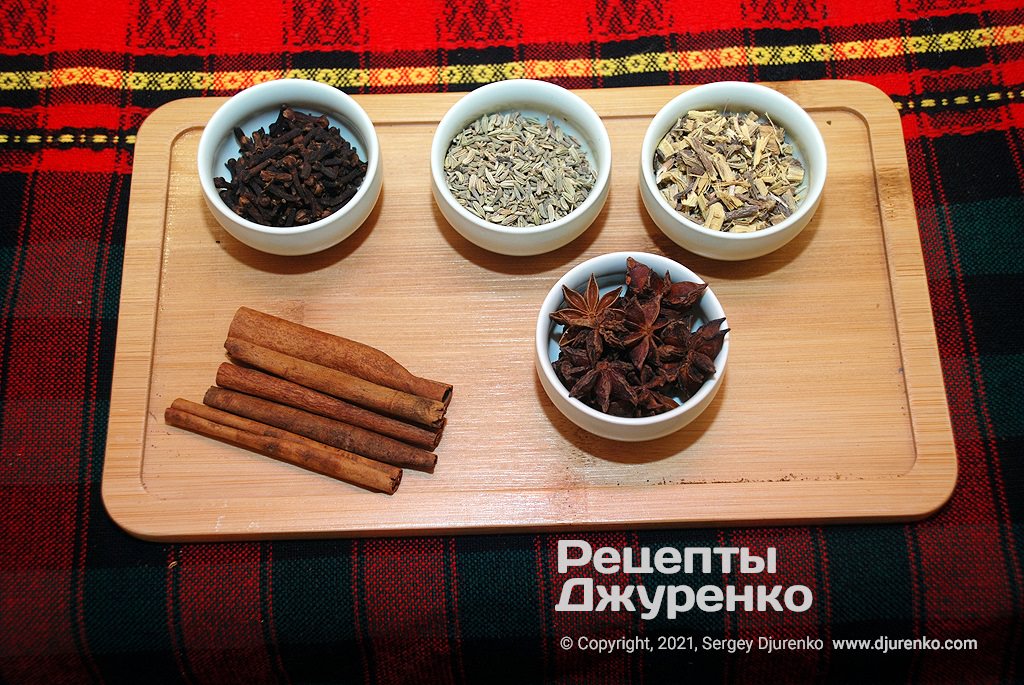
Carefully warm all the ingredients, grind to a powder, sift and mix, exactly as for the classic blend.
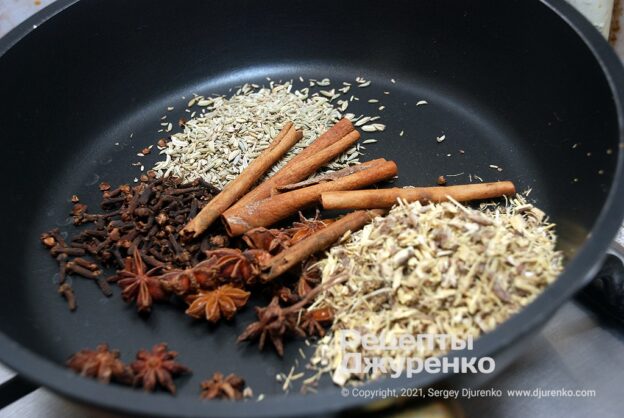
The seasoning turns out lighter, almost olive-colored, a little “fluffy”, with a sweet aroma that comes from the licorice. To be honest, I like this version more, and a similar blend was brought to us from mainland China. It goes perfectly with salads, chicken and buckwheat.
How to make the simplified wuxiangmian
You can make this blend if you have no star anise, true cinnamon or fennel. Anise and dill seeds, ground cinnamon from cheap cassia, and caraway are usually always on sale. Sichuan pepper can generally be found too. The blend turns out quite similar and even special, so it has a right to exist.
Warm, grind and sift the ingredients, with the same technique. Don’t warm cassia that is already ground, or other ground spices. If you can, add a little ground Sichuan pepper.
How to use and store wuxiangmian
Store the blend in an airtight container, a jar or box. Keep it in a dark, dry place at room temperature.
Flavor meat dishes, salads, side dishes and the filling for Chinese dumplings, jiaozi. The classic blend smells very strong and goes well with fatty meat. We also use it in various grain dishes, especially for breakfast, and it’s delicious to add a little to bulgur with vegetables. You can make a tasty, exotic marinade with this blend. They say seafood turns out divine if you add a pinch of five-spice.
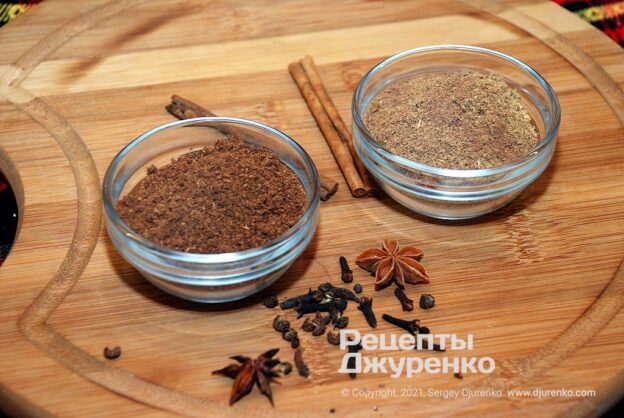
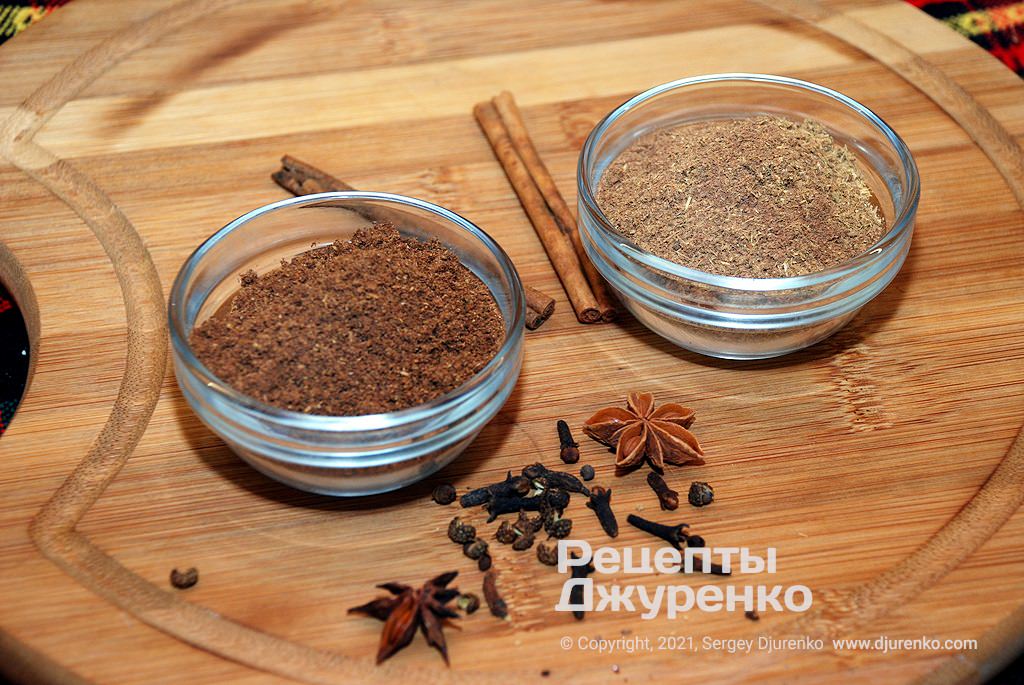
Original recipes often use other ingredients and change the proportions a lot. It’s not rare to use not whole cloves but only the flower, the little ball on top, since it holds most of the essential oils. Star anise is often replaced with seeds of ordinary anise, which is cheaper and easier to find. Cinnamon and cassia are generally interchangeable.
Calories and macros
226 kcal
100 g
- Protein5.8 g13% of kcal
- Fat6.6 g34% of kcal
- Carbs22.6 g52% of kcal
Calculated from the recipe ingredients, excluding salt and spices. Data: USDA and Matvaretabellen.