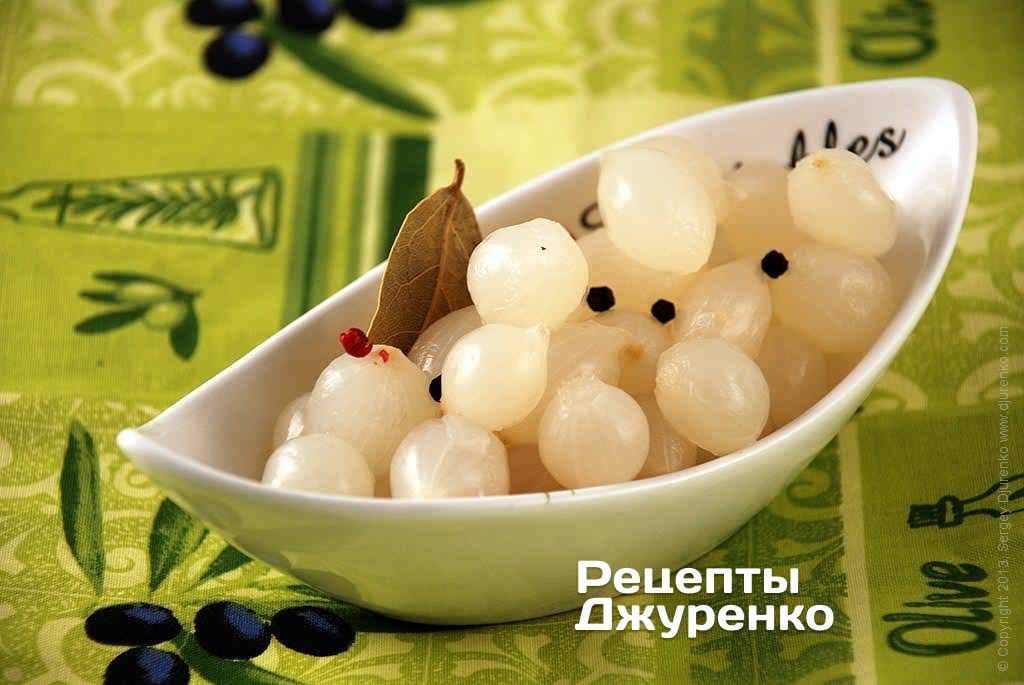
Pickled Pearl Onions: Step-by-Step Recipe for Jars
Many cuisines of the Mediterranean make wide use of different kinds of onion. The very plant that has surely made plenty of us cry. So why do onions make you cry?
When you cut an onion, you damage its cells, and the substances inside them (sulfenic acids) evaporate. They get into your eyes and nose, and there come the tears. Back when I was a kid, my grandmother taught me to peel onions under water. That way the pungent irritants don't evaporate. And it actually helps.
Today onions are used in every cuisine in the world, and the variety is simply amazing. The familiar yellow onion — shaped a bit like a turnip — is the best known of them all, and most soups and main courses can't do without it. French onion soup (gratinée à l'oignon), where onion is the star, is a masterpiece of world cooking. Green onions, or rather the “feathers” — the green shoots of onions grown from seed or from a sprouted bulb — go into salads, soups and main courses. Herring with green onions is the perfect snack to go with strong drinks.
People have been eating onions for thousands of years. The ancient Egyptians ate them too. There are even historical records saying the pyramid builders were fed onions. Onions also had a ritual meaning.
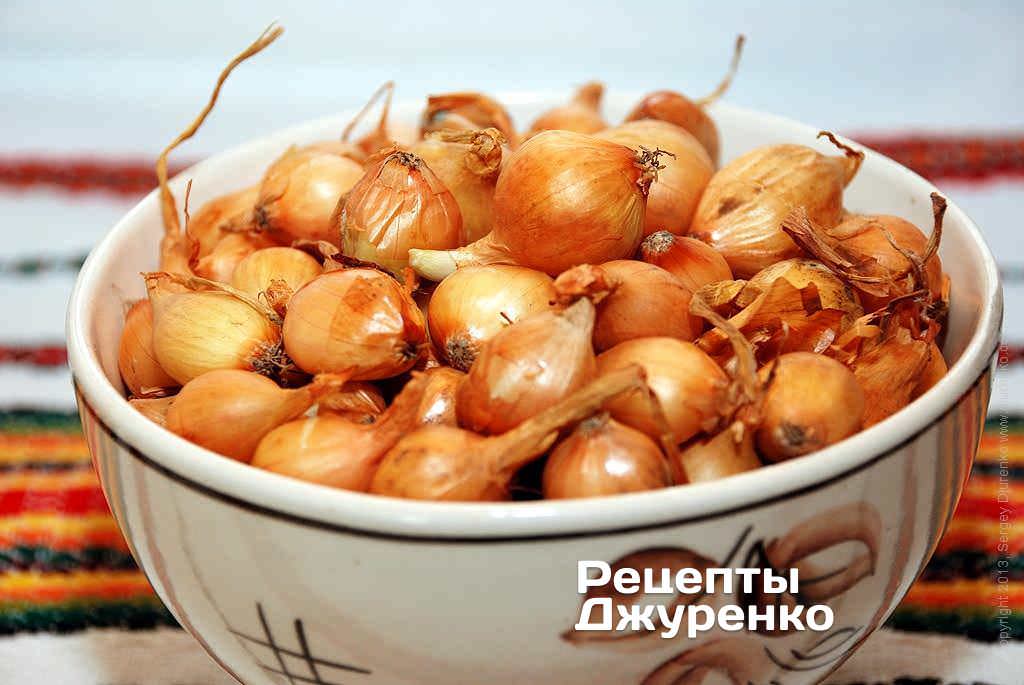
Small onions are very widely used in cooking. Most often this isn't a separate variety but a small bulb that forms in the first year of growing, known as onion sets. These onions are an essential part of Greek stifado — meat (veal or rabbit) stewed with small onions — or rabbit in wine. Italian pizza is often made with small onions, and pickled ones at that. In Bulgarian cuisine small onions, “arpadzhik”, are a fairly common ingredient. These onions keep well over winter if they haven't been planted as a winter crop. In spring they get planted to grow into full-size onions by autumn. And whatever is left over has to be pickled so it doesn't dry out or spoil.
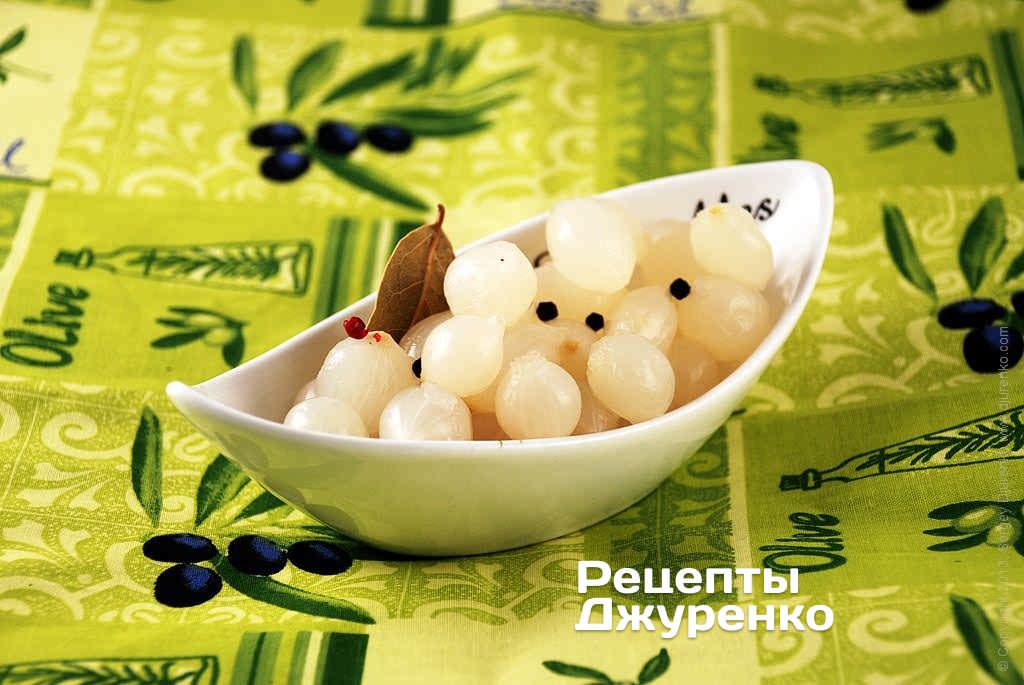
Pickled onions keep for a long time without spoiling, and they're great for cooking or salads, as well as a side dish on their own.
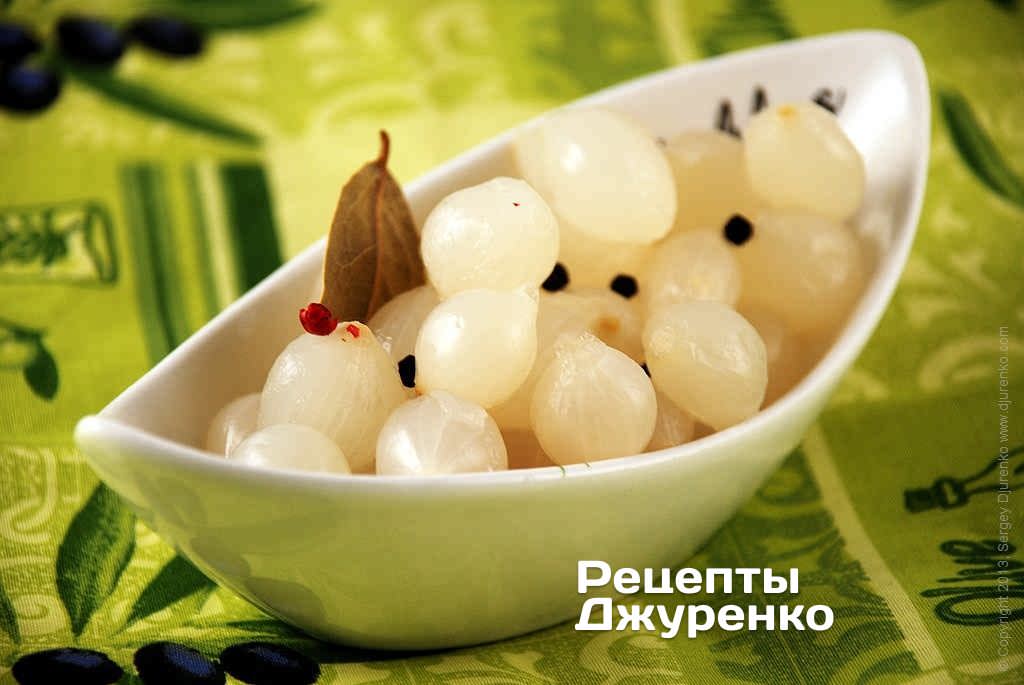
Ingredients
2 jars of 350 ml
- Small onion sets 0.5 kg
- White or wine vinegar 100 ml
- Lemon 0.5
- Salt, black peppercorns, bay leaf, sugar to taste
Step-by-step recipe
- Quick pickled onions for a salad are very easy to make. I usually slice onions into thin strips or rings. Then I salt them to taste, sprinkle with ground black pepper and add a little sugar. After mixing, once the sugar and salt have partly dissolved, I pour wine vinegar over them. After 15-20 minutes I pour boiling water over the onions together with the marinade. After 5-6 minutes I rinse the onions. They pickle beautifully.
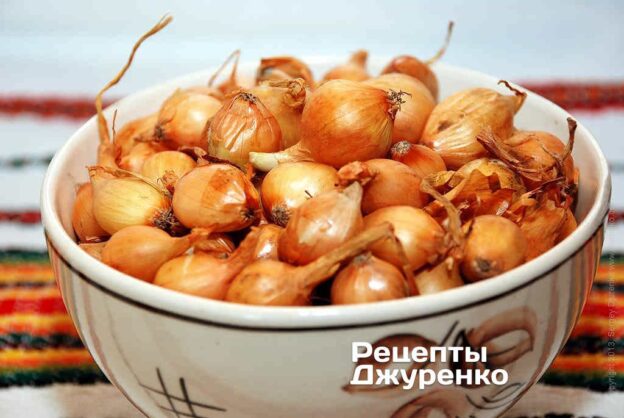
- The main thing when putting up small pickled onions is not to miss the moment. These onions are only sold in late autumn or in spring. As soon as the planting season is over, small onions disappear.
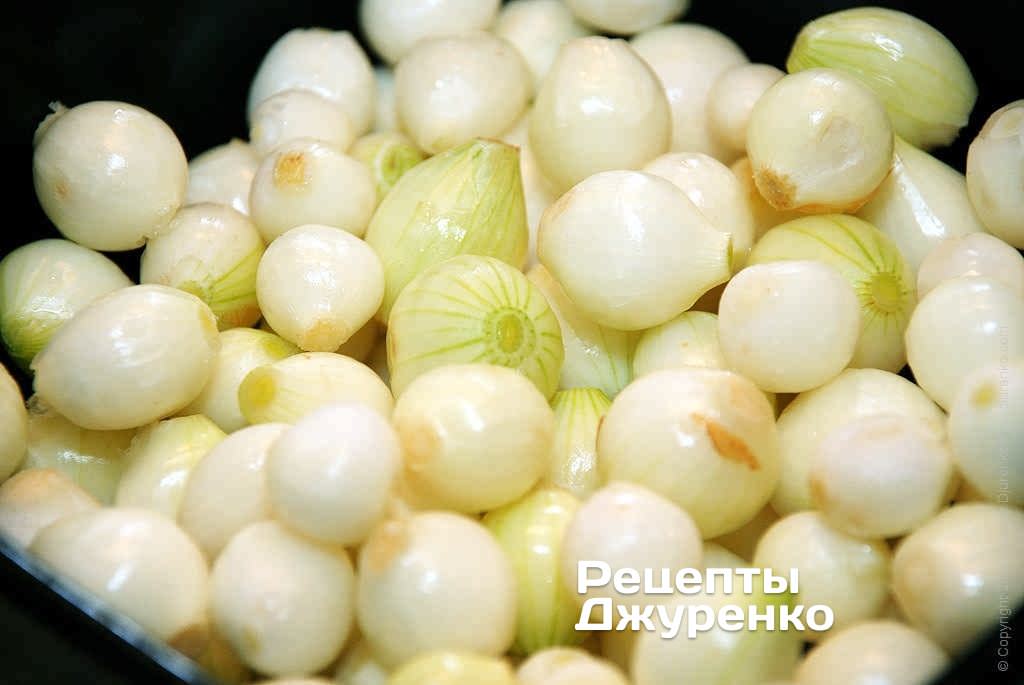
- The onions need to be prepared. Peeling small onions with dried skins is quite tricky: the skins stubbornly refuse to come off the bulbs. To make it painless, soak the onions in cold water for half an hour. Then they peel quickly and easily with a small paring knife. By the way, it's worth peeling them under cold running water. That way there are no tears and no smell. Almost comfortable!
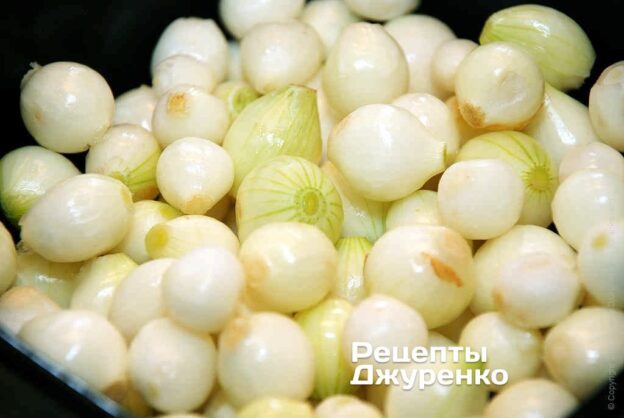
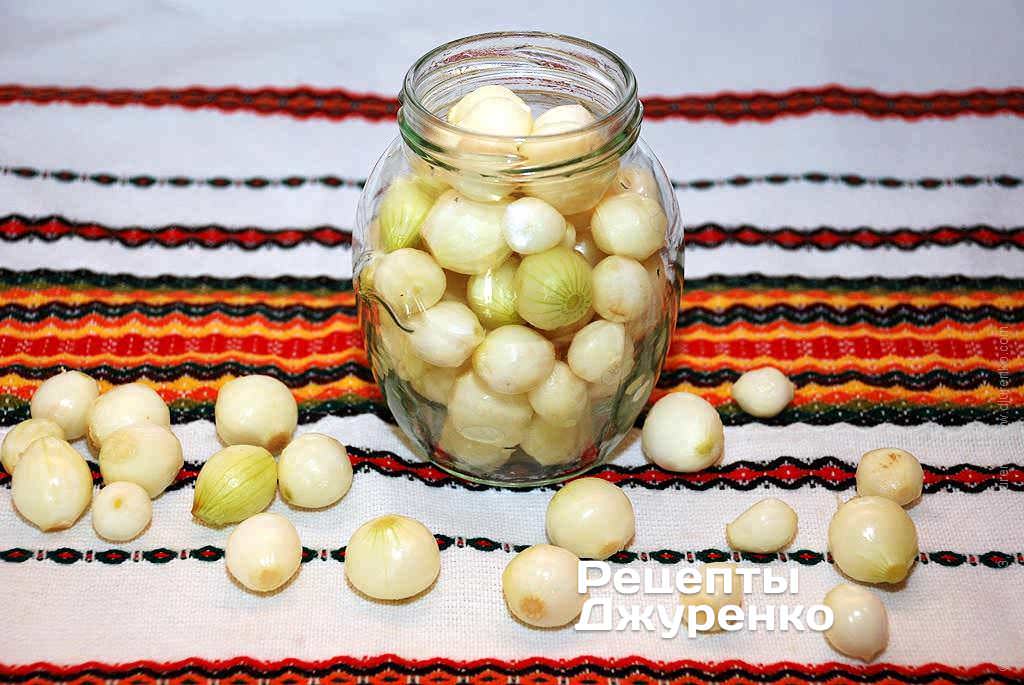
- Get the jars and lids ready in advance so the pickled onions keep all year. First put the peeled onions into the jars to judge the volume. You should have a little more onions than will fit in the jars raw, since they soften a bit when cooked and more will fit in the jar.
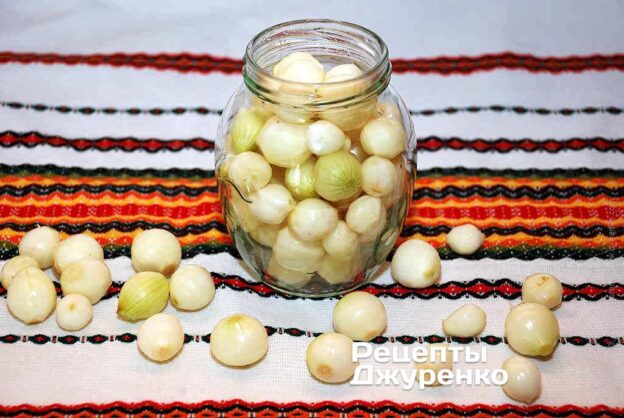
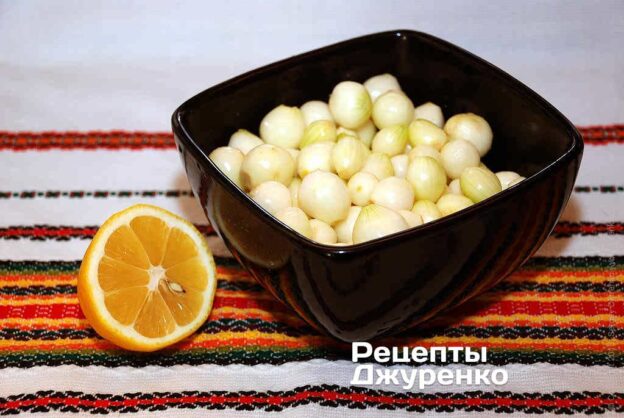
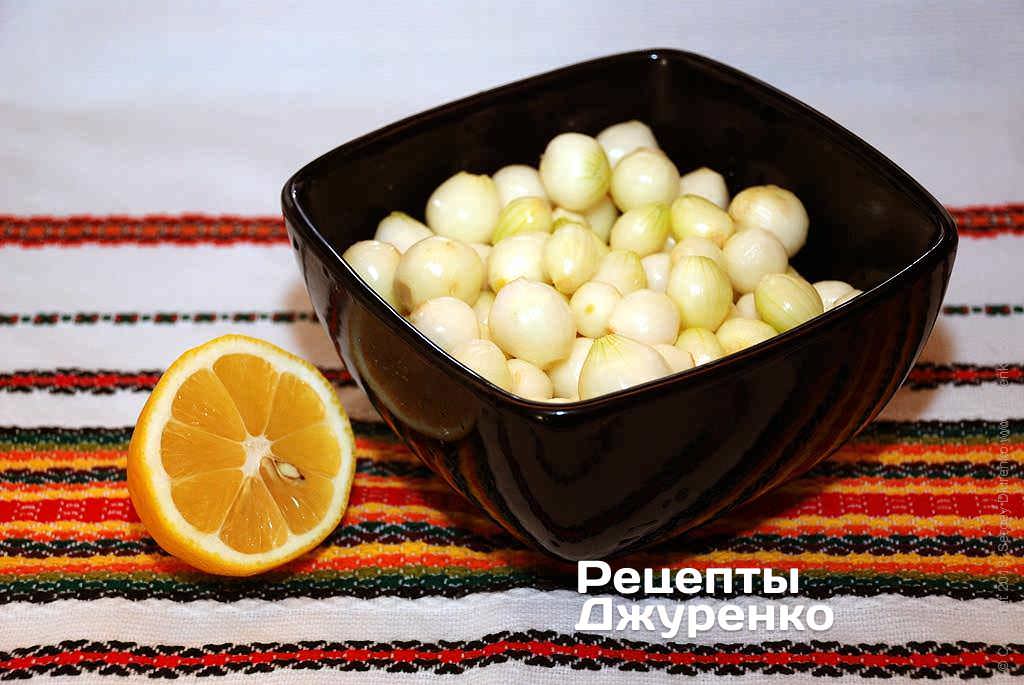
- Wash the peeled onions well, removing any remaining skin. Put the onions in a non-reactive container; a plastic container with a lid is ideal. Pour the juice of half a lemon over them and add 1 heaped tsp of salt. Cover the onions with cold water so the water is level with them. Put the container in the fridge for a preliminary marinating, for exactly one day. During that time the onions soak up the lemon juice and salt. By the way, you can marinate them longer.
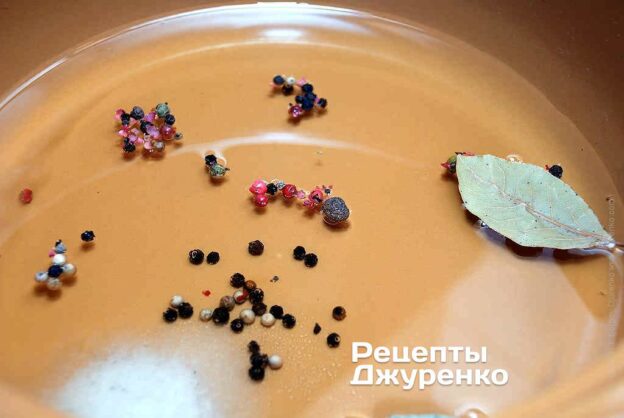
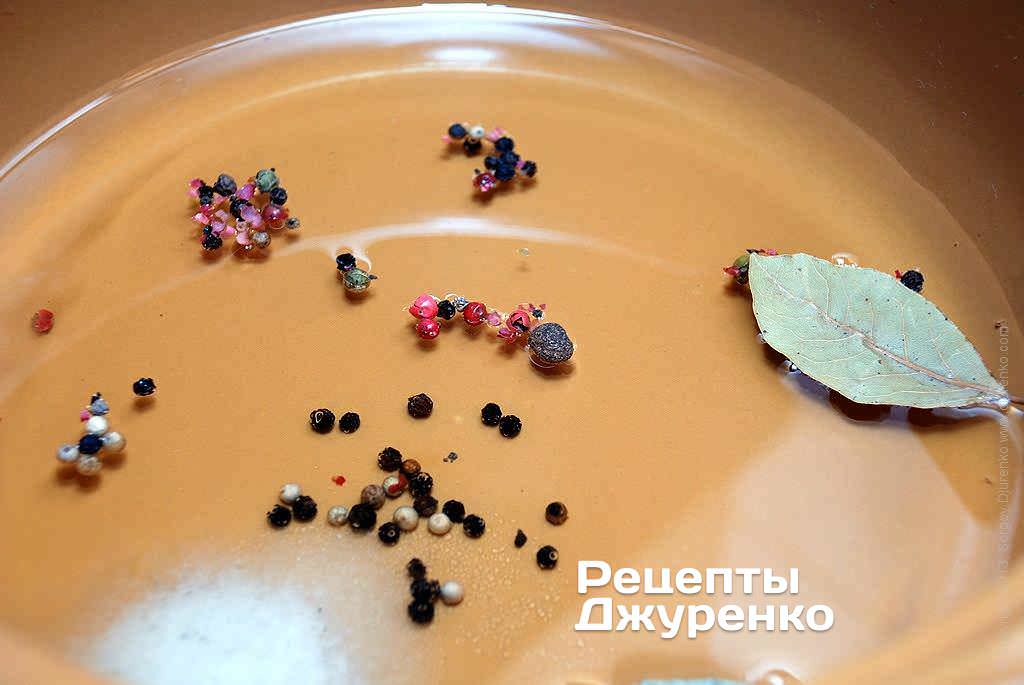
- Pour 1.5 cups of water into a non-reactive pot (ceramic, quartz or enamel), add 0.5 tsp of salt and 1 tsp of sugar. Add 1-2 bay leaves and black peppercorns to taste. Pour in half a cup of vinegar — regular 6% or white wine vinegar. Bring to a boil.
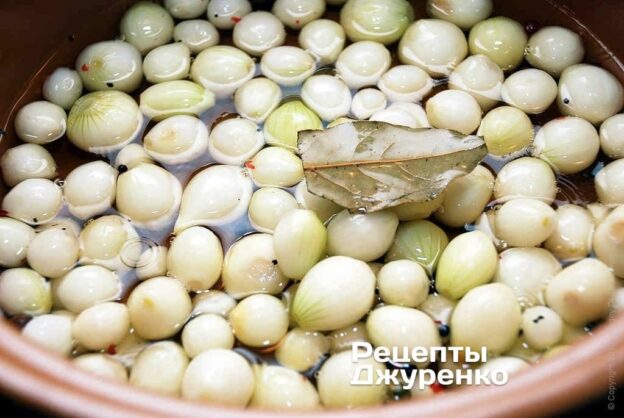
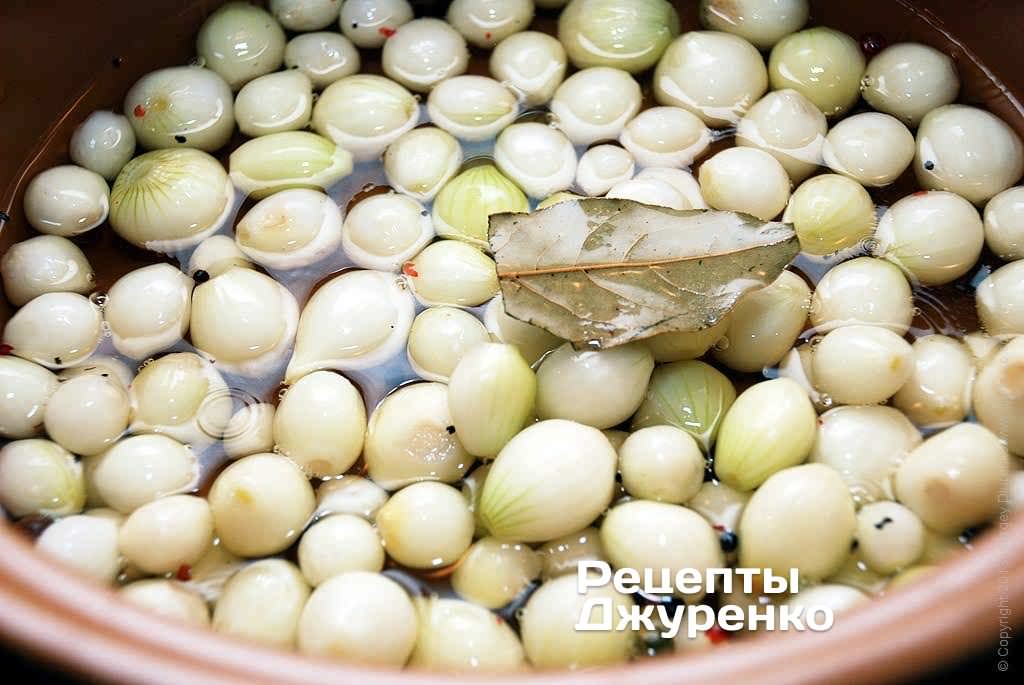
- Take the onions out of the fridge and drain off all the liquid. Drop the onions into the boiling marinade and simmer gently for 7-8 minutes.
- Take care of sterilizing the jars and lids in advance. Small jars, up to 0.5 l, with screw-on lids are very handy. It's enough to wash them with baking soda and pour boiling water over them, taking care that the jars don't crack. For this, my grandmother used to put a metal spoon in the jar before pouring in the boiling water.
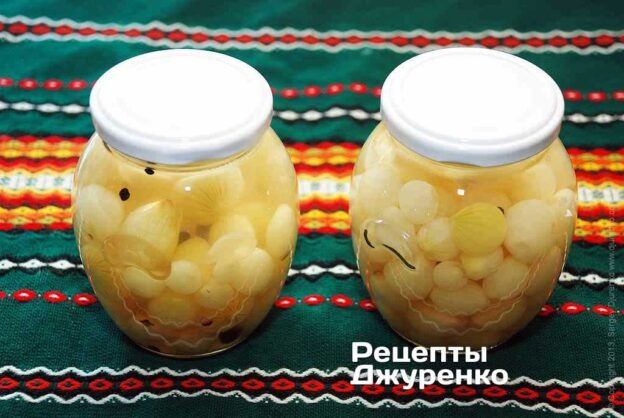
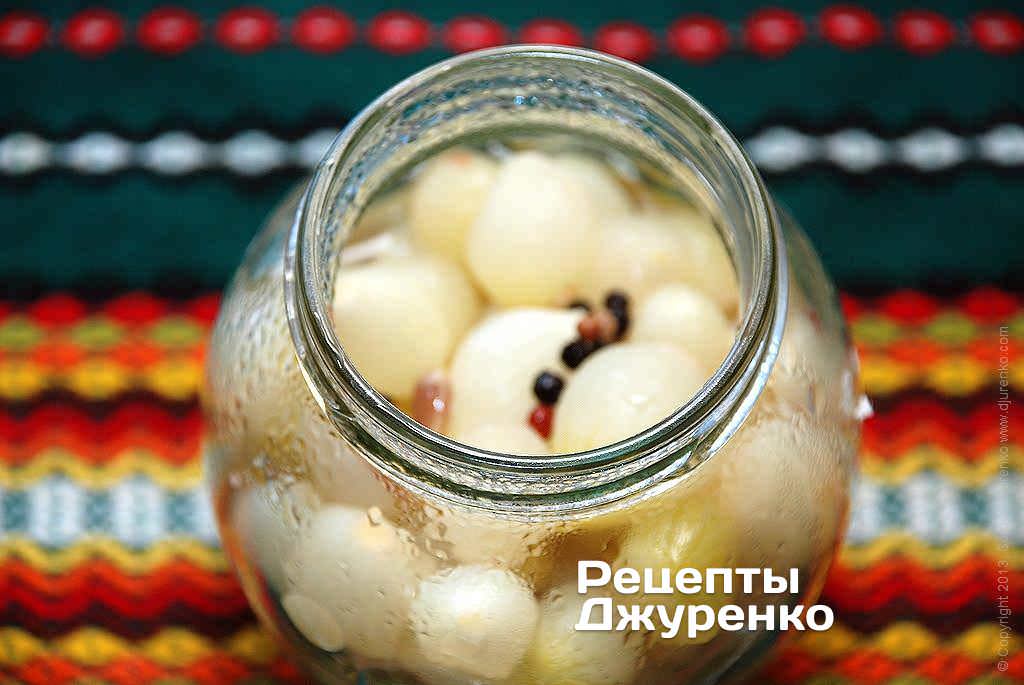
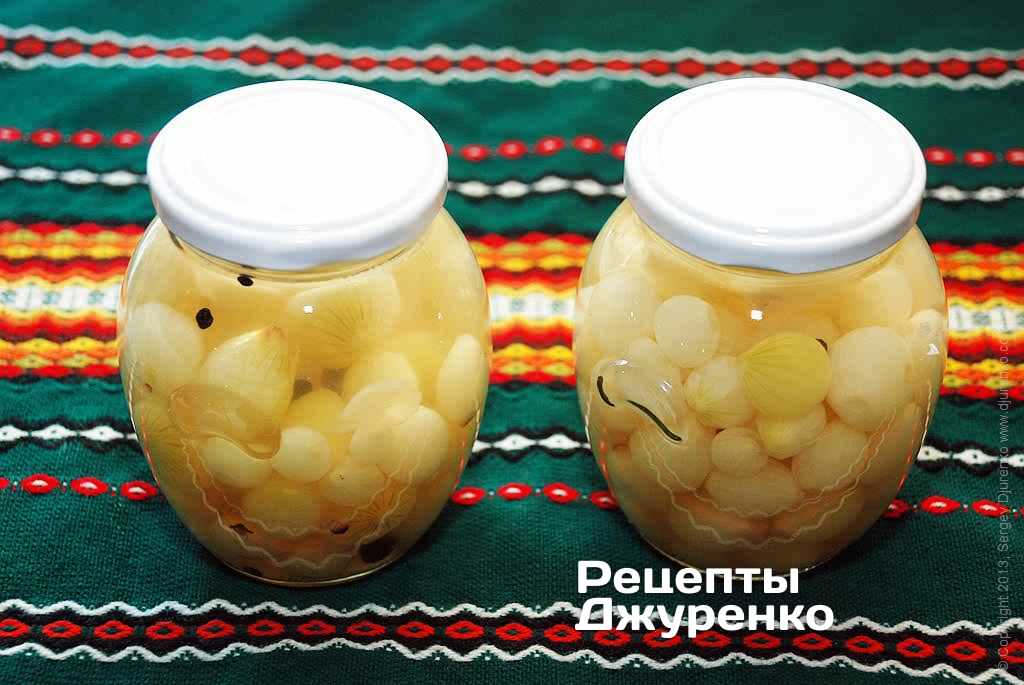
- Spoon the pickled onions into the jars. Whether to discard the bay leaf and peppercorns or add them to the jars is up to you — I kept them. Fill the jars with marinade right up to the neck and close the lids immediately. Turn the jars upside down and leave them under a warm towel or blanket until completely cool.
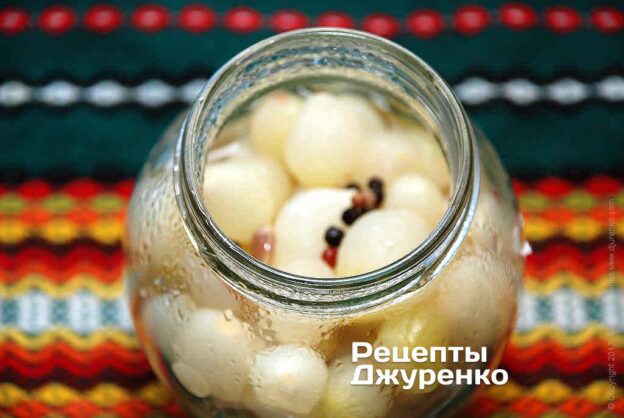
- The jars can be stored in the pantry or in the fridge; they don't take up much space. The pickled onions will be ready to use in a month at the earliest.
- Use pickled onions on pizza or as a side dish on their own.
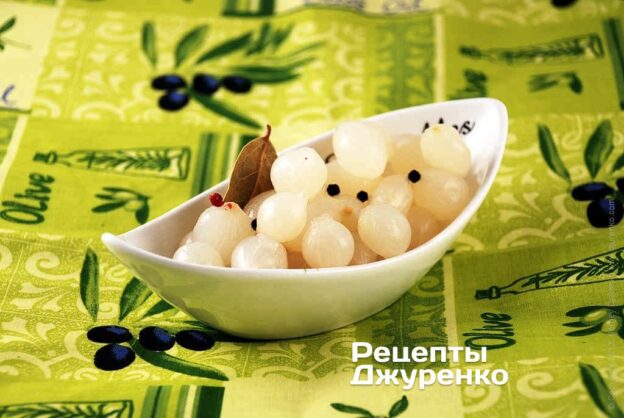
- I've been told that pickled onions go really well with a dry martini. Or make a rabbit stifado.
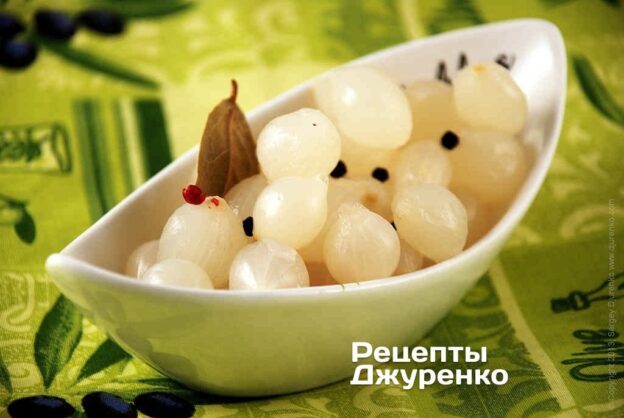
| Yield: | 2 jars of 350 ml |
| Calories: | 30 |
| Prep: | 1 day |
| Cooking: | 20 mins |
| Ready in: | 1 day |
| Category: | Snacks and Sauces |
| Cuisine: | European |
| Rating: |
⭐
⭐
⭐
⭐
⭐
4.3
(10)
|