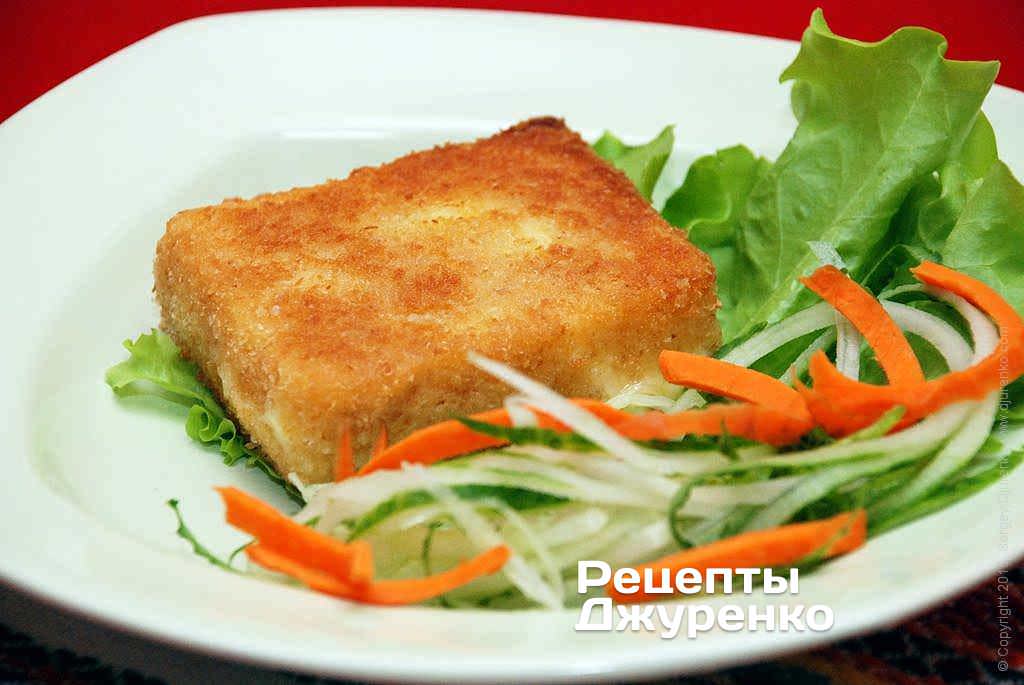
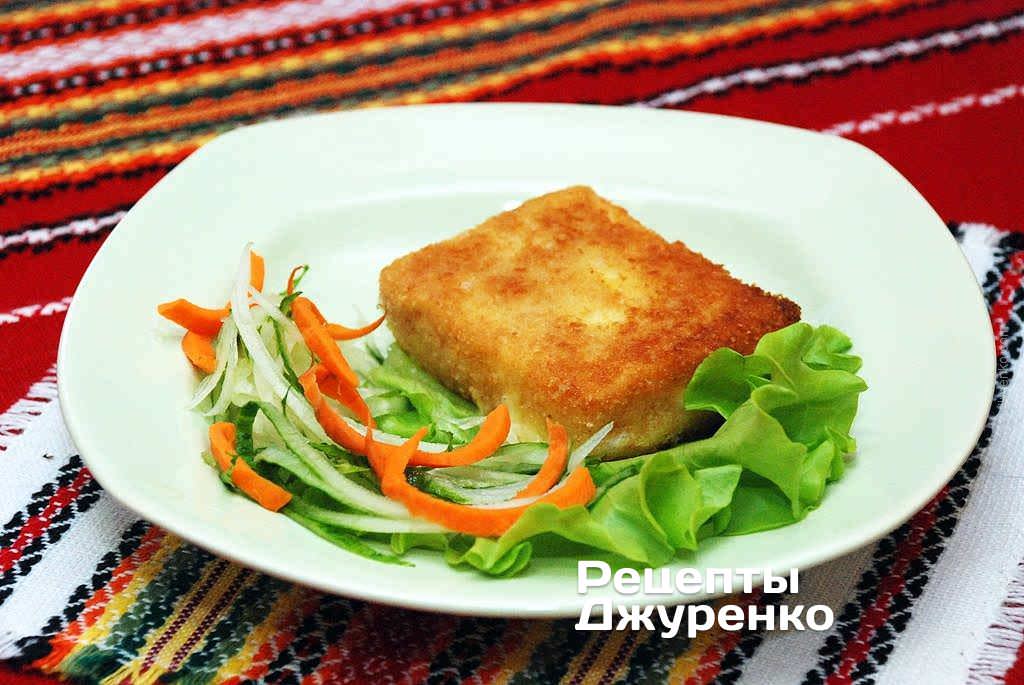
Fried Cheese (Kashkaval Pane): Breaded Cheese Recipe
You would think you can fry almost anything. People manage to fry even herring, bananas and cucumbers.
Hard cheese is probably the last thing you would think of frying. But that's just what we assume. Fried cheese is something else!
The first time I visited Bulgaria, I was a bit surprised by the name “kashkaval pane” and by its translation right on the menu: fried cheese.
Kashkaval pane is a filling and delicious dish, perfect for people who don't eat meat.
Fried cheese is easy, and you can fry almost any hard or semi-hard cheese. Give it a try, you won't regret it!
More with cheese
 Eggplant Rolls with Feta and Garlic
 Cod Liver Sandwiches
 Bruschetta
 Cheese Khachapuri with Matsoni Dough
 Homemade Burger
Ingredients
2 servings
- Hard (semi-hard) cheese or kashkaval 200 g
- Egg 1
- Wheat flour 2 tbsp
- Vegetable oil 3-4 tbsp
- Breadcrumbs 0.5 cup
Step-by-step recipe
- Cheese is believed to be a very ancient human discovery. It was surely not invented on purpose but came about by accident, when milk left in a warm place was not used in time and simply curdled. Perhaps this bit of forgetfulness was the beginning of cheesemaking.
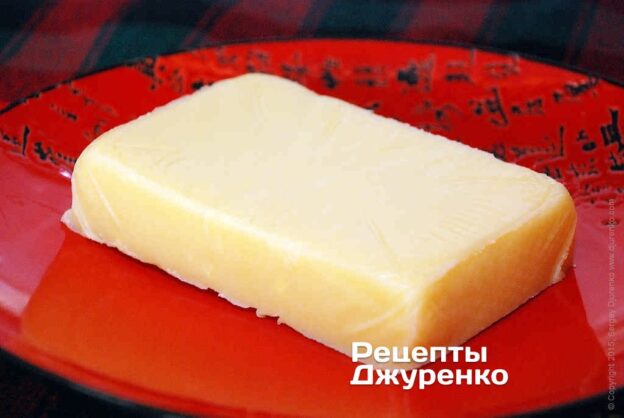
- Today, all over the world, alongside factory-made cheese, people make plenty of cheese at home. The peoples of the Balkans and Southern Europe are no exception.
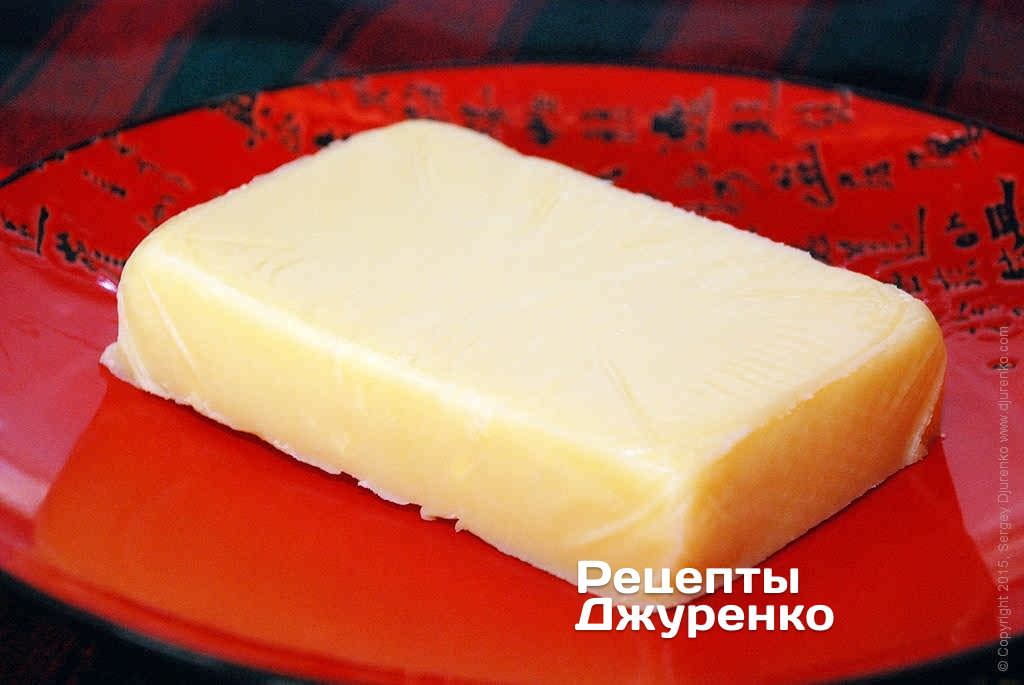
- In Bulgaria, the kind of hard cheese we are used to is rare. The main dairy products are sirene and kashkaval. Sirene (brynza) is made from any milk: sheep's, cow's and so on. Kashkaval is a semi-hard yellow cheese. It matures for a long time, more than six months. Kashkaval has a smooth surface with no holes or spots and an even straw color. This is a case that disproves the saying “if a cheese has many holes, it will be tasty.” The cheeses available to us are sometimes similar to kashkaval. Gouda, cheddar and Dutch cheese are very close to it (not in taste, I wouldn't say, but more in looks and texture). In principle, they all work. For this dish, use a semi-hard cheese without holes and without too high a fat content, otherwise it will leak while frying. We have tried frying different local cheeses, and it turns out well and tasty.
- Besides being eaten on its own, cheese is added to salads, soups, main dishes and desserts. The Bulgarians make a wonderful dish: kashkaval fried in breadcrumbs.
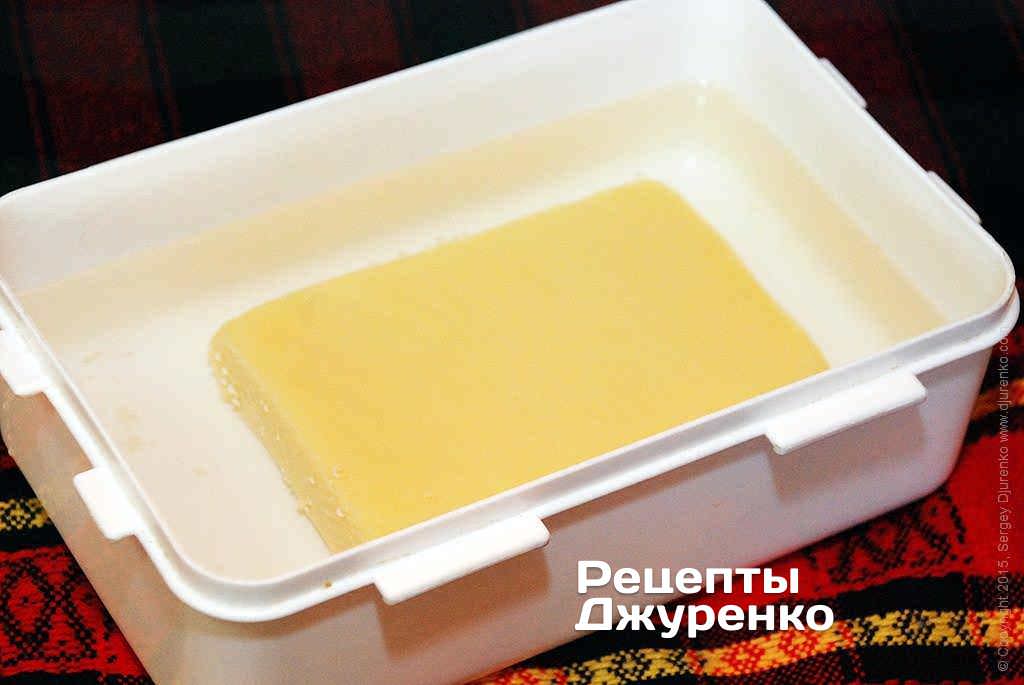
- Cut the hard cheese into thin slices, 20-25 mm thick at most. Put the cheese slices in cold water and place in the fridge for 20-30 mins.
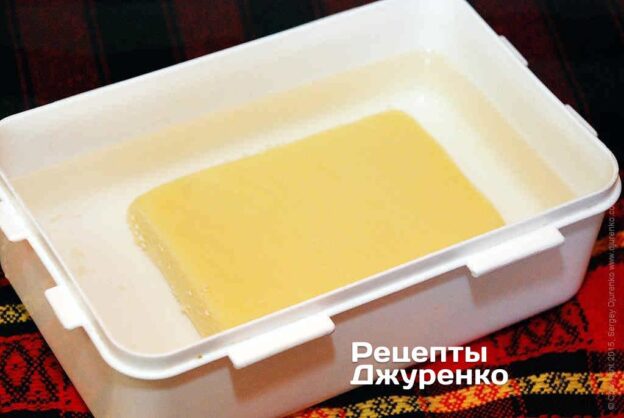
- While our future fried cheese rests in cold water (otherwise the flour and breading won't stick), prepare the breading.
- You have a choice here, whichever you prefer. You can simply dip the cheese in flour and fry it. Or you can dip the cheese in beaten eggs, coat it in flour and fry it.
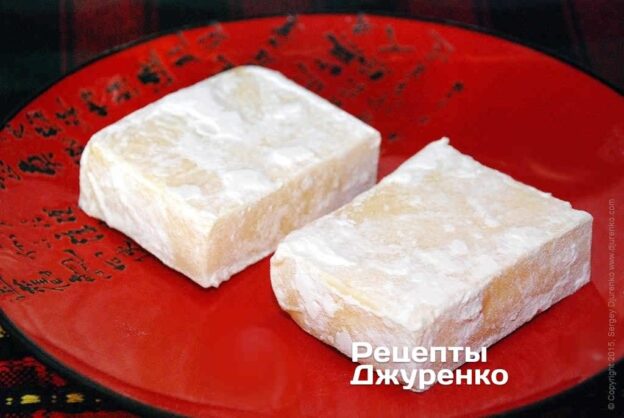
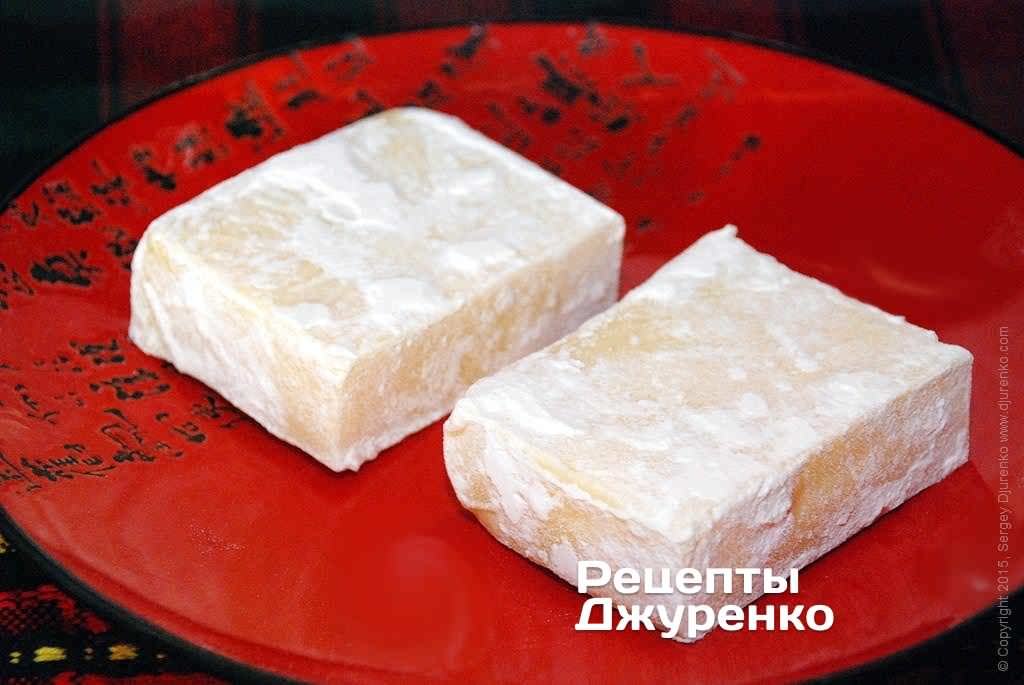
- We'll do it our own way. Take the cheese out of the water and coat it in flour.
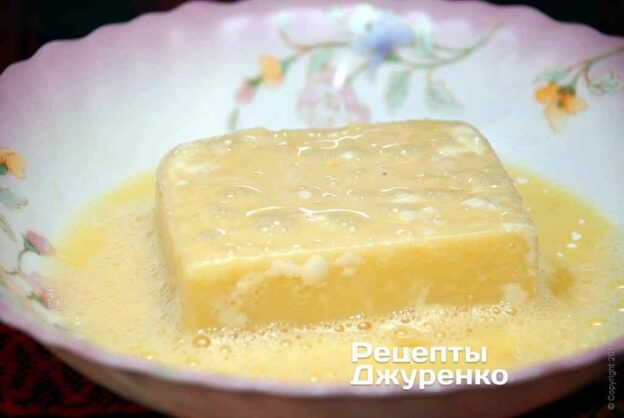
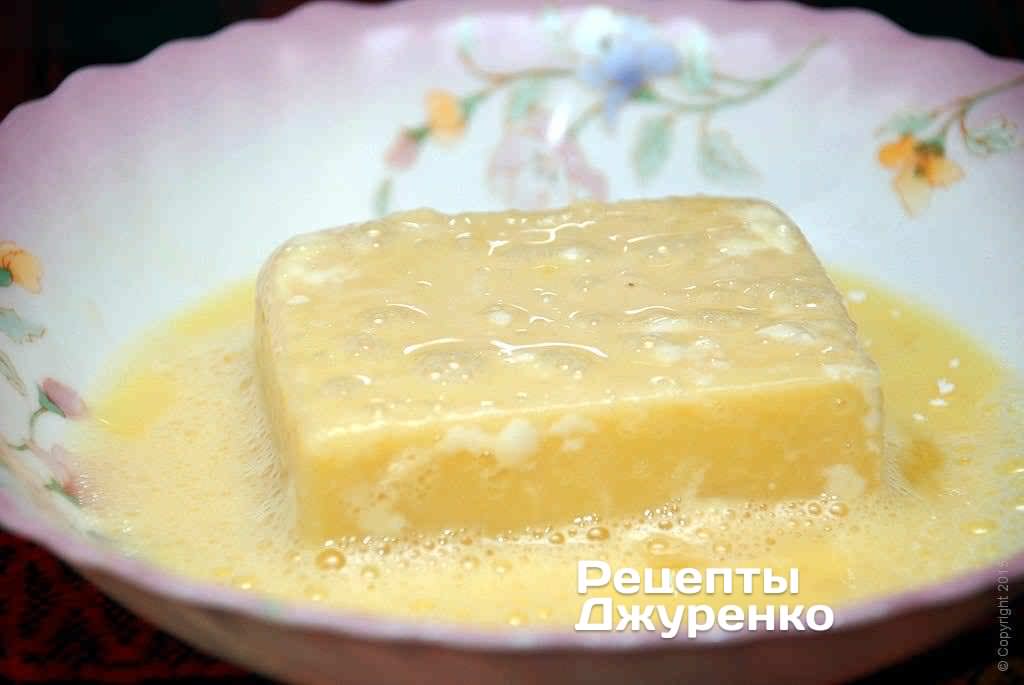
- Dip the cheese in the beaten egg.
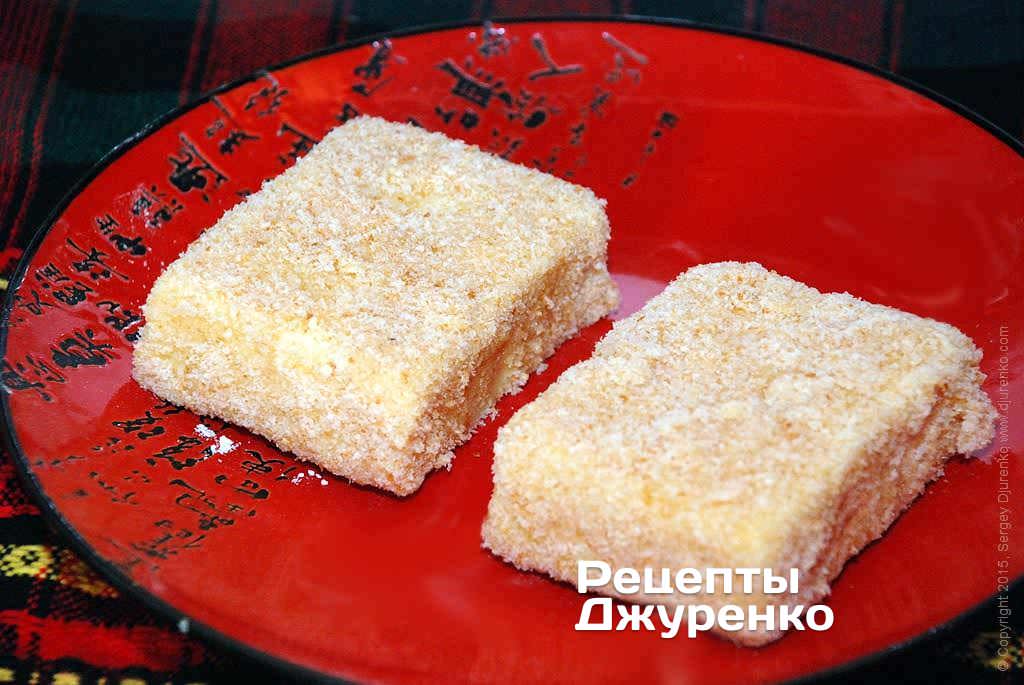
- Coat the cheese in breadcrumbs. Good store-bought breadcrumbs work, but even better is a stale bread roll grated on a grater. You can dip it in the egg once more and then in the breadcrumbs again.
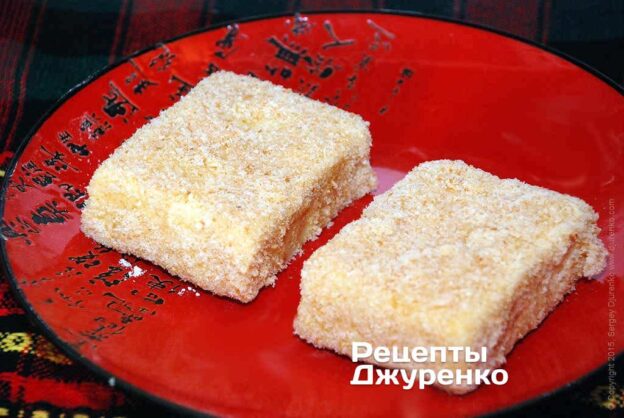
- After that, let the breaded cheese sit for 3-5 mins while the oil in the frying pan heats up. Use plenty of oil so the cheese fries on the sides too.
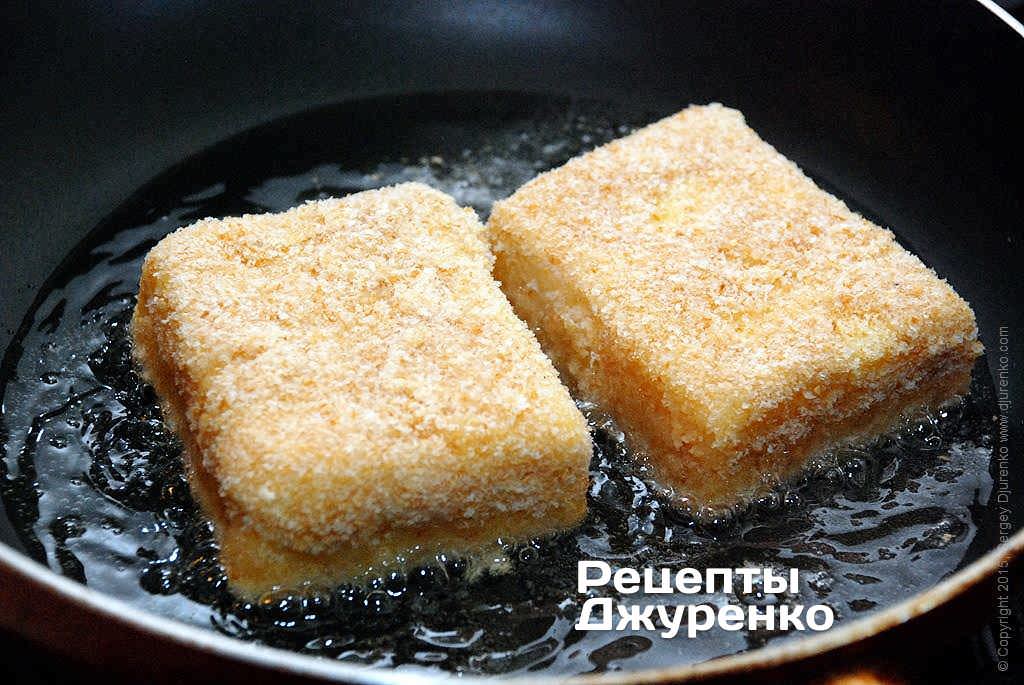
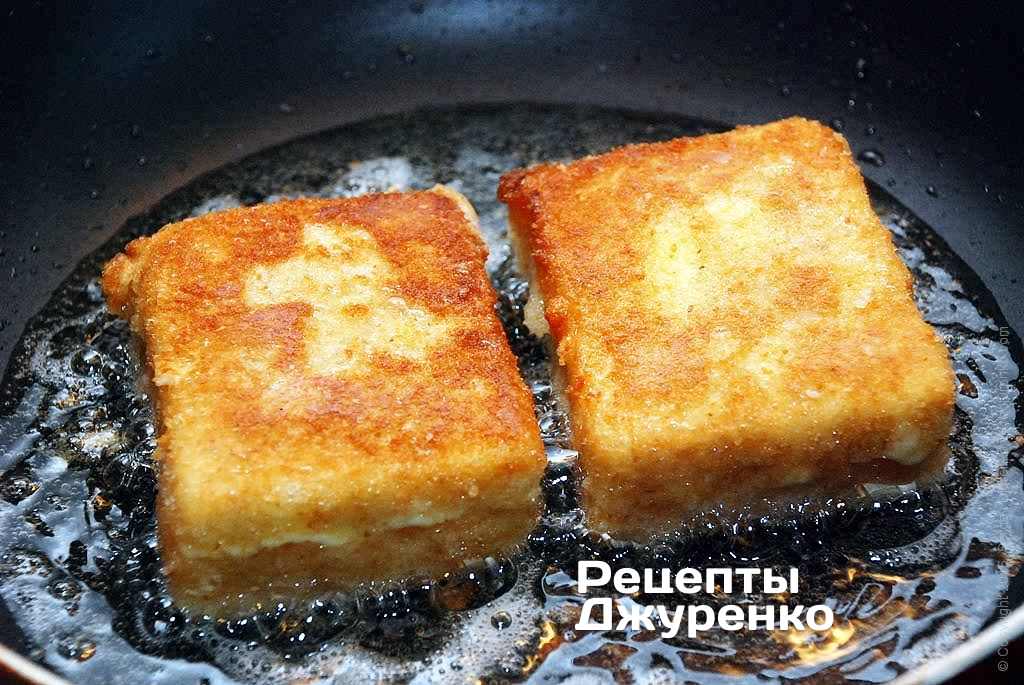
- Fry the breaded pieces of cheese in very hot oil, first on one side and then on the other, until a golden crust forms. This usually happens very fast, 1 minute or 2 at most. Fried cheese takes about as long as it takes the breading to brown. The main thing is that the breading gets fried.
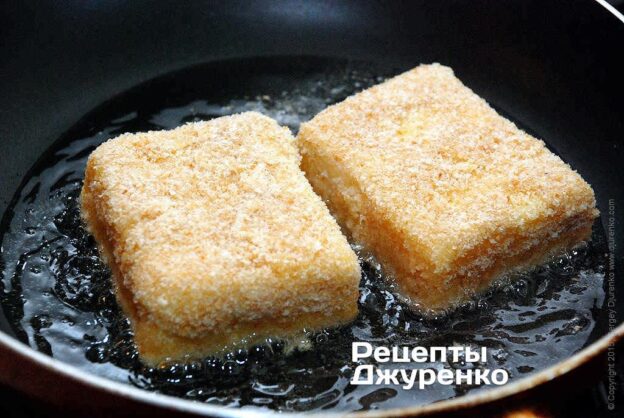
- The cheese should soften inside the breading but must never leak out.
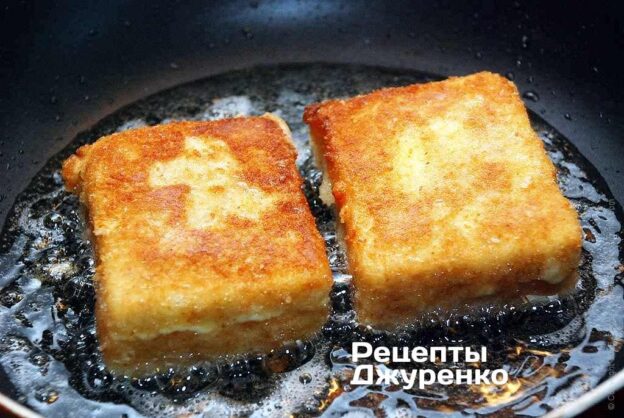
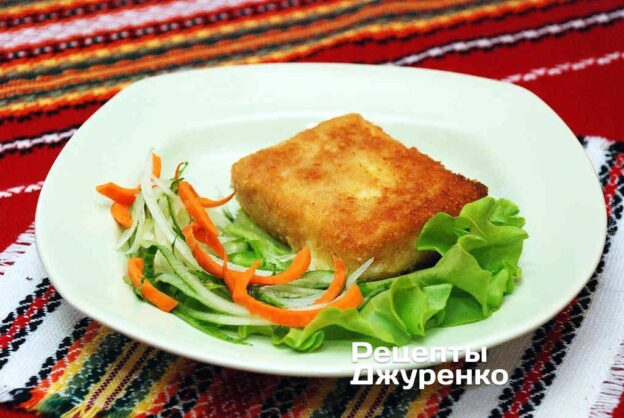
- Fried cheese is served strictly hot, straight from the pan.
- No side dish is needed. You can garnish the cheese with something, for example olives, parsley and a slice of lemon.
- Fried cheese goes wonderfully with a glass of chilled semi-dry white wine.
Made it? Rate this recipe
Thanks for rating!
Handy in the kitchenAd
 Pull chopper for garlic and onionAliExpress
 Oil sprayerAliExpress
 Kitchen scale up to 5 kgAliExpress
 Vegetable chopper with handleAliExpress
 Measuring cups and spoonsAliExpress
 Peeler with wooden handleAliExpress
Recipe facts
| Yield: | 2 servings |
| Calories: | 312 kcal per 100 g |
| Prep: | 20 mins |
| Cook: | 5 mins |
| Total: | 25 mins |
| Cuisine: | Bulgarian cuisine |
| Rating: |