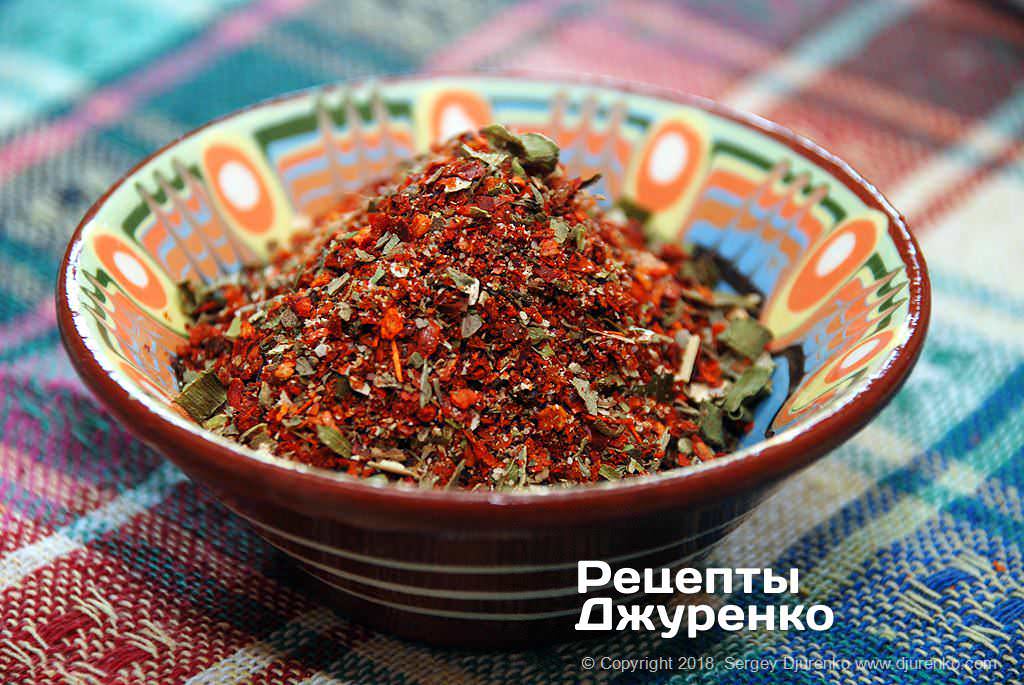
Homemade Meat Seasoning
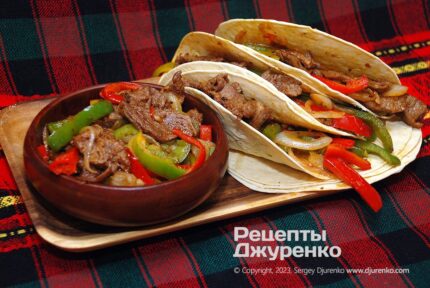
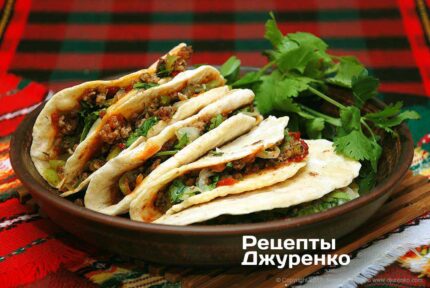
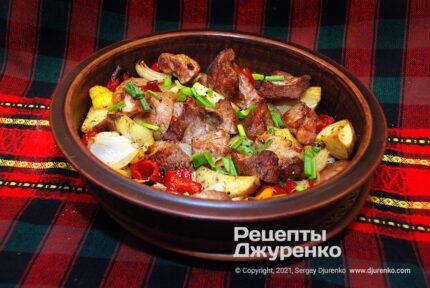
Ingredients
100 g
- Dried smoked sweet pepper (coarsely ground paprika) 50 g
- Dried garlic 10 g
- Black peppercorns 10 g
- Oregano (dried) 5 g
- Basil (dried) 5 g
- Savory (dried) 5 g
- Green onion (dried) 5 g
- Hot pepper (dried pods or coarsely ground) to taste
Step-by-step recipe
Preparing the components
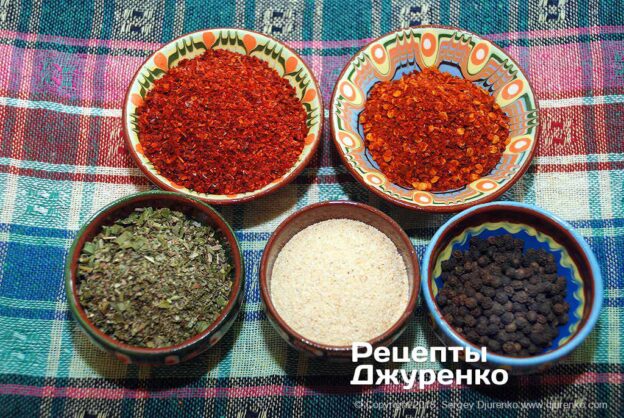
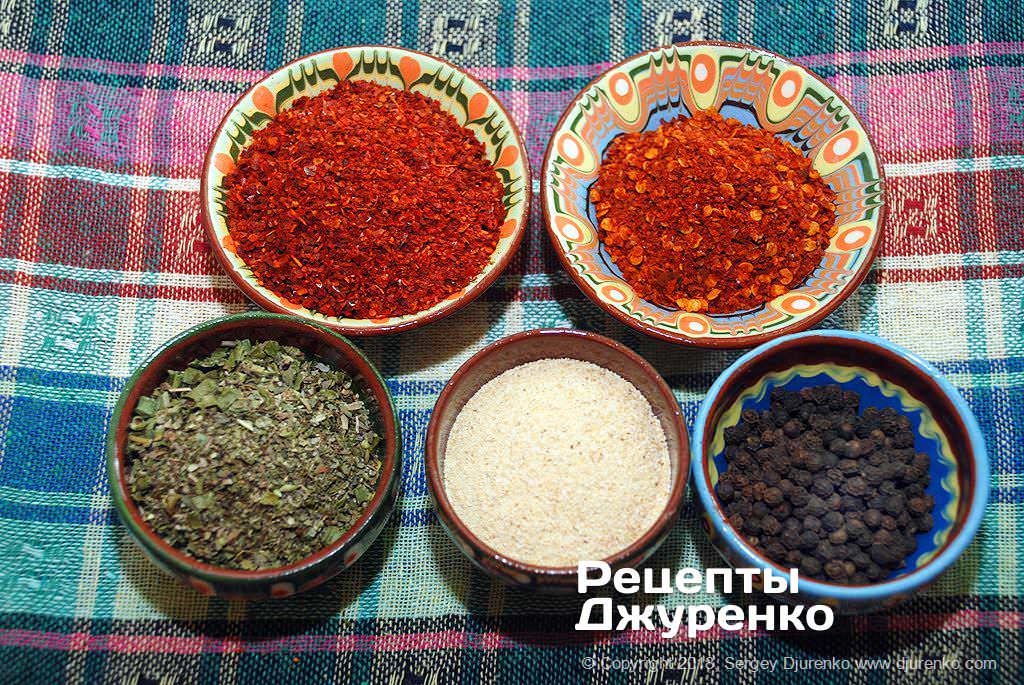
It turned out that our homemade seasoning is built from various kinds of pepper with dried garlic and dried aromatic herbs. We prepare most of the herbs and vegetables in summer. Those that don’t grow for us we bring back from vacation or buy, if they are fresh and of high quality. The meat seasoning is made by simply mixing the dried herbs and the other ingredients.
All the components should be dried and coarsely ground, with as little as possible ground to dust. Once I accidentally added powdered chili and the seasoning clumped. The all-purpose meat seasoning should come out quite uniform, but made up of small pieces.
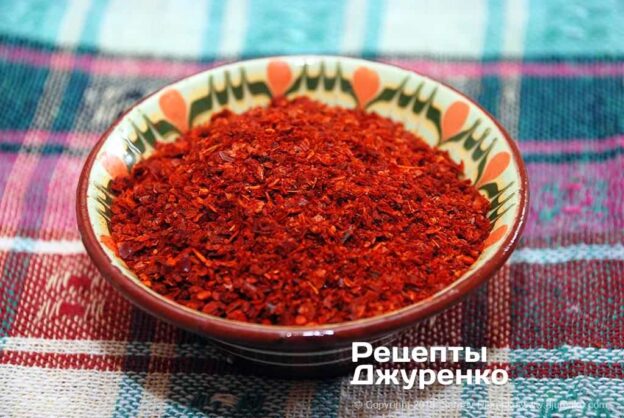
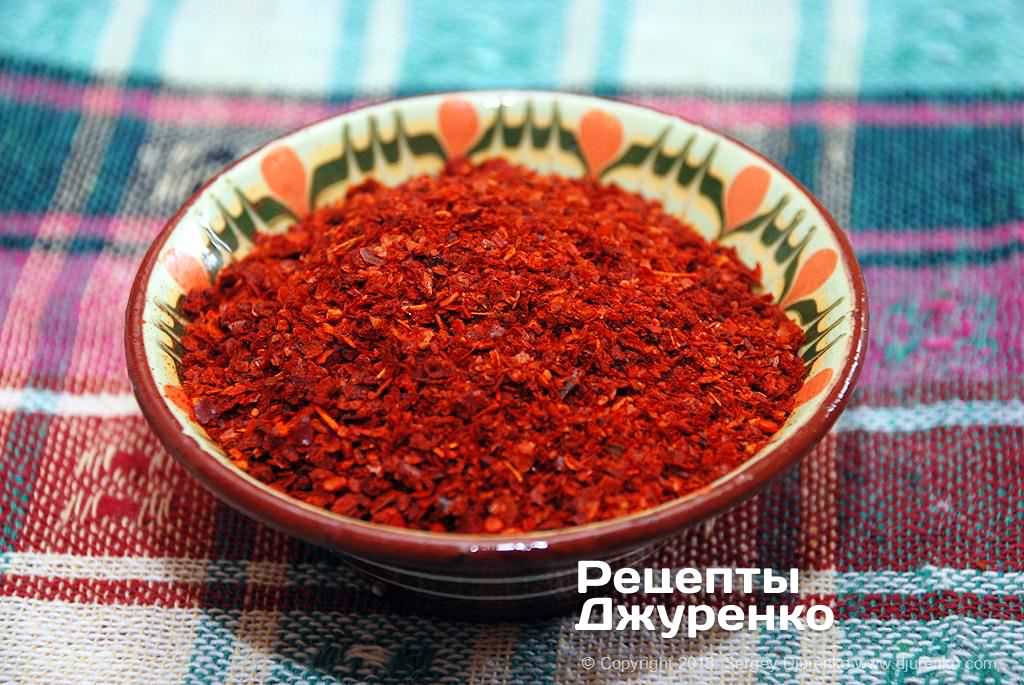
Coarsely grind the dried sweet pepper in a mortar or coffee grinder — the paprika should keep pieces you can see.
The main component of the meat seasoning is dried sweet red pepper. Shops and markets usually sell very finely ground sweet paprika, which is not especially good for a spice mix. You need coarsely ground sweet paprika. Ideally the pepper is smoked while drying and then ground between millstones. Such paprika has a deep red color that is not bright, and an incredibly pleasant smell of pepper roasted over a fire, perfect for bograch. If you have a home dryer, and ideally a smoker, making such pepper is not hard.
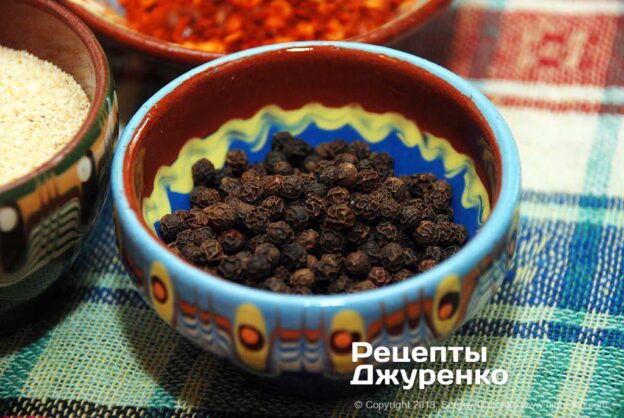
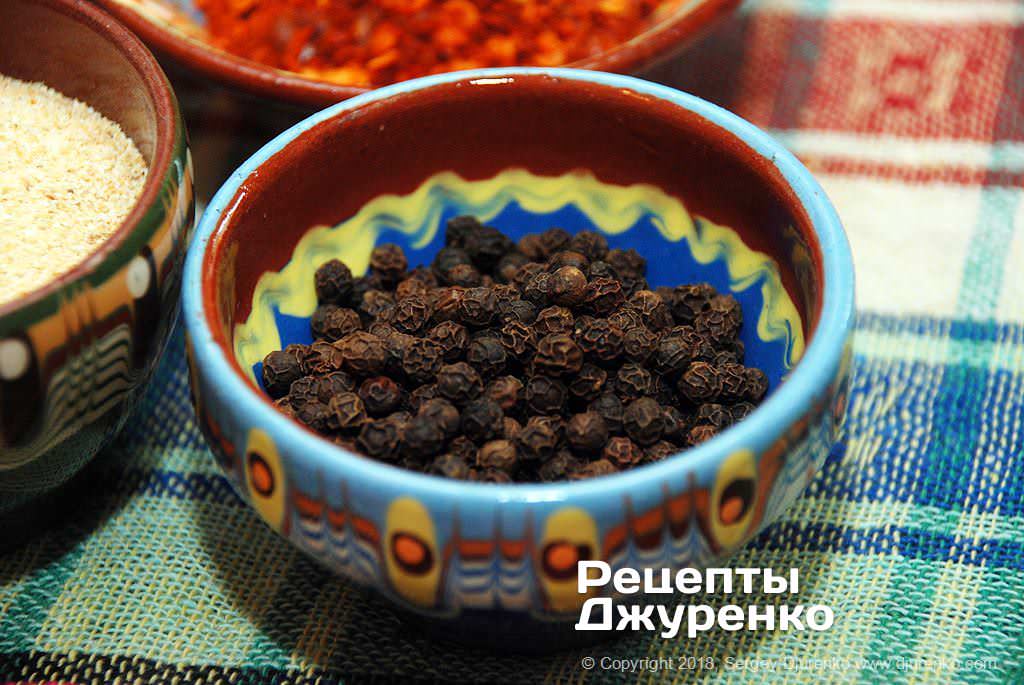
Grind the black peppercorns just before making the seasoning.
Black pepper needs no introduction. Unfortunately, when we buy ground black pepper we buy a pig in a poke. It is rare to find a quality spice; usually it is a powdery mix with unclear additives. It is much safer to buy good, fresh black peppercorns. Few people know that black peppercorns are the unripe fruits of the pepper vine, scalded in boiling water and then dried until the skin shrivels.
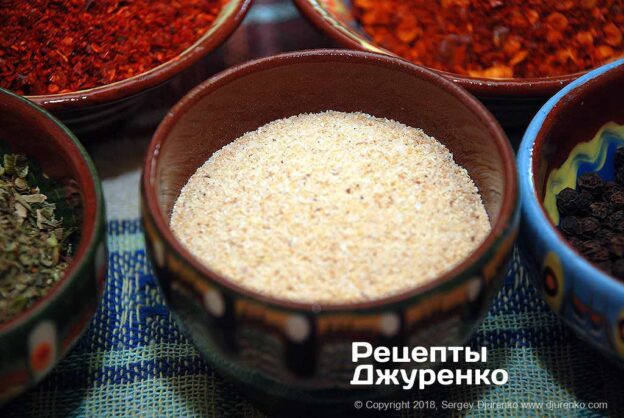
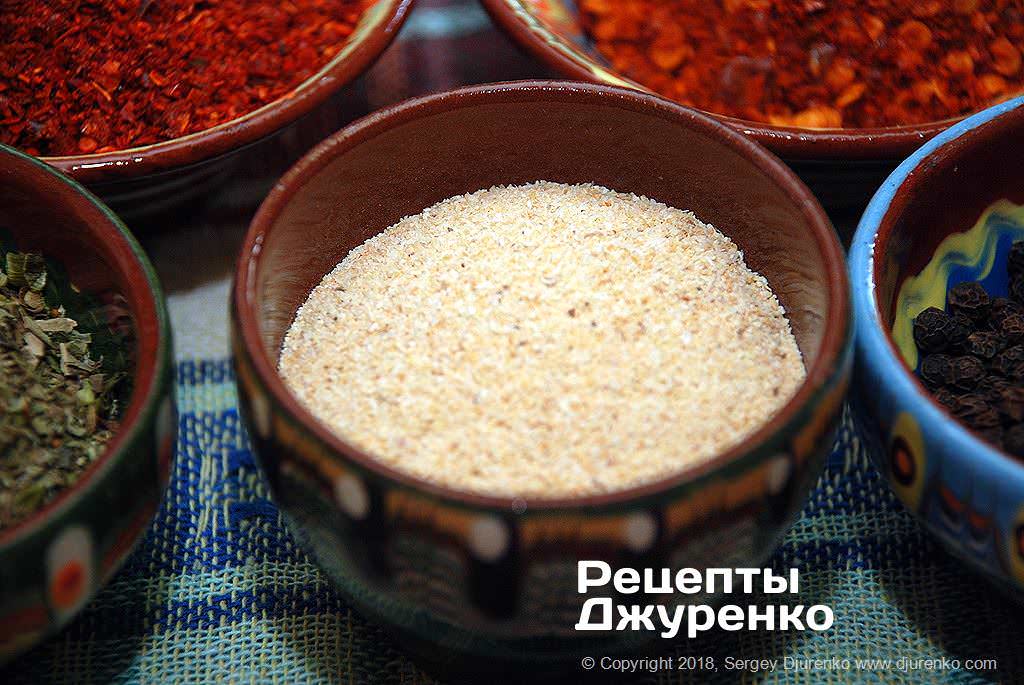
Grind the dried garlic to the texture you want, not to dust. If that is a hassle, you can use granulated garlic, which is sold in very good quality.
Dried garlic lacks the sharpness and the characteristic pungent smell of fresh garlic. Thanks to it, the seasoning gets a delicate but noticeable pleasant aroma. In the cuisines of many countries dried garlic is part of local and famous spice blends. By the way, garlic cloves are easy to dry at home.
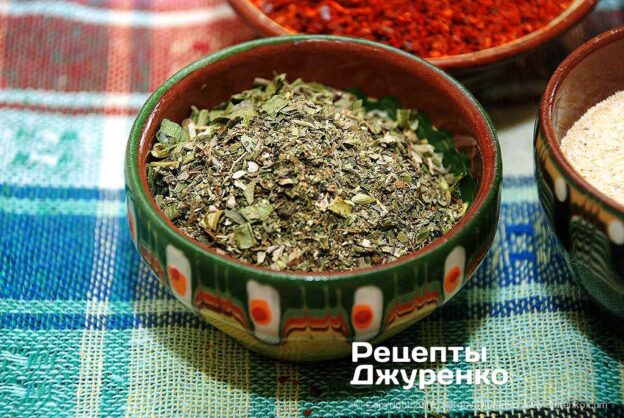
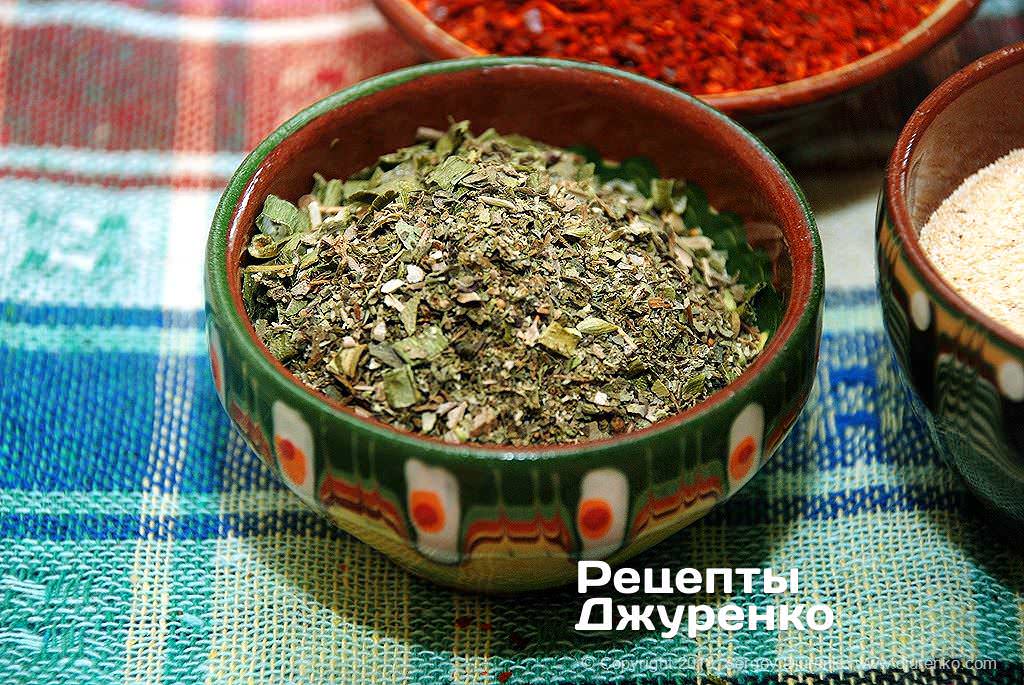
Rub the dried herbs — oregano, basil and savory — between your fingers, and chop the dried green onion with a knife.
Dried aromatic herbs add aroma and extra flavor to the meat seasoning. I once added dried herbs that I often use in Provençal cooking. But over time they seemed too fragrant to me, and I limited myself to oregano, basil and savory. Later, dried green onion was added to the mix. Savory is the main spice of the Balkans and is used widely and generously. Italian cuisine is unthinkable without basil: Margherita pizza and my favorite sauce, pesto. Oregano: I add it to almost all the pizzas we make at home. All these herbs are available fresh and are very easy to dry. Dried green onion brings aroma and a delicate taste, and the seasoning is only better with it.
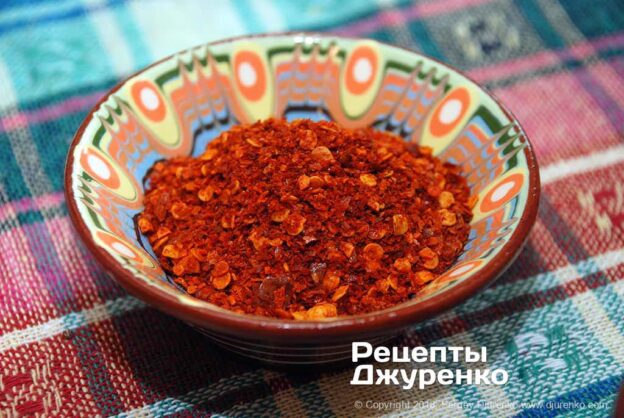
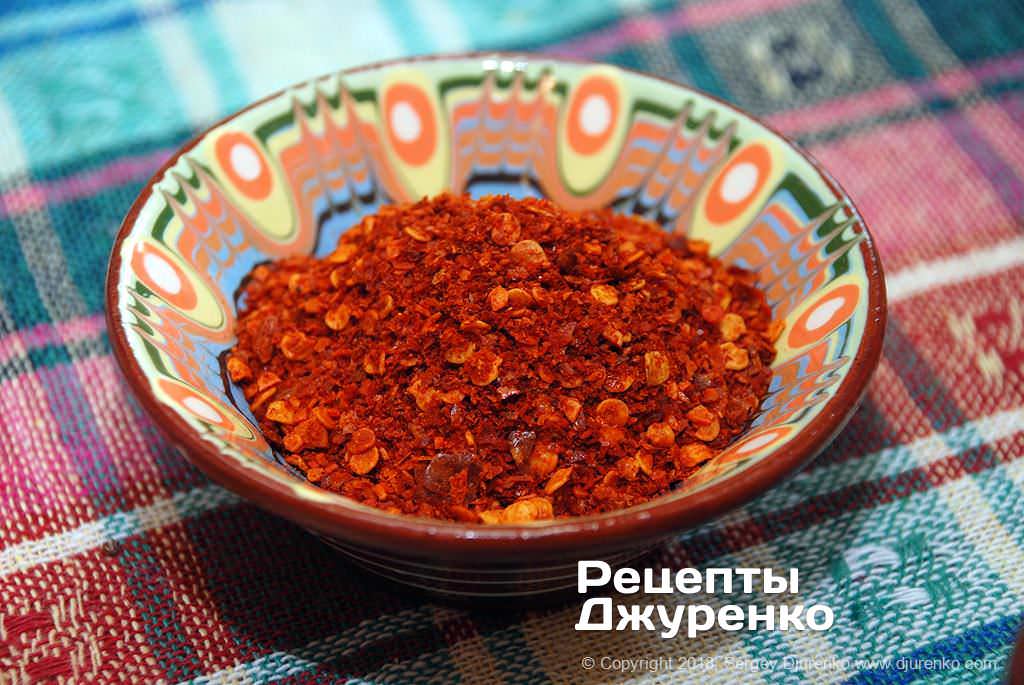
Clean the dried hot pepper pods of their seeds, which simply shake out, and only then grind them. You can add a few of the seeds to the spice mix: they usually give the most heat during cooking.
Be careful with hot pepper, otherwise the meat spice mix can become incredibly hot and of little use. The heat of red pepper is the main measure of taste for this spice and is rated on the Scoville scale: the capsaicin content of the pepper is compared with pure capsaicin. The best option is to dry a familiar red pepper from your garden and grind it, the way peppers are dried for adjika. Or use dried pods of a known heat.
Mixing
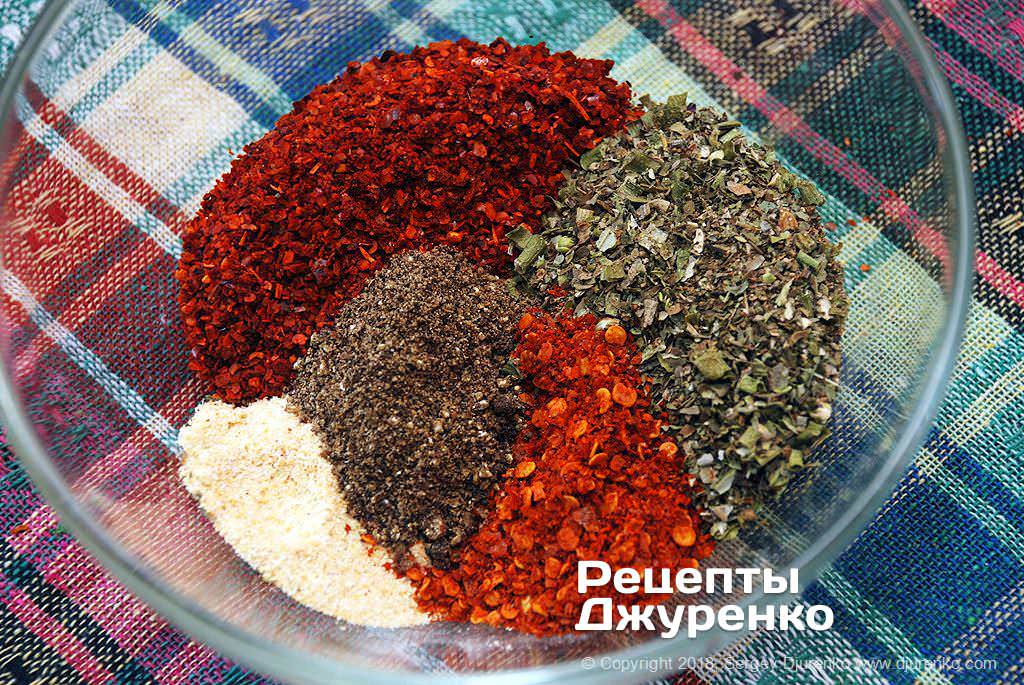
Put all the ingredients in a deep bowl. Add the hot pepper in small portions, to taste.
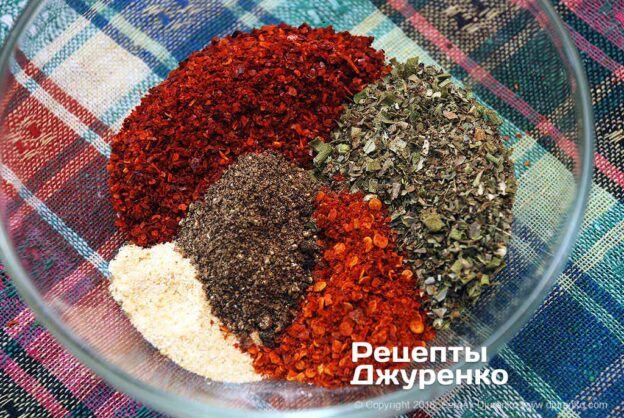
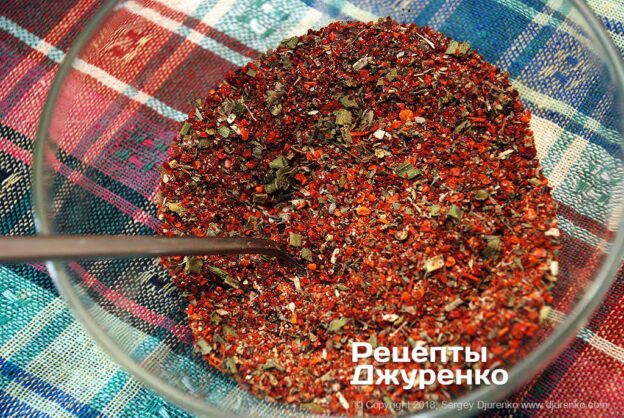
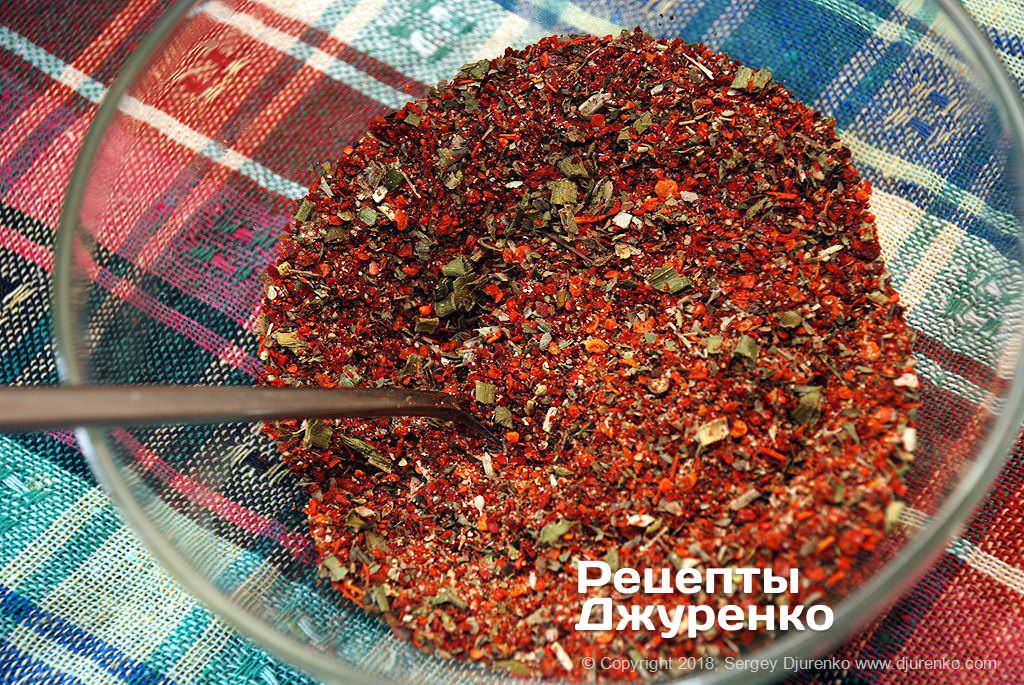
Stir the spice mix slowly with a dry spoon until it is uniform and all the components are well distributed. There is no need to rush: spices, especially pepper, rise easily into the air and cause tears and sneezing.
Wash your hands with soap after mixing the spices, because hot pepper is unpleasant if it gets into your eyes.
Taste the mix. If you like, add some hot pepper.
Storage
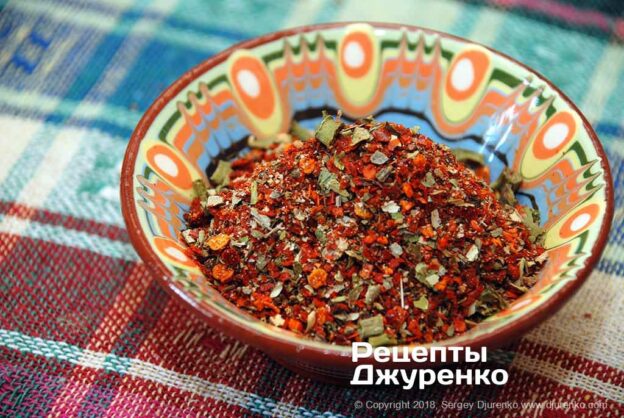
Transfer the seasoning to an airtight jar and keep it in a dry place, away from heat and sunlight.
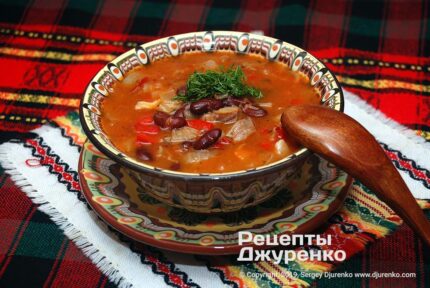
We bought a small porcelain jar with a ground-glass stopper, and the mix is always at hand. At home we use this meat seasoning quite often. It is great with vegetables and soups, and as a seasoning for borscht.
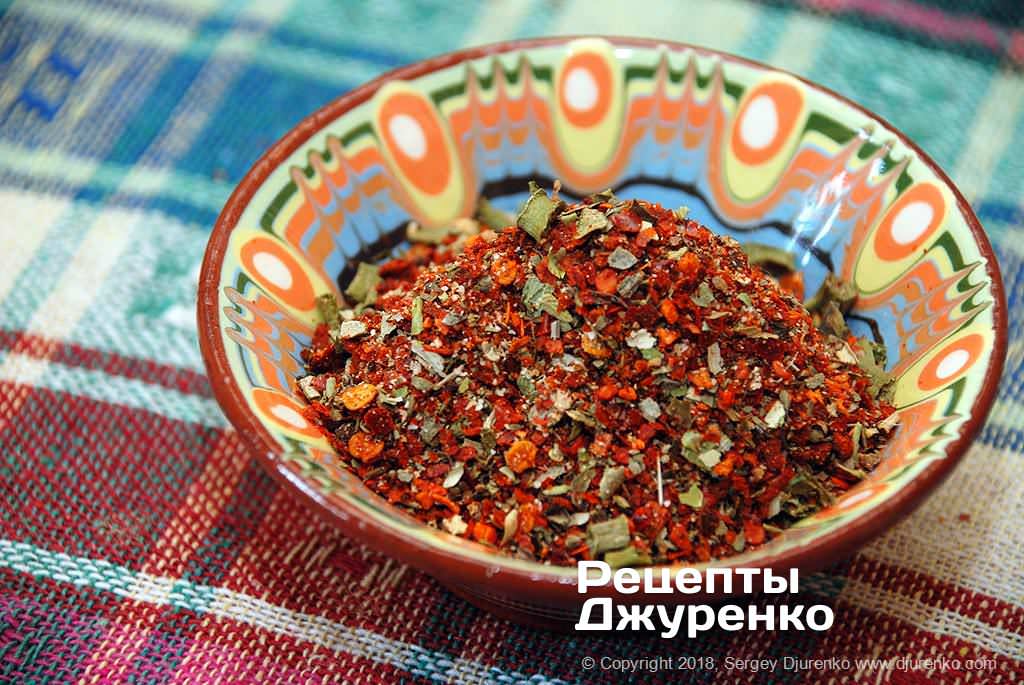
Everyone can decide for themselves whether to add this or that component to the mix. Coriander or fenugreek might work. You can leave the heat out, and everyone can add their own at the table. So, it is all up to your taste.
Calories and macros
112 kcal
100 g
- Protein4.8 g20% of kcal
- Fat1.1 g11% of kcal
- Carbs16.9 g70% of kcal
Calculated from the recipe ingredients, excluding salt and spices. Data: USDA and Matvaretabellen.