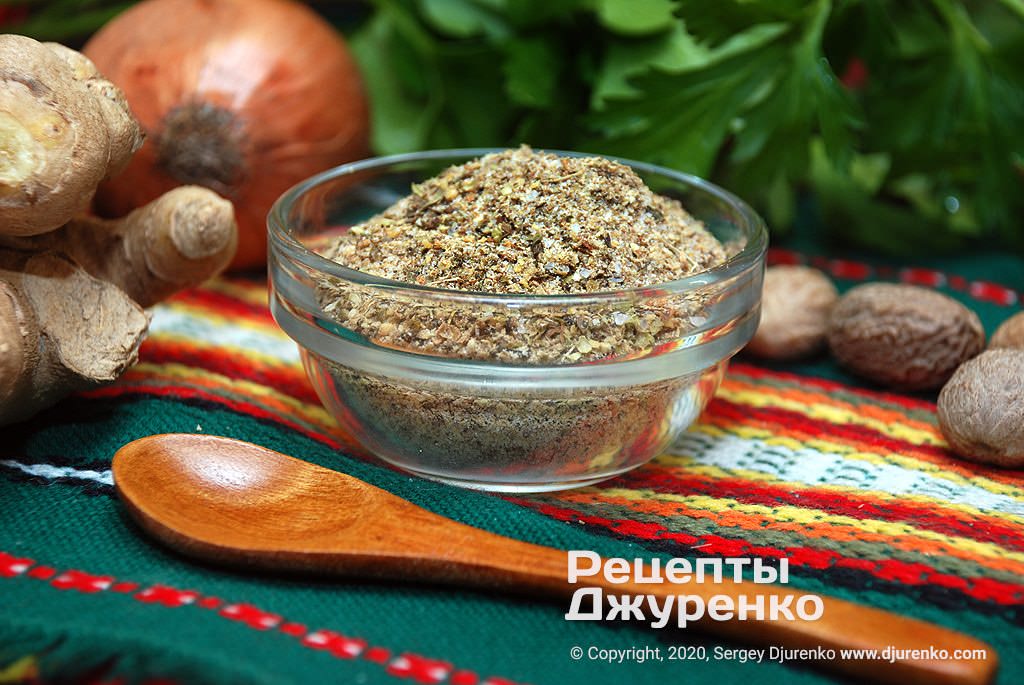
Fish Seasoning

Ingredients
25 g
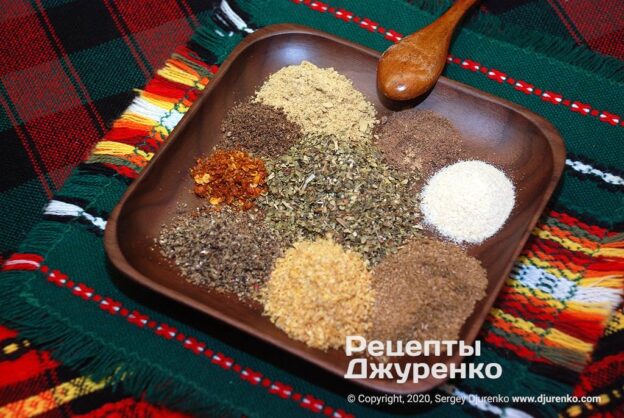
- Nutmeg 1 g
- Dried onion 3 g
- Ground ginger 2 g
- Mustard seeds (white) 3 g
- Coriander seeds 3 g
- Allspice 0.5 g
- Black pepper or mixed peppercorns 2 g
- Chili 0.5 g
- Dried herbs (oregano, savory, basil, parsley, dill, thyme) 5 g
- Sea salt 5 g
Step-by-step recipe
Grinding the spices
We make our fish spice by grinding most of the ingredients fairly coarsely. In other words, the fish seasoning is not a fine powder. A mortar is handy for grinding; simple spices can also go into a coffee grinder.
Weigh out all the spices on small kitchen scales. The mortar, coffee grinder, bowl and strainer must be completely dry: there should be no moisture in the seasoning.
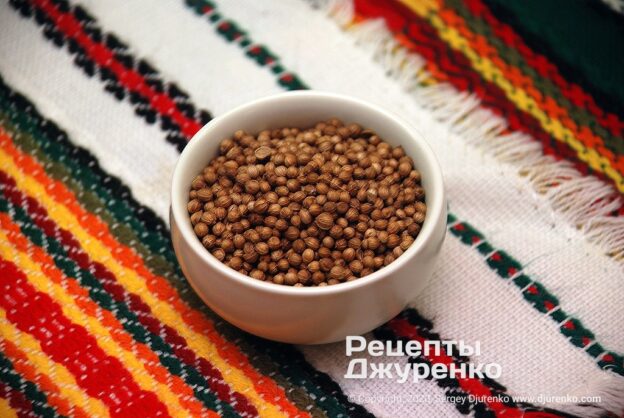
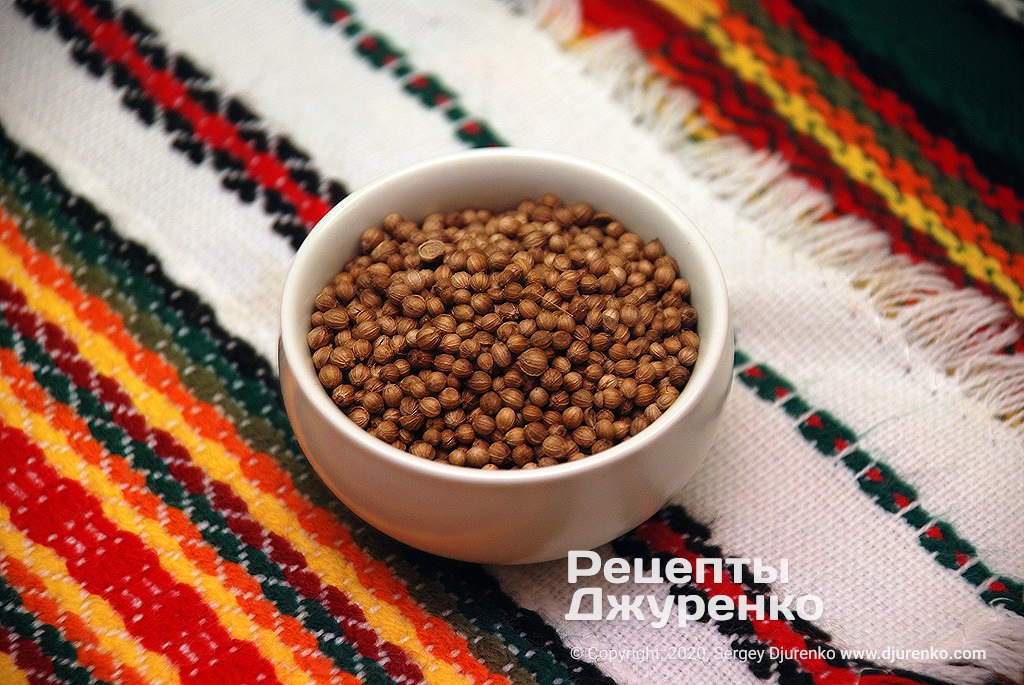
Toast the coriander seeds in a dry hot frying pan over medium heat, stirring, until fragrant, 1–2 mins.
Coriander is one of the main components of the seasoning. The seeds of this plant are small light brown peas. They do not have the aroma of the young plant, cilantro. Coriander seeds have a pleasant smell and are used for salting herring and other fish, for meat, sausages and cheese, and even for baking bread.
Grind the coriander in a mortar. Be sure to sift through a tea strainer.
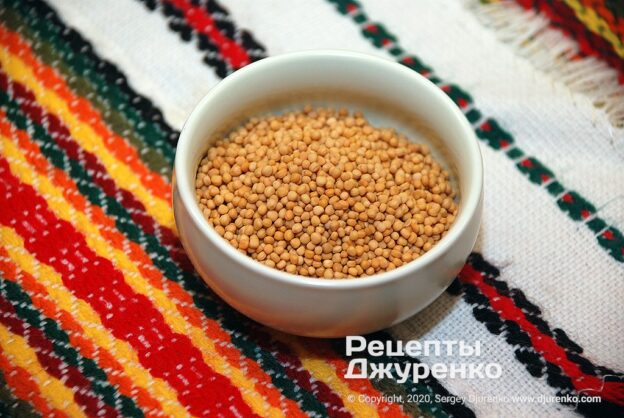
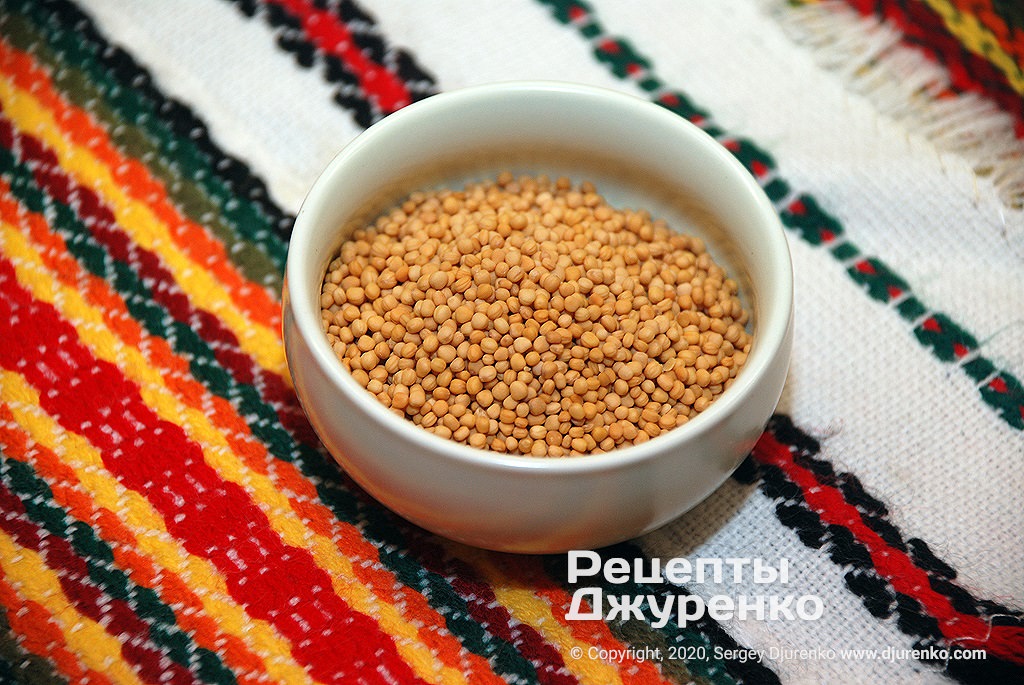
Grind and sift the white mustard seeds.
White or English mustard is used less often for making the well-known table mustard, because it hardly has the sharpness needed. Still, it is added very often, because it improves the aroma. With white mustard seeds the fish seasoning gets a delicate, pleasant taste.
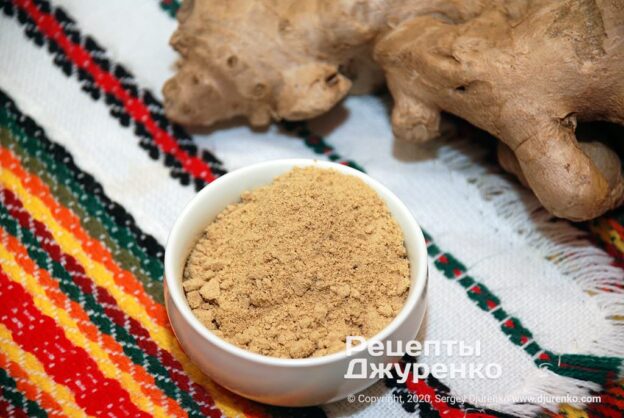
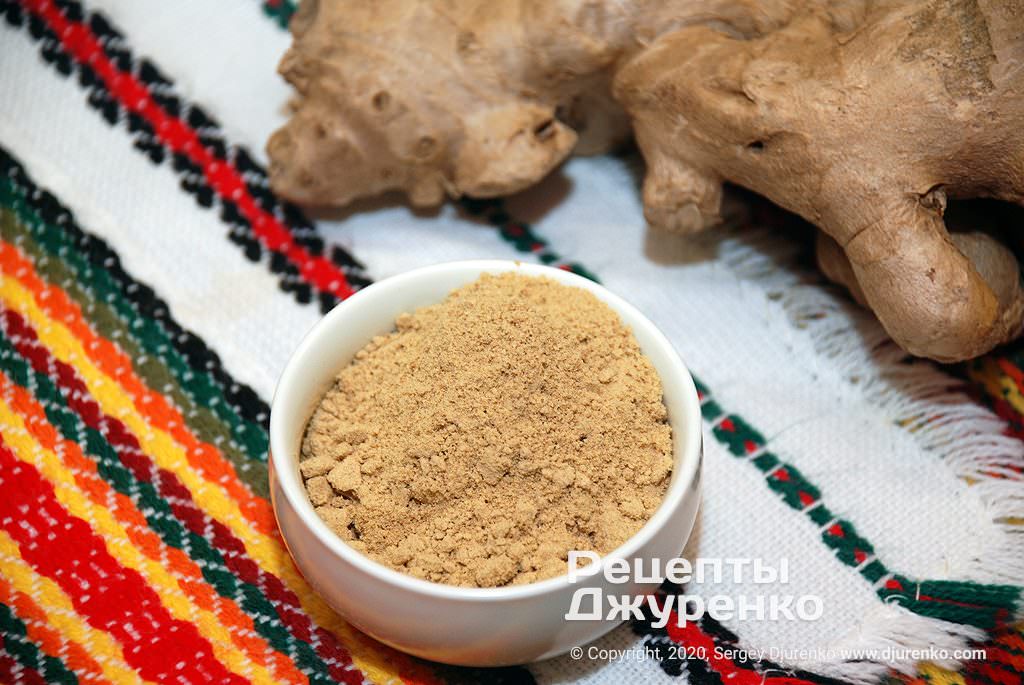
We always add dry ground ginger. It is important that it is fresh and dry and does not cake.
The powder of dried, ground ginger root is sold everywhere. It is used for baking gingerbread cookies and for medicinal ginger tea. It is a yellowish, very fine powder. Fresh dry ginger has an intense smell that fades easily.
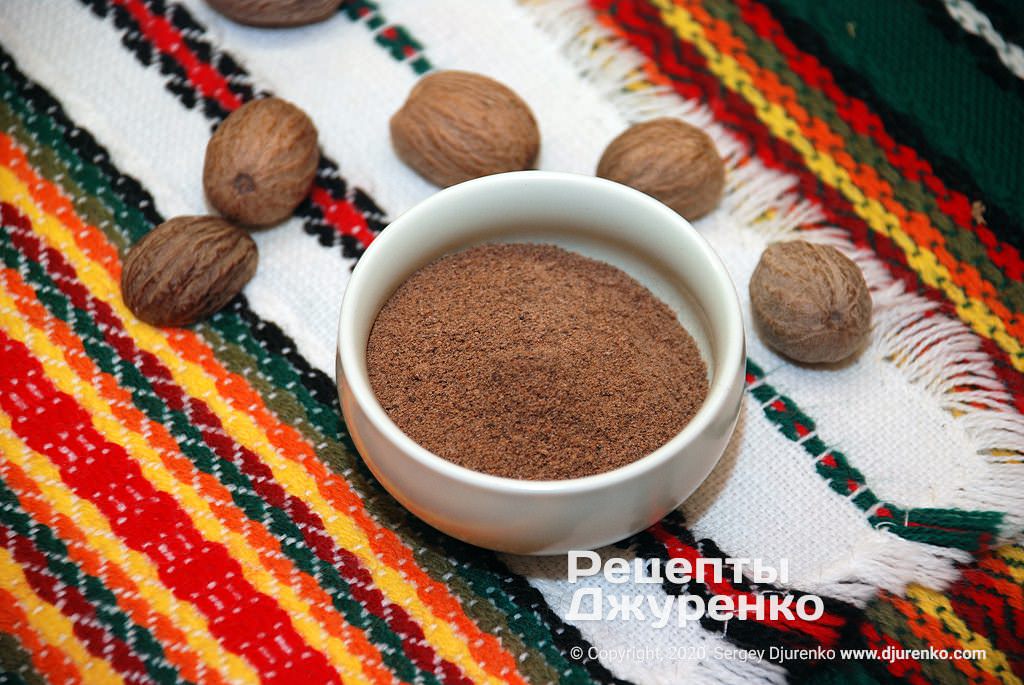
Grate the nutmeg and grind it in a mortar to a powder. You can use ready-ground nutmeg, but I prefer whole nuts.
A small amount of nutmeg gives the fish seasoning a delicate taste and aroma. Since ancient times it has been one of the most important spices, with a slightly pungent and pleasant taste. It is often called the Indian nut, although the plant’s homeland is the Moluccas.

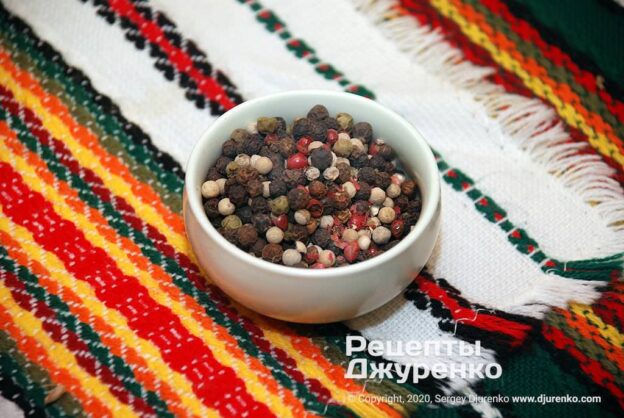
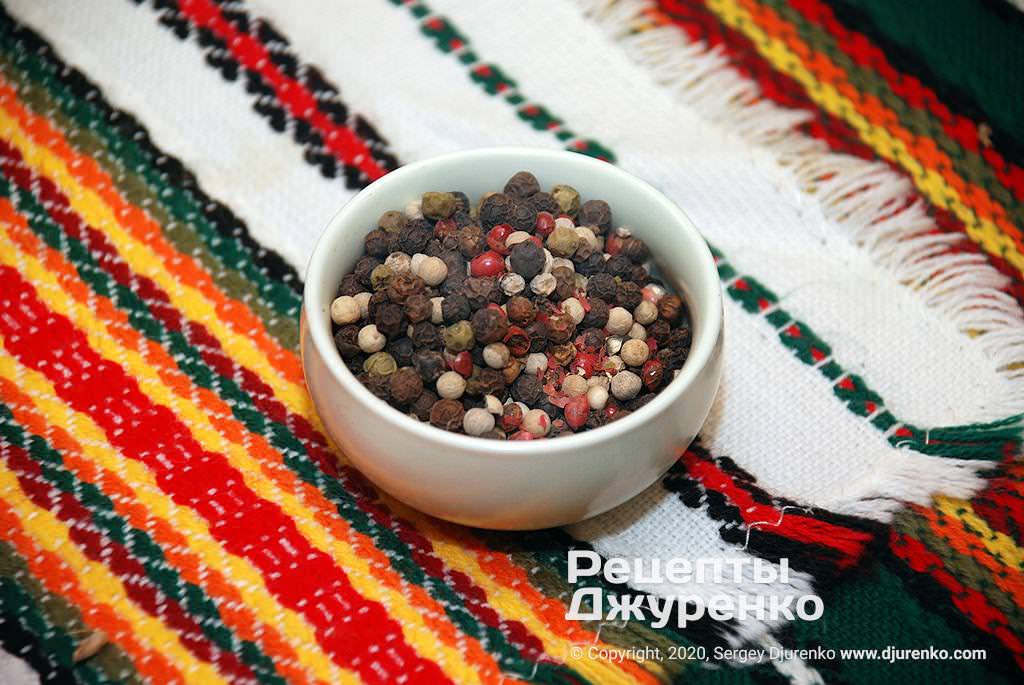
Grind the black or mixed peppercorns, not necessarily very finely.
It is a truly remarkable spice, one of the most ancient. Depending on how it is processed and how ripe the berries are, they can turn white, green or pink, or stay almost black. Fresh, coarsely ground black pepper is ideal for cooking. I even like it more than store-bought “powder” of doubtful quality.
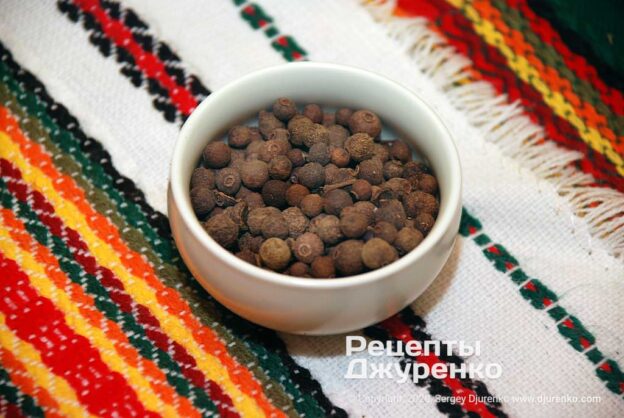
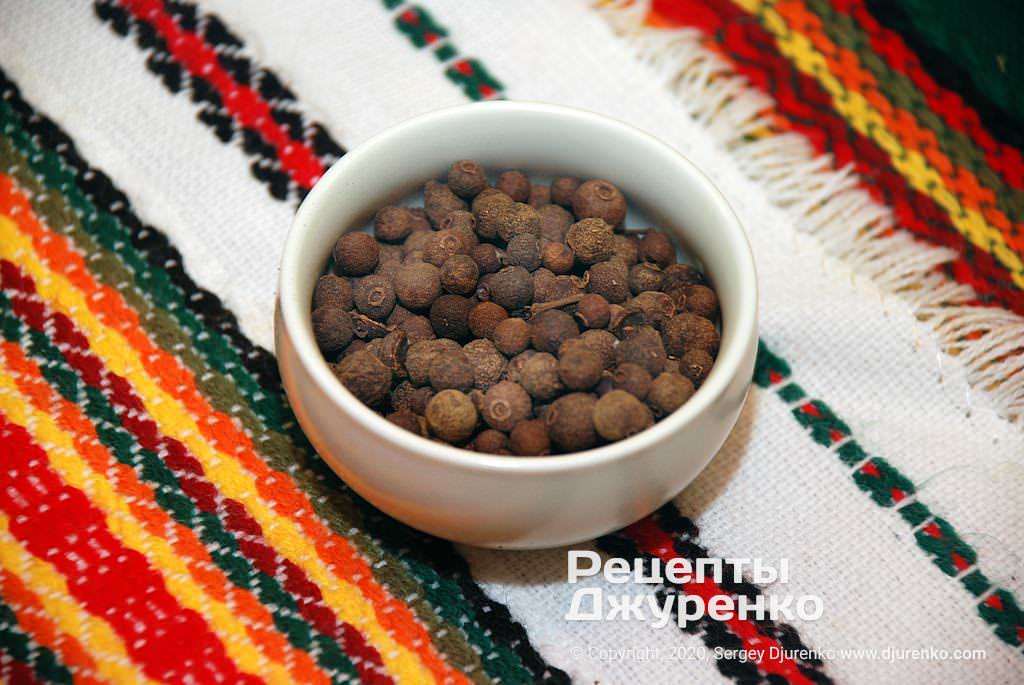
Crush the allspice berries in a mortar and sift.
Allspice gives the fish spice its special aroma. It used to be called “English” and “Jamaican” pepper. These are the dried seeds of pimento, a tropical tree. They are fairly large and very aromatic, so add very little to the blend or leave it out altogether. By the way, for the same reason we do not use cloves: they are too aromatic.
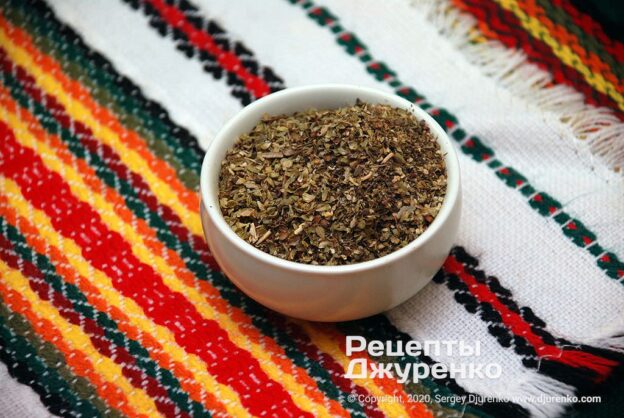
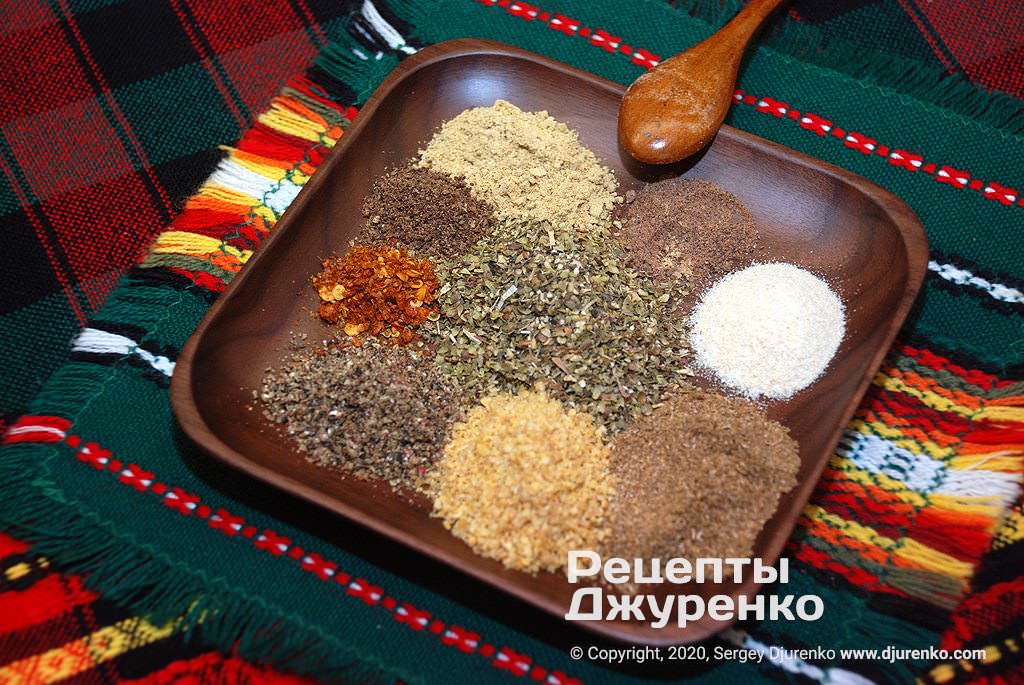
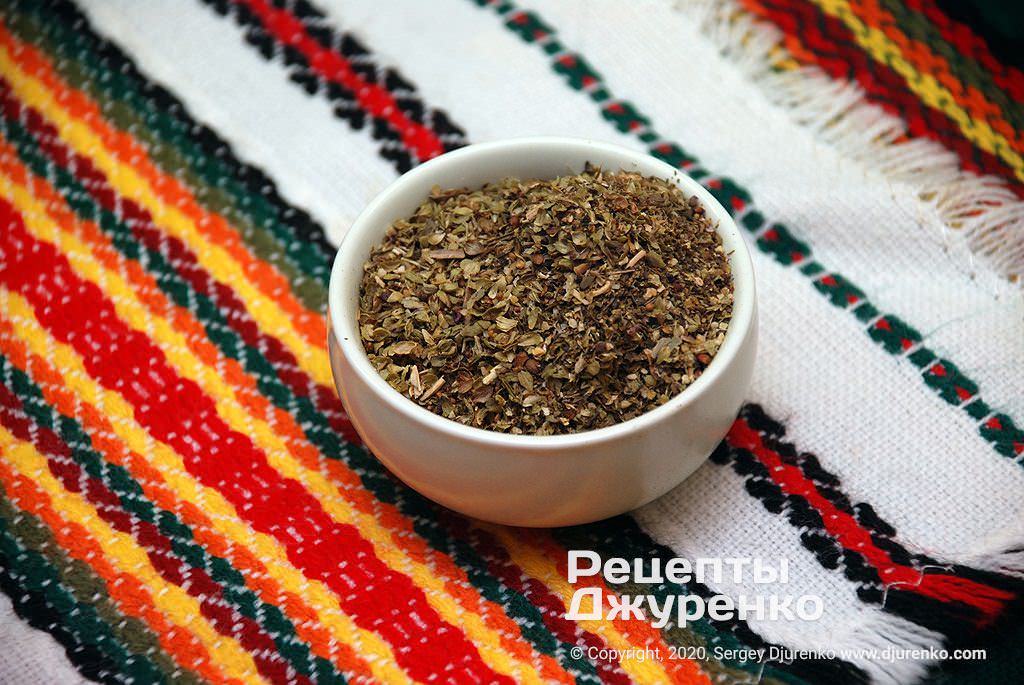
Mix dried basil, oregano, dill, parsley, savory and thyme in equal parts.
If you like, you can pick a ready-made herb blend of the kind used in Italian or Mediterranean cooking. But ready-made blends often contain herbs that are too aromatic and “drown out” the smell of the dish, so it is easier to buy the herbs separately. By the way, this dried herb blend can also be used on its own as a seasoning for soups.
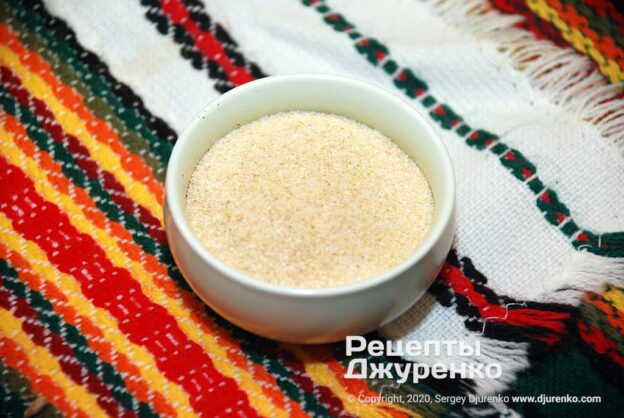
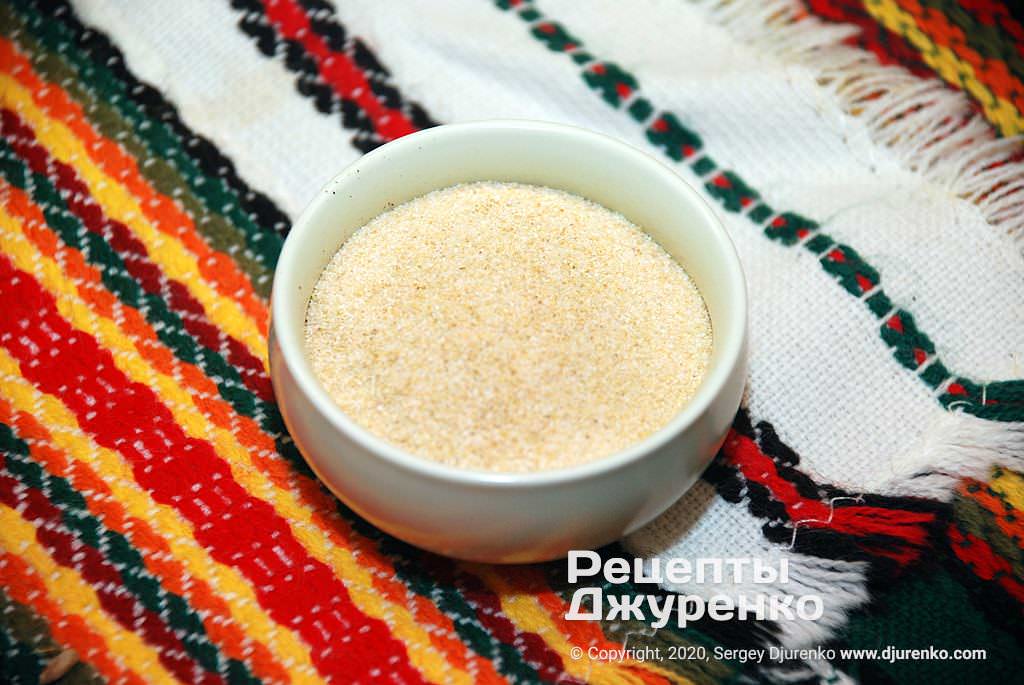
Measure out the dried ground onion, chili and sea salt.
Dried onion is a sweetish white powder with a pleasant smell. I use it for the sauce for hamburgers and for potato salad. Hot pepper is optional, provided you do not mind slightly spicy fish. And so that you do not have to salt the dish while cooking, the fish seasoning contains salt. I use sea salt without added iodine, but it does not matter much.
Mixing and storing
If you like, you can leave the hot and strongly scented components out of the blend: chili, pepper, allspice, nutmeg, and use less coriander. If you want, Sichuan pepper also fits the blend well, but only if you want the intense flavor typical of Chinese cuisine.
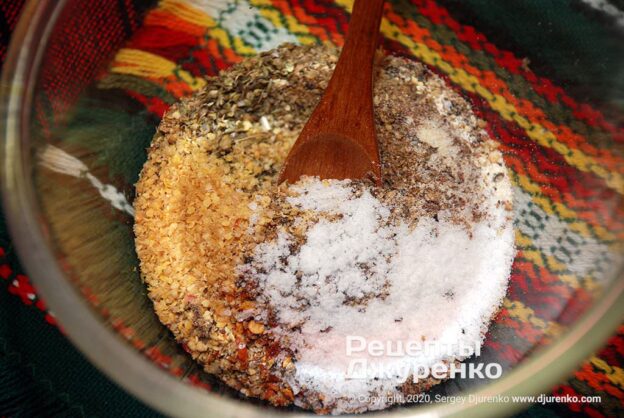
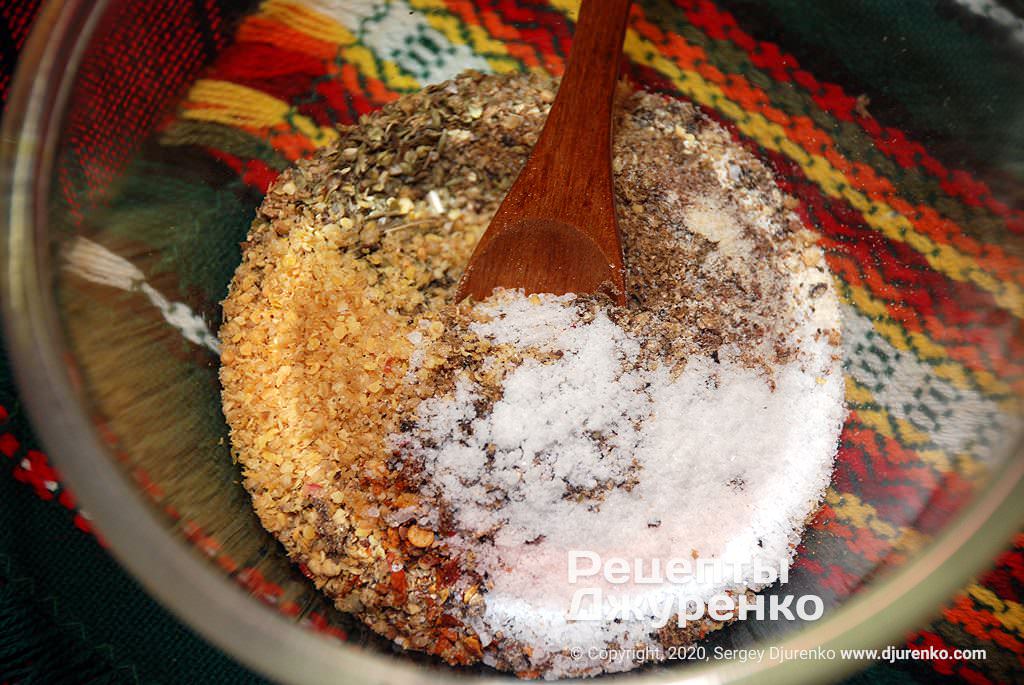
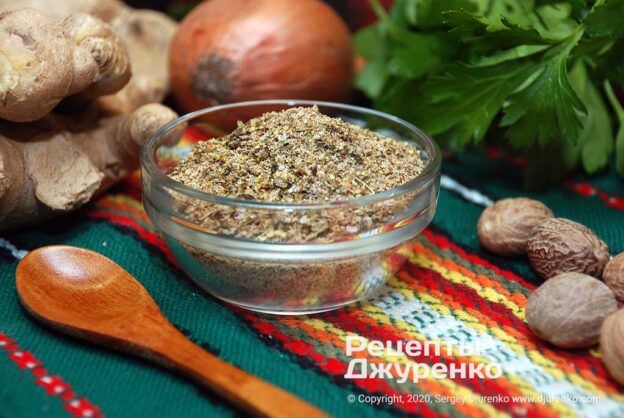
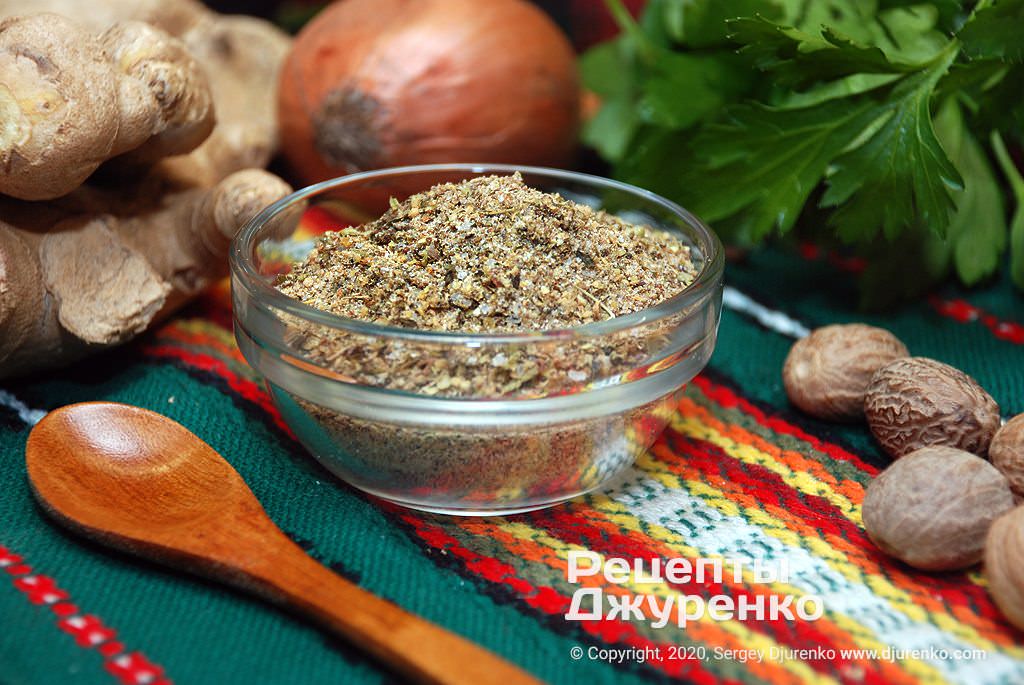
So, all the ingredients are ready, ground and sifted. Put all the prepared spices in a bowl. Take your time and stir all the components so that they are evenly distributed. After that the fish seasoning is ready.
Transfer the seasoning to a container with a tight-fitting lid and put it in a dark place away from sources of heat.
Spices generally do not tolerate heat well. Kept warm for a long time, they can oxidize and turn rancid.
How to use
If you are cooking whole fish on the grill or in the oven, sprinkle it with the seasoning 20-30 mins before cooking.
In the same way, when preparing grilled trout or similar dishes, rub the blend into the pieces of fish and leave for a while.
Before cooking, brush off the excess or wipe the fish with a napkin so that the bits of seasoning do not burn. Then brush with oil.
For soups, put the seasoning into a sachet, cook it like a bouquet garni, then discard it. It is very handy for homemade fish soup. When stewing, you can simply add it to the dish.
Calories and macros
228 kcal
100 g
- Protein8.6 g17% of kcal
- Fat9.5 g43% of kcal
- Carbs19.4 g39% of kcal
Calculated from the recipe ingredients, excluding salt and spices. Data: USDA and Matvaretabellen.