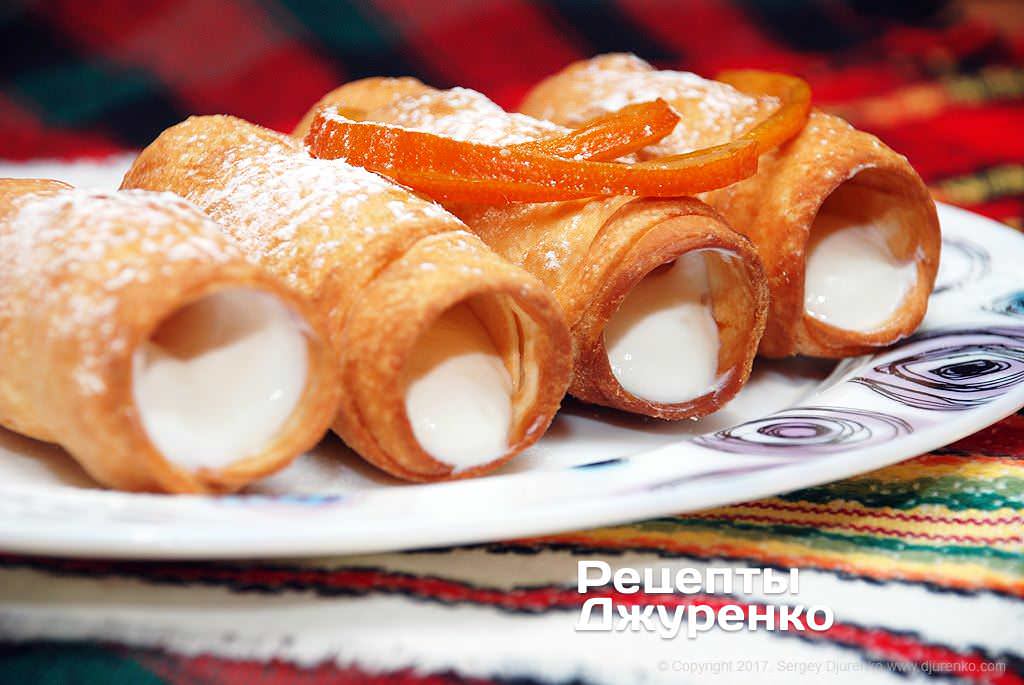
Ricotta Cannoli
Ingredients
8-10 pcs
- For the dough
- All-purpose flour 1.5 cups (1 cup for the dough, the rest for dusting the work surface) (195 g)
- Egg 1
- Sugar 1 tbsp (14 g)
- White wine 50 ml
- Butter 1 tbsp
- Vanilla (extract or powder) or vanillin to taste
- Salt a pinch
- Vegetable oil for deep frying 1 l
- For the candied orange
- Orange 1
- Brown sugar 1 tbsp (14 g)
- White sugar 4 tbsp (55 g)
- Cinnamon sticks 2
- Butter 1 tbsp
- Water 4 tbsp
- For the filling and serving
- Ricotta 250 g
- Powdered sugar 150 g (100 g for the filling, 1 tbsp for the egg whites, the rest for dusting)
- Liqueur 2 tbsp
- Sweetened condensed milk 3-4 tbsp (60–80 g)
- Egg white 3
- Salt for the egg whites a pinch
Step-by-step recipe
Dough and candied orange
Making this ricotta dessert involves two independent processes: preparing the dough for the pastry tubes and preparing the filling.
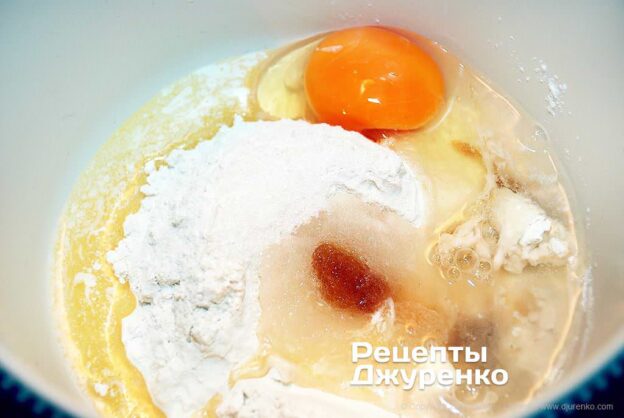
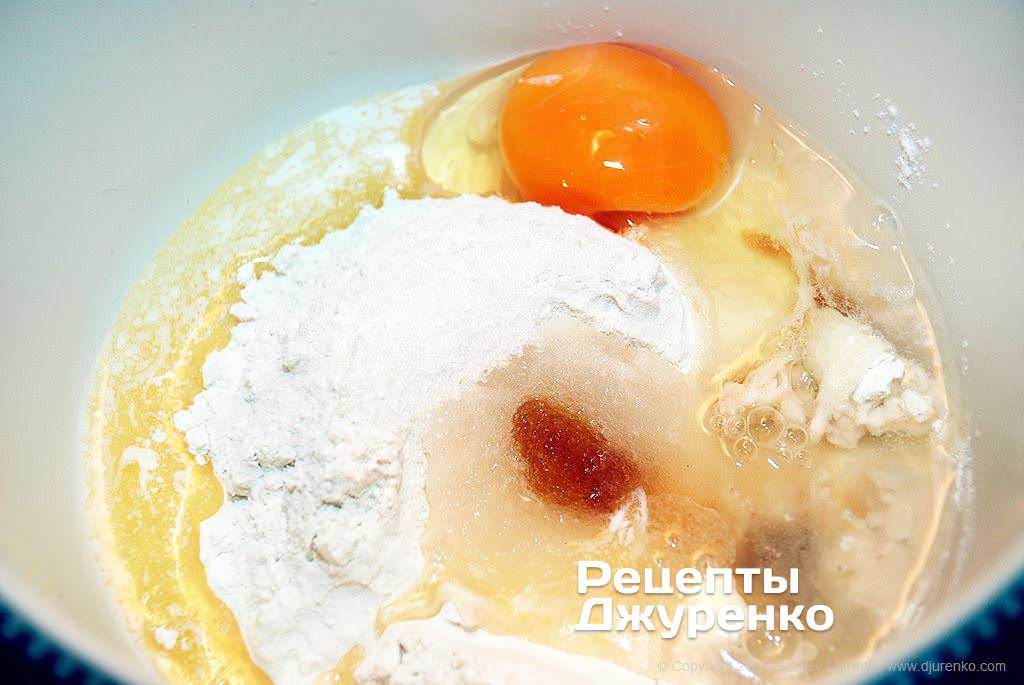
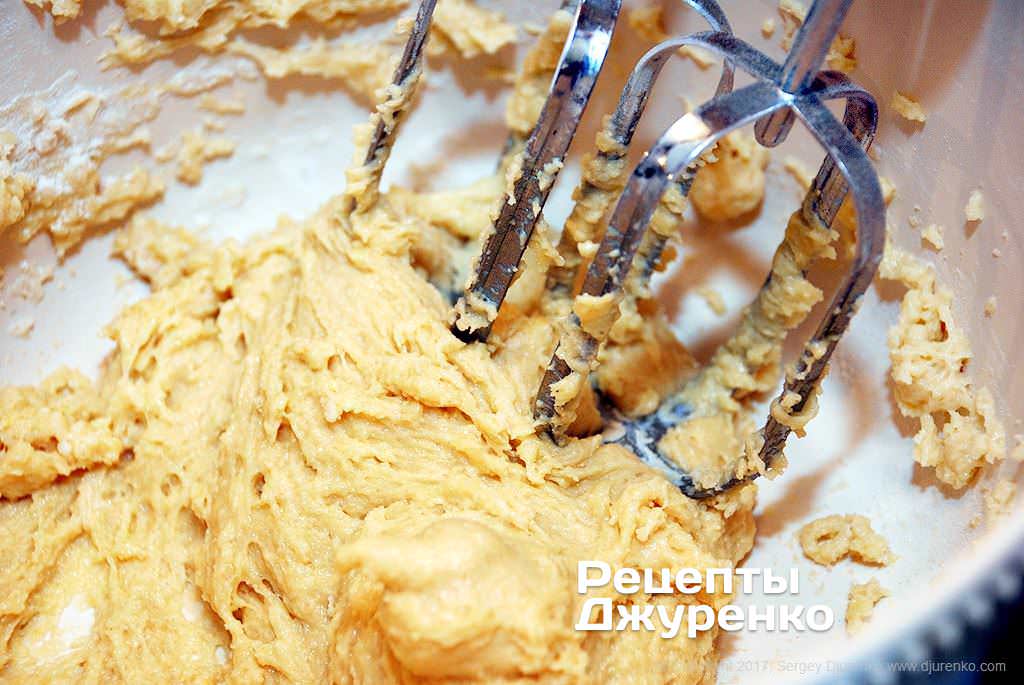
Mix the dough. Sift 1 cup of flour (130 g) and combine it in a deep bowl with one egg, 1 tbsp sugar (14 g), vanilla (extract or powder), 50 ml white wine, 1 tbsp melted (but not hot) butter and a pinch of salt.
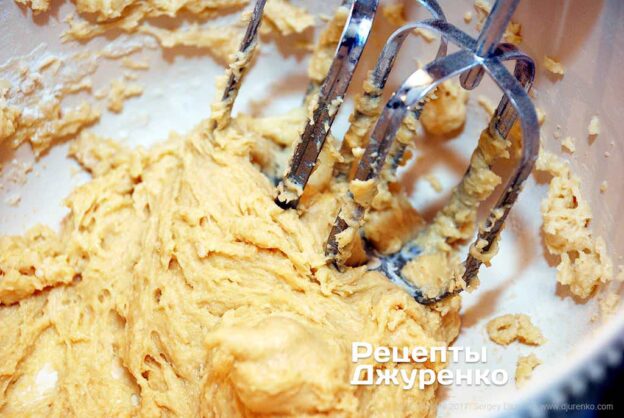
Knead the dough with a mixer – the consistency should be like grated pie dough. Since there is very little liquid, the flour mixture is rather hard to knead. The mixer comes in handy, at least at first, to combine all the ingredients.
Knead the dough thoroughly on a floured surface until completely smooth. It is worth the effort to work the mixture with your hands so there are no lumps at all.
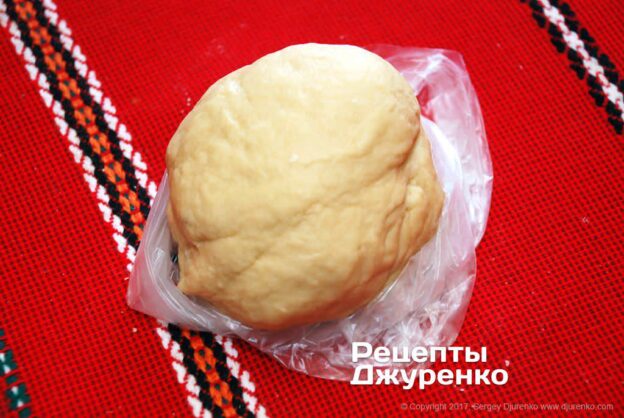
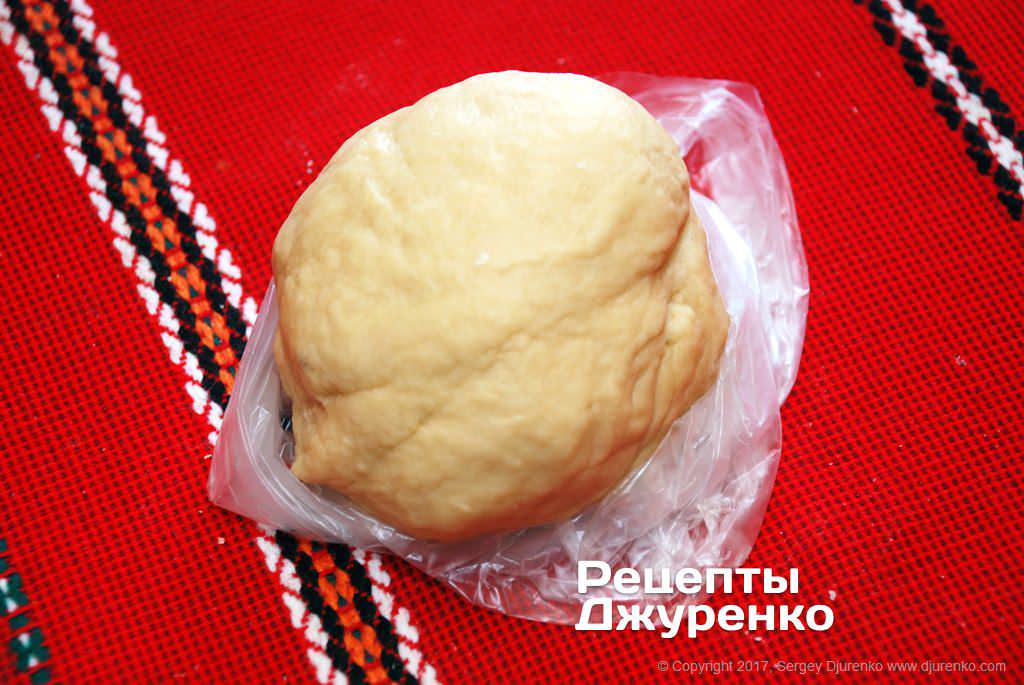
Roll the dough into a ball, wrap it in plastic and refrigerate for at least 1 hour.
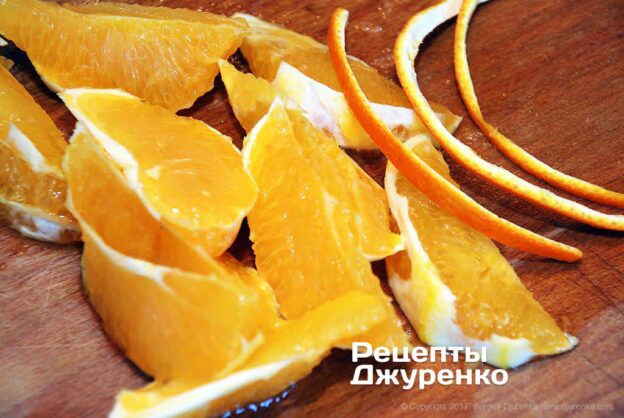
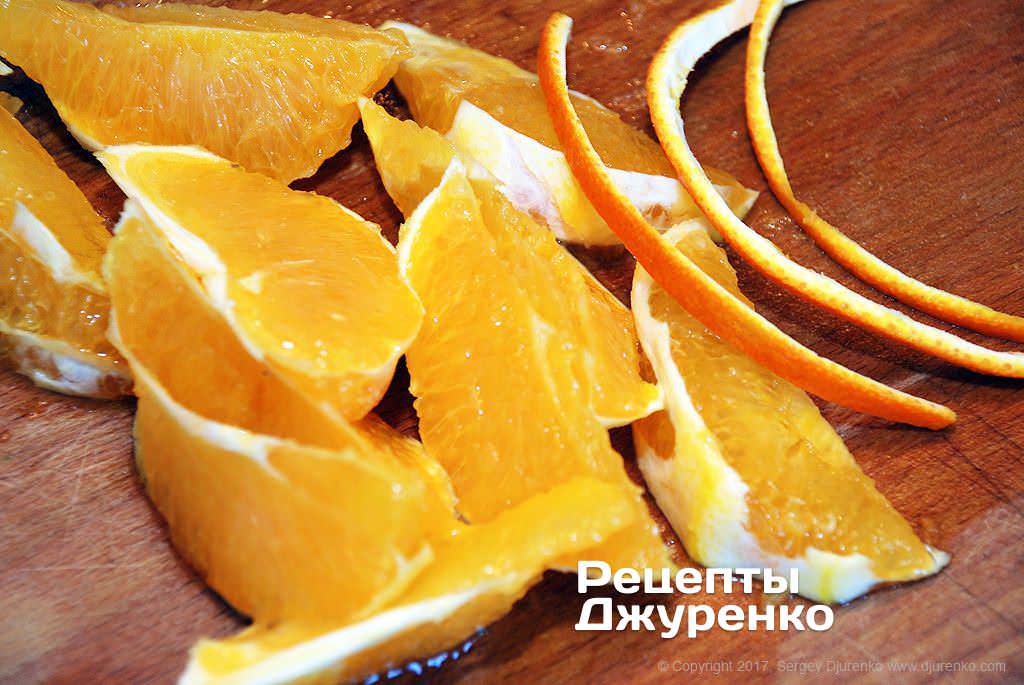
While the dough rests in the cold, prepare the orange for candying. This is optional, of course, but I advise you not to be lazy: it takes little time and adds variety to the flavor and look. Cut the orange zest into narrow, long strips and divide the orange into segments. You won’t need the segments to decorate the dish, but you can simply eat them – they are very tasty.
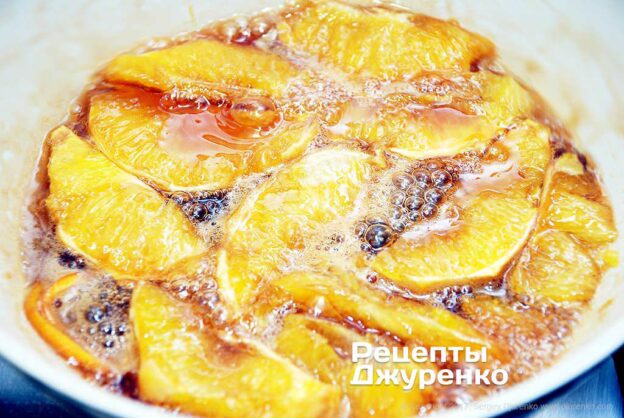
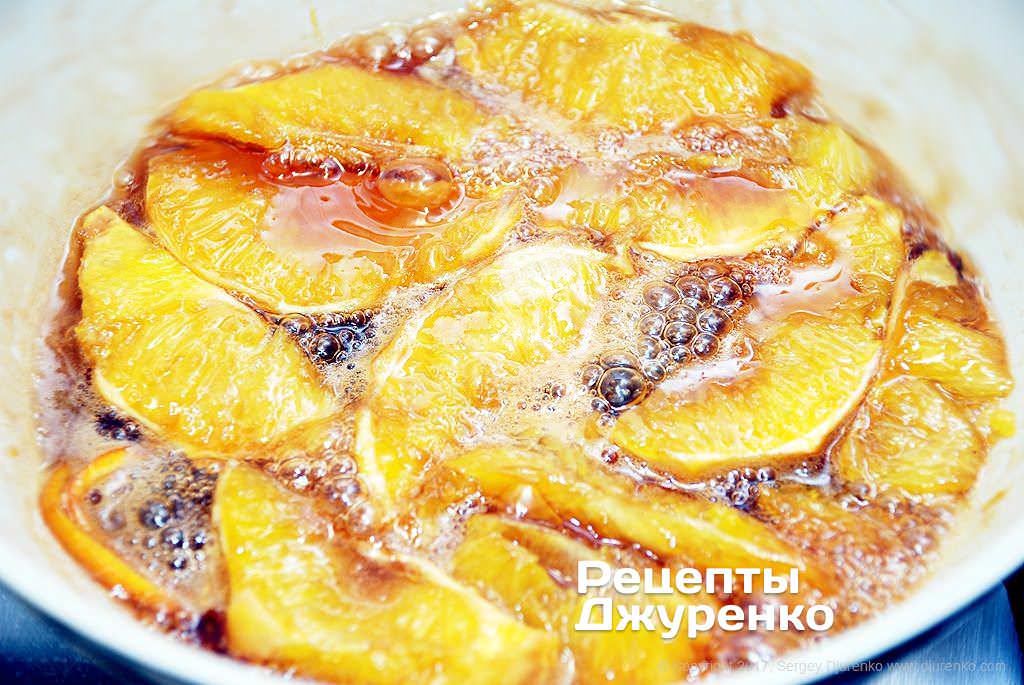
Cook the zest and segments in syrup. In a small saucepan, combine 1 tbsp brown sugar (14 g), 4 tbsp white sugar (55 g), 2 cinnamon sticks, 1 tbsp butter and 4 tbsp water. Bring to a boil over medium heat and add the zest and orange segments. Simmer the pieces over low heat for about 10 minutes, turning them once with a fork. Then transfer the zest and segments to a saucer and let them cool.
Pastry tubes
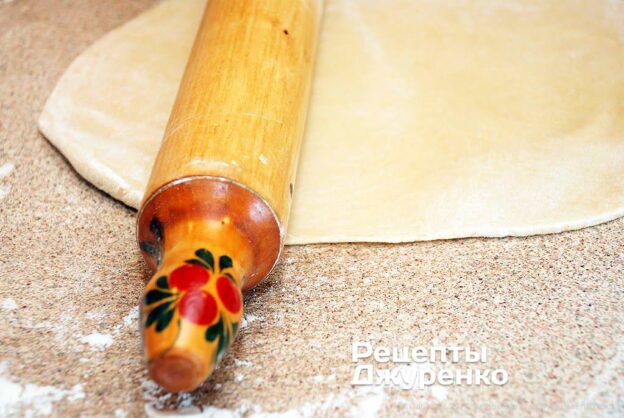
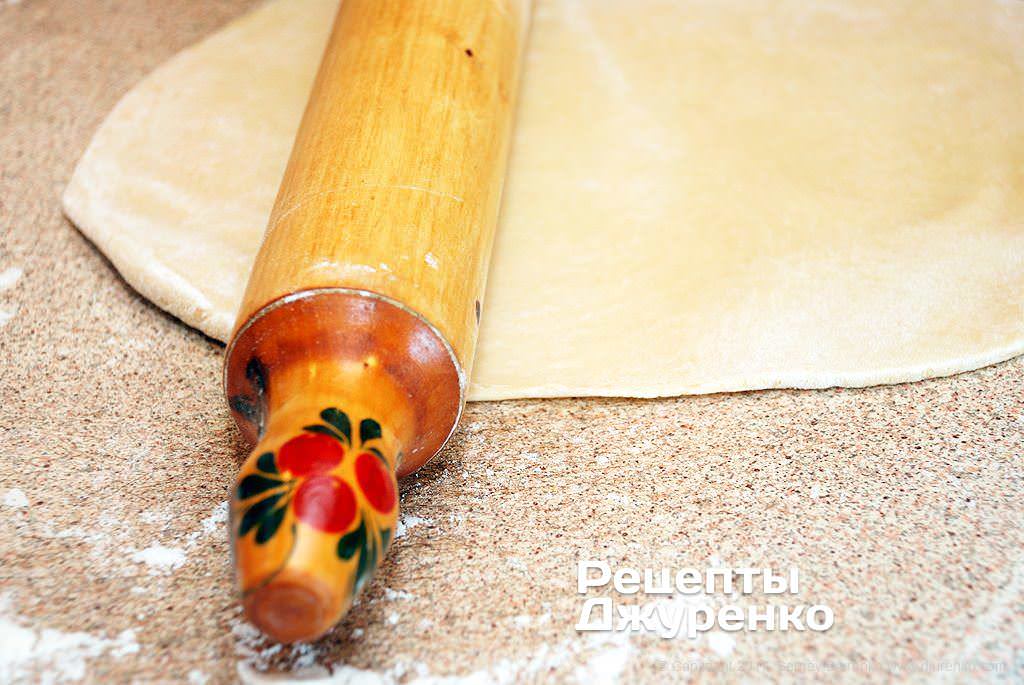
Roll out the chilled dough. Dust the work surface with flour and roll the dough out with a rolling pin to a thickness of 2 mm. The shape doesn’t matter, since you will cut pieces out of the sheet and can re-roll the scraps.
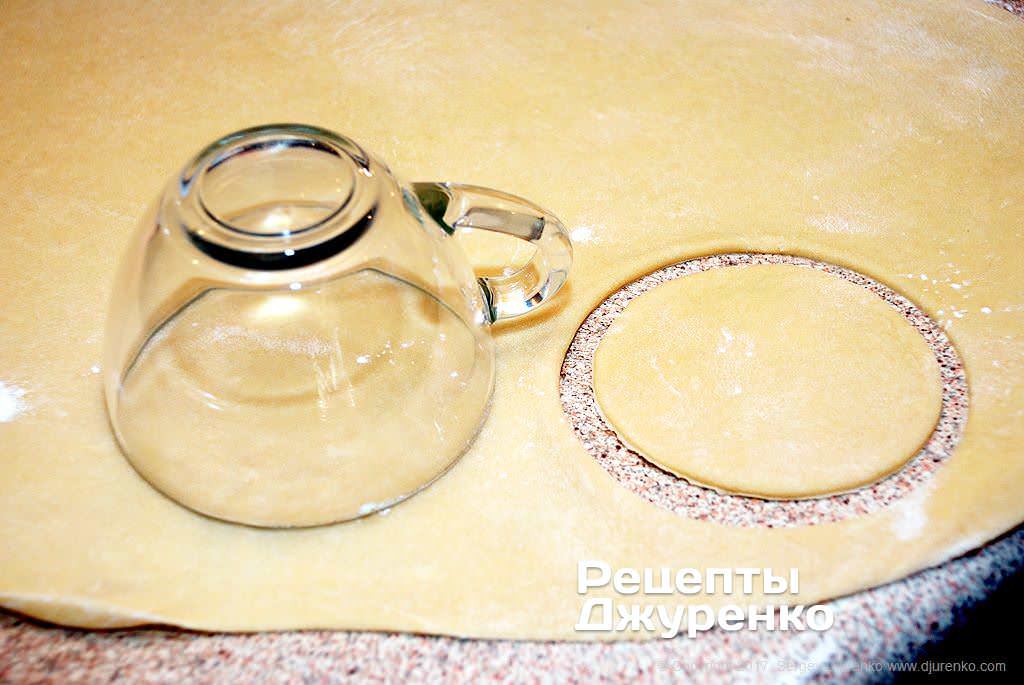
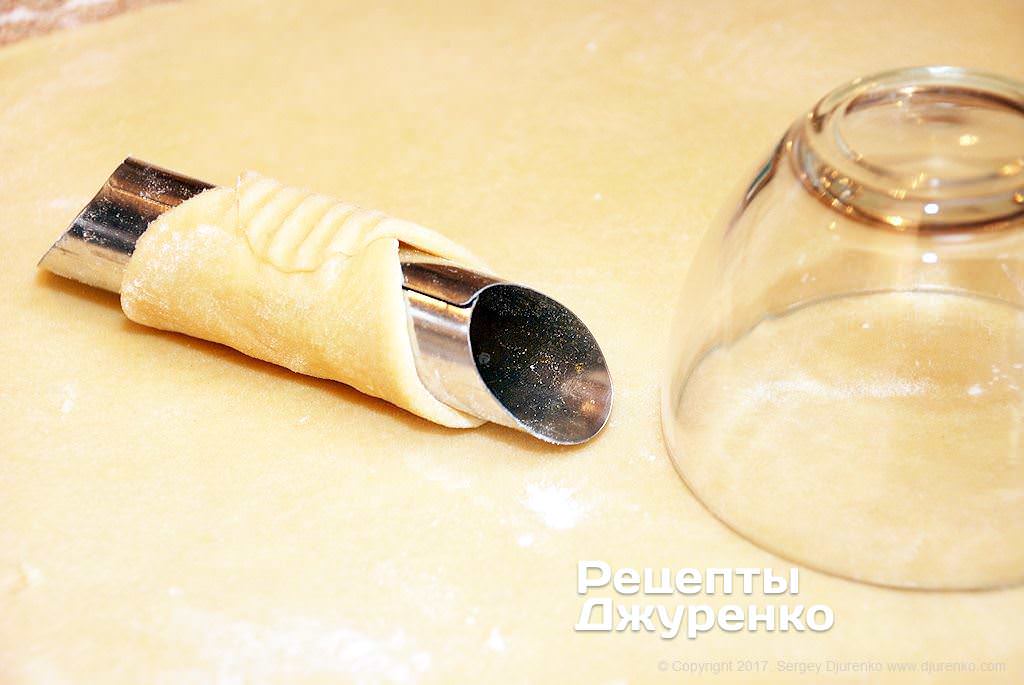
Cut out the pieces. The easiest way is to press out a round piece with a cup or cut out a circle, then stretch or roll the dough into an oval whose short side is as long as the mold.
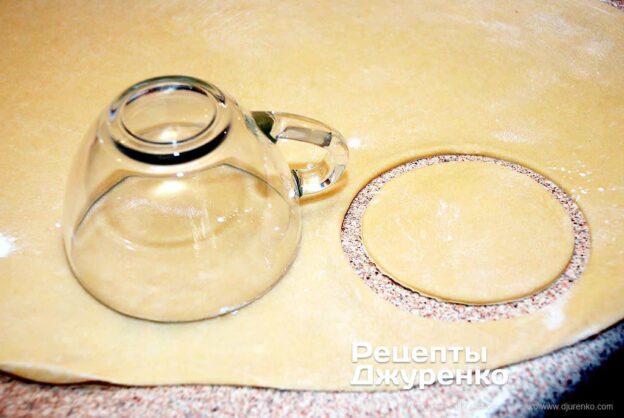
You can cut out more complex shapes, even with a template, so the dough sheet fits the tube mold perfectly. But as a rule, this just complicates the process.
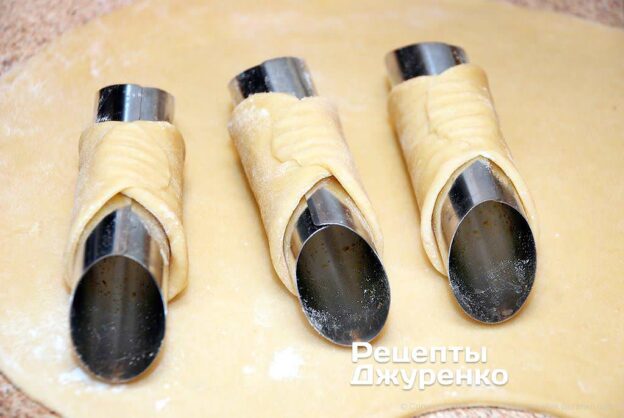
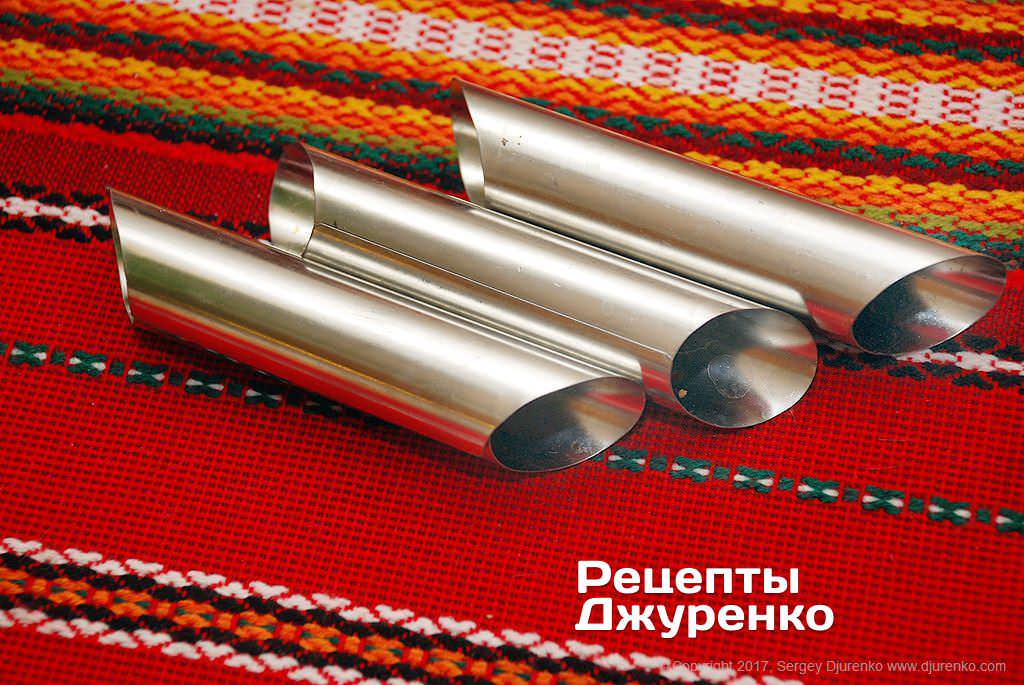
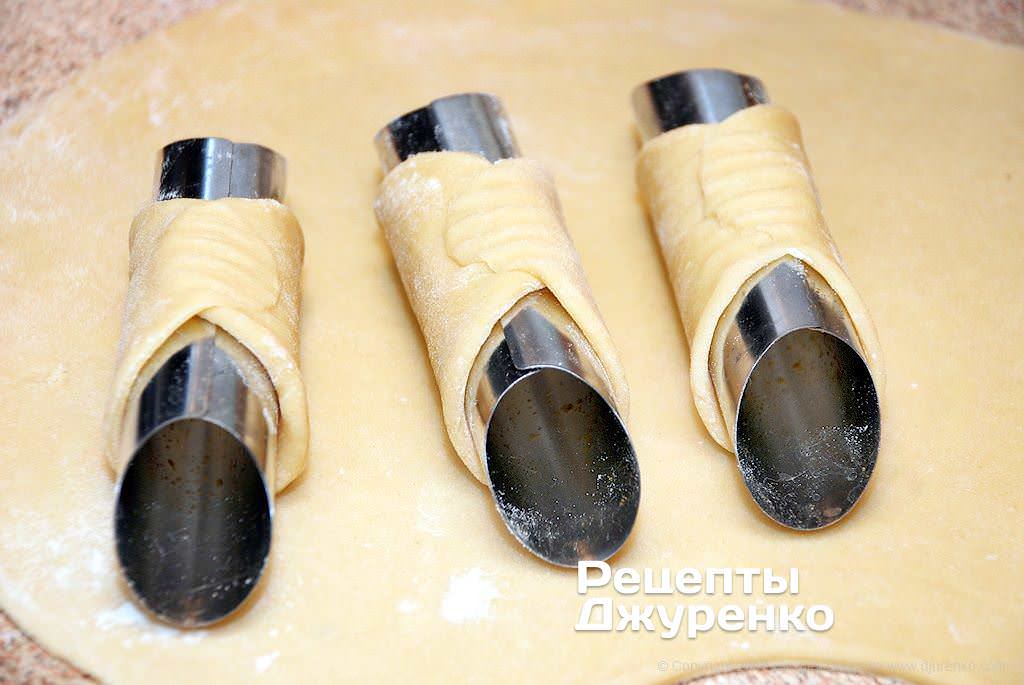
Wrap the dough around the mold, overlapping the edges, and seal them firmly with your hands, as tightly as possible, with practically no seam. The catch is that poorly sealed edges will spring open instantly when frying, and instead of a pastry tube you will get something resembling a Mexican tortilla.
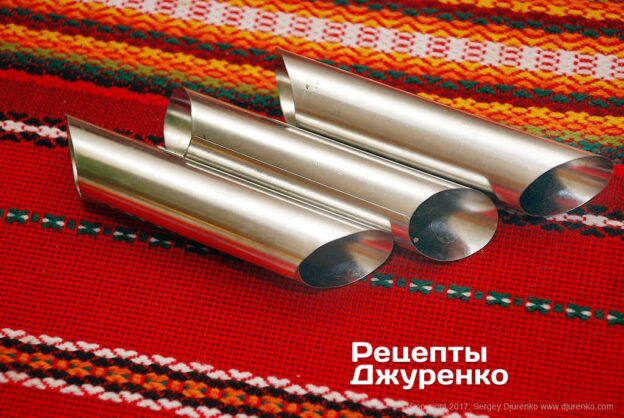
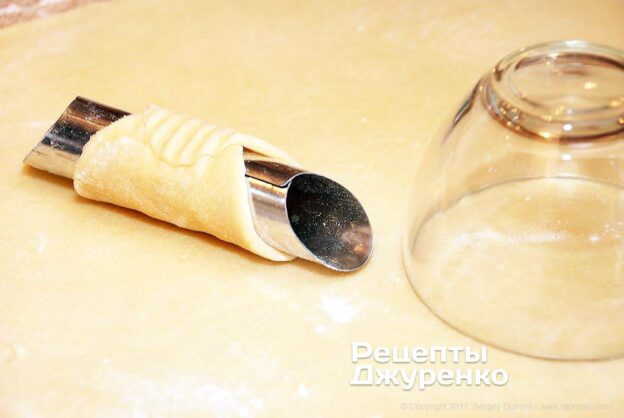
Depending on the size of your deep fryer or pot, prepare several pieces – molds wrapped in dough. All of them need to fit in the pot.
Heat the oil for deep frying. Traditional recipes often suggest frying the tubes in lard, but if lard is unacceptable to you, don’t torment yourself, those around you or pigs – just use vegetable oil. It should be natural, filtered oil with absolutely no smell. I used refined sunflower oil. With a deep fryer the process is much simpler. If you don’t have one, heat 1 liter of vegetable oil in a large pot over medium heat until it gives off a faint, barely noticeable white smoke.
Important – safety comes first. Never let even a drop of water get into the hot oil: oil spatter is uncontrollable and unpleasant. Also, have a long-handled spoon on hand for handling the dough in the hot fat.
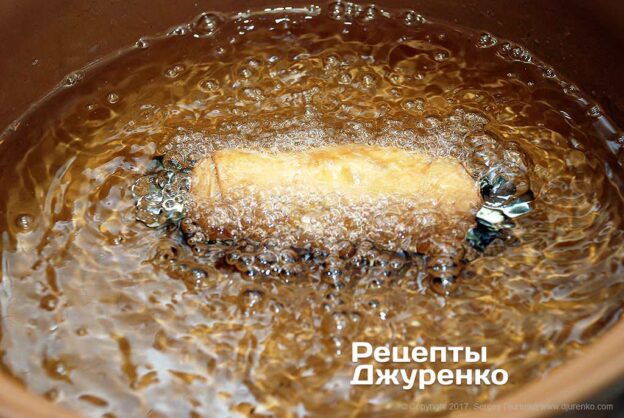
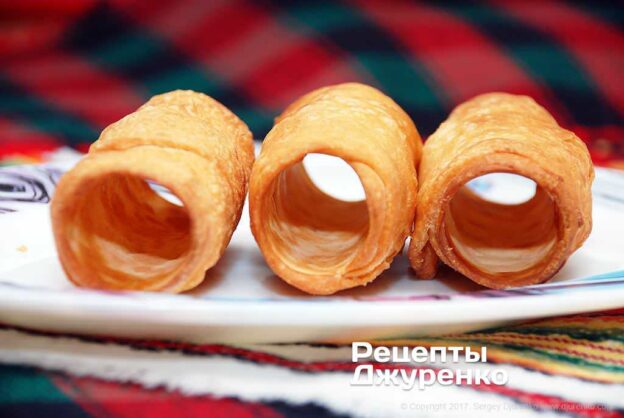
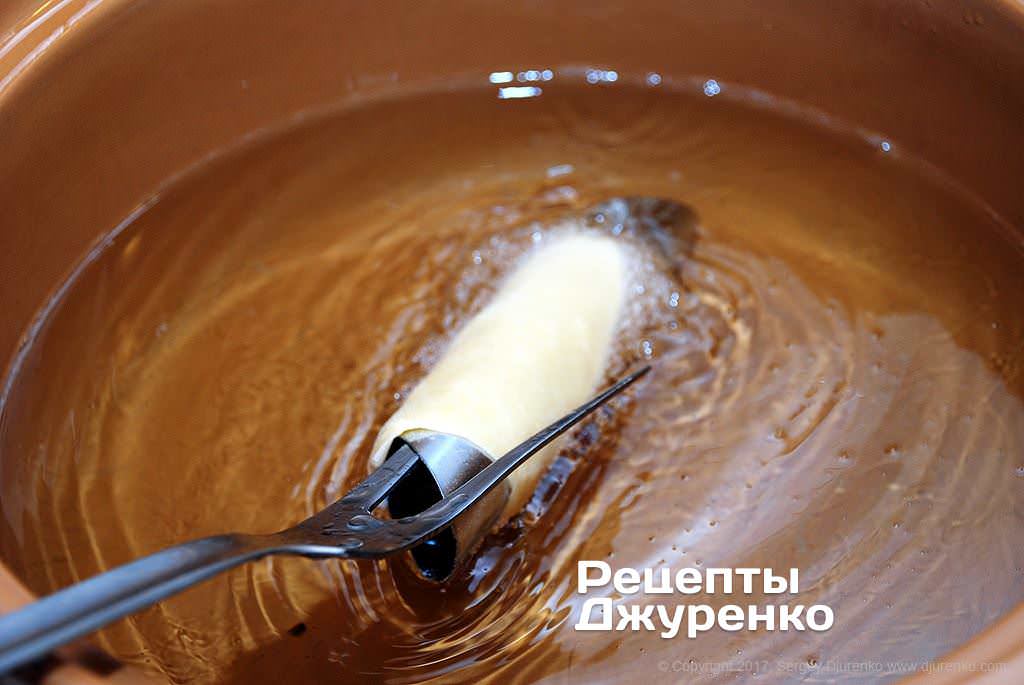
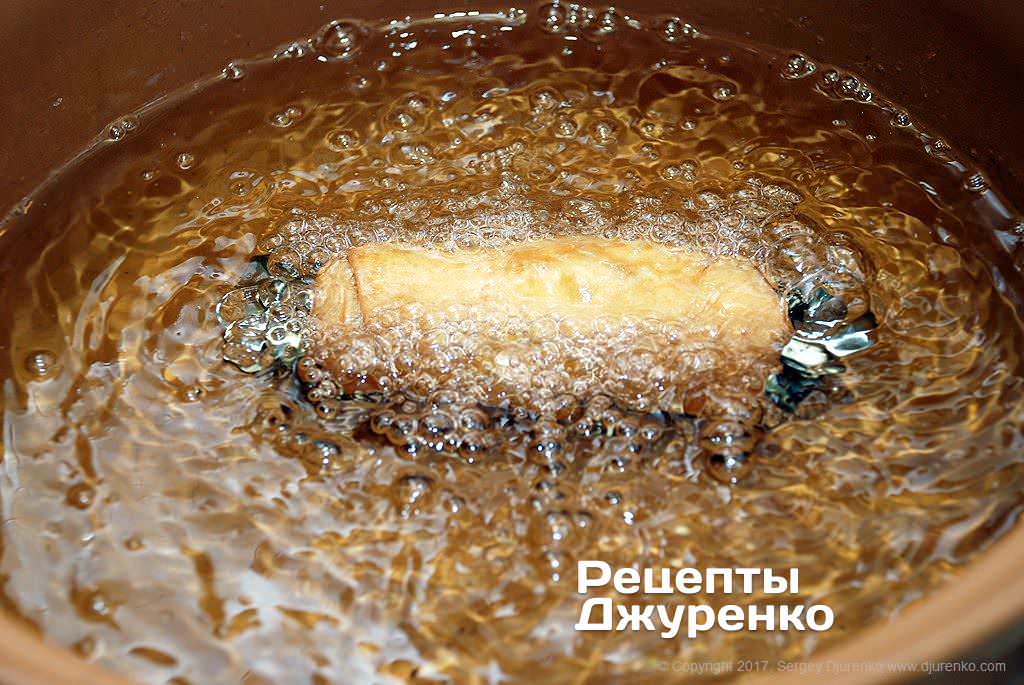
Fry the tubes until golden. First drop a pinched-off piece of dough into the oil – the usual test of frying time and browning. For us it took 2 minutes. Dip the prepared mold with dough into the hot oil. You can fry the tubes one at a time or a few at once, as you prefer.
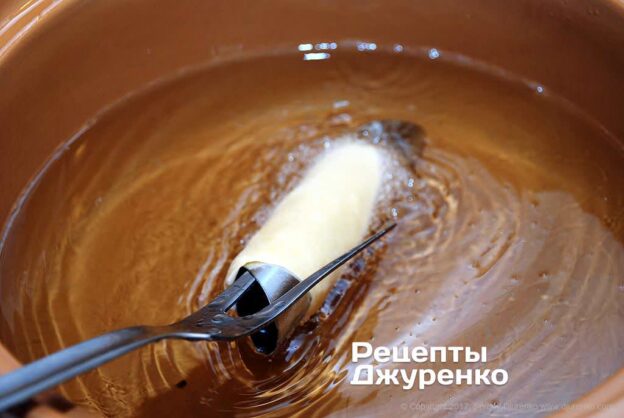
As soon as the dough turns a pleasant golden color, take the pastry tube out of the fryer very quickly. Beware of drops of scalding oil.
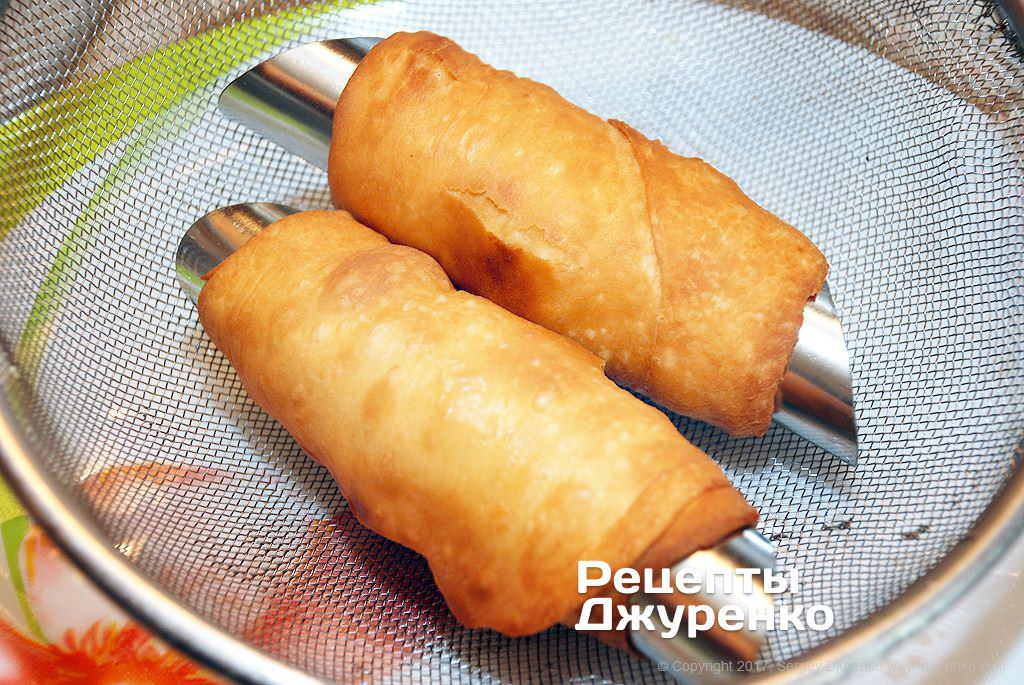
Place the tubes on a sieve or rack to drain the fat. As it turned out, it is very convenient to put the finished pieces in a mesh colander. While a tube is still warm, carefully slide it off the mold.
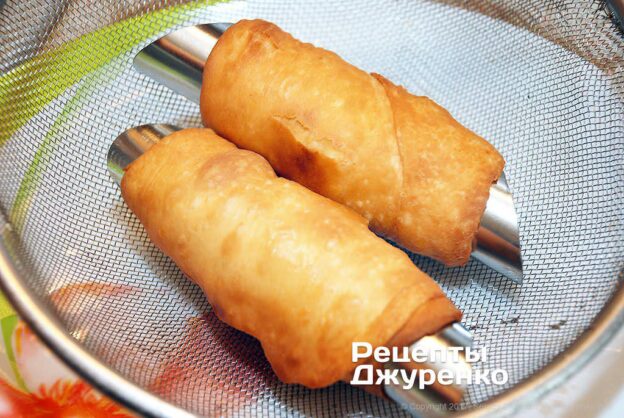
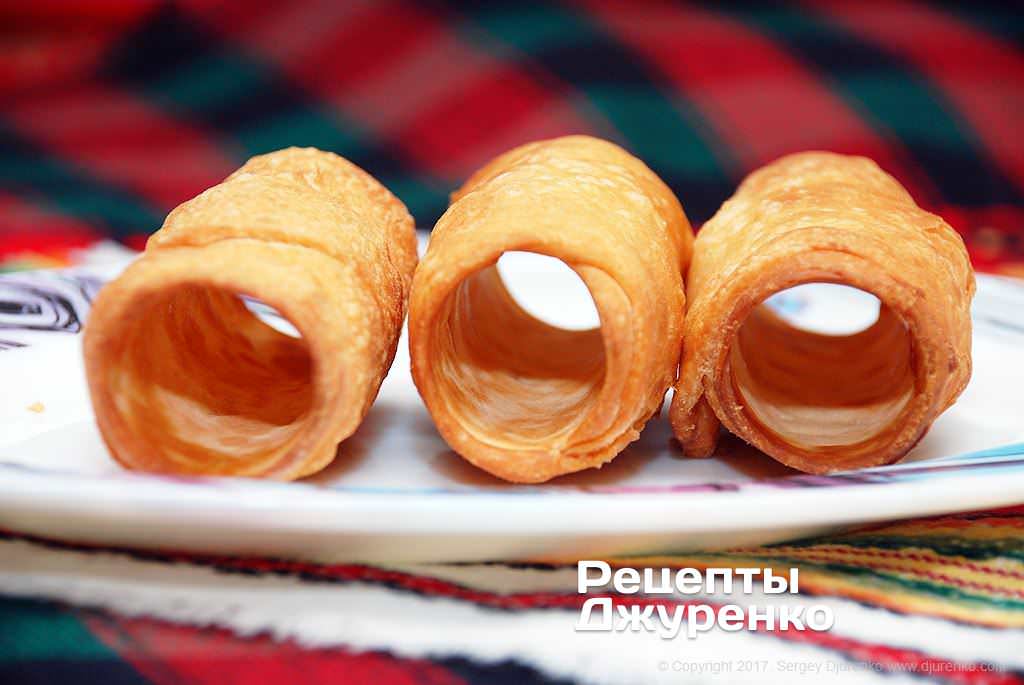
All the pastry tubes must cool completely. Put them on a plate and cover with a napkin.
Ricotta filling
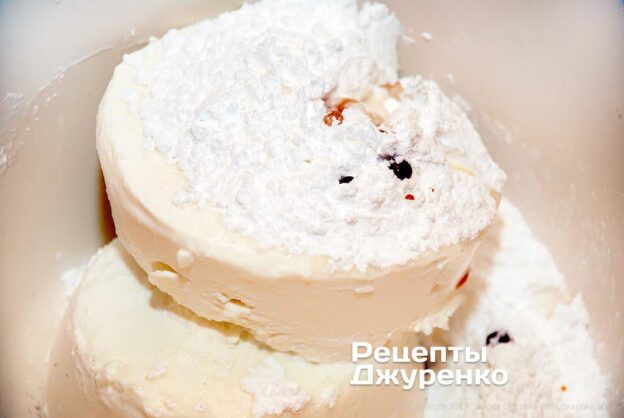
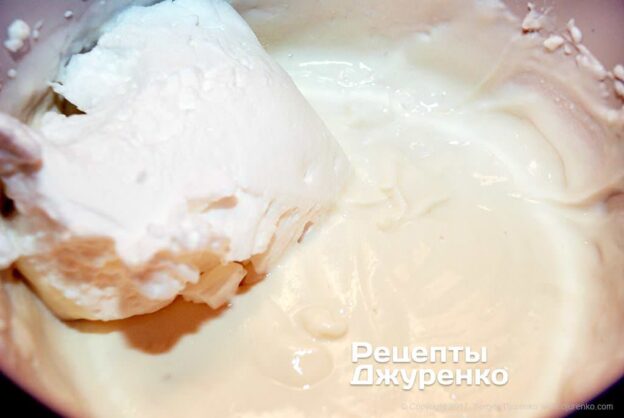
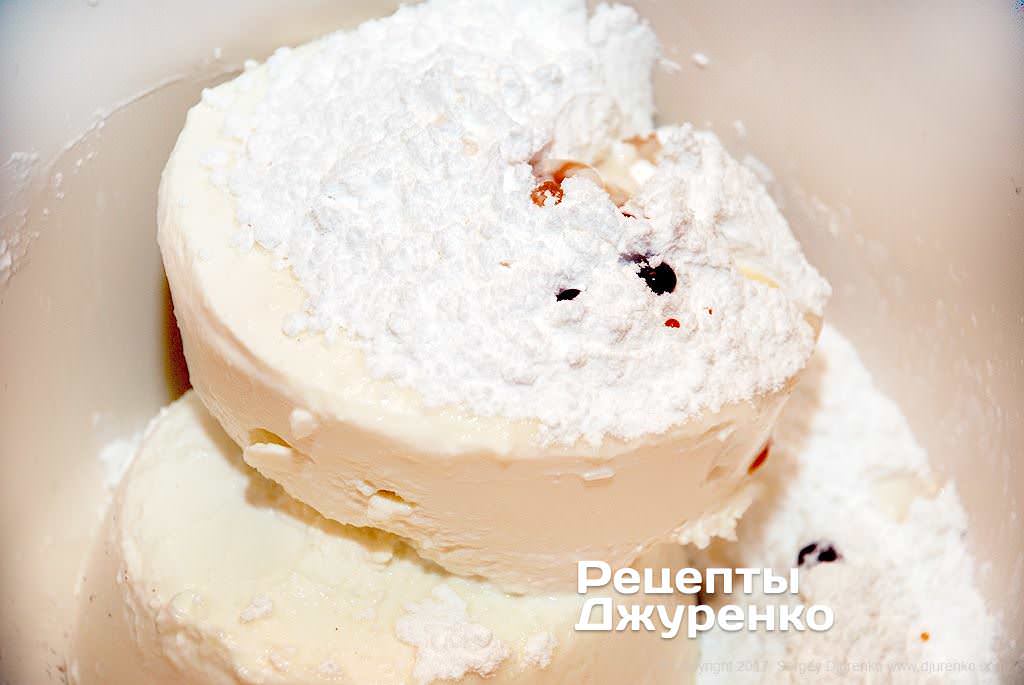
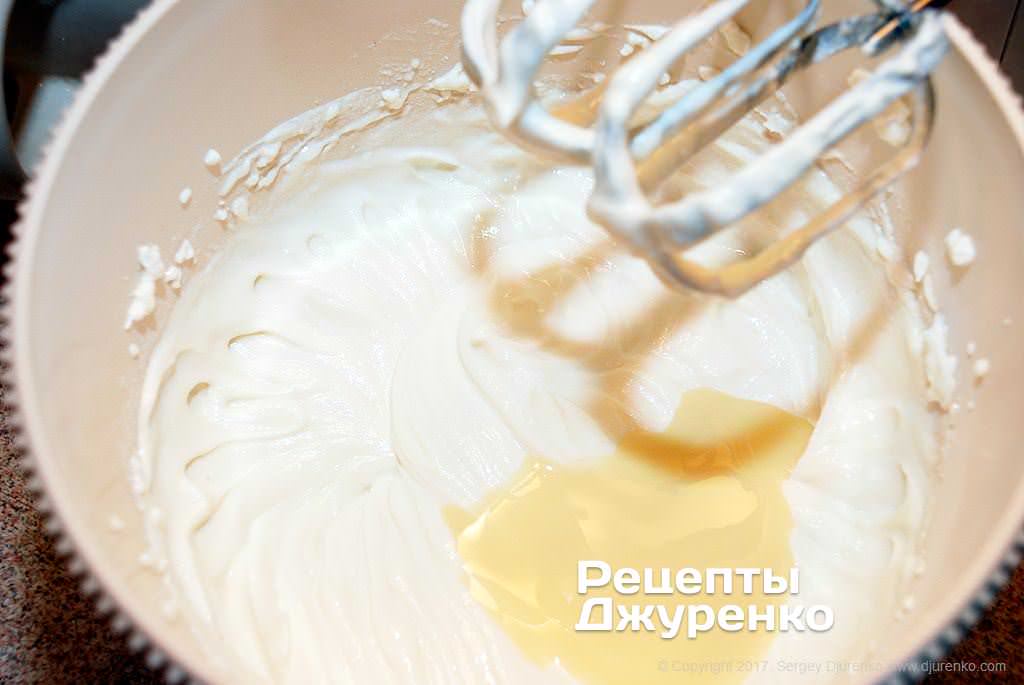
While the tubes cool, mix the filling. Put the ricotta in a deep bowl, add 100 g powdered sugar and 2 tbsp liqueur. Liqueur, sweet wine or flavoring – as you like. We added Cointreau orange liqueur. Stir the ricotta and additions thoroughly until completely smooth.
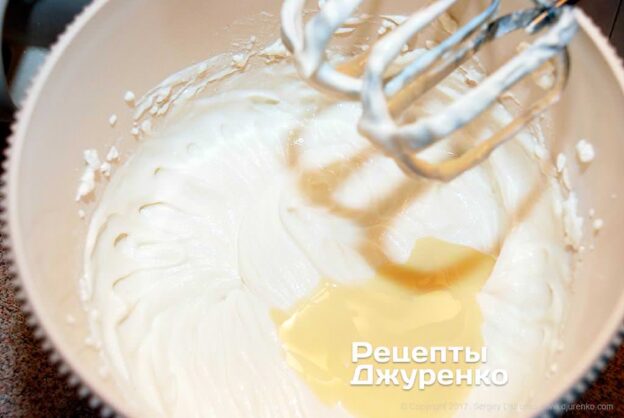
The filling should be sweet, so taste it and add more powdered sugar, or better still, 3-4 tbsp of good-quality sweetened condensed milk (60–80 g).
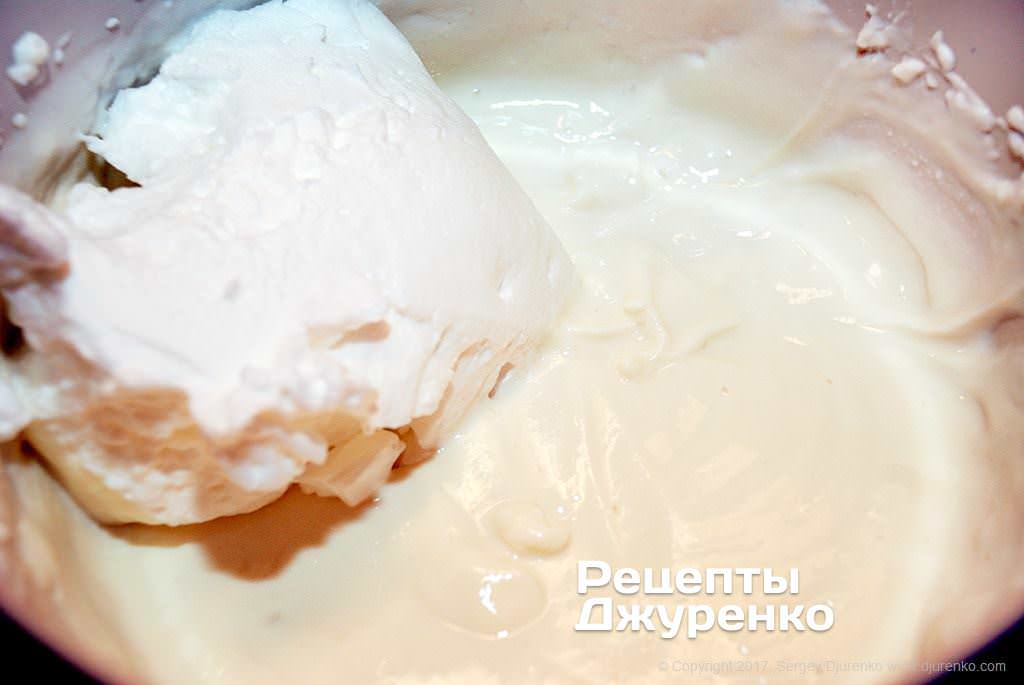
To keep the ricotta filling from running, you can fold in 3 egg whites whipped with a pinch of salt and 1 tbsp powdered sugar (150 g). Whip the whites exactly as for meringue, to stiff peaks. Add the whipped whites to the ricotta in portions and fold with a spatula. Don’t rush, as the mixture can separate.
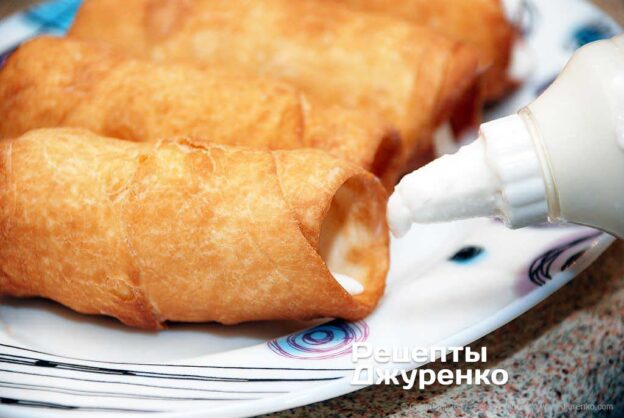
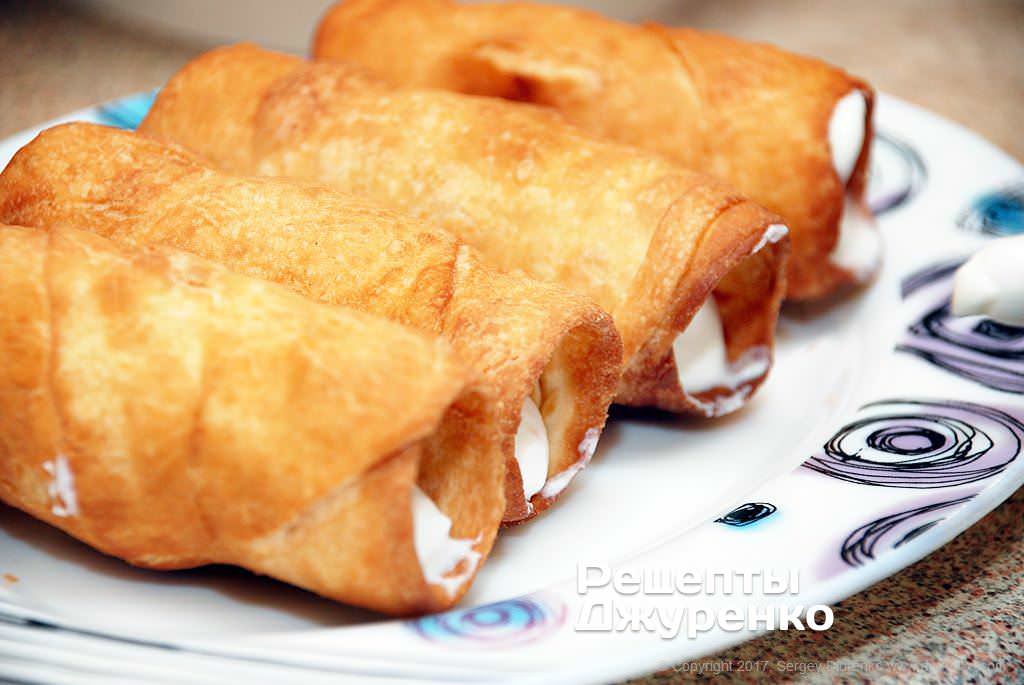
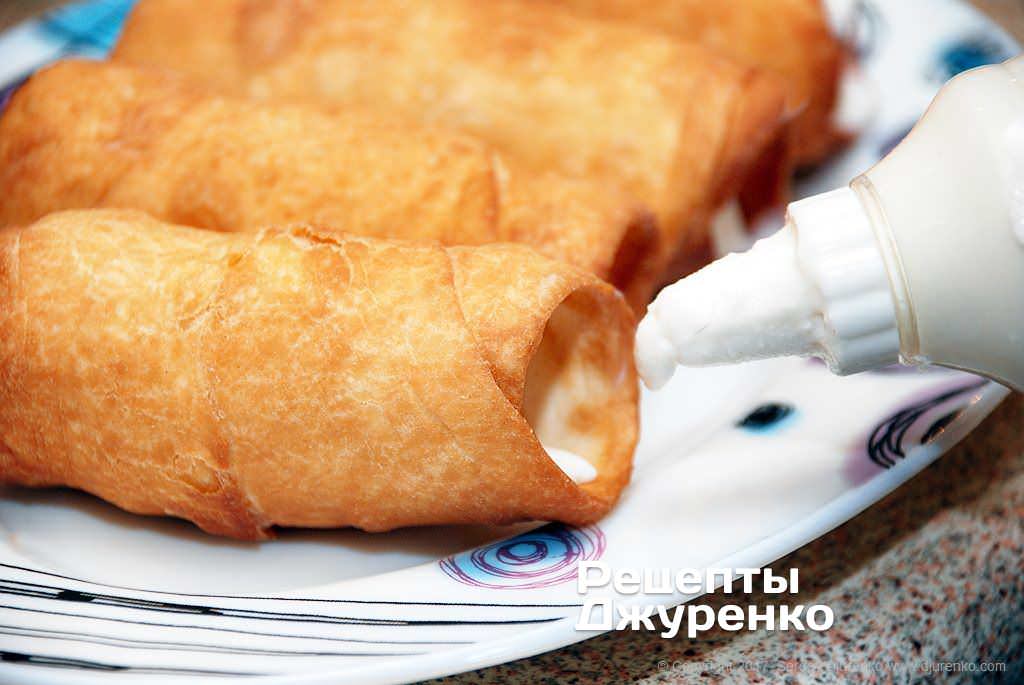
Fill the cooled tubes, preferably right before serving: wet ricotta quickly softens the shells. You will need a piping bag with tips. Fill the bag with the filling and fit a convenient tip with a straight, even opening. Carefully fill the tubes one by one with ricotta.
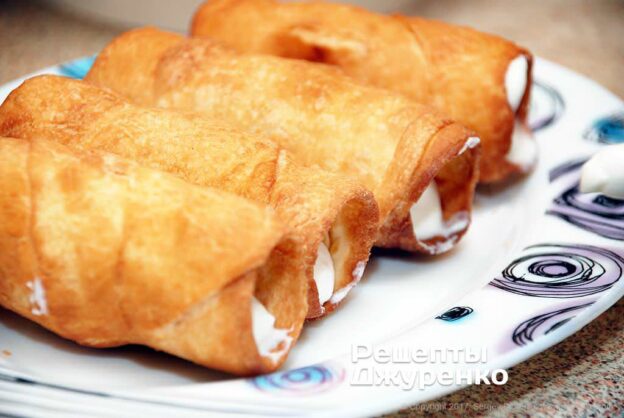
It is better not to fill the tubes right up to the edges, since the filling is not very firm. The filling will leak a little in any case, and if you overfill the tubes, the ricotta will spill out.
Serving
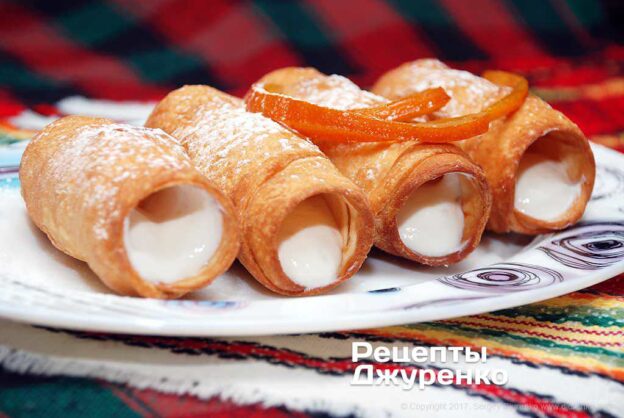
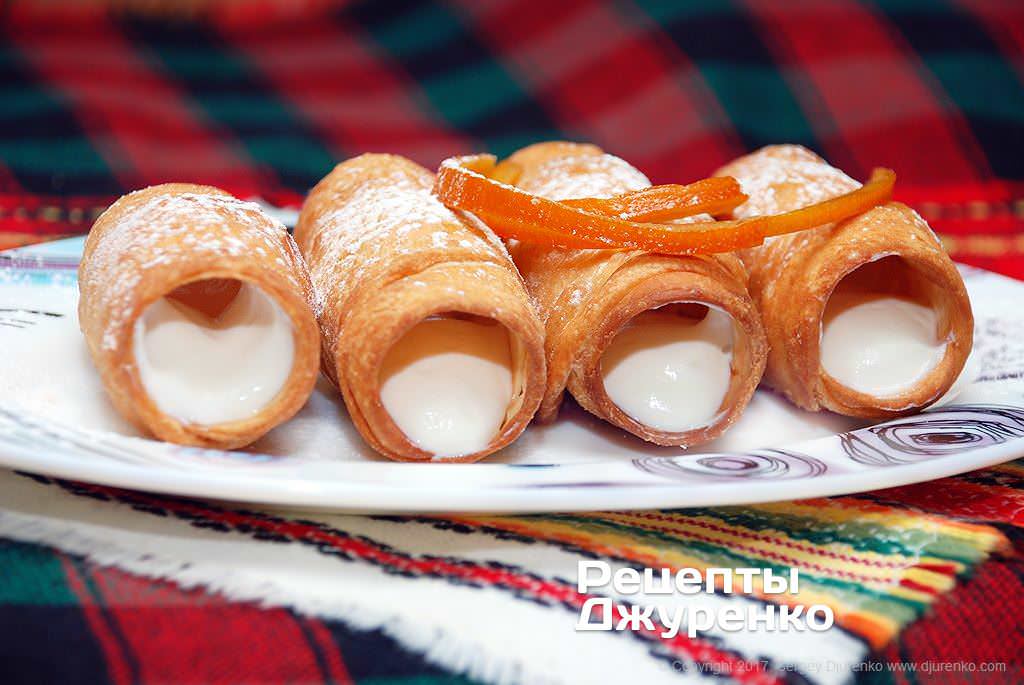
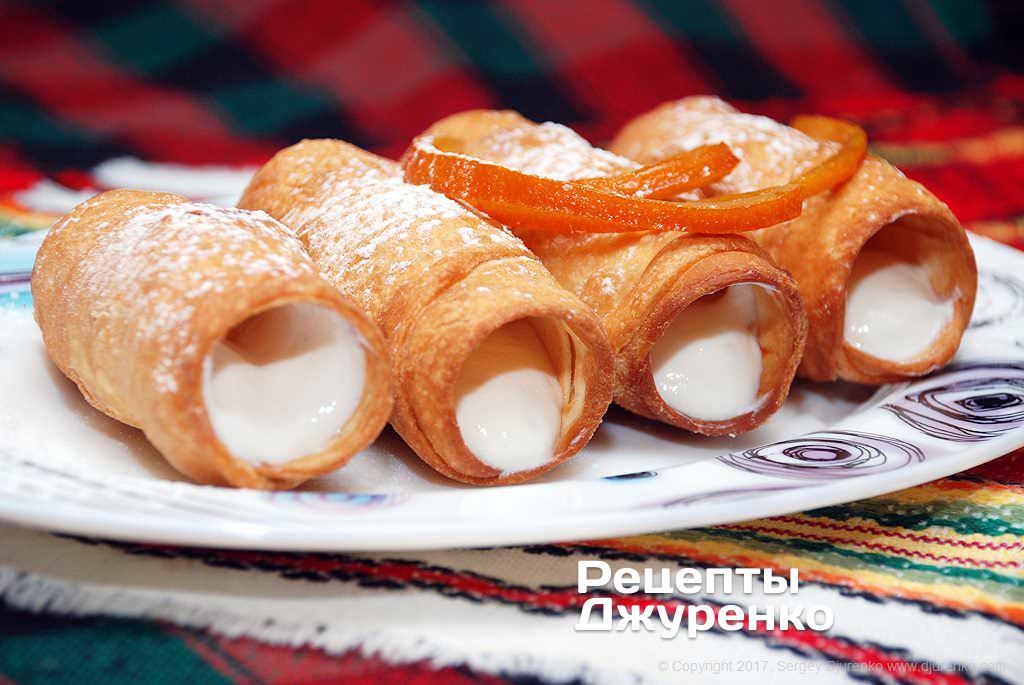
Place the finished dessert on plates, decorate with candied orange peel and dust with powdered sugar. If you like, and to taste – you can decorate with imagination, practically without limit. Chocolate shavings, various berries, all kinds of candied and glacé fruits, sprinkles…
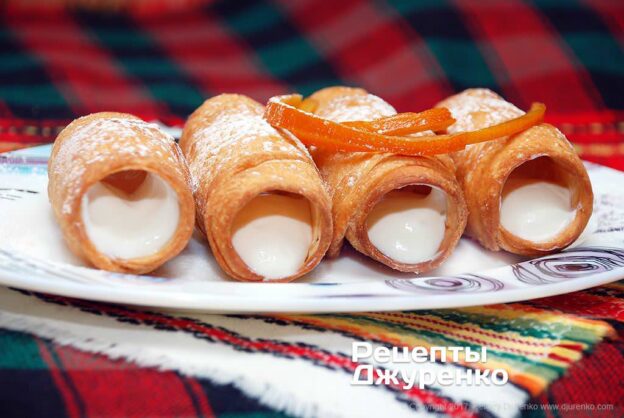
To our taste, cannoli are a pastry tube and a ricotta filling, with a minimum of extras. All the divine flavor and tenderness of the dessert is right there. Thanks to my daughter Yulia for the master class – everything is so simple and clear that even I understood it the first time.
Calories and macros
220 kcal
100 g
- Protein4.5 g8% of kcal
- Fat4.6 g19% of kcal
- Carbs38.5 g72% of kcal
Calculated from the recipe ingredients, excluding salt and spices. Data: USDA and Matvaretabellen.