
Tapenade
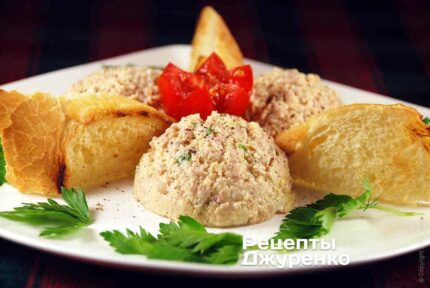
This thick olive sauce is a remarkable dish of Provençal cuisine, widely used for sandwiches and toasts, as a dip for vegetables, or even as a stuffing. The first time I tried sandwiches with olive paste, I was very pleased and got curious. The tapenade recipe turned out to be easy. Some of the ingredients are fairly hard to find, but you can buy them.
Tapenade olive paste is made without cooking, from olives, capers and anchovy fillets, with garlic, spices and olive oil. They say this olive appetizer owes its name to the Provençal word for capers, tapena. The first mentions of the recipe date from the late 19th century, although olive paste is typical of almost all Mediterranean cuisines.
In old recipes capers came first: the young flower buds of a shrub that grows all over Southern Europe. Capers are usually salted or pickled. In modern cooking olives take first place, and the dish is often just called olive paste. The recipes are also often simplified and adapted to particular conditions and available ingredients.
Olive tapenade can be made from black or green olives or a mixture of the two. Natural black olives make up most of the sauce and are blended with the usual ingredients of the appetizer. Green olives, besides the usual ingredients, can be mixed with pine nuts or ground almonds, and even capers are not always required.
An important ingredient of tapenade is anchovies, salted or canned in oil. Anchovy flesh is very oily, and just a few fillets are enough for the sauce so that their flavor is clearly noticeable.
The fruit of the olive tree, the olive, is one of the oldest foods grown by people. The fruit and olive oil are eaten. The pits are used as fuel, and olive oil is used in cosmetics and, it seems, just about everywhere. In essence, tapenade is a concentrated olive appetizer, made from both the oil and the fruit, with capers, spices and so on.



Ingredients
6-8 servings
- Black olives 200 g
- Anchovy fillets 2-3
- Capers 1 tbsp
(10 g) - Garlic 1 clove
- Fresh hot pepper 0.5 pc
- Lemon juice to taste
- Olive oil to taste
- Salt to taste
- Bread, herbs, olives, cream cheese, hot pepper for serving
Step-by-step recipe
If you like, you can make tapenade from any olives. What matters is that they are natural, without preservatives or colorings. Few people realize that the uniform deep black color of olives is almost certainly the result of so-called “oxidation” of green olives with caustic soda and ferrous gluconate, which removes the bitterness and darkens them. These days you can buy good olives sold by weight. “Black” olives will be brown, mottled, dark brown or purple, but not black.

Anchovy fillets are a rarity, but buying them is quite realistic. Anchovies are often replaced with other small salted fish such as sprats or Baltic herring. This is not quite right, but at least it lets you use a similar product for the recipe. Salted capers are a common product, sold in small jars. Don’t choose very large capers, since they are coarser and harder to chop.

The olives need to be pitted. It’s not hard. In most cases it’s enough to press the olive firmly and the pit practically jumps out.
If you press an olive and roll it under your palm on the table, the pit separates nicely from the flesh. In the worst case you can simply cut the flesh off the pit with a knife. Put the olive flesh in a small bowl.
As I said, the tapenade recipe calls for chopping all the ingredients thoroughly. You can use a countertop or immersion blender. Or, if you have the experience, chop everything with a knife. But a blender is both faster and more convenient. Take your time and blend the olive flesh at low speed, carefully, as it may splatter.
Meanwhile, take out a few anchovy fillets and chop them finely with a knife. Rinse the capers thoroughly to remove the brine and pat them dry. It’s better to rinse them several times, squeezing out the liquid. Peel a clove of garlic and a small hot pepper, or half a pepper if you prefer. Chop the garlic and pepper. Add the anchovy fillets, capers, garlic and pepper to the olives.

Keep blending everything together until smooth. Salt the tapenade to taste, but not too much. Add 1-2 tbsp of lemon juice to taste, stir, then add 1-2 tsp of the very best olive oil and mix well again. You can add more olive oil if you like, but the olive paste should not pour freely from the bowl. The consistency of the sauce should be close to vegetable caviar.

The olive paste is now ready and can be served as a dip or added to Italian pasta. For a separate appetizer, you can make bruschetta with olive paste. Lightly toast a few slices of bread in a grill pan without oil. After browning, the toasted bread should cool to room temperature.

The cooled toasts can be spread, completely or partly, with any cream cheese, mascarpone or Philadelphia. Then spread the tapenade on the toasts and, if you like, sprinkle with a pinch of chili. Arrange the olive bruschetta on a plate, garnish with herbs and add a few black or green olives. Serve the olive sandwiches as an appetizer with beer or an aperitif, or just as a snack if dinner is still a long way off.


Calories and macros
50 kcal
Serving ≈ 30 g
- Protein1 g7% of kcal
- Fat4 g81% of kcal
- Carbs2 g12% of kcal
100 g144 kcalProtein 2.4 gFat 13.2 gCarbs 4.5 g
Calculated from the recipe ingredients, excluding salt and spices. Data: USDA and Matvaretabellen.
 Pull chopper for garlic and onionAliExpress
 Oil sprayerAliExpress
 Kitchen scale up to 5 kgAliExpress
 Vegetable chopper with handleAliExpress
 Measuring cups and spoonsAliExpress
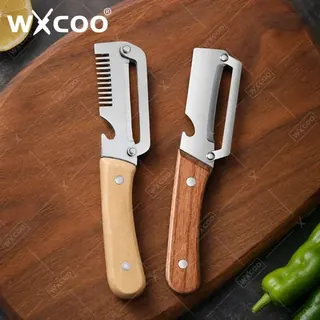 Peeler with wooden handleAliExpress