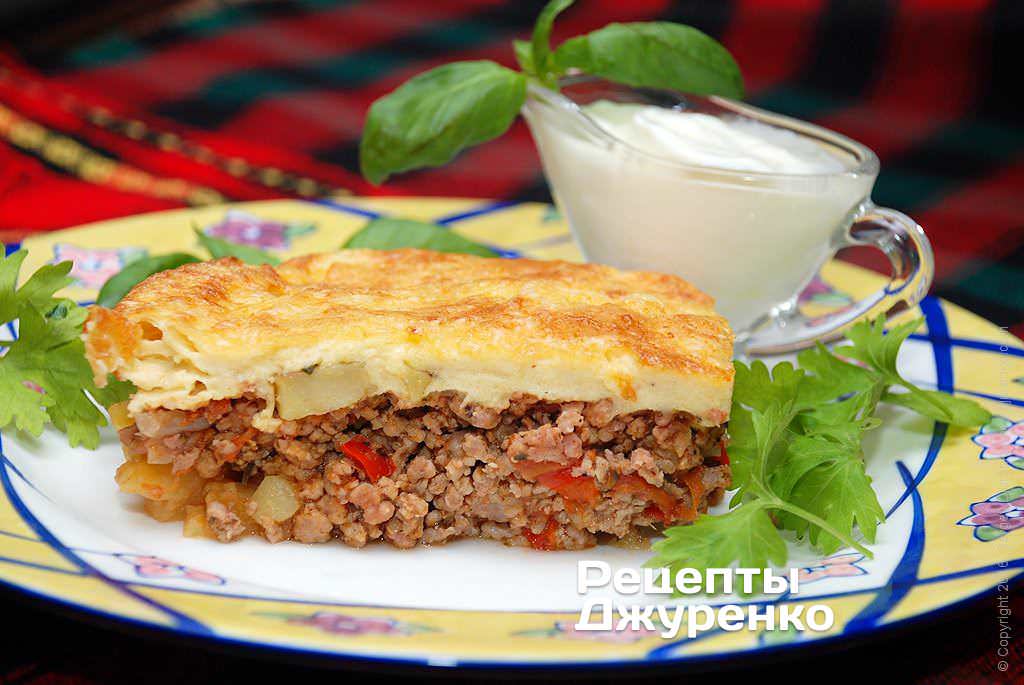
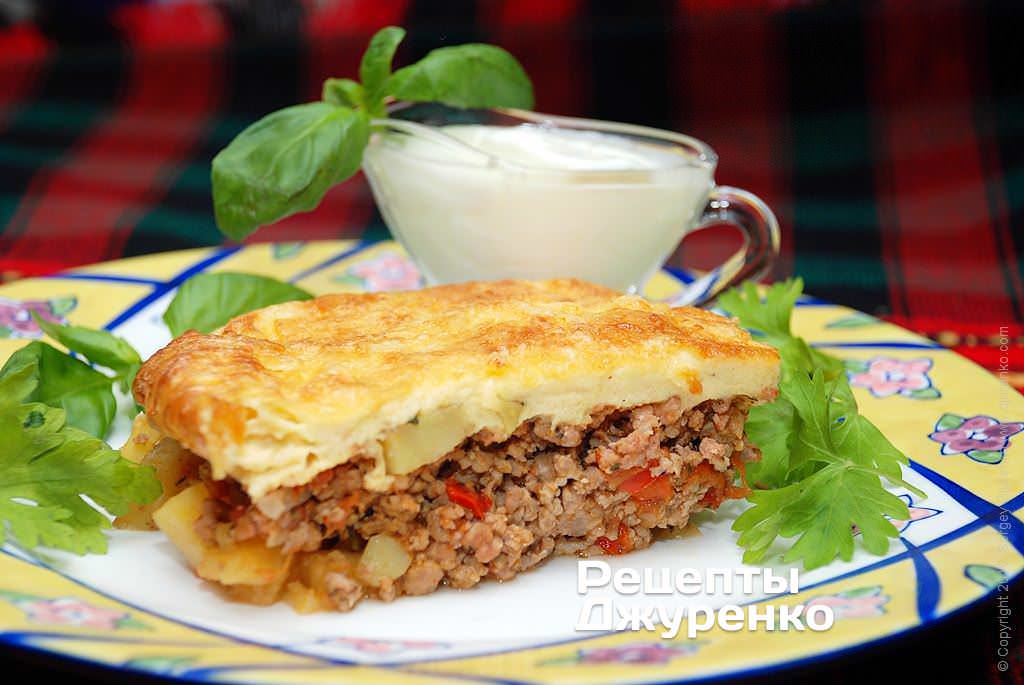
Bulgarian Moussaka with Potatoes and Ground Pork
Bulgarian moussaka is a traditional dish across the Balkans and the Middle East. Many people call moussaka a pie, and in some ways they are certainly right.
When you are in the Balkans, moussaka is worth trying — in fact, you really should. After the first tasting, the ranks of Bulgarian moussaka fans will grow by one more: you.
Bulgarian moussaka is hardly a single-serving dish. Nobody cooks it just for you. It is made all at once, in a big batch, and then shared among the guests. So if you want to enjoy this wonderful dish properly, rather than eat something that tastes like reheated fast food, prepare well and be at the table when dinner starts.
Moussaka is thought of as an eggplant dish. That is not quite true. Often the eggplant exists only on paper. In the East, moussaka is made with eggplant: tomatoes and eggplant. In Serbian and Romanian cooking, tomatoes are used instead of eggplant. In Greece, moussaka is made with lamb, eggplant and tomatoes — a three-layer moussaka. In Moldova, moussaka is half meat and half vegetables. In Bulgaria, moussaka is a mix of ground meat and potatoes, not just meat with vegetables.
Homemade moussaka takes time and preparation. You need good, fresh pork, tomatoes and peppers, fresh milk or cream. You need good starchy potatoes, and that matters. And, perhaps most important of all, moussaka needs inspiration.
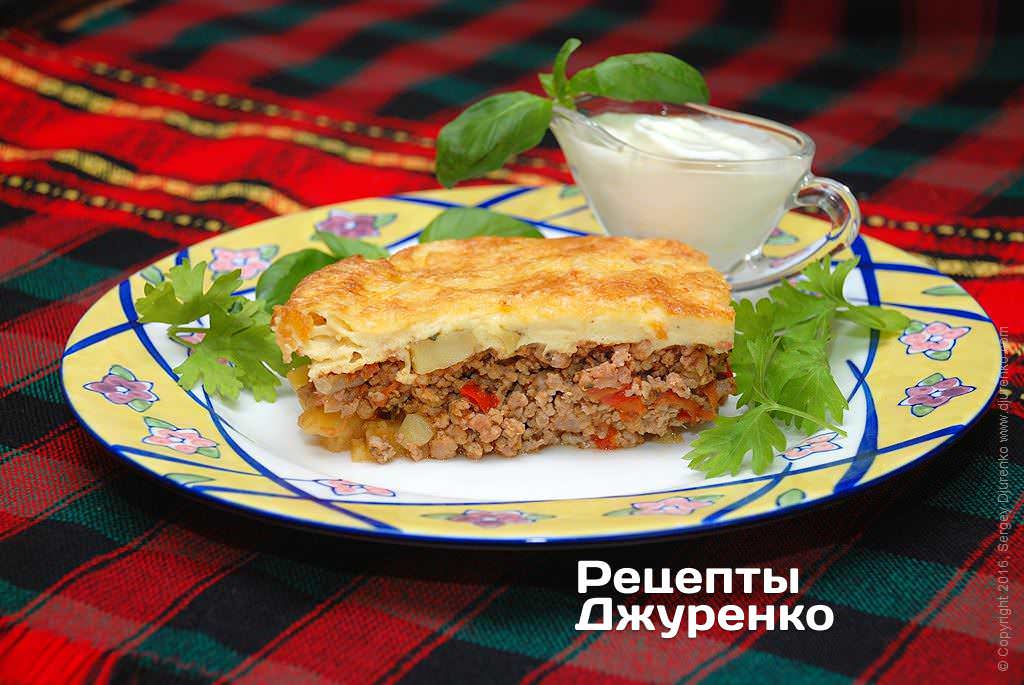
Ingredients
4-6 servings
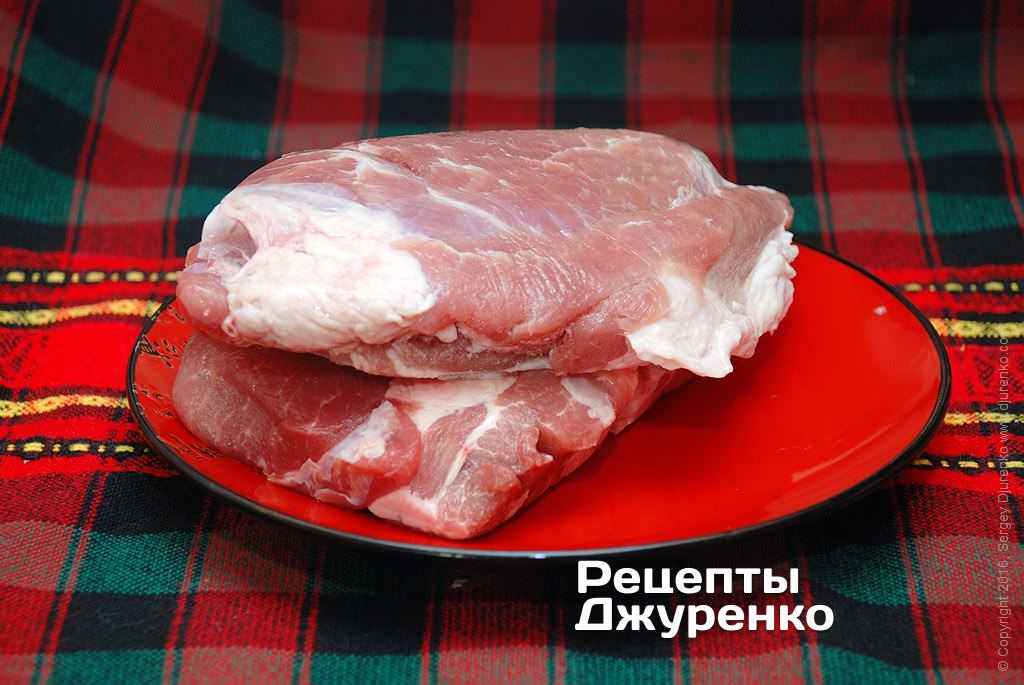
- Meat, pork leg 1 kg
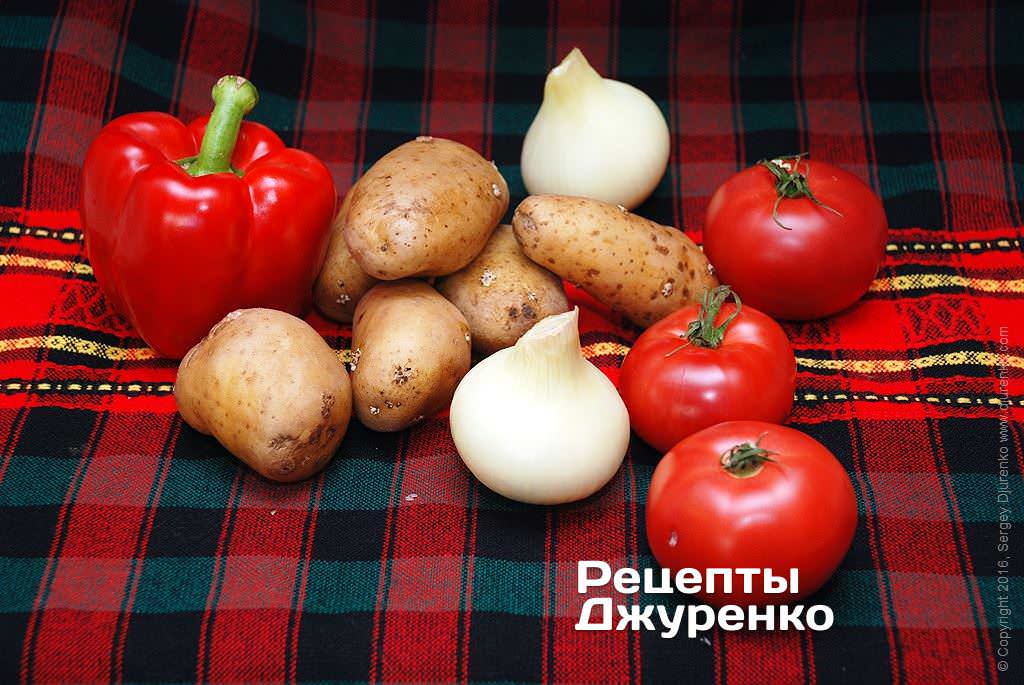
- Potatoes 1 kg
- Red bell pepper 1-2
- Tomato 3
- Onion 2
- Seasoning: salt, black pepper, savory, sweet paprika to taste
- Milk up to 1 l
- Flour 2 tbsp
- Hard cheese 50 g
- Egg 3
- Vegetable oil 50 g
- Butter 50 g
- Plain yogurt to taste
Step-by-step recipe
- First, get out a fairly large, deep baking dish — metal or ceramic, though heatproof glass works very well too. Moussaka is a bulky dish. For the prep you need a large frying pan, or better yet two, so you can cook the ingredients at the same time.
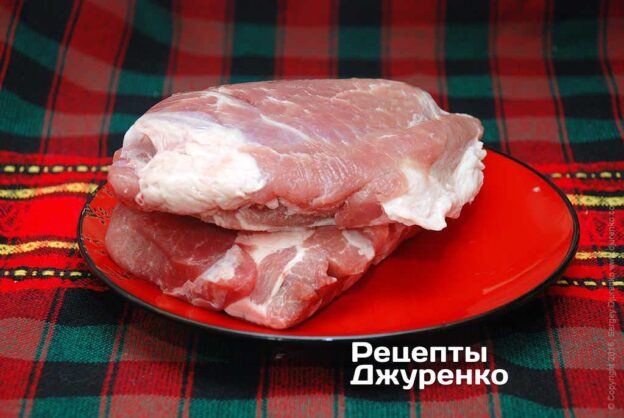
- Prepare all the ingredients so you are not distracted while cooking. Peel and wash the potatoes. Trim the meat of membranes, bones and sinew and put it through a meat grinder. Remove the seeds and skin from the tomatoes and cut them into large pieces. Seed the peppers and chop them finely. Peel the onions and cut them into thin strips.
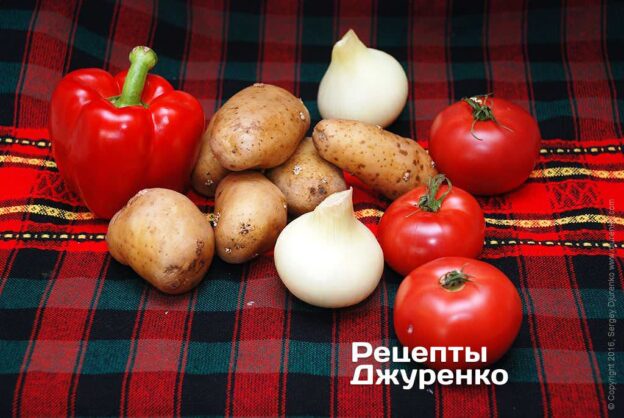
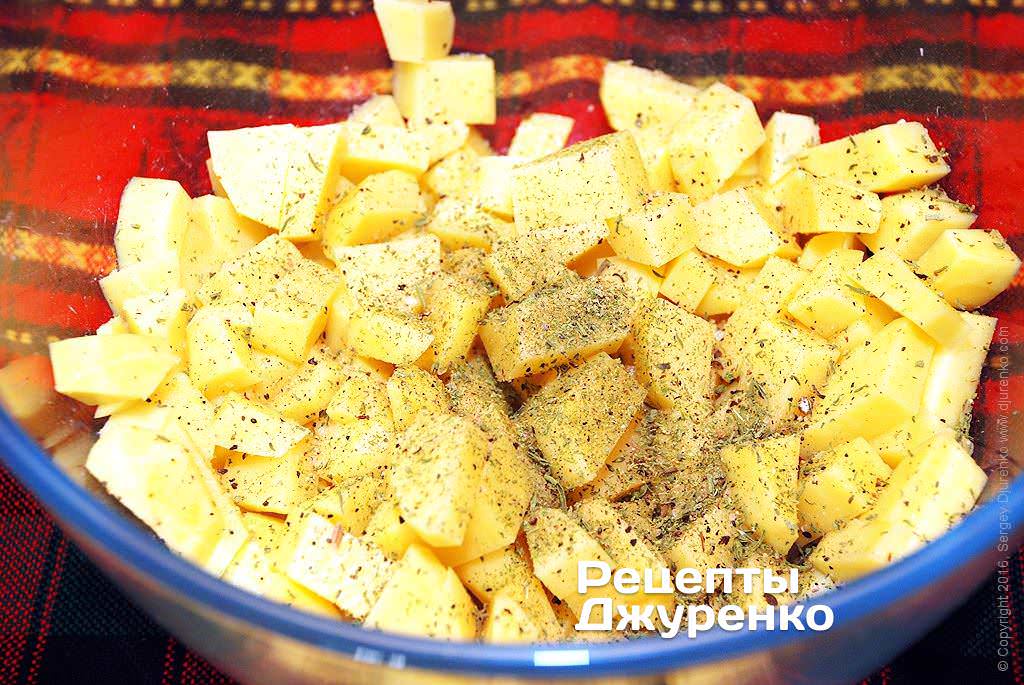
- Peel the potatoes and cut them into 15–20 mm cubes. Salt the potatoes and add 1–2 pinches of dried savory.
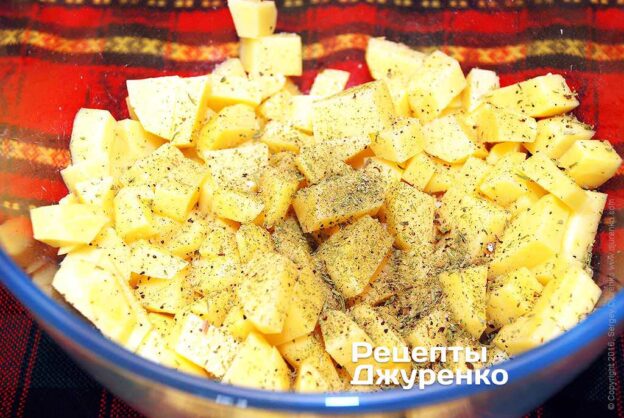
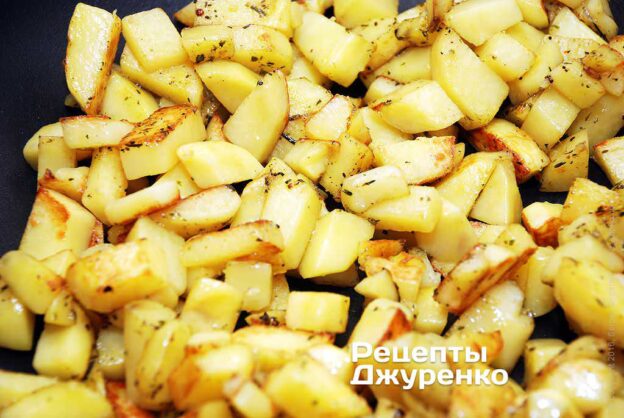
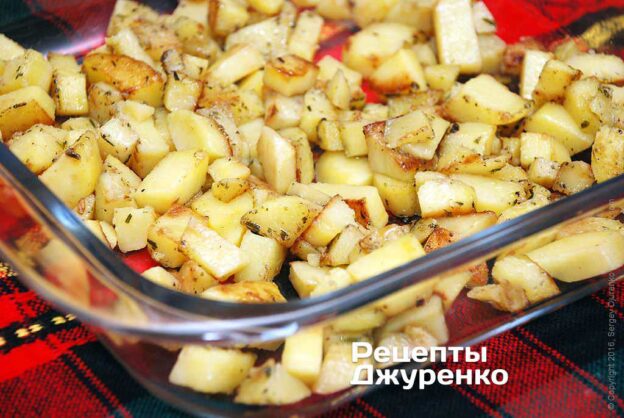
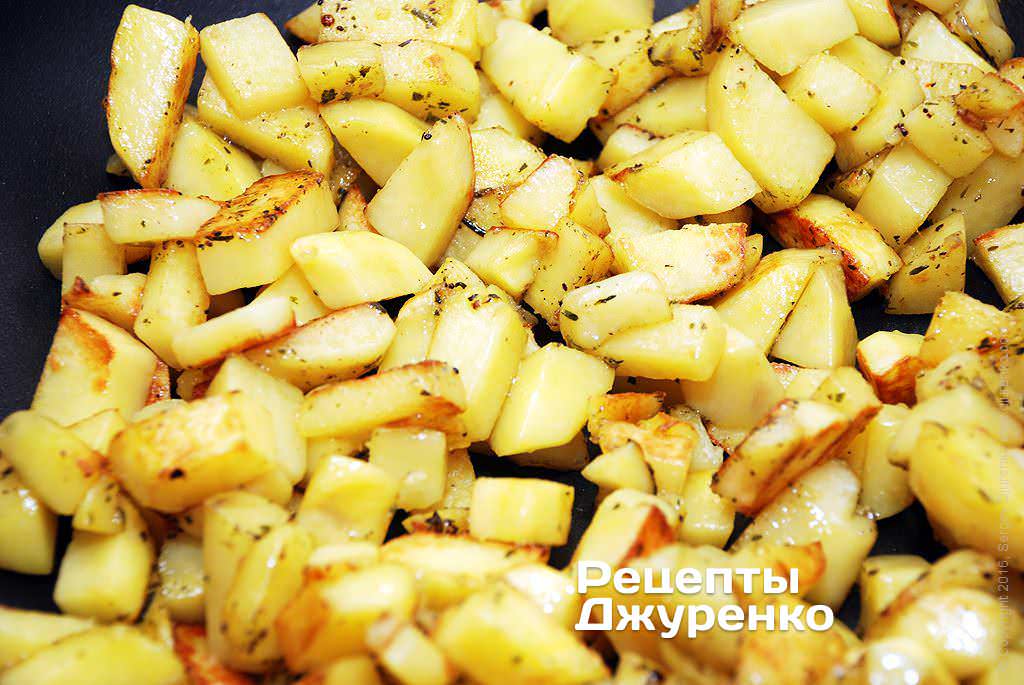
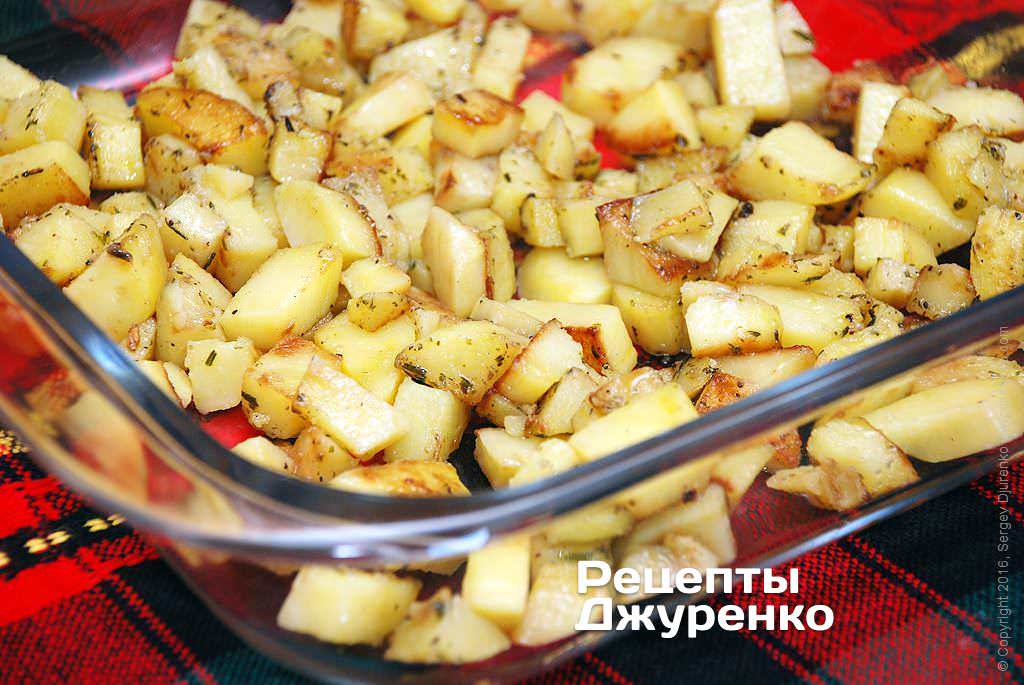
- Toss and fry the potatoes in vegetable oil. Everything as usual, but with one small twist: the potatoes should brown well yet stay slightly underdone in the very middle.
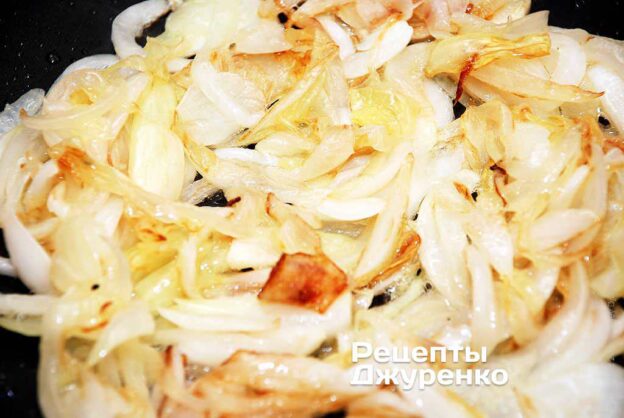
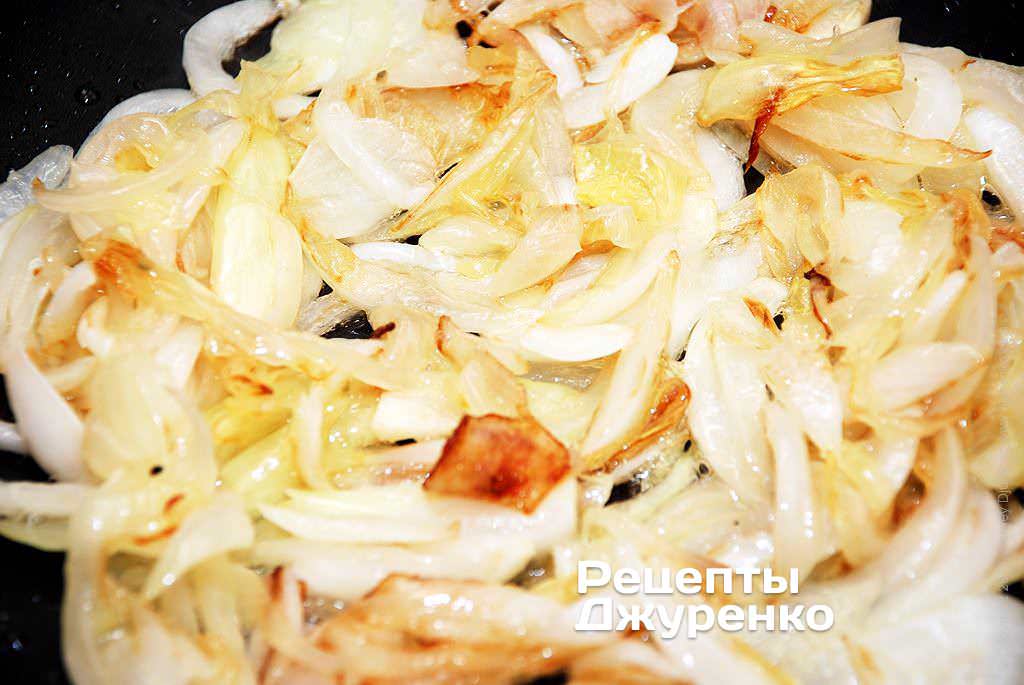
- If you have a second frying pan, you can cook the ground meat at the same time. Fry the onions in vegetable oil until golden.
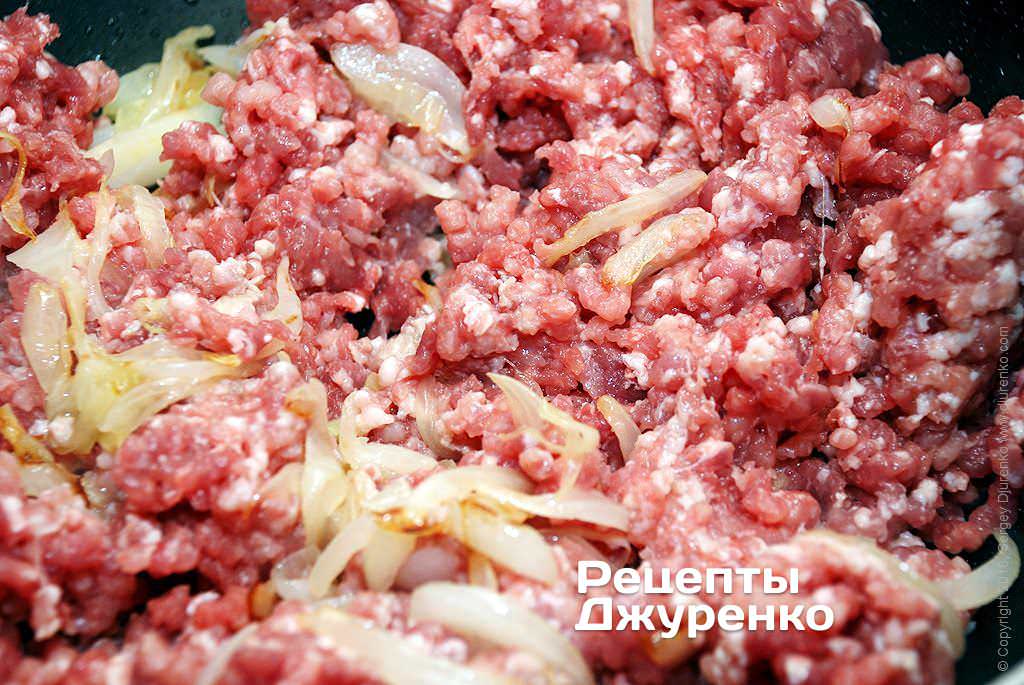
- Then add the ground meat to the onions and fry, stirring fairly often.
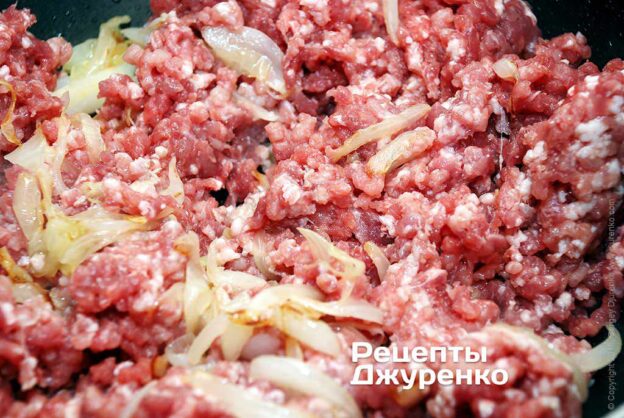
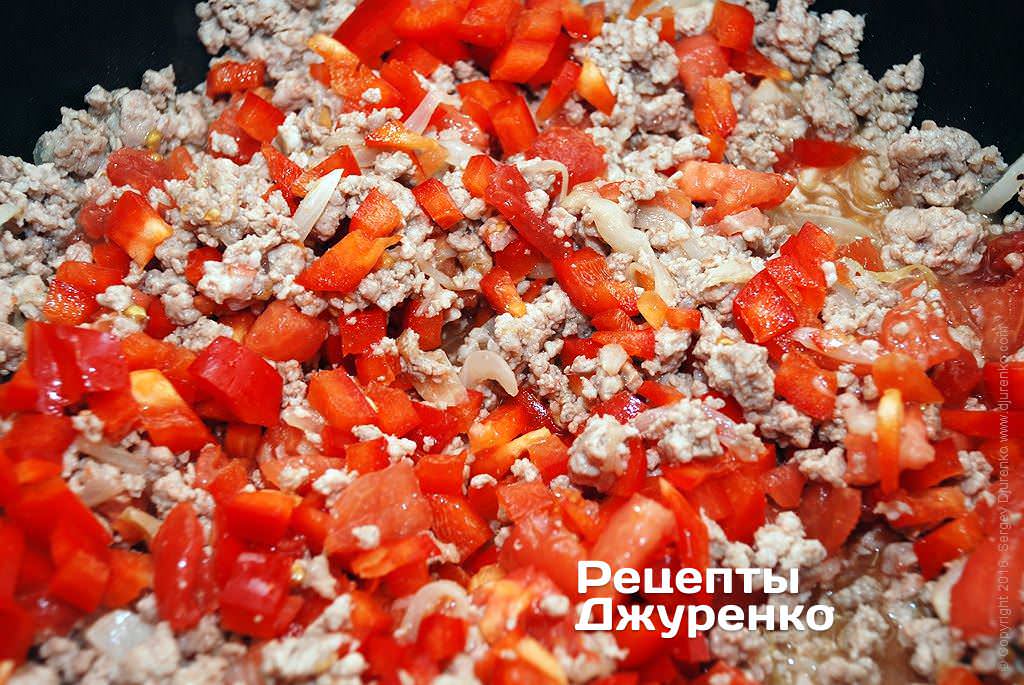
- When the meat changes colour and turns lighter, add the chopped tomatoes and peppers one after the other.
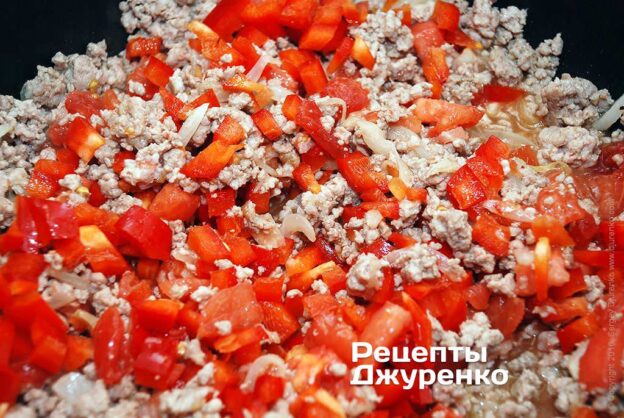
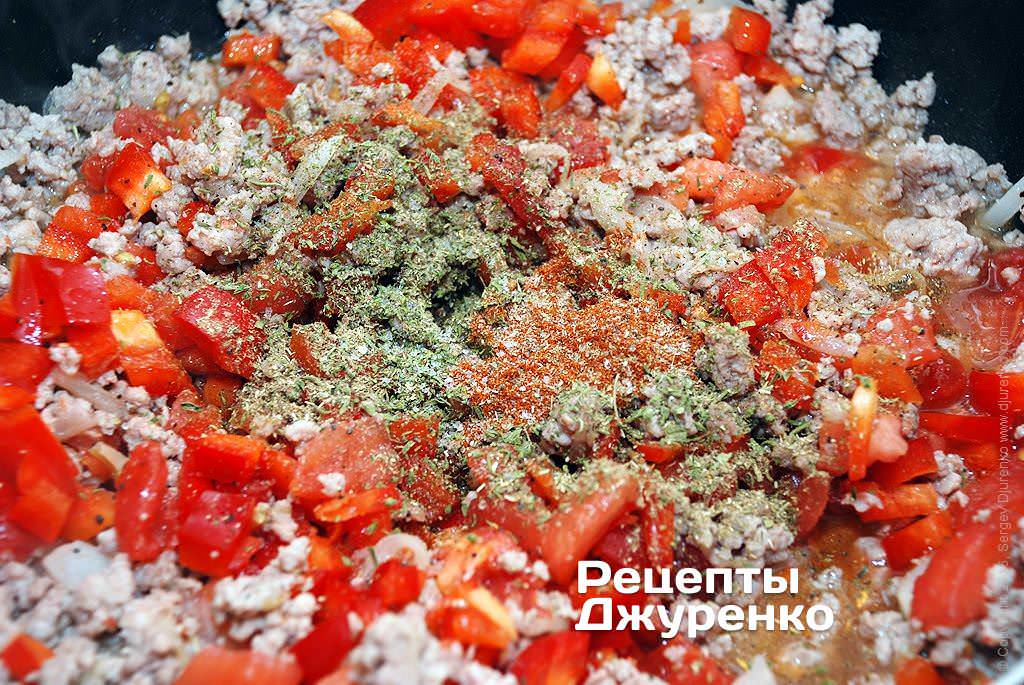
- Season the meat with salt and pepper to taste, and add the savory and sweet red paprika. You can be generous with the savory, up to 1 tsp: it gives moussaka its character and the flavour typical of most Balkan meat dishes.
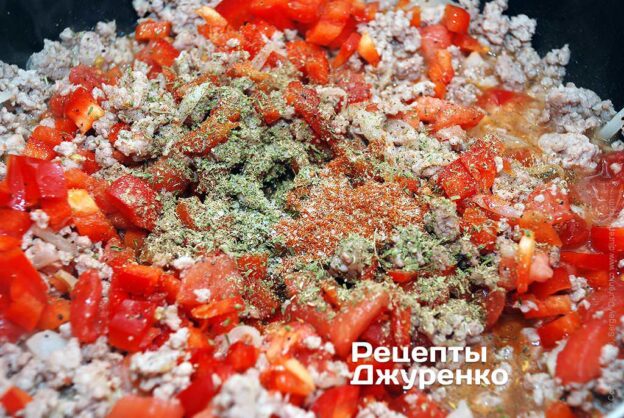
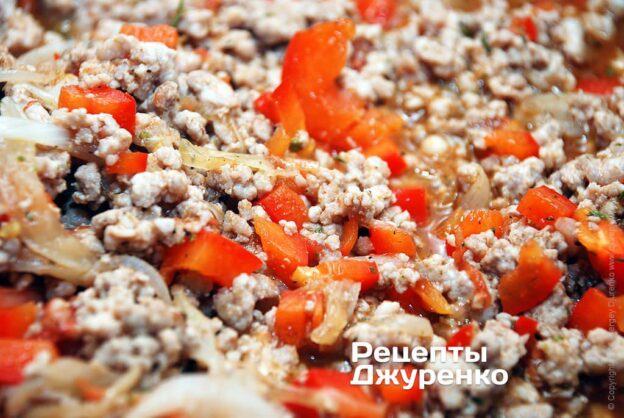
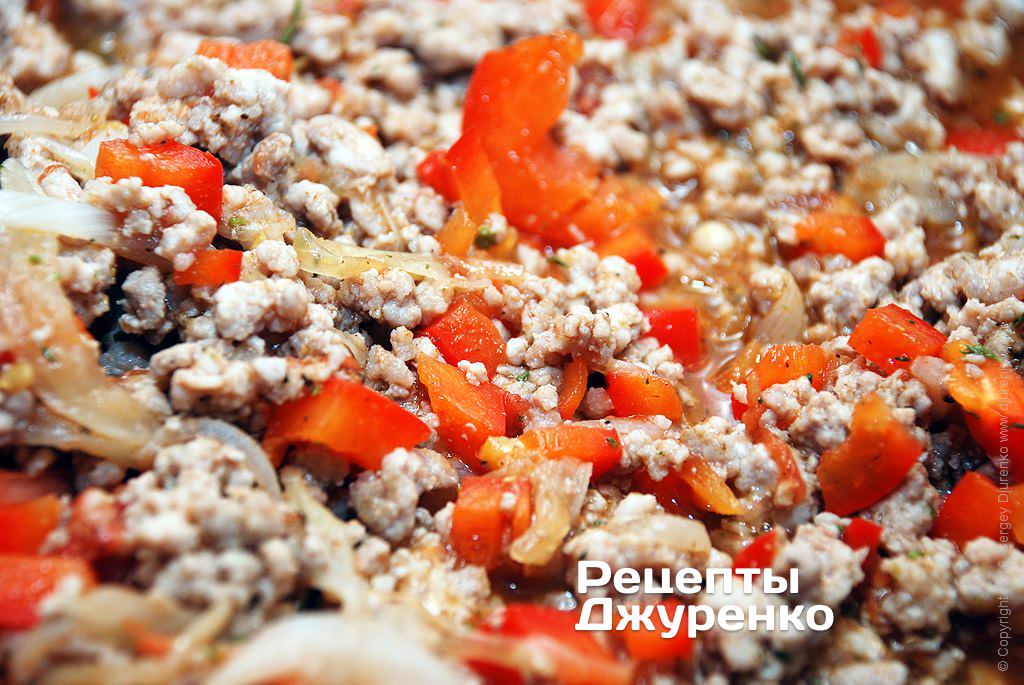
- Simmer the meat for the moussaka under a lid for 15 mins.
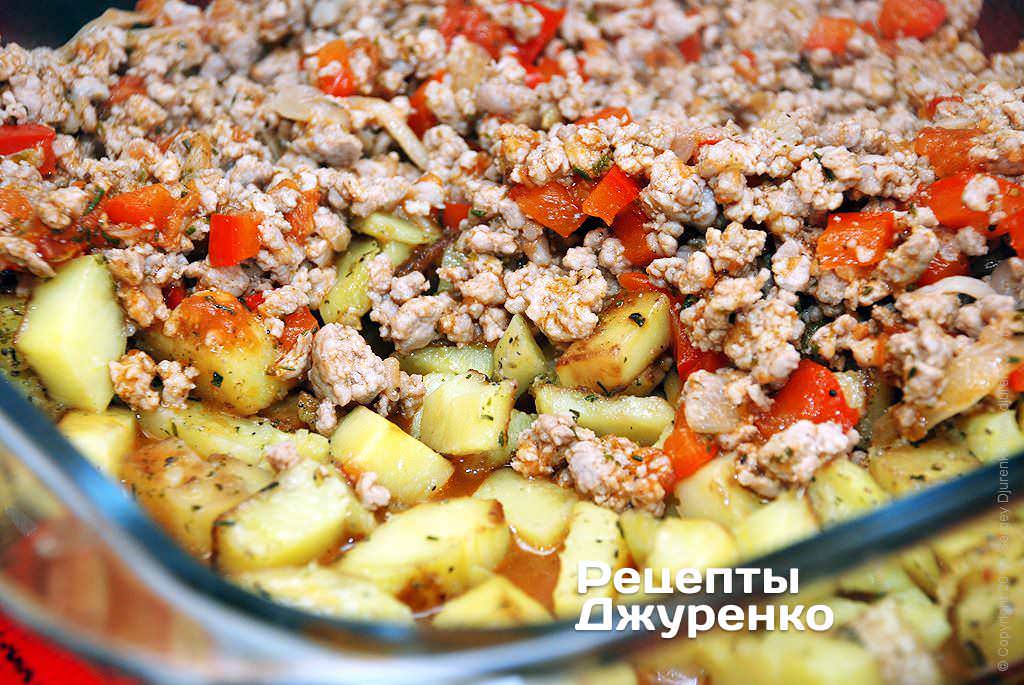
- While the meat is simmering, lightly grease the deep baking dish with vegetable oil, especially the sides. Spread most of the fried potatoes in the dish and level them out.
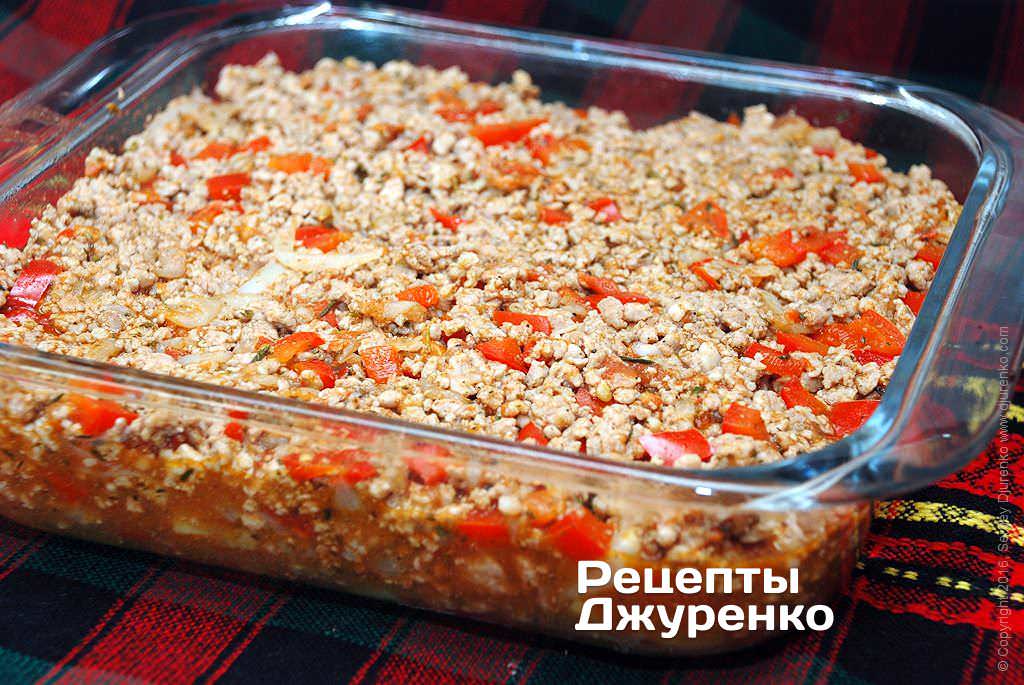
- Spread all the meat over the potatoes in an even layer with no gaps.
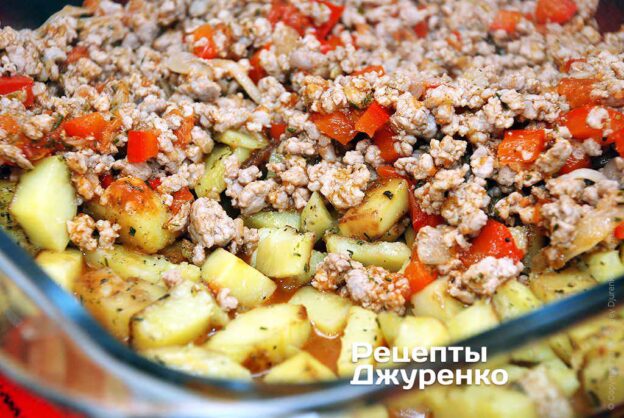
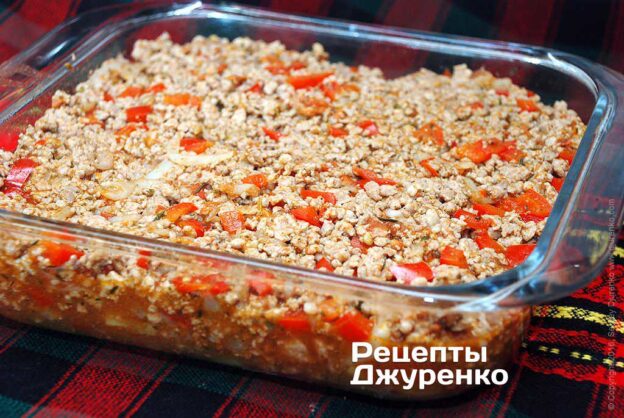
- If the meat mixture had enough liquid — meat and vegetables release plenty of moisture — there is no need to add water. If there is too little, pour hot water into the moussaka so that the liquid is clearly visible, but the dish does not look like soup. As a rough guide, the total amount of liquid for this quantity of ingredients should be up to 1 cup.
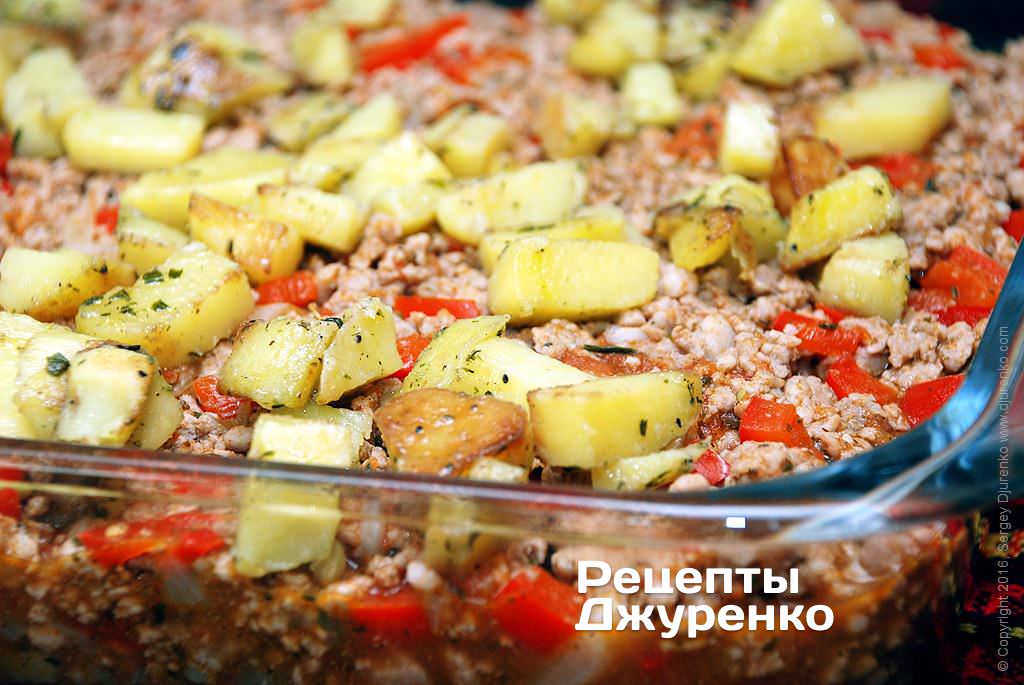
- Scatter the remaining fried potatoes over the meat layer; there is no need to make a solid layer.
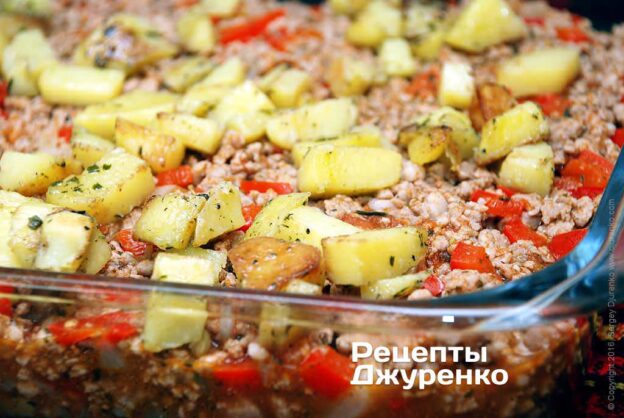
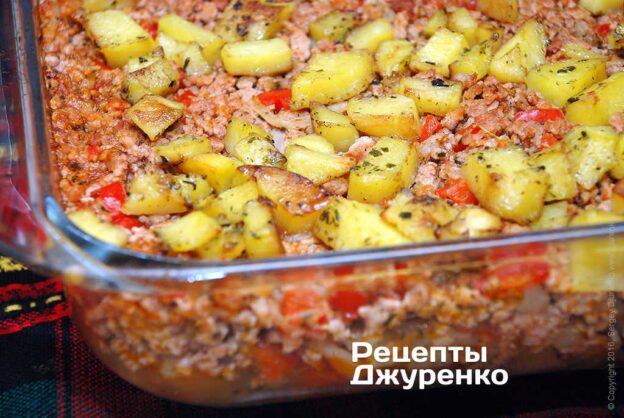
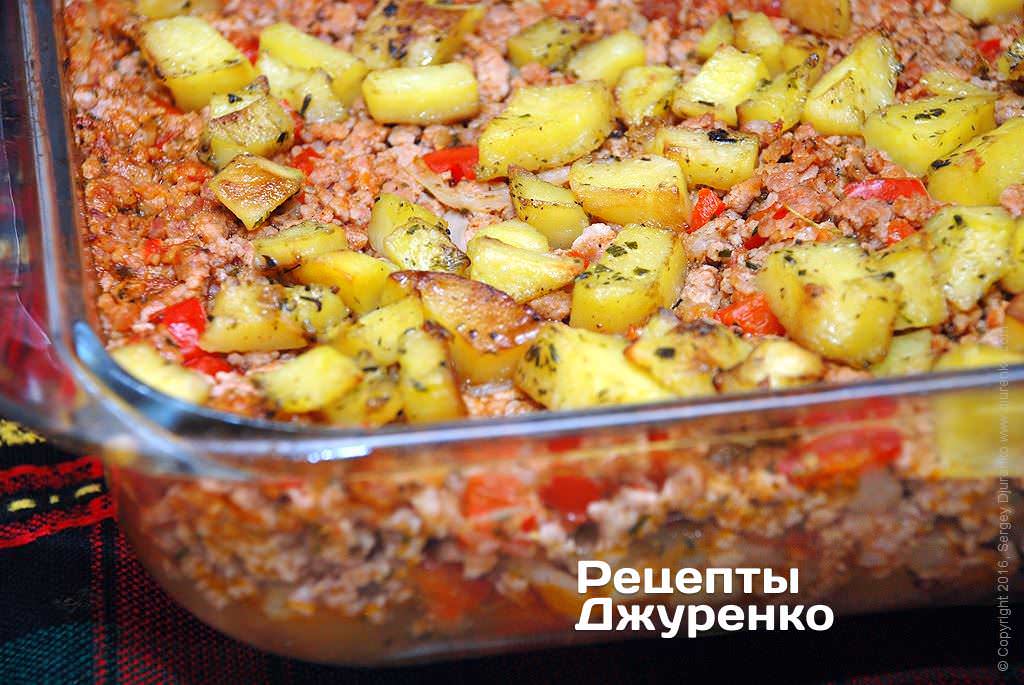
- Gently level the potatoes so that the casserole is the same thickness throughout.
- Put the dish with the moussaka into an oven preheated to 200 °C. From the moment the liquid in the dish starts to boil, let it bake for 30 mins.
- Make the milk and cheese topping. In Bulgaria we saw special sachets of topping mix, the “just add water” kind. They make me sad …
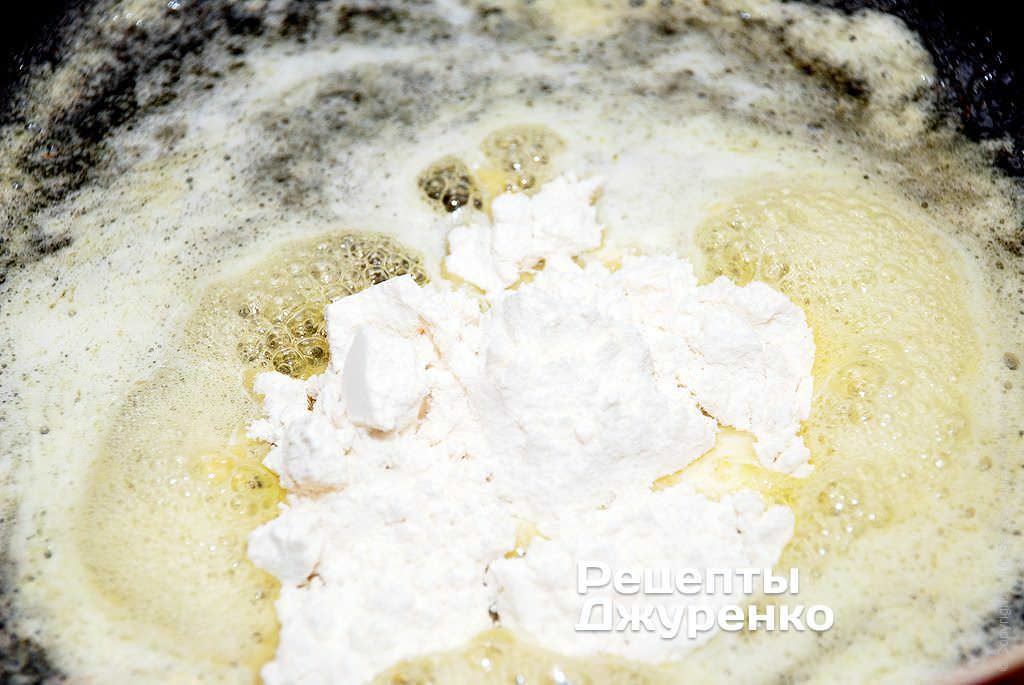
- In a small frying pan, fry 2 tbsp of wheat flour in a knob of butter until golden, and season with salt and pepper to taste.
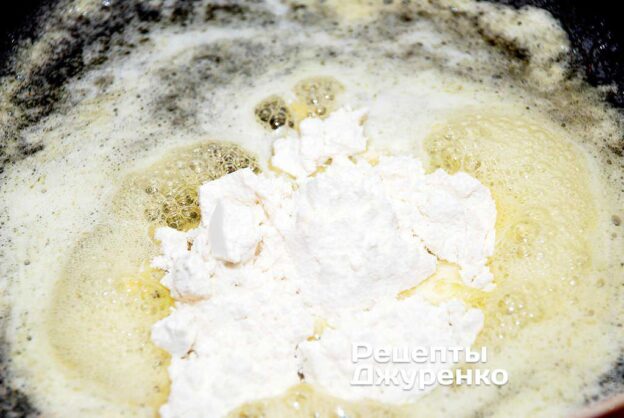
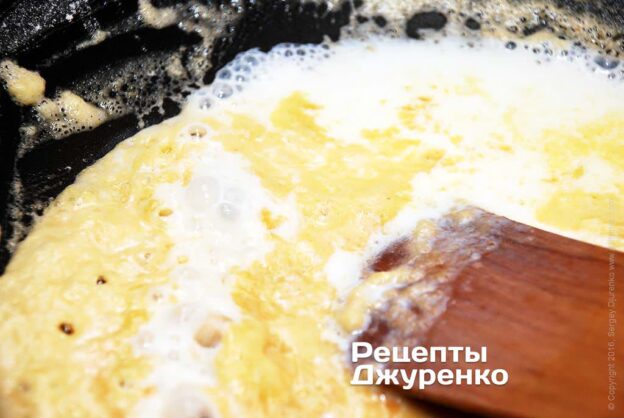
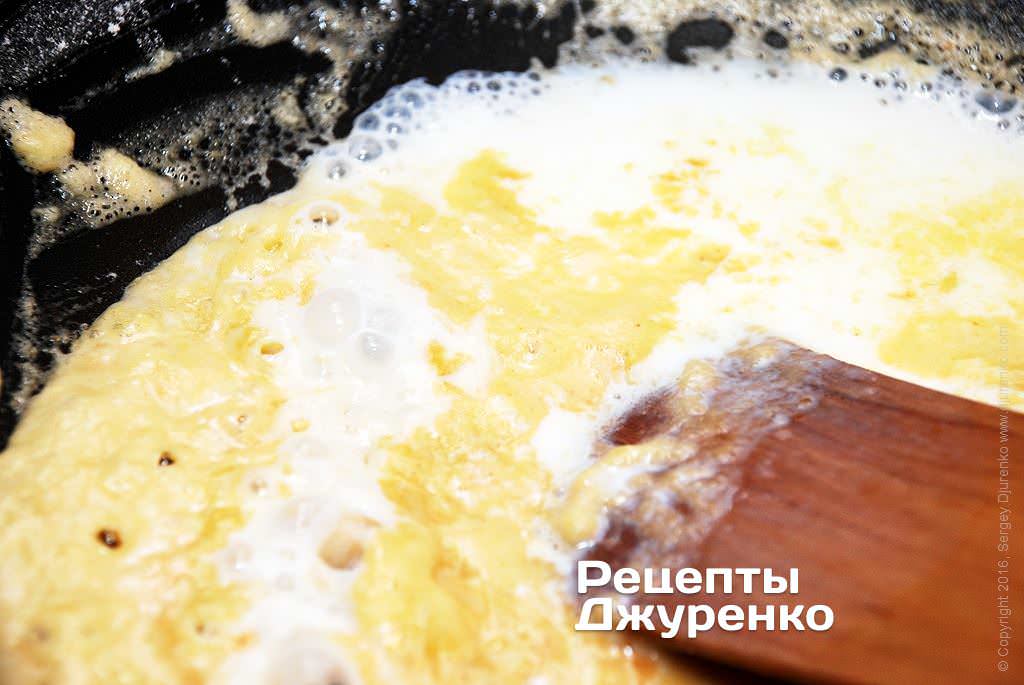
- Stirring constantly, pour in cold milk to make an ordinary béchamel sauce. Let the sauce cool.
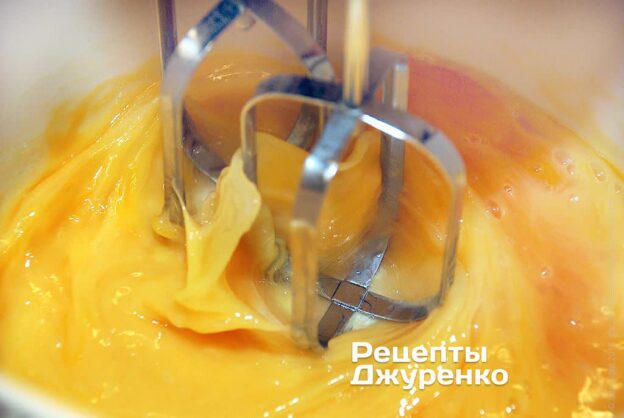
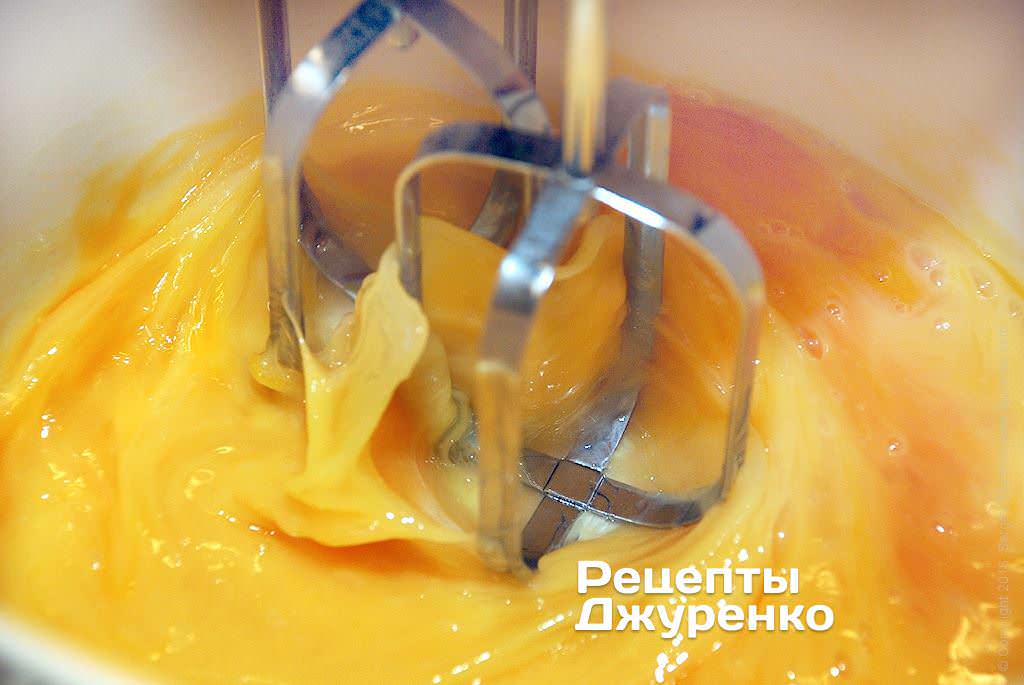
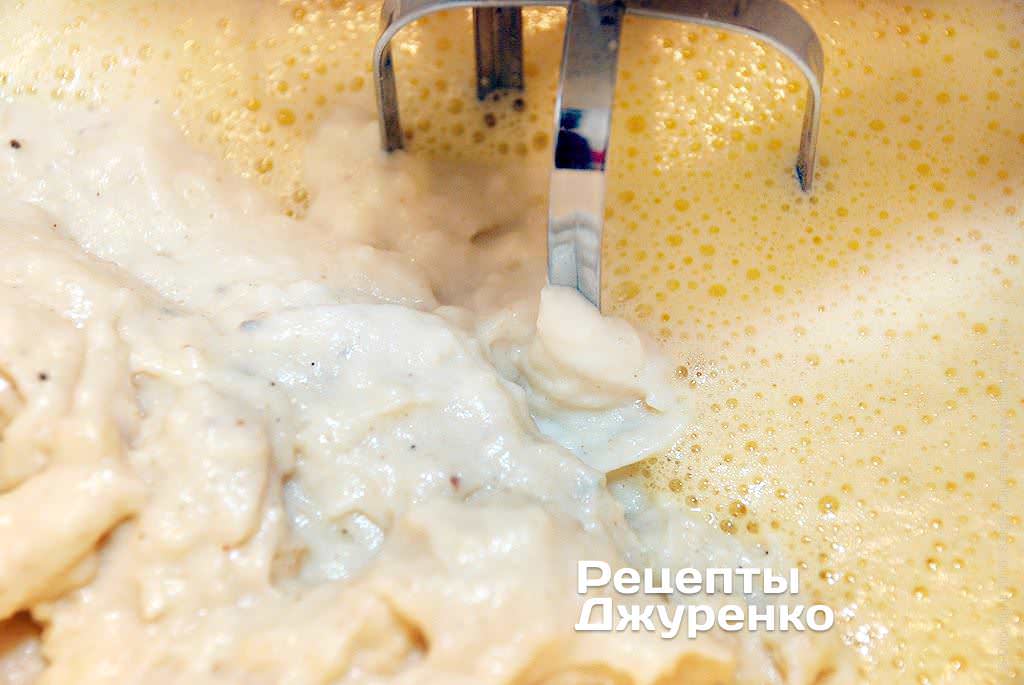
- Beat the eggs with a mixer to a thick foam.
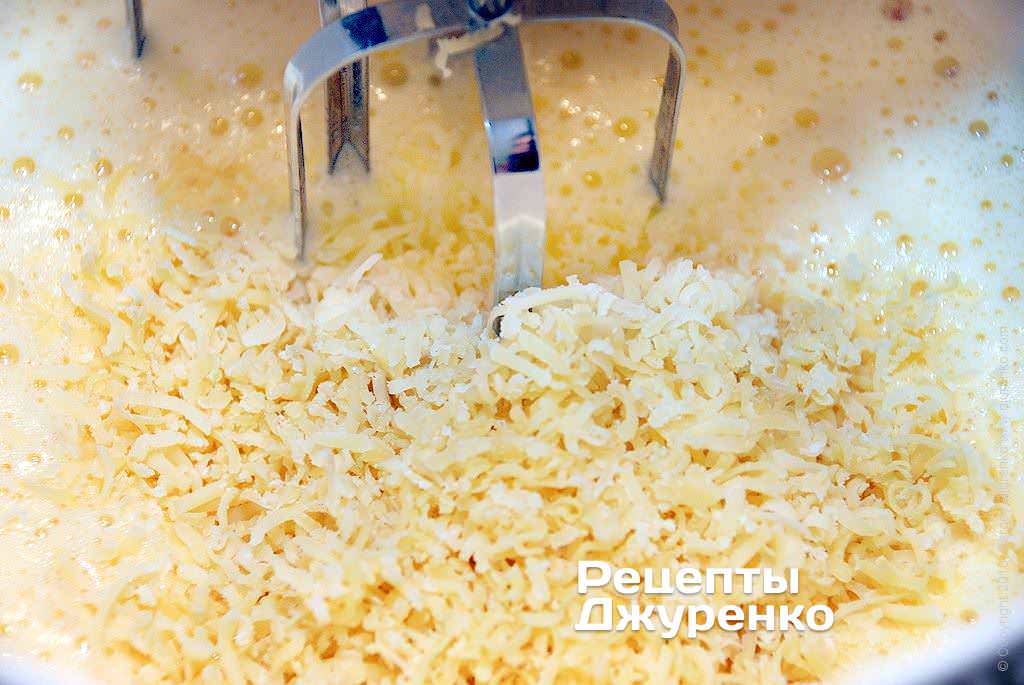
- Add the hard cheese, finely grated.
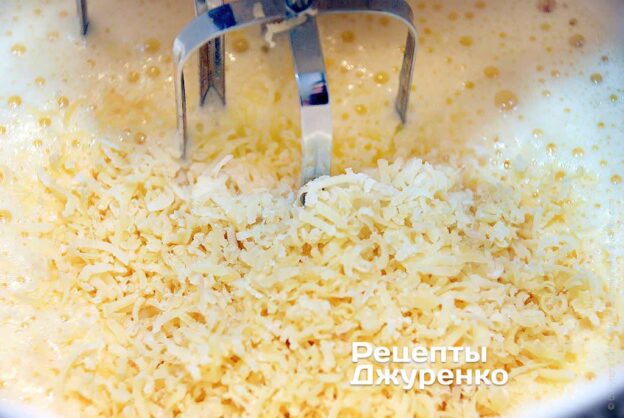
- Pour the cooled sauce into a deep bowl and, beating with the mixer, add the beaten eggs. The topping for the casserole is ready.
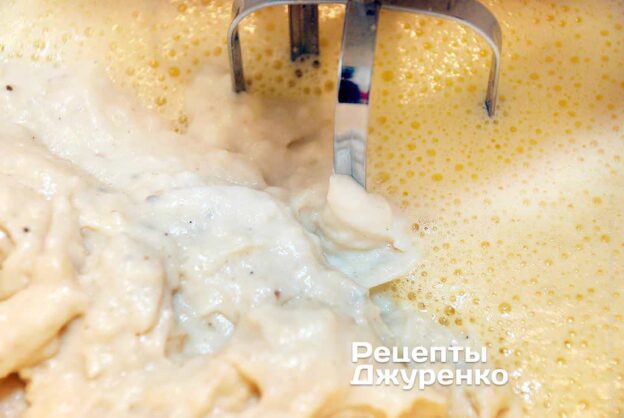
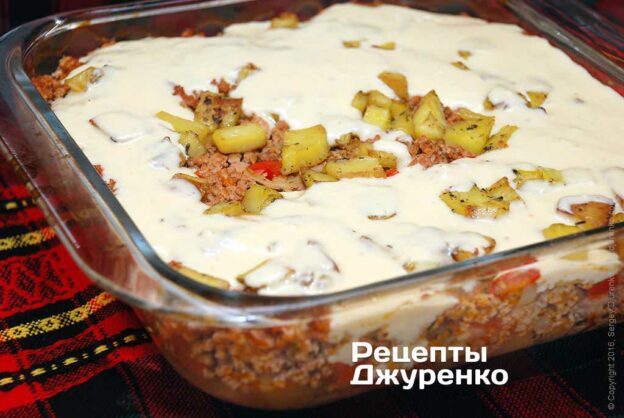
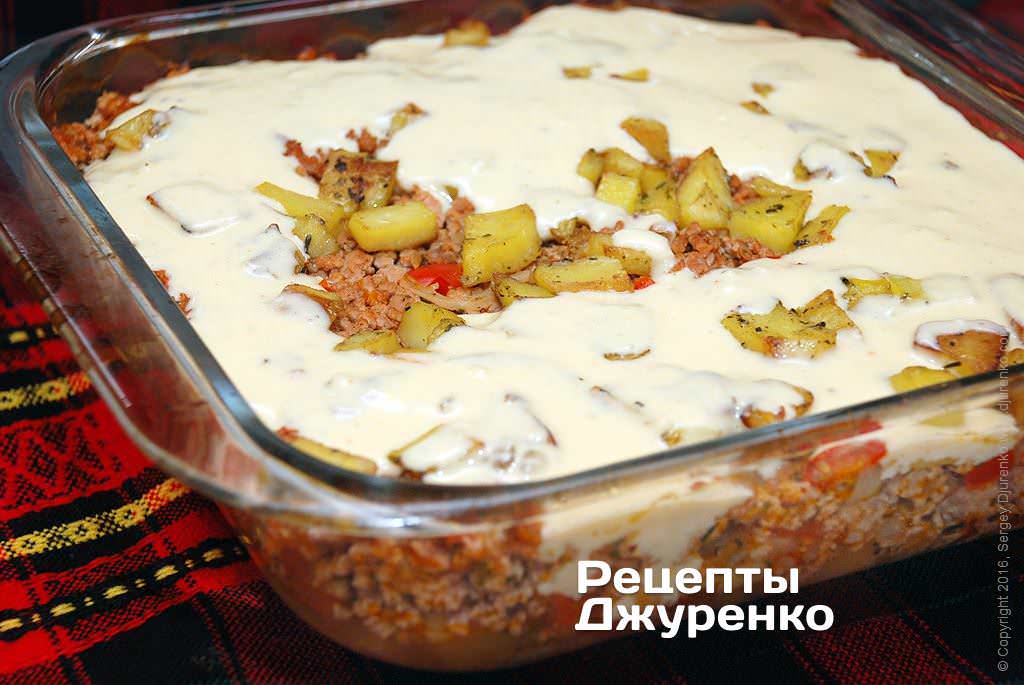
- Take the moussaka out of the oven and pour the topping evenly over the whole surface, in a level layer.
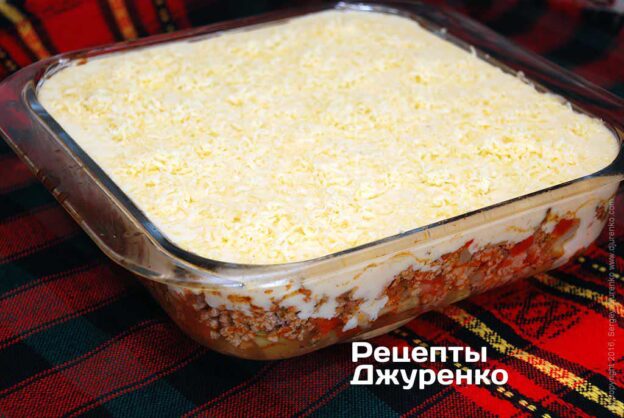
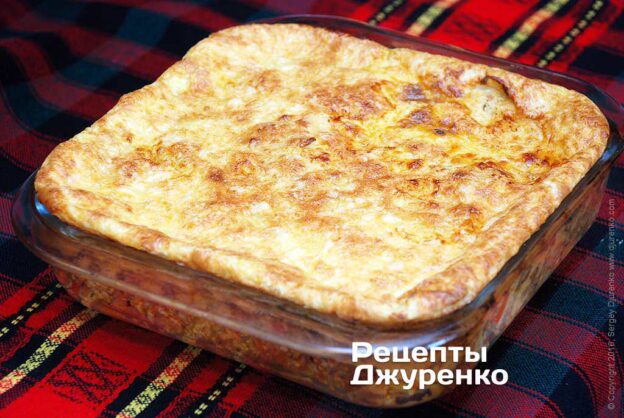
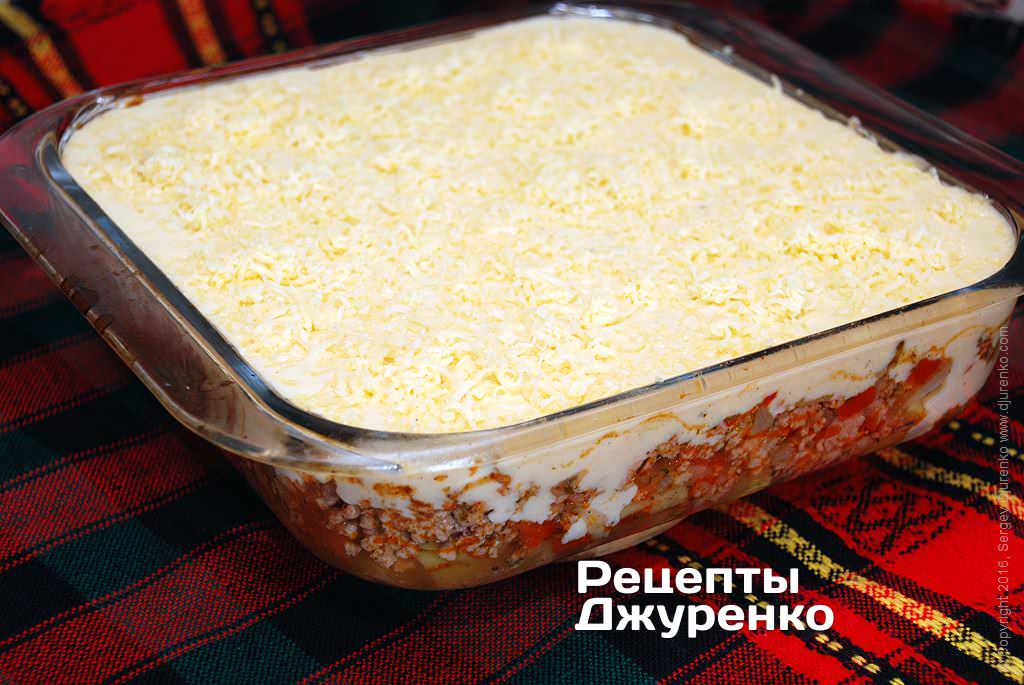
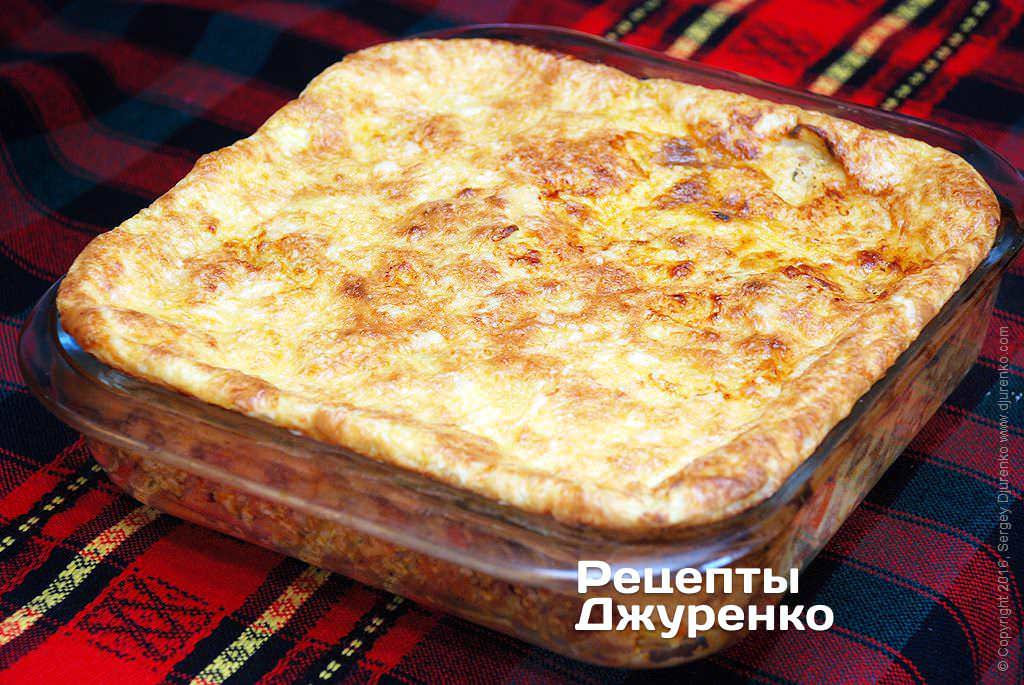
- Return the dish to the oven until a milk crust of a pleasant golden colour forms — up to 30 mins. Some people like the crust pale, others well browned; that is up to you. If you like, sprinkle it with grated cheese and bake a crust of béchamel and cheese.
- Cut it into portions with a knife, like a cake.
- Lift the casserole onto a plate with a spatula and drizzle with a little plain natural yogurt, or serve it on the side, the way you would a sauce.
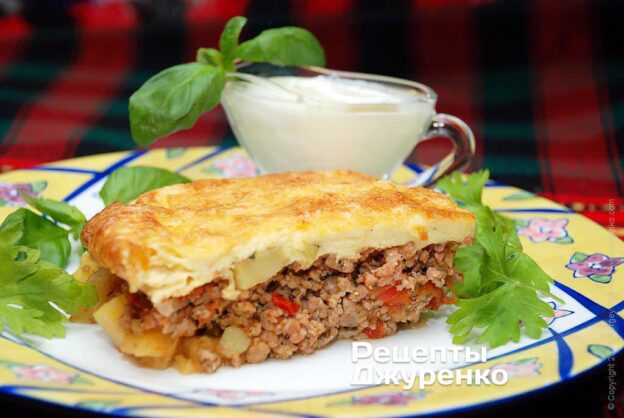
- The dish must be served hot. By the time it is ready, everyone should already be at the table.
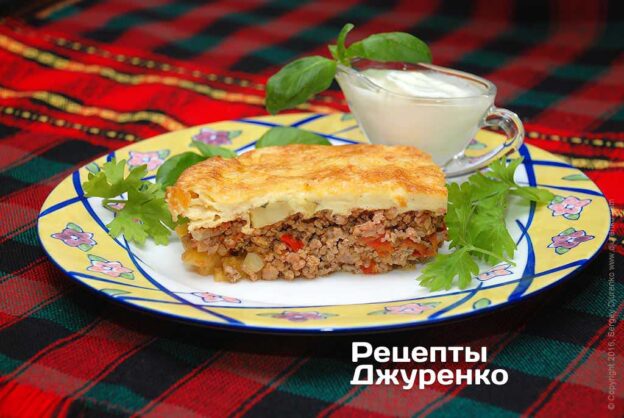
- You can garnish it with a few fresh herbs. And, almost a must, pour a glass of good dry wine.
| Yield: | 4-6 servings |
| Calories: | 150 |
| Prep: | 40 mins |
| Cook: | 1 h 20 mins |
| Total: | 2 h |
| Category: | Main Dishes |
| Cuisine: | Bulgarian cuisine |
| Rating: |
⭐
⭐
⭐
⭐
⭐
5
(1)
|