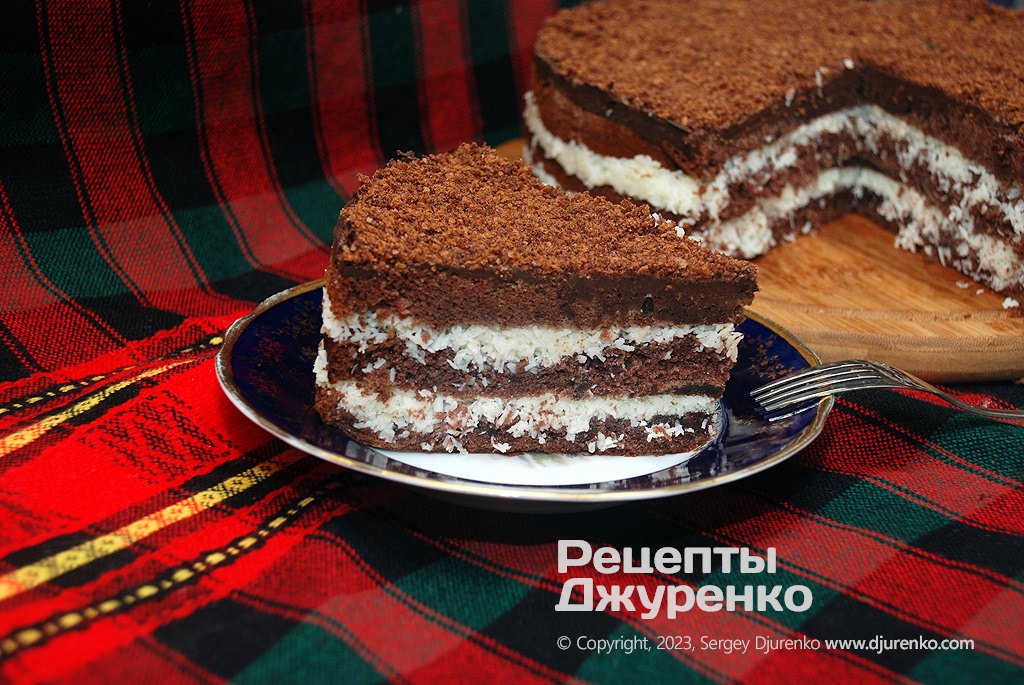
Bounty Cake
Bounty coconut layer: 200 g of shredded coconut, 100 g of sugar, milk, condensed milk and 100 g of butter. The 8-egg chocolate base goes into a 21 cm tin at 180–190°C for 25–45 minutes, then I slice it into rounds and brush them with syrup plus 50 ml of cream liqueur. Dark chocolate ganache on top.
Ingredients
about 1.8 kg (6–8 servings)
For the sponge
- Eggs 8
- Cocoa powder 2 tbsp (14 g)
- Wheat flour 100 g
- Sugar 1 cup (180 g)
- Cornstarch 1 tbsp (10 g)
- Vanilla a few drops (or vanilla sugar)
- Baking powder as directed on the package
- Butter a small piece, for the pan


For the coconut cream
- Desiccated coconut 200 g
- Sugar 100 g
- Milk 100 ml
- Condensed milk 100 ml
- Butter 100 g


For the soaking syrup
- Water 150 ml
- Cream liqueur 50 ml
- Sugar 1 tbsp (14 g)
- Lemon juice 1 tbsp


For the glaze and topping
- Dark chocolate 100 g
- Milk 100 ml
- Butter 1 tbsp
- Desiccated coconut for sprinkling, optional
Step-by-step recipe
Chocolate sponge
There is nothing difficult about making this dessert: an ordinary chocolate sponge with cocoa, a simple coconut cream that only needs warming for 2–3 minutes, and a little time to assemble the cake and spread the cream over the layers. To bake the sponge, we use a 21 cm round springform pan: after baking, it opens easily and the sponge comes out cleanly without any damage.
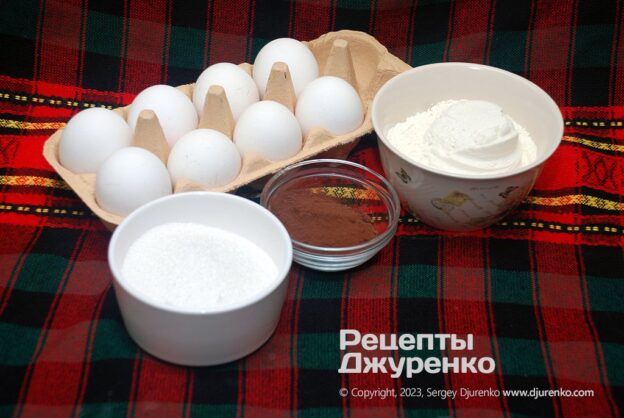
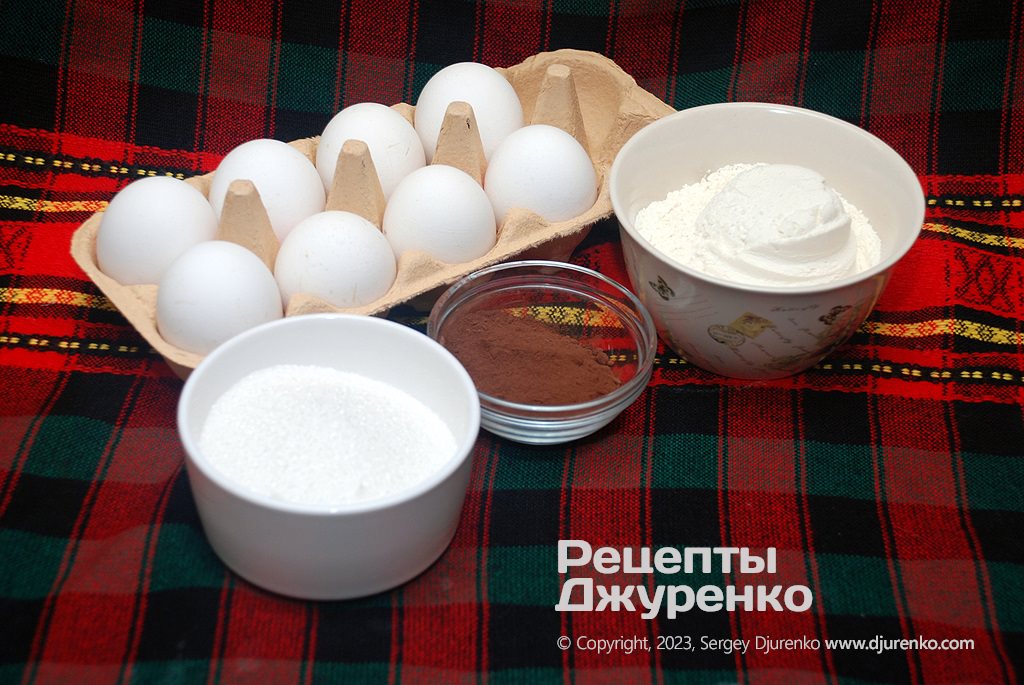
Make the dry mix. Take the eggs out of the fridge in advance so they come to room temperature. Get the wheat flour, a little cornstarch, sugar and dark cocoa powder ready.
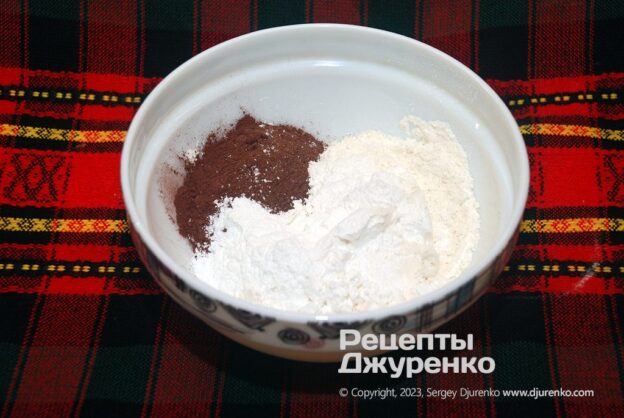
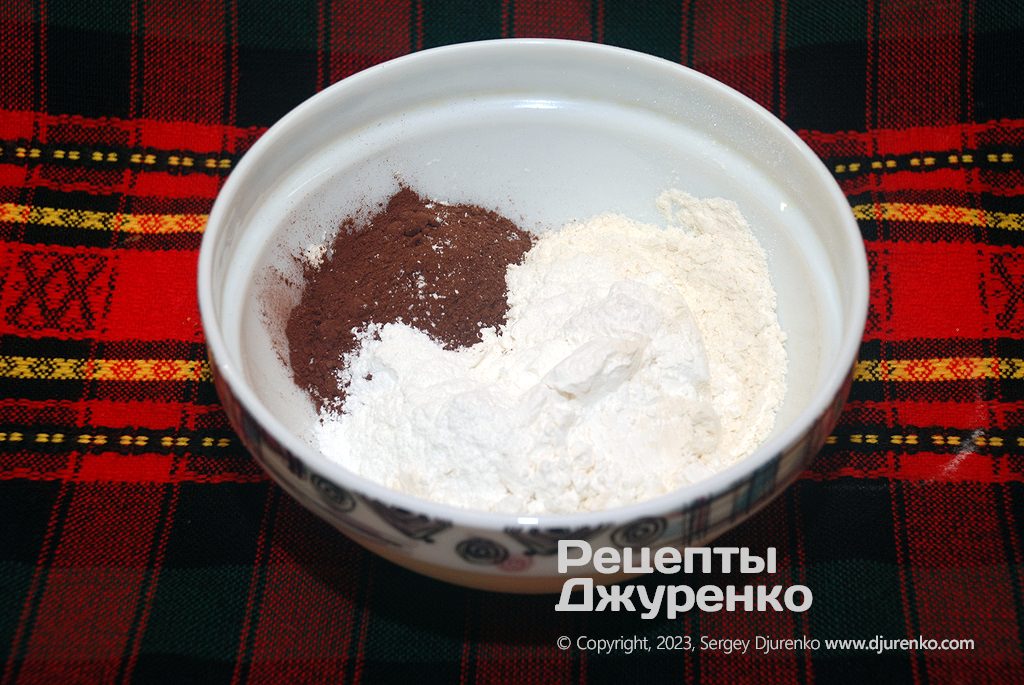
For this dessert we don’t add chocolate to the sponge – cocoa is enough. Sift the flour, cornstarch and cocoa into a deep bowl and add baking powder – the amount recommended on the package or a little more. Stir the dry ingredients with a fork and set the bowl aside for now. The mix should be ready by the time you make the batter.
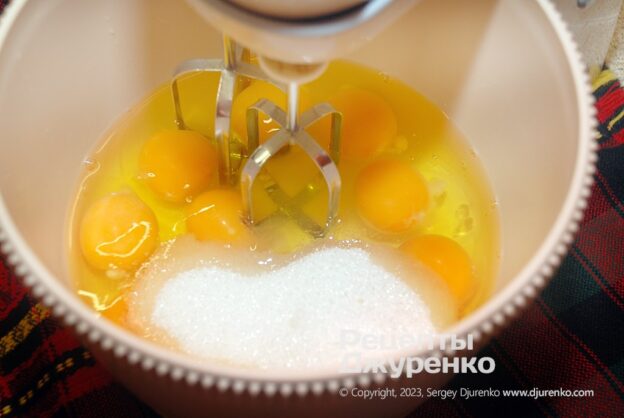
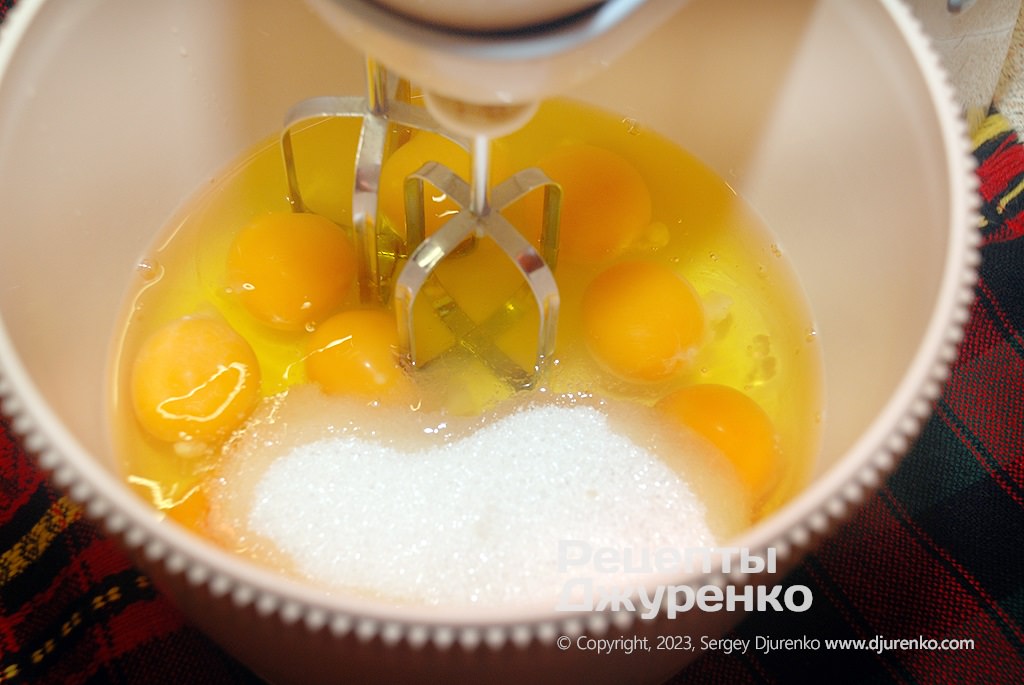
Beat the eggs with sugar. Crack the eggs into the mixer bowl – make sure no bits of shell get in. Add the sugar and vanilla to the eggs – a few drops of vanilla extract or some vanilla sugar.
To mask the taste and smell of the yolks, we usually add lemon zest to sponge batter, but this time we use vanilla.
Beat the mixture slowly at medium speed until the sugar has dissolved completely and the egg foam is very pale and has increased 2–3 times in volume.
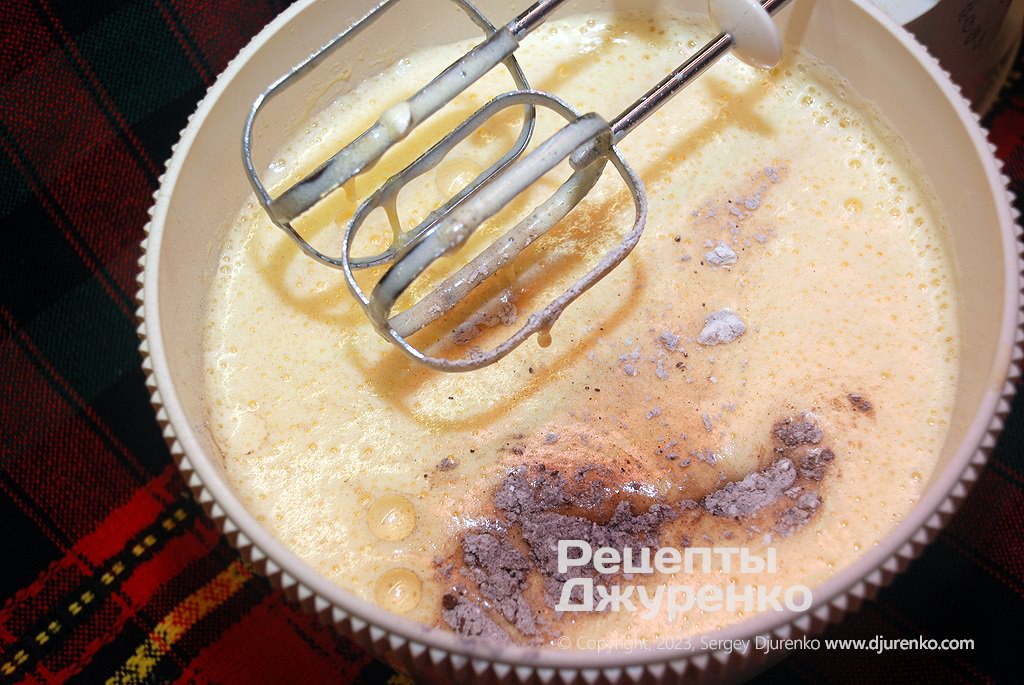
Add all of the dry mix and blend with the mixer on low speed until smooth. Make sure there are no lumps – the sponge batter should be completely smooth and coffee-colored.
Don’t overmix the batter – air bubbles will form, and you don’t want them at all.
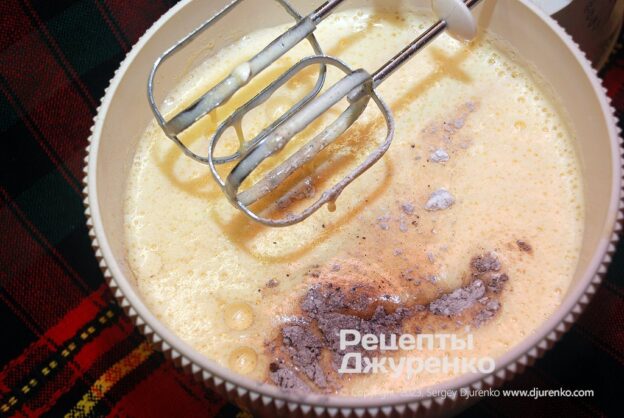
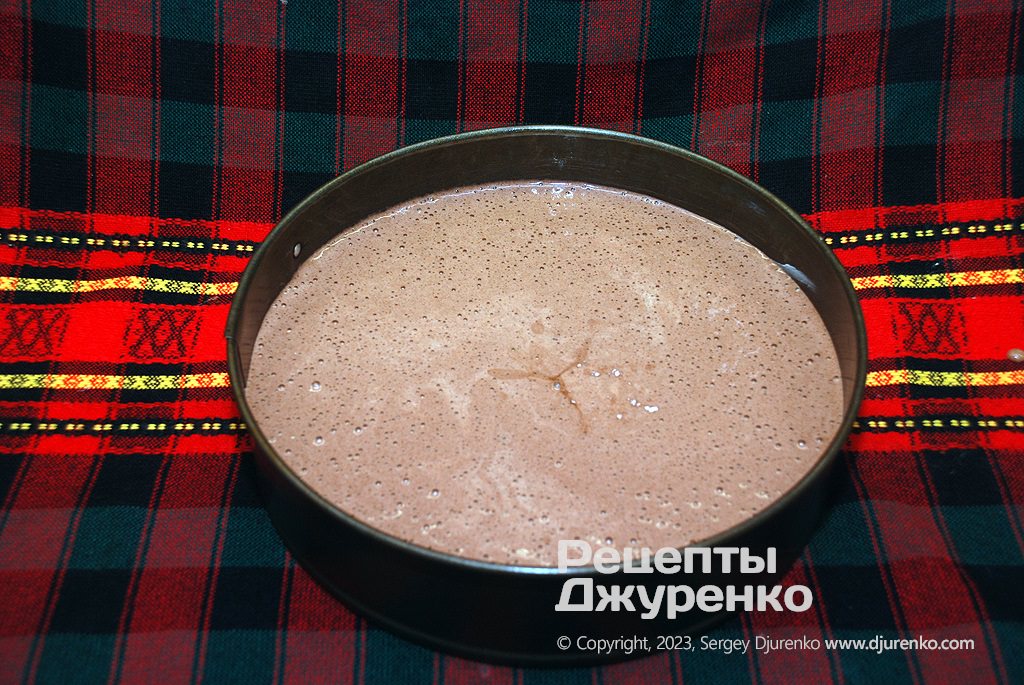
Preheat the oven to 180–190 °C. Line the bottom of the pan with parchment paper and grease it, along with the sides of the pan, with a small piece of butter. Pour all the batter into the pan, give it a gentle shake to level the surface and put it in the oven.
The sponge rises a lot as it bakes – don’t fill the pan more than halfway up the side.
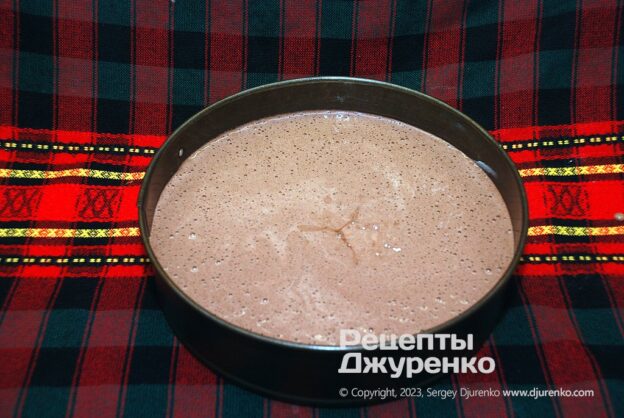
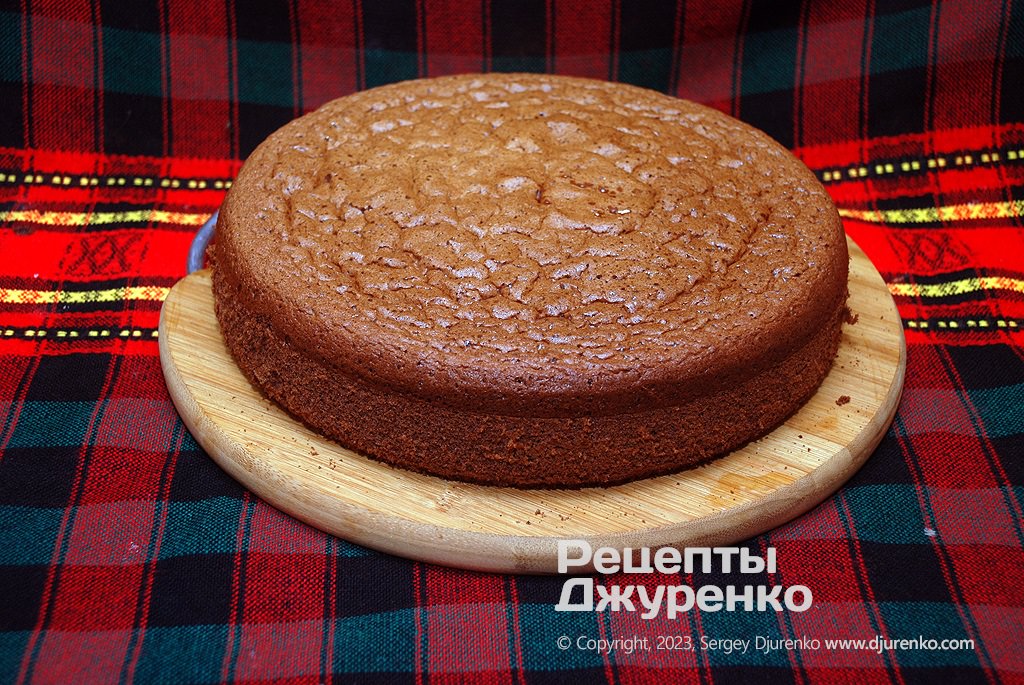
Bake for 25–45 mins – the time depends on the thickness of the batter. Doneness is easy to check with a toothpick: pierce the sponge straight down, and no raw batter should stick to the wood. Take the baked sponge out of the pan and let it cool completely, then peel off the paper stuck to the bottom – it comes away easily.
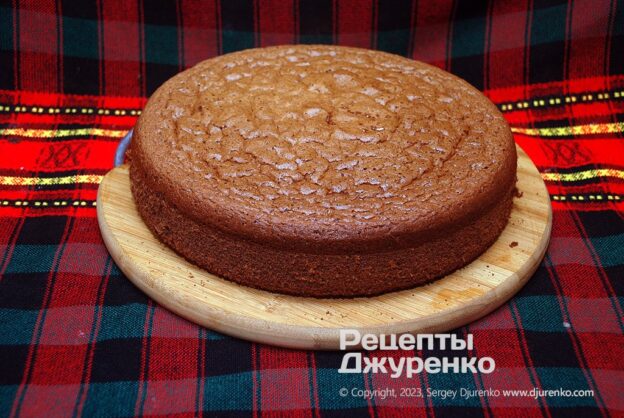
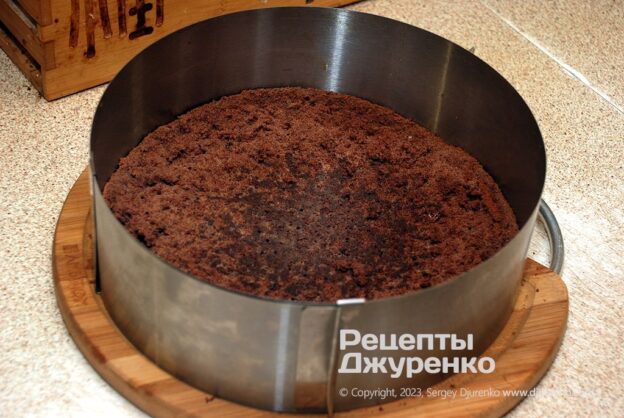
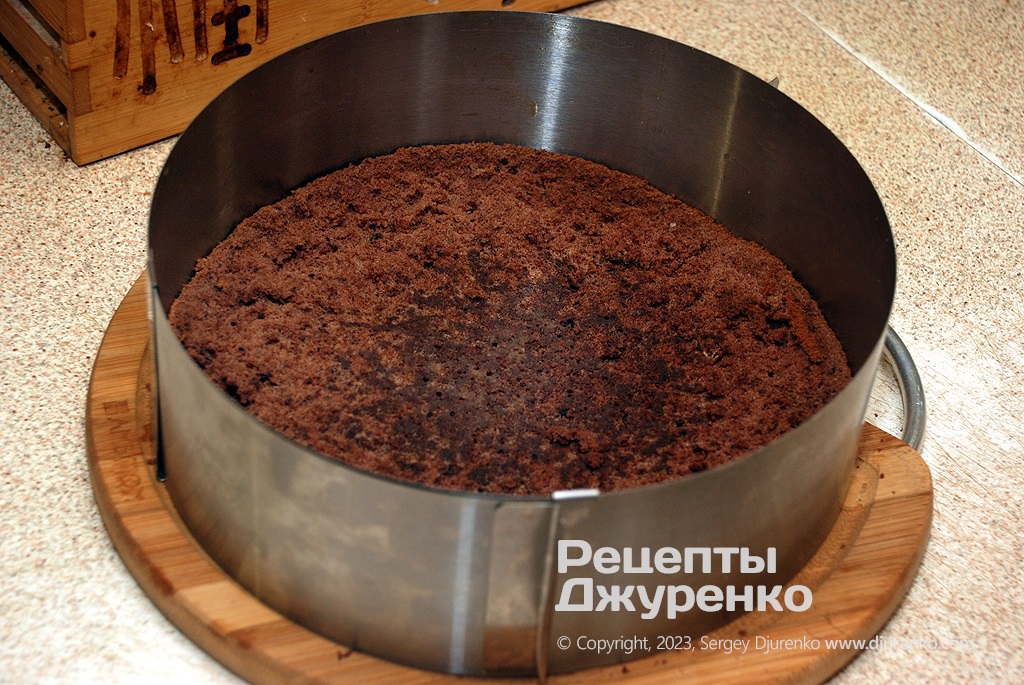
Trim off the top of the sponge and a thin layer from the sides. Crumble the scraps – they will go on top: the finished Bounty cake can be covered with glaze and sprinkled with coconut flakes, sponge crumbs or grated chocolate. Slice the sponge horizontally into two or three layers, as you prefer. That gives you either one thick layer of coconut cream or two thinner ones. Decide for yourself which you like better.
Soaking syrup and coconut cream
Start with the soaking syrup, since it needs to cool.
Make the soaking syrup. Bring 150 ml of water to a boil, dissolve 1 tbsp of sugar (14 g) in it and squeeze in a little lemon or orange juice. Add 50 ml of liqueur – coconut or any cream liqueur works, and orange liqueur will do at a pinch. Once the sugar has completely dissolved, pour the syrup into a cup and let it cool.
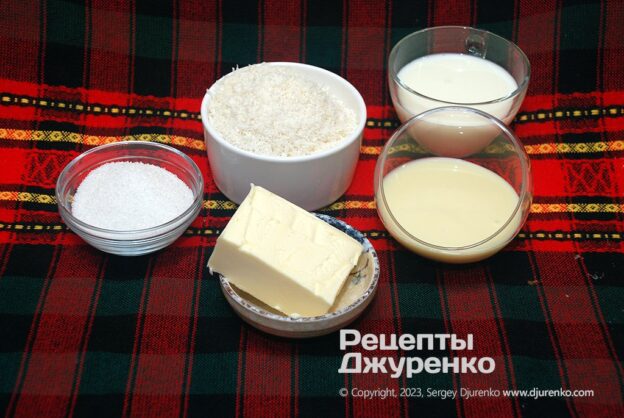
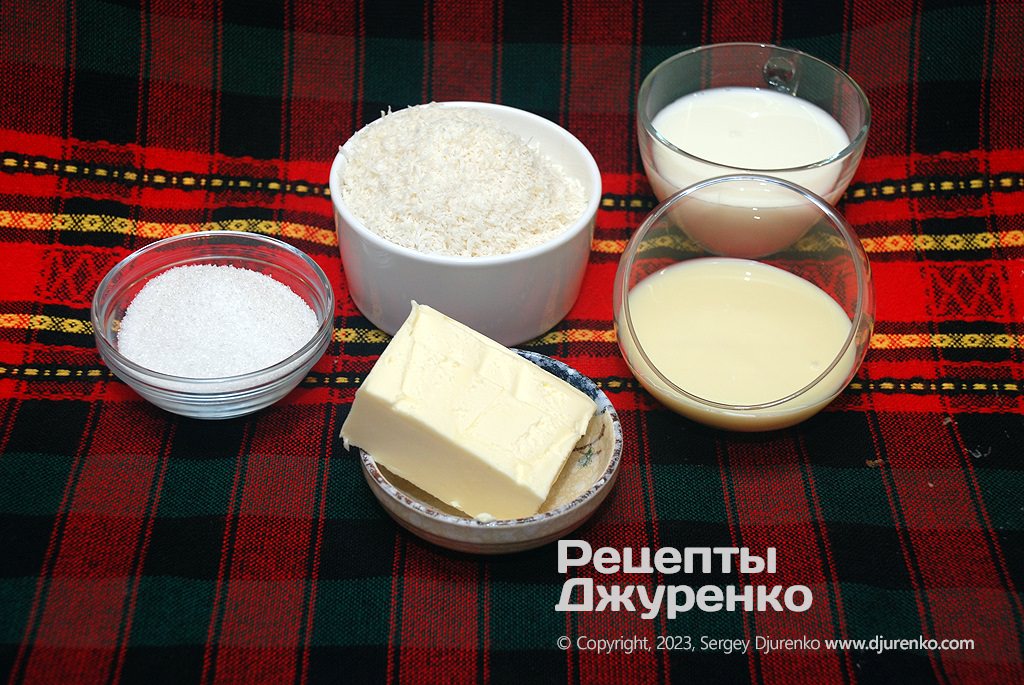
Make the coconut cream. Get all the ingredients for the coconut cream ready.
Desiccated coconut is usually sold as fairly coarse flakes. Many recipes advise grinding it or buying a finer grade. But remember, the candy bars contain precisely those large flakes of coconut flesh.
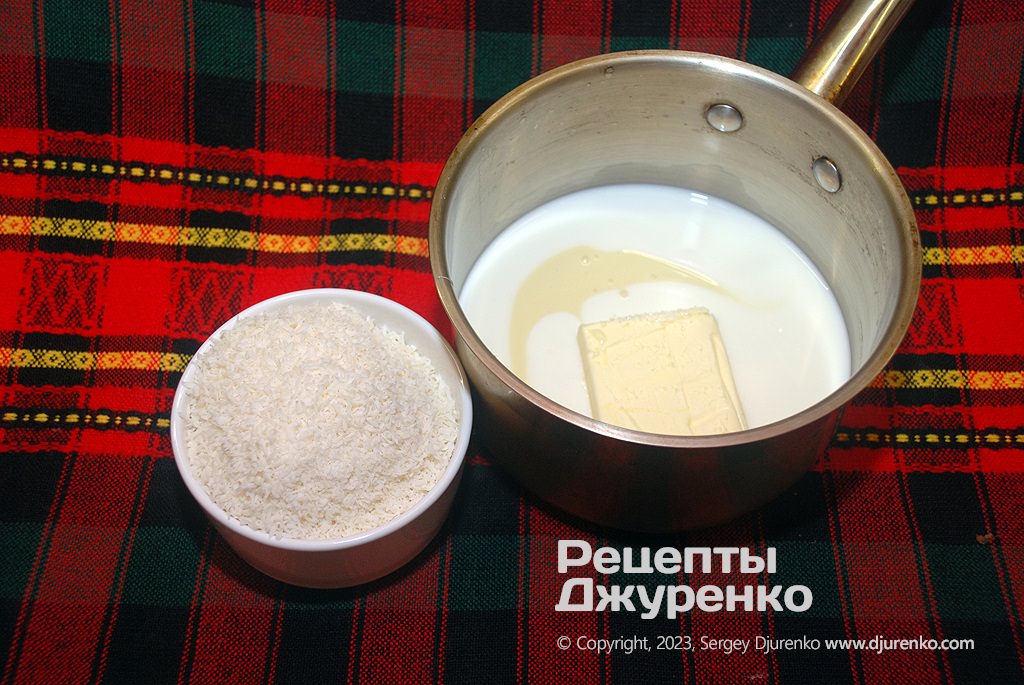
Heat the milk in a small saucepan over medium heat and add the butter and sugar – the butter needs to melt and the sugar to dissolve.
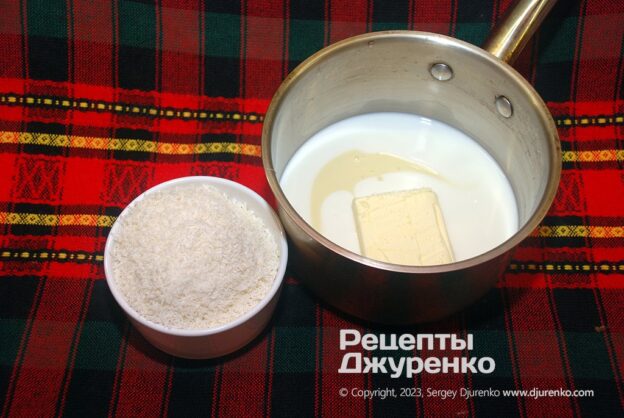
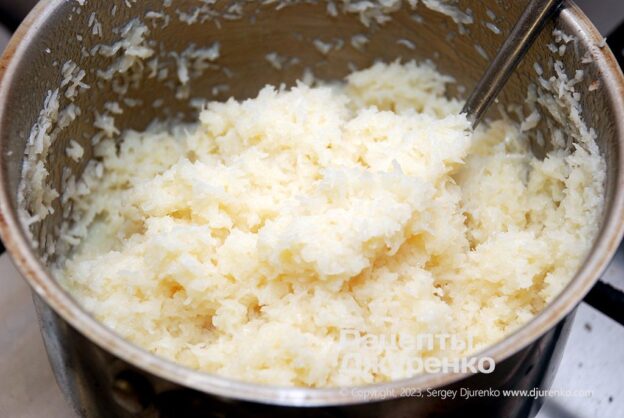
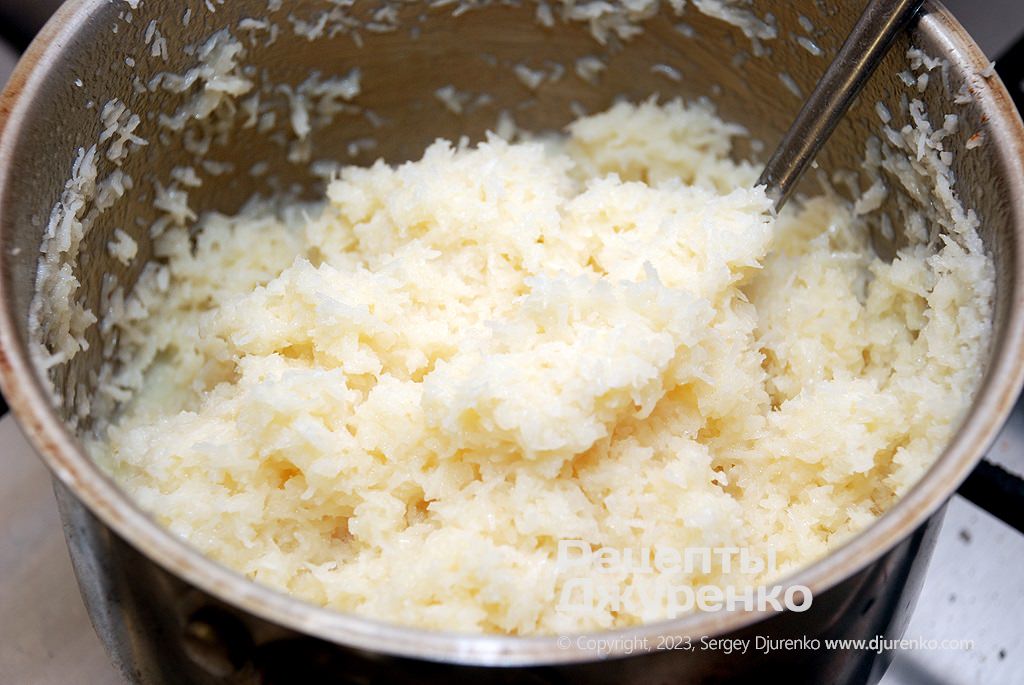
Add the condensed milk – it is quite sweet and thick. Stir so the sugar and condensed milk blend with the milk. Stirring constantly, pour in the desiccated coconut. The mixture thickens a lot and looks like a stiff porridge. Keep stirring and warm the coconut cream over low heat for 2–3 mins. Take the cream off the heat and let it cool to room temperature. Don’t put the cream in the fridge – the butter may harden.
Assembling the cake
It is very convenient to assemble the cake in a cake ring of the right size – the cream isn’t runny and doesn’t spread easily, so it has to be distributed carefully to the size of the layers. That said, you can also do it on a cake stand or in the same pan the sponge was baked in.
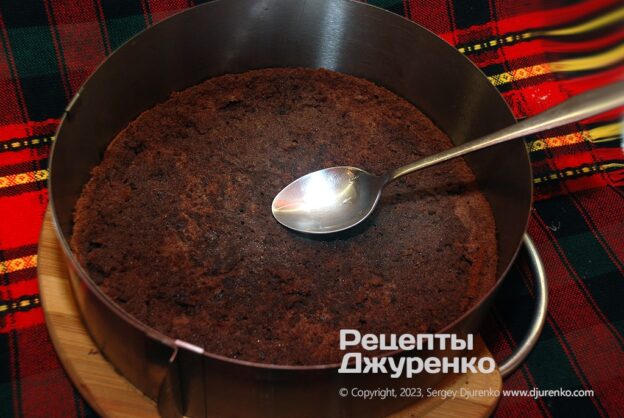
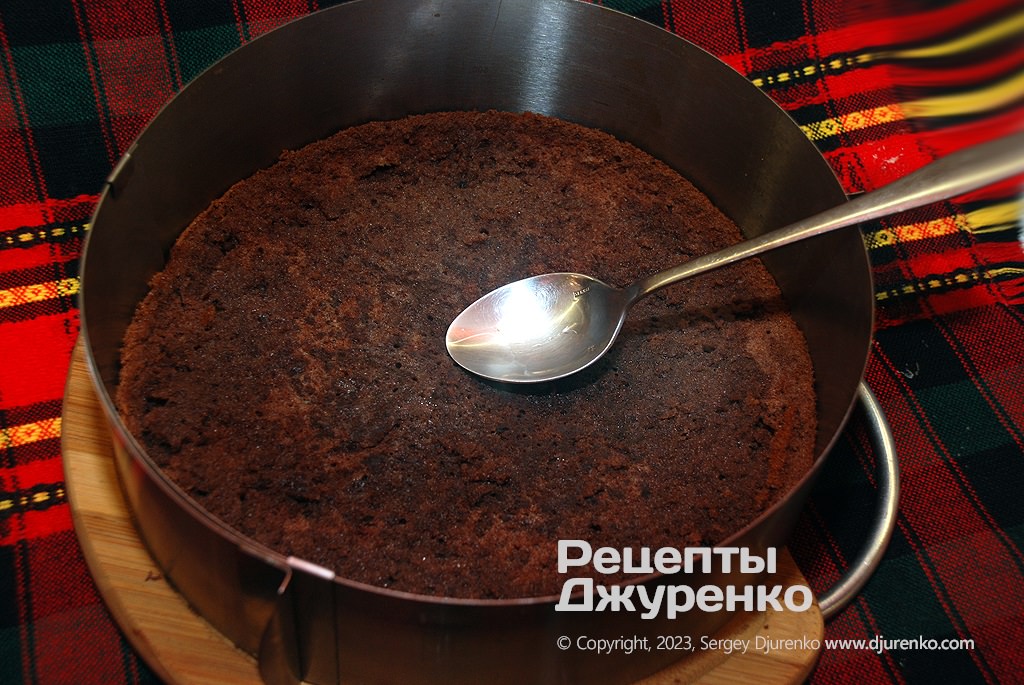
Set the ring on a plate or board, lay down the bottom layer and soak it with the cooled syrup using a spoon – divide the syrup by the number of layers you’ve decided on.
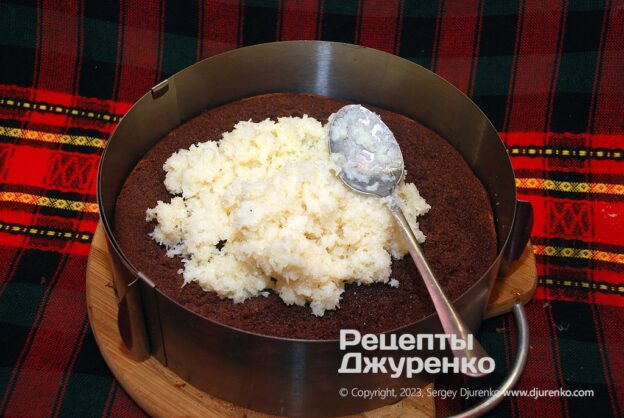
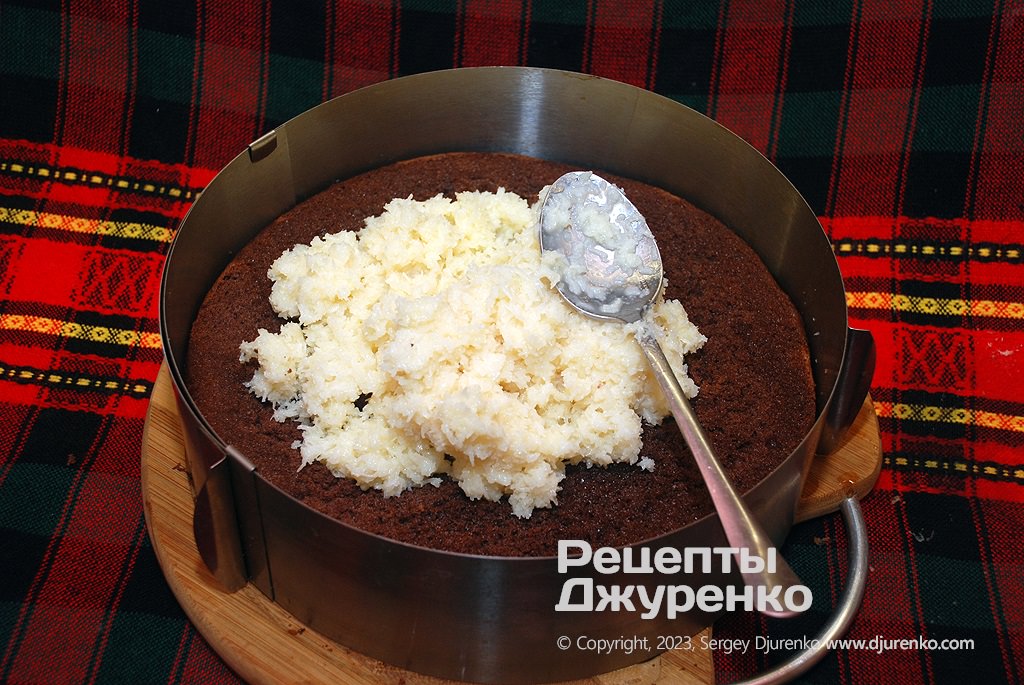
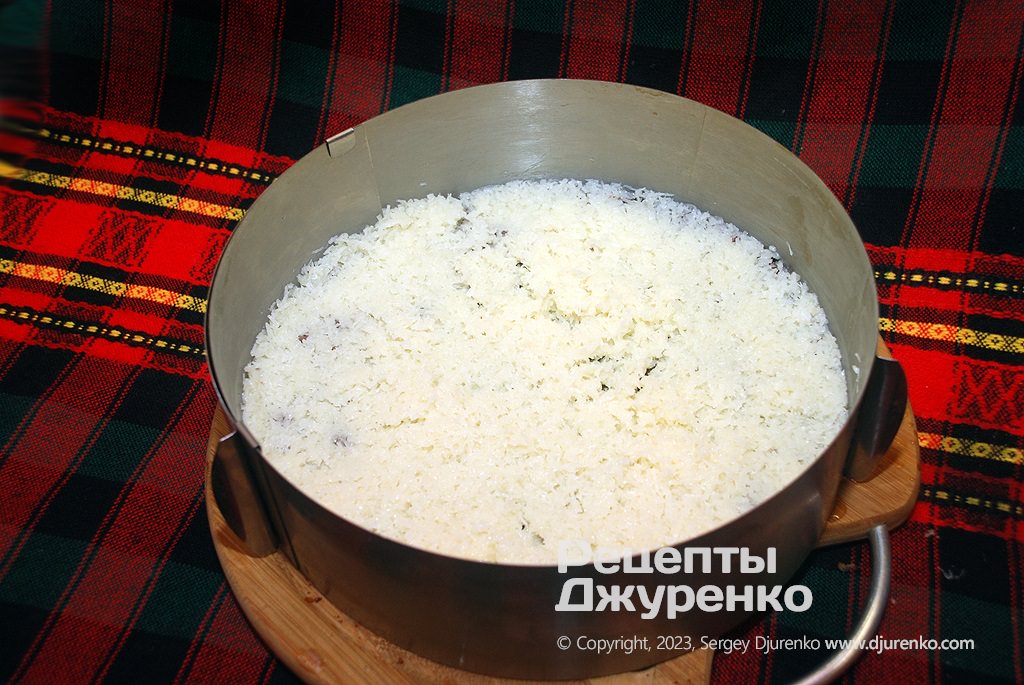
Spread the coconut cream over the layer: if you are using two layers – a bottom and a top one – spread all of the cream; if three, spread half. Level the cream with a spatula and press it down lightly. It is important that the coconut cream reaches right to the edge of the sponge layer.
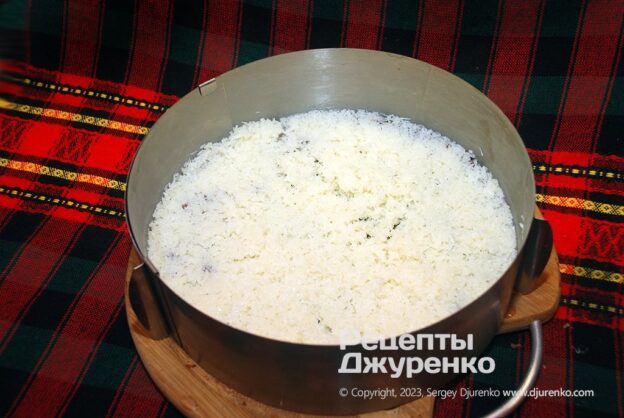
Place the next layer on top and soak it. If you have three layers, spread the rest of the coconut cream over it and cover with the last layer, which also needs to be soaked. Press the cake down lightly so all the layers of cream and sponge lie evenly and snugly against each other.
Glaze
For the coating, make a ganache – a chocolate mixture used to coat cakes, desserts and pastries. It is quick and easy.
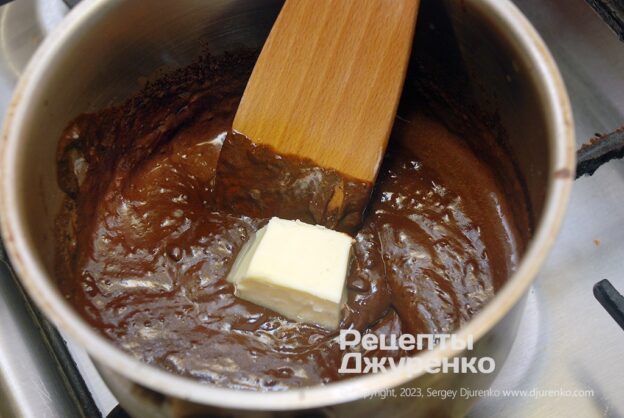
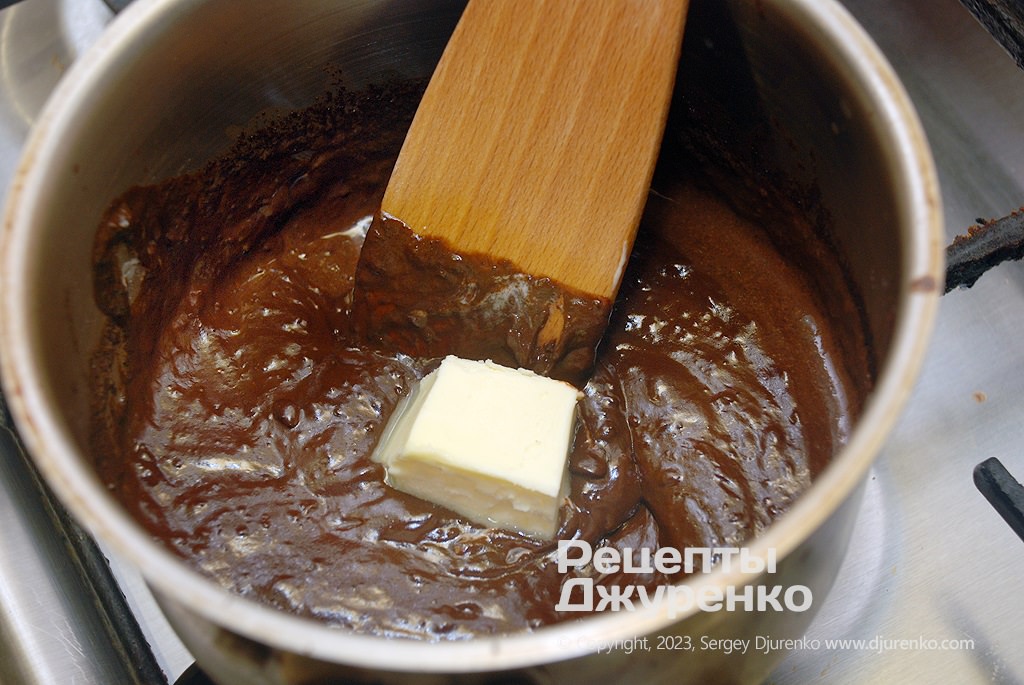
Make the ganache. Heat some milk, or cream, in a small saucepan. Break a bar of chocolate with 80% cocoa or more into pieces and drop them into the hot milk. When the chocolate has melted, stir the mixture – it will be fairly thick and sticky. Then add a small piece of butter and stir.
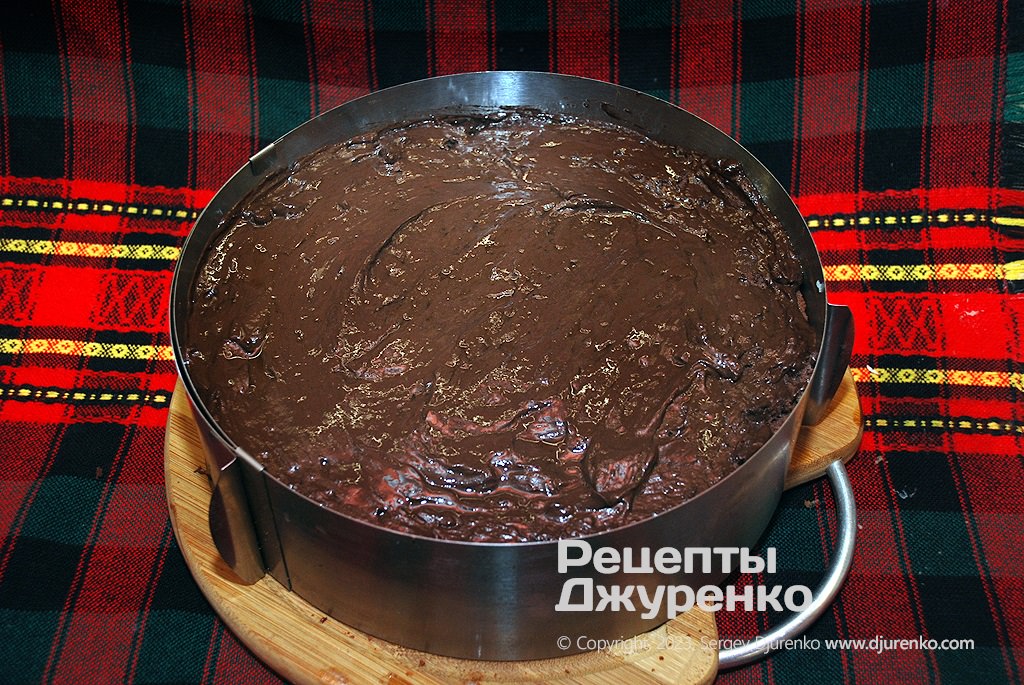
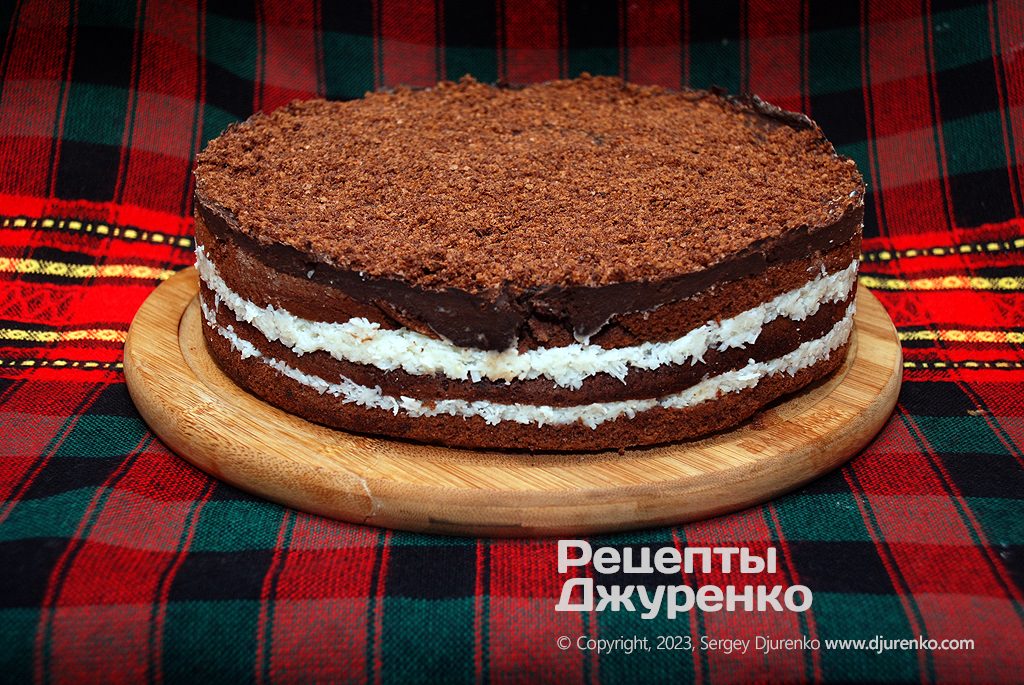
Cover the top of the cake with the glaze. If you want the cake smooth and glossy, pour the glaze so it spreads out. While the glaze is still soft, sprinkle the top of the cake with sponge crumbs or desiccated coconut, pressing them in lightly. Or, which looks pretty, mix the crumbs and coconut together for a nicely speckled look. After that, the ring or pan can be removed.
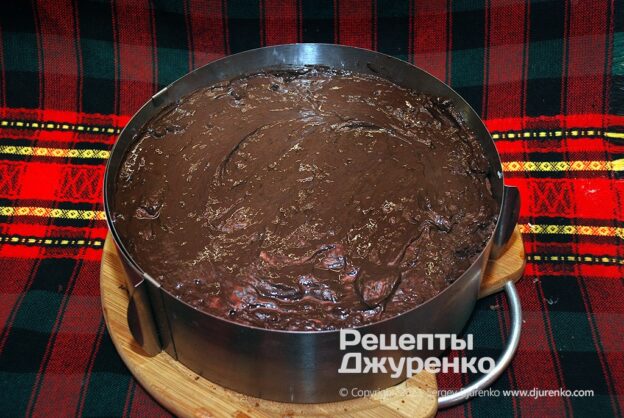
Put the finished cake in the fridge for at least 2–3 hours. The coconut cream is quite dense and won’t soak into the layers – it just needs to set. Usually the cake is made the evening before, so it is ready by morning.
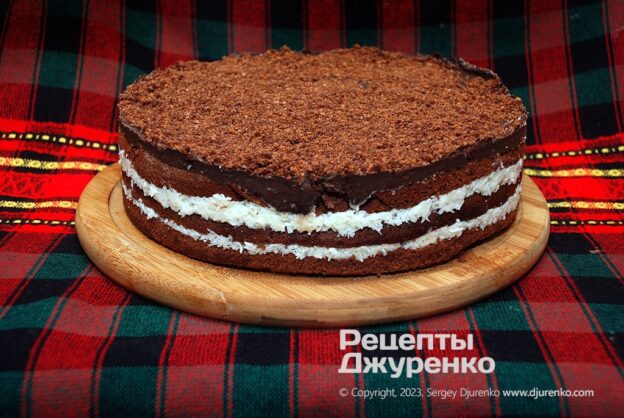
The layers of the cake show very clearly on the sides – they are sharply defined.
Serving
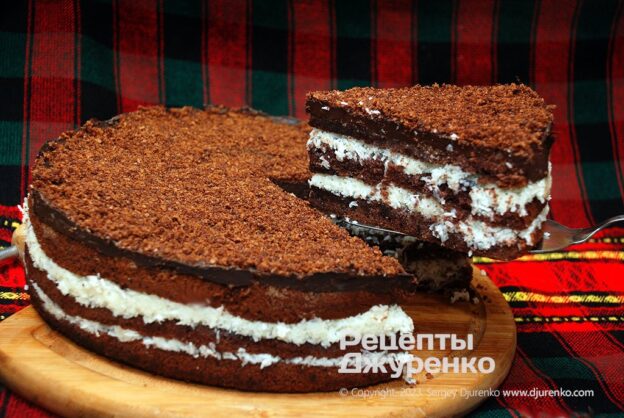
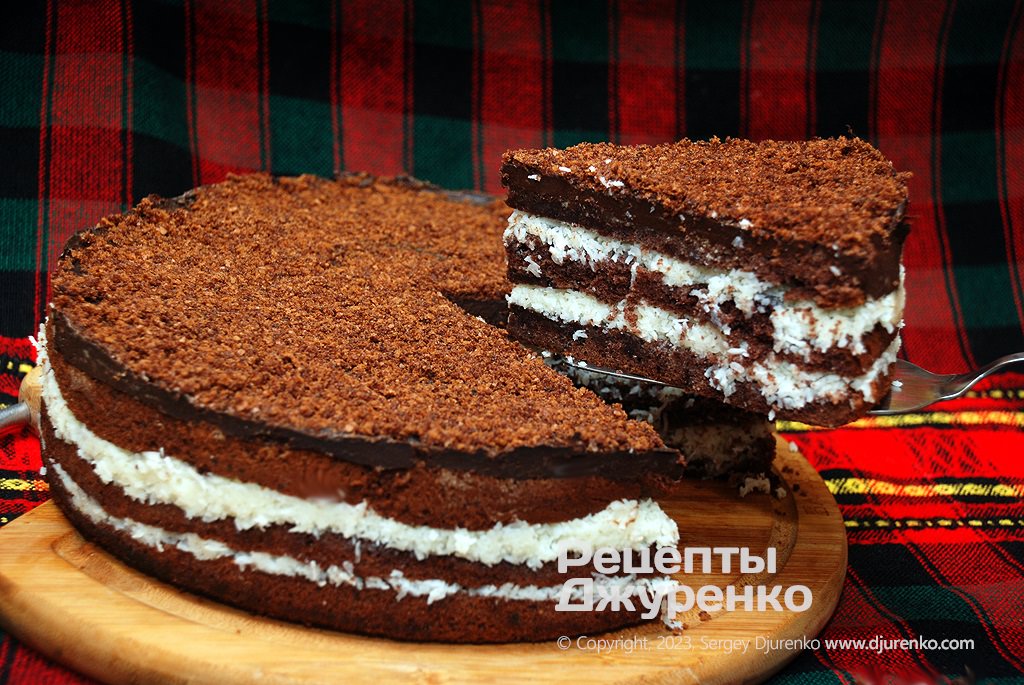
Slice the cake with a large knife – the layers don’t get squashed. If you like, cut it into individual portions, place them in paper cups and serve them that way.
The amounts given make a dessert weighing 1.8–1.9 kg – enough for 6–8 people, just right for a tea party. The chocolate and coconut Bounty cake keeps in the fridge for several days. It is wonderful with a cappuccino or a cup of hot cocoa (90 g).
There are many ways to make the cream. One of them is mixing desiccated coconut with Italian mascarpone cream cheese. You can also make the cream with coconut milk or cream – the aroma and flavor will be more intense. Gelatin is often added to the cream, and the edges of the layers are sometimes even coated with jelly.

How did you like this recipe?
Rate it with one tap.
Calories and macros
2825 kcal
Serving ≈ 900 g
- Protein51 g7% of kcal
- Fat164 g53% of kcal
- Carbs271 g39% of kcal
100 g313 kcalProtein 5.7 gFat 18.2 gCarbs 30 g
Calculated from the recipe ingredients, excluding salt and spices. Data: USDA and Matvaretabellen.