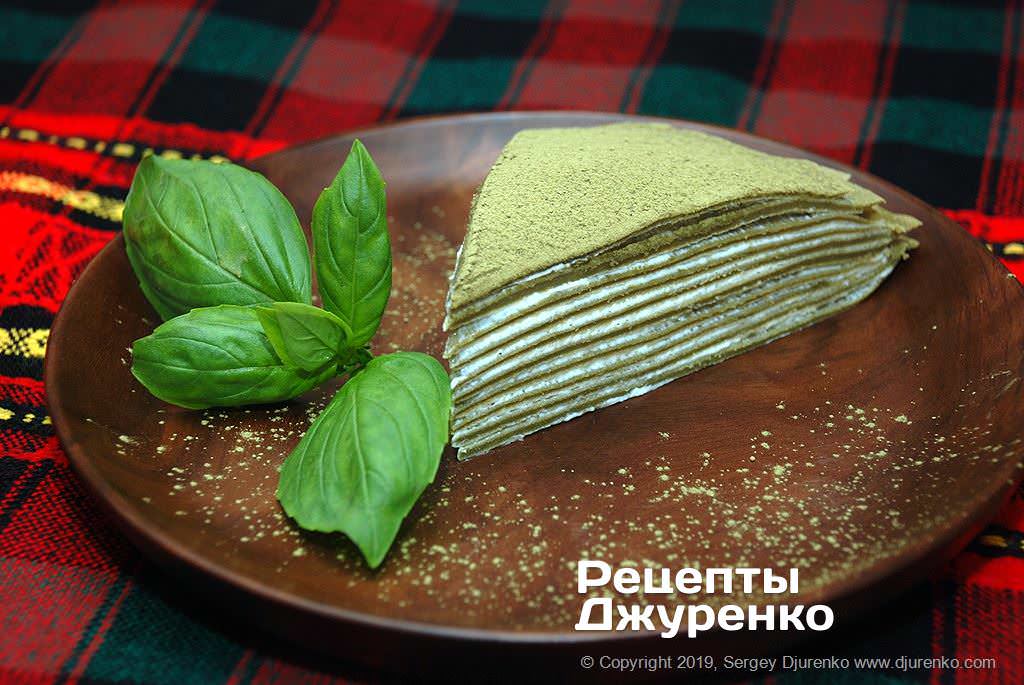
Matcha Mille Crepe Cake with Mascarpone Cream: Step-by-Step Recipe
I remember being fascinated as a child by a curious dessert: the crepe cake. It seemed like something out of this world. My mom made thin crepes, nalysnyky, quite often, and we ate them with whatever was at hand: jam, cottage cheese, honey. Sometimes we ate them just plain. But our neighbor often made a real culinary marvel, a layered crepe pie, spreading the layers with chicken liver pâté or sprat paste and tucking in thin slices of ham and salami.
For a crepe cake you need ordinary thin crepes: nalysnyky, or palačinke, as they're called in the Balkans. They're easy to make from flour, milk, and eggs. I'd guess every kitchen has a dedicated crepe pan that turns out perfect pancakes for Maslenitsa. Once you have a stack of crepes, all that's left is to spread them with cream, and the dessert is ready.
In China and Japan, and across much of Southeast Asia, Matcha Mille Crepe Cake is a hugely popular dessert: a cake flavored with matcha green tea. At heart, it's a crepe cake. Green tea powder, 抹茶, literally “ground tea”, is added to the crepe batter. It tints the batter a lovely green and gives the dessert a tea aroma.
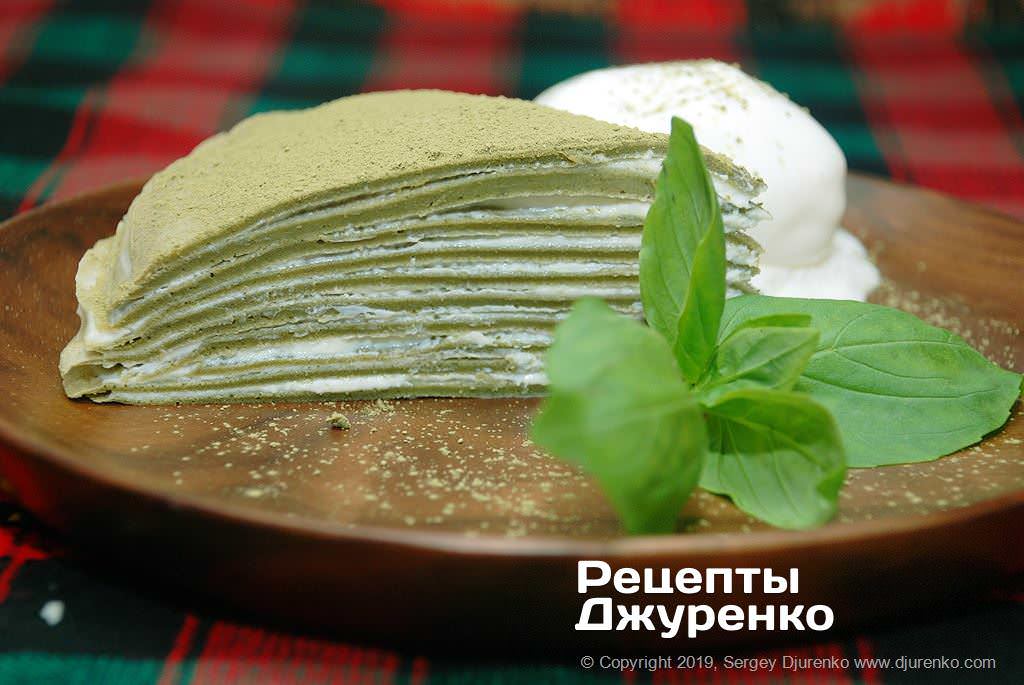
The Japanese-style version has a rounded edge, and that's the main visual feature that makes the dessert recognizable. The crepes are made very thin and soak up the cream, which, combined with the matcha, gives the dessert a barely noticeable bitter note. The exact number of crepes isn't that important, but more is always welcome.
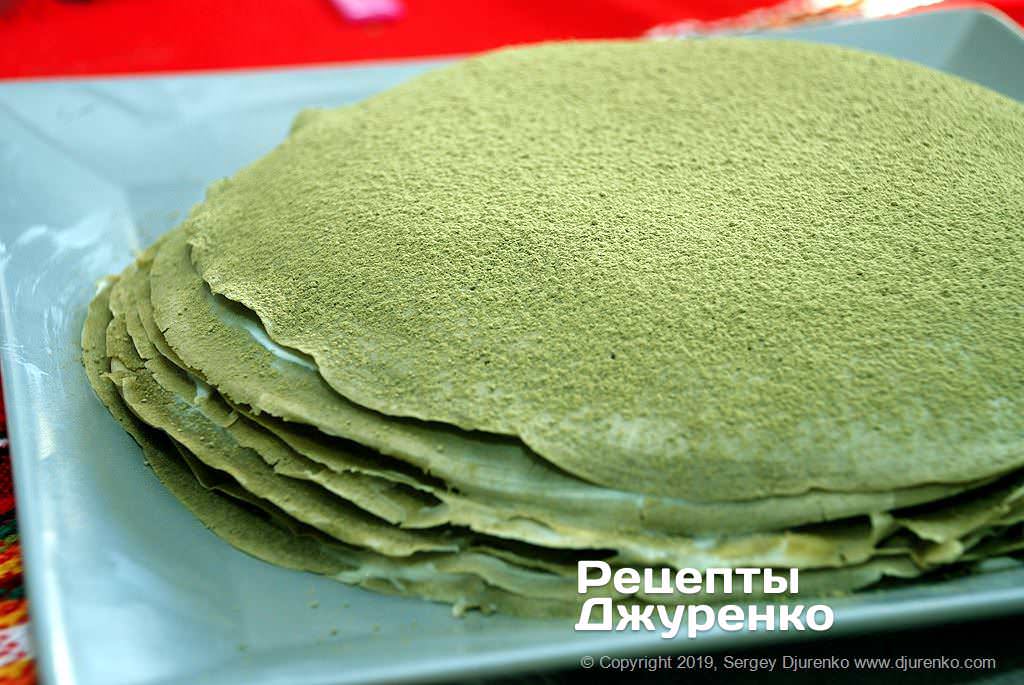
The finished cake is dusted with tea powder, which gives its top a silky, velvety look. Crepe in the name, of course, refers to the thin French pancakes, while Mille means “a thousand”, a nod to the many layers of the cake.
It's very important that the crepes are soft and thin; then the cake will be light, and the layers won't tear when you cut and eat it. Tough or rubbery crepes ruin the dish. Ideally, the layers of the finished dessert shouldn't slide against each other when you cut them or spear a piece with a fork. When my daughter Yulia and I made the crepes, everything worked out on the first try. The key is not to rush and to cook with love.
Ingredients
6-8 servings
- All-purpose flour 2 cups
- Matcha green tea powder as needed
- Eggs 3
- Milk 2.5 cups
- Sugar 4 tbsp
- Vegetable oil 2 tbsp
- Mascarpone 0.5 kg
- Sweetened condensed milk 250 g
- extras Salt, vanilla
Step-by-step recipe
- We decided to make a matcha crepe cake with 10–12 layers in mind and worked out the batter ingredients from there. If you want more crepes, scale all the ingredients up proportionally. Green tea powder is sold in supermarkets and comes in different grades; the most affordable is culinary-grade matcha, meant for crepes, green tea ice cream, all sorts of creams, and so on.
- Making the thin matcha crepe batter
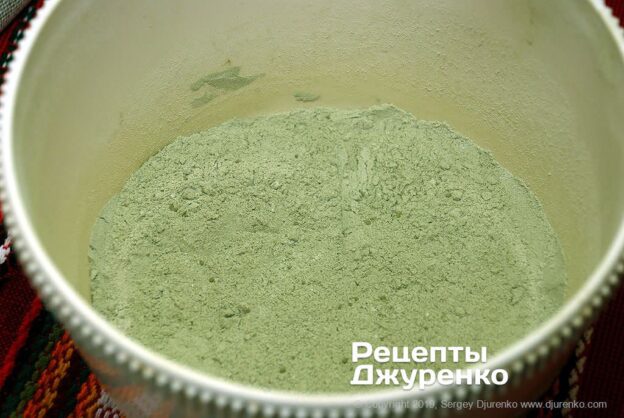
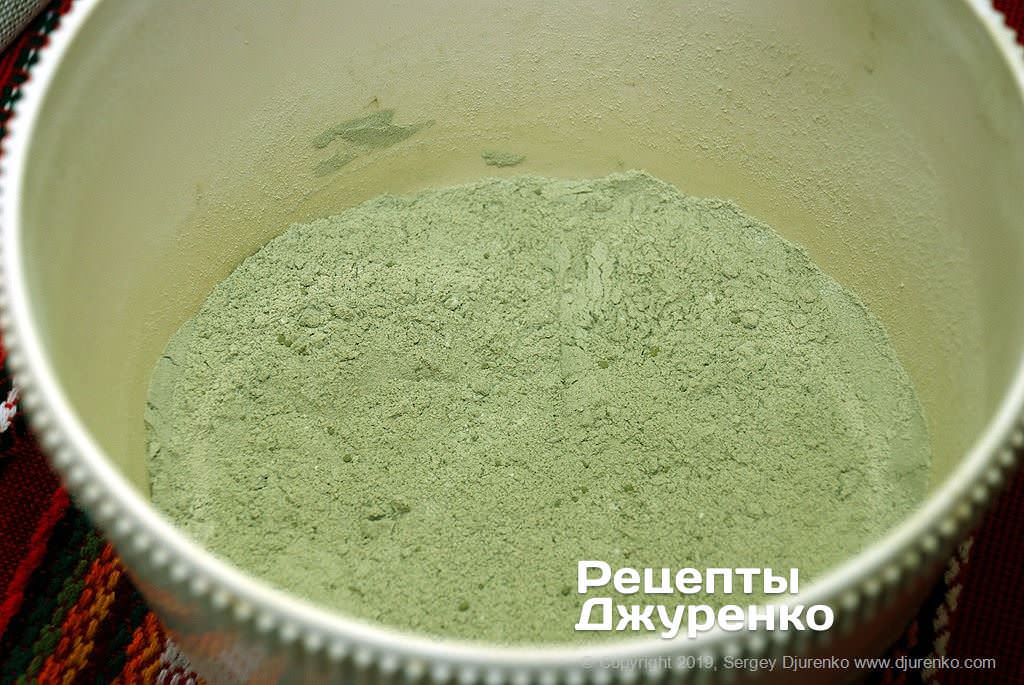
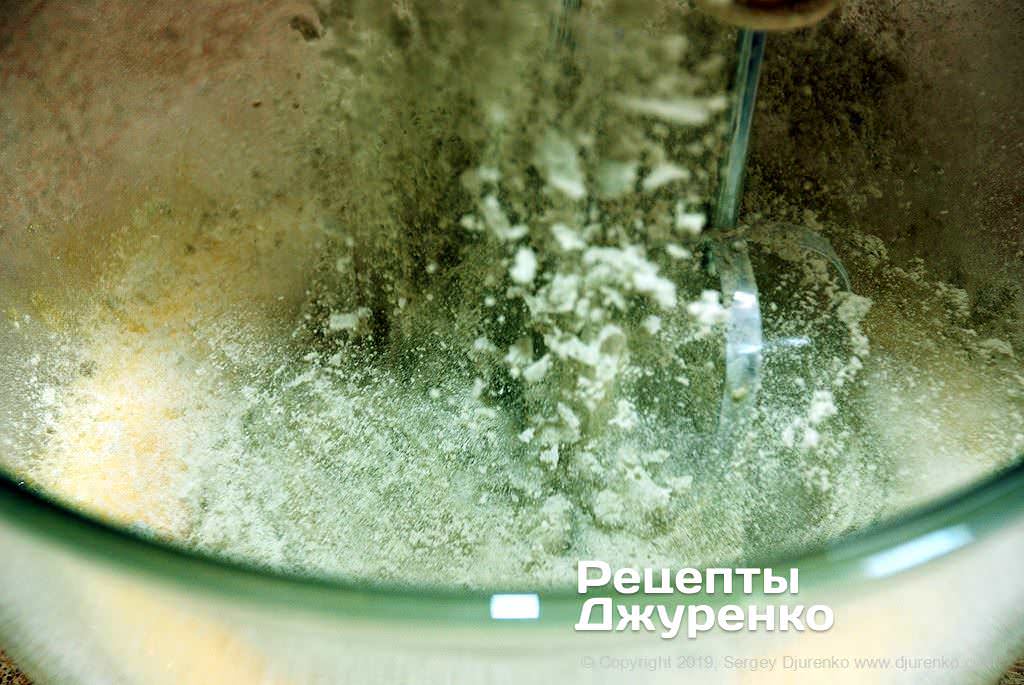
- Sift 2 cups of all-purpose flour into a large bowl, so it's easy to mix the batter. Then sift the green tea powder into the flour. Don't skip this: the tea tends to clump, and you can come across quite noticeable lumps. Stir the flour and tea together with a fork. You'll get green flour, which looks unusual and even a little alarming at first.
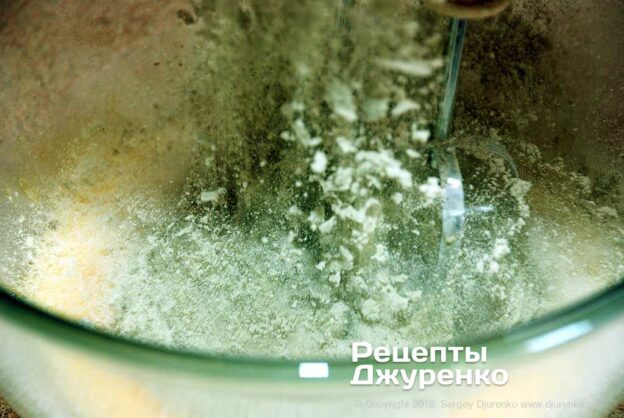
- Crack 3 eggs into a bowl and add 1–2 pinches of fine salt and 4 heaping tbsp of sugar. Beat the eggs with a fork or mixer until smooth and the sugar dissolves. Then add the flour and green tea mixture and keep stirring.
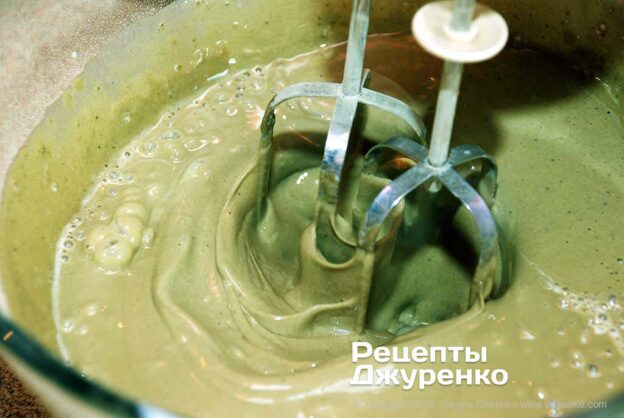
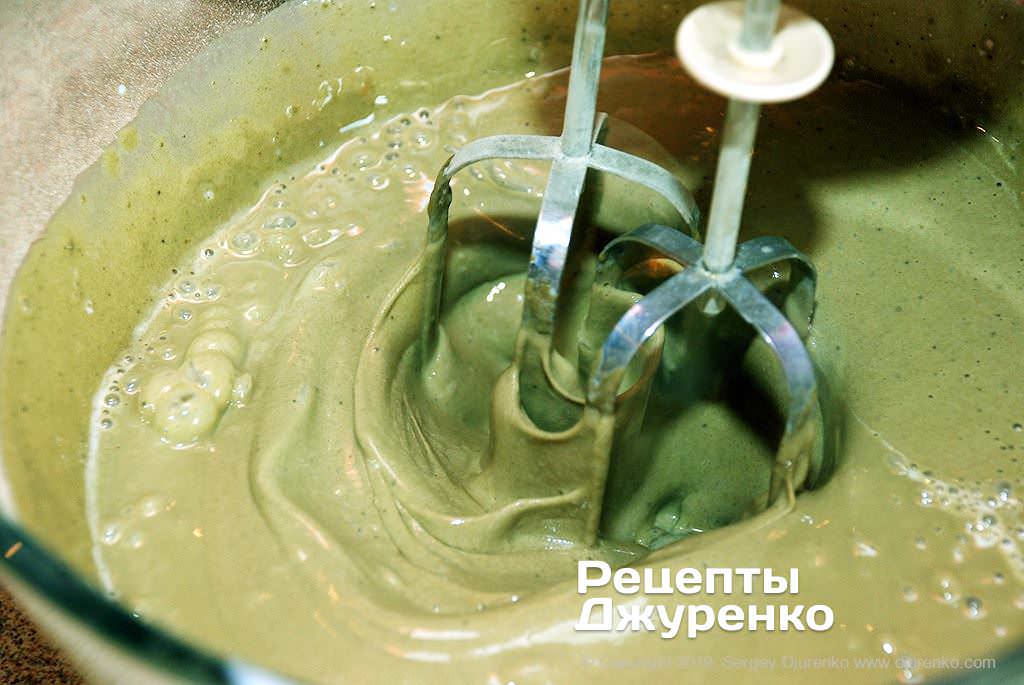
- Pour the milk into the batter. As you stir, you'll see whether you need to add more flour. The batter should have exactly the same consistency as for ordinary thin crepes. Once it's smooth, stir in 2 tbsp of boiled water and 1 tbsp of vegetable oil; this helps make the crepes thinner and softer. The batter should be runny and not stick to your hands or the spoon.
- How to cook the crepes for the cake
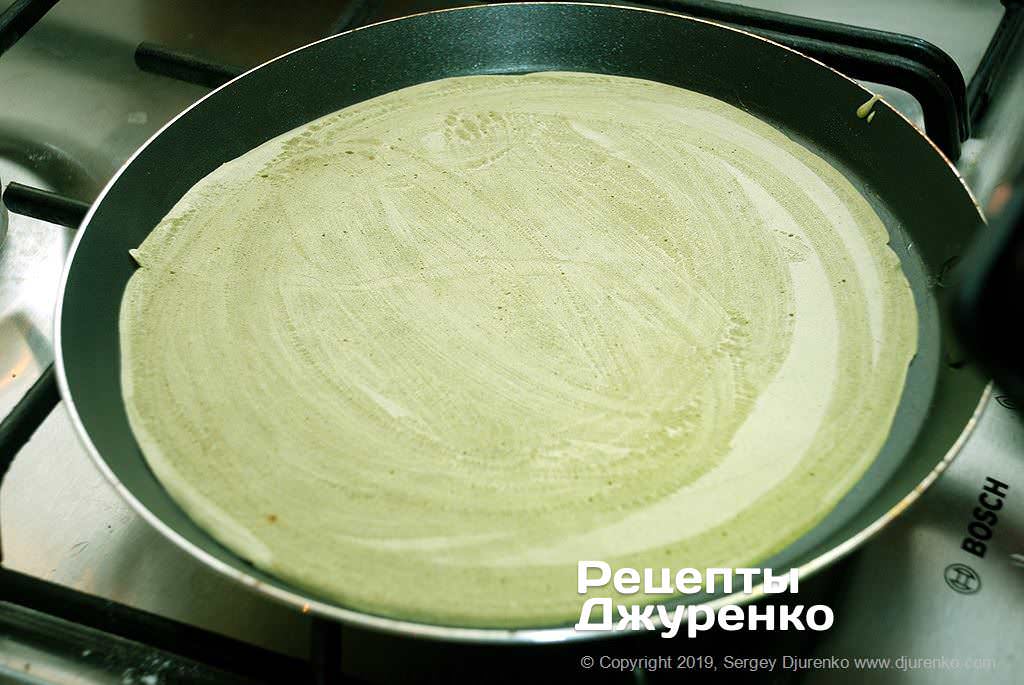
- A nonstick crepe pan is a handy, useful thing in a home kitchen. Cook the crepes over medium heat so they cook through without burning; this way you'll avoid dark, scorched spots. If your pan has a nonstick coating, you may be able to skip greasing it. Traditionally, people grease a hot pan with a piece of pork fat when making crepes, but it leaves a slight taste and smell. It's better to brush a few drops of vegetable oil over the bottom. Pour a portion of batter into the pan; it should cover the bottom in a thin, even layer.
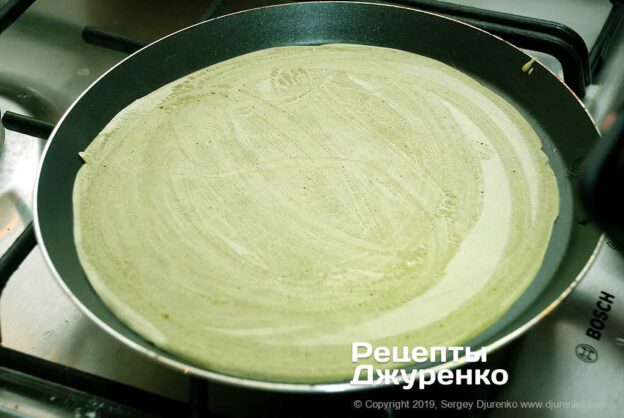
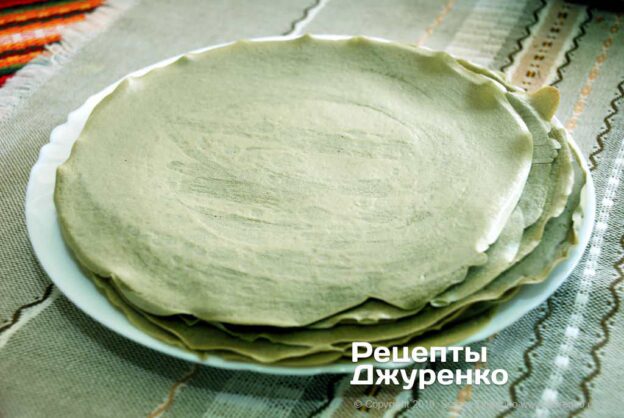
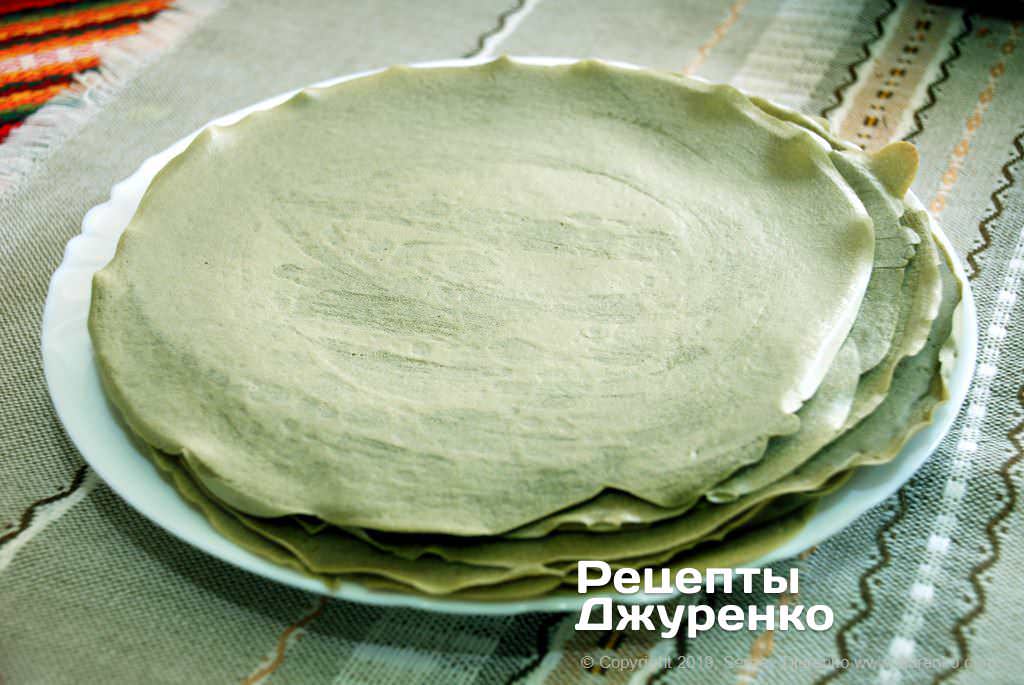
- The first crepes will take a little longer, while the rest will be done in 3–4 minutes. For a really good dessert, try to use as little batter as possible: the thinner the crepe, the better. Ideally, cook the crepes on one side only, without flipping. Transfer the finished crepes to a flat plate to cool. Cook all the batter this way, one crepe at a time.
- Making the cream for the Japanese dessert
- We wanted a cross-section with thin green lines alternating with bright white, dense cream. So we settled on a mix of soft mascarpone cheese and condensed milk. Keep in mind that mascarpone is very rich, up to 75% fat, so the dish is fairly high in calories. For the same reason, we didn't add any butter to the cream.
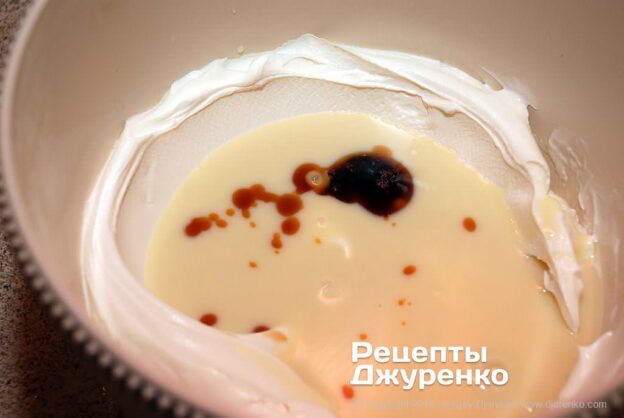
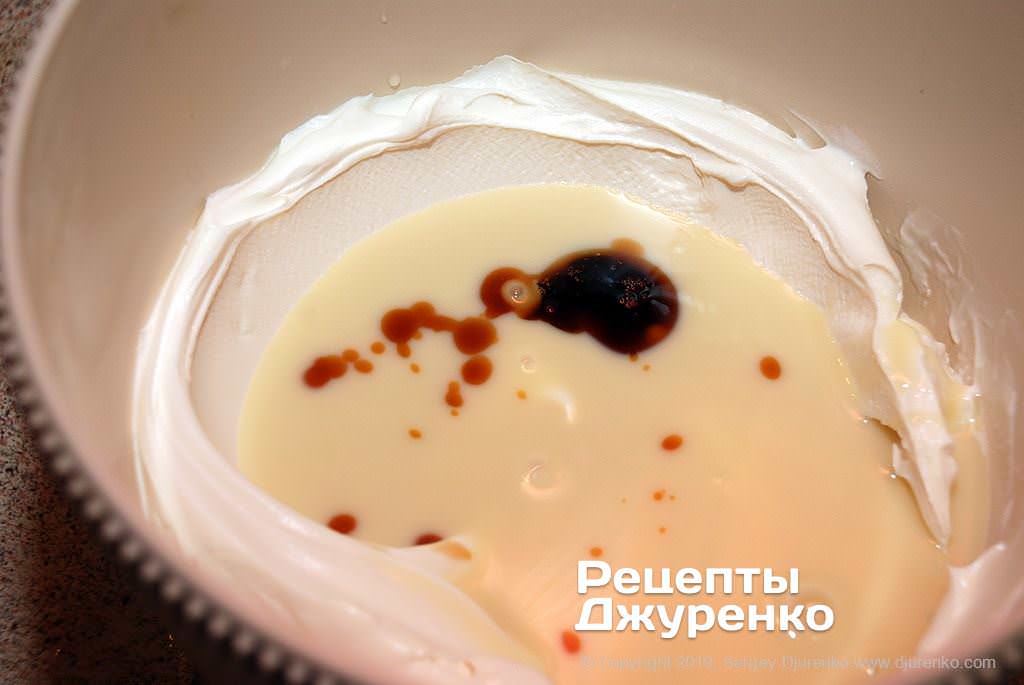
- Mix a tub of mascarpone (usually sold in 400–500 g packs) with 250 ml of the best natural sweetened condensed milk you can find. Add liquid vanilla to taste. Beat the cream thoroughly until completely smooth. Usually nothing else goes into this cream, but if you like, you can add a few drops of lemon or orange extract. By the way, this cream is perfect for cakes, eclairs, or cheesecakes.
- How to assemble the cake
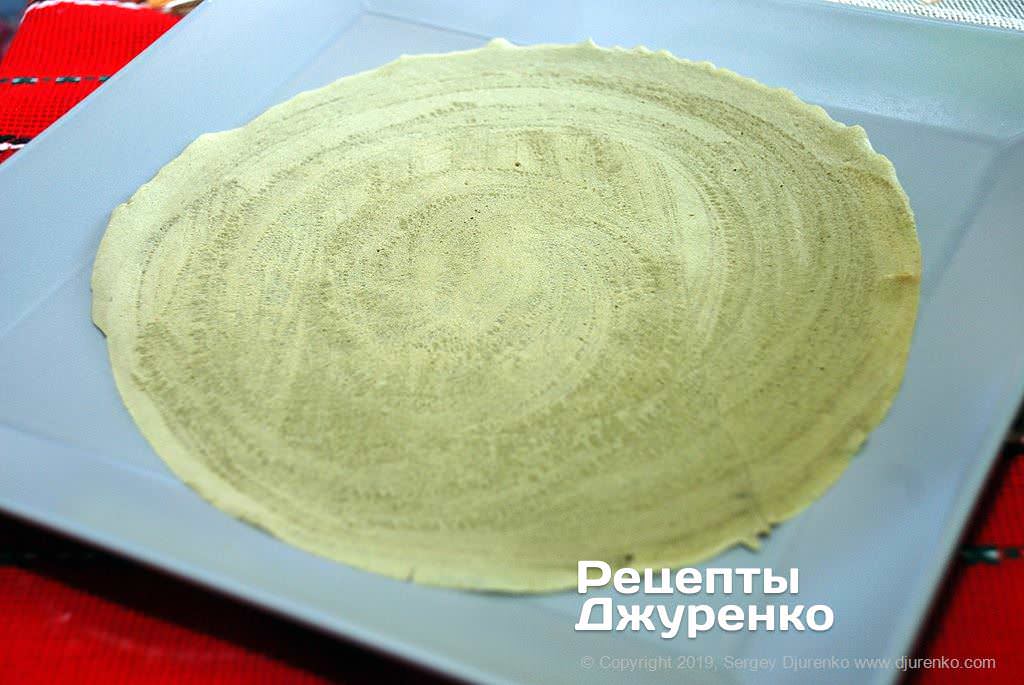
- To assemble the crepe cake, you'll need a large flat plate or a cake stand. A plate with a concave bottom won't work: you won't be able to shape the rounded edge. Lay one green crepe on the plate and smooth it out a little, especially around the edges.
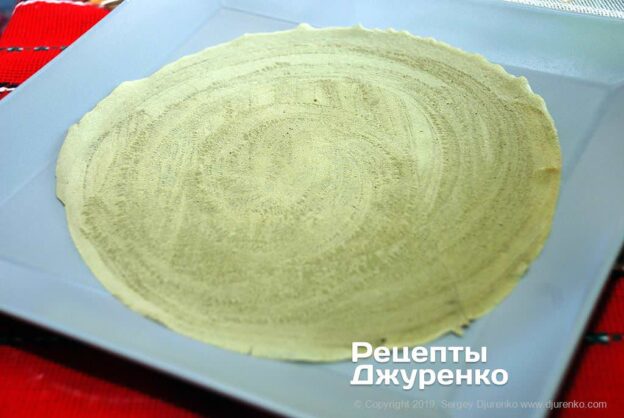
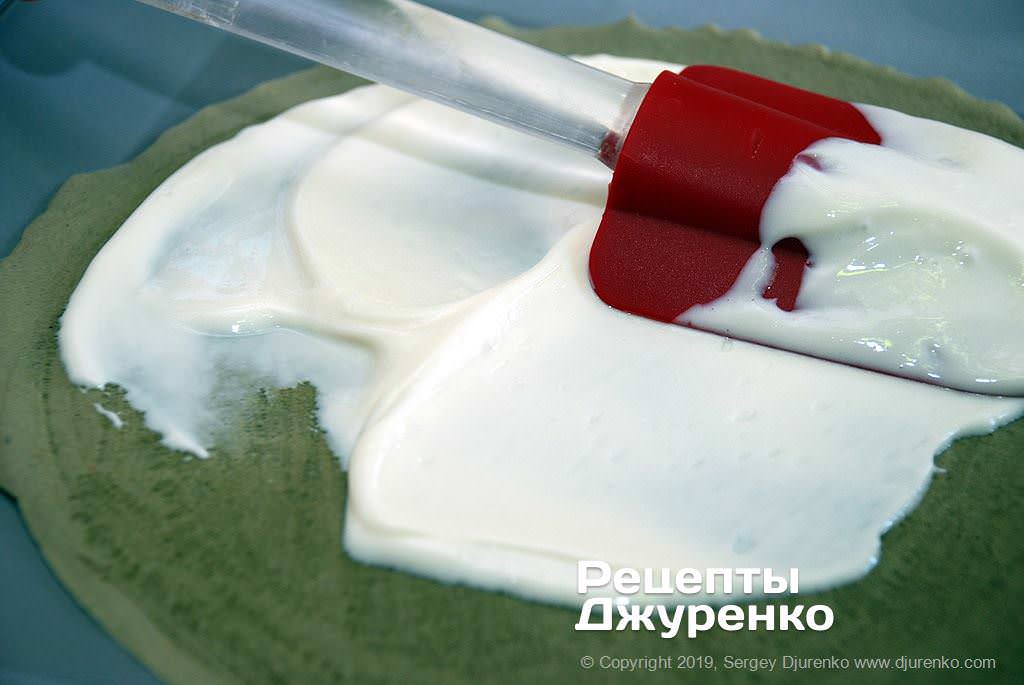
- Using a wooden or silicone spatula, spread the crepe with the cream. The layer of cream should be about as thick as the crepe itself. Spread it out, leaving 1–2 cm free around the edge. The edge of a crepe is usually thinner, almost papery, and doesn't need any cream. This edge is exactly what creates the rounded side.
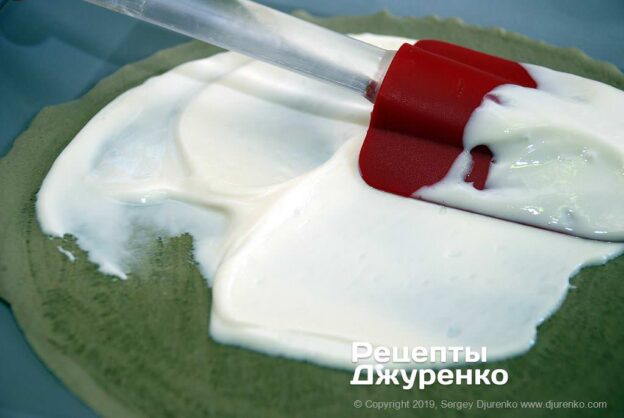
- Place the next crepe on top of the cream and press it down gently with your hands so it sticks to the cream. Spread the second crepe with cream and keep going until all the crepes are used up. Then generously dust the top crepe with matcha green tea powder. The top will turn out velvety, slightly fuzzy.
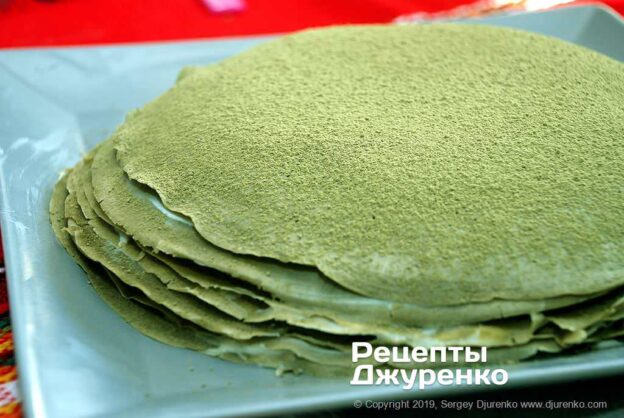
- Alternatively, if you like, spread all the leftover cream over the top crepe in an even layer. It can be thicker than the other layers. Then dust the cream with green tea powder. Keep in mind, though, that the tea will tint the cream green.
- How to serve the crepe cake
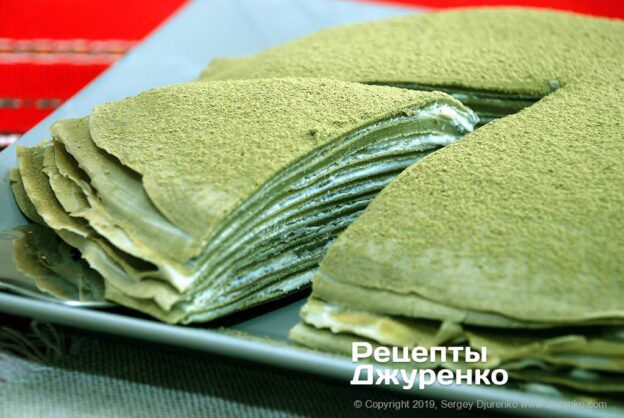
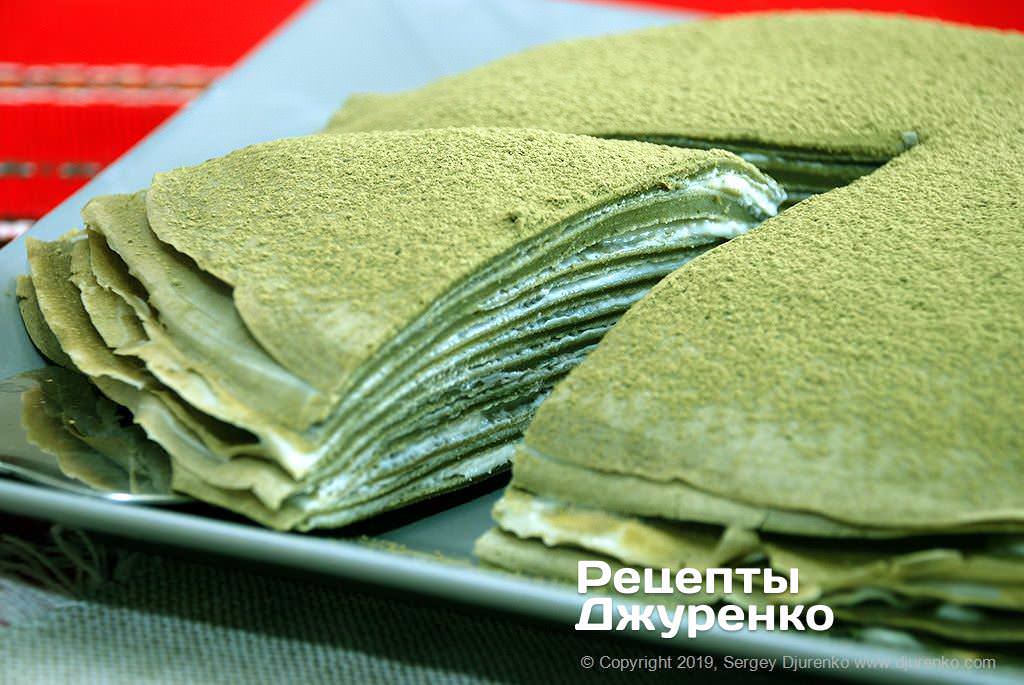
- A green tea crepe cake with cream filling needs to rest in the fridge. It's at its most delicious the next day. The crepes soak up the cream, and the matcha dessert becomes soft and uniform. When you cut it, the layers don't shift, and the slices hold their shape. Cut the cake with a sharp knife, piercing it from top to bottom and slicing without pressing down. This keeps the slices from getting squashed.
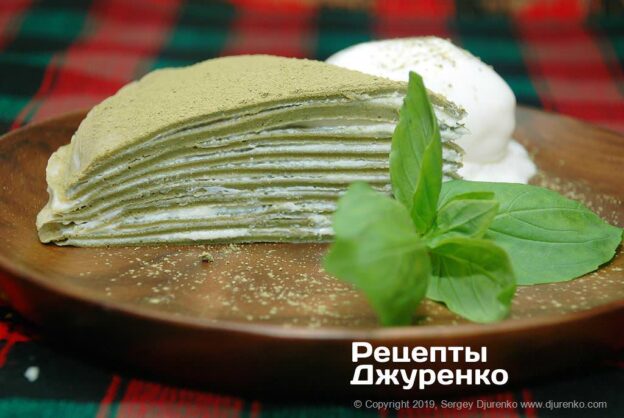
- The next day, carefully cut the dessert into portions. Place each slice on a plate and dust with matcha. A sprig of green basil or mint, or a scoop of Japanese green tea ice cream, looks beautiful on the plate.
| Yield: | 6-8 servings |
| Calories: | 320 |
| Prep time: | 1 h |
| Cook time: | 30 mins |
| Total time: | 1 h 30 mins |
| Category: | Desserts and Drinks |
| Cuisine: | European |
| Rating: |
⭐
⭐
⭐
⭐
⭐
4.5
(1)
|