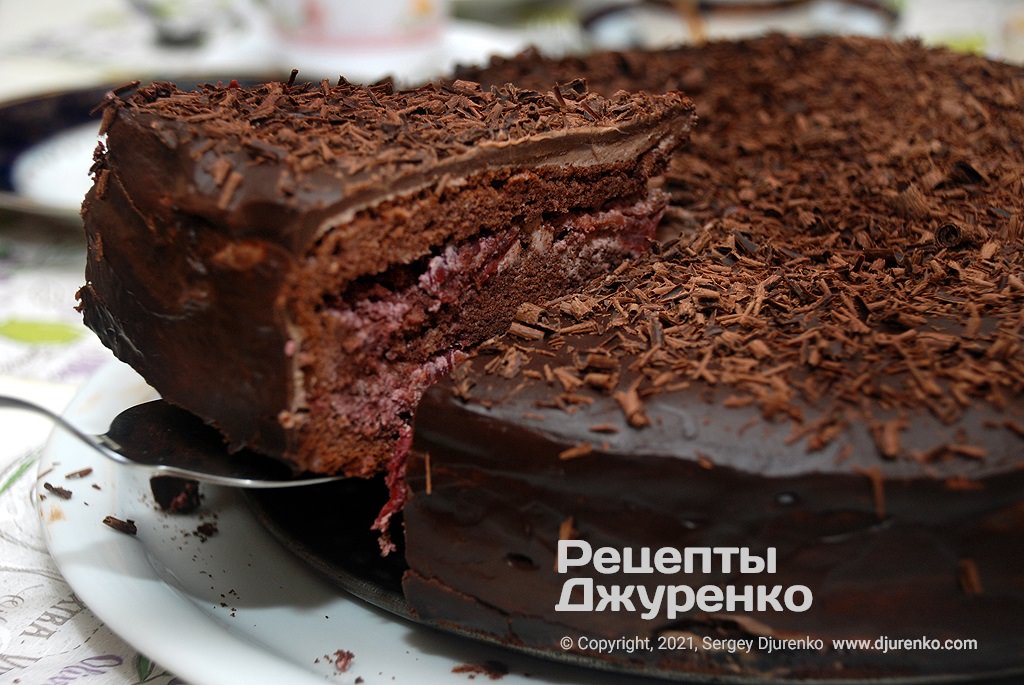
Drunken Cherry Cake with Mascarpone
Ingredients
over 3 kg
For the sponge
- Eggs 11
- Cocoa 4 tbsp (27 g)
- Sugar 2 cups (360 g)
- Wheat flour 1.5 cups (195 g)
- Liquid vanilla a little
- Baking powder as the packet directs for 1.5 cups of flour (270 g)
- Vegetable oil a little, for the pan


For the filling
- Frozen pitted cherries 800 g
- Brandy 150 ml
- Sugar 1 cup (180 g)


For the cream
- Mascarpone cheese 500 g
- Cocoa 1.5 tbsp (10 g)
- Sweetened condensed milk 0.5 can


For the glaze
- Dark chocolate 120 g
- Cream (20%) 200 ml
- Chocolate for decorating 50 g

Step-by-step recipe
Drunken cherries and chocolate sponge
First and foremost, Drunken Cherry cake is a lot of cherries, and only then cream and sponge. The pitted cherries, not counting their juice, should make up more than a quarter of the dessert’s total weight.
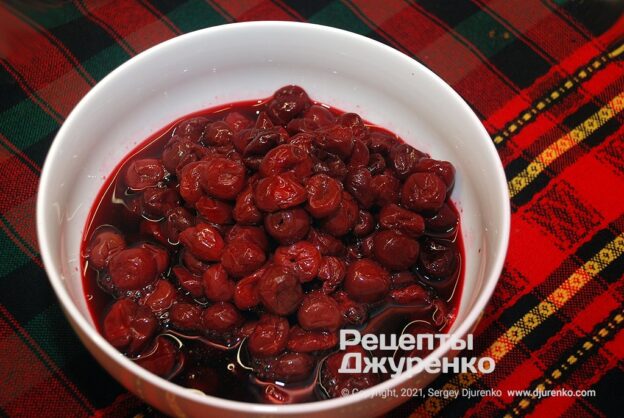
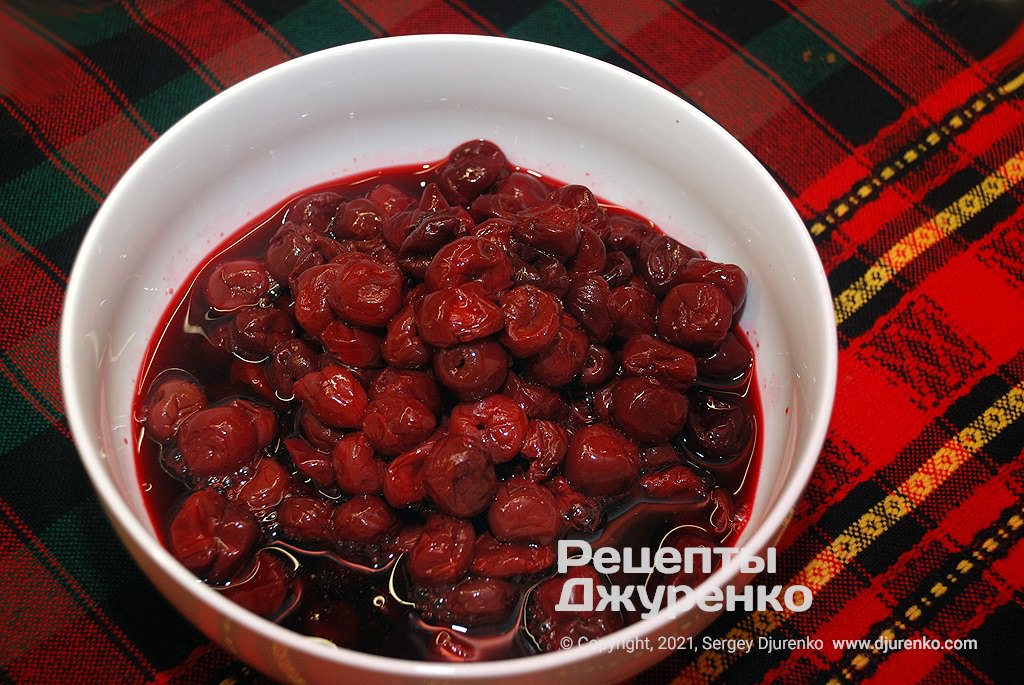
Thaw the frozen cherries and pour off the juice – you will need it for soaking the sponge. Add a cup of sugar (180 g) and 150 ml of brandy to the cherries themselves. Leave the cherries to soak for 2–3 hours, or longer if you have the time.
The drunken cherries will not hold all the brandy you add, by the way – all the liquid will have to be drained off.
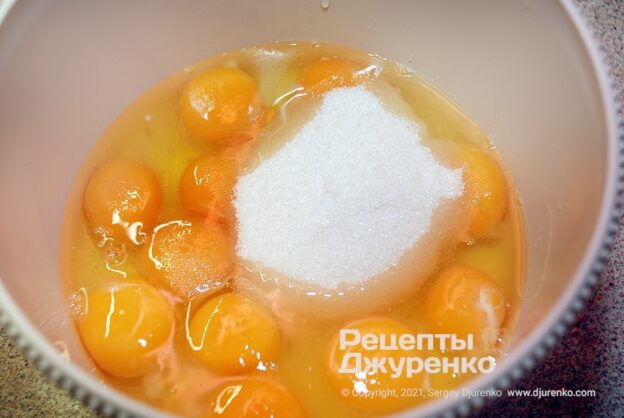
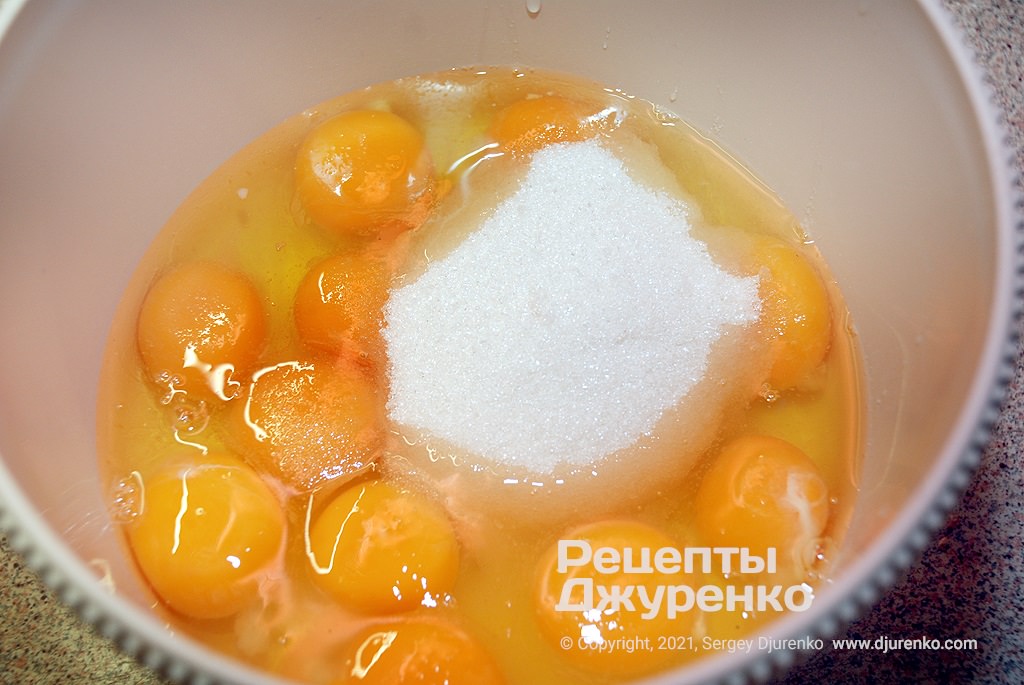
Crack all the eggs into the mixer bowl, making sure no bits of shell get in. Add two cups of sugar (360 g) and a little liquid vanilla. Beat the eggs and sugar with the mixer until you have a good foam and the sugar has almost dissolved.
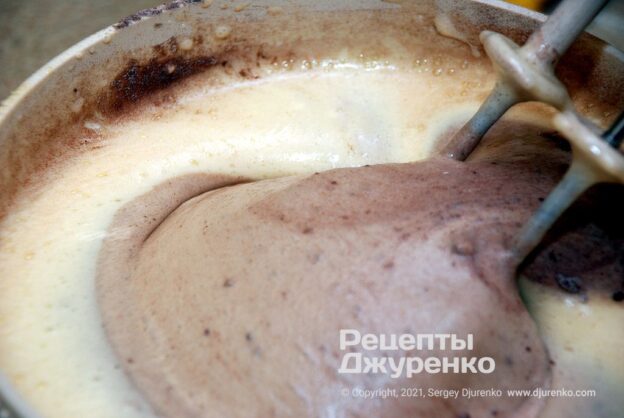
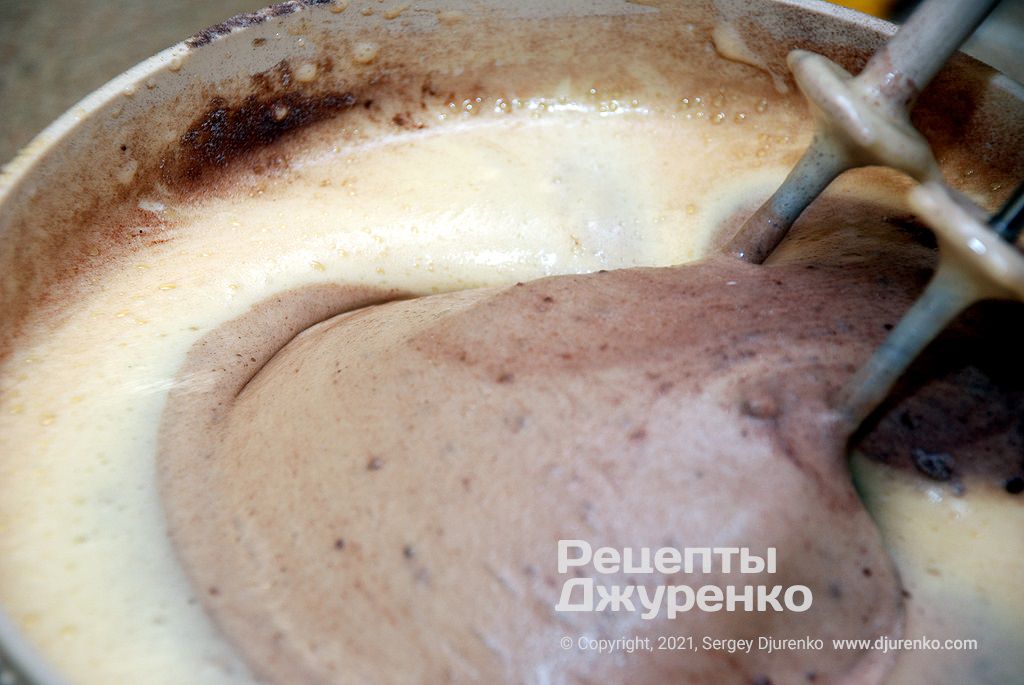
Sift the wheat flour, add the dark cocoa and the baking powder, and stir. The packet of baking powder always says how much flour it is meant for, and it is worth keeping to that ratio. The cake should come out tall.
We add vanilla and orange zest to a plain sponge, since they mask the taste of the egg yolks. A chocolate sponge has no such problem, so you can leave the flavorings out. And the cherries give the cake plenty of flavor anyway, completely drowning out any eggy note.
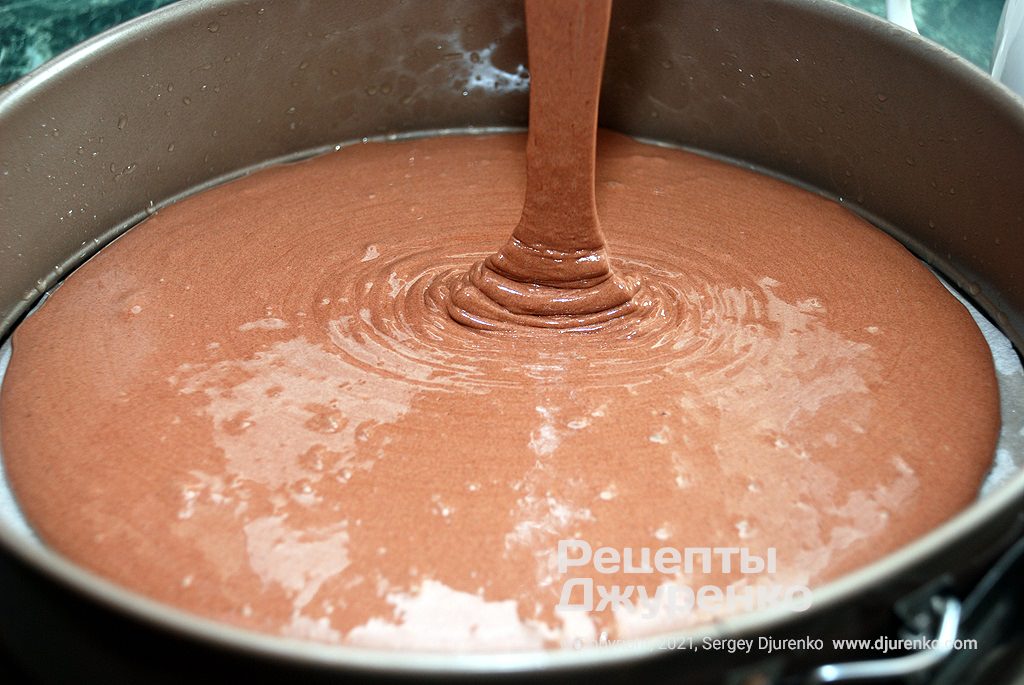
Combine the flour with the egg foam – you should get a thick, flowing batter. Sponge batter is made fairly runny so that it can be poured into the pan.
Prepare a large cake pan for the sponge. Line the bottom with baking paper and brush the paper and the sides of the pan with a little vegetable oil. Fill the pan with batter only halfway up. Keep in mind that the sponge rises as it bakes, and the pan has to be tall enough.
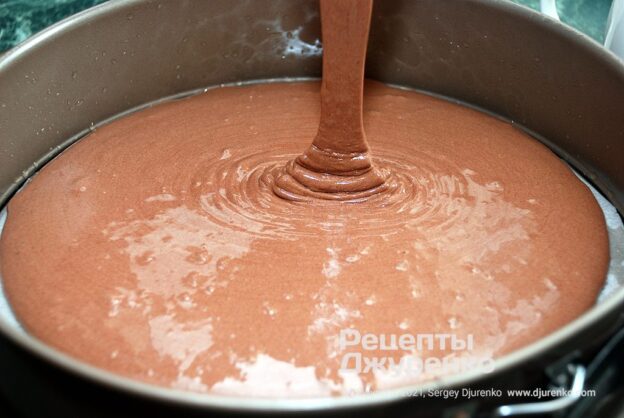
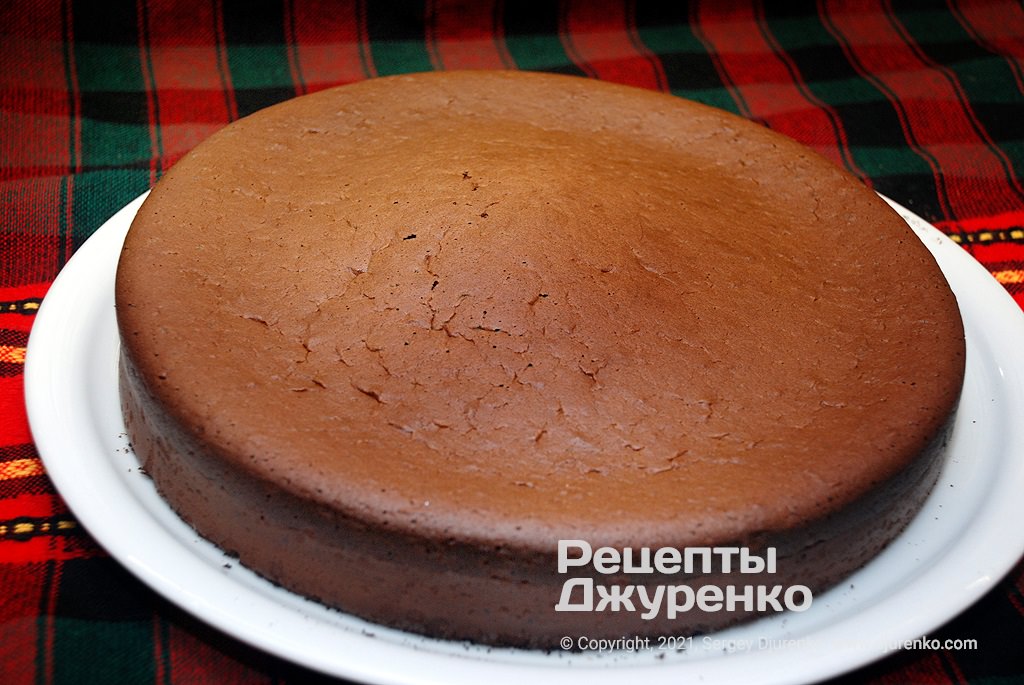
Preheat the oven to 190 °C and put the pan with the batter in. A sponge usually takes 45–60 minutes, depending on how deep the batter is. Check for doneness by piercing the sponge with a toothpick – it should come out clean, with no raw batter clinging to the wood. The top of the sponge usually comes out domed.
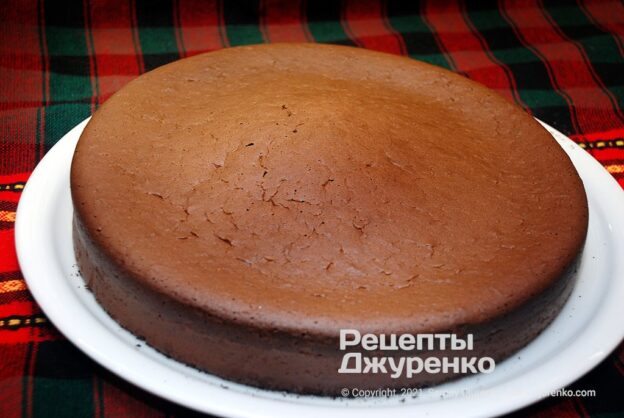
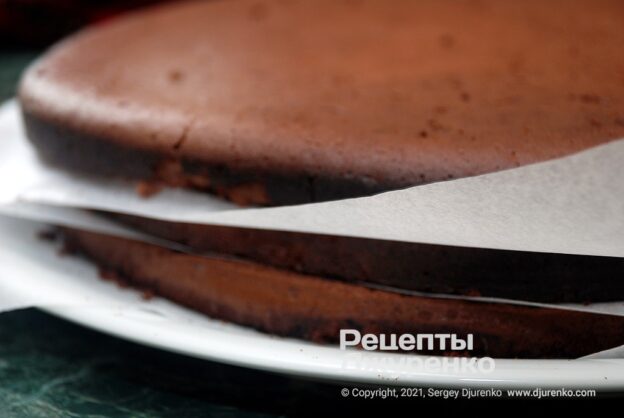
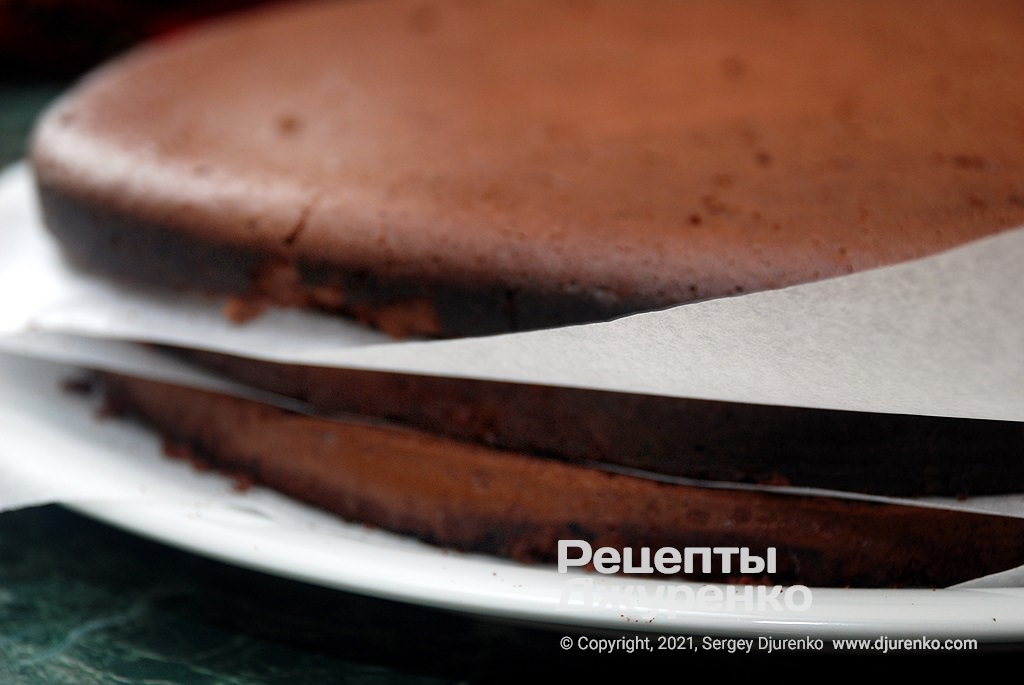
Take the baked sponge out of the oven and let it cool completely. Turn it out of the pan and peel off the baking paper. With a sharp knife, cut the sponge into three layers of roughly equal thickness. With the same knife, trim a little crumb off the layers; it will be used to thicken the cream. While you make the cream, stack the layers with sheets of baking paper between them.
Cherry cream
For the cream we decided to use mascarpone, the Italian cream cheese, and condensed milk instead of sugar.
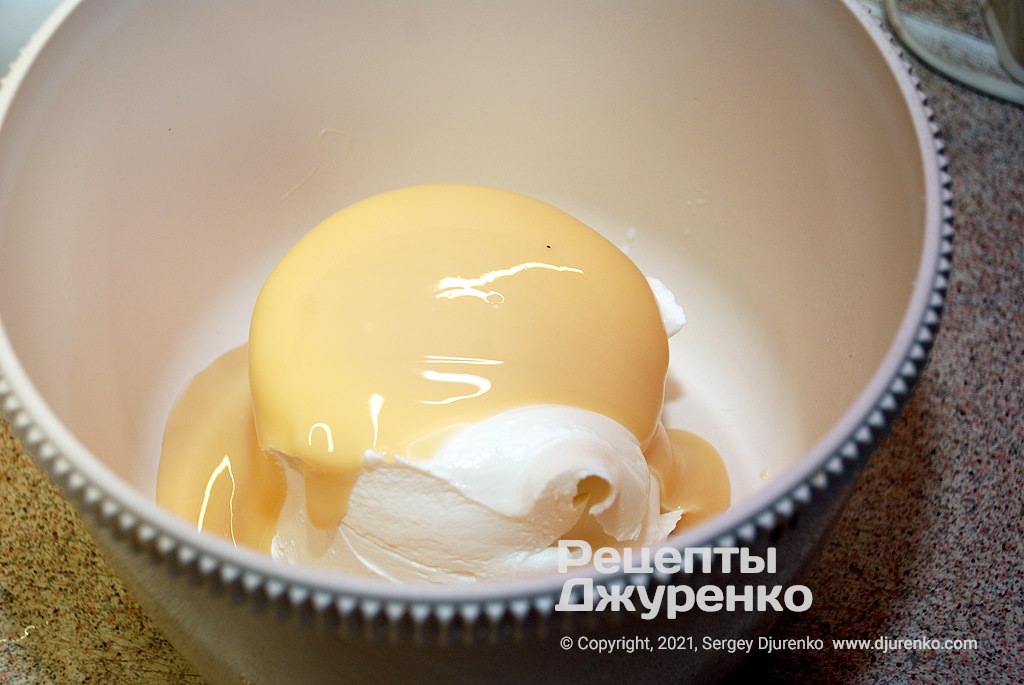
Put the cream cheese in the mixer bowl – we used a half-kilo tub – and add half a standard can of condensed milk. Add a little cocoa powder. Mix the cream thoroughly until it is as smooth as possible.
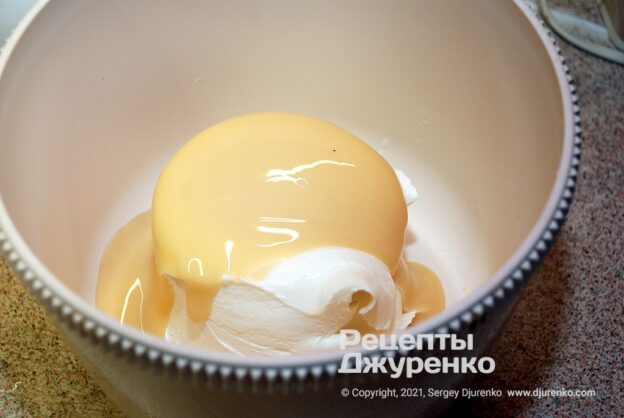
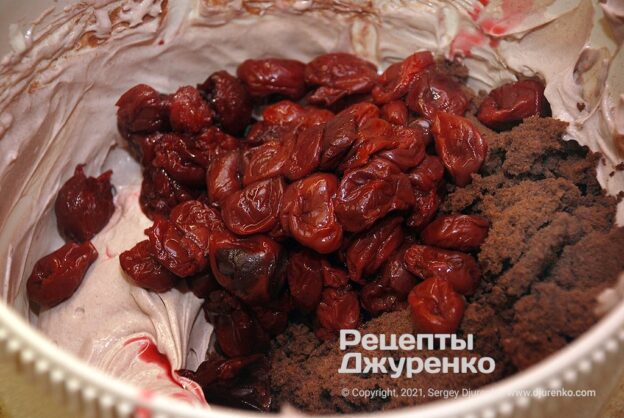
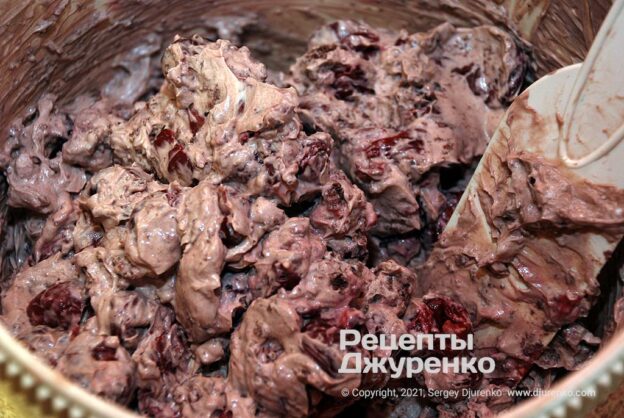
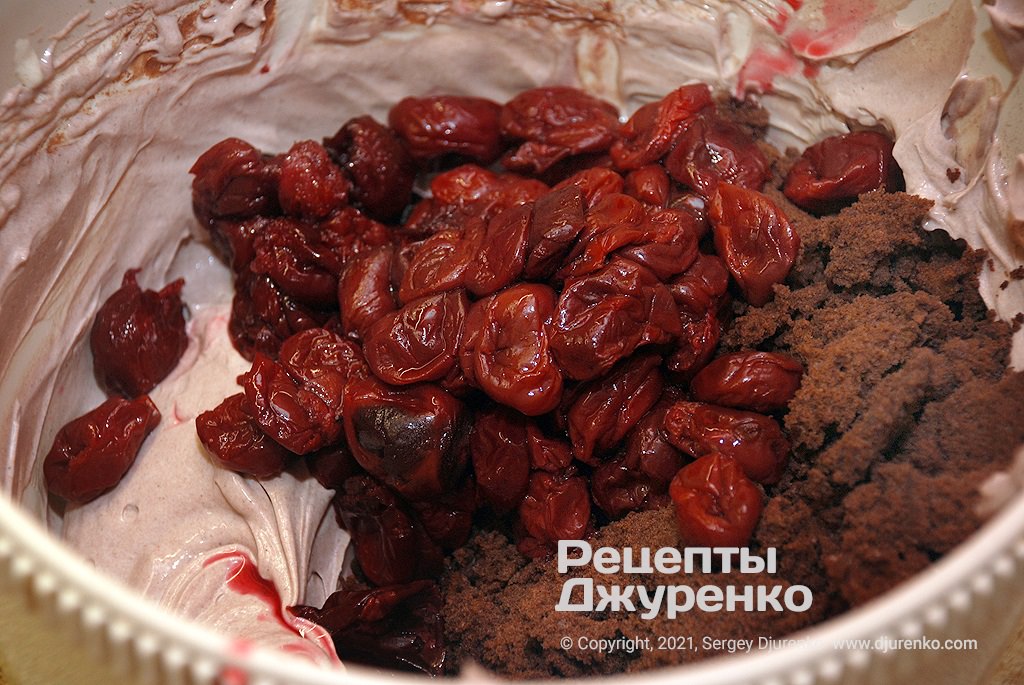
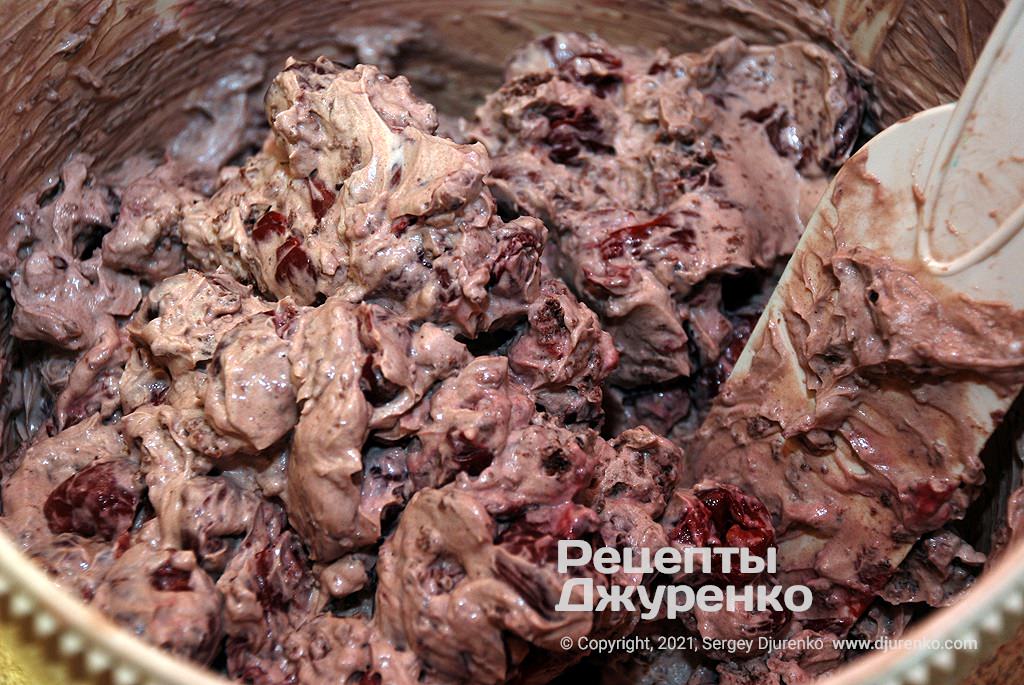
Set aside about a third of the cream in a separate bowl. It is for coating the top and sides of the assembled cake before the chocolate goes on. Tip the cherries soaked in brandy and sugar into a colander and let all the liquid drain away. The cherries should be as dry as you can get them. Add all the sponge crumbs and the cherries to the remaining cream. Fold everything together with a spatula.
Assembling the cake
It is easiest to stack the layers on a large flat-bottomed platter. Later the assembled cake will have to be moved onto a stand or a rack to be covered with chocolate. So decide in advance how you will do that without damaging the layers. It may be worth slipping the base of the cake pan under the bottom layer – it is flat and will not get in the way. Besides, it stays out of sight, and you can slice the cake on it at the table.
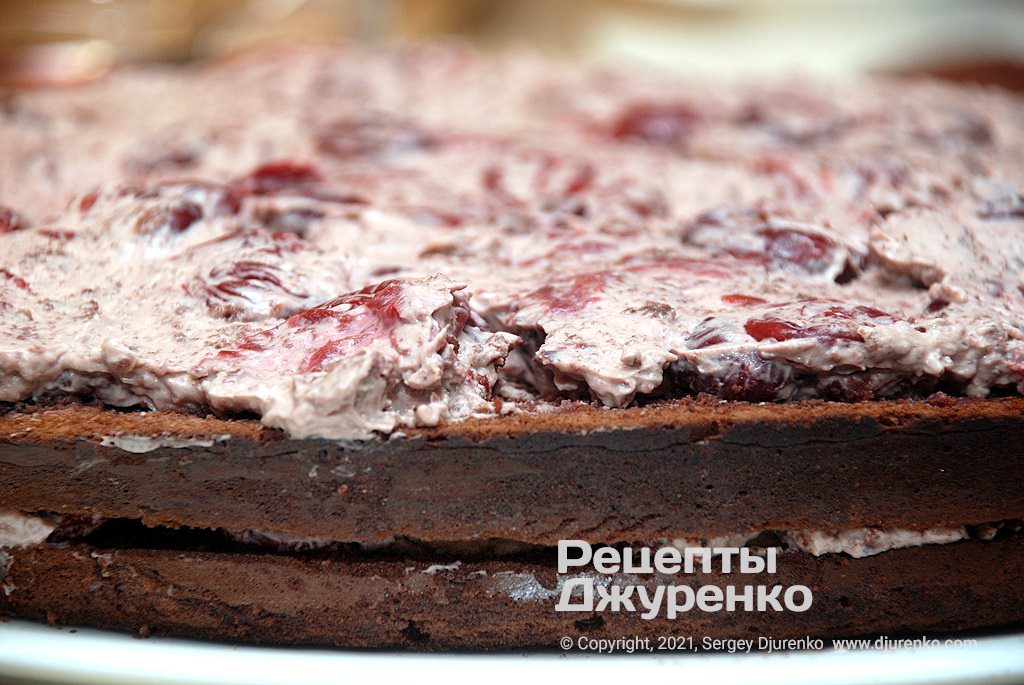
Place the first layer on the base or platter. Spoon the cherry juice left from thawing over the layer with an ordinary spoon, covering the whole surface – the sponge should be moist. For something special, mix the juice with the leftover brandy the cherries were soaked in. Spread half of the cherry cream (100 ml) over the layer. Level the cream with a spatula so that it is even in thickness.
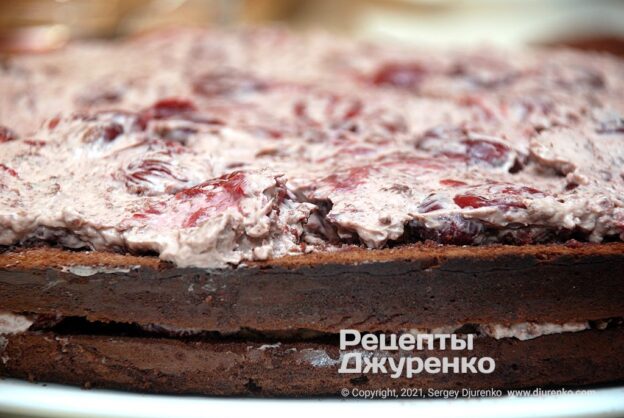
Set the second layer on top of the cream and soak it with juice the same way as the bottom one. Spread all the remaining cherry cream over it and level it. Top with the last layer and soak it as well. Press every layer down lightly with your palms.
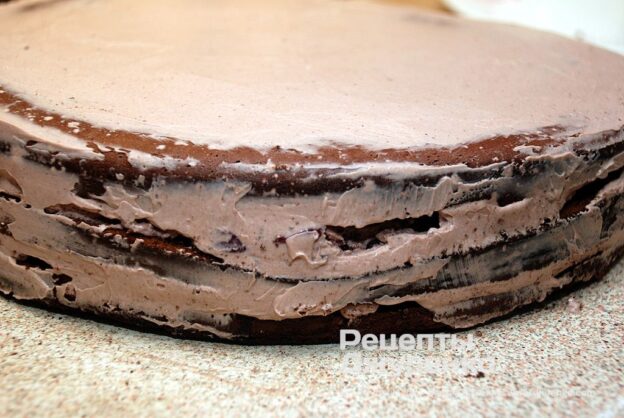
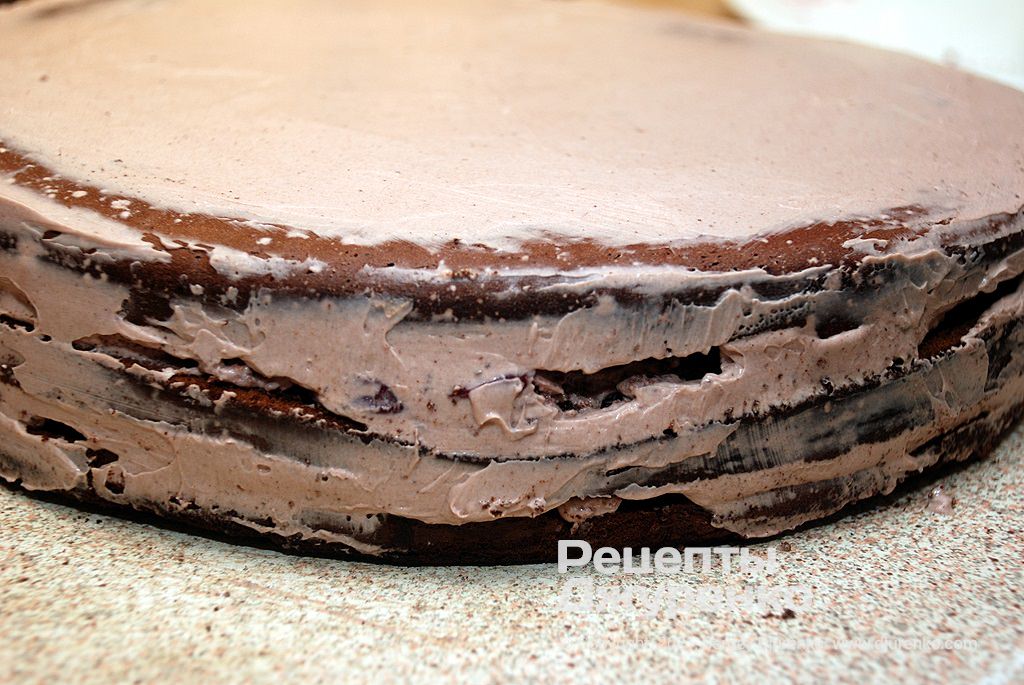
Coat the top and sides of the cake with the reserved plain cream, the one without cherries. Smooth the cream so it is even and leaves no gaps.
Ganache and decorating
Pastry chefs usually make ganache as a dessert in its own right or as a glaze that sets on desserts and cakes. It is nothing more than a mixture of dark chocolate and cream. It counts as a cream and can be made light or dark, firm or slightly soft, and it can be flavored. What matters is that the ganache stays liquid while you pour it over the cake and sets afterwards.
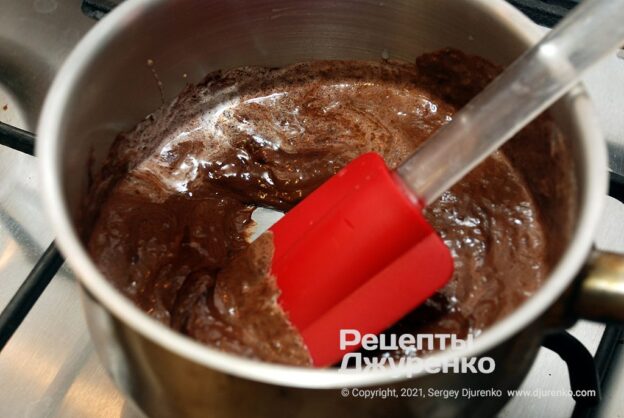
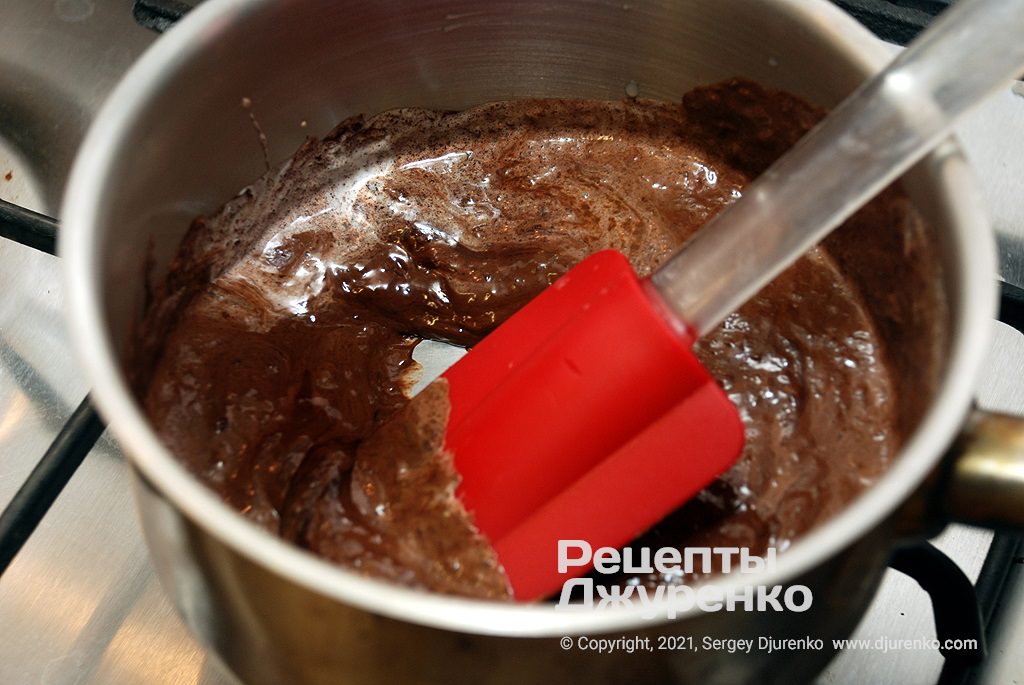
Heat the cream and pieces of dark chocolate in a small saucepan over low heat, stirring. The chocolate will melt quite quickly and blend with the cream. Adjust the ratio of cream to chocolate until the mixture is close to runny honey in consistency.
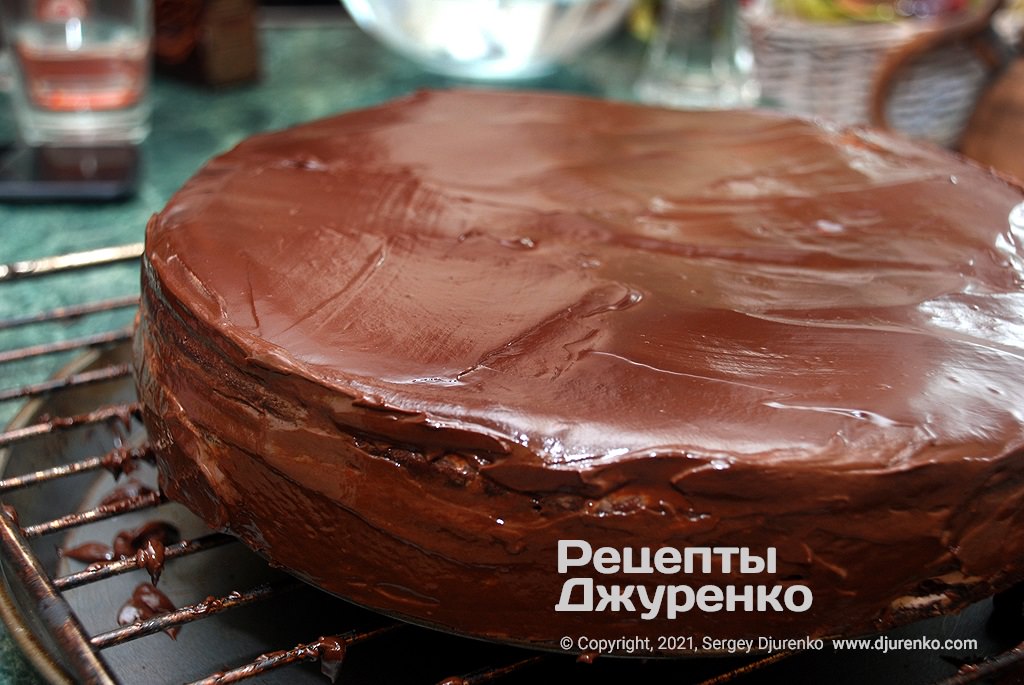
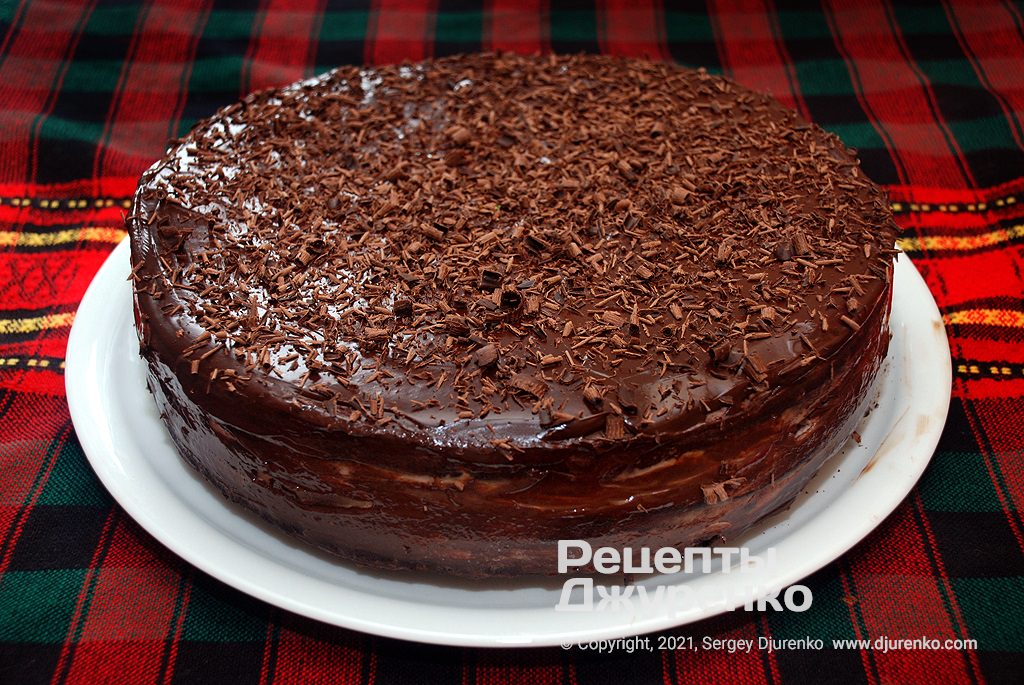
Set the cake on a cake stand. A rack placed over a rimmed baking sheet will do instead. Slowly pour the liquid chocolate over the top of the cake so that it spreads from the center to the edges and runs down the sides. You can tilt the cake from side to side to help the ganache spread evenly. Use a spatula to spread the chocolate if you need to. Work fast, because the chocolate sets quickly.
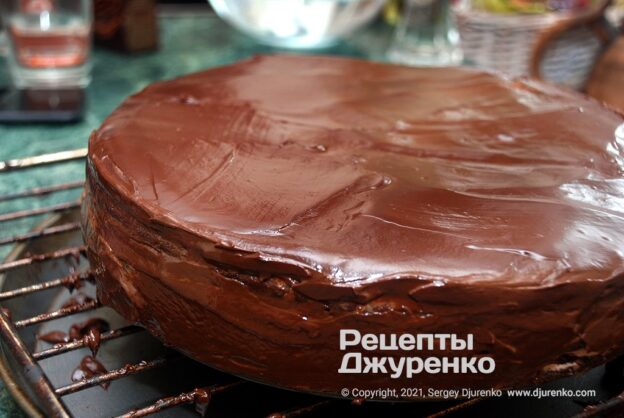
Decorate the cake right away: grate the chocolate for decorating and scatter it over the top. You can also shave a chocolate bar with a knife. Or, if you can get them, decorate the Drunken Cherry cake with store-bought chocolate shavings or flakes.
The first decoration that comes to mind is, of course, fresh cherries. But to my taste chocolate is better.
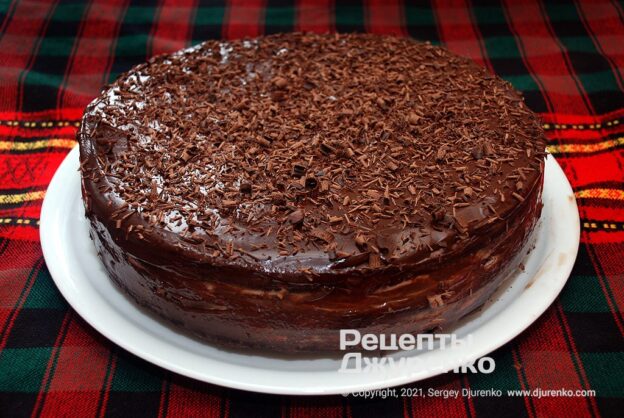
Put the cake somewhere cold so the chocolate sets completely. We usually make the chocolate cherry cake the day before a celebration, and overnight it has time to soak through and chill properly.
Serving
Serve it on the same platter it was assembled on. The dessert is very heavy – ours weighed more than three kilograms, enough for a big crowd. The cake does not fall apart when sliced. But the hard chocolate shell can crack untidily, so cut it with care.
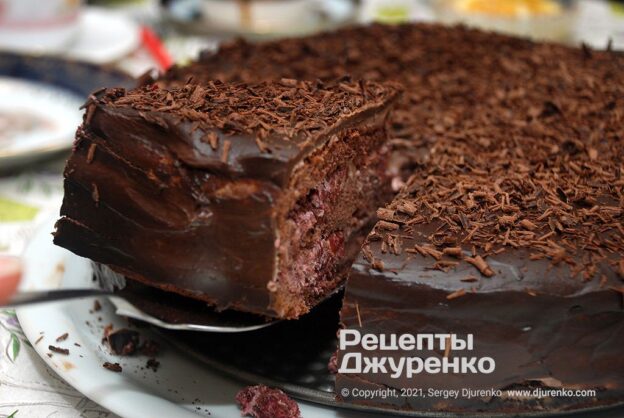
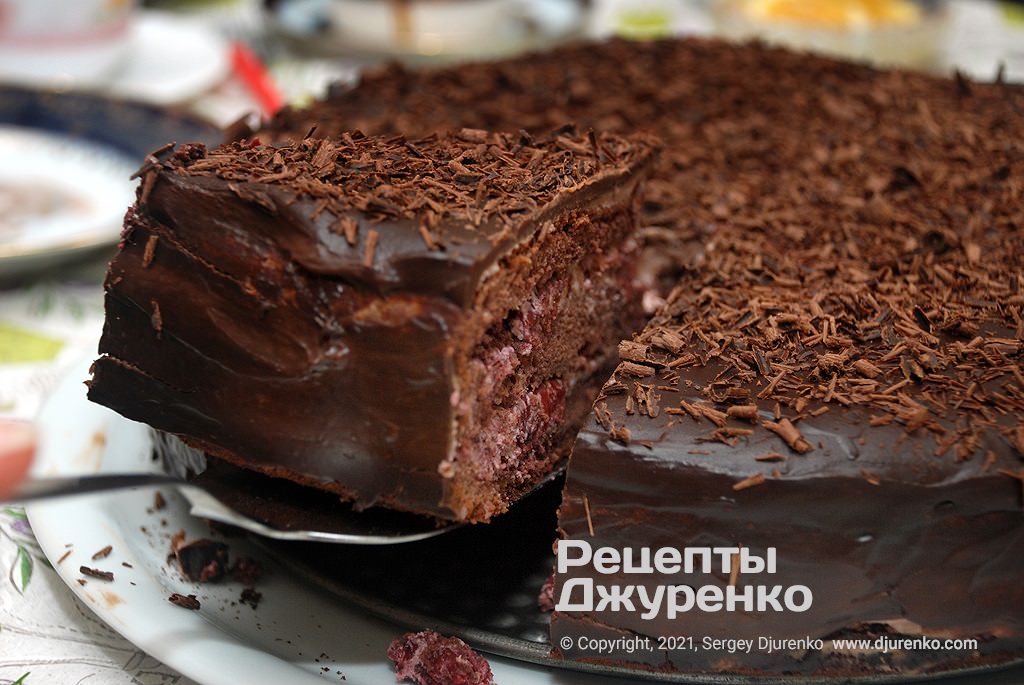
To serve, place the slices on dessert plates with small forks alongside. The cake goes beautifully with tea or a cappuccino. Then again, it is a treat in its own right.

How did you like this recipe?
Rate it with one tap.
Calories and macros
240 kcal
100 g
- Protein4.5 g8% of kcal
- Fat11.1 g43% of kcal
- Carbs29 g50% of kcal
Calculated from the recipe ingredients, excluding salt and spices. Data: USDA and Matvaretabellen.