
Potato Cake (Pirozhnoe Kartoshka) from Sponge Crumbs


Ingredients
20 pcs
- For the sponge crumbs
- Wheat flour 2 cups (260 g)
- Cornstarch 1 tbsp (10 g)
- Eggs 6
- Sugar 1 cup (180 g)
- Baking powder as directed on the package, for 2 cups of flour (360 g)
- Vanilla or vanilla sugar to taste
- Fat for greasing the paper a little
- For the cream
- Butter 200 g
- Sweetened condensed milk (boiled in advance) 1 can
- Brandy or rum 1 tbsp
- Rum flavoring optional
- For coating
- Cocoa powder 2 tbsp (14 g)
- Sweetened condensed milk 1 tbsp (from the boiled can or plain) (20 g)
- Walnuts (shelled) 50 g
Step-by-step recipe
In advance: boiled condensed milk
They say a “Potato” cake should look like a potato. I’d say it can be any shape, as long as you like it. At home we make them in a different shape every time, and it makes no difference to the taste. You can also roll the finished cakes in cocoa, sponge crumbs or nuts, or cover them with glaze or fondant: there are plenty of options. Cocoa is often added to the dough, which is acceptable but not quite right. The potato should be light inside and dark outside.
Boil a can of condensed milk for 1 hour beforehand. Do not open the can: boil it in a pot with the water covering it completely, then let it cool.
This is a potato. But not a cake!!!


Making the sponge crumbs
This amount of ingredients makes about 20 cakes, each weighing around 60-70 g. To get enough crumbs, you need to bake a sponge. Unlike the sponge for layer cakes, we want a slightly drier result, so that it can be mixed with cream and stay dense.
Get 6 eggs ready, sift 2 full cups of wheat flour, and measure a little cornstarch.

Mix the flour with the cornstarch and add store-bought baking powder; the amount is given on the package per weight of flour.
Wheat flour contains quite a lot of gluten, and adding 1-2 tbsp of cornstarch (10–20 g) makes the sponge a little more crumbly. It is a very useful addition, and the crumbs come out “fluffy”.
Break the eggs into the mixer bowl, add the sugar and vanilla (vanilla sugar works too), to taste.

Beat the eggs with the sugar for 10-12 minutes, until you get a uniform foam. The volume of the mixture will increase several times. The sweet egg mixture is quite thick and flows “reluctantly” off the beaters.
Add the flour mixture and mix the sponge batter thoroughly with a spatula or the same mixer. It will settle a little, and that is normal.

Line a rimmed baking sheet with parchment paper; I recommend greasing it with a little fat. Use a sheet of paper larger than the pan so the edges cover the sides.
Pour all the batter onto the paper and gently level it with a spatula. The layer will be thin, up to 2 cm or even less. This lets you bake a fairly “dry” sponge.

Preheat the oven well to 200°C. A sponge usually bakes well at 180-190°C, but for a thin, “dry” bake you can heat the oven to 200°C.
Put the pan into the oven and bake for 20 minutes, then check doneness with a toothpick: it should come out dry. If the bottom of the sponge has not noticeably browned, add 5-6 minutes.

Transfer the baked sponge, paper and all, to the table and let it cool to room temperature.
Carefully peel off the paper; it comes away very easily without damaging the bottom. If there are overly dark spots, cut them off with a knife. Also make sure the very edge of the sponge is not overbaked. Remember that a “Potato” cake should be light inside.

Crumble the cooled sponge with your hands; it falls apart nicely. If for some reason that does not work, use a kitchen blender: put the pieces of sponge into the bowl and chop them with short pulses. Transfer the finished crumbs to a deep bowl. Be sure to let the crumbs cool to room temperature.


Making the buttercream
For these cakes, buttercream is most often used: butter mixed with raw or boiled condensed milk. Sometimes you see custard and its variations. It is a matter of taste. What matters is that a small amount of cream makes the cakes dense and holds the crumbs together well.
Put the boiled condensed milk into a bowl, leaving 1 tbsp to brush the finished cakes. Or, if you can, take extra plain condensed milk that has not been heat-treated.
Add the softened (room temperature) butter.

Mix the butter and condensed milk thoroughly with a mixer. Do not rush the mixing: beat on low speed, as the mixture separates easily.
Add 1 tbsp of fragrant spirits to the cream, brandy or rum. If you like, add flavoring too, such as rum essence. Mix the cream with the mixer once more.


How to shape the Potato cakes
Add all the cream to the sponge crumbs and mix thoroughly. The mass will not become uniform, so you will need to knead the crumbs and cream further by hand. The consistency of the sponge and cream mass is like soft shortcrust dough: it is elastic, soft, and easy to shape.

With dry hands, pinch off a piece the size of a medium chicken egg, about 60-70 g. Roll it into a ball, pressing it together slightly, then give it an elongated shape like a potato, though it is up to you.
Shape cakes from all of the mass and place them on a plate.

Roll each cake in cocoa, leaving one side free.
“Potato” cakes are most often dusted with cocoa powder or a mix of cocoa and powdered sugar. Though glaze, melted chocolate and so on are also common. They can also be rolled completely in grated nuts, such as walnuts, cashews, peanuts or almonds, or in plain sponge crumbs. I prefer cocoa powder, since it sticks to the sponge very well.

Brush the side not covered with cocoa with a little condensed milk, just a bit. A silicone brush is handy for this.
Lightly toast the walnuts in a dry skillet over medium heat, stirring, until they smell strongly nutty. Then chop them into coarse crumbs.
Press each cake, with its condensed-milk-brushed top, into the nut crumbs so the pieces stick.
Most often, “Potato” cakes are not topped with anything, although this is my favorite version. Usually a few small dimples are made on the surface, and a little cream is piped into them with a pastry bag to form an “eye” or potato sprout, as a decoration. Do as you like.

Put the cakes on a tray or a large plate and refrigerate for at least 1-2 hours.
Very often the nut crumbs and cocoa are added directly to the sponge, which makes the middle of the cakes dark. Dried fruit, candied fruit and shredded coconut are added along with the nuts. The cakes can be any shape, since the sponge mass allows it. By the way, in the simplest home version no sponge was baked at all: ground shortbread cookies or sweet rusks were used instead, and that was common too.


Calories and macros
303 kcal
100 g
- Protein6 g8% of kcal
- Fat14.7 g42% of kcal
- Carbs39.5 g50% of kcal
Calculated from the recipe ingredients, excluding salt and spices. Data: USDA and Matvaretabellen.
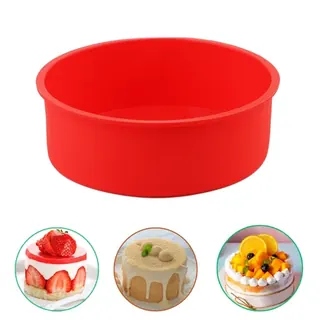 Silicone cake panAliExpress
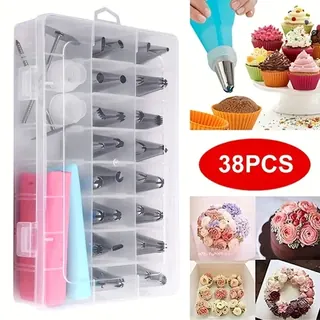 Piping bag with nozzlesAliExpress
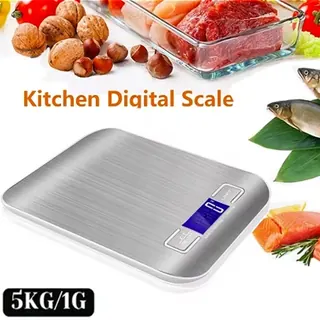 Kitchen scale up to 5 kgAliExpress
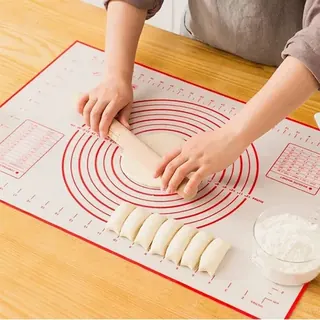 Silicone dough mat with markingsAliExpress
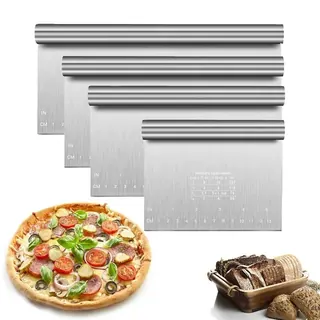 Dough scraper with scaleAliExpress
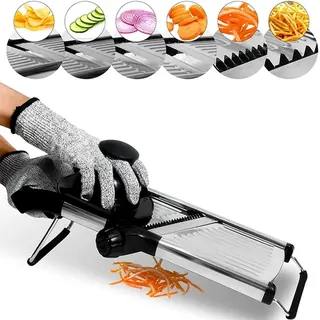 Adjustable mandoline slicerAliExpress