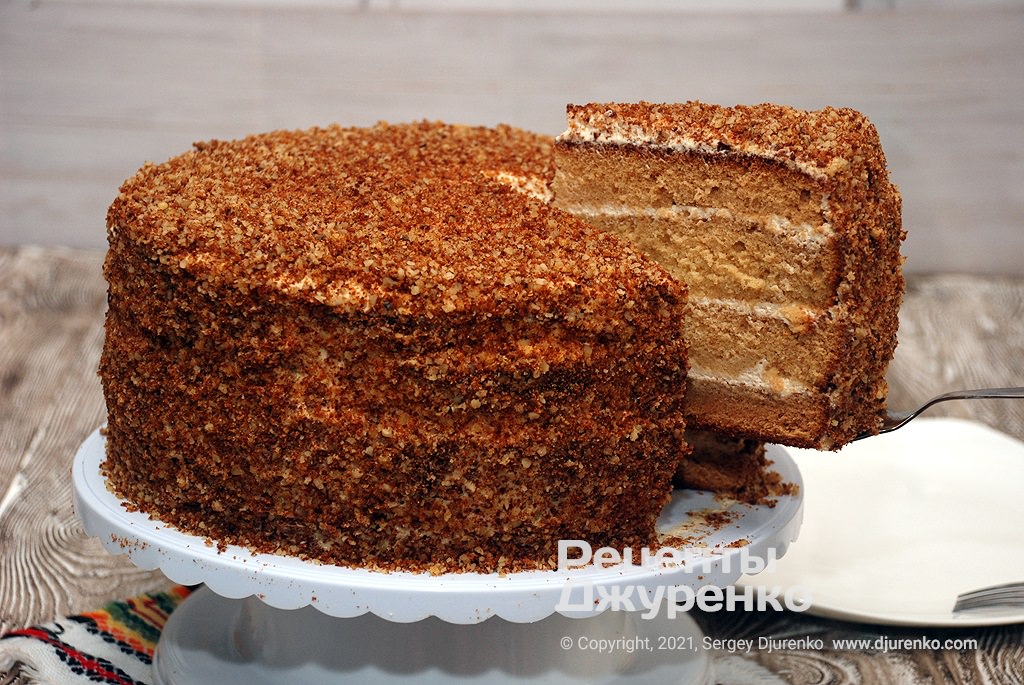
Medovik Honey Cake with Sour Cream Filling – Easy Sponge Recipe
Ahead of the holiday, my daughter and I baked a huge Medovik honey cake. Its base is a fluffy sponge batter with dark buckwheat honey. The cream couldn't be simpler or tastier – rich sour cream and boiled condensed milk. We soaked the finished layers a little with a sweet, fragrant syrup. The baking takes some effort, but the dessert turned out simply magnificent!
In our home cooking, Medovik usually means a layered cake made with natural honey and a butter or sour cream filling. The layers are most often made from rolled dough. At home, though, a sponge is used to keep things simple. Honey goes into the sponge batter. The cream is as simple as it gets – butter and condensed milk, or sour cream and boiled condensed milk. The decoration is just as simple – a sprinkling of cake crumbs or ground walnuts.
Baking with honey always sparks plenty of debate – honey is said not to like heat. Still, everyone happily eats honey gingerbread. During baking the temperature inside the batter doesn't get very high, so few people pay attention to it. The outer crust of the baked sponge isn't used in the dessert. Or, as is most often done, it is turned into crumbs to decorate the finished cake.
We decided not to use butter at all and kept to rich sour cream for the filling. The baked sponge came out a little dry. So we used a soaking syrup of sweetened water with fragrant orange liqueur. Medovik needs a thorough soak, given the thick layers – it took the whole night.
The honey should be natural and fresh. It can be runny or set. For a darker sponge, use buckwheat honey. It also gives the bake a light, pleasant aroma.
For fluffy yet dense layers, we added a little baking soda to the batter. Reacting with the honey, the soda made the batter rise beautifully. And there was no soda taste or smell at all in the finished cake. During baking the outer crust turns darker; it is trimmed off and used for crumbs. Or, quite fittingly, simply eaten with the leftover cream. By and large, this dessert differs from the Ryzhik honey cake in being juicier and softer.
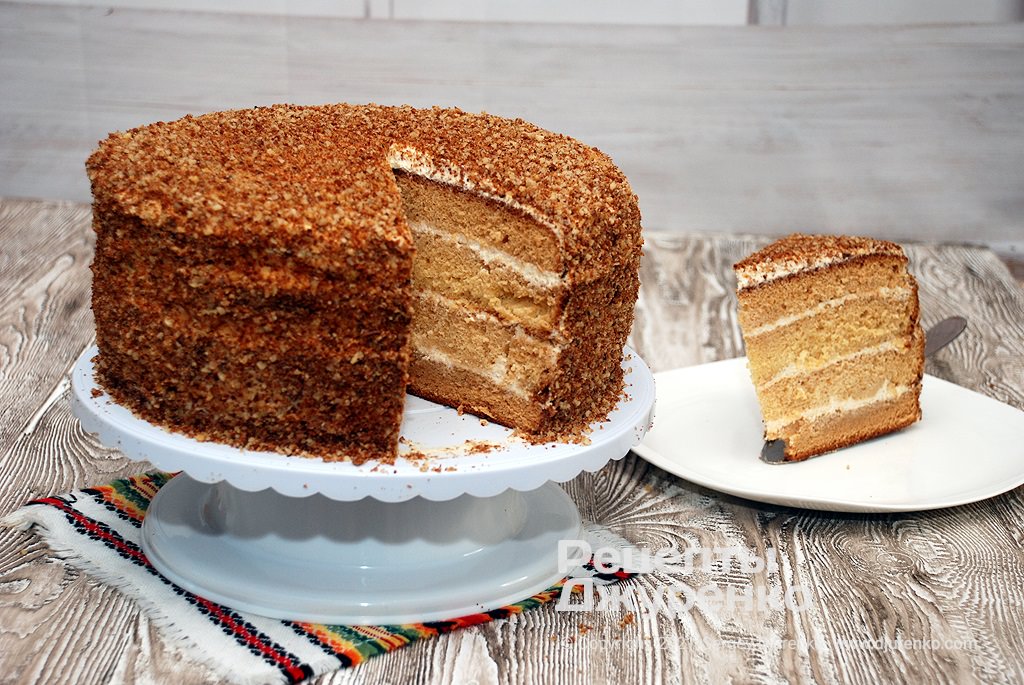
Ingredients
over 3 kg
- For the sponge layers
- Eggs 16
- Sugar 3 cups
- Flour 3 cups
- Honey (buckwheat) 6-8 tbsp
- Baking soda 2 tsp
- Vegetable oil (for greasing the pan) 1 tbsp
- For the cream
- Sour cream (30%) 700 g
- Condensed milk 1 can
- Sour cream thickener 1 sachet
- For the soaking syrup
- Sugar 3 tbsp
- Cointreau liqueur 3 tbsp
- For decoration
- Walnuts (shelled) 0.5 cup
Step-by-step recipe
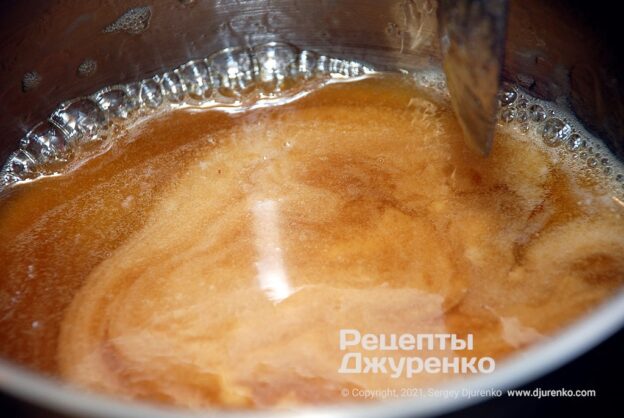
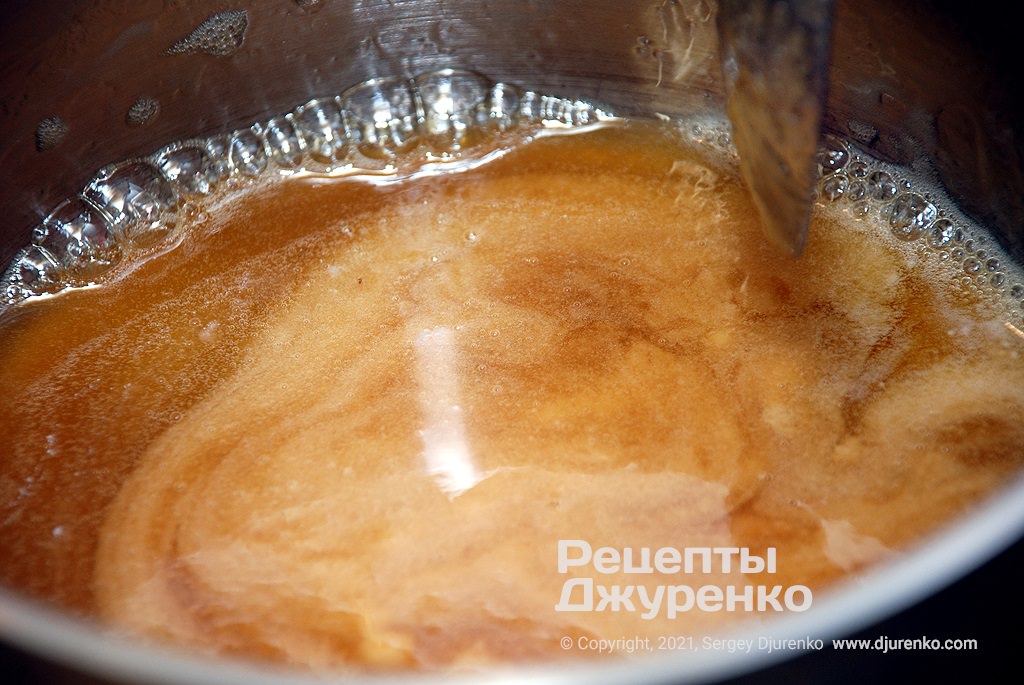
- A huge Medovik cake is impressive! Fair warning – this is for a big festive table when you're having guests. We baked the sponge in two batches, then cut each in half. That gave us four sponge layers, each about 2.5 cm thick. Take the eggs out of the fridge in advance. Also prepare the honey part of the batter. Melt the required amount of honey in a water bath; after warming it gently, add ordinary baking soda and stir. You'll get a mass that vaguely resembles foam.
- Making the sponge layers
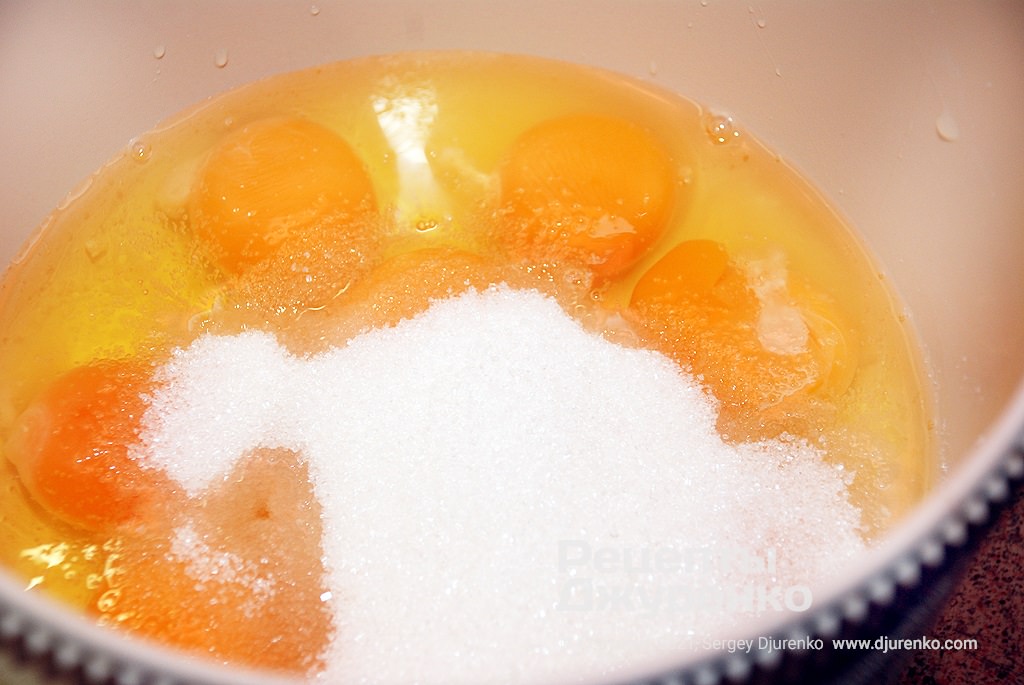
- You'll need a stand mixer with a bowl and whisk attachments. As I said, the sponge is baked in two batches. So every step described has to be done twice, using exactly half of the ingredients each time. Crack eight eggs into the mixer bowl and add 1.5 cups of sugar. Zest is usually added to sponge batter to mask the eggy aroma and taste. But natural honey will handle that job on its own.
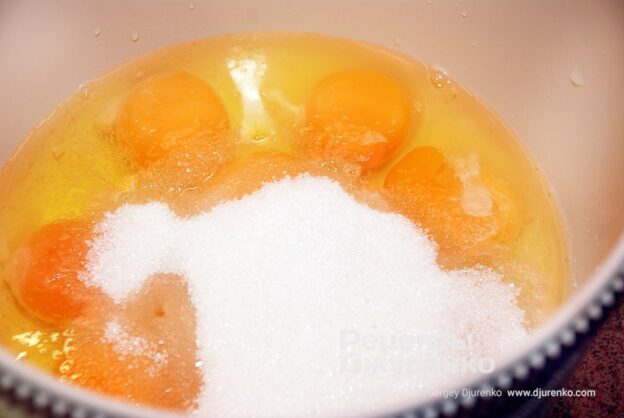
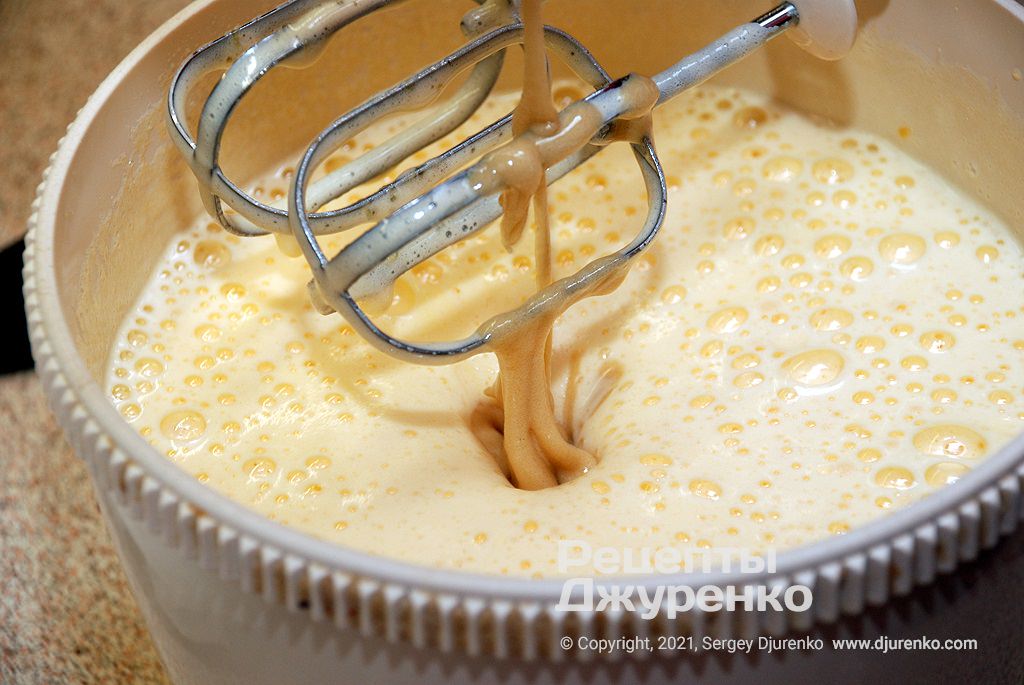
- Whisk the eggs and sugar on low speed until the mixture looks like thick foam and the sugar dissolves. The mixture usually turns much paler, despite the yellow of the yolks. Add half of the honey and soda to the egg mixture. Mix everything thoroughly with the mixer. The sponge base is ready.
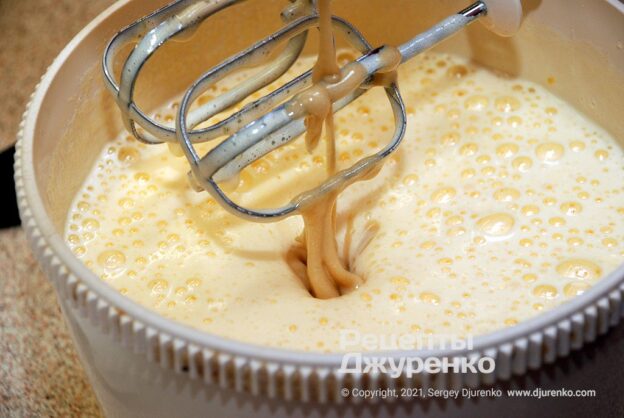
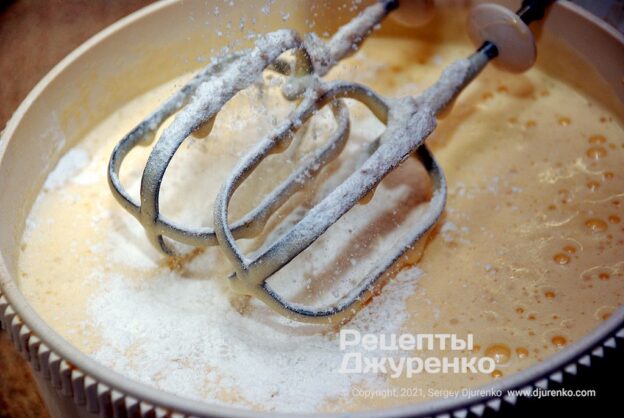
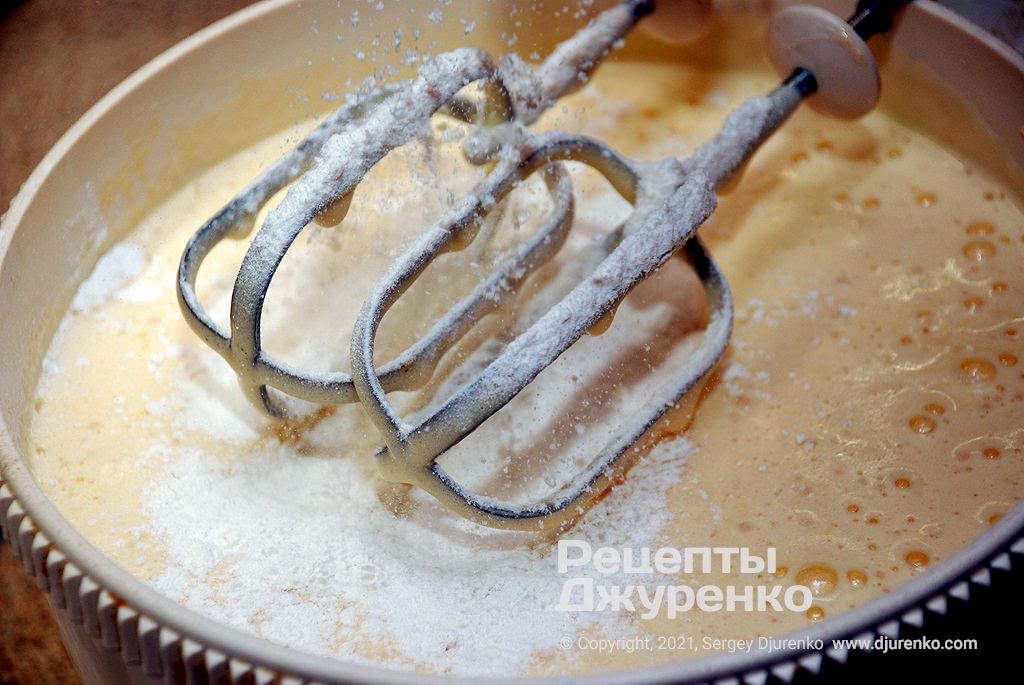
- Add 1.5 cups of sifted wheat flour. Mix the batter with the mixer until completely smooth and lump-free. The thickness of the batter can vary widely. Either way, the sponge will be dense thanks to the large number of eggs. The batter is ready to bake. Prepare the second batch of batter the same way once the first sponge has baked.
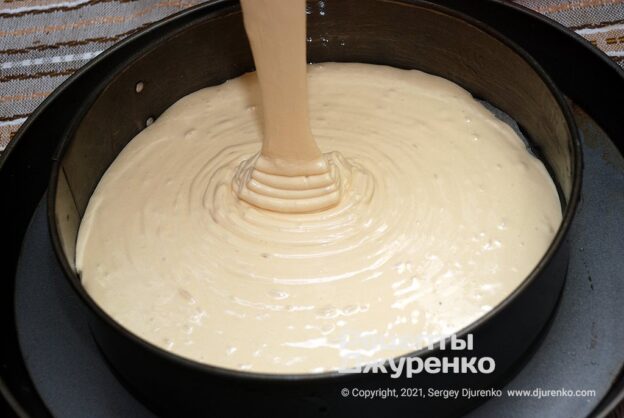
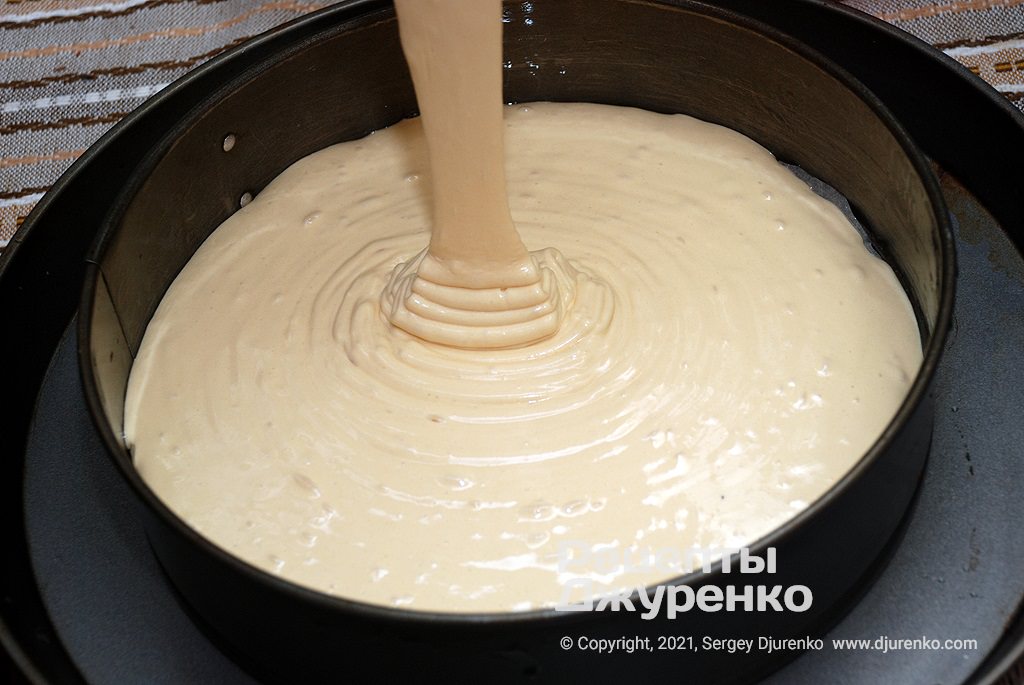
- Depending on what you like, Medovik can be round, square, heart-shaped and so on. Turn on the oven and preheat it to 180°C. Note – the batter rises a lot because of the soda and honey reaction, so the sides of the pan need to be tall enough. Line the pan with baking paper and grease the bottom and sides with vegetable oil. Pour the runny batter into the pan and put it in the oven.
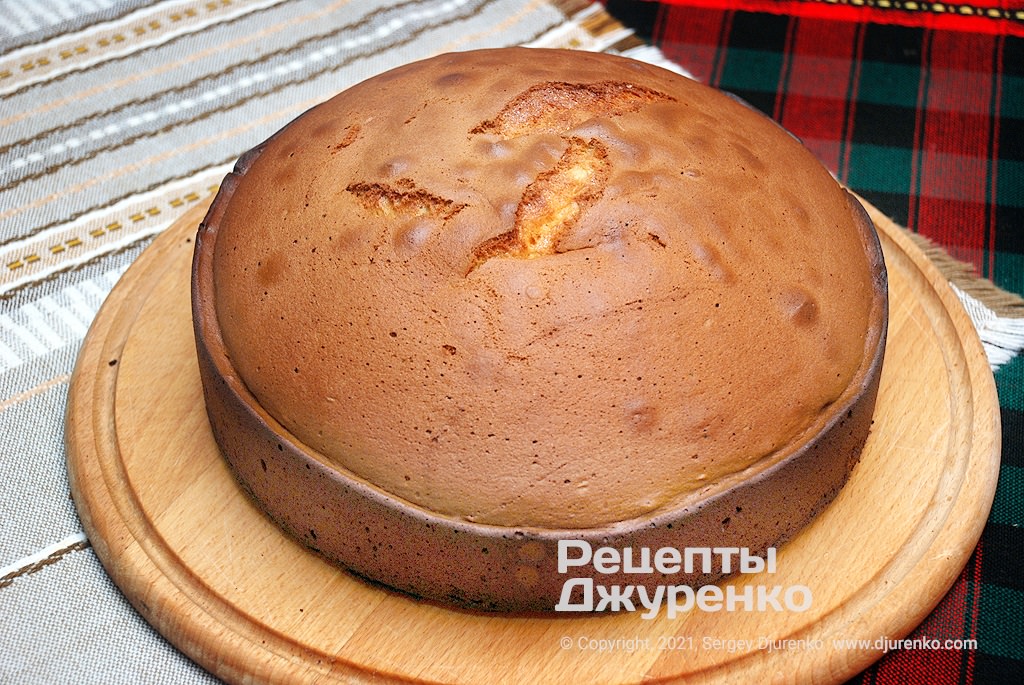
- The sponge bakes for 40-50 mins, and given the volume, even longer. Check it with a toothpick or wooden skewer – when you pierce the sponge, no raw batter should stick to the wood. Then again, a finished sponge feels quite firm even to the touch. Thanks to the honey, the sponge turns out dark with a brown surface and may crack slightly on top.
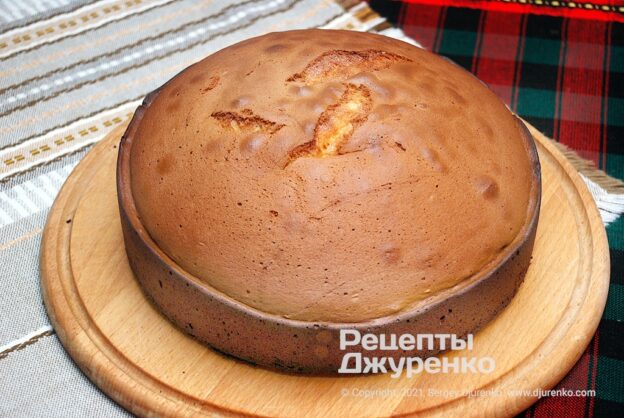
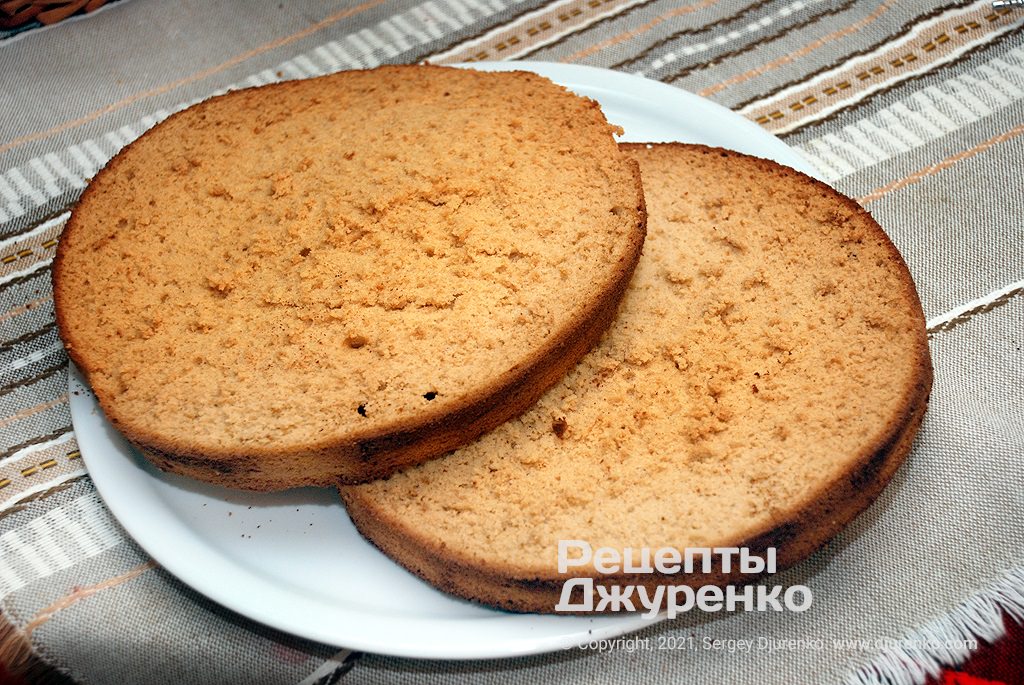
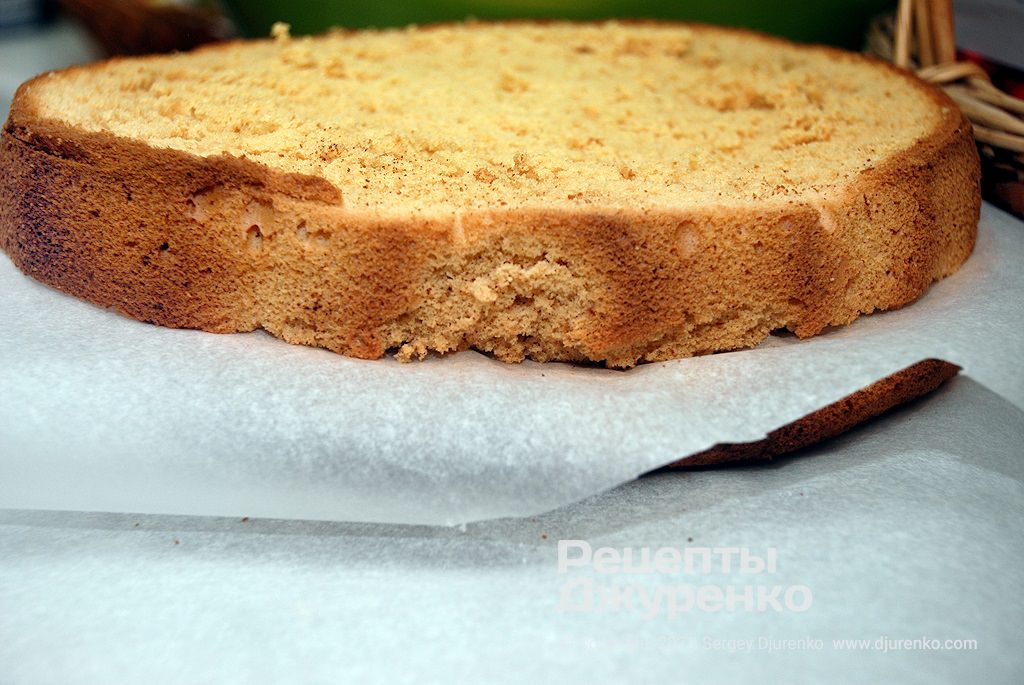
- Carefully trim off the top and sides of the baked sponge to get a round cake with a level surface. Cut the sponge into two identical round layers with an open, porous crumb on the cut side. Dry all the trimmings from the sides and top in the oven – some of them will be needed for crumbs, and the rest can be eaten with tea. All the layers must cool – stack them with sheets of baking paper in between.
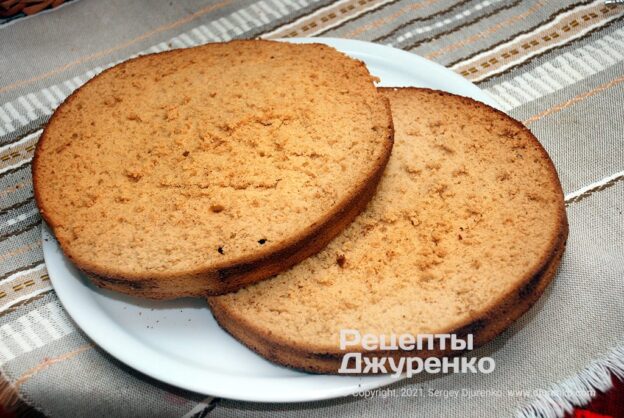
- Making the cream and soaking syrup
- The sponge layers need to be soaked with a sweet, fragrant syrup. That way Medovik will be moist and soft. In principle, the sour cream filling can soak the cake too, but sour cream is very thick and soaking would take a very long time. So we decided to make life easier and prepared a syrup – mixed 1.5 cups of cool boiled water with 3 tbsp of sugar and added 3 tbsp of Cointreau liqueur. Soak the layers with all of the syrup, spooning it in small portions right onto the top surface of the sponge.
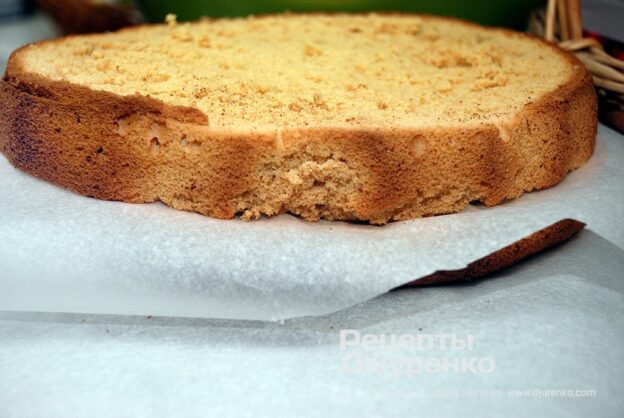
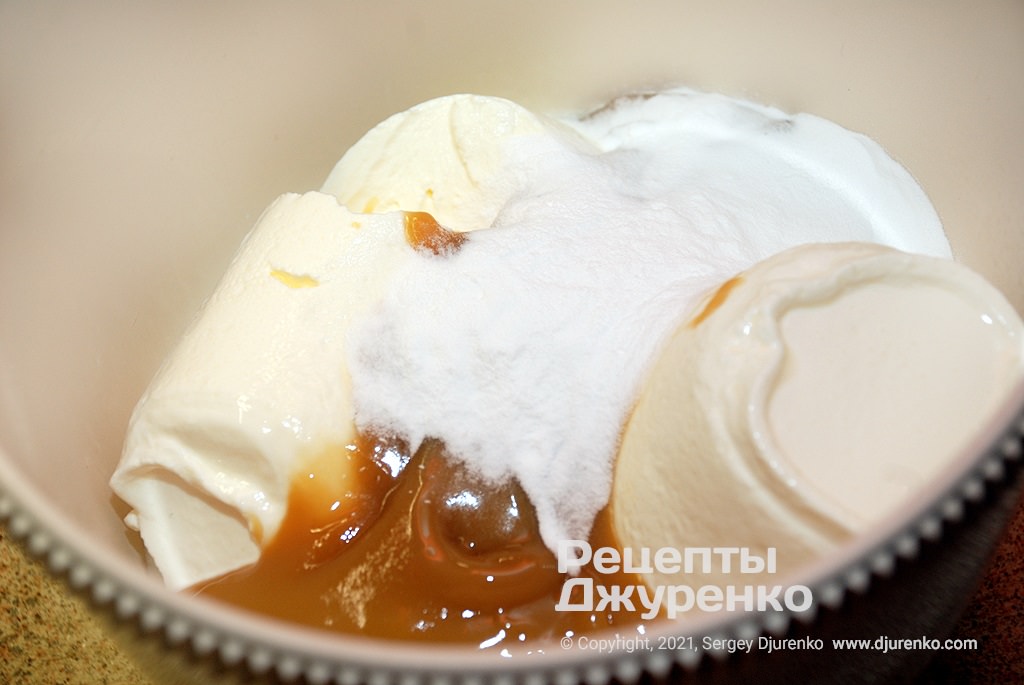
- Put thick, rich sour cream into the mixer bowl – ideally 25% fat or more. The sour cream should be fresh and not sour-tasting. Add a whole can of boiled condensed milk. By the way, boiling condensed milk is very easy – bring a large pot of water to a boil and simmer the sealed tin in it for 1 hour. Then let the can cool.
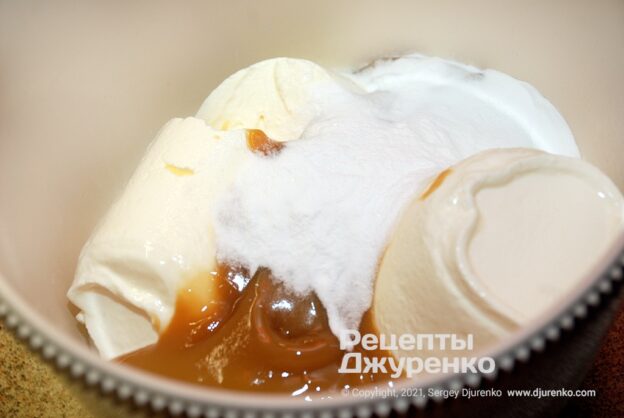
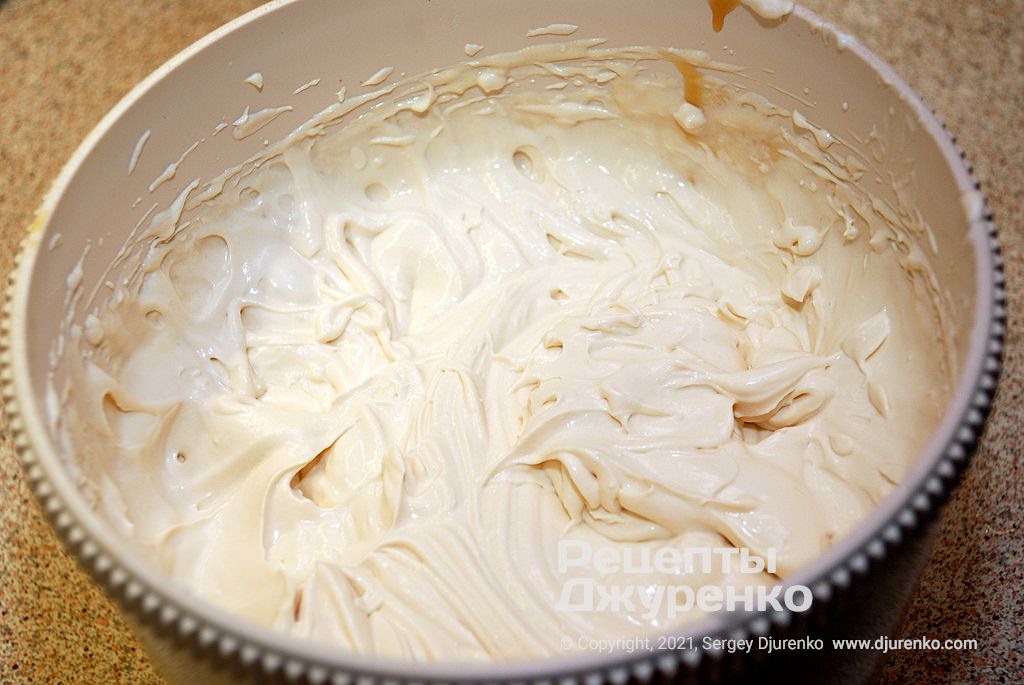
- Add a sachet of sour cream thickener to the sour cream and condensed milk – it's sold in shops. Basically, it's a corn starch-based mix. Mix the sour cream and condensed milk until smooth. The cake cream is ready. Don't add any flavourings to it: zest, vanilla, cinnamon and so on.
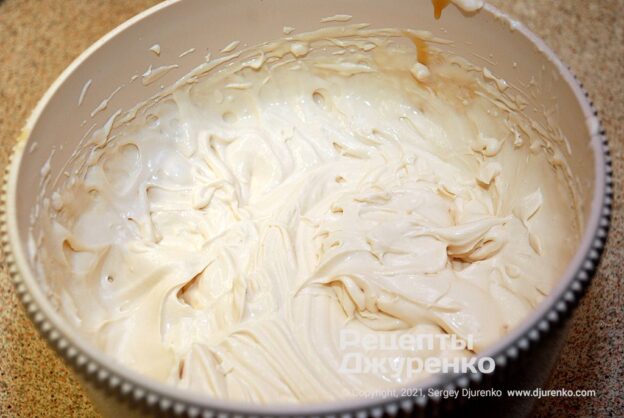
- How to assemble Medovik
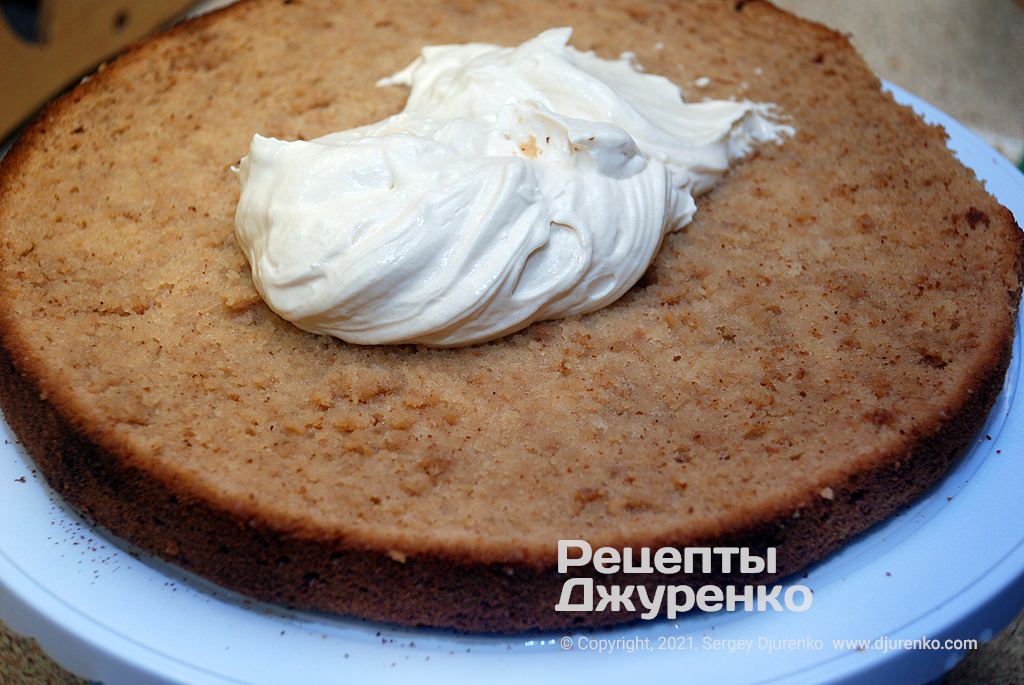
- It's very convenient to spread the layers with cream on a rotating cake stand. Cover the stand with a large napkin and place the first layer on it. Do this carefully – the layer is quite heavy from the syrup and fragile. Spread a thick layer of cream over it. By the way, it's worth roughly dividing all the cream into five parts – four for the layers and the fifth for coating the sides of the cake.
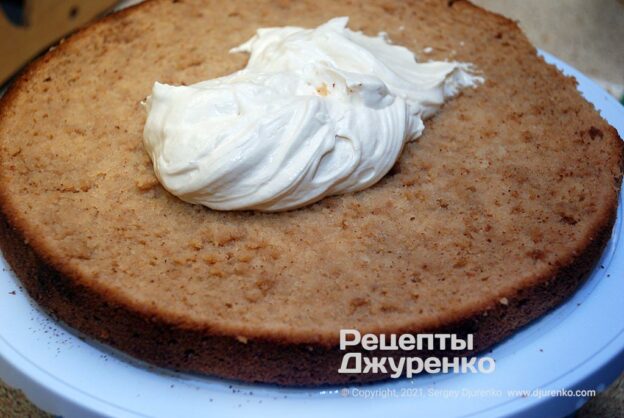
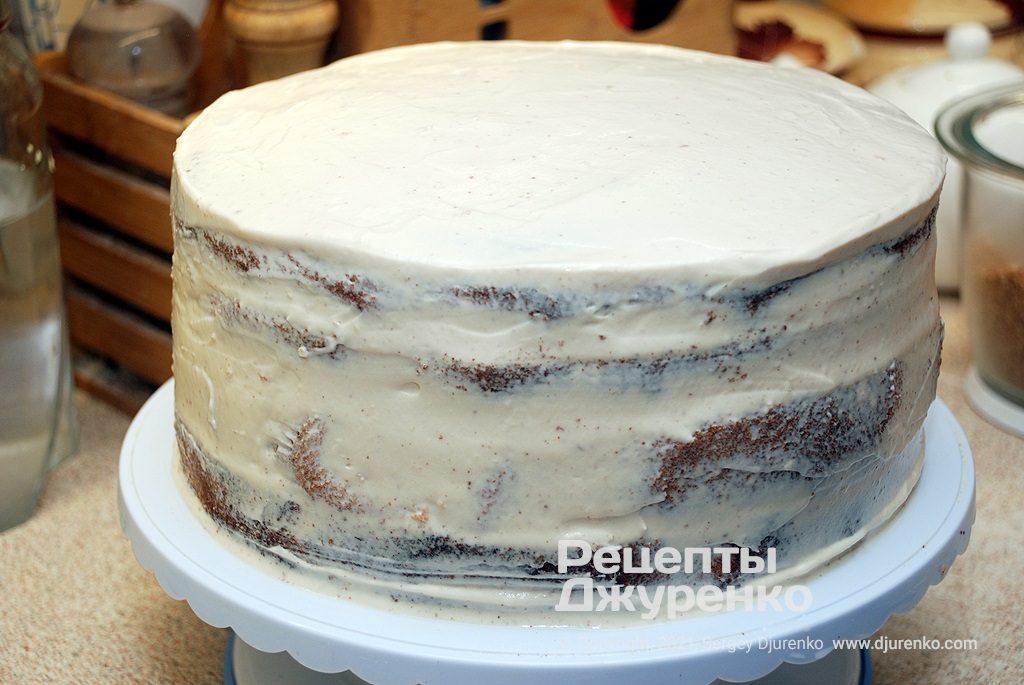
- Place the second layer on the cream, pressing it down lightly with your palms. Spread cream on the second layer and add the next one. Stack all four layers this way, spreading each with cream. Generously coat the sides of the cake with all the remaining cream, forming an even side surface. If there's still cream left, you can add more on top and on the sides.
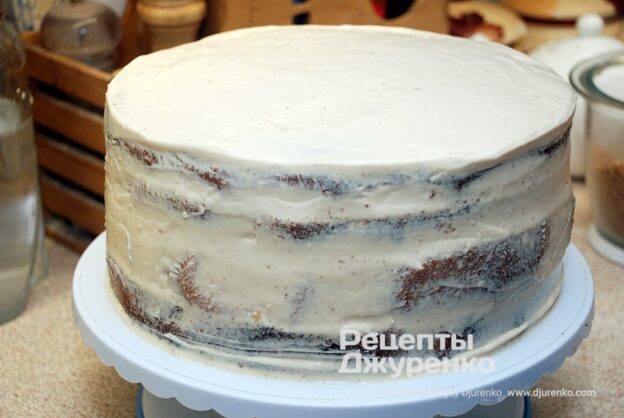
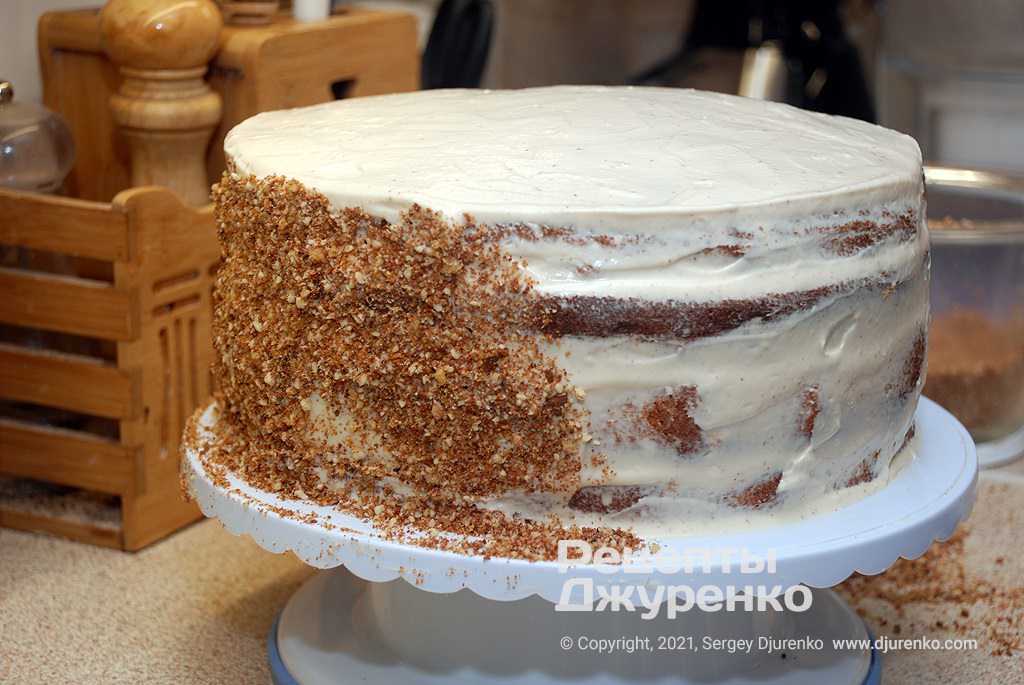
- Grind the walnuts and some of the sponge trimmings into coarse crumbs in a blender. This will be the topping for the sides and top of the dessert. Cover the sides and top very thoroughly with the sponge and nut crumbs. The crumbs stick well to the cream – you can press them on lightly with your palms. By the way, if you have crumbs left over, just eat them or save them to decorate other desserts. Put the cake in the fridge to soak for 6-8 hours.
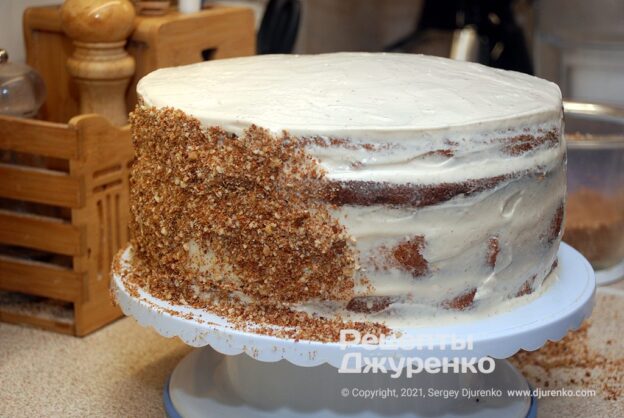
- It's handy to make the cake the day before the celebration so it soaks and chills well overnight. Essentially, it's a sour cream cake. So it's still best kept cold right up until serving. Since the cake is very big and tall, cut it with a large, sharp knife. This keeps thin slices from falling apart.
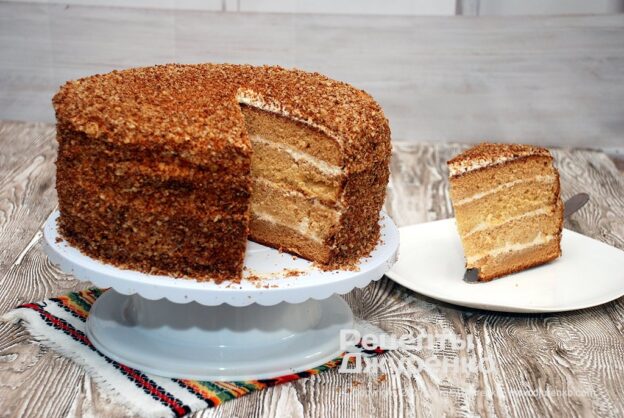
- Serve the cake on a huge flat plate or on the same stand it was assembled on. Given the size of the cake, it's a treat for a couple of days. At any rate, we couldn't finish it in one go. The cake is superb with tea, hot cocoa or simply on its own.
Yield: over 3 kg Calories: 310 Prep: 30 mins Cook: 1 h 30 mins Ready in: 2 h (not counting soaking) Category: Desserts and Drinks Cuisine: European Rating: