
Zucchini Cake with Cream Cheese Filling
Zucchini cake is not a dessert but a tasty cold appetizer that suits a holiday table or a party perfectly. It is not hard to make, although it takes personal attention and time. You will have to work a little to bake the layers from the flesh of young zucchini, then spread them with an unsweetened cheese cream, and then wait while the cake soaks in the refrigerator.
For this cake it is ideal to have very young zucchini with thin, light green skin. You can use courgette-type zucchini, but they are denser and the layers are harder to cook through. If the zucchini are very young, you do not need to peel them.
It is important that the zucchini flesh is well shredded and loses as much liquid as possible. This gives layers that will not fall apart while frying and spreading. Unlike the batter for zucchini pancakes, the batter for the layers is made thicker, almost not runny at all. For the “cream” we used soft homemade cheese. Many people use mayonnaise, or less often Italian cream cheeses like mascarpone, or ready-made cream cheeses of the kind spread on sandwiches.


Ingredients
4 servings
- For the layers
- Young zucchini 5-6
- Eggs 2
- All-purpose flour 3 tbsp
(29 g) - Salt, black pepper, baking powder, vegetable oil to taste
- For spreading
- Soft homemade cheese 400 g
- Garlic 1-2 cloves
- Dill 5-6 sprigs
- Salt, black pepper, paprika to taste
Step-by-step recipe
When you set out to make a zucchini cake, first decide what filling, or “cream” so to speak, you will use. For some reason most people prefer mayonnaise. It turns out much tastier with mascarpone cream cheese or ready-made cream cheeses for sandwiches. In our home kitchen we prefer to make soft fresh cheese from milk. It is easy and tastes great.

You can prepare the cheese filling as you like: buy a ready-made cultured dairy product, or pour 2 liters of ordinary store-bought milk into a jar. Two days later you will have soured milk, which you drain in a cloth bag. After 4-5 hours you get an excellent soft homemade cheese.

Transfer the soft cheese to a bowl and add very finely chopped dill and minced garlic. Add a little salt and plenty of pepper. To give the zucchini cake a piquant taste, I suggest adding a pinch of hot pepper and a little sweet paprika. Stir the cheese filling so that all the components are evenly distributed.

For cooking, it is best to use the youngest zucchini. If the skin has started to get tough, peel it. Cut off the ends, where the blossom and the stem were. Cut away any spoiled spots. It is worth checking whether seeds have started to form, since they are unwanted in the layers. In the end you should have about 1.3-1.4 kg of zucchini flesh, which is quite enough.

It is important that the zucchini are finely shredded and that the excess “juice” can be squeezed out. If you run the zucchini through a blender or meat grinder, it will be hard to squeeze out the liquid. Grating on a coarse grater gives flesh of acceptable quality, but it is harder to cook through. The ideal is to use a fine grater. Put the flesh in a bowl and add salt. After 10-15 mins the zucchini will release juice, which you need to squeeze out gently.

The layers of the zucchini cake will be soft but sturdy. They are somewhat like pancakes. As a binder we use eggs and wheat flour. For this amount of zucchini, 2 eggs and 3 heaped tbsp of flour (44 g) are enough. Do not salt the flesh, since salt was added at the very beginning; just add pepper. I suggest adding 0.5 tsp of baking powder (2 g), which makes the layers a little fluffier. Mix all the components thoroughly. The mixture will be as thick as porridge. Divide the whole mixture into five equal parts.

The next stage is frying the layers for the zucchini cake. Do not make the cake too big, or it will be hard to flip the layers while frying. When my wife and I made this cake, we limited the layers to 18 cm in diameter. We set an adjustable cooking ring on a flat-bottomed skillet. Next, grease the bottom of the skillet and the walls of the ring with vegetable oil, add a portion of the zucchini batter and level it right away with a spoon. The layer should be even, 7-8 mm thick, with no tears or gaps.

Fry the layer of zucchini batter for 6-7 mins over medium-low heat. After 2-3 mins of frying, you can carefully remove the ring, first running a knife around the edge of the batter. Check how the underside is browning: it should start to turn golden, and on top you should see spots where the batter is beginning to cook through.

You can adjust the heat. It is important that the layer is golden and fully cooked. Flip the layers carefully, because they are fragile and a bit “alive”. We did not use a spatula for flipping. It is better to slide the layer onto a plate by tilting the skillet. Then brush the uncooked side with vegetable oil, cover the plate with the skillet and flip it in one motion. Then take away the plate. Fry the other side for another 6-7 mins.

Transfer the finished layer to a plate to cool. Fry all the layers this way. Before putting each portion of batter in the skillet, I suggest draining off the liquid once more, since there will be some. The finished layers can be stacked, and they do not stick together.

When the layers have cooled, start spreading the cake with the cheese mixture. Put one layer on a flat-bottomed plate. Divide all the cheese mixture into 6 parts. Spread the first layer with an even coat of cheese filling, taking special care with the edges. Put the second layer on the filling and press it down lightly. Spread the remaining layers the same way.

Spreading the layers takes five portions of the cheese filling, and the sixth is for the sides of the zucchini cake. Smooth the layer of cream with a spatula. Try to cover all gaps and any damage. Then put the cake in the refrigerator for several hours, or better overnight. Although the cheese mixture is quite thick and dense, it soaks into the zucchini layers well.

Before serving, decorate the zucchini cake with cheese filling with tomato slices, sprigs of dill and basil. We also blitzed a little Parmesan with fresh basil in a blender, which gave a dry, coarse green mixture. We sprinkled it over the top of the cake, right on the cheese cream.

Serve the appetizer cold; it is very tasty with tomato juice. The cake slices well and holds its shape perfectly. Besides the dill in the filling, you can add basil, which is very good, or even replace the dill with basil if you like. The filling and layers can be made spicy with chili.


Calories and macros
480 kcal
Serving ≈ 480 g
- Protein33 g28% of kcal
- Fat31 g59% of kcal
- Carbs16 g13% of kcal
100 g100 kcalProtein 6.9 gFat 6.4 gCarbs 3.2 g
Calculated from the recipe ingredients, excluding salt and spices. Data: USDA and Matvaretabellen.
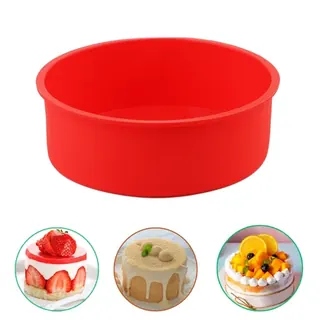 Silicone cake panAliExpress
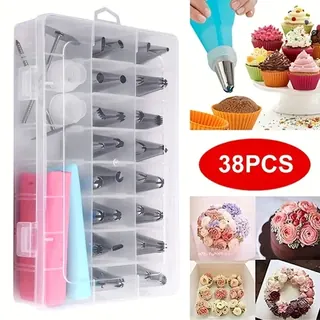 Piping bag with nozzlesAliExpress
 Kitchen scale up to 5 kgAliExpress
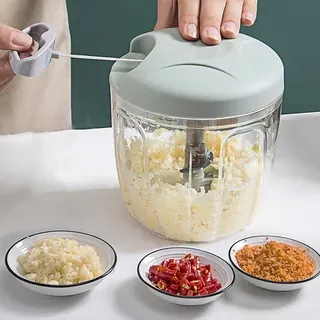 Pull chopper for garlic and onionAliExpress
 Oil sprayerAliExpress
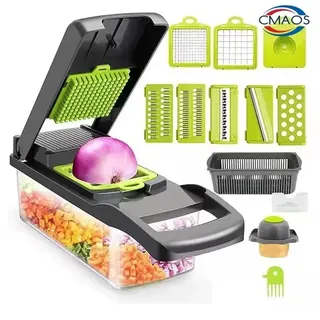 Vegetable chopper with handleAliExpress