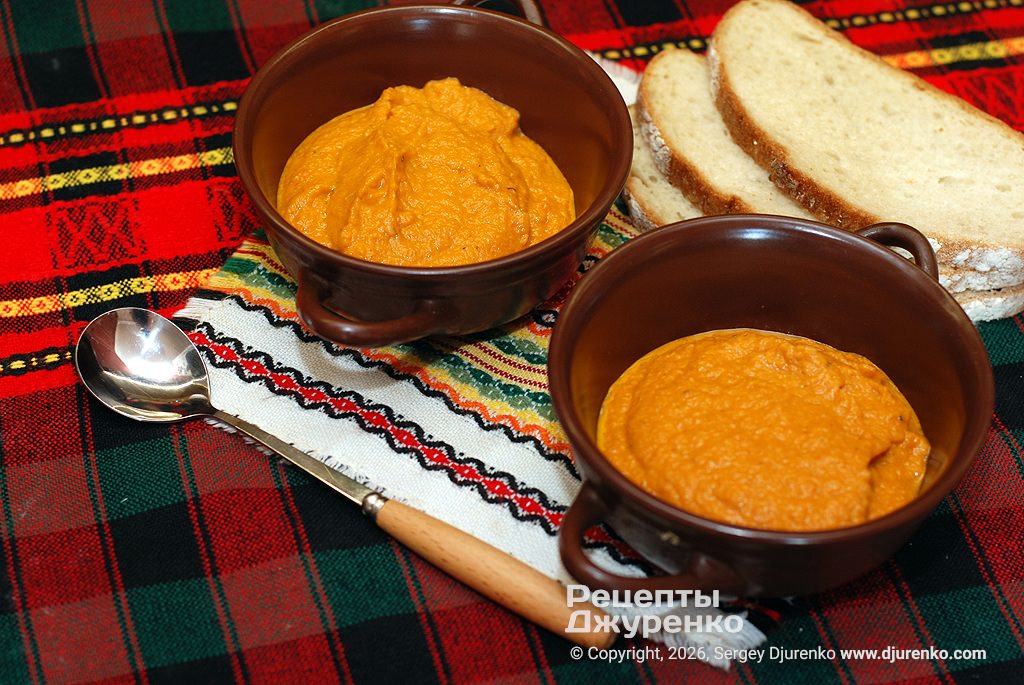
Zucchini Caviar Like Store-Bought: Soviet GOST Recipe
Back in the day, when I was still a kid, store-bought zucchini caviar was hugely popular and sold in every grocery shop. Its ingredients, method and quality were governed by a special standard: the Soviet GOST No. 2654, issued in several versions over the years. It changed over time, and today different countries each have their own. Every parameter of the product is strictly regulated, mostly the ratio of zucchini to other vegetables in the spread: zucchini must make up at least 70%. Besides that, store-bought caviar contains carrots, onions, small amounts of other vegetables, spices and additives. The method calls for frying or roasting the zucchini, then cooking the vegetable mixture down. If you want a simpler caviar with noticeable chunks of vegetables, here is homemade zucchini caviar to serve right away.
Ingredients
1-1.5 l
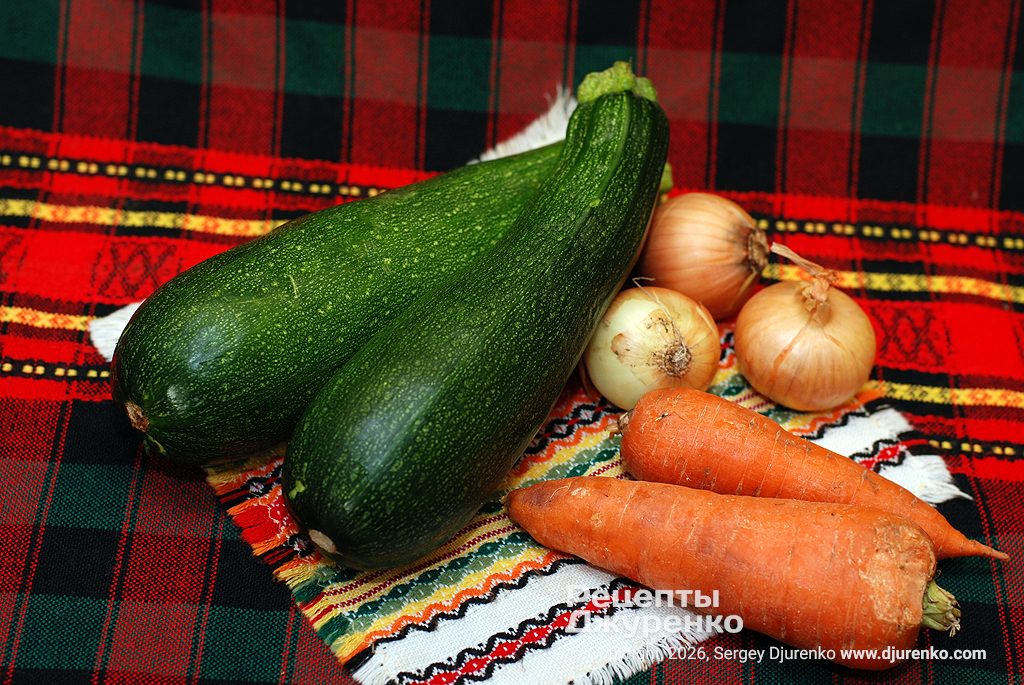
- Zucchini or courgettes 1 kg
- Carrots 1-2
- Onions 2-3
- Vegetable oil as needed
- Tomato juice 0.5 cup
- Salt, black pepper, white vinegar to taste
- Parsnip, parsley root, celery root optional
Bread to serve with


Step-by-step recipe
- It's worth saying that store-bought zucchini caviar varies. The main difference is the raw produce. It can be made from marrows, zucchini or even pumpkin. On top of that, the vegetables can be fresh from the field or frozen, kept in storage for the off-season. Depending on the quality grade, it may contain no vinegar at all, with preservation ensured by long processing in an autoclave. For home cooking, take young zucchini whose seeds haven't formed yet. Onions and carrots are important components of the caviar. You can use tomato paste for this spread, but a little tomato juice is better.
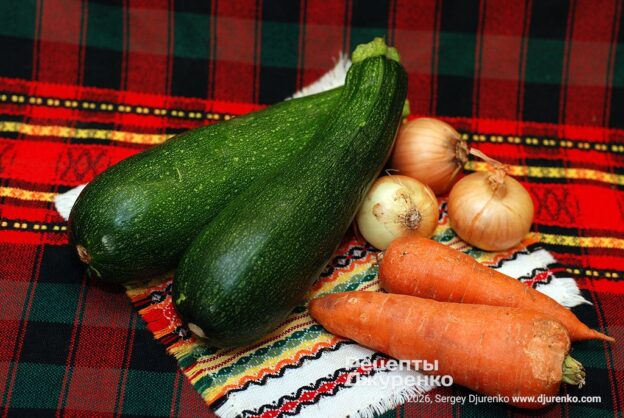
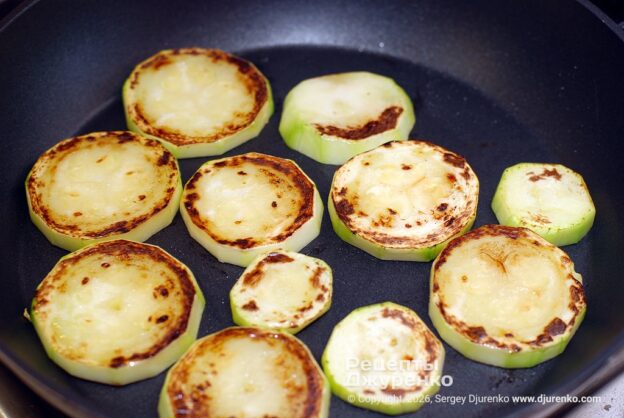
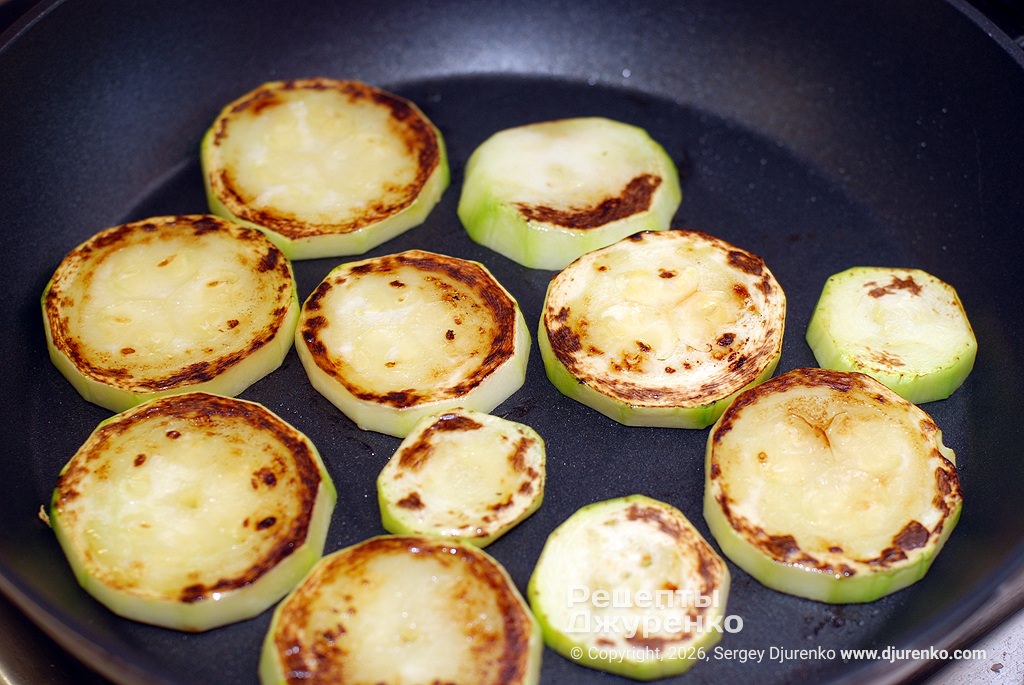
- Wash and dry the zucchini. So that no tough bits can be felt in the caviar, peel the zucchini and remove the seeds, if there are any. Cut the peeled zucchini into rounds about a finger thick. Don't use a lot of oil for frying: this keeps the overall calorie count of the caviar down. Use a silicone brush: grease a hot frying pan with vegetable oil and lay the zucchini rounds on it in a single layer. Fry on both sides until golden. Before turning them over, brush the unfried side with oil.
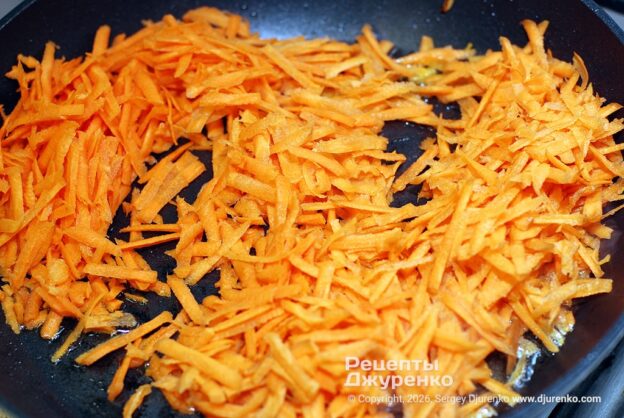
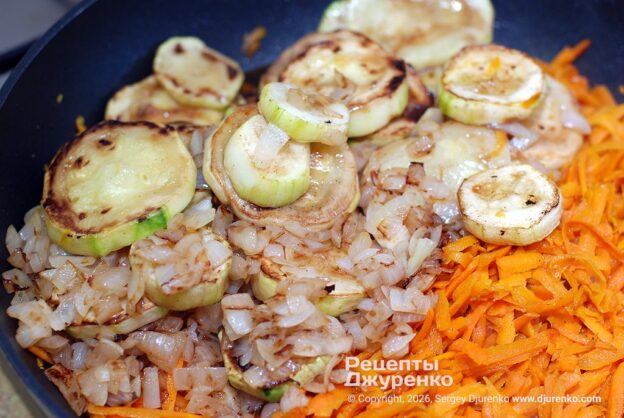
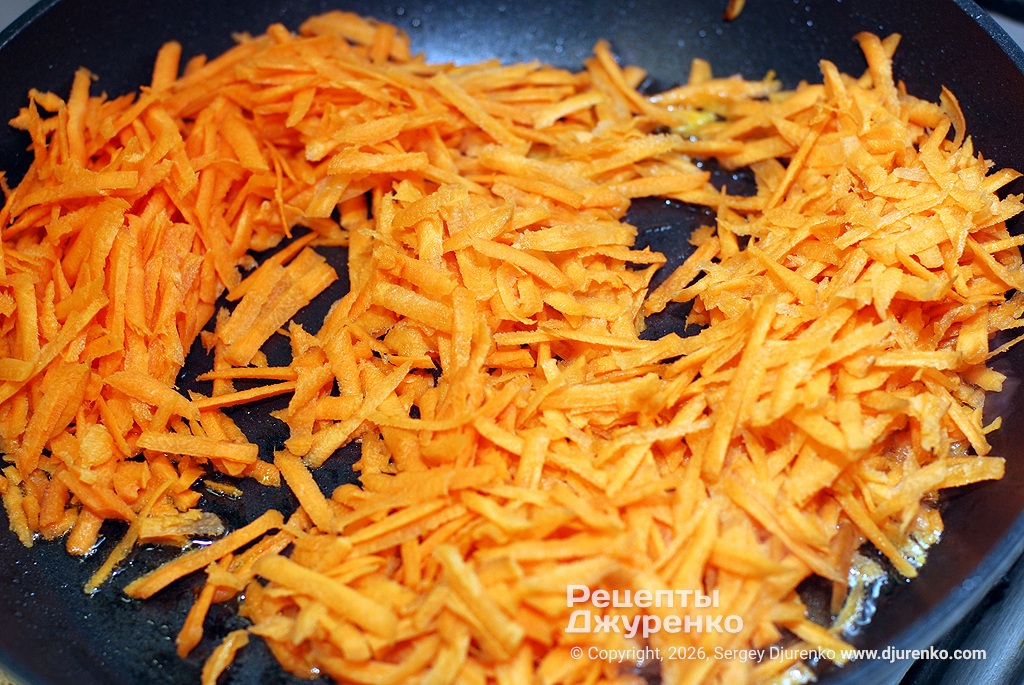
- Transfer all the fried zucchini to a bowl. Peel and finely chop the onions. Pour 1-2 tbsp of vegetable oil into the pan and fry the chopped onions in it until soft. Peel and grate the carrots. Add the grated carrots to the onions and fry everything together for 2-3 mins, stirring the vegetables constantly. The carrots should soften and soak up the rest of the oil in the pan.
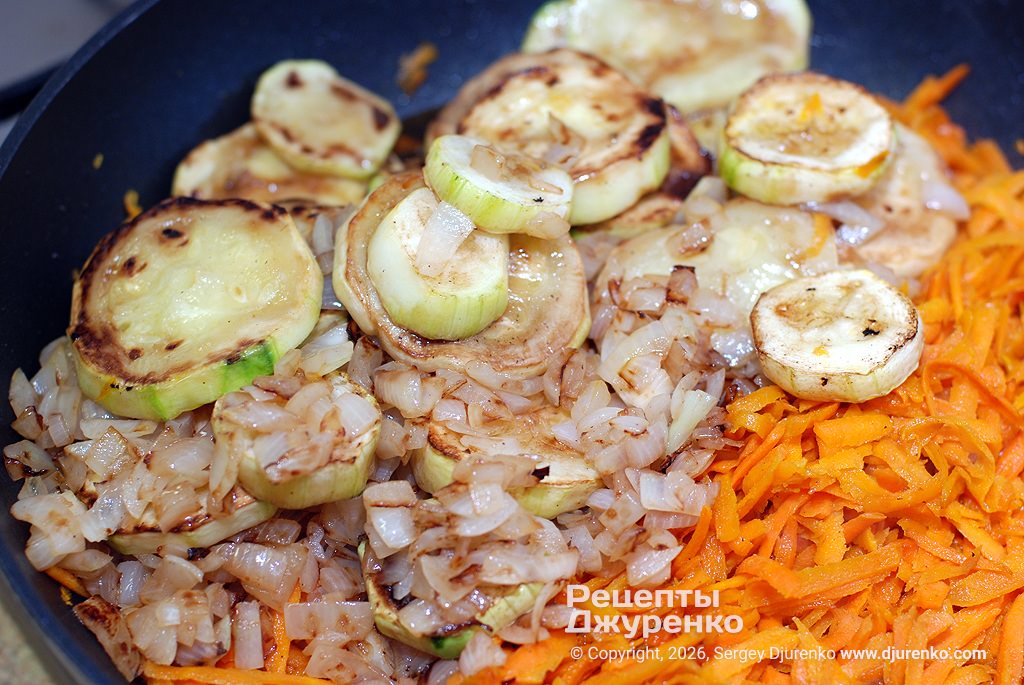
- Add all the fried zucchini and stir. Season lightly with salt and ground black pepper. In the store-bought version of the caviar, the vegetables include small amounts of parsnip, celery and parsley roots and so on. At home you can replace them with a little dried soup root mix. It works great, since these roots are exactly what gives store-bought zucchini caviar its familiar taste. Add 1 tsp of the dried roots.
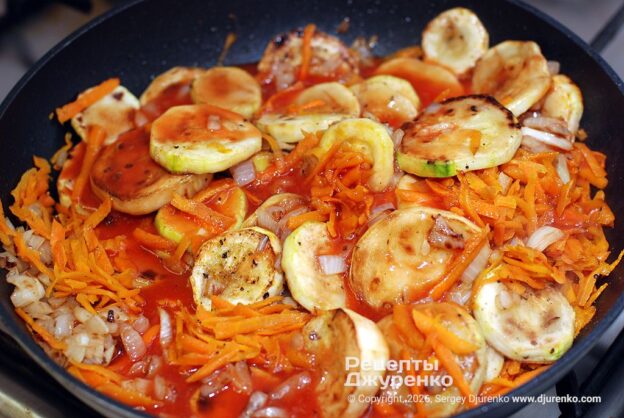
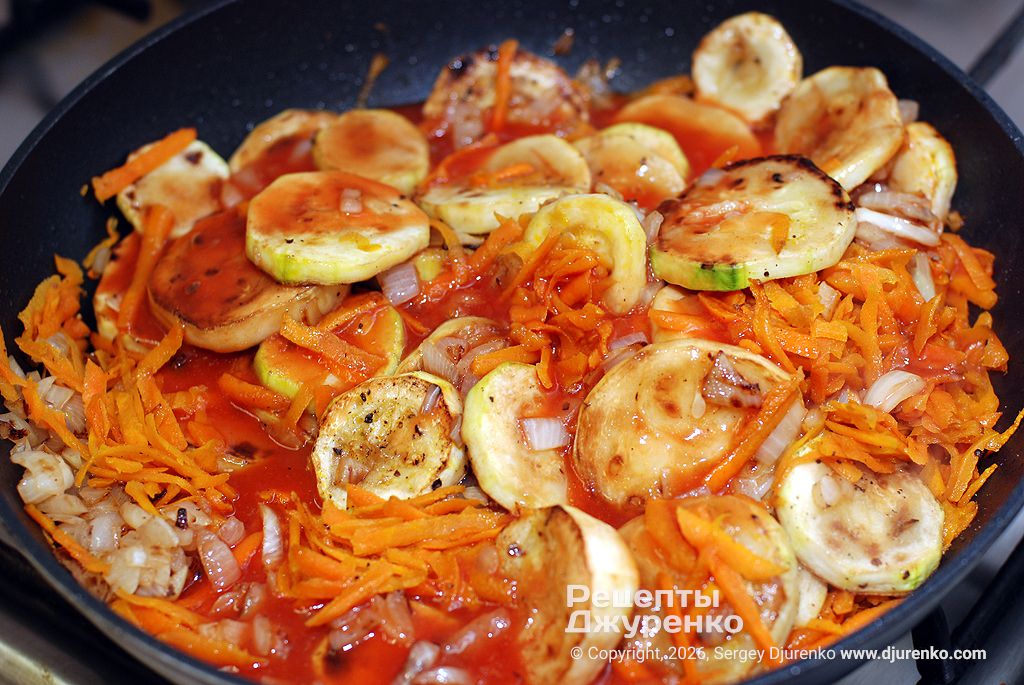
- Industrial production uses tomato paste. At home it's better and easier to add good-quality tomato juice. Half a cup or a little more is enough. Don't add too much liquid, or the caviar will turn out too runny and you'll have to cook it down. Add the tomato, stir well and bring the vegetables to a boil. Simmer the vegetables, covered, over low heat for 15-20 mins.
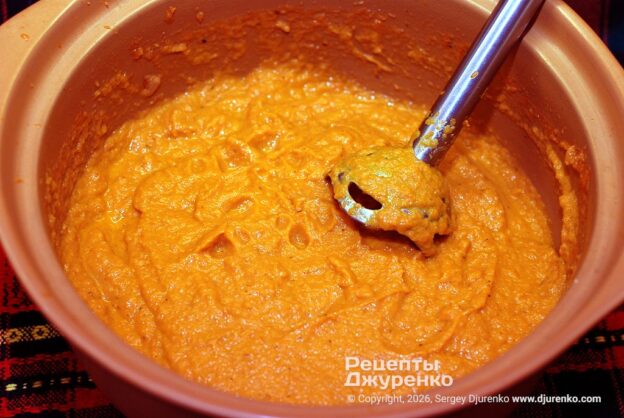
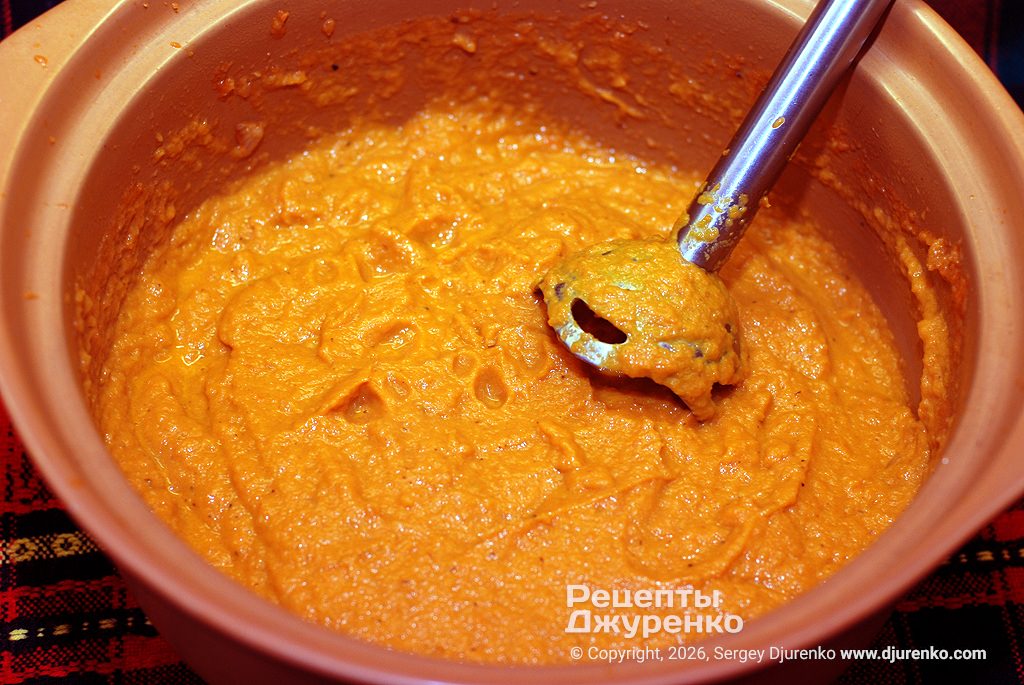
- If you plan to store the caviar, double the cooking time. Next comes the most important step, the one that gives zucchini caviar its store-bought texture: pureeing the vegetables. An immersion blender is very handy for this. Blend the stewed zucchini and vegetables until completely smooth, without even the smallest bits left. Add more salt to taste, along with regular white vinegar. Start with 1 tsp of vinegar, then add more strictly to taste, but just a little at a time. If you're canning the caviar, you can add a bit more vinegar.
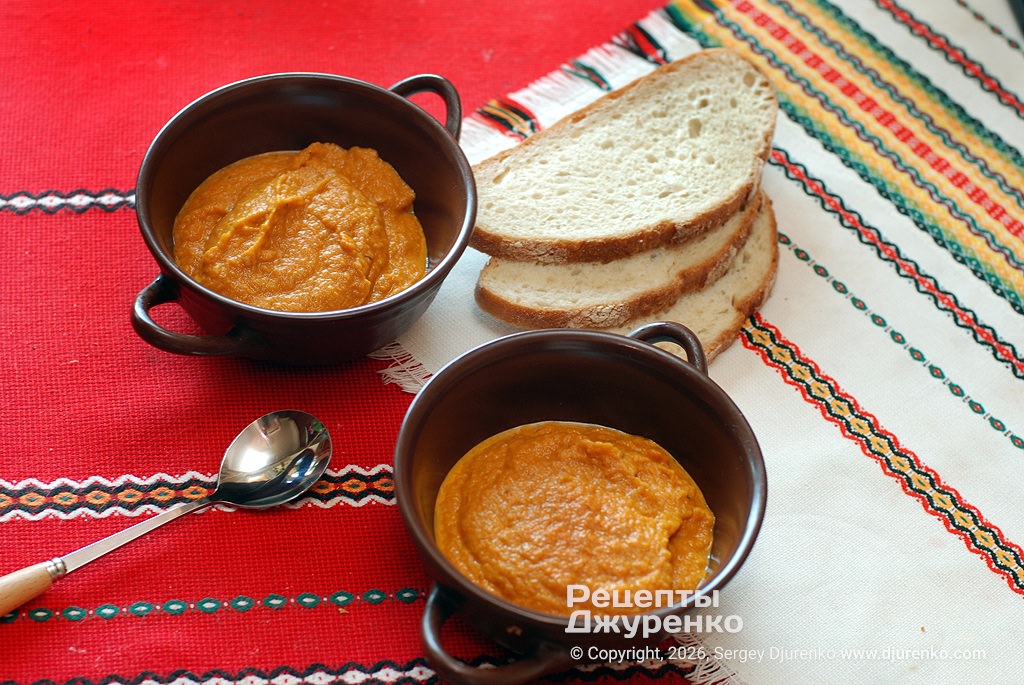
- If the caviar is as thick as the store-bought kind and you're happy with it, just bring it to a boil and then let it cool. It's ready to eat and should be spreadable on bread. For canning, cook it down a little and spoon it into sterilized jars. In industrial production the jars are sterilized in an autoclave. At home, jars filled with hot caviar must be sterilized, and once sealed, kept in a cool place such as a cellar or pantry. Without sterilization, keep the caviar only in the fridge and eat it within a few days. Also, toasted flour is often used to make the caviar less runny. I tried it and didn't like it. It's much easier to simply not add extra liquid, or to cook the zucchini caviar down to the thickness you want.
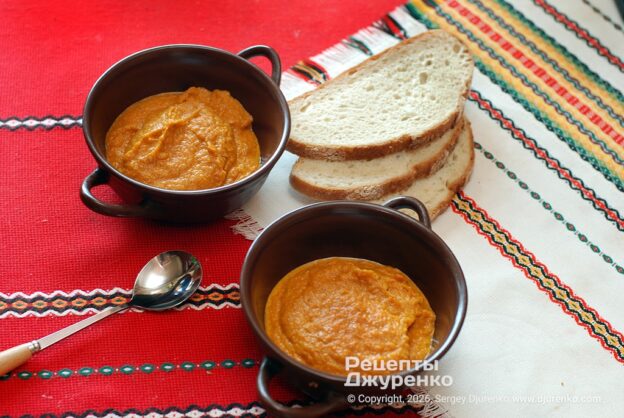
- Whether to add garlic, sugar or hot pepper to zucchini caviar is a matter of taste. As for me, in this version it's better to keep the delicate, rich flavor of the fried vegetables. That's exactly why everyone loves good store-bought caviar.
| Yield: | 1-1.5 l |
| Calories: | 80 kcal per 100 g |
| Prep: | 45 mins |
| Cooking: | 15-20 mins |
| Ready in: | 1 h |
| Category: | Snacks and Sauces › Vegetable Appetizers |
| Cuisine: | European |
| Rating: |
⭐
⭐
⭐
⭐
⭐
4.4
(6)
|