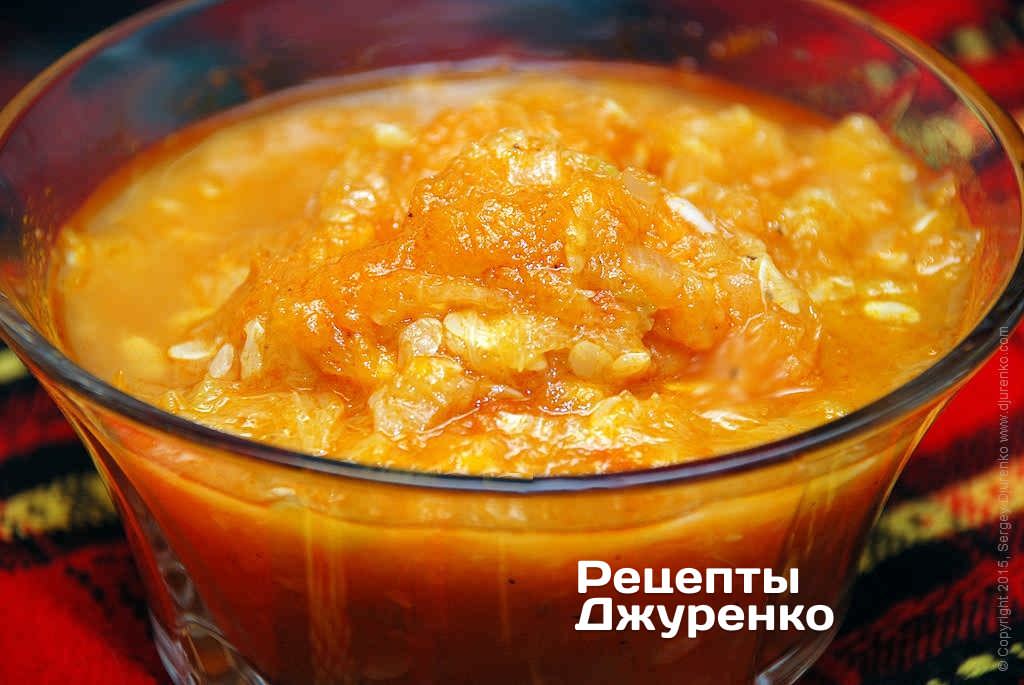
Zucchini Caviar

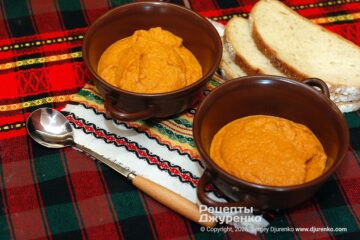


Ingredients
2–4 servings
- Zucchini 1 kg
- Tomatoes 2
- Onions 1–2
- Carrot 1
- Garlic 1–2 cloves
- Vegetable oil 50 ml
- Water up to ½ cup (100 ml)
- Sugar 1–2 tsp (5–9 g)
- Salt, ground black pepper to taste
Step-by-step recipe
Preparing the vegetables
The zucchini should be young, with light green skin, undeveloped seeds and no damage. For smooth, tender zucchini caviar, it’s still best to peel them. That said, if the zucchini are young, you don’t have to.
By the way, many people fry the zucchini for caviar, but I don’t. Although the dish turns out tasty with fried zucchini too.

Peel the carrot and grate it finely.
Peel the onion and finely chop it with a knife.
Blanch the tomatoes in boiling water and peel them. Be sure to remove the seeds. Chop the tomato flesh.

Simmering the vegetables
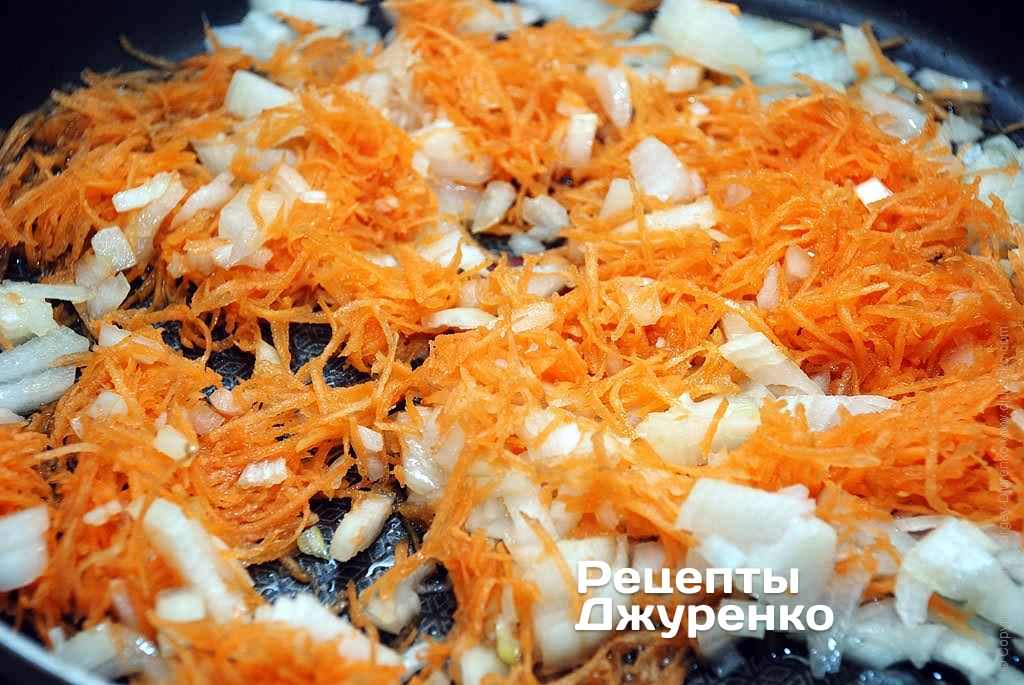
Heat the vegetable oil in a deep sauté pan and fry the onion and carrot until soft. Grate in 1–2 cloves of garlic. Season with salt and pepper. Cover and simmer over low heat for about 10 minutes.
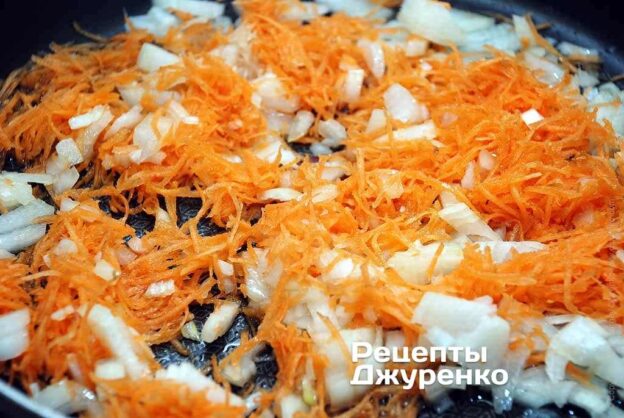
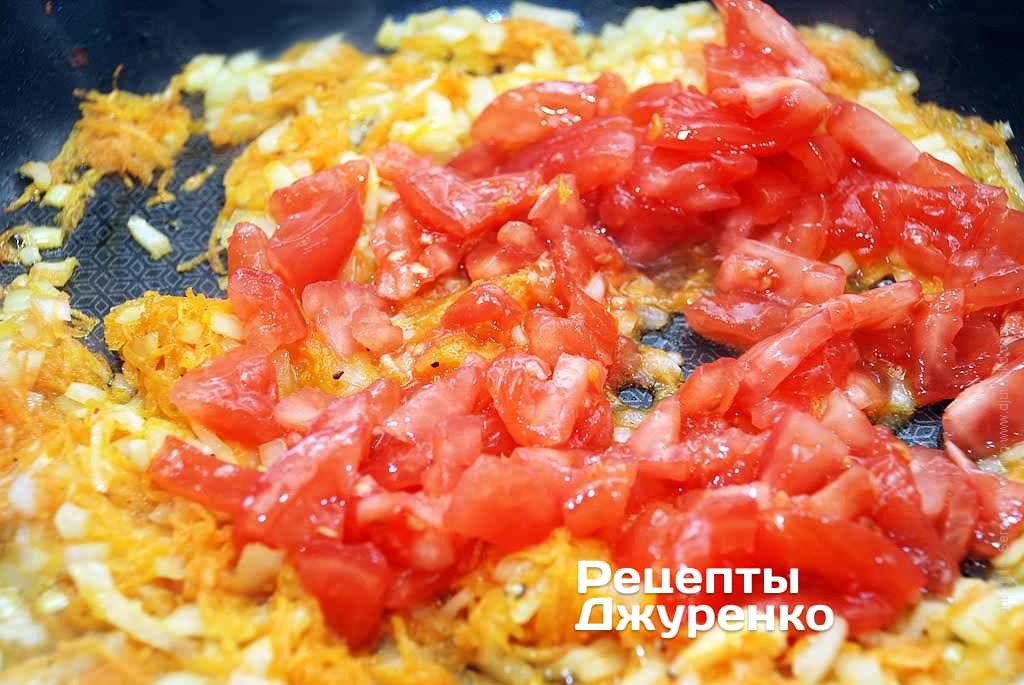
Add the finely chopped tomato flesh and simmer for another 10 minutes.
You could add tomato juice instead, if you’re sure it’s all-natural. But a tomato is a tomato!

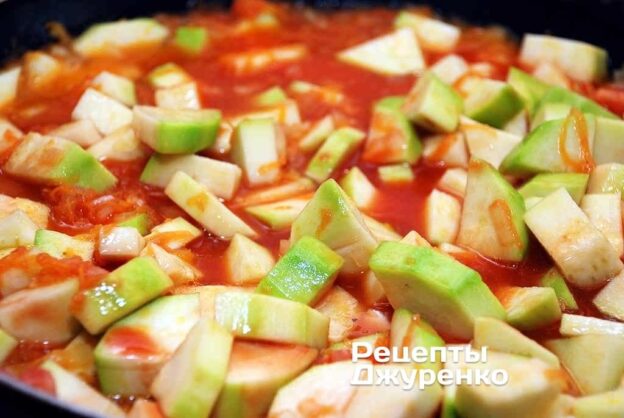
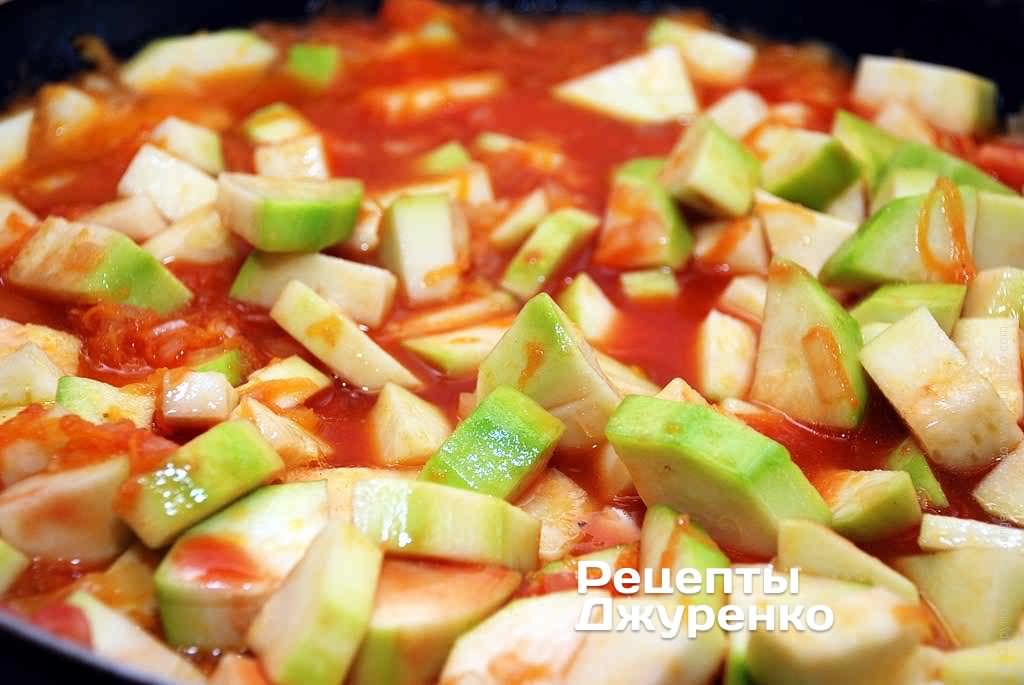
Add the peeled, diced zucchini, or put the zucchini through a meat grinder, your choice. Add a little water, half a cup at most, cover and simmer for about 30 minutes. Be sure to stir the caviar so it doesn’t burn. The zucchini will release plenty of moisture, so you don’t need much water.
Mashing and finishing
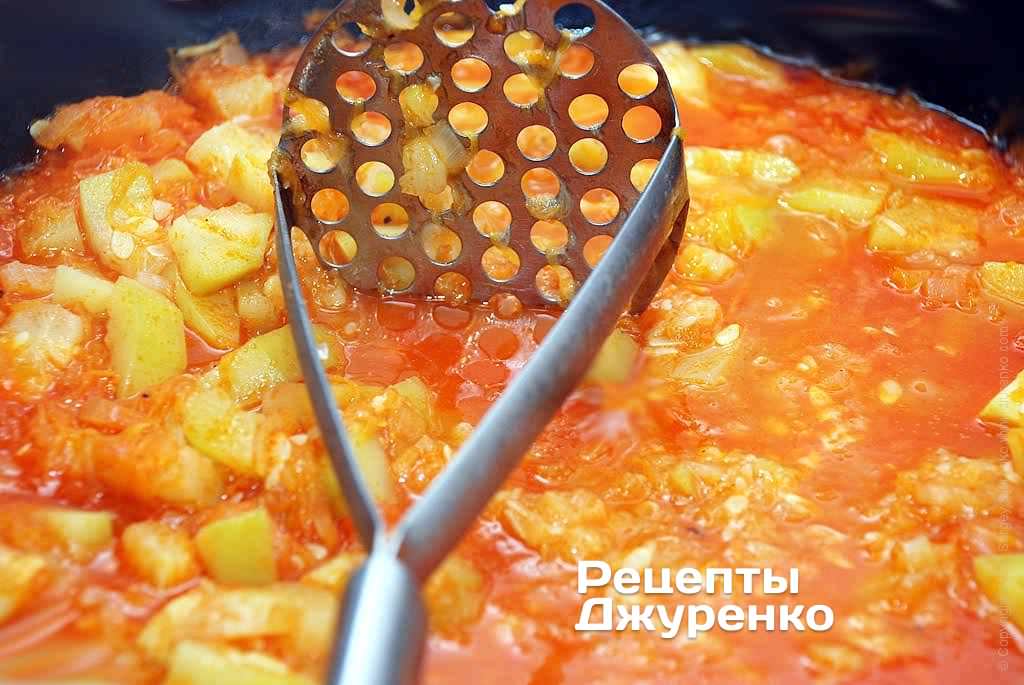
Mash all the vegetables in the pan. Don’t aim for the consistency of store-bought zucchini caviar. Homemade caviar has the advantage precisely because of its noticeable little chunks. If you want it perfectly smooth, like from a jar, that’s a separate recipe: store-style zucchini caviar.
You can use a blender or a food processor. But the dish is still very hot. So I recommend an ordinary tool that everyone surely has: a potato masher. The zucchini caviar will come out even, with small or fairly large chunks. It may not look quite like store-bought, but it’ll taste a whole lot better.
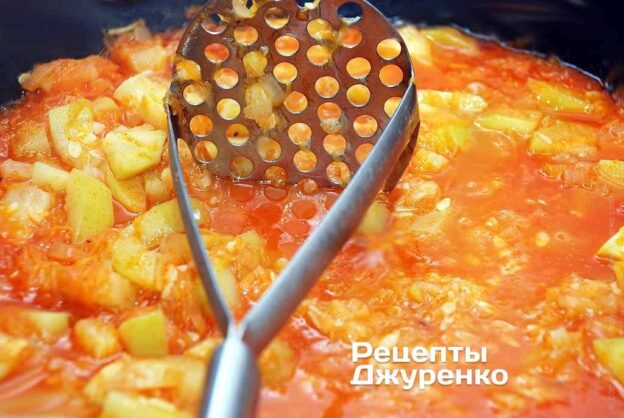
And now a little trick of mine: add 1–2 tsp sugar (5–9 g). It makes the zucchini appetizer taste exceptionally nice. After mashing, simmer the caviar for another 10 minutes. Ideally there should be practically no free liquid left. To get there, you can simmer the zucchini caviar uncovered for the rest of the time. The excess moisture will evaporate and the zucchini caviar will turn out just right.
Serving
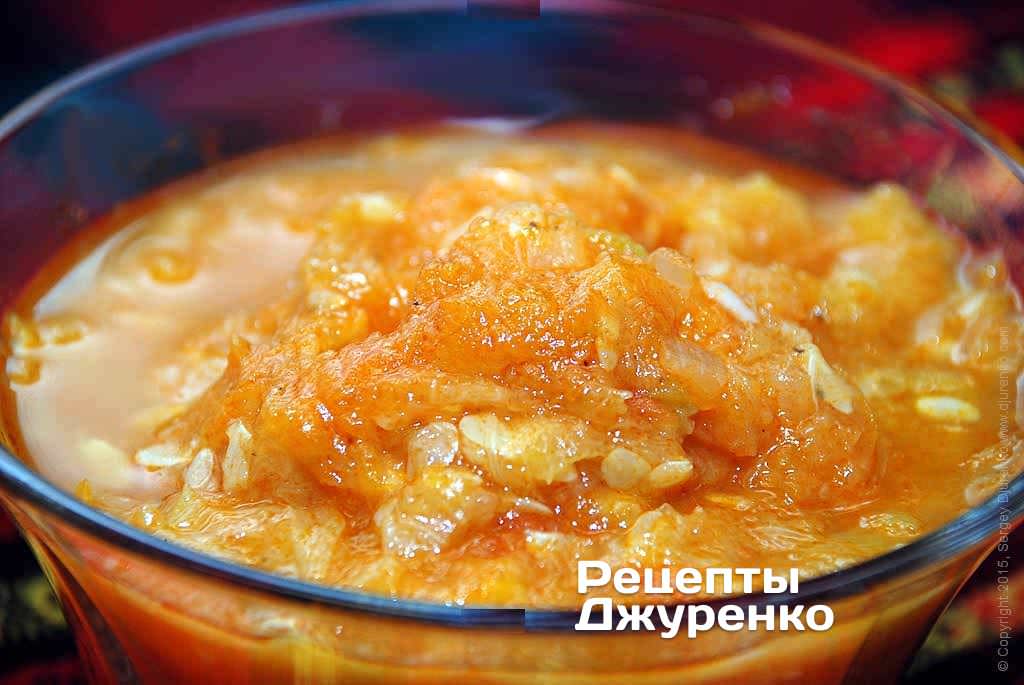
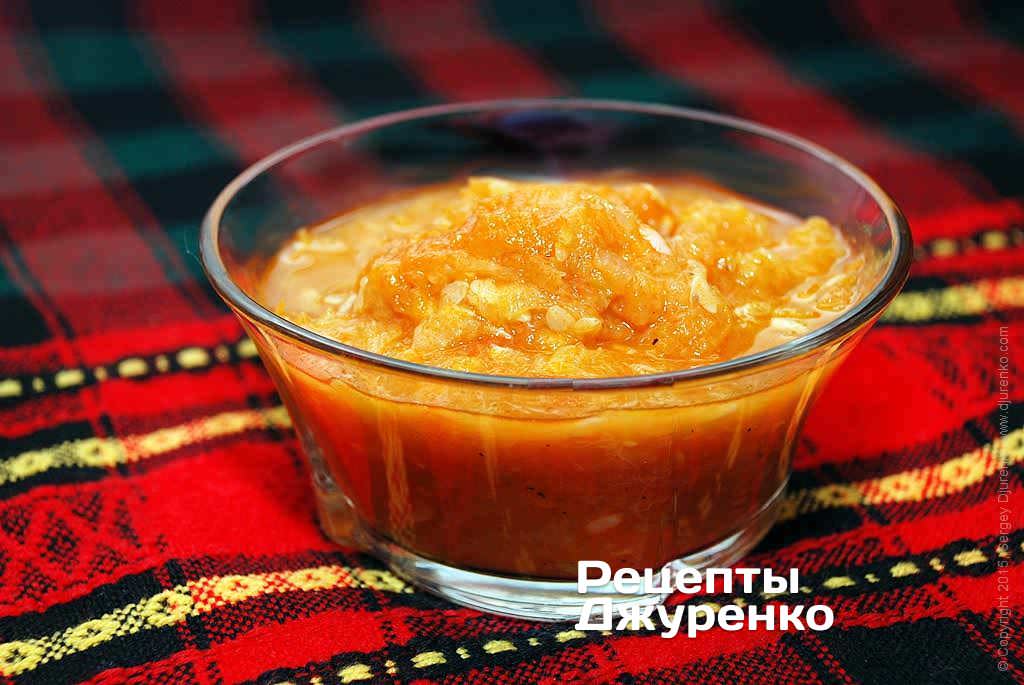
The finished dish can be eaten cold or hot. By the way, I like zucchini caviar hot much better. A wonderful breakfast, especially if you pop out and buy some fresh bread.

By the way, this caviar keeps well in sterilized, tightly sealed jars. So feel free to put some up for winter.

Calories and macros
375 kcal
Serving ≈ 810 g
- Protein8 g9% of kcal
- Fat25 g62% of kcal
- Carbs26 g29% of kcal
100 g46 kcalProtein 1 gFat 3.1 gCarbs 3.2 g
Calculated from the recipe ingredients, excluding salt and spices. Data: USDA and Matvaretabellen.
To Get It Right
Which zucchini to use
For caviar, young zucchini are best, with light green skin and undeveloped seeds. You don’t have to peel them: it barely affects the taste, the caviar will just be a little darker. But you will feel the skin, since a blender or masher won’t break it down completely, so for smooth, tender caviar it’s better to peel them. Overripe zucchini with hard seeds don’t work for this caviar.
Tomatoes or tomato paste
For the caviar, fresh tomatoes without skin and seeds are best. You can use tomato juice if you’re sure it’s all-natural. Some readers add tomato paste and sugar to taste when tomatoes are still expensive.
Pumpkin or courgettes
You can make pumpkin caviar by the same recipe. It comes out sweeter and denser, and you most likely won’t need sugar. Courgettes are cooked the same way as regular zucchini.
How long it keeps
This caviar has no vinegar: it’s made to be eaten right away. Keep it covered in the fridge and finish it within a week or two.
If you want it for winter
For storing in the pantry, I would add vinegar: 1 tbsp 9% vinegar per 1 kg of zucchini at the very end of simmering, then spoon the hot caviar into sterilized jars and seal them. For smooth, jar-style caviar to put up for winter, there’s a separate store-style zucchini caviar recipe.
Have your own trick for this recipe?
Questions and answers
How long to simmer zucchini caviar?
About an hour. The onion and carrot take 10 minutes, with the tomatoes another 10, with the zucchini about 30 minutes covered, and after mashing another 10 minutes uncovered.
How to make zucchini caviar without a blender?
With a potato masher, right in the pan. Hot caviar is awkward to blend, while a masher gives an even texture with small chunks.
Why did my zucchini caviar turn out watery?
Zucchini release a lot of moisture, so use no more than half a cup of water (100 ml). Simmer the caviar uncovered for the last 10 minutes and the excess liquid will evaporate.