
Soft Flatbreads for Grilled Meat



Ingredients
4-8 pcs
- All-purpose flour 3.5 cups (455 g)
- Warm water 100–120 ml, plus more if needed
- Fresh yeast 25 g
- Sugar 2 tsp (9 g)
- Salt 0.5 tsp (3 g)
- Baking powder 0.5 tsp (optional) (2 g)
- Milk as needed (optional, instead of water)
Step-by-step recipe
Starter and dough
It is convenient to bake flatbreads for meat the day before a picnic, then reheat them on the grill when the shashlik or kebabs are almost done. That is how it is done all over the world: it is practical, and the result is pretty and tasty. For baking you need premium wheat flour, fresh or dry yeast, and, of course, time for the dough to rise.
Instant dry yeast can be mixed with the flour and the dough kneaded right away. With fresh yeast you first make a starter and then combine it with the dough. It is easy.
Make the starter. Sift 2-3 tbsp flour (20–29 g) into a small bowl and add 2 tsp sugar (9 g). Dissolve 25 g fresh yeast in 100-120 ml warm water from the kettle and pour the liquid into the flour. Mix thoroughly until the mixture has the consistency of thick kefir; it will be soft and very sticky. Cover the bowl with a napkin and put it in a warm place.

The starter will be ready in 20-25 minutes: the liquid batter will visibly swell and gas bubbles will appear. This kind of batter is called a “mother” or starter – it is used all over the world to make bread and baked goods. Incidentally, packets of dry mix for such a starter are often sold – very convenient.
Sift 2 cups of flour (260 g) into a deep bowl – the rest of the flour is needed for the final kneading.

Add 0.5 tsp fine salt (3 g) to the flour and, if you like, 0.5 tsp baking powder (2 g). Baking powder makes the finished flatbreads twice as fluffy. In fact, that is often done, and the breads turn out very puffy, even like a balloon. If that isn’t your goal and you just want soft, airy bread, yeast alone will do.
Knead the dough: mix the flour with the starter, adding water or milk as needed. The dough should be as soft as possible, literally still sticking a tiny bit.


Rising
Put the dough in a bowl, cover with a napkin and set it in a warm place to rise. Usually, in a warm enough place, the dough doubles in 45-60 minutes.
Knead the dough again and let it rise once more. It is said that this should be done three times, and then the bread will be as soft and fluffy as possible. During the repeated kneading, add flour – just a little, so the dough stays soft.


Shaping
Turn on the oven and let it heat to 220°C. Meanwhile, divide the dough into the number of pieces you need – this amount of flour makes 4-8 flatbreads. On a floured surface, shape round or oblong flat pieces 12-15 cm in diameter.
Sprinkle the pieces with a pinch of flour and rub it over the surface of the dough with your palm. Line a baking sheet with paper, sprinkle it with flour and arrange the pieces with enough space between them. With the tip of a sharp knife, score a crosshatch pattern on the dough.

Cover the dough with a napkin and leave it for the final rise. Usually it is enough to let the pieces stand 30-40 minutes for the flatbreads to turn out fluffy.

Baking
The best result comes from baking the flatbreads in a wood-fired oven, where the dough bakes in a few minutes. Unfortunately, few people have one, so we have to make do with a regular oven, where it can take up to half an hour.
Put the baking sheet in the oven. To keep the crust soft, I advise putting 1-2 ceramic cups of water in there too: the steam keeps the crust from hardening. After 12-15 minutes, lower the temperature to 160-170°C. The dough is guaranteed to bake through; go by the noticeable browning of the surface.

Move the baked flatbreads to a wooden board and cover with a towel until cool. The flatbreads are very soft and airy and can be used instead of bread.

Serving
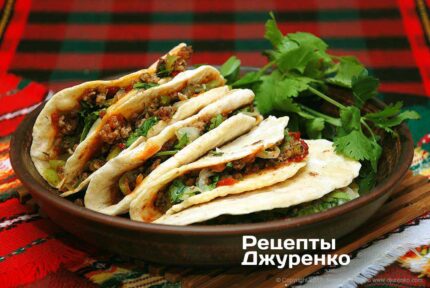
Reheat the flatbreads: cut them in half through the thickness – or leave them whole – then toast on the grill or the barbecue rack until lightly browned. You can tuck meat into the cut and serve on a plate with vegetables.

If the dough was made with baking powder, the flatbreads usually have a large pocket inside. They can be stuffed with salads and meat, like shawarma. Greek pitas are in fact often used this way. They say the flatbreads can also be baked in a hot skillet, but then they come out less fluffy and firmer.

Calories and macros
334 kcal
100 g
- Protein10.7 g14% of kcal
- Fat1.2 g3% of kcal
- Carbs65.5 g83% of kcal
Calculated from the recipe ingredients, excluding salt and spices. Data: USDA and Matvaretabellen.