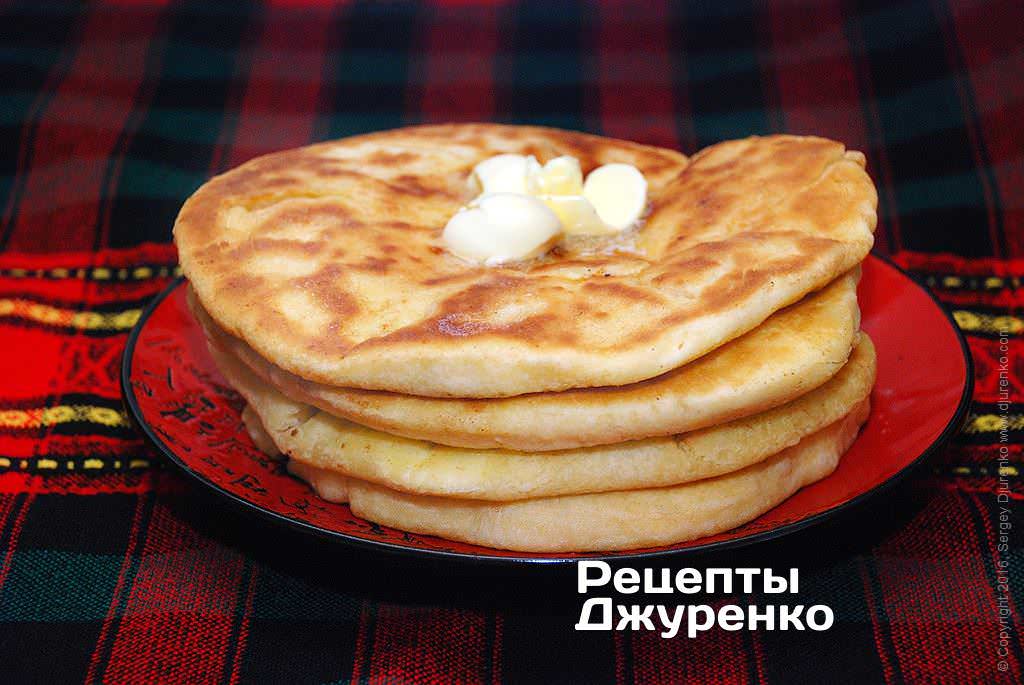
Khachapuri Recipe: Pan-Fried Georgian Cheese Bread
Nobody would argue with how important bread is to the human diet. As the Ukrainian saying goes, bread is the head of everything! We will probably never know who first ground grain into flour, kneaded a dough and baked a loaf. Every nation has its own special bread, and it is often quite unfamiliar to us in shape, ingredients and the way it is made.
Flatbreads are one of the most common kinds of bread. They are most typical of Asia, the Caucasus and the Americas, though they are known all over the world. Sometimes cheese or curd cheese goes into the bread, and the most famous cheese flatbread of all is khachapuri, which comes from the Caucasus.
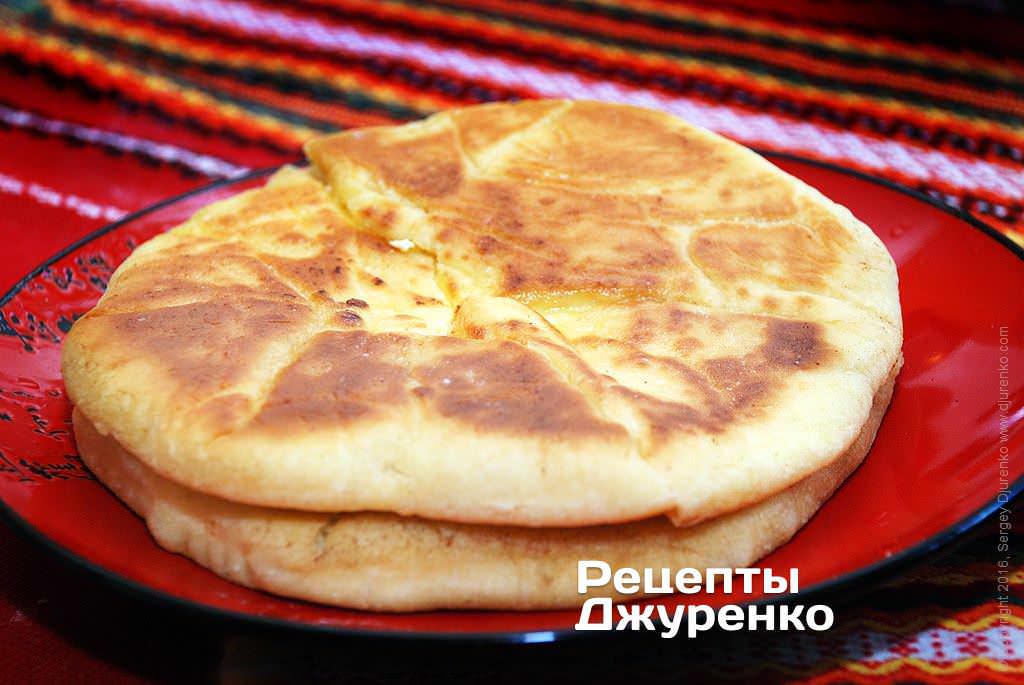
Khachapuri (Georgian: ხაჭაპური) comes from the Georgian words for “bread” (პური) and “curd cheese” (ხაჭო). It comes in all shapes and sizes: square, round, small and large, triangular and even boat-shaped.
Every khachapuri I have tried has been different. I think the recipe depends not only on the region where they are made, but also on the person who makes them.
Ingredients
4 servings
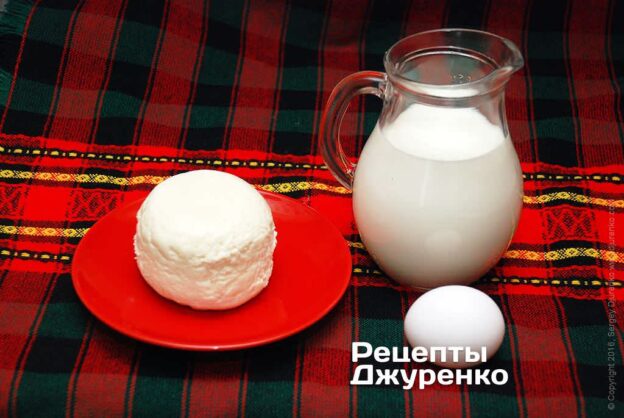
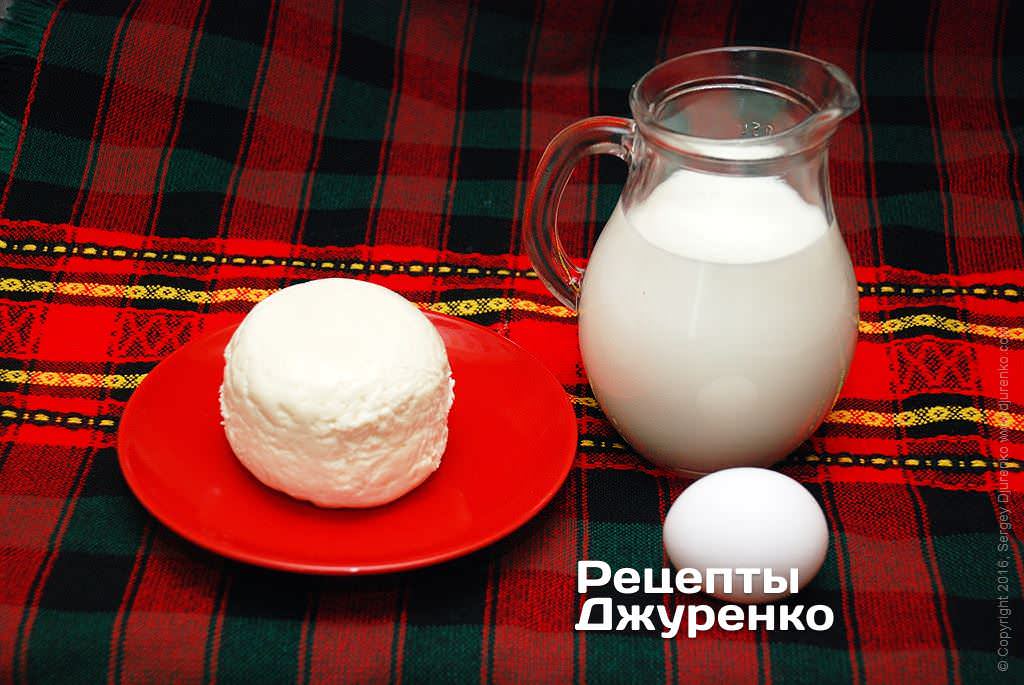
- Young fresh cheese (Imeretian or Adyghe) 300 g
- Matsoni (or kefir, cultured or soured milk) 1 cup
- Flour 2 cups
- Egg 1
- Vegetable oil 3-4 tbsp
- Butter 100 g
- Salt, baking soda, sugar to taste
Step-by-step recipe
- Real matsoni, the cultured milk used in the Caucasus, is almost impossible to find here. It is made from boiled milk with a special starter culture at a particular temperature – the technique is simple, but unfamiliar to us. You can try full-fat kefir instead; I have even heard of using kefir mixed half and half with sour cream. But one day I happened to spot a cultured milk product called “zakvaska” (literally “starter”) in the shop – apparently milk fermented with some kind of culture, quite rich and thick. The very first test showed it works.
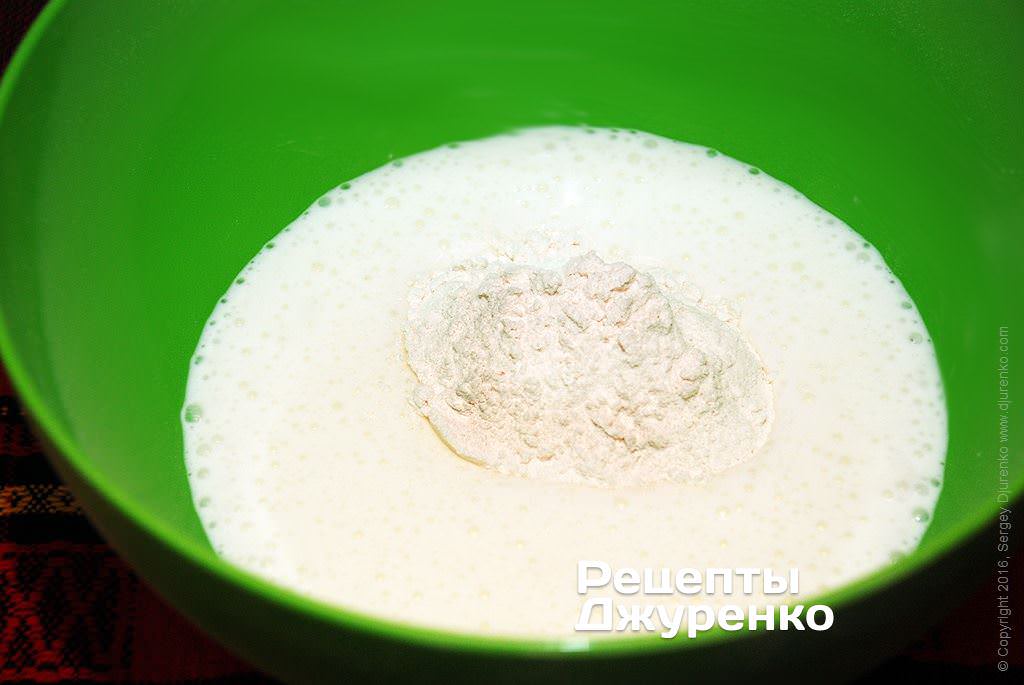
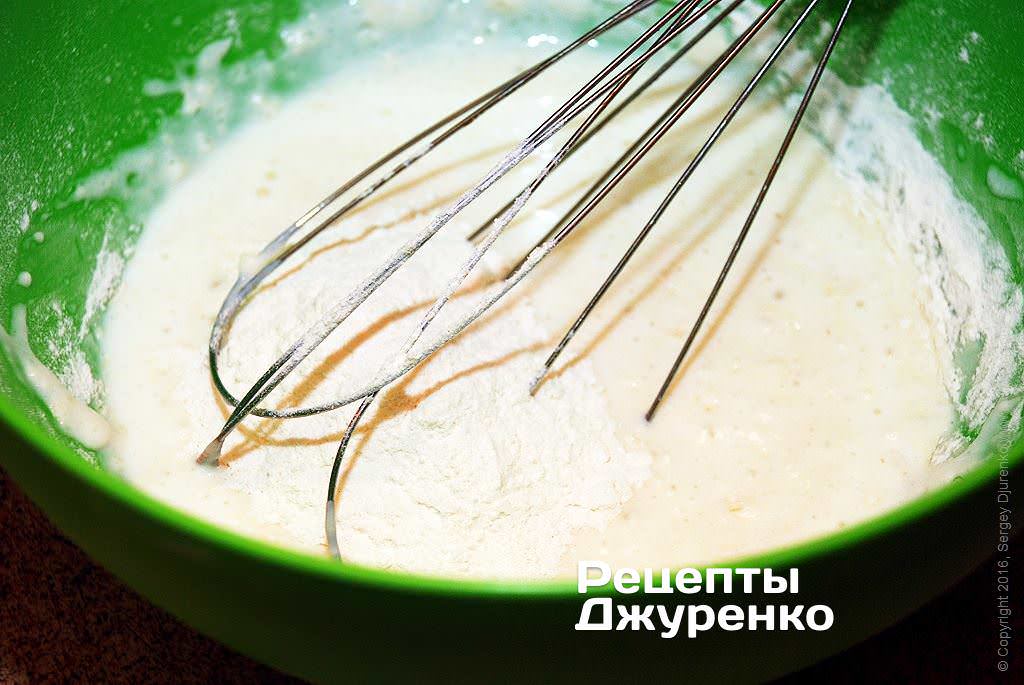
- Mix 3 tsp sugar, 0.5 tsp fine salt and 0.5 tsp baking soda. Add the mixture to the cultured milk and stir very thoroughly until everything has dissolved. Add 3-4 tbsp vegetable oil and stir.
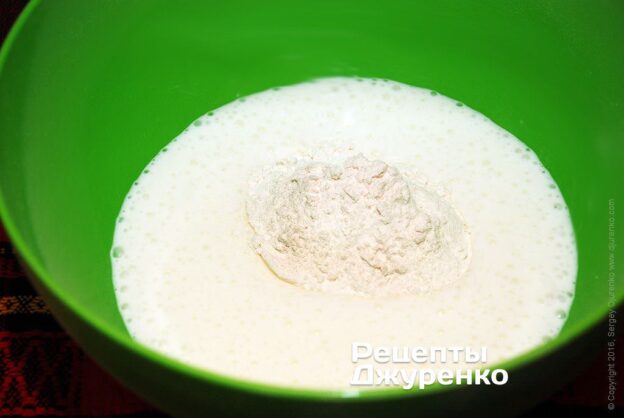
- Then, still stirring, add the flour a little at a time. Nobody can tell you in advance exactly how much flour you will need: keep kneading and adding flour until the dough is soft and elastic.
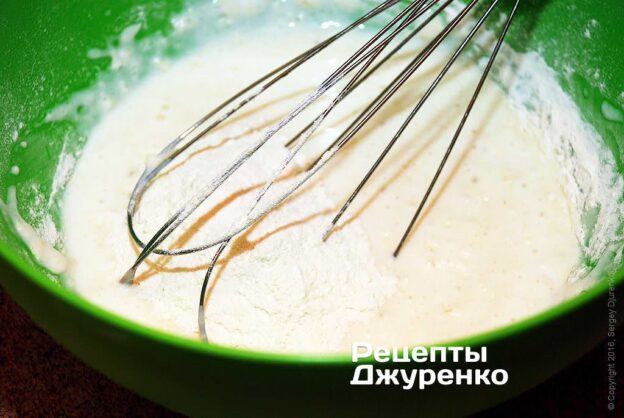
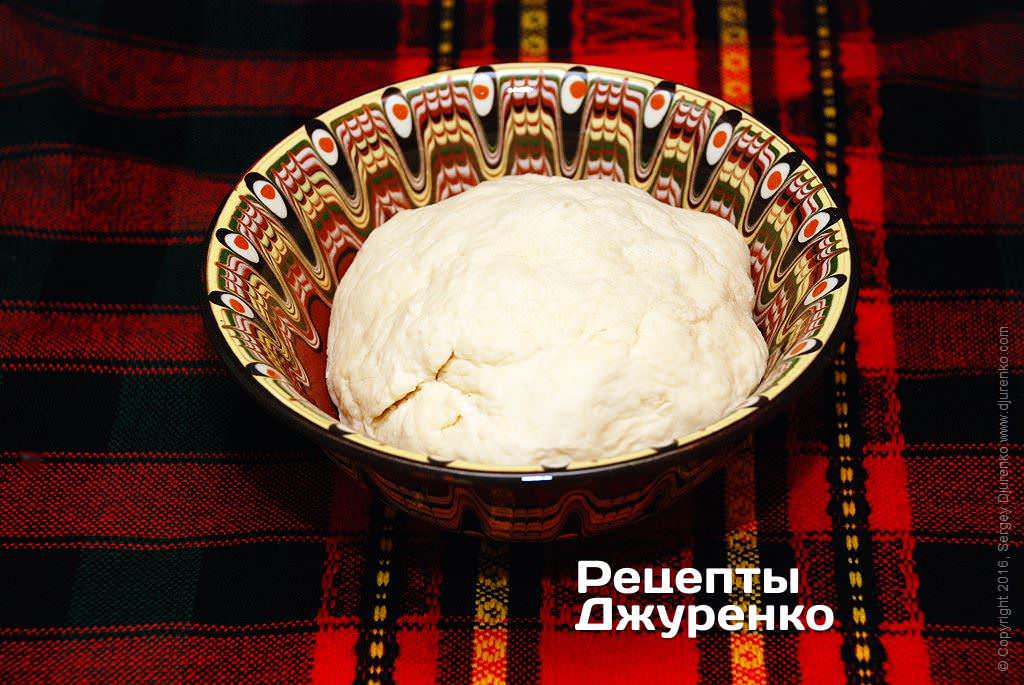
- The dough should barely stick to your hands, and the softer it is, the better.
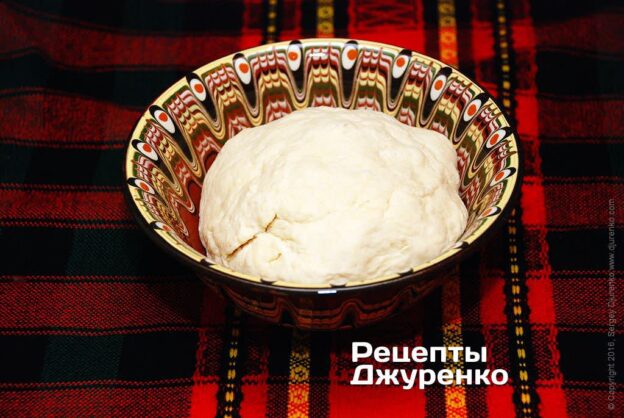
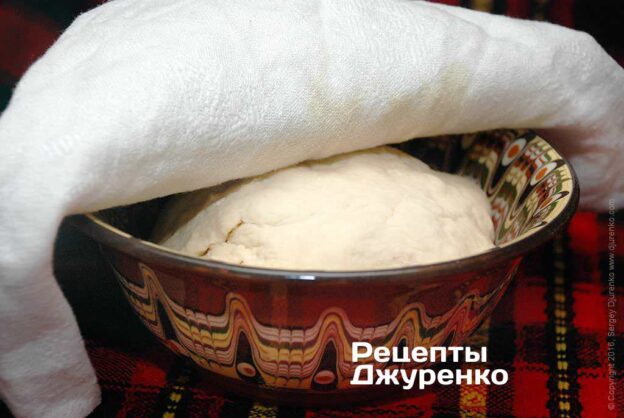
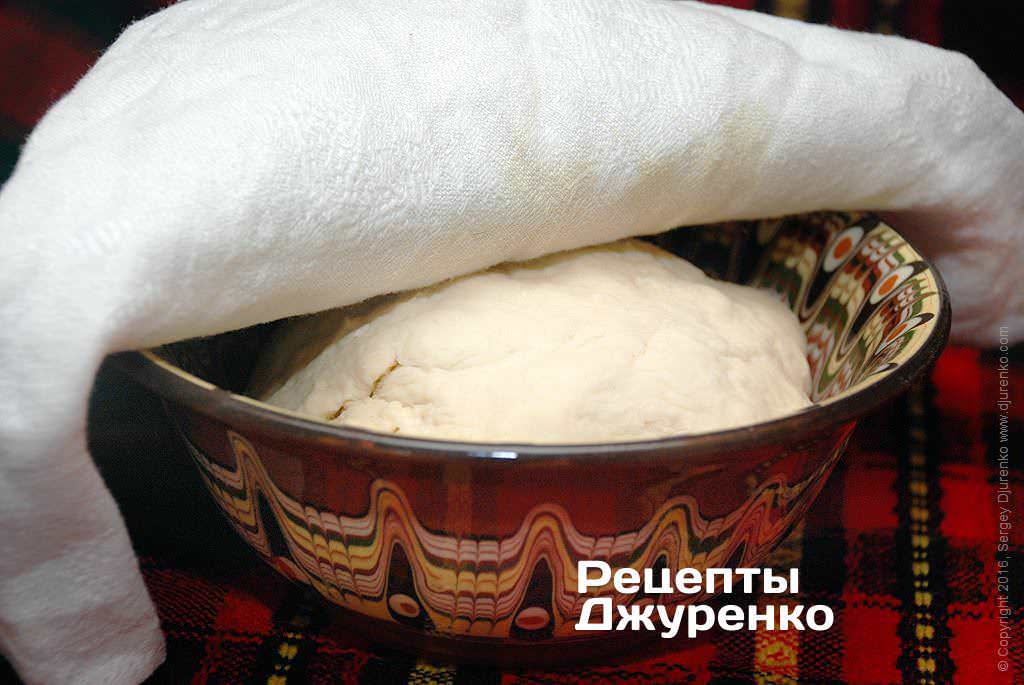
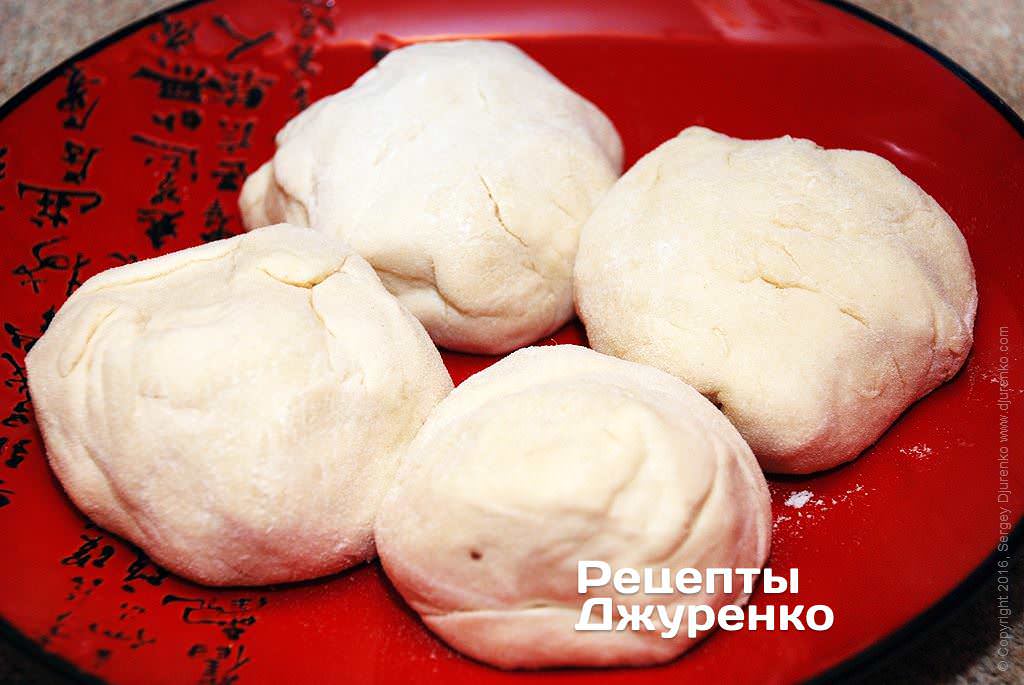
- Roll it into a ball, put it in a bowl, cover with a clean cloth and refrigerate for at least 2-3 hours, or better still overnight, so the dough rests and becomes completely smooth and soft.
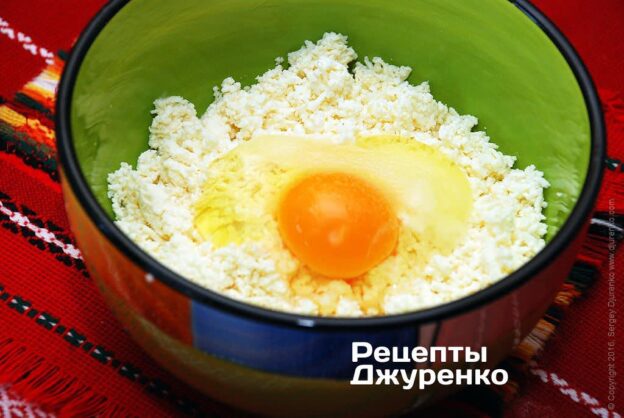
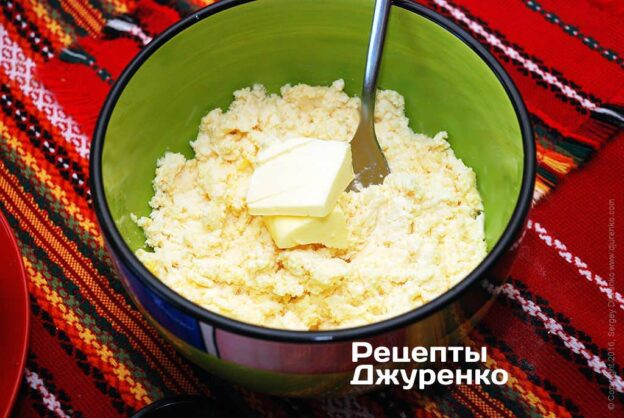
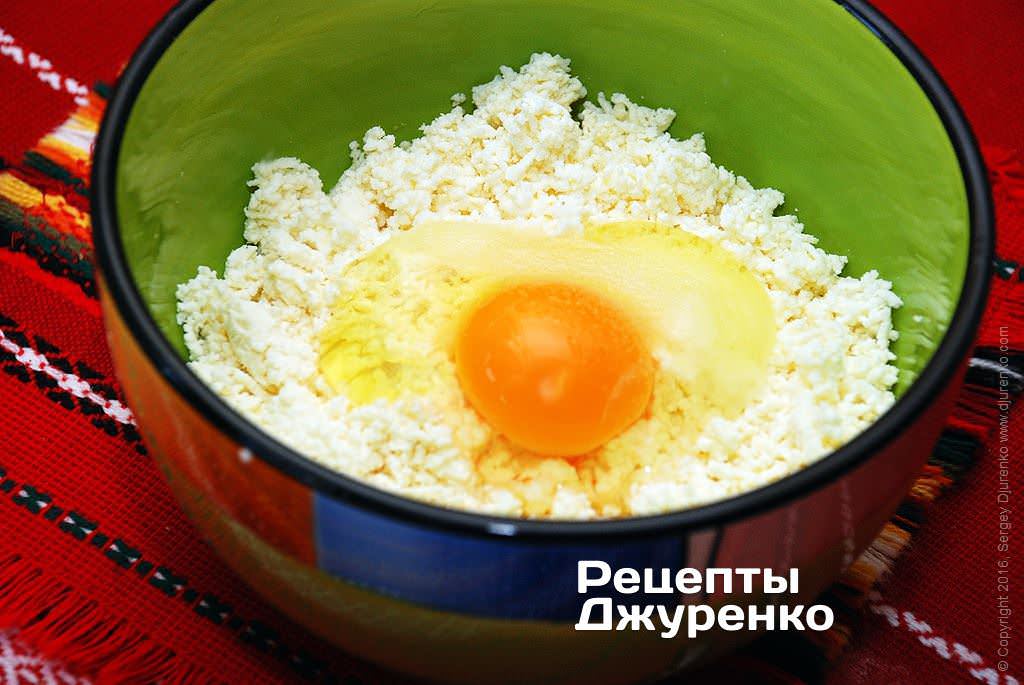
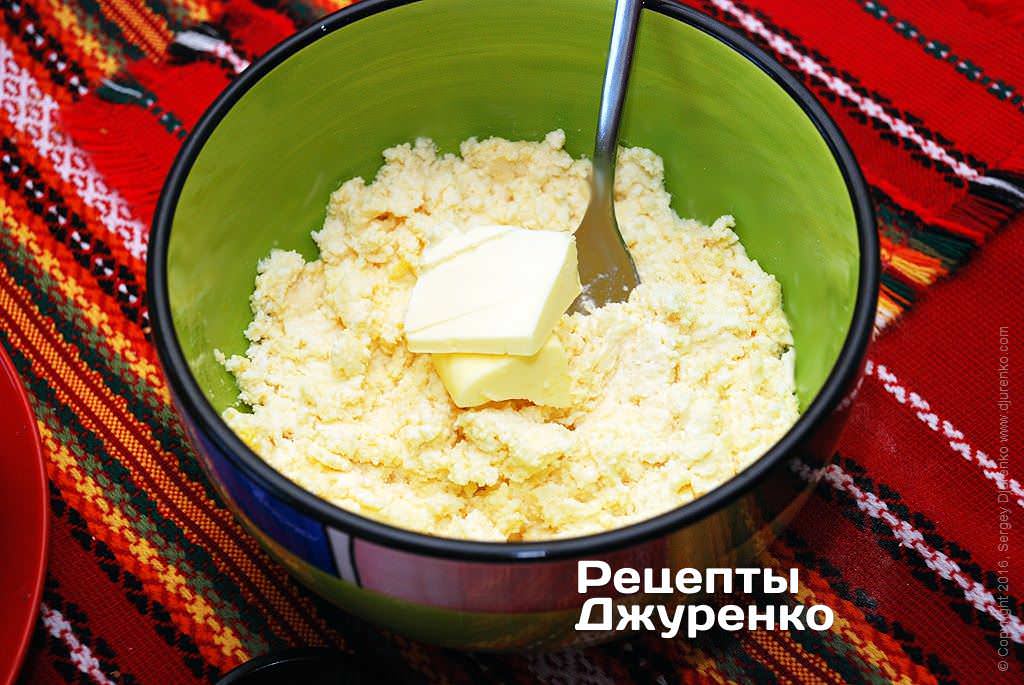
- Crumble the cheese with your hands or grate it. Add one egg and some salt, then mash thoroughly with a fork until smooth.
- Be sure to add 1-2 tbsp soft butter, then mash with the fork again until smooth. Ideally, you should end up with roughly equal amounts of dough and filling.
- Take the dough out of the fridge and divide it into pieces the size of a small apple. Too much dough is not great, but don’t forget that khachapuri is bread!

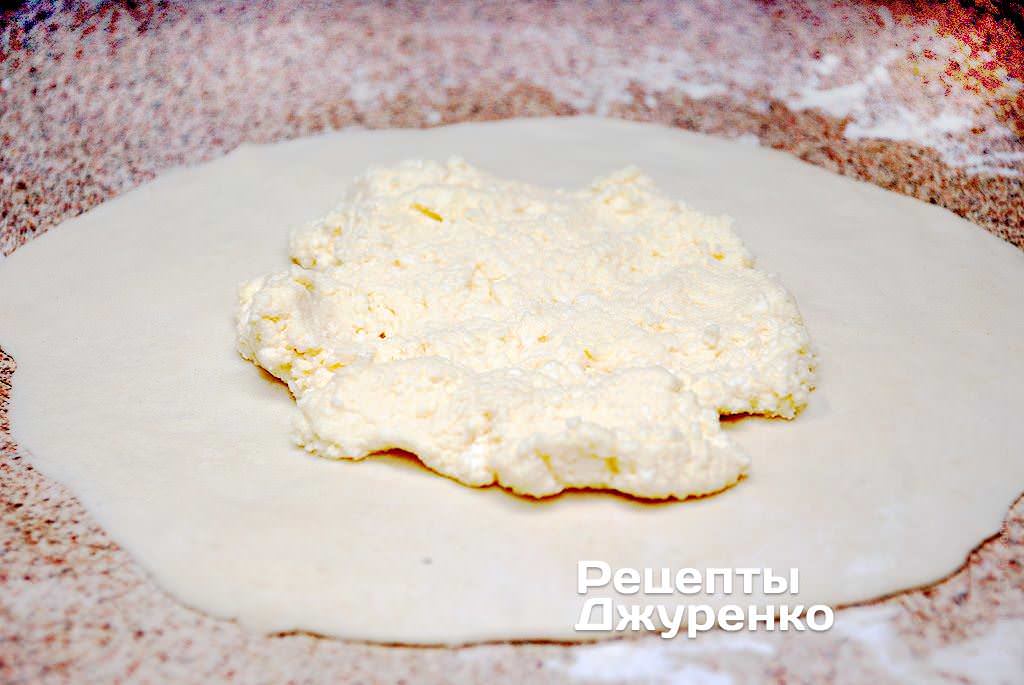
- On a floured work surface, roll out or stretch each piece into a very thin round, no more than 0.5 cm thick.
- Put the filling in the middle and spread it out so it covers the centre of the round.
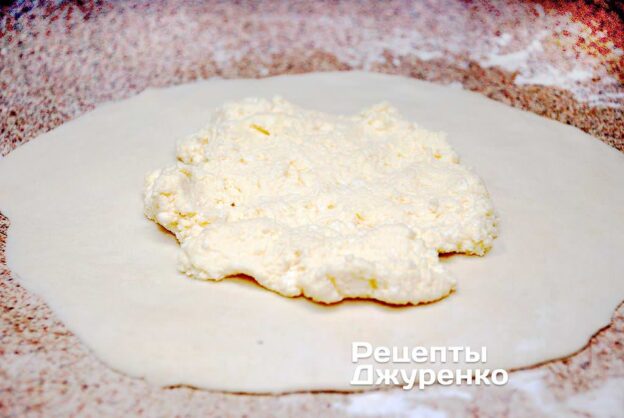
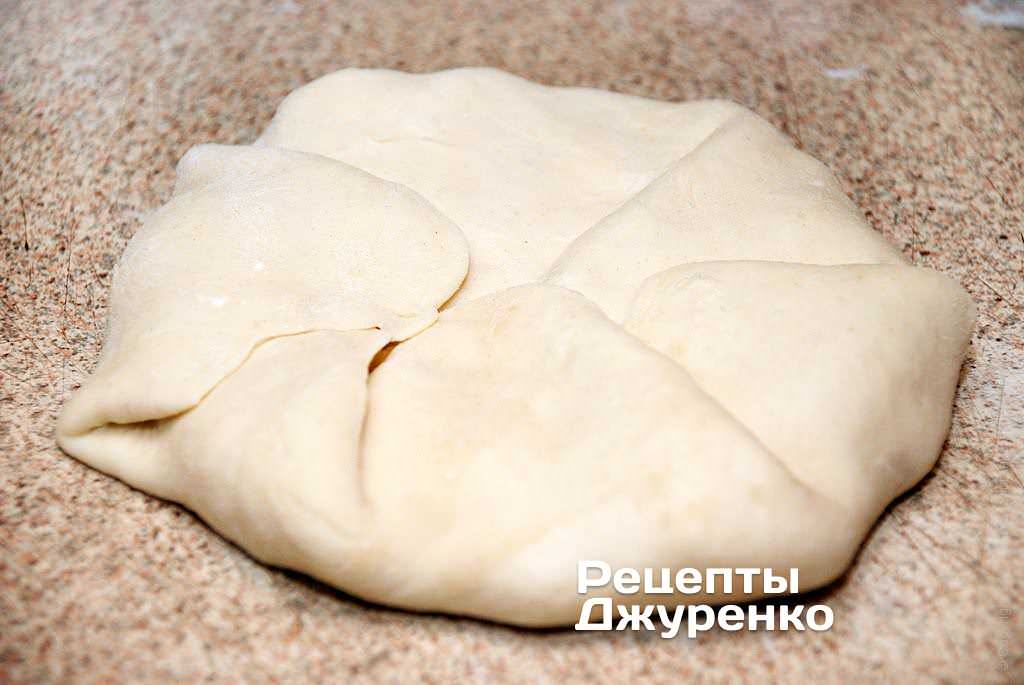
- Fold the edges over the filling like an envelope.
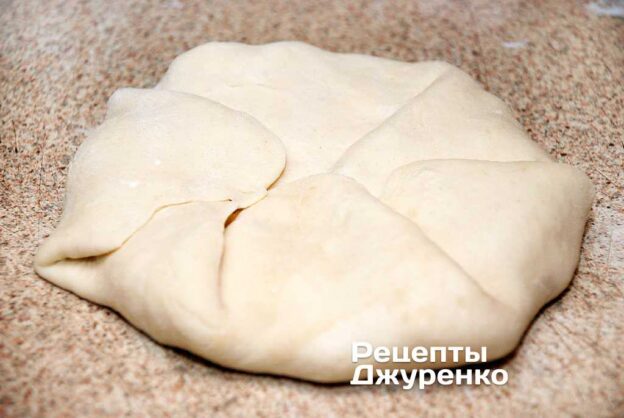
- From here on you can improvise. If you want square khachapuri, fold it into a square; for round ones, tuck the edges in all the way around. And so on.
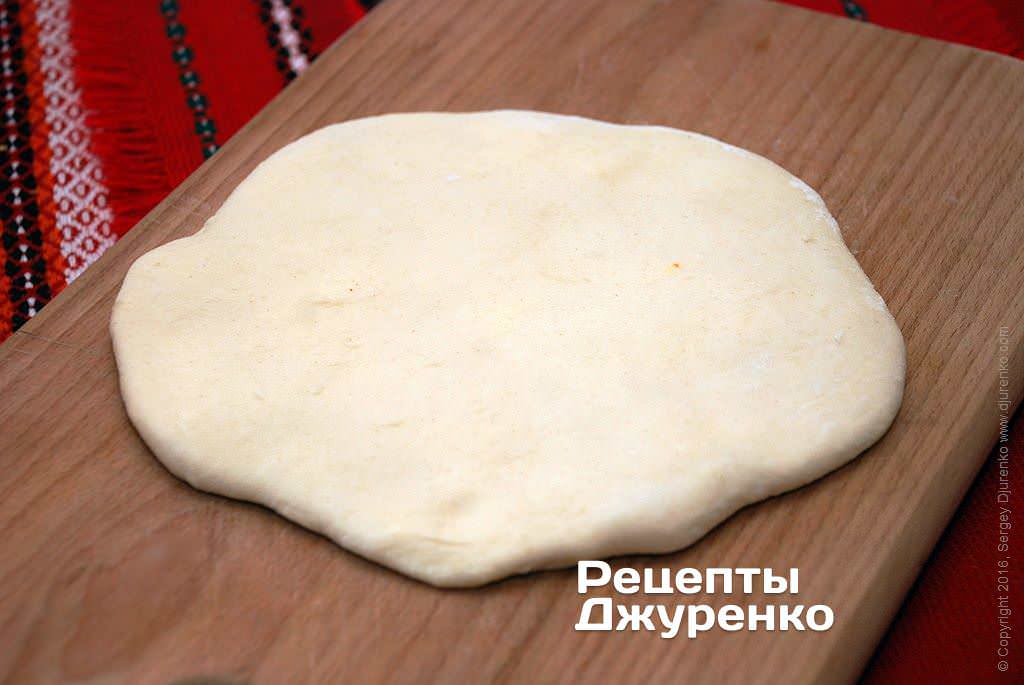
- Roll it out again with a rolling pin or your hands into a filled flatbread, as thick as you like. Dust the khachapuri lightly with flour and set it on a plate. You can bake them in an oven, but it is quicker and easier to cook them in a frying pan. The pan takes one at a time, so while one is cooking you can shape the next.
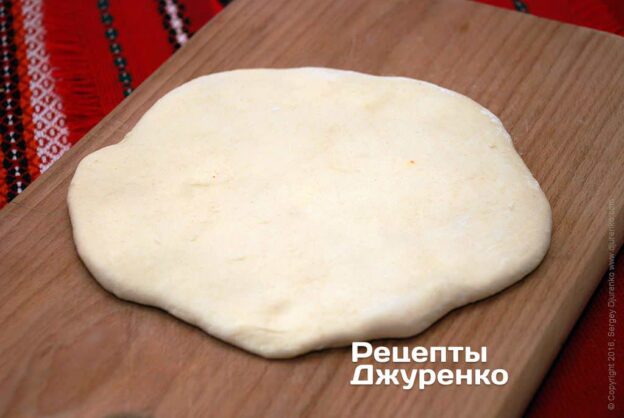
- One more important point: don’t make the flatbreads bigger than your frying pan.
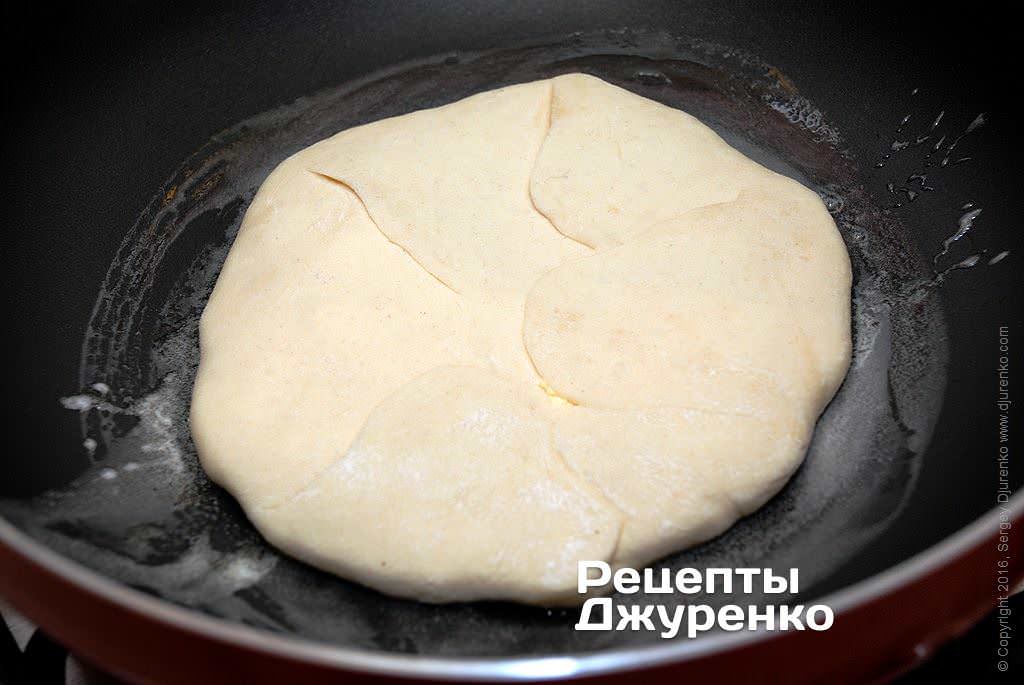
- You can cook the flatbreads in a hot dry pan, but since they get buttered afterwards anyway, I see no point in risking them burning. Put a little butter in the pan, just 20-25 g.
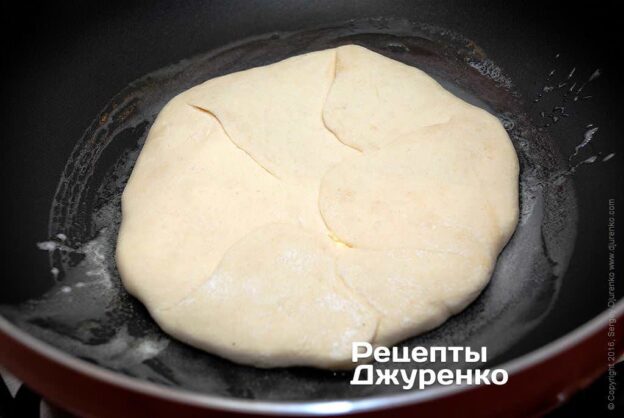
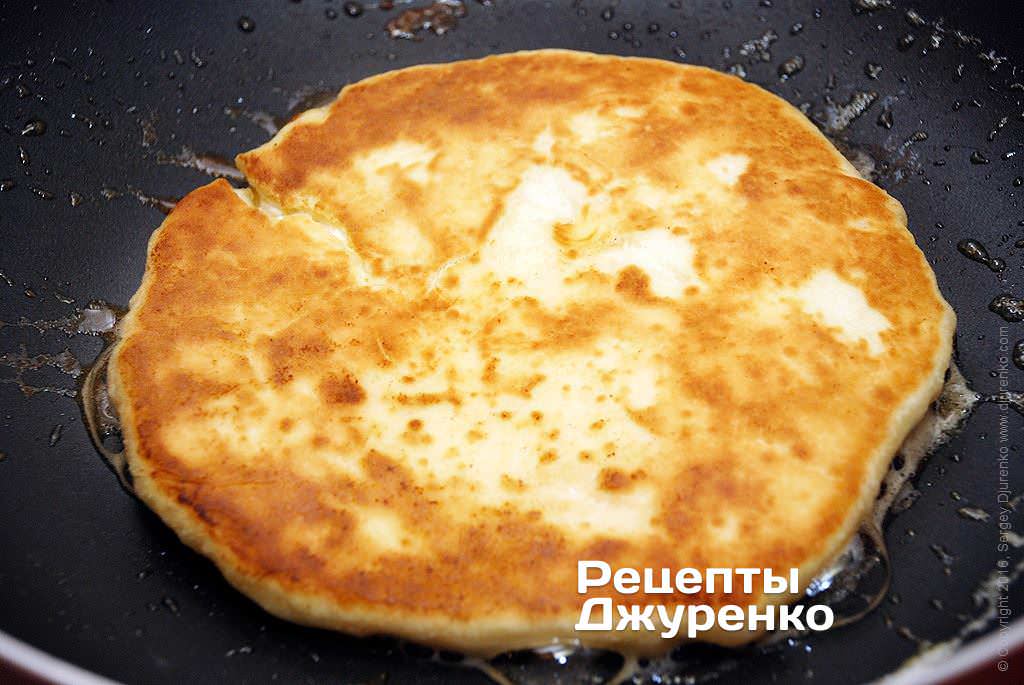
- As soon as the butter melts, put a cheese flatbread in the pan and cook over medium heat until golden – a few minutes. Then flip it, turn the heat down, cover with a lid and cook until done. The dough is thin, so this doesn’t take long – 5-6 minutes at most.
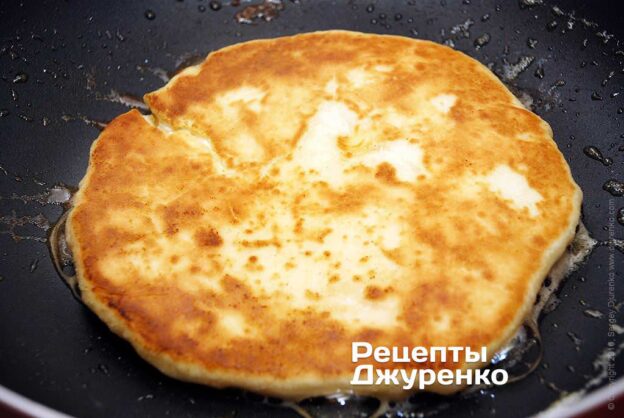
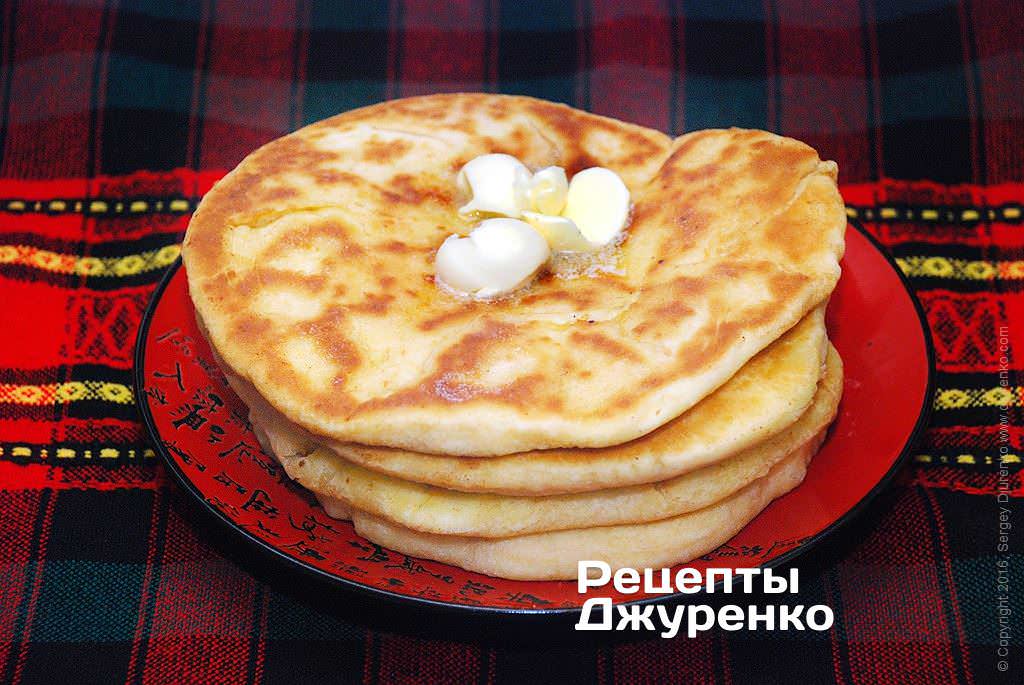
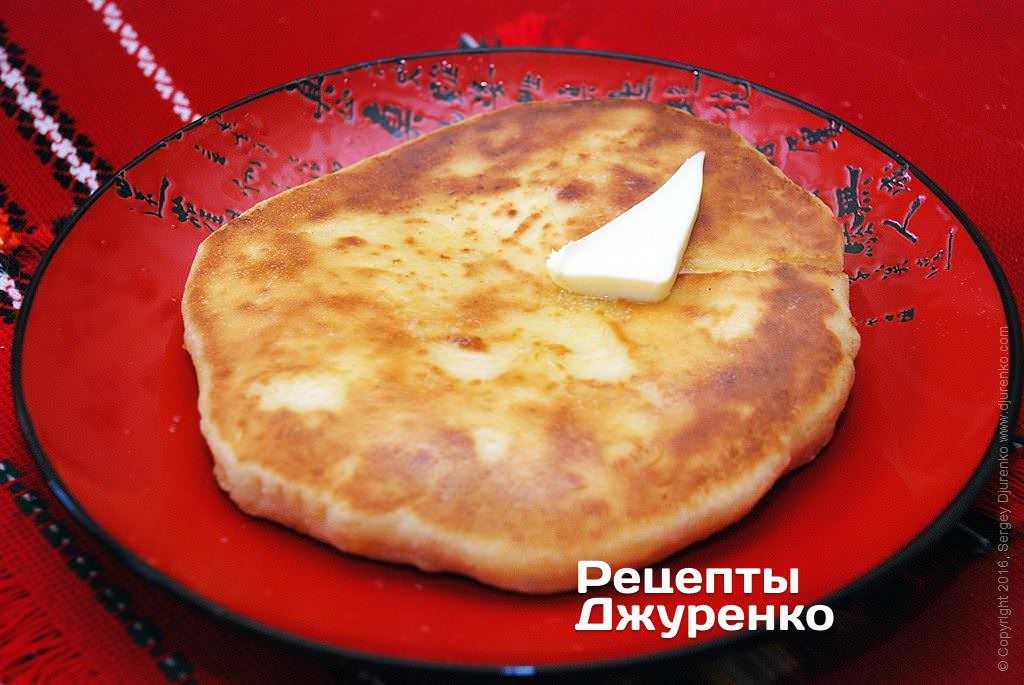
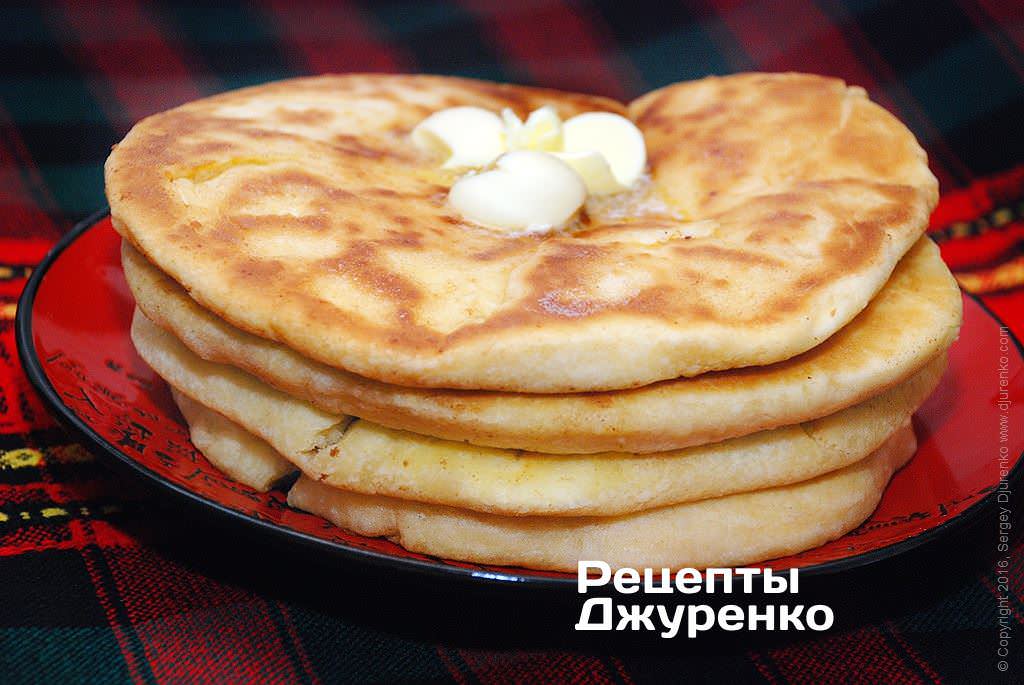
- Transfer the cooked flatbreads to a large plate and top with a few small pieces of softened butter.
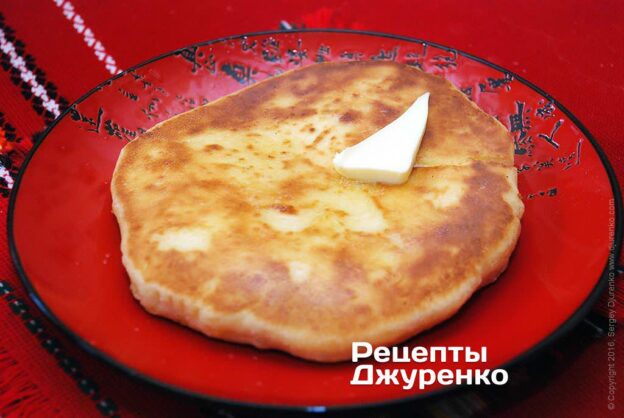
- The heat of the flatbreads will melt the butter. And by the way, you can never have too much butter.
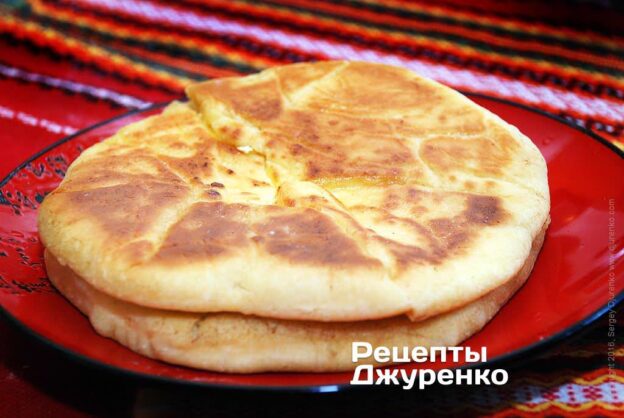
- As soon as one flatbread comes off the pan, you can start cooking the next.
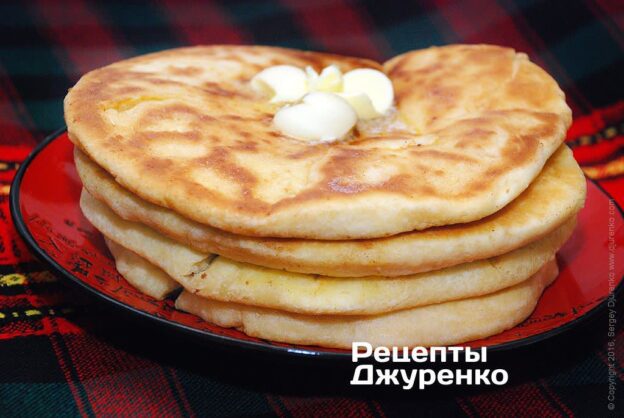
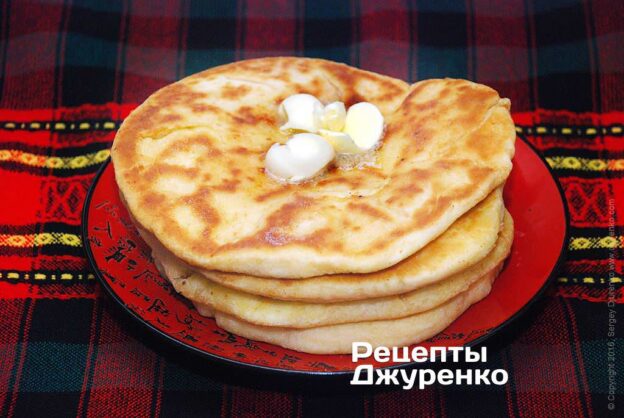
- Stack the finished khachapuri, making sure to butter each one.
| Serves: | 4 servings |
| Calories: | 280 |
| Prep: | 1 h 30 mins |
| Cook: | 30 mins |
| Total: | 2 h |
| Category: | Baking |
| Cuisine: | Caucasian cuisine |
| Rating: |
⭐
⭐
⭐
⭐
⭐
4.4
(10)
|