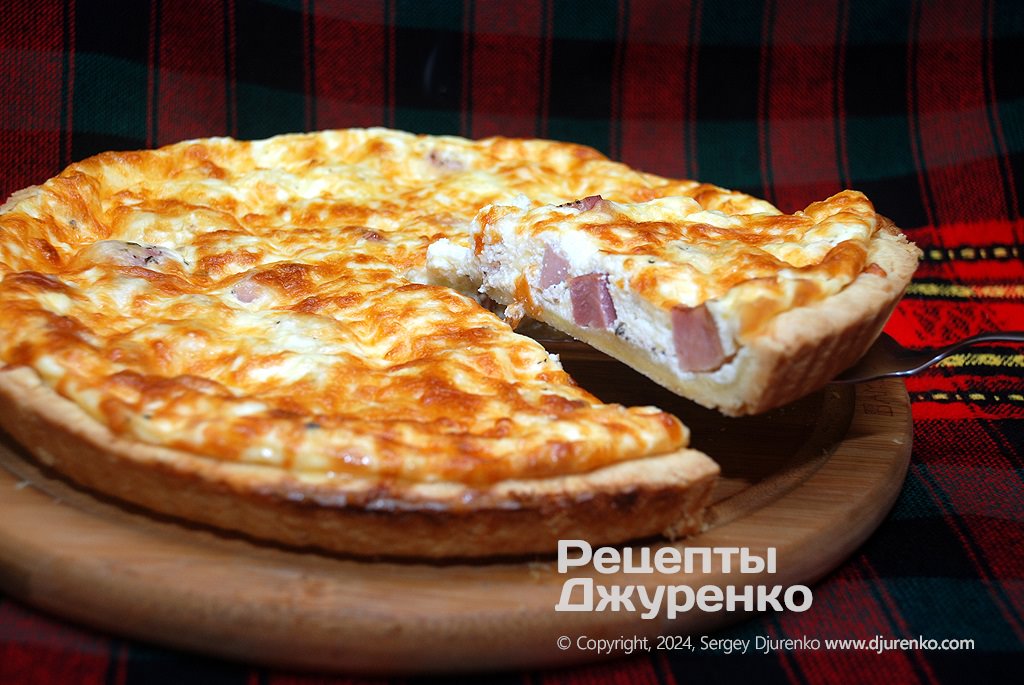
Quiche Lorraine Recipe with Bacon and Gruyère
Quiche Lorraine is a simple, delicious open-faced pie and a classic of French cuisine, even though the word itself comes from the German Kuchen, meaning “cake” or “pie”. Literally, it is the pie from Lorraine. The dish as we cook it today became known more than 100 years ago, and the recipe has changed many times since. Purists say no cheese goes into the filling and that it is set with a custard. Even so, the most common version is filled with béchamel or thick cream and eggs, with Gruyère cheese and smoked pork belly (lardons).
The crust is usually shortcrust pastry, though puff pastry is not unusual either. Most often, smoked or lightly fried bacon is covered with a mixture of cream and eggs, sometimes with cheese added. Depending on taste and mood, people add onion, asparagus, or smoked fish instead of bacon, and plenty more – but then the dish is no longer considered classic and often goes by a name of its own. What matters is baking the custard until the surface has almost stopped “wobbling”. Get that right, and you have done everything correctly!
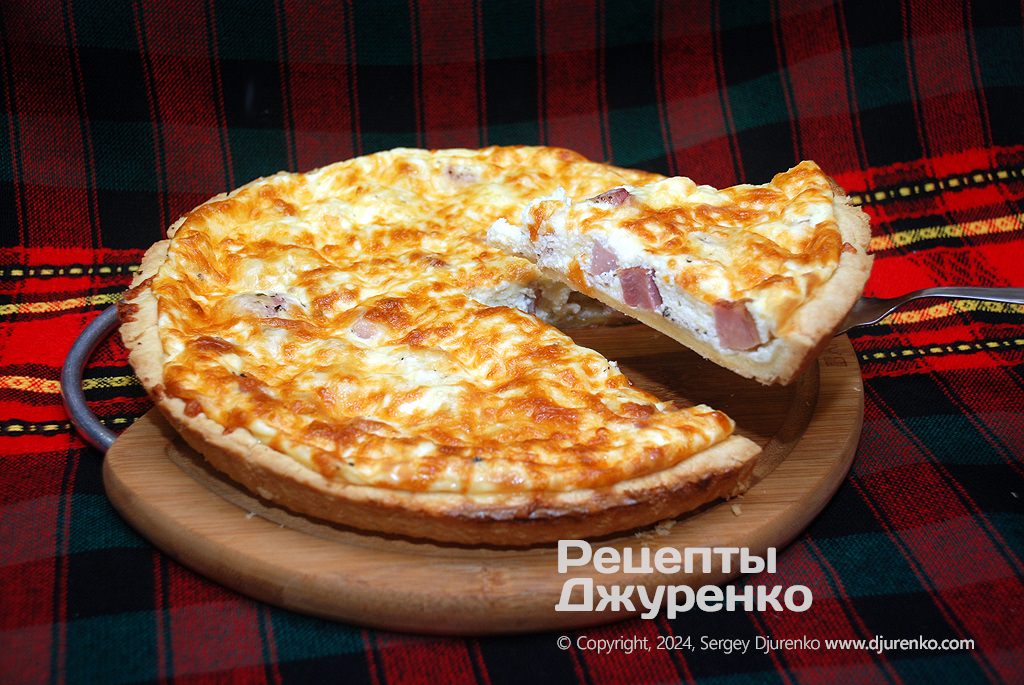

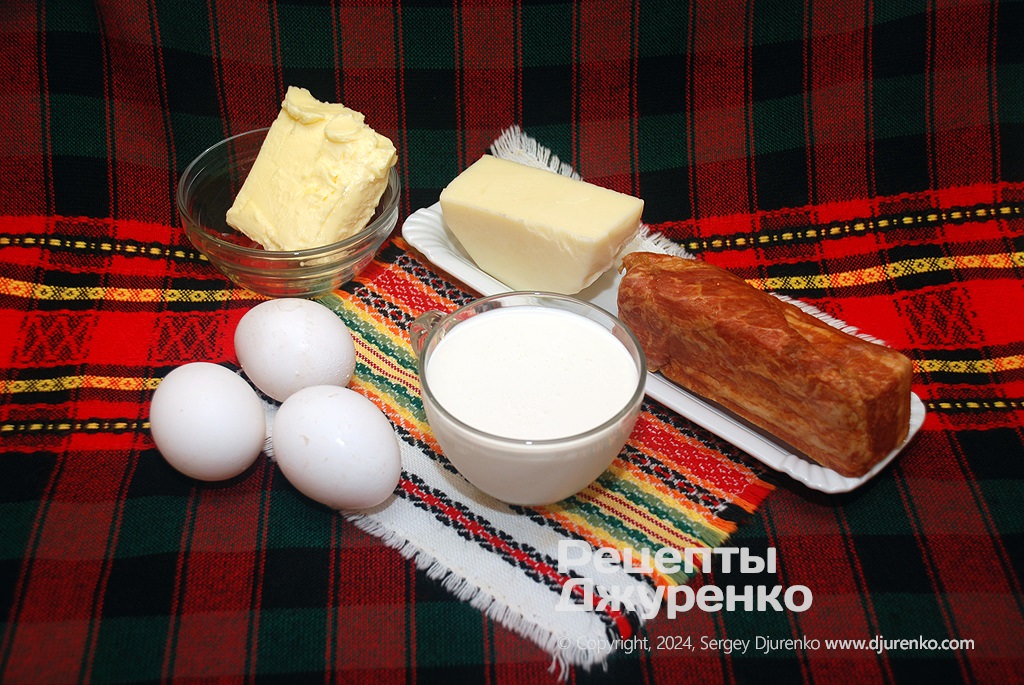
Ingredients
4 servings
- For the pastry
- All-purpose flour 2 cups
- Butter 100 g
- Egg yolk 2
- Salt pinch
- For the filling
- Cooked smoked pork belly 200 g
- Cream (30-33%) 200 ml
- Gruyère cheese (optional) 150 g
- Egg 1
- Egg white 2
- Salt, black pepper pinch
- Nutmeg optional
Step-by-step recipe
- Making quiche Lorraine at home is very easy. There are no exotic ingredients in either the pastry or the filling. The pie is filling and delicious. By and large, the method differs little from traditional recipes. We make the pastry with plenty of egg yolk so the shortcrust is less crumbly. For the filling we use cooked smoked pork belly, and less often bacon fried in a pan. We always add Gruyère cheese to the filling.
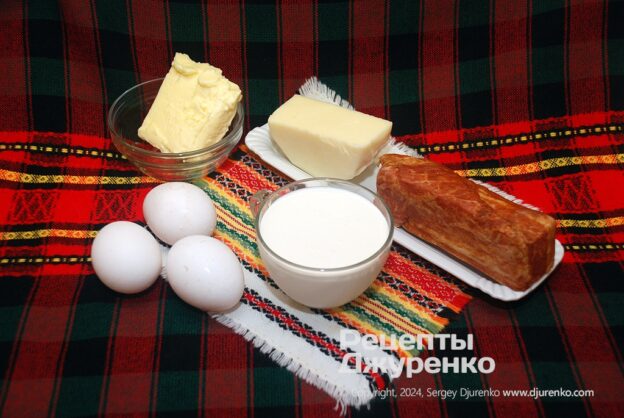
- Shortcrust pastry turns out firmer if you add a little water to it, or better yet, an egg yolk. The dish takes three eggs. One whole egg goes into the custard, and the other two are separated – the yolks go into the pastry and the whites into the custard. Sift 2 cups of all-purpose flour into a bowl, add a pinch of salt, the yolks and 100 g of butter softened at room temperature.
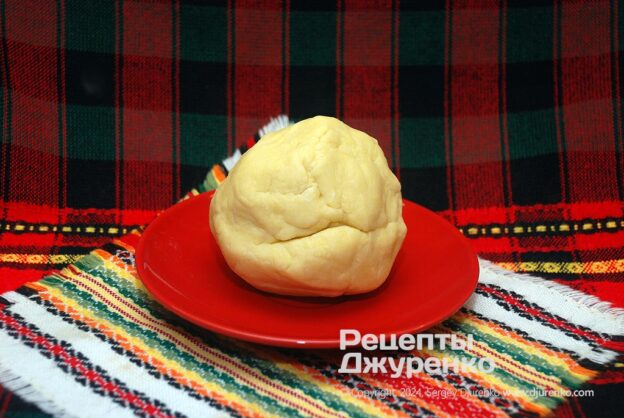
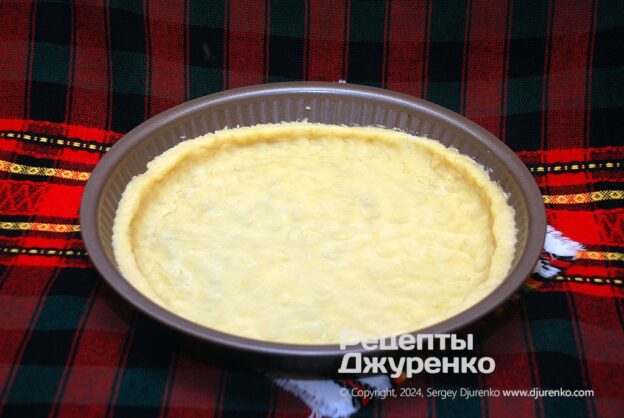
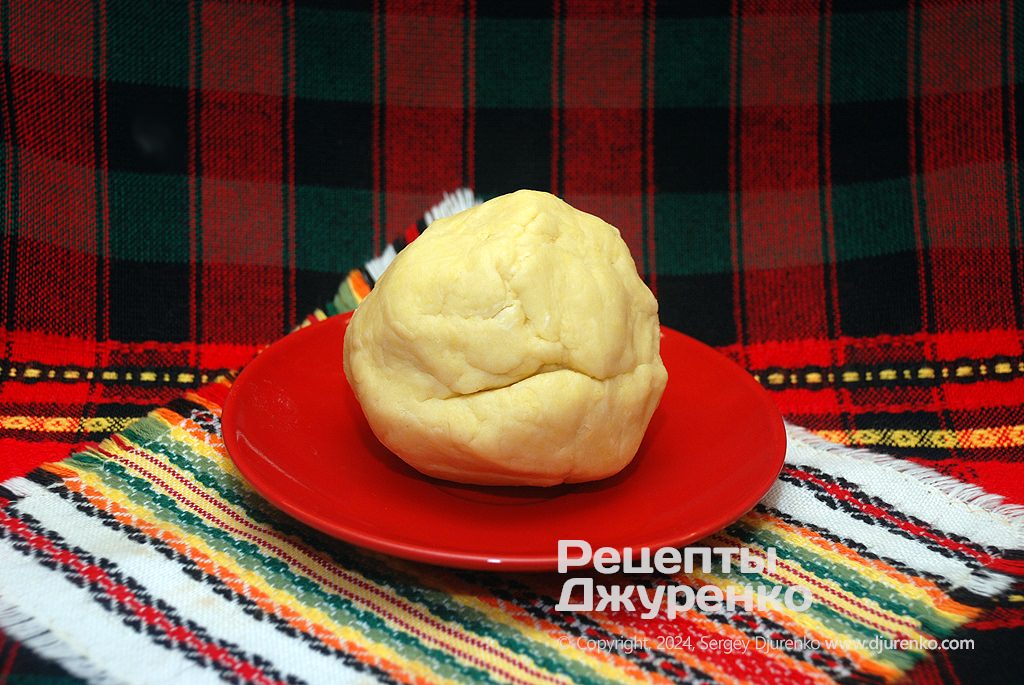
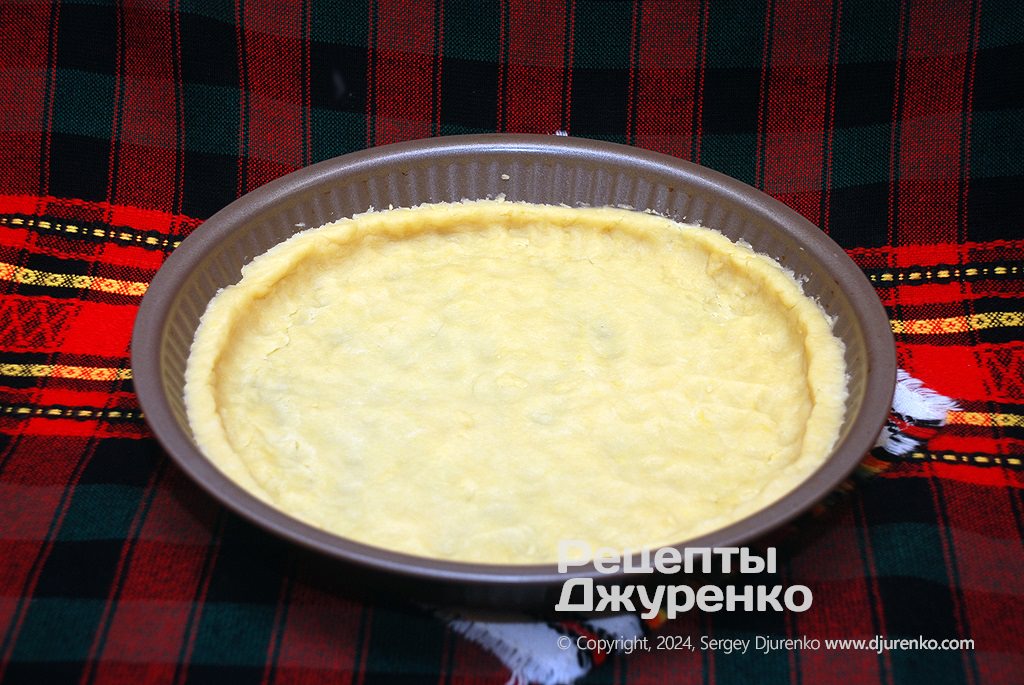
- Knead the dough by hand until it is completely uniform and “smooth”. There is no need to chill it – it should stay soft. Bake the quiche in a metal tin, preferably one with a removable base and high sides. A tin about 24 cm in diameter is right for this amount of dough. No need to grease it – there is enough fat in the pastry. Press the dough into the tin with your fingers, spreading it evenly over the base and sides and forming a rim about 3 cm high. If you like, give the pastry a fluted edge.
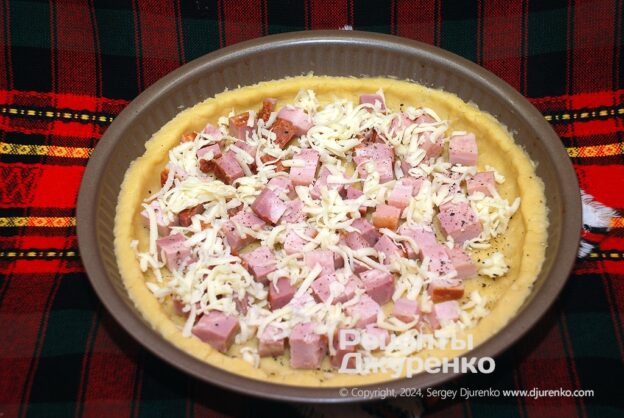
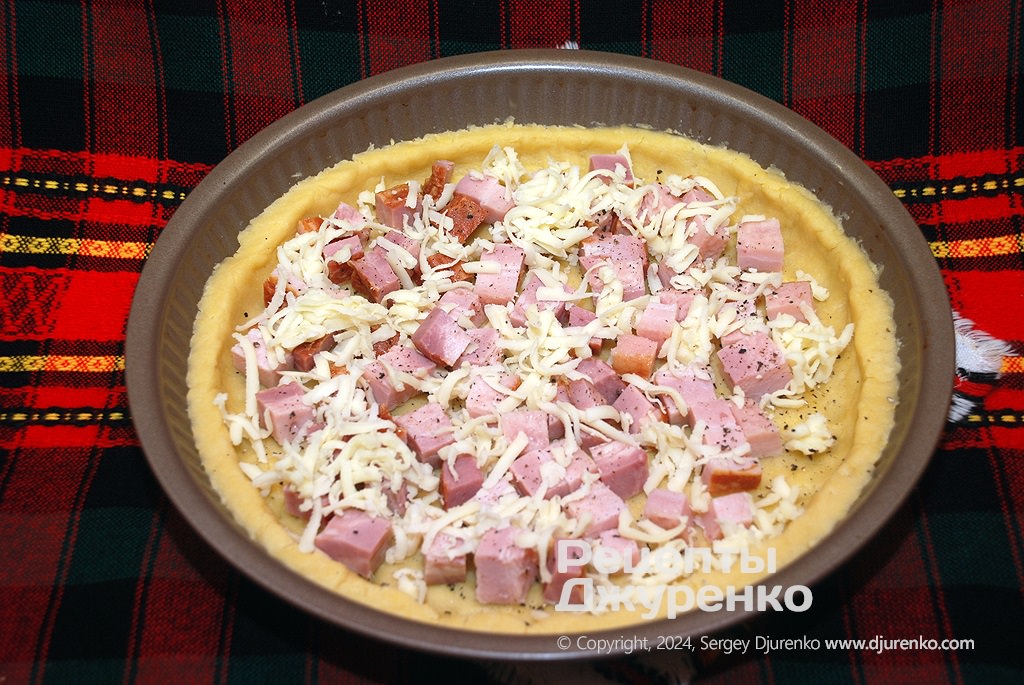
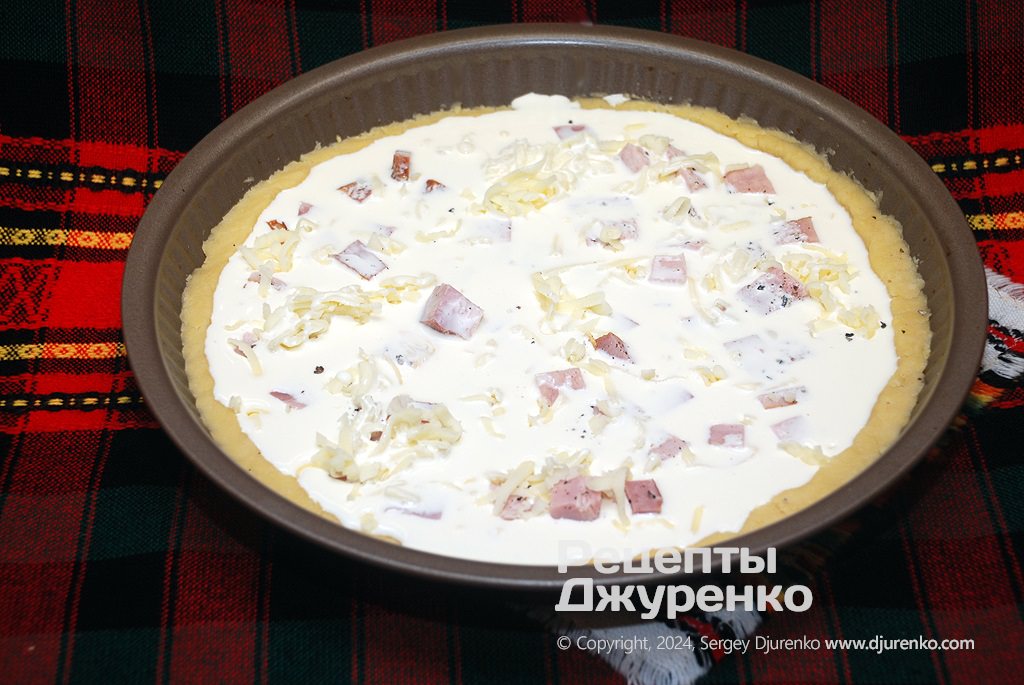
- If you are using raw or smoked bacon, cut it into large cubes and fry it in a dry pan. Cooked smoked pork belly does not need frying first: just dice it and spread it evenly over the pastry in the tin. I recommend sprinkling the bacon with coarsely grated Gruyère or Emmental – the quiche Lorraine will taste much better, even if it is not quite “classic”.
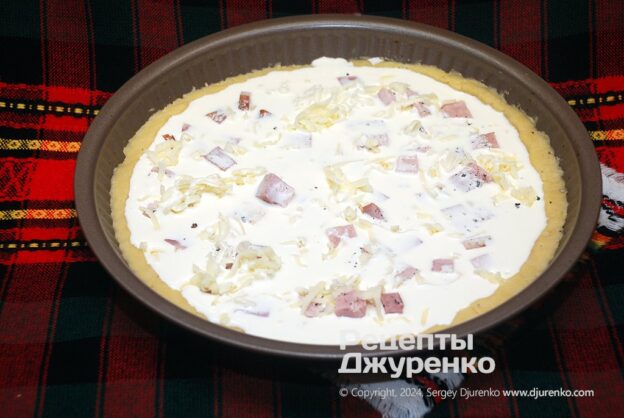
- In a deep bowl, mix one whole egg and the two whites left over from the pastry with a cup of thick cream, at least 30% fat. Original recipes use crème fraîche. Add a pinch of salt and, if you like, a pinch of nutmeg. Whisk the mixture with a fork until smooth. Season the bacon with black pepper and pour the egg and cream mixture over it. Pour it from edge to edge of the pastry, leaving no gaps.
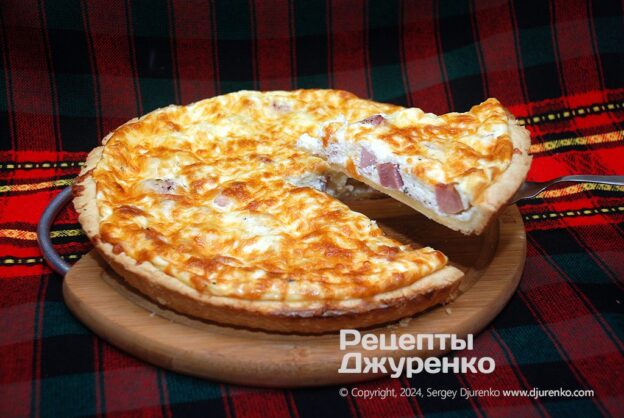
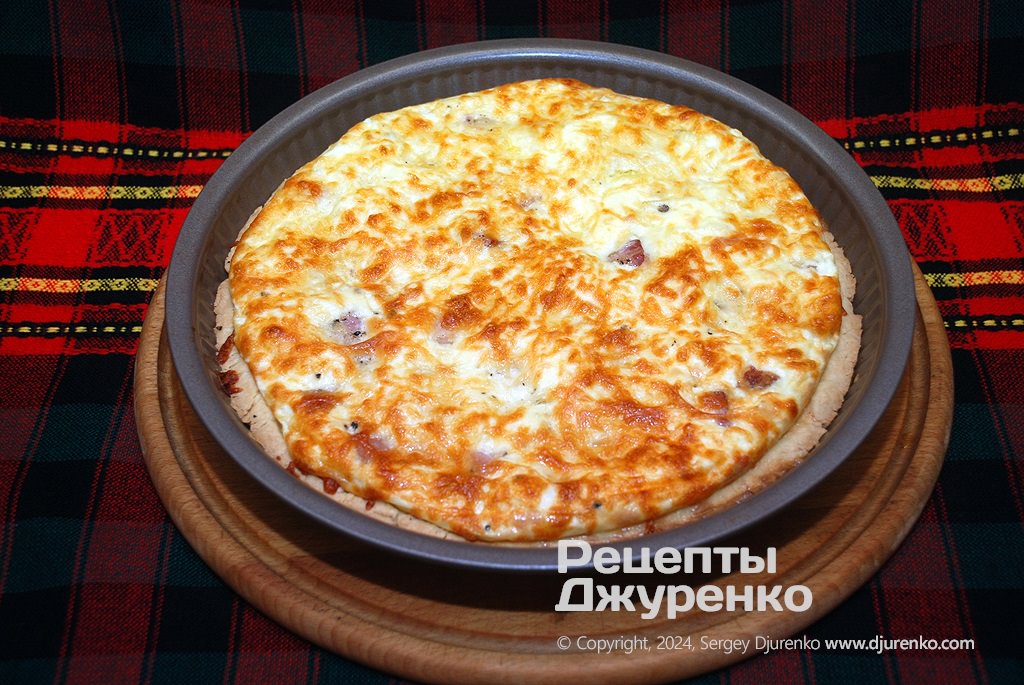
- Preheat the oven to 180°C and put the quiche in to bake. Baking usually takes 30-35 mins. Judge doneness by how browned the top of the custard is and by its “wobble”. At the very end, the surface should barely quiver – that means it is ready.

- Take the finished quiche out of the oven and transfer it to a board or a large flat plate. Sometimes the top is sprinkled with grated cheese before serving, but that is more the exception. The pie is served warm, cut into wedges like a pizza. The pastry is not crumbly but very tender, and you can eat it with your hands. A glass of wine usually goes well with it.
- To avoid pork belly, the filling can include prosciutto – the Italian version – or salmon, various vegetables and greens such as leeks, asparagus, sun-dried tomatoes and so on. Black pepper is considered a must, while nutmeg is optional, though it gives the filling a special flavor. By the way, some versions use béchamel sauce instead of the egg and cream custard, which slightly lowers the overall calorie count.
Yield: 4 servings Calories: 300 kcal per 100 g Prep: 15 mins Cook: 45 mins Ready in: 1 h Category: Baking Cuisine: French cuisine Rating: