
Homemade Rye Bread
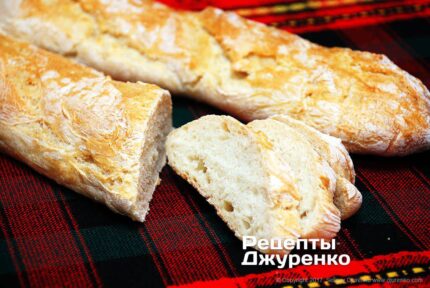


Ingredients
1 loaf
- Flour, premium wheat 2 cups (260 g)
- Flour, whole-grain rye 2.5 cups (315 g)
- Bread kvass 350 ml
- Instant dry yeast (11 g) 1 packet
- Salt 1 tsp (6 g)
- Sugar 2 tsp (9 g)
- Wine vinegar 1 tsp
- Vegetable oil 2 tbsp
- Barley coffee substitute 1 tbsp (optional)
- Flour for dusting a little
Step-by-step recipe
How to knead the dough
Sift all the flour. This is important.

Mix the wheat flour, salt, sugar and yeast thoroughly in a bowl. A mixer with spiral dough hooks is very handy for this. Even cheap mixers come with these attachments. We have some fancy mixer that not only stirs everything in the bowl but also rotates the bowl itself for even mixing. For a darker rye bread, you can add 1 tbsp of a barley coffee substitute to the dough, such as “Kolosok” or “Kurzeme”, if you can find it, of course. It used to be everywhere, especially when coffee disappeared from the shops in the early 1990s. Everyone drank barley coffee, without much pleasure, but they drank it.

Pour in the bread kvass, stirring constantly. If the kvass is very sweet, you can add a little wine vinegar. Make sure there are no lumps; if needed, use a spoon to crush them in the dough.

When the liquid dough is as smooth as it will get, pour in the vegetable oil, stir until smooth, then add the whole-grain rye flour.

Knead the dough by hand. From this point the mixer may not cope with the load, so it is better to keep mixing by hand. Gradually add the rye flour and knead the dough on a table dusted with the same flour. The dough should be uniform, smooth, very soft and hardly stick to your hands.


How to proof the dough
Let the dough rise the first time: roll it into a ball, put it in a bowl, cover with a clean cloth and leave in a warm place. The dough should rise and double in volume, or more. This usually takes 45 minutes, an hour at most.

Punch the dough down and let it rise fully: mix it a little to release the carbon dioxide, dust generously with rye flour and put it back in the bowl. It is best if the bowl is round. Cover the bowl with a cloth and let the dough rise again. Then knead it once more and let it rise fully.


How to bake the bread
Shape the loaf: preheat the oven to 220°C. Line a baking tray with baking paper and dust it with flour. Without touching the dough with your hands, turn the bowl over so the dough drops onto the paper. You get a beautiful round loaf. You can score the surface with a knife in a decorative pattern, very lightly, literally just scratching it, or leave it as it is. During baking any unevenness on the surface will open up or crack. It is also worth dusting the loaf lightly with flour.

Many people prefer a shiny, smooth crust; for that they smooth the surface with wet hands or brush it with a glaze. I like bread with a slightly cracked surface and a light dusting of flour, as I remember it from childhood.
Bake the bread: put the tray into the oven right away and immediately lower the temperature to 200°C. Don’t touch, check or fuss over the bread while it bakes. At 200°C bake it for exactly 20 minutes. Then lower the temperature to 180°C and bake for another 30 minutes. The bread is done when the crust is golden brown.
Take the bread out and let it cool completely. Hot bread won’t slice properly, it just squashes, and eating hot bread isn’t really good for you anyway.


Serving
Slice the bread with a serrated knife: that keeps the crust crisp and the loaf in shape. The bread is wonderfully tasty. On this day my family cooks nothing else, only fresh rye bread. And kvass or tea. True, people spread all sorts of things on it: cherry jam, sauces, or they make sandwiches. But still, nothing beats simply fresh bread.


Calories and macros
284 kcal
100 g
- Protein7.7 g12% of kcal
- Fat4.1 g14% of kcal
- Carbs48.7 g74% of kcal
Calculated from the recipe ingredients, excluding salt and spices. Data: USDA and Matvaretabellen.