
Shrimp Spring Rolls in Rice Paper
In many restaurants and cafes across Europe that “specialize” in Southeast Asian food, you can order spring rolls. It’s an appetizer, though often it’s the only thing people order. They are usually small rolls with fillings wrapped in rice paper. They’re always different, but always delicious.
The most common version is fried in oil. But I prefer fresh rolls, where the rice paper is simply soaked in water. The appetizer comes from the Vietnamese dish called nem. On the outside they hardly differ from the European “spring” rolls and many other rolls, which are often variations of Chinese or Japanese dishes. Though in Vietnam, depending on the region and tradition, they follow fairly consistent recipes.
Most often these are small fried “cabbage rolls” that use rice paper instead of cabbage or grape leaves. This version is called nem rán. If the rolls aren’t fried but served fresh, they are called nem cuốn. There are also braised, fermented and grilled ones. And the fillings can contain anything at all, even pig’s ears, snails and animal skin. As my grandmother used to say, it’s better not to know what it’s made of.
The most interesting ingredient of nem and spring rolls is rice paper. It turns out I had never paid attention to it, although it is sold in most supermarkets. It only looks like paper. It is made from rice flour, sometimes tapioca starch, with salt and water added. You can buy round or rectangular sheets, which are very brittle and hard. After a brief soak the paper becomes soft and pliable.
Although many people prefer a meat filling, I like seafood better. In the simplest version it’s just shrimp. When my daughter and I make rolls, we add boiled rice noodles and vegetables to the filling. Of the easily available vegetables we prefer young carrots and cucumbers. Plus green onions and mint leaves, which improve the flavor, and the taste of mint is always fresh, hence the “spring” rolls. As for the sauces, we make them slightly spicy and distinctly sour.
A homemade appetizer: a vegetable and rice noodle filling with shrimp wrapped in rice paper.


Ingredients
10 rolls
- For the rolls
- Rice paper 10 sheets
- Shrimp, peeled 100 g
- Cucumber 2
- Carrot 1
- Rice noodles 100 g
- Green onions, mint, basil to taste
- For the sauce
- Chili pepper 1
- Cucumber a few slices
- Garlic 1 clove
- Brown sugar ½ tsp
(2 g) - Soy sauce 1 tsp
- Rice vinegar to taste
- For serving
- Lime, mint to taste
- Peanut sauce optional
Step-by-step recipe
Noodles and sauce
In European cafes spring rolls come in great variety. There are no strict rules, although each cook sticks to their own method and recipe. I’ll put it this way: it’s always tasty. I remember in San Francisco, at a Vietnamese cafe at lunchtime, we had rice with a cutlet, and on the plate as a side there were two nem, vegetable ones wrapped in a leaf and lightly pickled. In European cafes we usually came across fried rolls with a meat filling.
Cook the rice noodles in advance. It’s best to choose hair-thin noodles that look like capellini, made in China or Japan. They’re easy to find in big stores. They’re great for Asian main dishes, pho soup and so on. Boil them in plain water until done; the cooking time is on the package.

Rinse the noodles with cold water and let all the water drain.

Make the dipping sauce for the spring rolls in advance. In a bowl or large cup, put a chili pepper cut into rings with the seeds removed, some sliced cucumber and a clove of garlic.
Add ½ tsp brown sugar (2 g) and 1 tsp soy sauce, and thin everything with rice vinegar. The amount of vinegar is up to you, but the sauce should be distinctly sour.

Another very tasty sauce is ginger and garlic put through a press, a little sugar and soy sauce.


The filling
All the filling ingredients need to be ready and cut in advance, because wet rice paper is very delicate and everything has to be wrapped quickly.
Peel the cucumber and carrot and cut them into long thin strips. You can use a gadget, but it’s easier with a chef’s knife.
Thaw the shrimp and let the water drain.
Cut the green onion stalks into long strips, and tear all the herbs coarsely with your fingers.


Rolling
Prepare a large bowl and fill it with warm water. It’s best to take a bowl big enough for a whole sheet of rice paper to fit in it, so it’s less likely to stick or fold.
Dip a sheet of rice paper in the warm water for 3–5 secs and immediately lay it on a wet plate or table.
Place the shrimp, the cucumber and carrot strips, and the green onion near the edge of the rice paper.

Put the cooked, cold rice noodles on top. Add torn pieces of mint and basil. We don’t use any spices or sauces here.
By the way, depending on the size and shape of the rice paper, you can get spring rolls of different looks and sizes. We bought round paper 20 cm in diameter, so we decided to wrap the rolls like small cabbage rolls or dolma with closed ends.

Now the important part: with wet hands, fold in the edges of the rice paper and roll it up so the filling ends up inside. You can try to make it an even cylinder, though that isn’t essential. Wet rice paper is elastic and stretches, so roll it tightly. But be careful, it tears.
If the rice paper is big enough, you can roll the rolls long and cut them into pieces, so the filling shows at the cut end.

The homemade fresh spring rolls are ready. They need no cooking at all. The fried version means additionally frying them in oil in a pan, which makes the rice paper crispy. But the filling gets heated too, which suits meat fillings better.


Serving
Serve the spring rolls in portions or on a shared platter, arranging them so they don’t touch each other, since wet rice paper can stick together.
Add mint leaves and lime wedges to the dish. Serve the sauce in a separate bowl, set right on the plate.

As an extra sauce we make a peanut sauce, the same as for chicken curry satay. It’s a tasty, filling sauce that goes perfectly with the rolls.
At the table just pick up the spring rolls with your hands, or with chopsticks if you can use them, dip them in the sauce and take a bite.

Calories and macros
275 kcal
Serving ≈ 280 g
- Protein10 g14% of kcal
- Fat1 g3% of kcal
- Carbs55 g83% of kcal
100 g98 kcalProtein 3.4 gFat 0.3 gCarbs 19.8 g
Calculated from the recipe ingredients, excluding salt and spices. Data: USDA and Matvaretabellen.
To Get It Right
Which rice paper to buy
Rice paper is made from rice flour, sometimes from tapioca starch, with salt and water. Most supermarkets sell it in round or rectangular sheets that are brittle and hard. The size and shape of the sheet decide what your rolls will look like.
The filling
- The simplest option is shrimp.
- More filling: with cooked rice noodles and vegetables such as young carrots, cucumbers and green onions.
- Mint leaves are a must: they keep the taste fresh.
- A meat filling suits fried rolls better.
If the shrimp are raw
The shrimp for the filling must be cooked: boil raw shrimp first and let them cool (see how to cook shrimp).
Have your own trick for this recipe?
 Bamboo sushi matAliExpress
 Pull chopper for garlic and onionAliExpress
 Oil sprayerAliExpress
 Kitchen scale up to 5 kgAliExpress
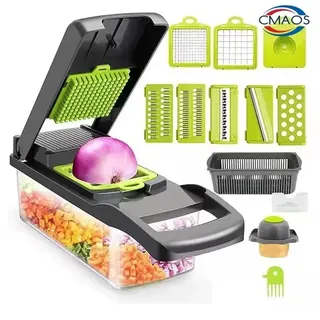 Vegetable chopper with handleAliExpress
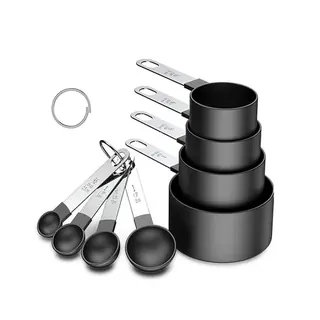 Measuring cups and spoonsAliExpress
Questions and answers
What can you make with rice paper?
Most often, rolls: fresh ones, where the paper is simply soaked in water as in this recipe, or fried in oil. In Vietnam they are also stewed, fermented and grilled, and the fillings can be almost anything.
Can you eat rice paper without cooking it?
Yes. It isn’t boiled or fried: just dip a sheet in warm water for 3–5 seconds and it becomes soft and elastic. Fresh spring rolls need no cooking at all.
What sauce goes with spring rolls?
A slightly hot, distinctly sour one: chili, cucumber and garlic with brown sugar, soy sauce and rice vinegar. Other options are ginger and garlic with sugar and soy sauce, or a peanut sauce like the one for satay.
How do you fry rice paper spring rolls?
Fry the rolled spring rolls in oil in a pan until the rice paper turns crispy. The filling heats up too, so a meat filling works better for fried rolls.
Can you make spring rolls ahead of time?
It’s best to roll them shortly before serving: wet rice paper dries out and sticks. If they have to wait, lay them out so they don’t touch each other and cover with a damp towel.