
Shrimp in Lemon and Wine Sauce
In my opinion, and it is purely my opinion, the right snack to go with beer is shrimp in sauce. The ideal is when a snack complements the flavor of the beer: not just doesn’t overpower it, but really complements it.
Shrimp (Caridea) are crustaceans with ten legs, or whatever it is they have. They seem to live almost everywhere, even in fresh water. They say shrimp can grow up to 35 cm long. I won’t lie, I have never seen one like that.
But I have seen some truly huge shrimp. Most often shrimp are cooked in the sea water where they are caught commercially, and then frozen. That is why shrimp in the store have that red-pink color. A live shrimp is actually olive-gray. In stores, shrimp are sorted by size. The package shows two numbers separated by a slash, for example 50/70. That means there are 50 to 70 shrimp per 1 kg. The most popular shrimp are up to 70 per 1 kg. They are the nicest to eat with beer, especially with shrimp sauce.
Usually shrimp are already cooked, so boiling them again at home, as many people do, makes no sense. Just put them in a bowl and pour boiling water from the kettle over them. In 10-12 minutes the shrimp will thaw and be ready to eat. Boiling them further will make them, like any other seafood, rubbery and tasteless.
Eating shrimp with beer just as they are is quite pleasant. But shrimp in sauce are even tastier. Not a tomato sauce, but a special one that suits seafood.
There are many such sauces. A sauce is generally considered a gravy or liquid seasoning for a dish. Sauces make dishes more filling and can whet the appetite. You can serve shrimp with a sauce and dip the peeled shrimp into it as you drink your beer. Or you can cook the shrimp in the sauce and let them simmer a little. That is the tastiest way.
Let’s make a snack of shrimp in sauce, braised with lemon and zest. It is a fantastic snack, tasty and filling.


Ingredients
1 serving
- Shrimp (large) 20
- Lemon 1
- Garlic 1-2 cloves
- Vegetable oil 3-4 tbsp
- Parsley 2-3 sprigs
- White wine 50 ml
- Spices: salt, black pepper, nutmeg, ginger to taste
Step-by-step recipe
Shrimp meat contains a huge amount of protein and trace elements. For example, shrimp have dozens of times more iodine than meat.
Shrimp are a treasure trove of protein and minerals. They have almost a hundred times more iodine than beef. However, it turns out that shrimp are a champion in cholesterol content, so keep that in mind.
Pour boiling water over the frozen shrimp and leave for 10-12 minutes to thaw. Then drain the water and set the shrimp aside.

Peel the garlic and crush the cloves with the flat of a knife blade. Heat the vegetable oil (half of the amount in the recipe) in a skillet and fry the garlic in it until lightly golden. Make sure the garlic does not burn, otherwise the shrimp in sauce will have an aftertaste. The garlic is there to flavor the oil so the shrimp turn out aromatic.

In the same oil, fry the thawed shrimp on both sides. Fry them very briefly. As soon as the shells start to turn slightly lighter, transfer the shrimp to a plate and cover with a paper napkin. Notice that the shrimp have absorbed all the oil and the skillet is almost dry.

Pour the remaining oil into the skillet. Fry very finely chopped onion in it, as fine as you can get it. Fry the onion for 10 mins over medium heat.

Finely grate the zest of half a lemon and add it to the fried onion. Squeeze 1 tsp of lemon juice over the onion and add finely chopped parsley. Simmer for 2-3 mins, stirring constantly.

Now the important part: pour in the dry white wine. Add salt, black pepper to taste, and a knife tip of ground nutmeg and ginger. If the wine is too dry, or you added too much lemon juice, add a little sugar.

Simmer for 5 mins under a lid over low heat.

In a cup, dissolve 1 tsp of flour (3 g) in 100 ml of water. Stir thoroughly so there are no lumps. Pour the diluted flour into the skillet in a thin stream, even through a strainer. Keep stirring so the flour does not clump, as it starts to thicken at once. How thick the sauce is is up to you.
The sauce should simmer gently for 4-5 mins, and it is best to stir it often and vigorously. It should be smooth and glossy, with the consistency of good thick sour cream.
Add the shrimp to the sauce, stir briefly so the sauce coats them completely, and simmer under a lid over the lowest heat. Do not cook the shrimp in sauce for long, 2-3 mins is enough.

Arrange the finished shrimp in sauce in a single layer on a large plate.

You can pour the remaining sauce over the shrimp, or serve it in a separate small sauce boat.

The shrimp in sauce should not be hot. Ideally they are warm and do not burn your fingers. Pour yourself a glass of ice-cold beer, pick up a shrimp and peel off the shell. Dip the meat in the sauce and enjoy.


Calories and macros
935 kcal
Serving ≈ 730 g
- Protein114 g48% of kcal
- Fat51 g49% of kcal
- Carbs7 g3% of kcal
100 g128 kcalProtein 15.6 gFat 7 gCarbs 1 g
Calculated from the recipe ingredients, excluding salt and spices. Data: USDA and Matvaretabellen.
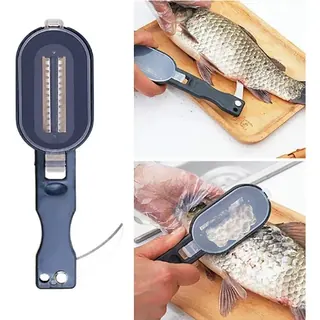 Fish scaler with lidAliExpress
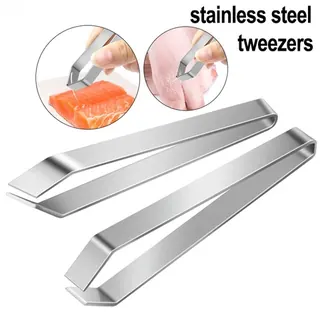 Fish bone tweezersAliExpress
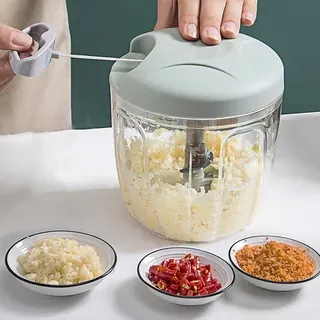 Pull chopper for garlic and onionAliExpress
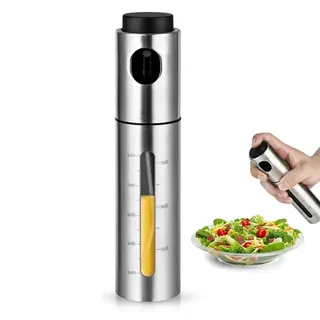 Oil sprayerAliExpress
 Kitchen scale up to 5 kgAliExpress
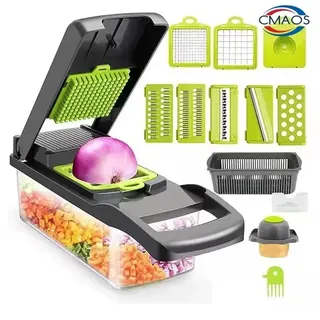 Vegetable chopper with handleAliExpress