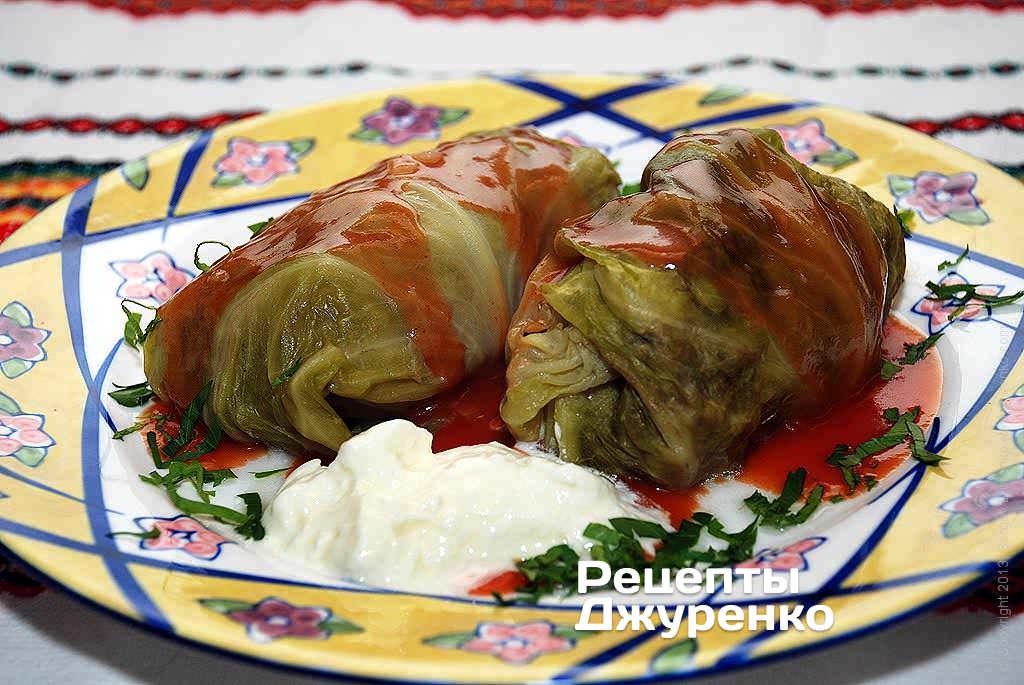
Classic Cabbage Rolls with Pork and Rice in Tomato Sauce
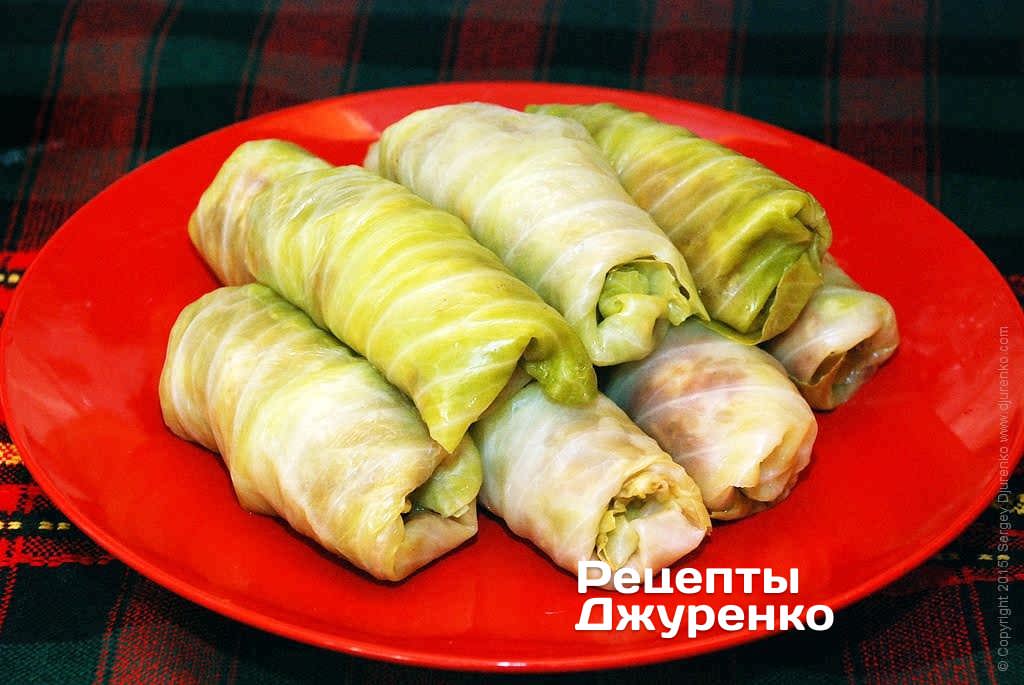
Cabbage rolls are a home-style dish everyone remembers from childhood. We make them with a filling of ground pork mixed with almost-cooked rice and spices, and quite often onion fried until soft goes in too. The filling is placed on cabbage leaves, or pieces of them, and wrapped into small parcels. After that, it's up to you: they can be simmered and stewed in a tomato or sour cream sauce, or fried in a pan with onion and carrot and a little tomato. The dish also turns out delicious if you bake the finished rolls in a wood-fired oven or a regular one.
Cabbage roll recipes may share much the same ingredients, yet they differ quite noticeably from region to region, and even two next-door neighbors usually make them their own way. Mostly the difference lies in the proportions of the filling. But many are convinced the main difference is size. At home we don't pay much attention to size, wrapping the filling in a small cabbage leaf, so we get small “parcels” about the size of a meat patty. Still, it's often said that the smaller they are, the better – or rather, the fancier!
Besides the traditional fillings, there are vegetable cabbage rolls, and instead of rice people use buckwheat, corn grits or millet. In the East there are related dishes where grape leaves replace the cabbage, lamb replaces the pork, and bulgur replaces the rice or buckwheat. Regional and national names include dolma, sarma and so on. There's also what is surely our own invention, lazy cabbage rolls: the prepared filling is mixed with shredded cabbage and shaped into large meatballs with a similar taste.
The dish is ancient, though the name itself is most likely fairly recent. Five centuries before our era, Aristophanes' comedy “The Acharnians” mentions a food that is pork wrapped in cabbage leaves. Back then cabbage heads weren't so hard; even in my childhood, people at the market asked for loose heads of cabbage whose leaves came off easily. These days the heads are usually hard as a rock. So before removing the leaves, the heads are blanched, or boiling water is poured inside.
How to make them without much fuss or time: cook the rice and prepare the filling in advance. Taking the leaves off the head becomes much easier if you do it under a strong stream from the tap. Once the rolls are shaped, they are simply simmered and stewed in the sauce.
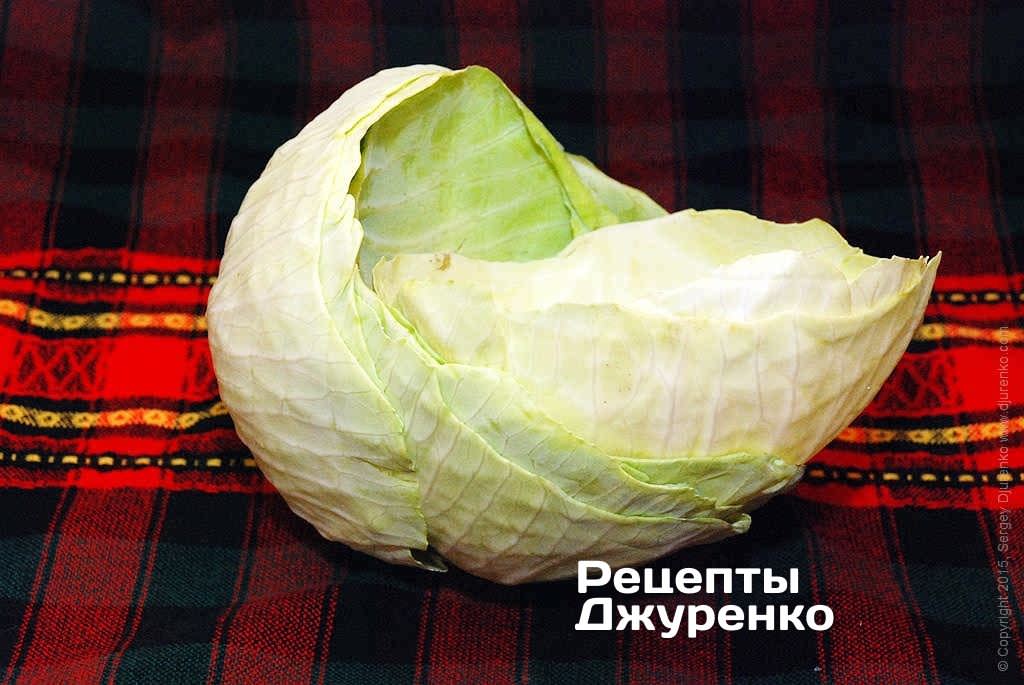
Before you start, you need to buy a head of cabbage. It's better if the head gives slightly when pressed with a finger – the leaves will come off more easily. Either way, the leaves need to sit in boiling water or be briefly boiled so they become soft. The meat and rice are simple to prepare, nothing complicated. You also need to decide which sauce to serve the dish with – there are plenty of options. And, importantly, you need inspiration.
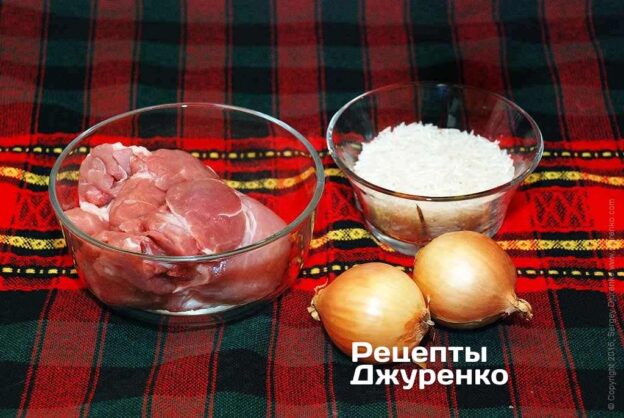
Ingredients
4 servings
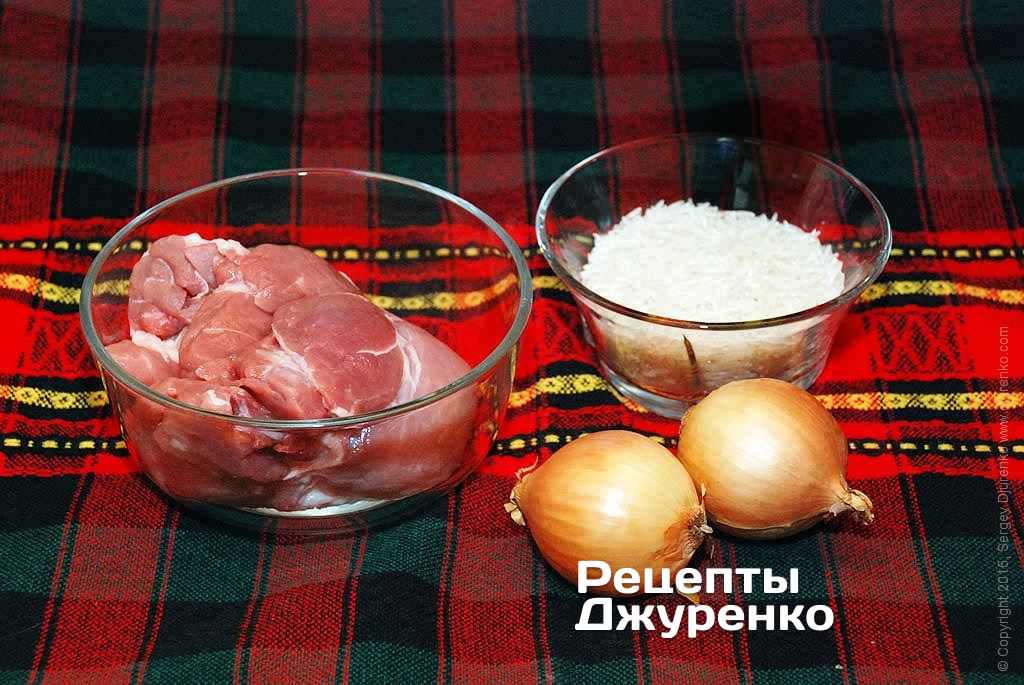
- Cabbage1 head
- Pork1 kg
- Rice (long-grain)200 g
- Onion2-3
- Sunflower oil50 ml
- Tomato paste2-3 tbsp
- All-purpose flouras needed
- Sugar, salt, coriander, black and red (hot and sweet) pepper, savoryto taste
- Sour cream, fresh dill and parsleyfor serving
Step-by-step recipe
- Making cabbage rolls is a creative process. The pork shouldn't be freshly slaughtered – it's tricky to cook. Shoulder or leg is ideal, or any other cut that isn't too fatty and has minimal connective tissue. Nowadays you can buy chilled pork that has never been frozen, so it loses less juice. The rice should be non-sticky – parboiled rice works well.
- If the head of cabbage doesn't feel very firm, just cut out the core with a knife to make a well. Pour boiling water from the kettle between the leaves – the cabbage will blanch slightly, and the leaves will soften and won't tear. Alternatively, you can spear the head on a large fork and dip it into boiling water. Gradually peel off the outer leaves until you have enough.
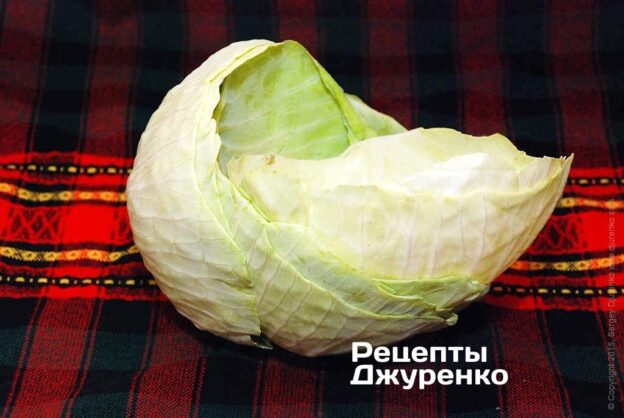
- I've already written about how to remove leaves from a head of cabbage with minimal effort: just cut the stem of the outer leaf away from the core with a knife and run a strong stream of tap water under the leaf. The leaf comes away easily. True, this method only works well if the leaves are smooth and without folds. After that, either blanch all the leaves or put them in a plastic bag and microwave them for a few minutes.
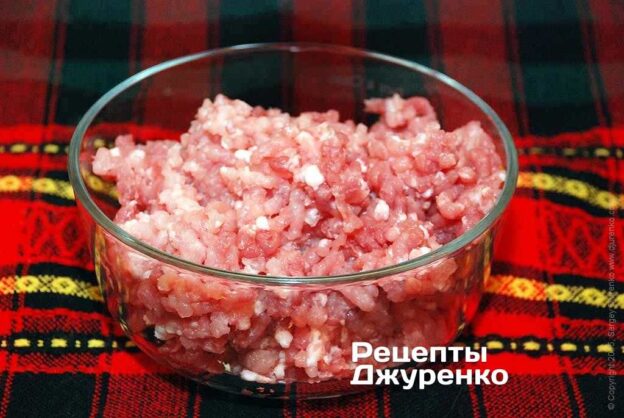
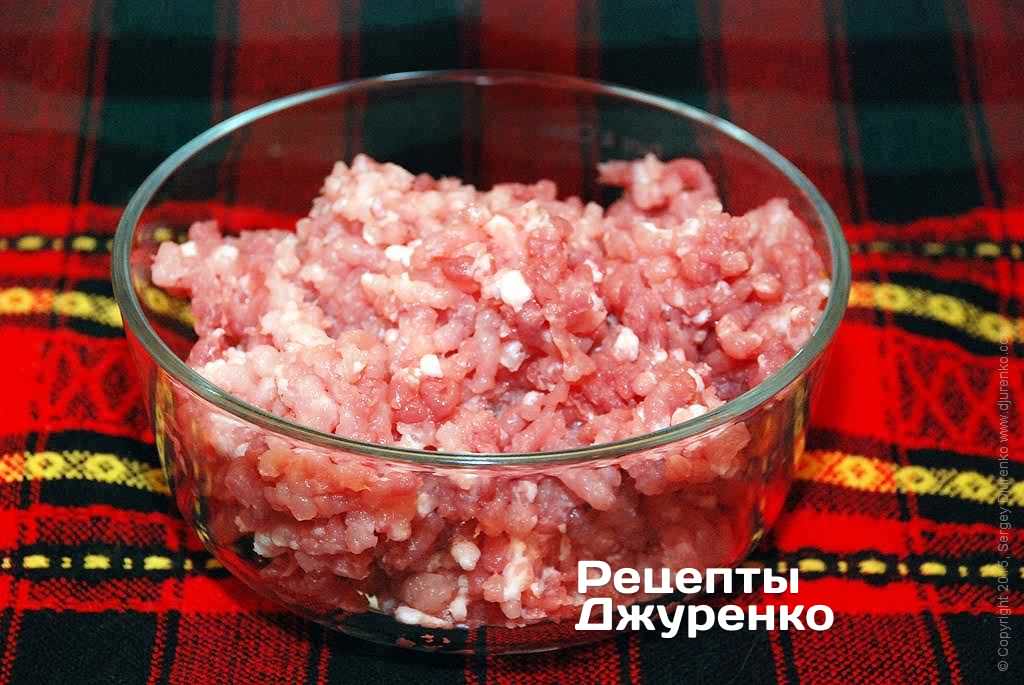
- Carefully trim the pork of any bones and membranes. It's also worth removing any large bits of fat – they aren't needed. Grind the meat in a meat grinder. When we cook, we usually try to make the ground meat “fine”, without large pieces, so you can grind the meat twice.
- Cook the rice until almost done. To avoid fussing over rice-to-water ratios, I suggest boiling the rice in plenty of unsalted water until the grains are soft with just a barely noticeable firmness in the very center. Italians call this al dente. Then drain the rice in a colander, rinse it and let the water drain off.
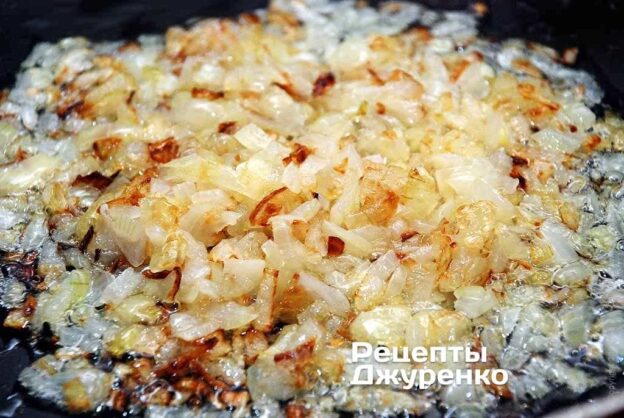
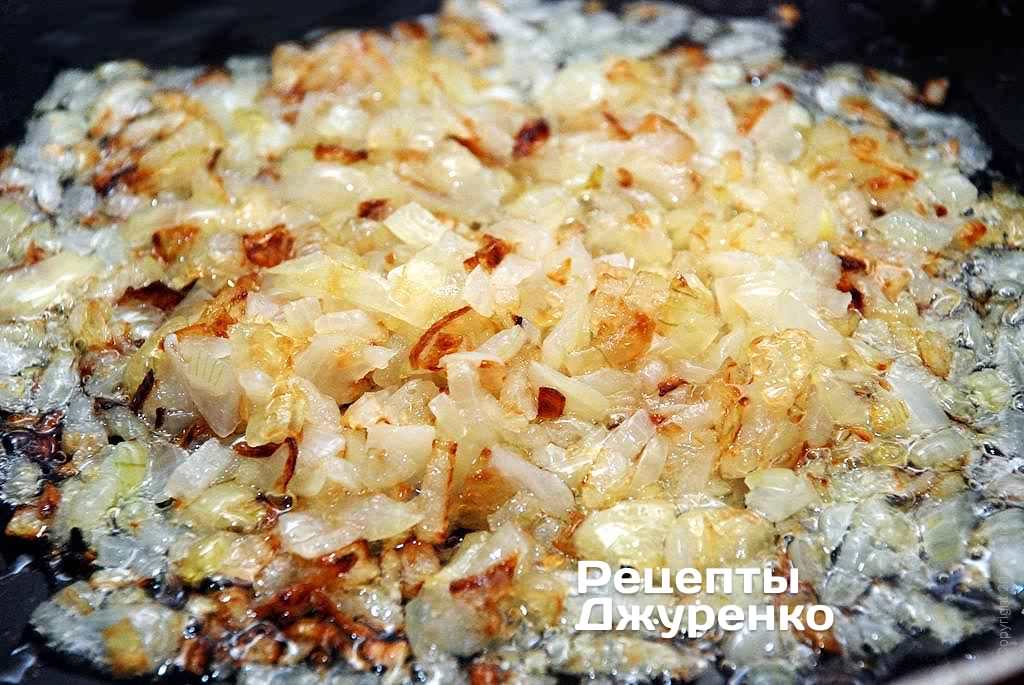
- When making the filling for cabbage rolls, people very often add a lot of onion, and it's delicious. Peel a few small onions. Finely chop them with a sharp knife. Heat sunflower oil in a sauté pan and fry the onion over medium heat to a nice golden color. To keep it from burning, stir the onion slowly.
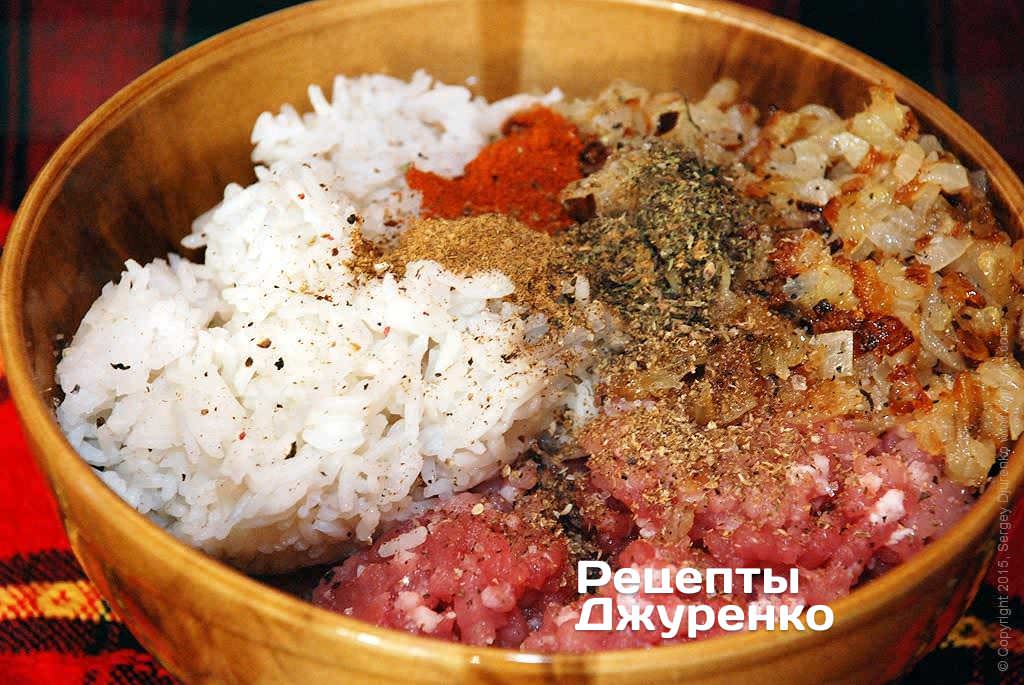
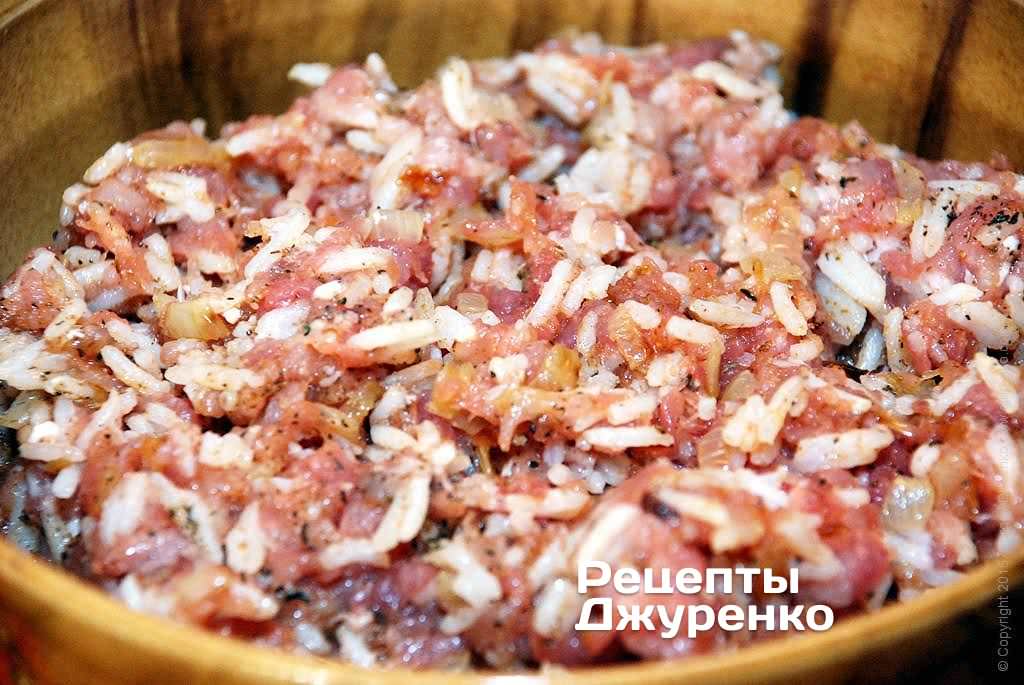
- In a large bowl, combine the ground pork, fried onion and drained cooked rice. Salt the mixture, even a little more than seems necessary, since the cabbage makes up a good part of the dish. Add ground black pepper to taste, 0.5 tsp each of ground coriander and ground sweet paprika, a pinch of hot red pepper and dried savory, rubbing it between your fingers.
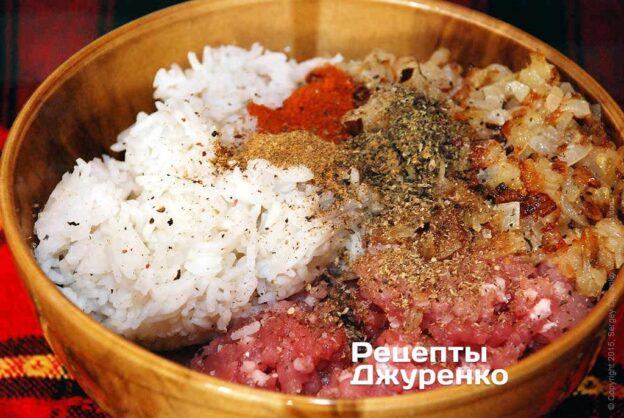
- In Bulgaria, when they make filling for stuffed peppers, they add a lot of savory (chubritsa) – it's very fragrant and goes wonderfully with ground meat. I add 0.5–1 tsp of savory. Mix the filling very thoroughly so it's uniform and all the spices are evenly distributed.
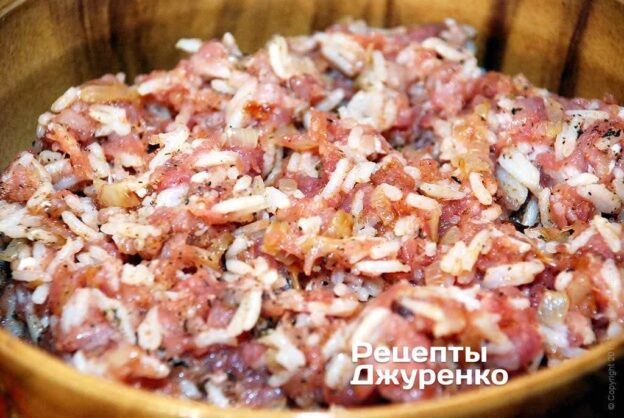
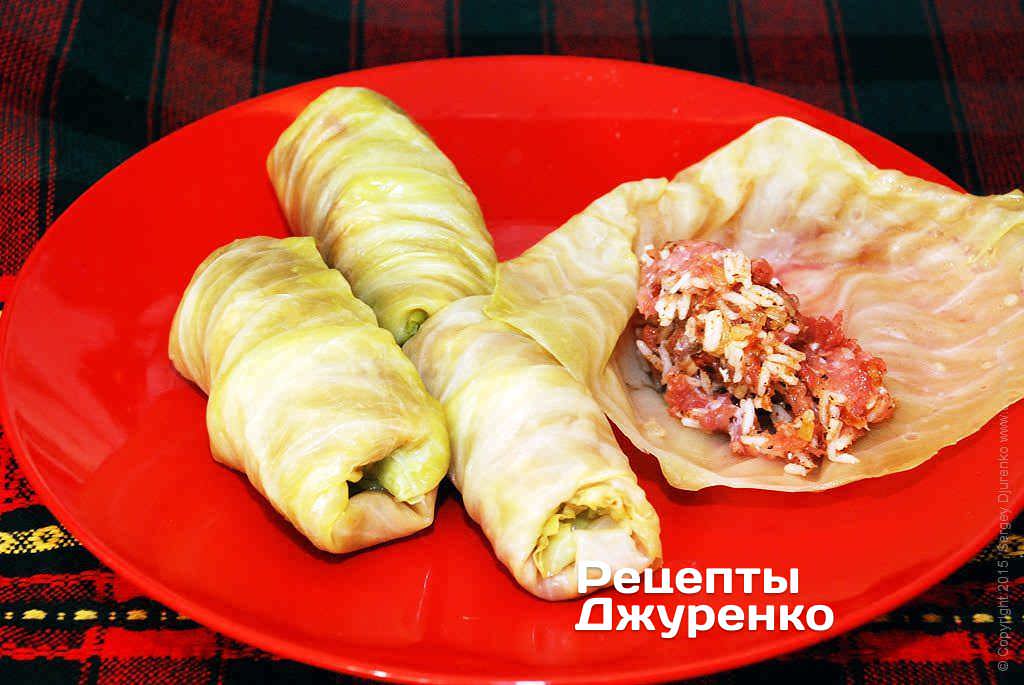
- This amount of filling usually makes 15–20 medium cabbage rolls. To avoid guesswork, I lay out half of the leaves on the table and spoon half of the prepared filling evenly onto them. After shaping those, I do the same with the second half. By the way, the outer leaves are usually larger, and the edge that was attached to the core is much tougher – you can cut it off.

- No recipe can say exactly how to wrap cabbage rolls – it depends a lot on the size and toughness of the leaf, the amount of filling and your own preference. So, without overcomplicating things, roll the filling up in the leaf, then tuck the side edges into the middle. If wrapping is tricky, you can fold the filling into the leaf like an envelope without securing the edges – just be careful while cooking so the filling doesn't fall out.

- You'll need a pot, preferably a tall one. Arrange the rolls in the pot snugly, leaving no gaps. Pour in boiling water from the kettle to about 5–6 cm above the rolls. Bring the water to a boil and simmer the cabbage rolls over low heat for 35–40 mins. The broth shouldn't bubble hard. When they're done, carefully pour the broth off into a small pot – you'll need it for the sauce.
- Season the leftover broth from the cabbage rolls with salt and pepper to taste. Add 1 tsp of sugar and 3–4 tbsp of tomato paste or homemade ketchup. Bring the sauce to a boil. In a cup, mix 1–2 tbsp of flour with boiled water, then, stirring the sauce constantly, pour the flour mixture into it in a thin stream through a small sieve. The sauce should be thin. Pour the sauce into the pot with the cabbage rolls and simmer gently for up to 10 mins.
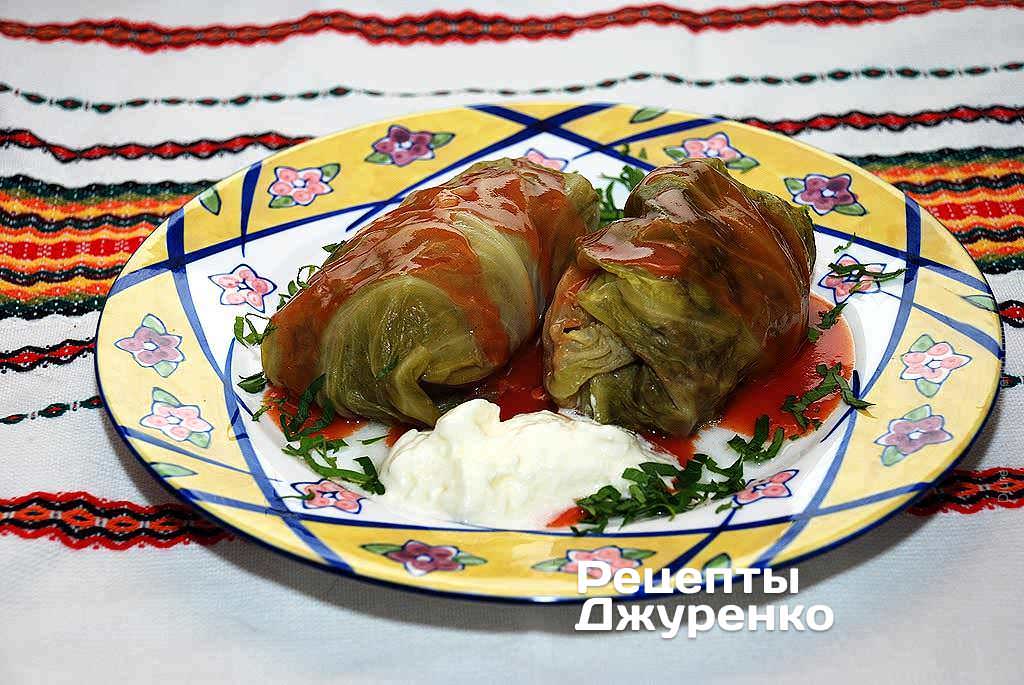
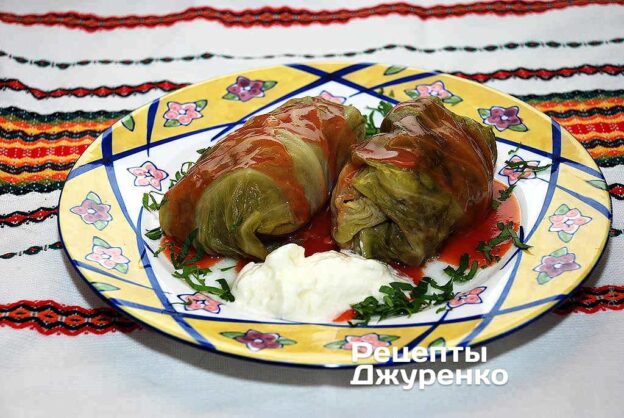
- Place 2–3 cabbage rolls on a plate and pour tomato sauce over them. Add sour cream, at least a couple of spoonfuls. I really love it when the sour cream is thick and there's lots of it. Finely chop the dill and parsley and sprinkle over the sour cream. My family almost always adds extra freshly ground black pepper and sprinkles on finely sliced green onion.
Watch my video on how to remove cabbage leaves for cabbage rolls
| Yield: | 4 servings |
| Calories: | 150 |
| Prep: | 30 mins |
| Cook: | 1 h |
| Ready in: | 1 h 30 mins |
| Category: | Main Dishes |
| Cuisine: | Ukrainian cuisine |
| Rating: |
⭐
⭐
⭐
⭐
⭐
4.4
(11)
|