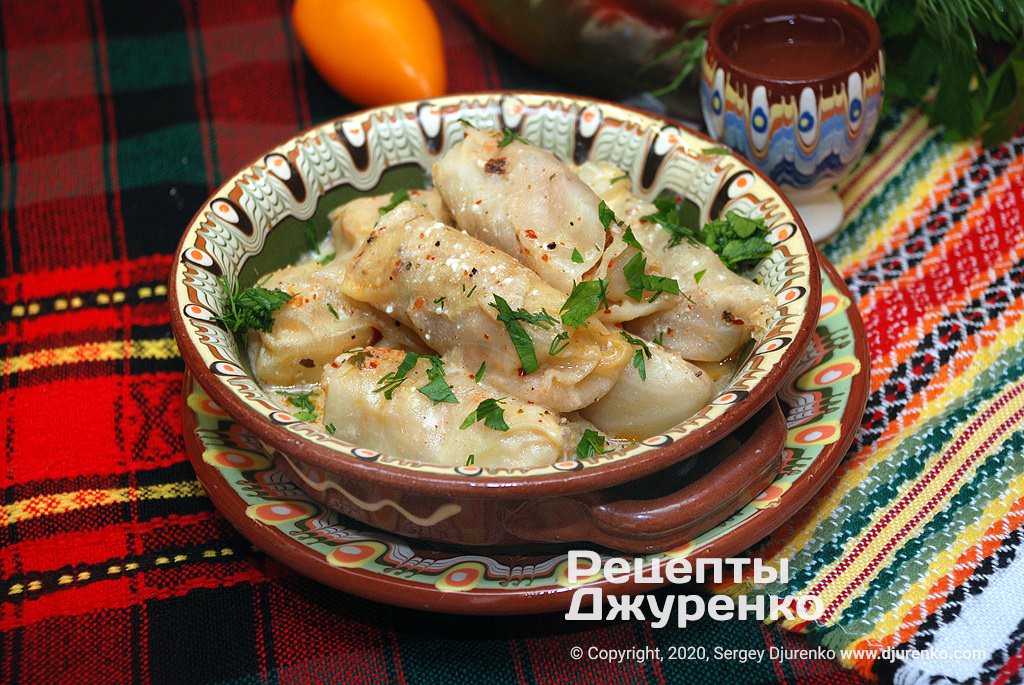
Sarma with Pork and Rice in Cabbage Leaves
Ingredients
20-24 pieces
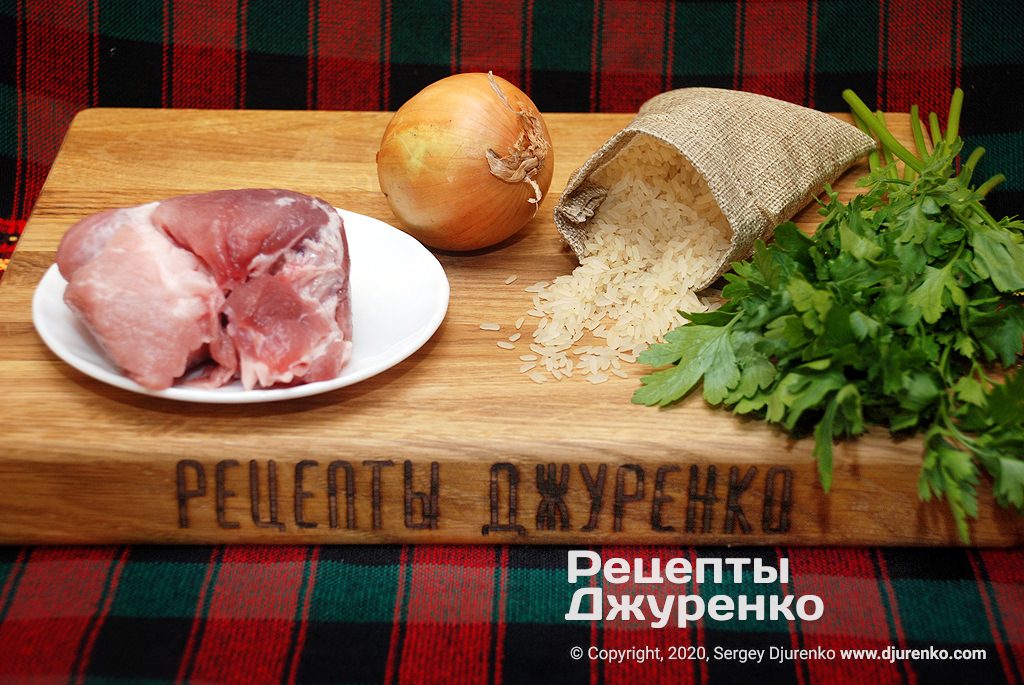
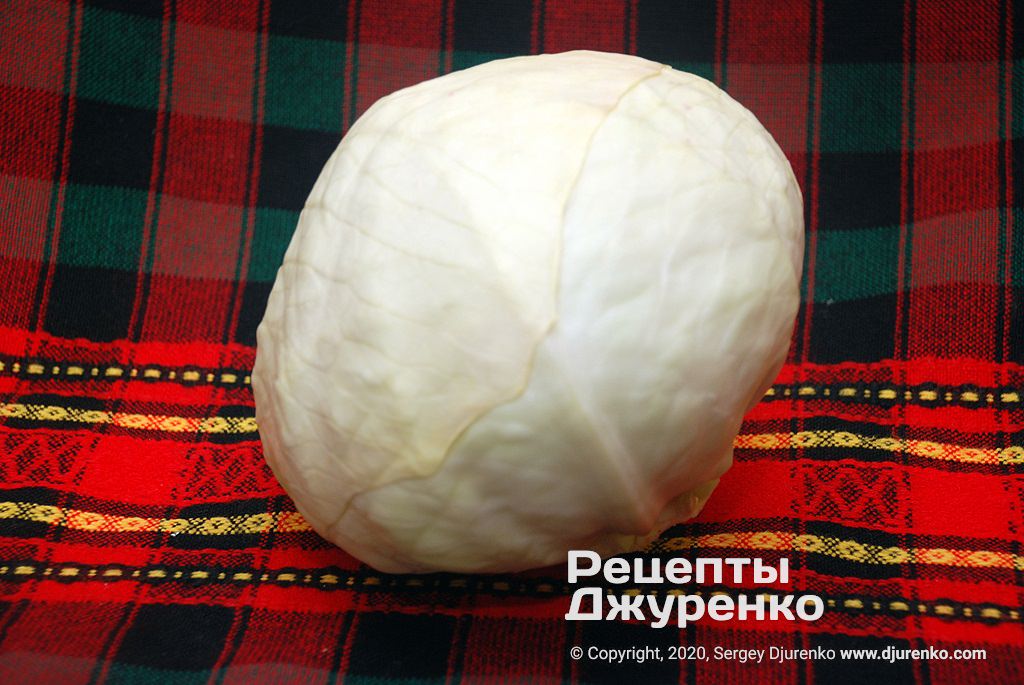
- Small head of cabbage 1
- Water for boiling the cabbage and rice
- For the filling
- Pork 300 g
- Rice 50 g
- Onion 1
- Vegetable oil 1 tbsp
- Parsley 3-4 sprigs
- Tomato paste 1 tbsp (17 g)
- Dried savory 1-2 pinches
- Salt, black pepper, sweet paprika or dried chili to taste
- For the sauce
- Butter 1 tbsp
- Flour 1 tsp (3 g)
- Sour milk (prostokvasha) 2 cups (400 ml)
- Salt, sugar, ground coriander a pinch of each
- For stewing
- Vegetable oil 1 tbsp
- Boiling water enough to cover the sarma by 1 cm
- Bay leaf 1-2
- Dried chili 2 small pods
- Ground coriander 0.5 tsp (optional)
- Salt, black pepper to taste
- For serving
- Finely chopped fresh herbs to taste
- Fresh vegetables, fresh bread optional
Step-by-step recipe
Preparing the cabbage leaves
We decided to make sarma in cabbage leaves to add a little variety to our cabbage roll recipe. Usually we use tomato sauce, but this time we decided to make a tasty sour milk sauce in which we stewed the almost finished rolls. Traditionally the filling uses pork and rice. To the fried onion we added tomato and lots of spices. The filling also has finely chopped parsley.
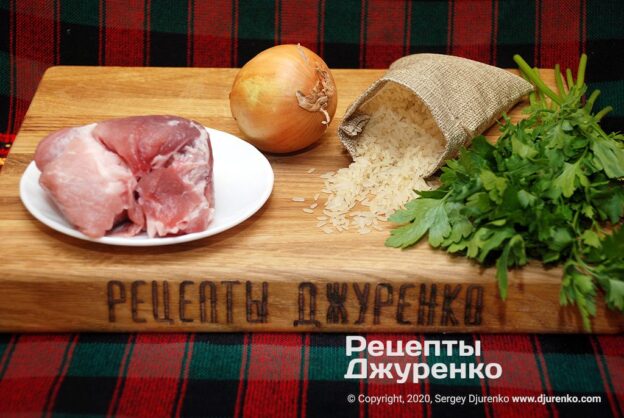
Perhaps the hardest part of this dish is choosing the cabbage and getting it into proper condition.
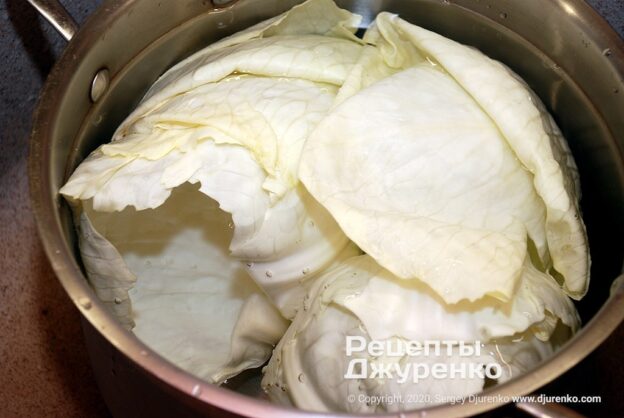
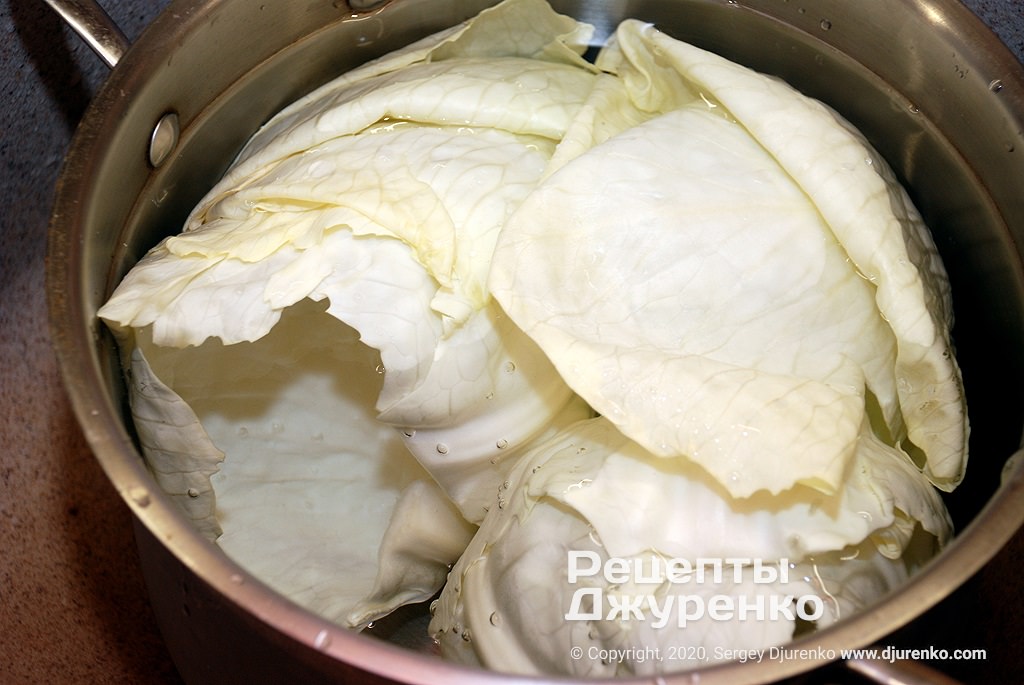
Remove the leaves from the head: under running water a leaf comes off easily. You can dip the head of cabbage into boiling water and remove the leaves one by one. Or take the head apart and blanch all the leaves together for a short time.
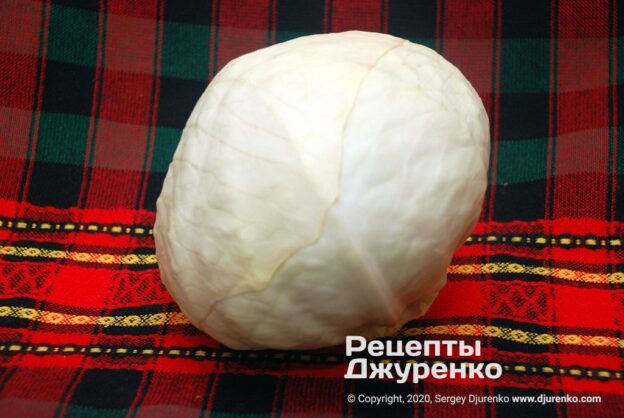
Trim the slightly softened leaves to pieces about the size of your palm. If the cabbage is overcooked and falls apart, it is no good: it should be soft but hold its shape. Use a knife to carefully cut out the central rib. If part of a leaf is tough, you can pound it with a wooden mallet. All the excess and coarse bits can be cut off without a second thought. Or cut each leaf in half if the head is large.
The filling and wrapping in the cabbage leaf
In most cases when sarma is made, the meat in the filling is fried with onion. I like the filling made with raw ground meat, which is stewed until done. This way the filling tastes more tender. It is up to you which way to go.
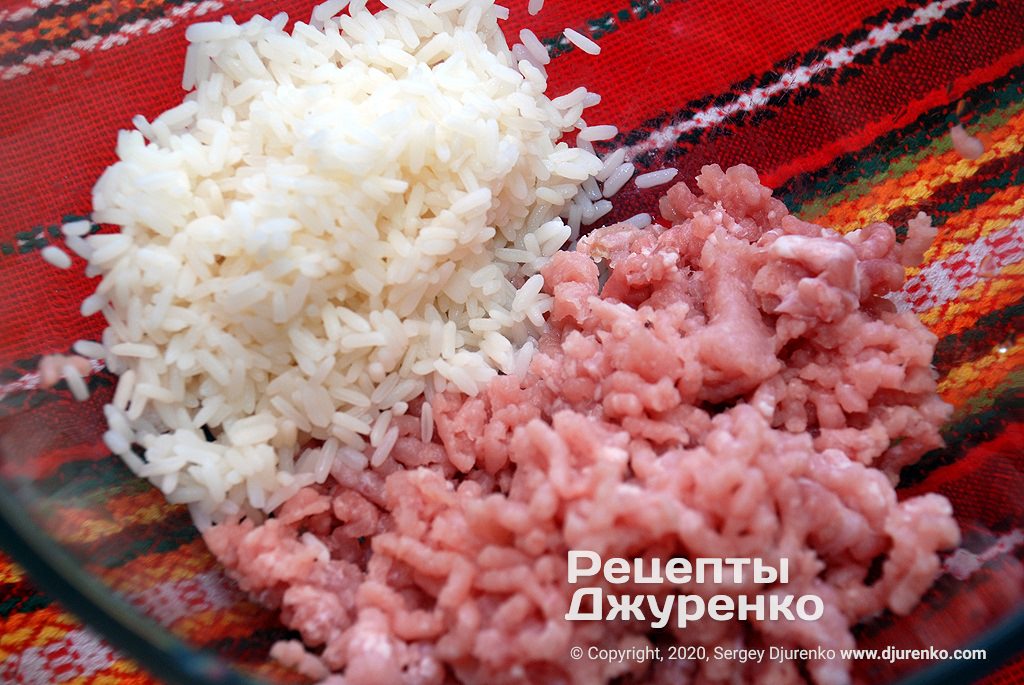
Prepare the pork and rice. Remove the bones and membranes from the pork, then grind it in a meat grinder. Boil the rice until done in plenty of water. It is best to choose a rice that stays fluffy, such as parboiled or basmati, and preferably a small-grain one.
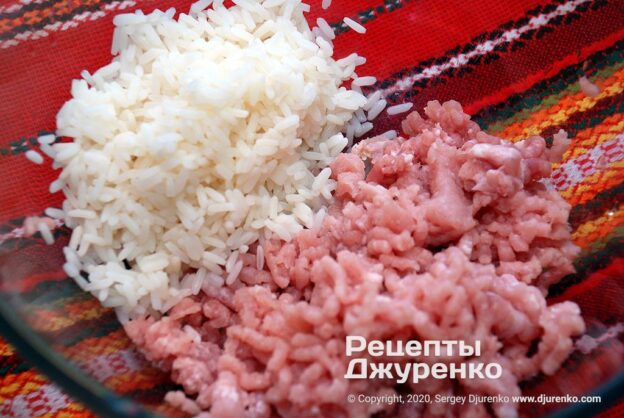
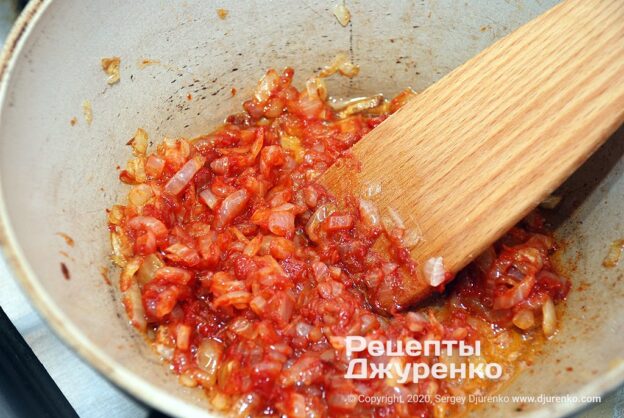
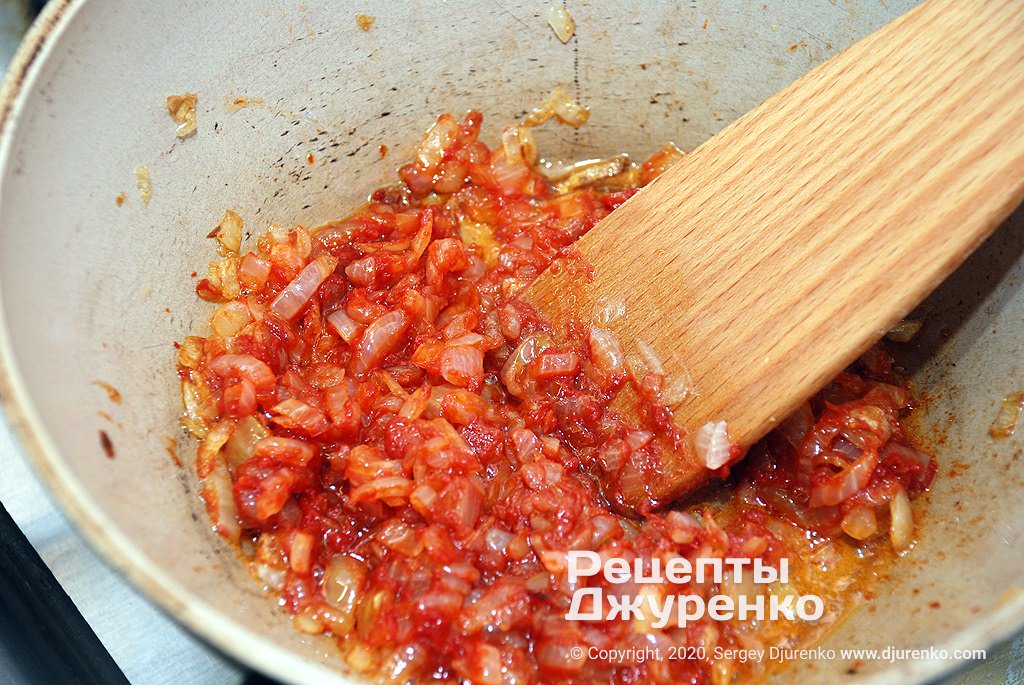
Fry the onion with tomato. Peel and finely chop the onion. Heat 1 tbsp of vegetable oil in a saucepan and fry the onion over medium heat until golden. Don’t overfry the onion: it is better if it is slightly underdone. Add the tomato paste to the fried onion and stir. Instead of paste you can finely chop the flesh of an overripe tomato, with the seeds and skin removed. The onion with tomato must cool down.
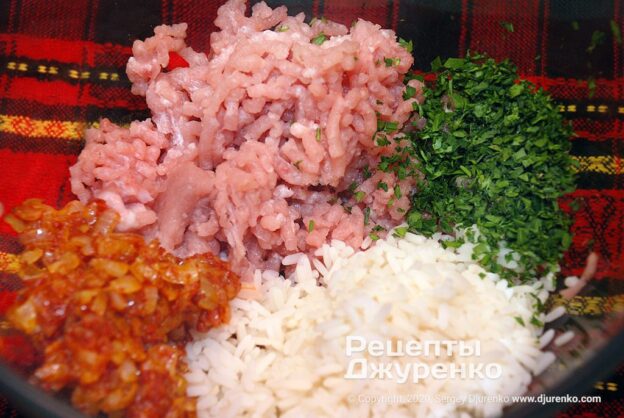
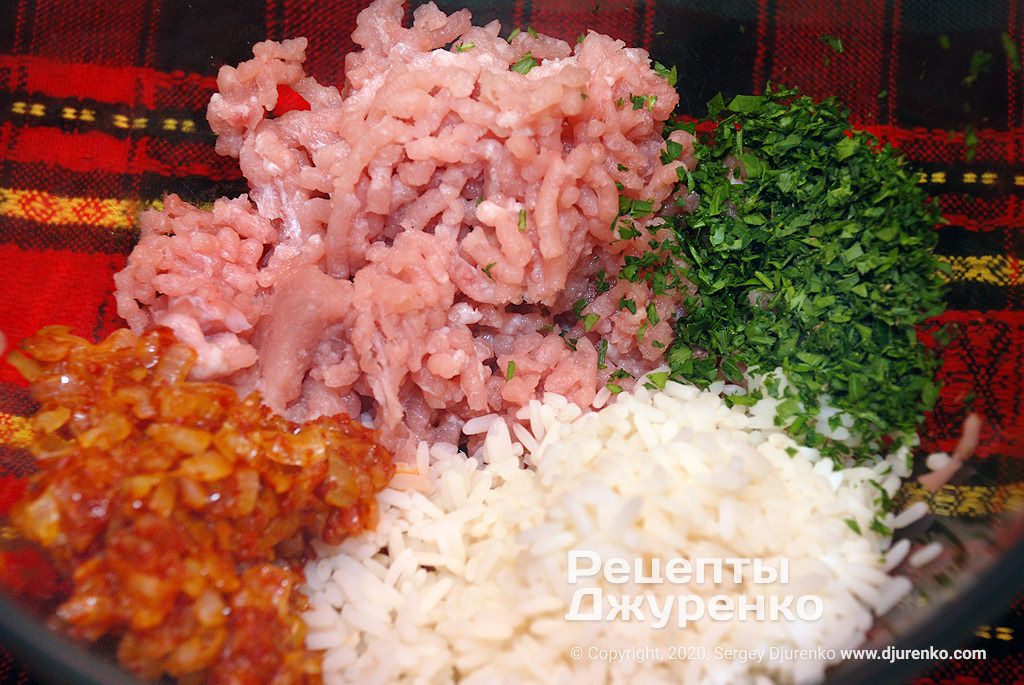
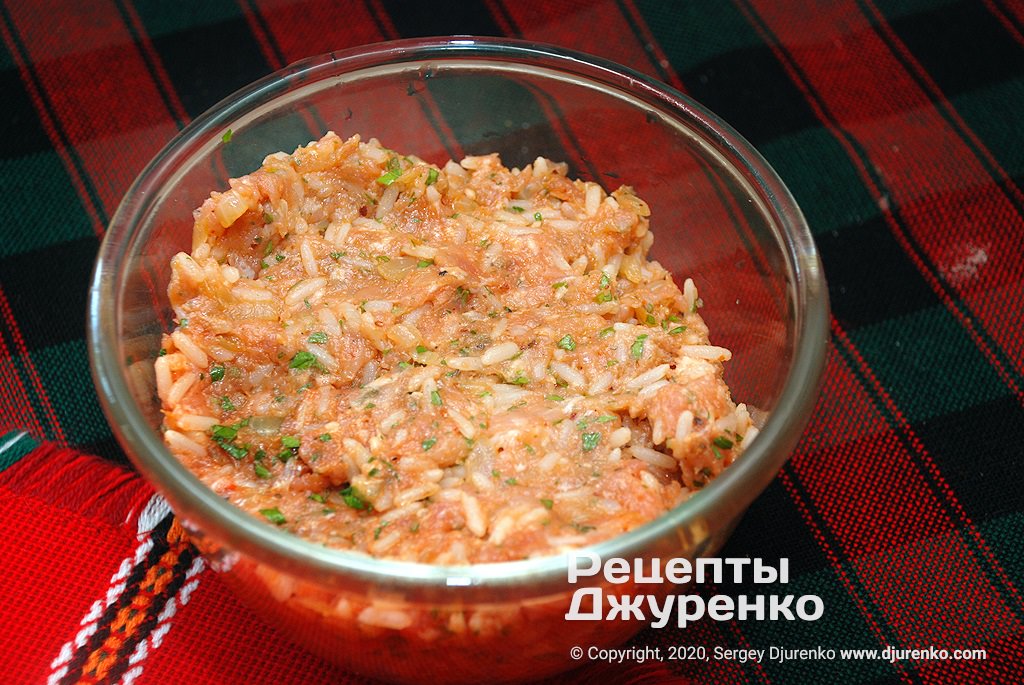
Mix the filling. Pick all the leaves off the parsley sprigs and chop them finely. The stems are coarse and don’t belong in the filling, so it is better not to use them. In a large bowl mix the pork and boiled rice, then add the parsley and the fried onion with tomato. Salt the filling lightly and add plenty of ground black pepper. Add 1-2 pinches of dried savory, crushing it between your fingers. Add sweet paprika or chili to taste if you like a spicy filling.
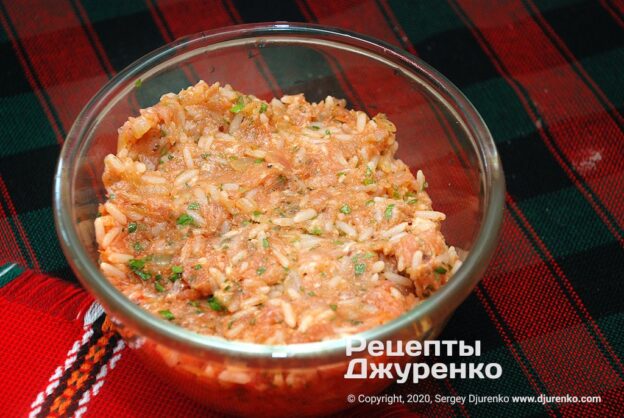
Mix the filling and let it stand for 5-10 minutes, then mix it once more.
If you want to fry the pork before rolling, fry the ground pork with the onion until done, and only then add the tomato. Mix all the spices and the rice into the meat shortly before the end of frying. Let the filling cool so it doesn’t burn your fingers. Then add the parsley.
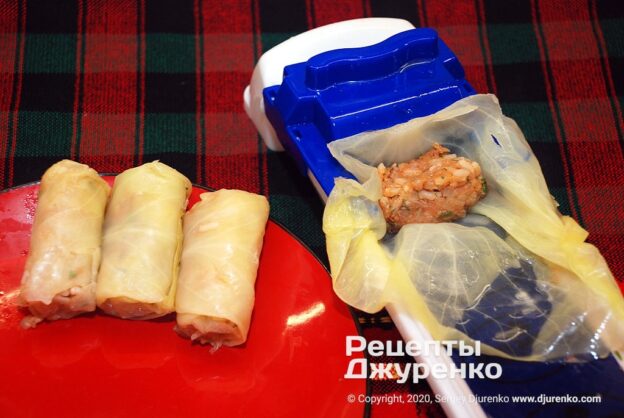
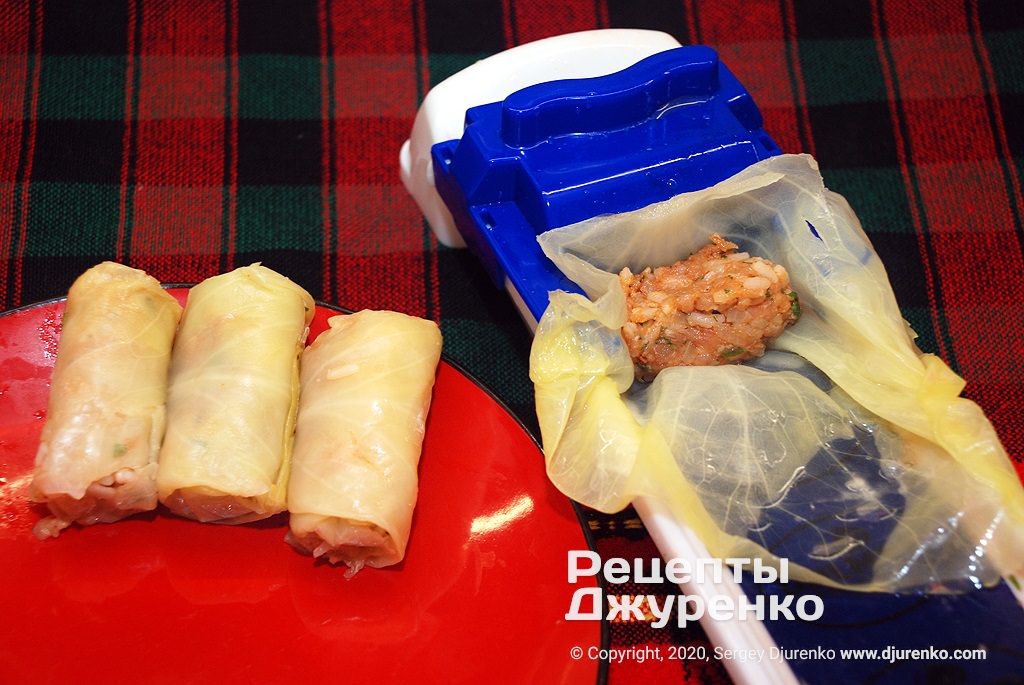
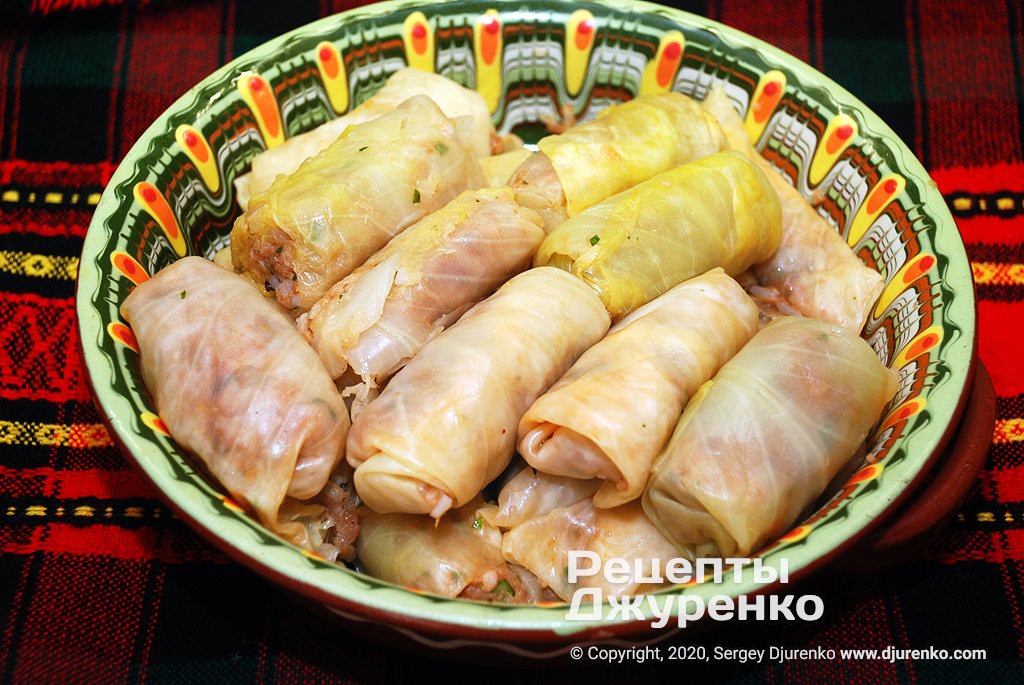
Wrap the filling in the leaves. Put 0.5 tbsp of filling on the edge of a leaf piece, fold in the sides and roll it up into a roll 6-7 cm long and 2.5-3 cm across. Roll it tightly.
If the cabbage is thin and soft, there will be no difficulty. You can do it by hand or with an inexpensive gadget called a dolmer, which is sold even here. It is a very handy kitchen tool. It is better suited to thin grape leaves, but if the cabbage is thin, it will cope with the task just fine.
How to make the sauce
Although for me the tastiest sauce for cabbage rolls is tomato, with sarma in cabbage I prefer a sour milk sauce. Its base is prostokvasha or yogurt, and Caucasian matsoni (matsun) works well. We make the sauce on the principle of béchamel.
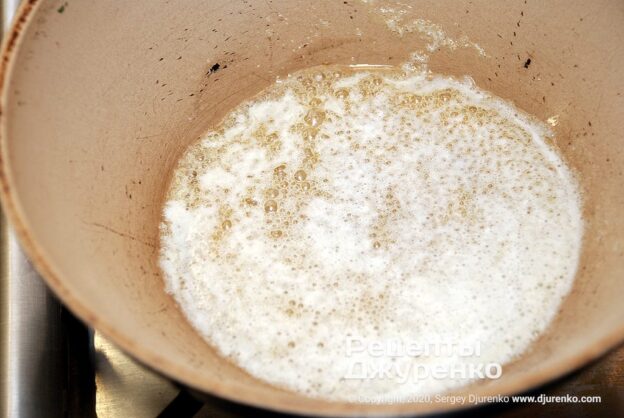
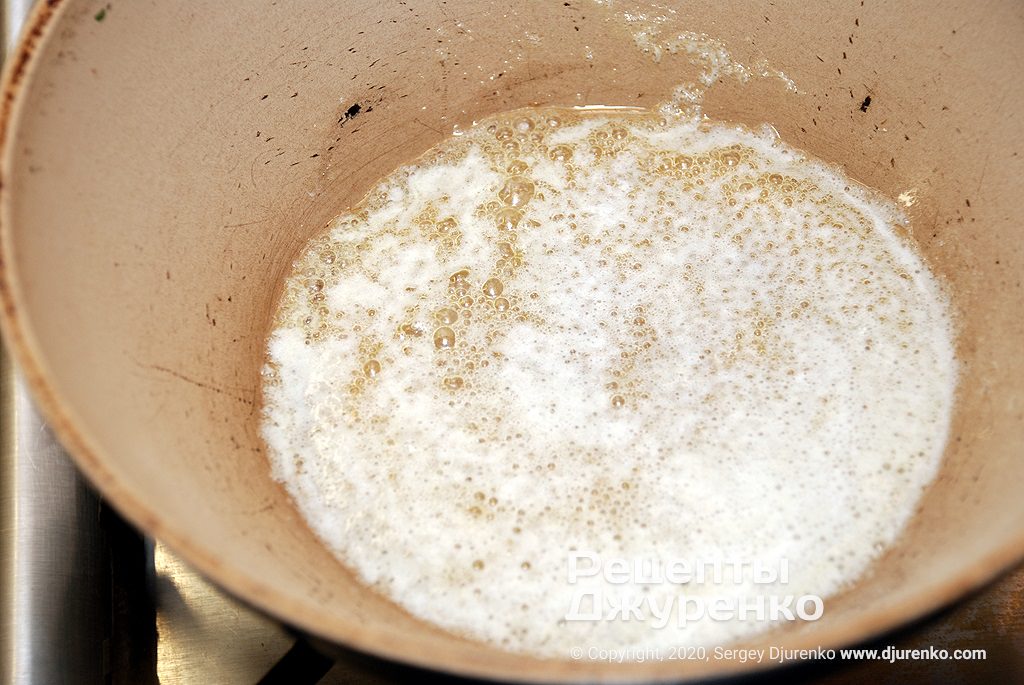
Fry the flour in butter. In a saucepan over low heat melt 1 tbsp of butter, add 1 tsp of flour (3 g). Fry the flour with the fat until smooth.
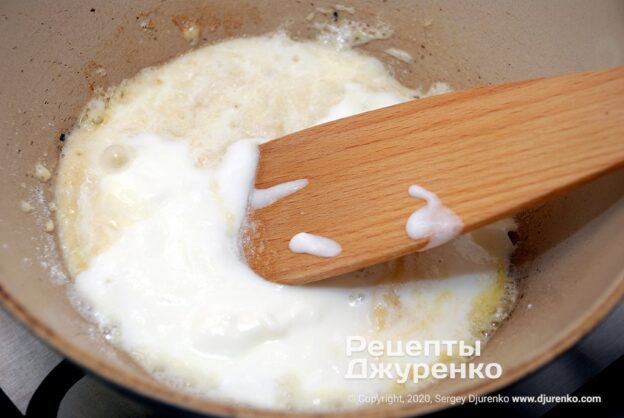
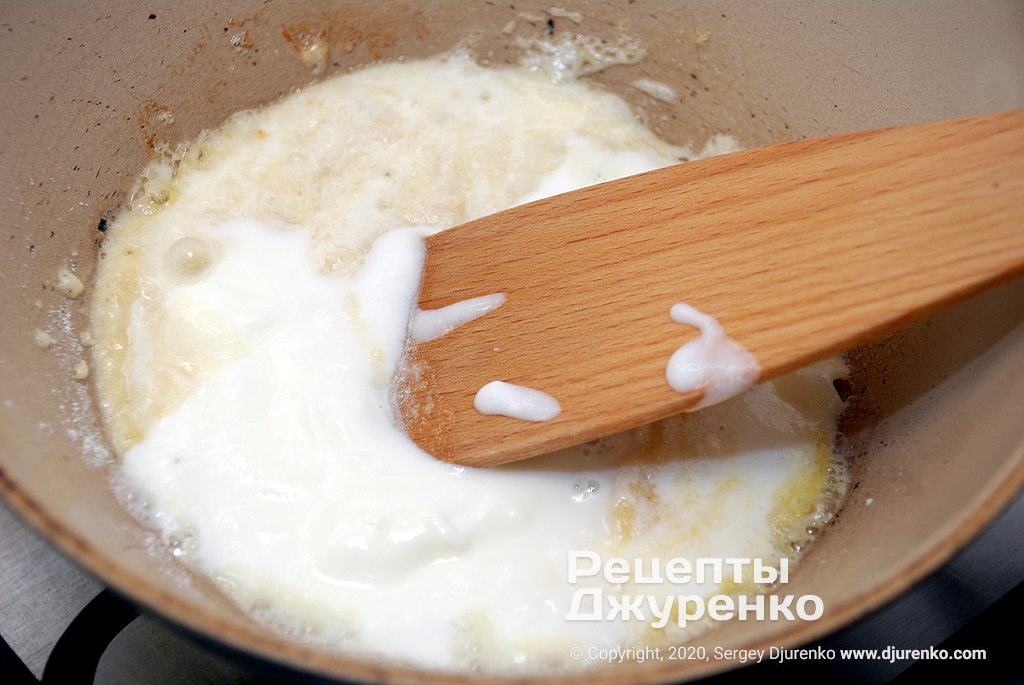
Pour in 2 cups of sour milk (400 ml) and bring to a simmer. To avoid lumps, stir the mixture thoroughly with a spatula. If the sauce is noticeably sour, add a pinch of sugar. Salt the sauce lightly and add a pinch of coriander. Let the sour milk sauce simmer over low heat for 2-3 minutes.
How to stew the prepared rolls
By and large, the boiling or stewing process is almost the same as for cabbage rolls in cabbage leaves. You have to allow for the difference in size and the more tender cabbage.
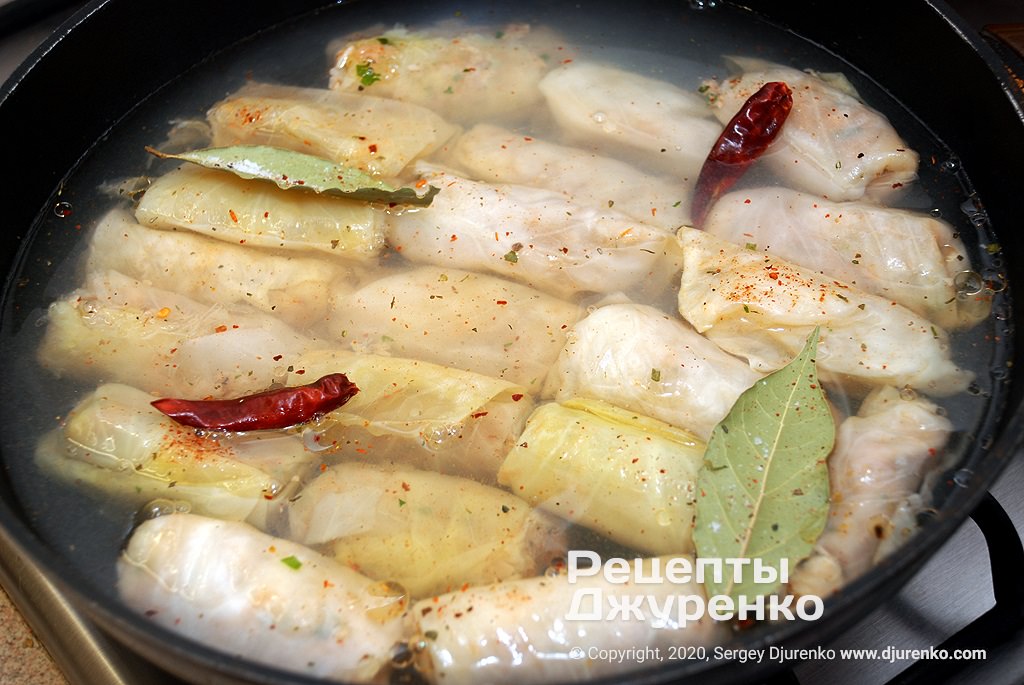
Place the sarma in a skillet or a pot with a lid, after greasing the bottom with 1 tbsp of vegetable oil. Pack them tightly, with no gaps.
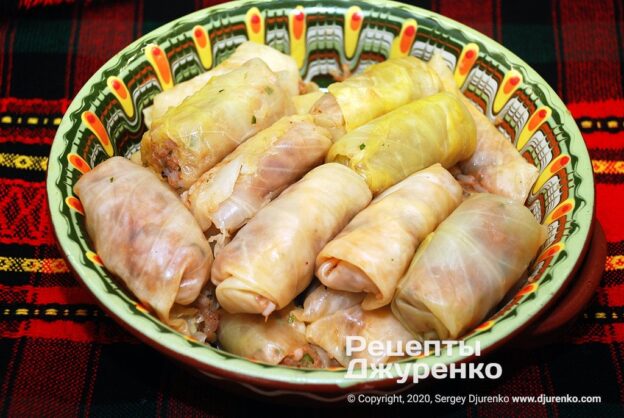
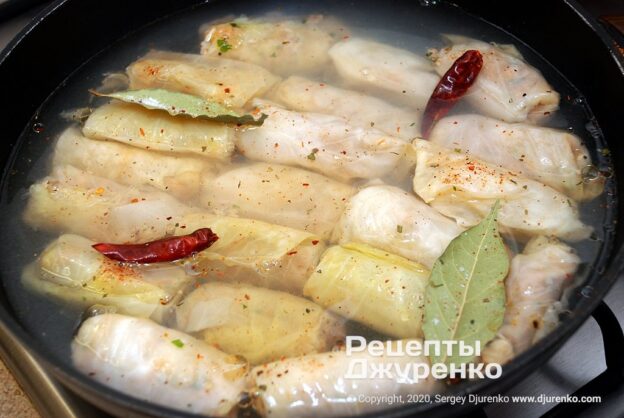
Pour in boiling water and stew under the lid. Add 1-2 bay leaves and a couple of small pods of dried chili to the skillet. Carefully pour in boiling water from a kettle so the water level is 1 cm above the cabbage. Salt and pepper the water, and if you like, add 0.5 tsp of ground coriander. Put the skillet on the heat, and when the water boils, cover the skillet with a lid and reduce the heat. The boil should be minimal, with no bubbling at all. Stew for 25-30 minutes. That is enough.
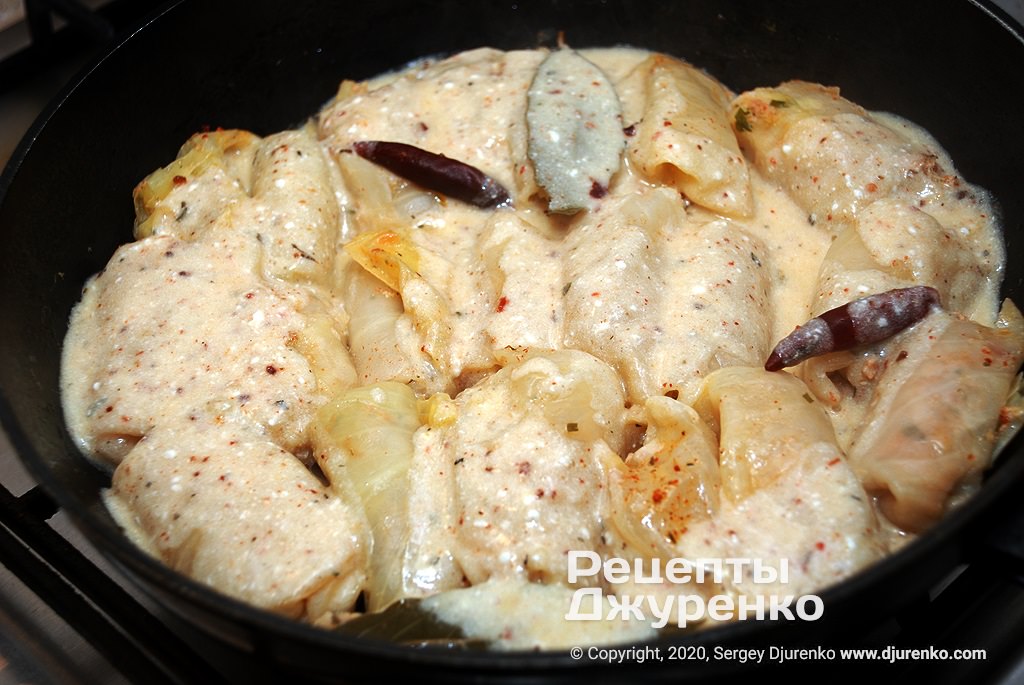
Drain the liquid and warm the sarma in the sauce. Take the lid off the skillet and cover the sarma with a plate. Holding the plate in place, pour off all the liquid from the skillet. Pour in the sauce, spreading it evenly. Put the skillet on the heat and let the rolls simmer in the sauce for 4-5 minutes over low heat.
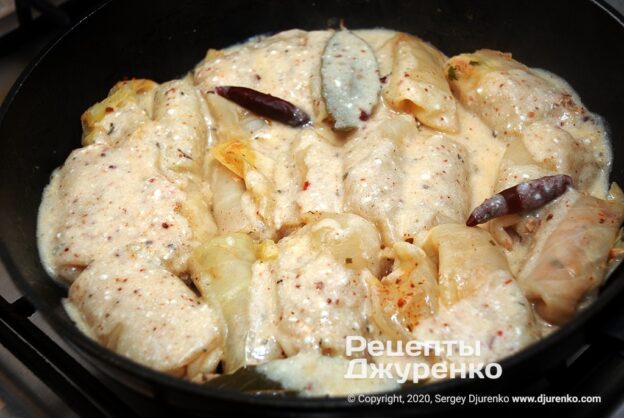
By the way, as an option, after adding the sauce you can put the skillet into an oven well heated to 200°C for 10-12 minutes. If the dish is baked, it is quite appropriate to sprinkle it with hard cheese.
Serving
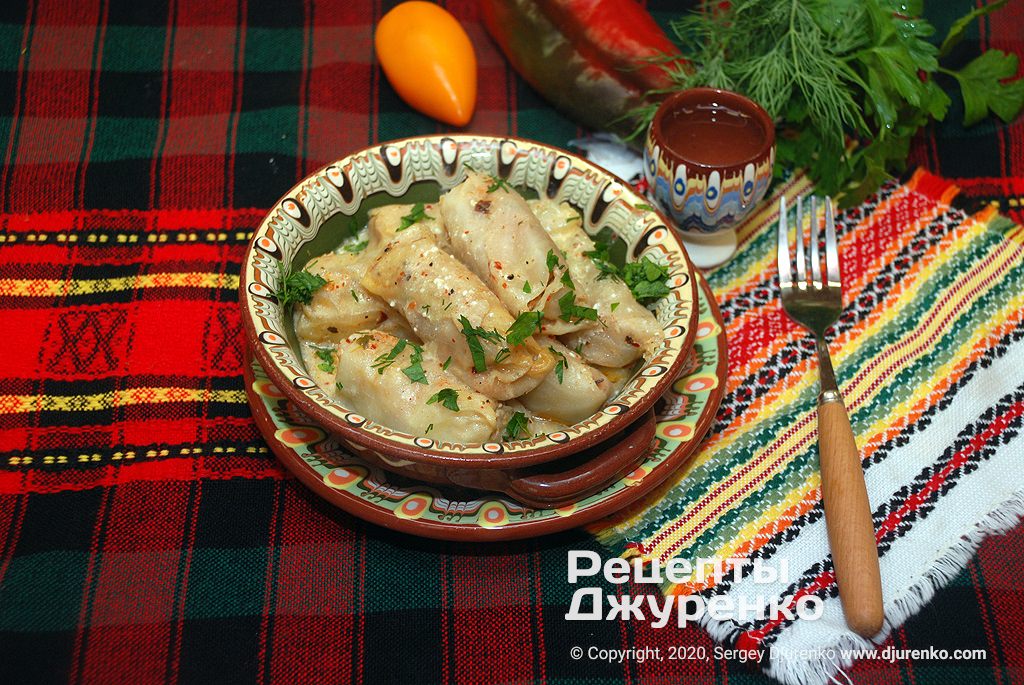
While the sarma is hot, put it on small plates and serve as a hot appetizer. Depending on size, we usually serve 6-8 pieces per portion, with the sauce poured over and a sprinkle of finely chopped herbs. You can serve fresh vegetables and fresh bread on the side.
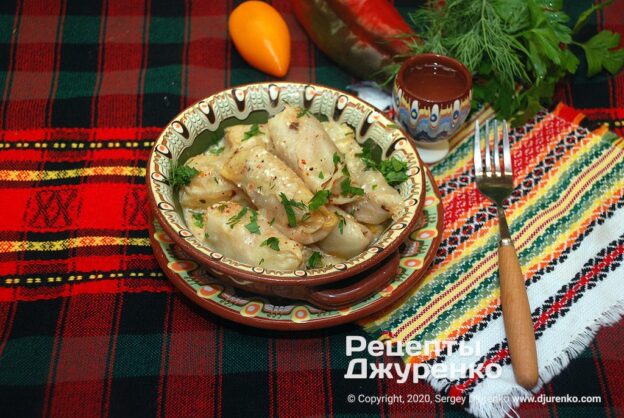
For this recipe you can use leaves from cabbage fermented in whole heads, which is even tastier. But then it is better to make the sauce with milk or cream so that it doesn’t taste sour. You can use beef or lamb in the filling. It is very tasty when the filling includes finely chopped and fried wild mushrooms.
Calories and macros
129 kcal
100 g
- Protein5.9 g19% of kcal
- Fat7.8 g57% of kcal
- Carbs7.2 g23% of kcal
Calculated from the recipe ingredients, excluding salt and spices. Data: USDA and Matvaretabellen.