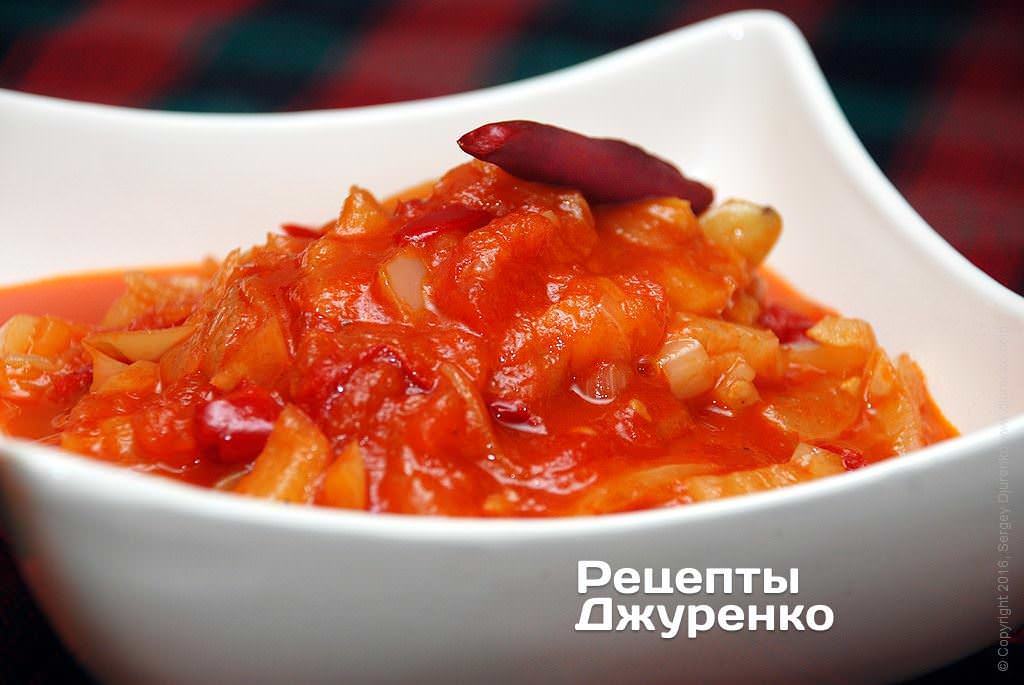
Bell Pepper Lecho
Ingredients
2 servings
- Sweet bell peppers 0.5 kg
- Tomatoes 2
- Onion 1
- Vegetable oil 1 tbsp
- Salo or smoked bacon 30 g
- Sweet ground paprika 0.5 tsp
- Salt to taste
- Hot pepper, black pepper optional
- Sugar 0.5 tsp, optional (2 g)
Step-by-step recipe
Cutting the vegetables
You can make this dish for a few people or for a big crowd – just scale the ingredients down or up as needed. The amounts given are enough to make lecho for two for breakfast.
Seed the sweet peppers and cut them into thick strips or pieces, as you like. Cut the seeded red pepper separately, half the size of the rest.
Any sweet bell peppers will do, the color doesn’t matter. But it’s worth taking at least one red pepper, purely for looks.
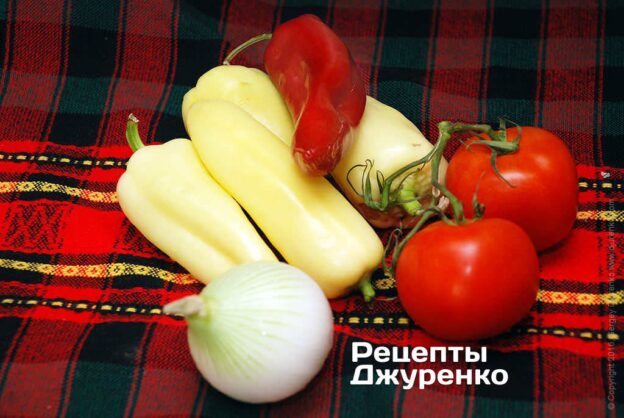
If you like, as a minor addition, cut a hot chili pepper, or half of one, into thin strips. By the way, along with the seeds, trim out the white ribs inside the chili: they contain most of the capsaicin, which gives the main heat.
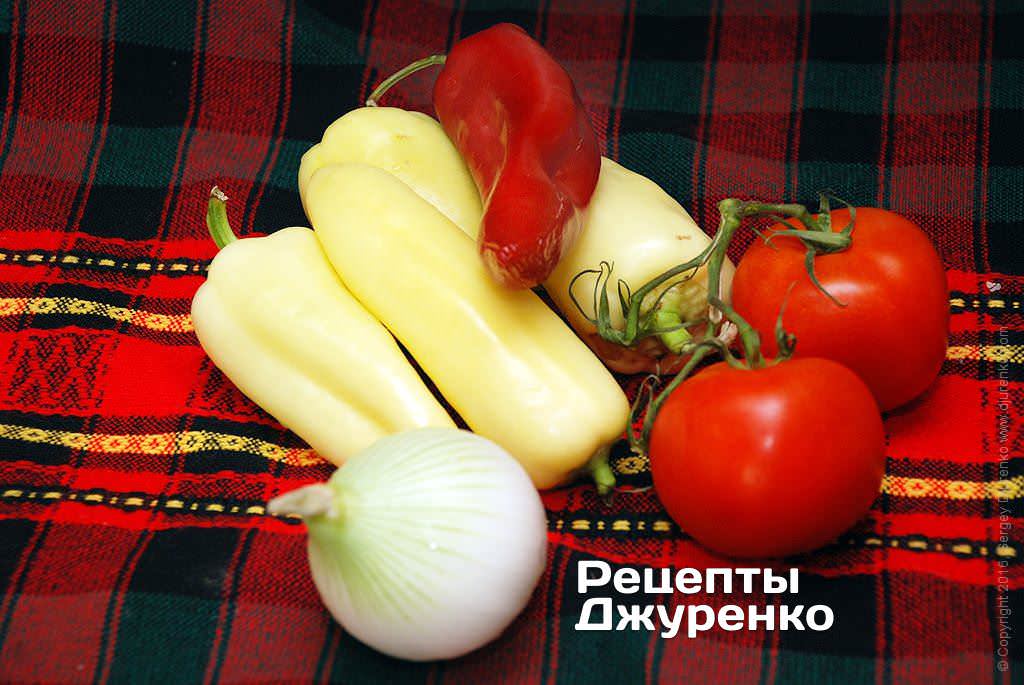
Scald the tomatoes with boiling water, peel them and remove the seeds. The tomatoes should be as ripe, red and fresh as possible. Cut the tomato flesh into wedges or cubes. Peel the onion and cut it into thick strips.
Frying the onion and peppers
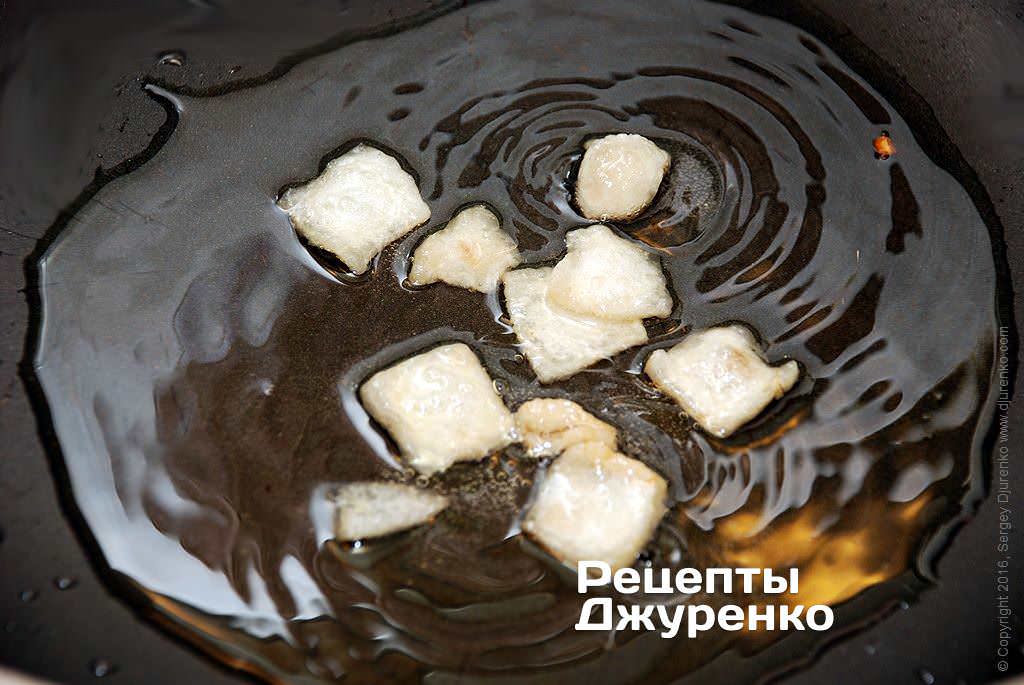
Pour vegetable oil into a sauté pan and fry a thinly sliced piece of pork salo or smoked bacon in it. Render the fat; you can take out the cracklings and eat them, or leave them in.
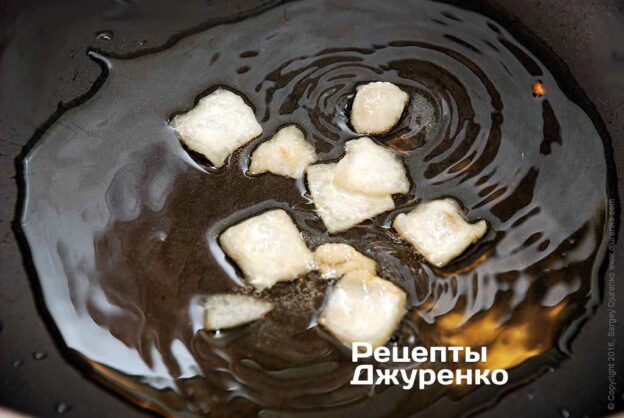
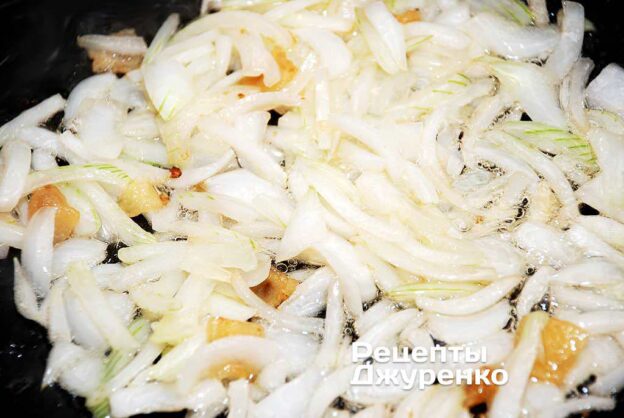
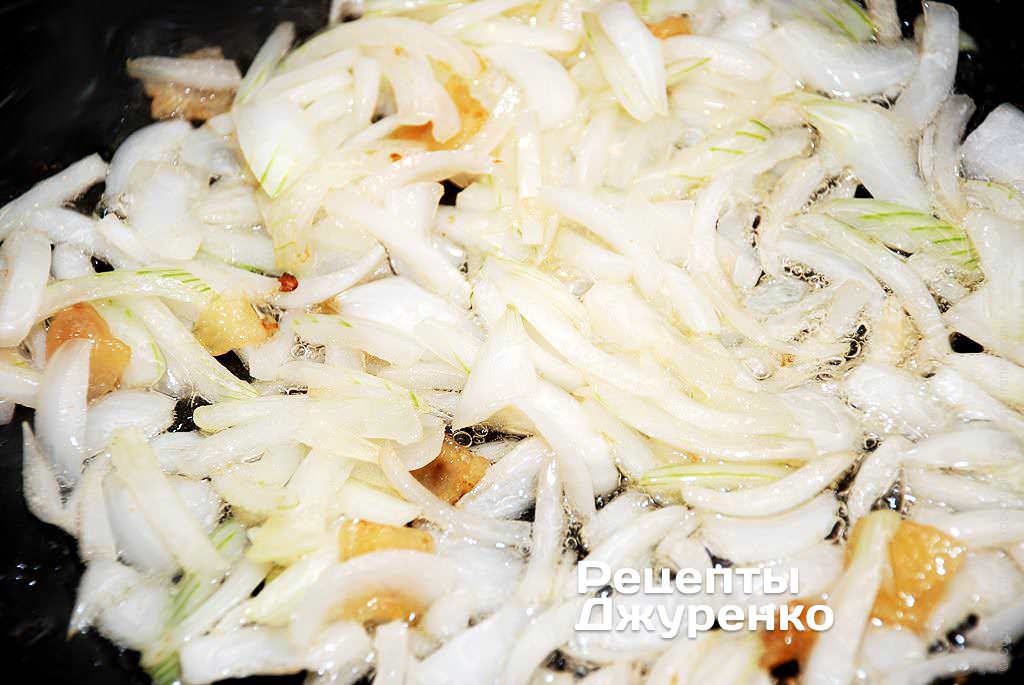
Fry the sliced onion until golden – over medium heat, uncovered, stirring often. Onion fried in a mix of vegetable oil and pork fat is very fragrant on its own and can already serve as a snack, especially with fresh bread.
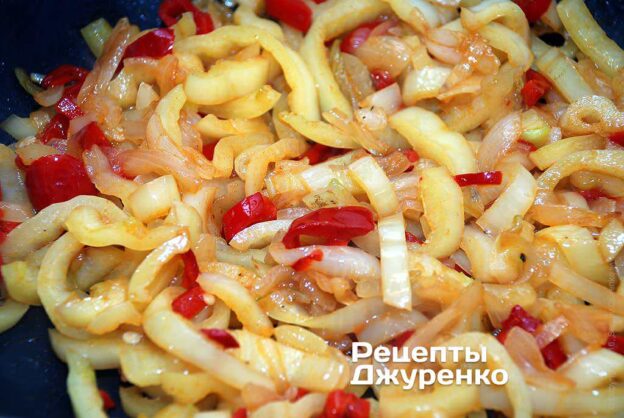
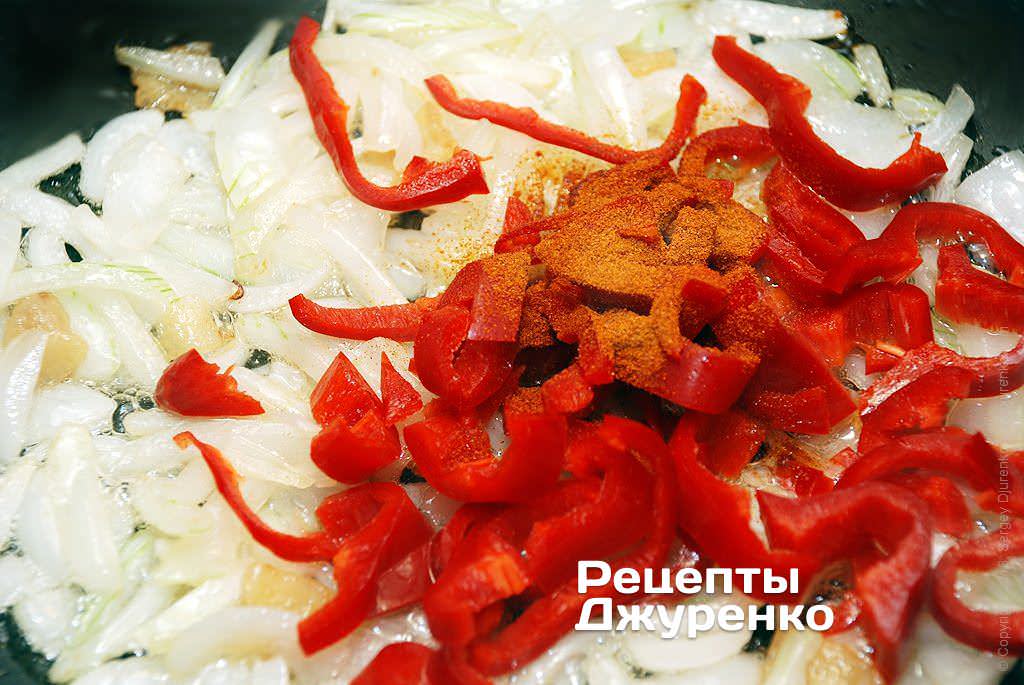
Add the chopped red pepper and, if you decided to use it, the chopped hot pepper. Right away, add 0.5 tsp of sweet ground paprika. Stir and fry the onion with the red pepper for 3–4 mins.

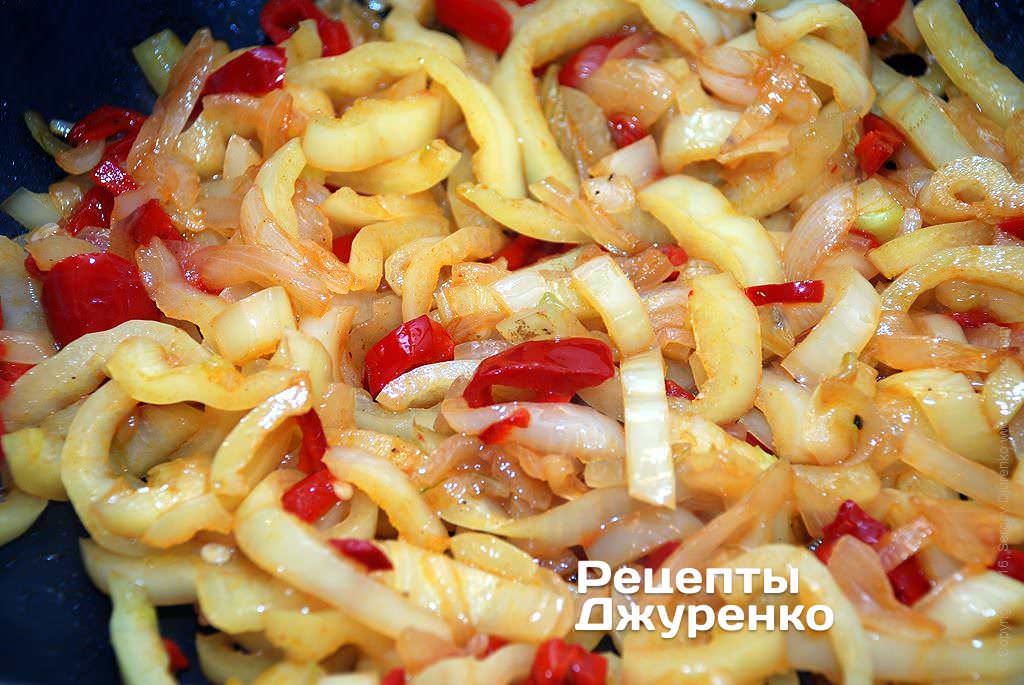
Add the rest of the chopped peppers, stir and keep frying the vegetables for about 10 mins over medium heat. Don’t cover the pan: the peppers for lecho should fry.
Stewing with tomatoes
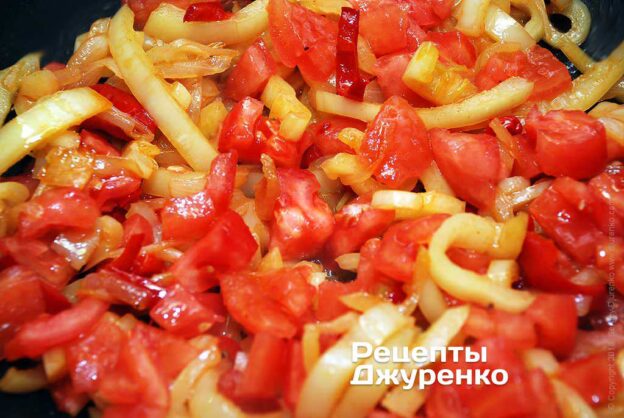
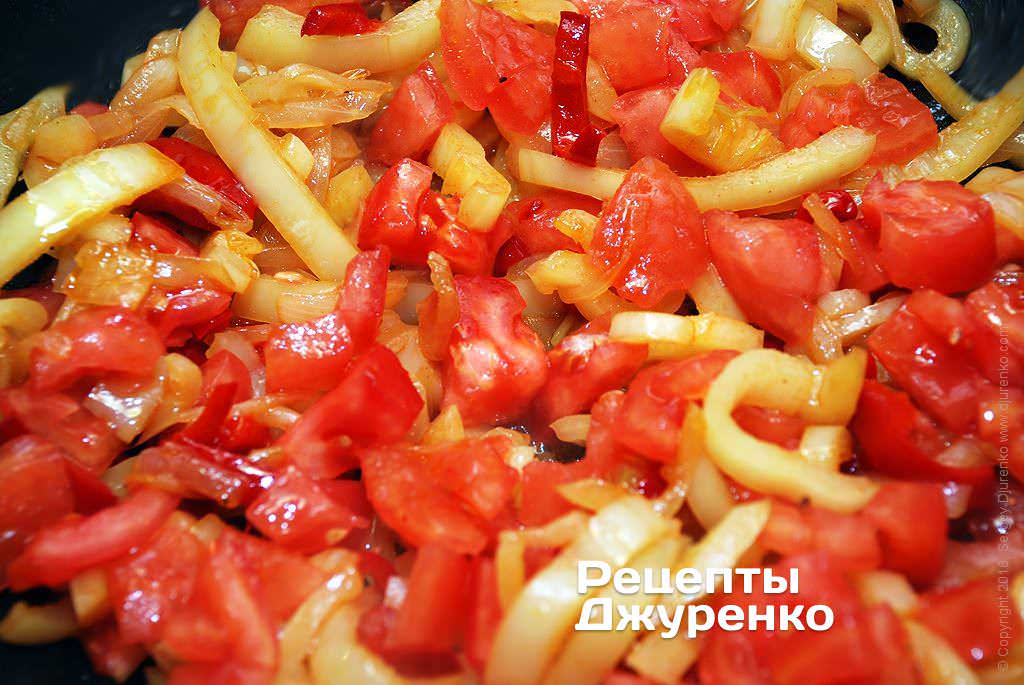
Season with salt and, if you like, some black pepper and 0.5 tsp of sugar (2 g). Black pepper and sugar usually aren’t added, but the slightly sweet taste of pepper lecho has its own charm, and many people like it. Add the chopped tomato flesh and fry for another 5 mins.
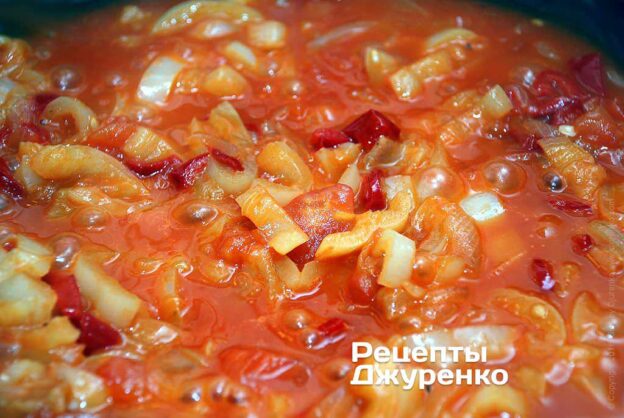
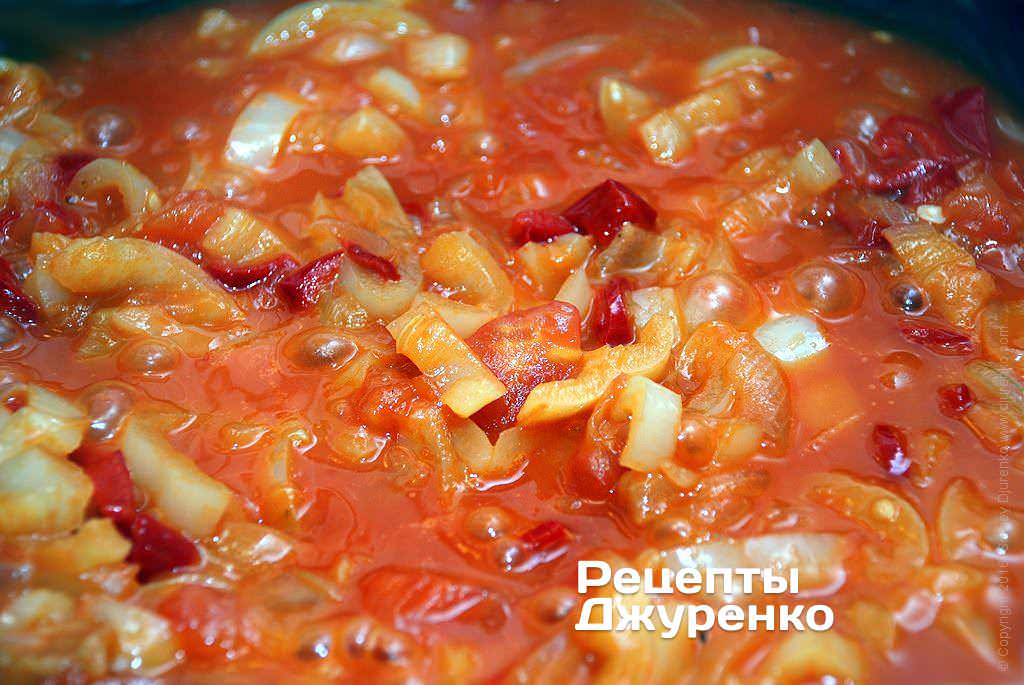
Turn the heat down to the minimum, cover the pan and stew the pepper lecho for at least 15 mins. If a lot of liquid has collected in the pan, remove the lid and, turning up the heat, cook off some of the liquid. The dish shouldn’t be runny – lecho should be quite thick.
Serving
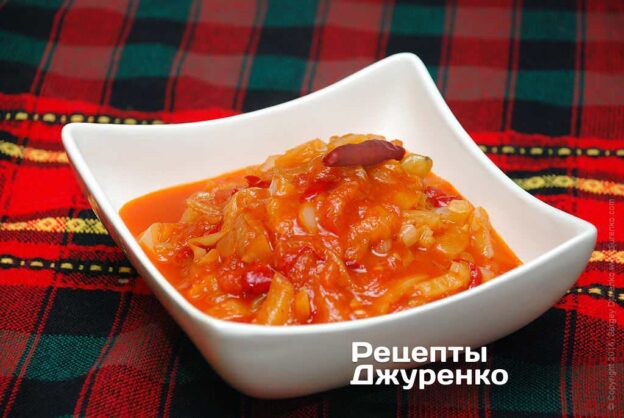
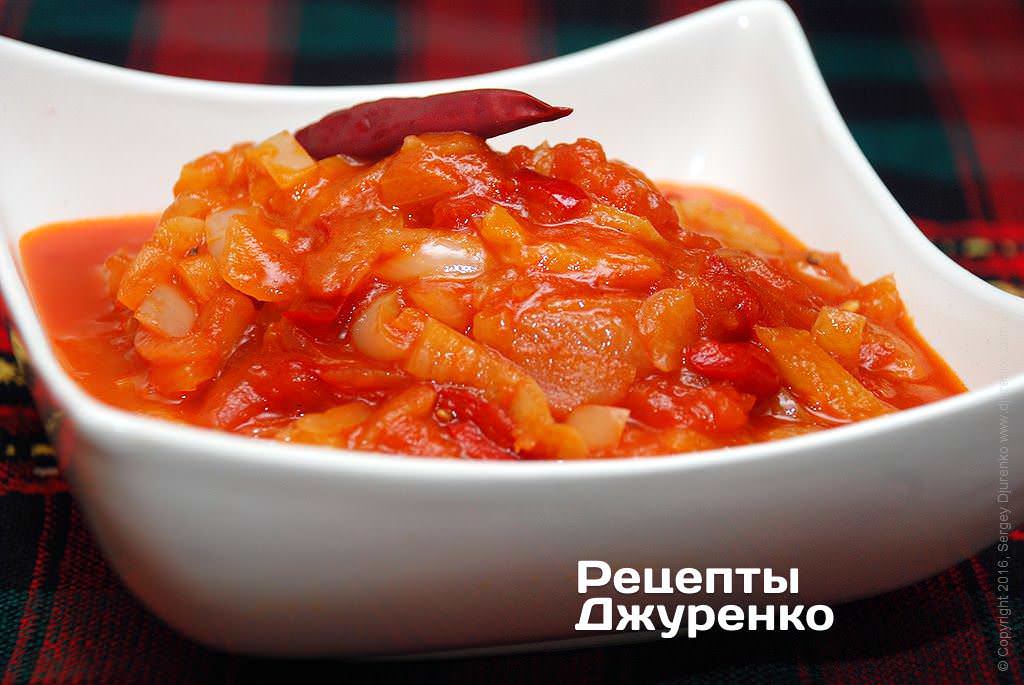
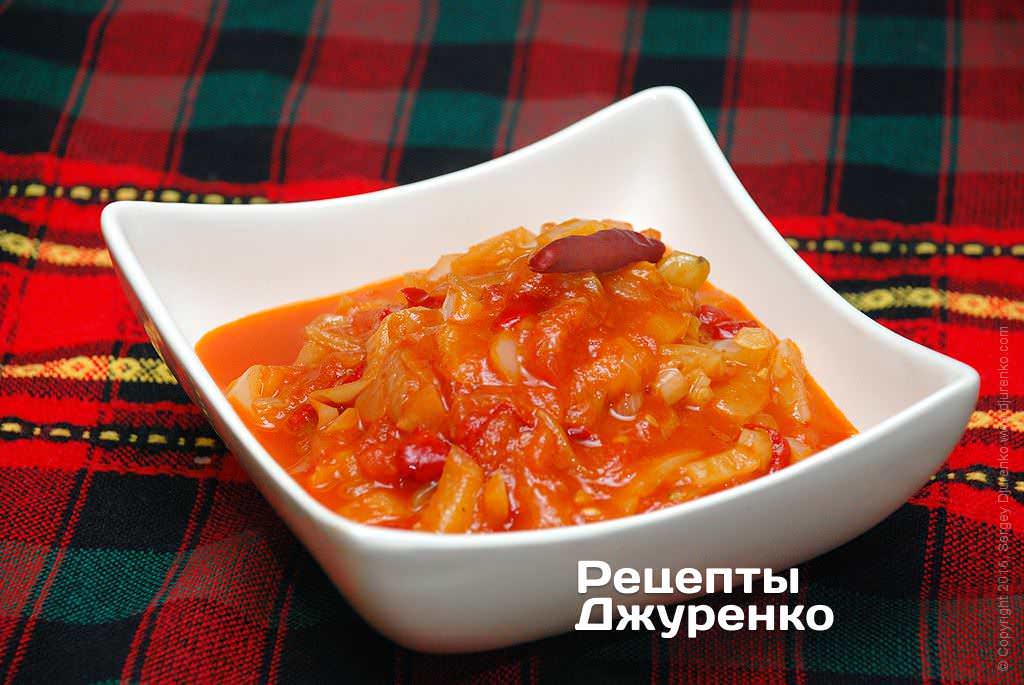
And that’s it, the lecho is ready. All that’s left is to slice some fresh white bread and serve the lecho for breakfast.
To make lecho more filling and hearty, a few minutes before it’s done you can add whole sausages or pieces of smoked meat and stew everything together until done. Also, when you start stewing it under the lid, you can add a little rice boiled until almost done.
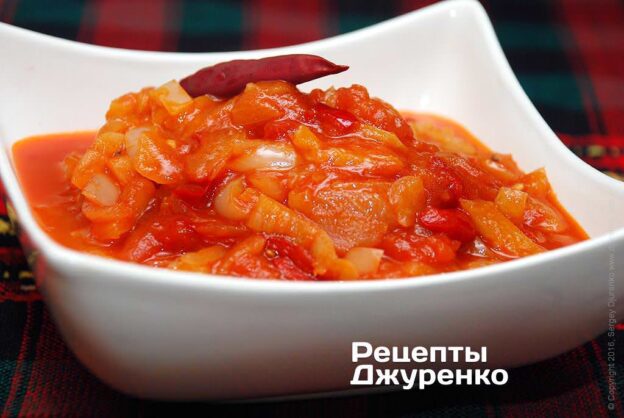
By the way, lecho is wonderfully tasty with fried rice: just put the rice on a plate and pour the lecho over it. Or add eggs beaten with a fork to the finished lecho, stir and let it stand for up to 10 mins so the eggs set.
Calories and macros
295 kcal
Serving ≈ 440 g
- Protein5 g7% of kcal
- Fat21 g68% of kcal
- Carbs18 g26% of kcal
100 g67 kcalProtein 1 gFat 4.8 gCarbs 4.1 g
Calculated from the recipe ingredients, excluding salt and spices. Data: USDA and Matvaretabellen.
How did you like this recipe?
To Get It Right
Which peppers and tomatoes to use
For lecho, peppers of any color will do, but use at least one red: it’s cut smaller and fried first, with the paprika. Tomatoes – the ripest and reddest you can find, peeled and seeded.
So the lecho isn’t runny
- fry the peppers for lecho uncovered – they should really fry, not stew;
- remove the seeds from the tomatoes;
- if there’s a lot of liquid after stewing, take off the lid and cook it off over high heat.
Salo, bacon or neither
Smoked bacon gives lecho a light smoky aroma, plain salo – the mild taste of cracklings. For a meatless version, fry the onion in vegetable oil only – use 2 tbsp of it.
Have your own trick for this recipe?
Questions and answers
Can you can this lecho for winter?
No, this lecho goes straight to the table, it isn’t meant for canning. There’s no vinegar in it, it isn’t sterilized, and it’s made for two for breakfast. For winter you need a separate preserving recipe.
Can you make lecho in a skillet?
Yes, a deep skillet with a lid works instead of a sauté pan. The order is the same: fry uncovered first, then stew under the lid after adding the tomatoes.
Can you make lecho with tomato juice or tomato paste?
Yes, if you have no ripe tomatoes: instead of 2 tomatoes, use a cup of tomato juice (200 ml) or 1–2 tbsp of tomato paste (17–33 g) thinned with water. Then cook off the excess liquid uncovered.
Can you add garlic and carrots to lecho?
Yes – adapted lecho recipes with fried carrots are actually common here. Grate the carrot and fry it with the onion; finely chop the garlic and add it with the tomatoes.