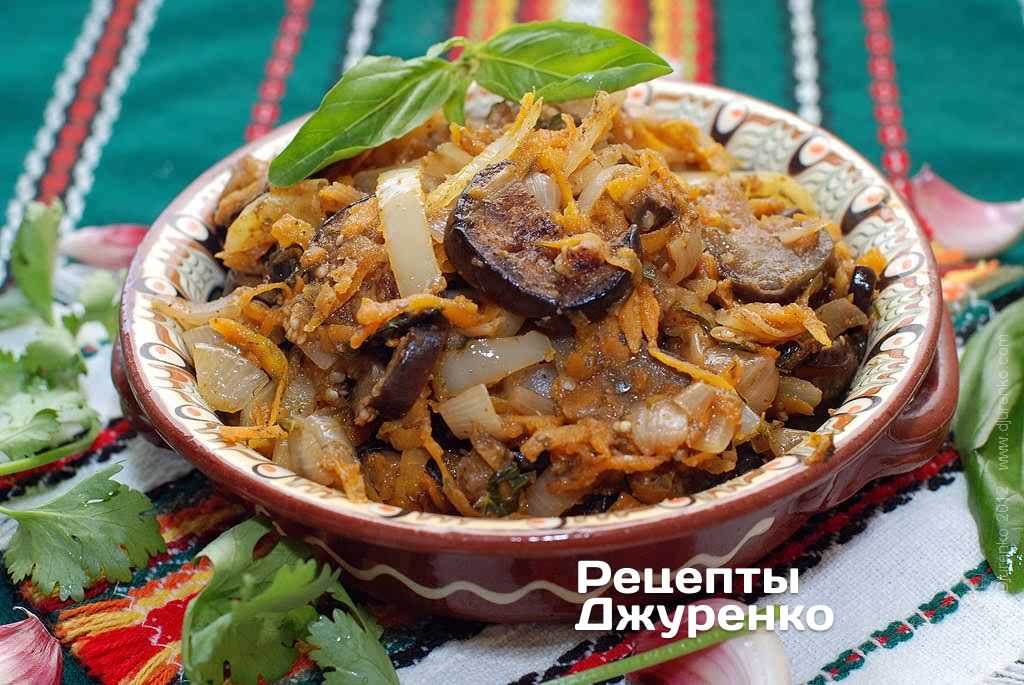
Ajapsandali Recipe: Georgian Eggplant Stew with Herbs
Summer is the season of fresh vegetables, and practically everything this year's harvest has to offer. One trip to the local market is enough to see it. In almost every cuisine in the world, the main summer vegetable dishes are stewed vegetables, and the number of variations is simply astonishing.
In Europe, for example, all kinds of sautés are popular, vegetable ratatouille, vegetable stews. Ragout (from the French ragoûter, “to awaken the appetite”) is a dish of vegetables, or vegetables with meat, first fried and then stewed, and a cornerstone of French cooking. In Asia there is azu. Azu is a traditional Tatar dish, usually made with meat, lots of vegetables and pieces of pickled cucumber. A great choice for campfire cooking.
In the East, a marvelous piece of culinary art is hugely popular: “imam bayildi“. It is usually eggplant stuffed with peppers and tomatoes, though it is often made as a sauté. Legend has it that an imam, the spiritual guide of Muslims, tried this dish for the first time and fainted with delight and amazement. That is why the dish was named “the imam fainted”, that is, “imam bayildi”. A simpler dish is also common: eggplant with tomatoes and other eggplant appetizers.
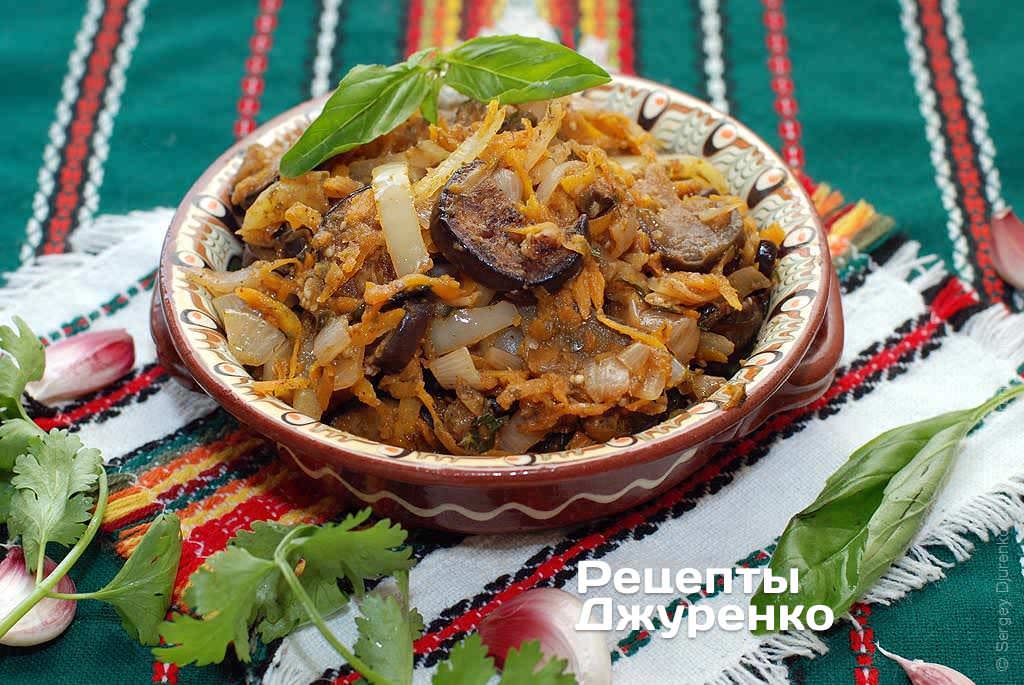
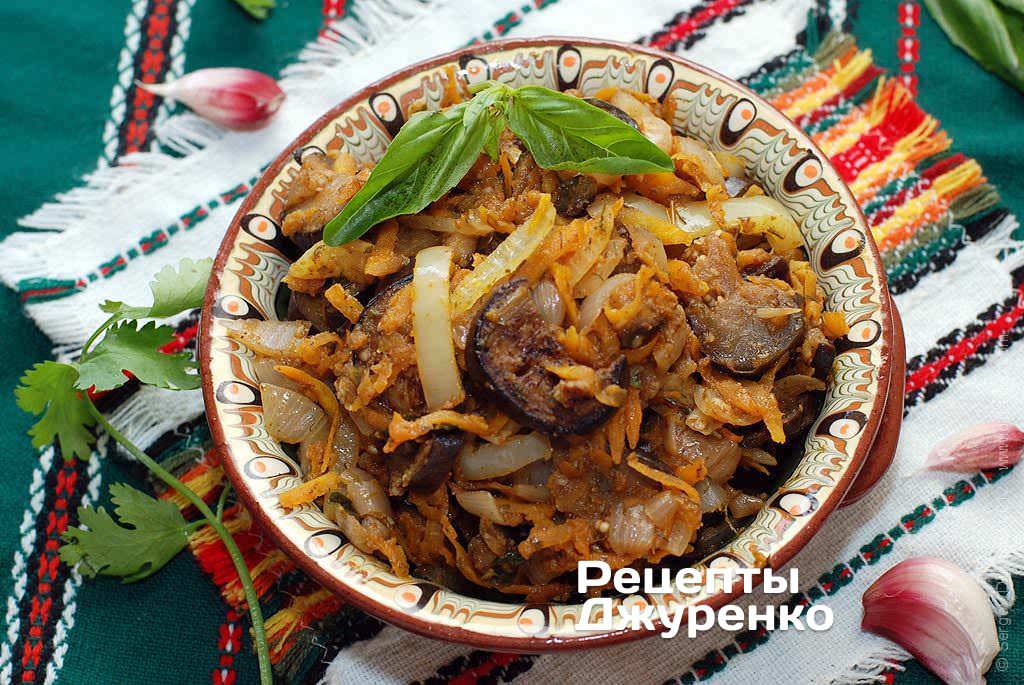
Still, the Caucasus mountains gave the world one more masterpiece. This is ajapsandali (აჯაფსანდალი), a Caucasian dish that is wonderfully fragrant and extraordinarily tasty. At its heart are stewed vegetables: eggplant, sweet and hot peppers, tomatoes, carrots, plenty of herbs and garlic. You can eat it hot, straight from the stove, or cold.
You will often come across versions with potatoes, beans and all sorts of other things added. I won't argue, maybe that's the way it should be, but in my opinion the essence of ajapsandali slips away. The most important thing is good, perfectly fresh young vegetables. And a bit of good mood. Then everything will work out.
Ingredients
2 servings
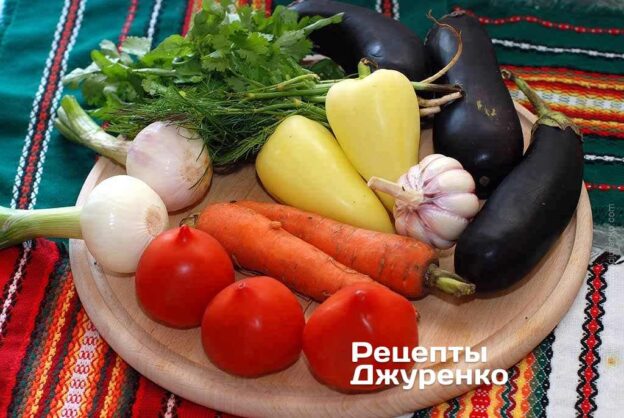
- Eggplants 3-4
- Bell peppers 3-4
- Hot pepper 1
- Carrots 2
- Garlic 1 head
- Onions 2-3
- Tomatoes 3-4
- Vegetable oil 0.5 cup
- Cilantro, basil, parsley, dill large bunch
- Spices: salt, khmeli-suneli to taste
Step-by-step recipe
- In the Caucasus, besides all sorts of eggplant dishes (Caucasian cuisine uses eggplant almost more often than walnuts), all kinds of vegetable mixes made with lots of young summer vegetables are very popular. Eggplant satsivi is simply beyond compare. My favorite cold dish of roasted eggplant is homemade pkhali, a wonderful spicy appetizer that somewhat resembles Greek melitzanosalata. And there are others. I'd even say that plain roasted vegetables on their own already make a great lunch.
- But today it's ajapsandali. As I said, you need perfectly fresh young vegetables. Right now that's no problem. One more thing. The classic recipe for this Caucasian masterpiece includes saffron. I spent a long time trying to find out why. I was told it's for color. My thinking was: first, saffron is expensive, and there's no guarantee you'll get the real thing. Second, young carrots color everything, and strongly. So decide for yourself.
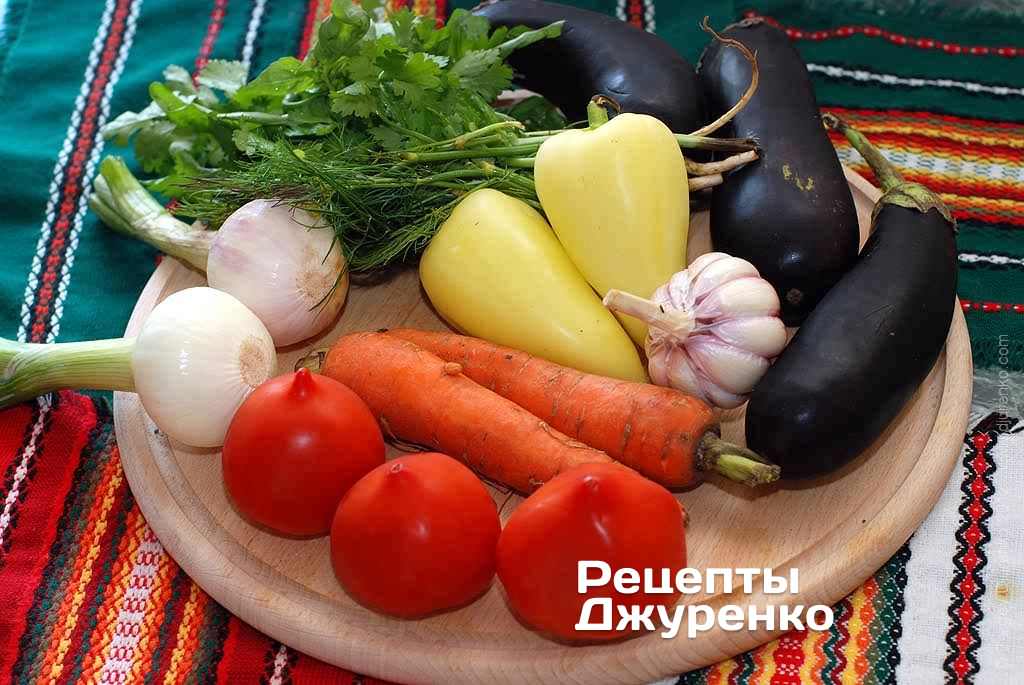
- Young, small eggplants whose seeds haven't formed yet, young onions and garlic, young carrots. You can buy all of it at any market in one go.
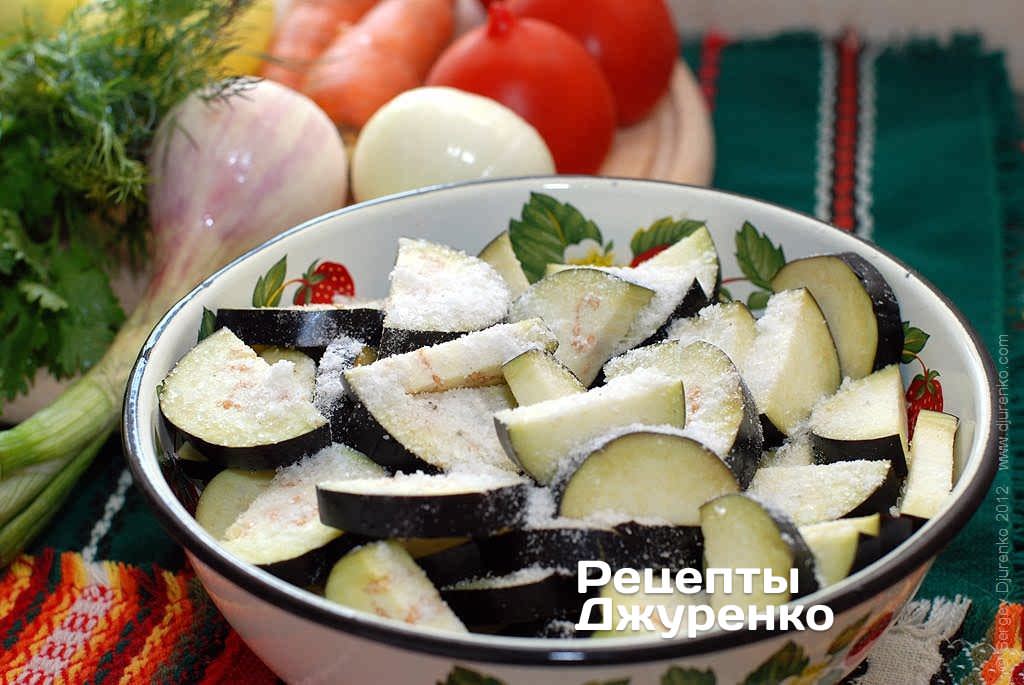
- Wash the eggplants, cut off the ends and halve them lengthwise. If the seeds have formed after all, carefully scrape them out with the tip of a knife. Then cut into half-moons and put them in a deep bowl. Sprinkle with rock salt and leave for half an hour.
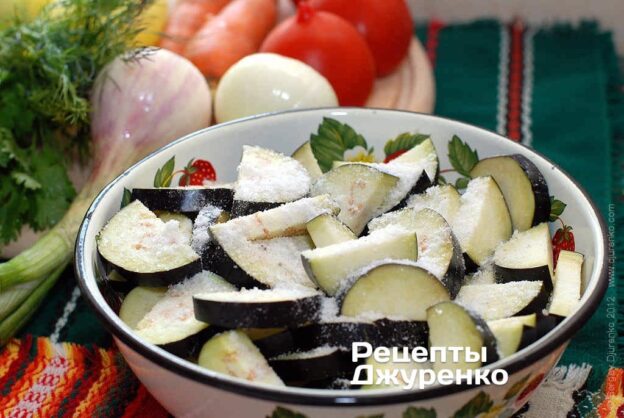
- You can also cover them with heavily salted water. This trick removes the bitterness typical of eggplant. Then rinse the eggplant under running water and squeeze lightly.
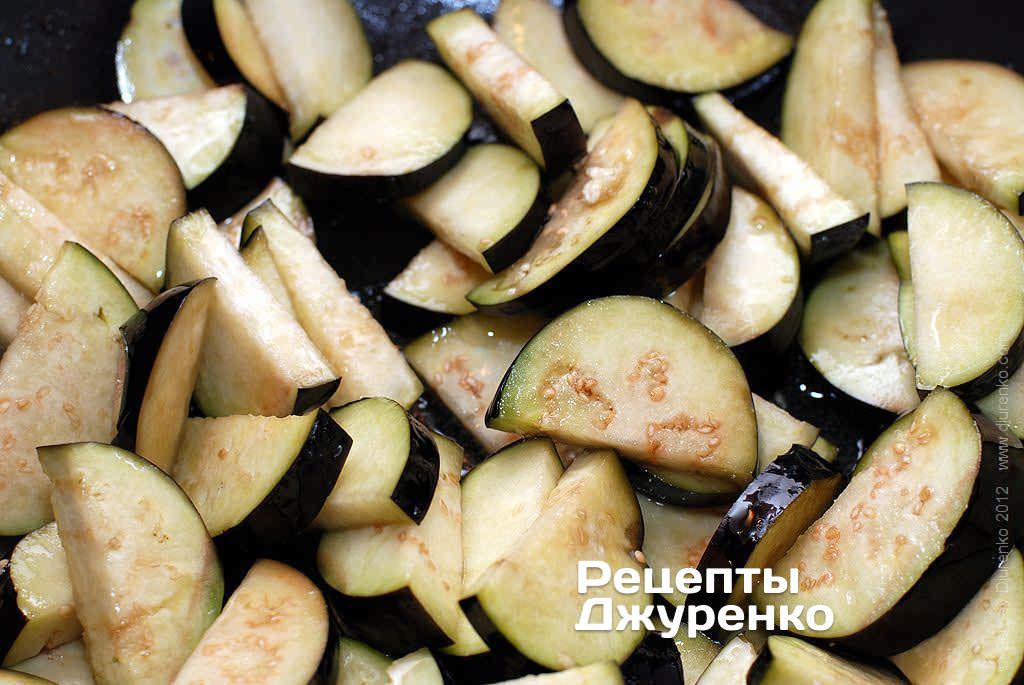
- In a deep lidded skillet, heat 2/3 of the vegetable oil and add the sliced eggplant.
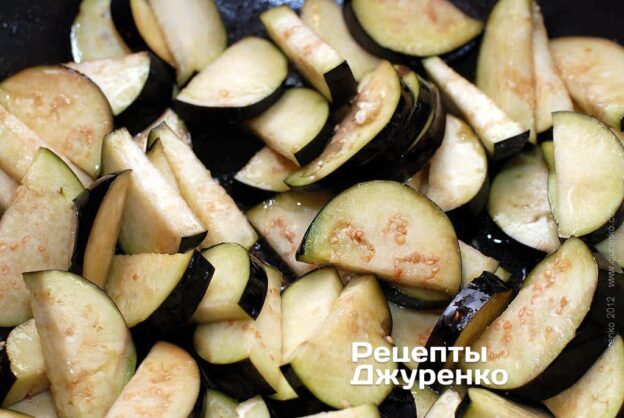
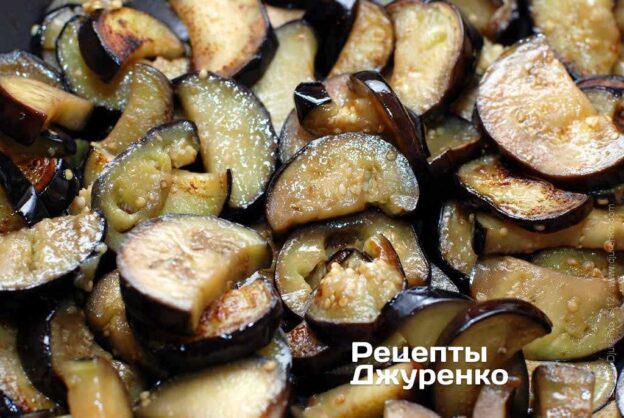
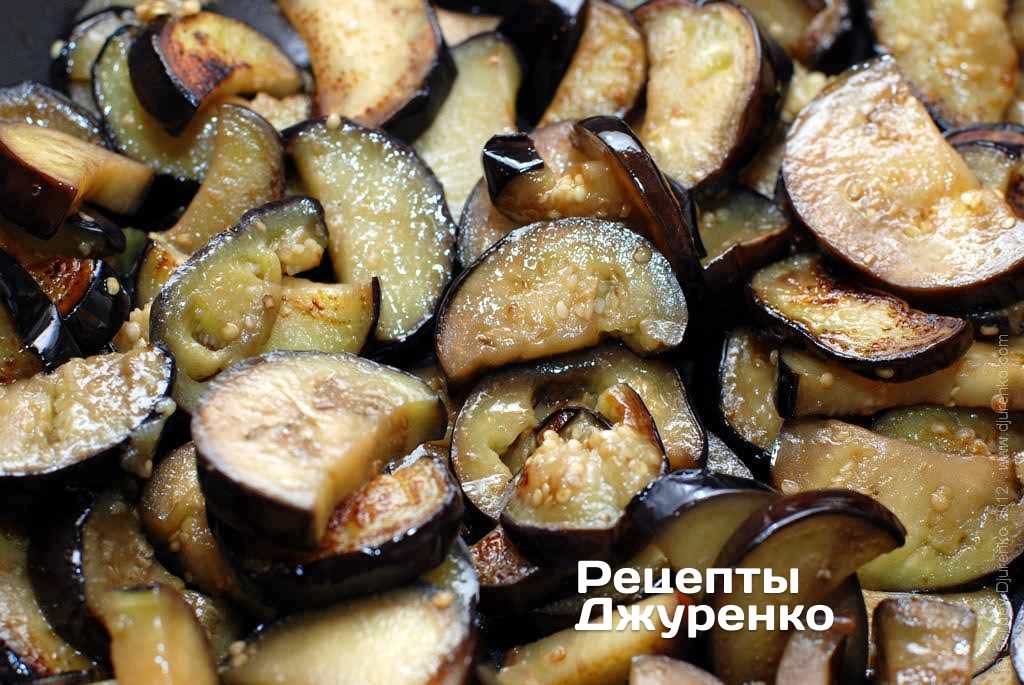
- Fry over high heat, stirring constantly. Eggplant soaks up oil eagerly and, by the way, burns just as eagerly. So stirring with a spatula is a must. In about 10 minutes it will turn soft and golden. Transfer the fried eggplant to a separate plate.
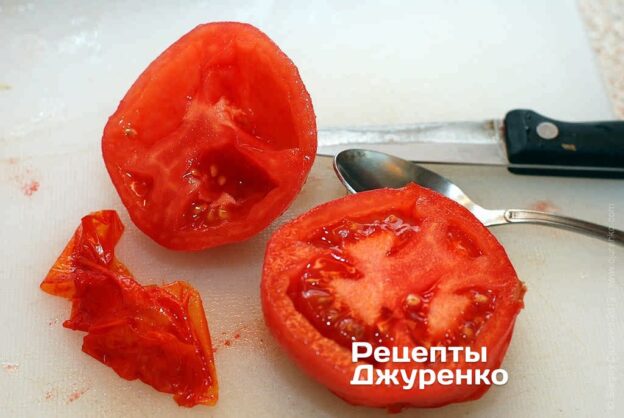
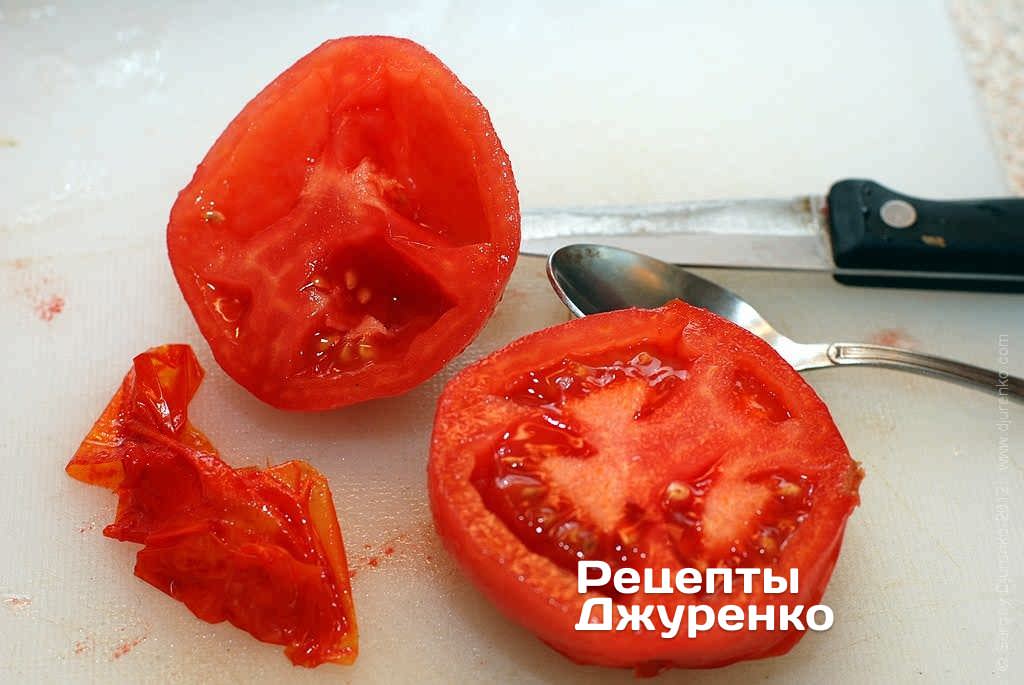
- Pour boiling water over the tomatoes and peel them. Cut them in half and scoop out the seeds with a spoon. Chop the tomato flesh fairly finely, removing the white parts.
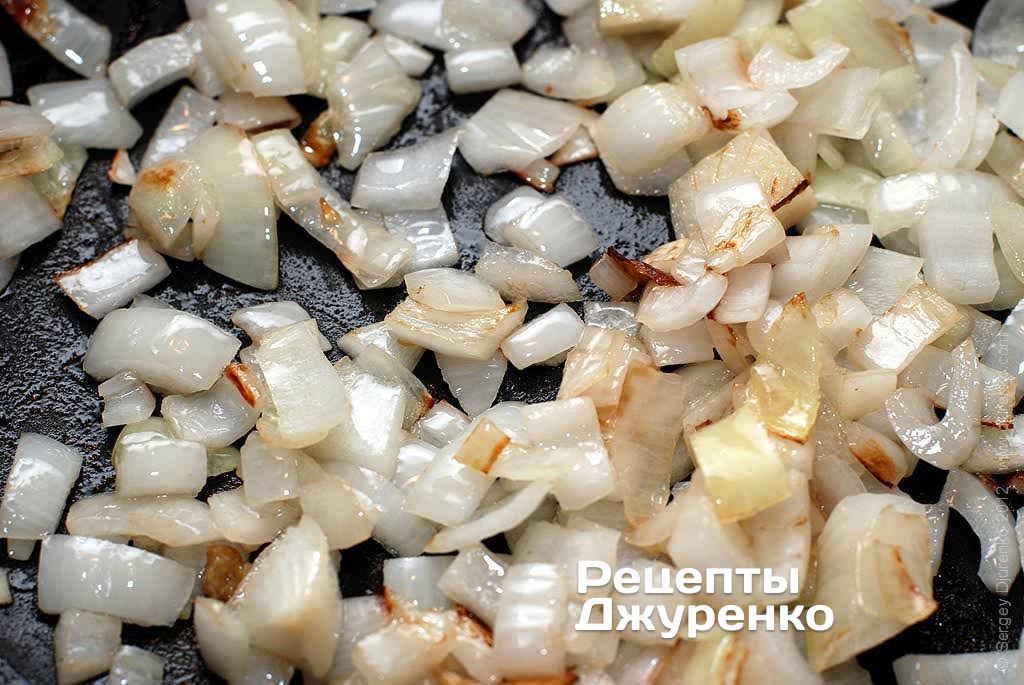
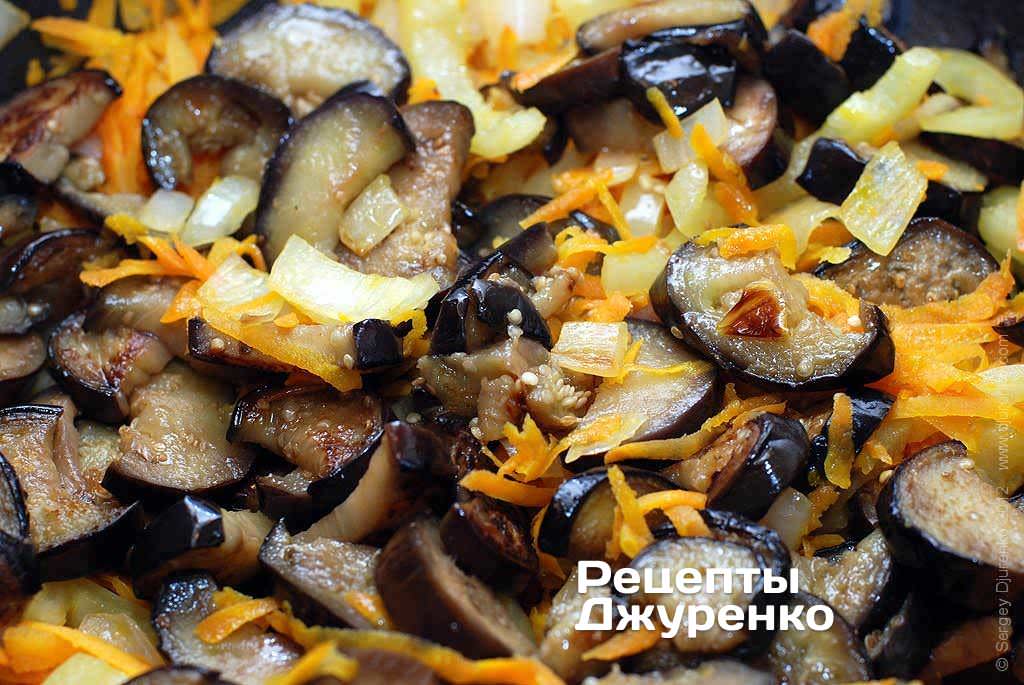
- Peel the onions and chop them coarsely. Pour the rest of the vegetable oil into the skillet and fry the onions in it.
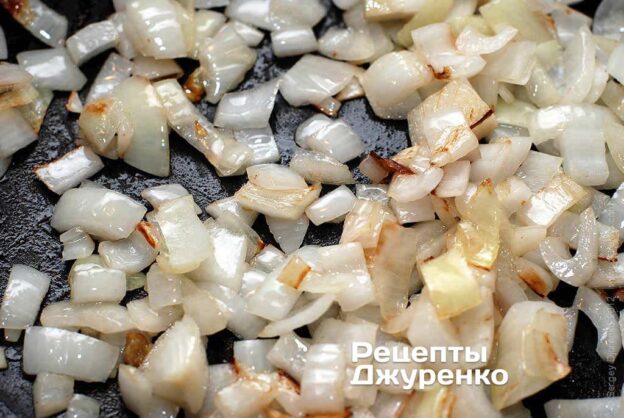
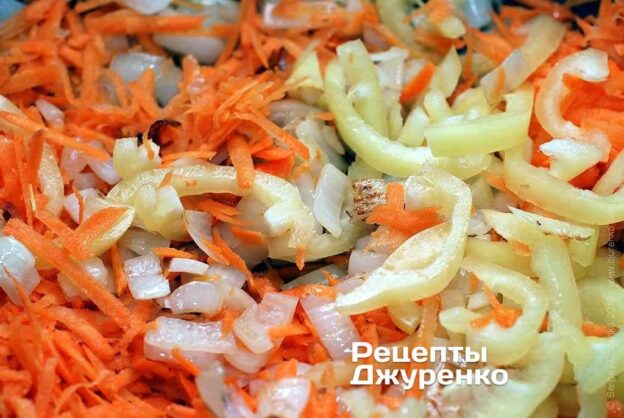
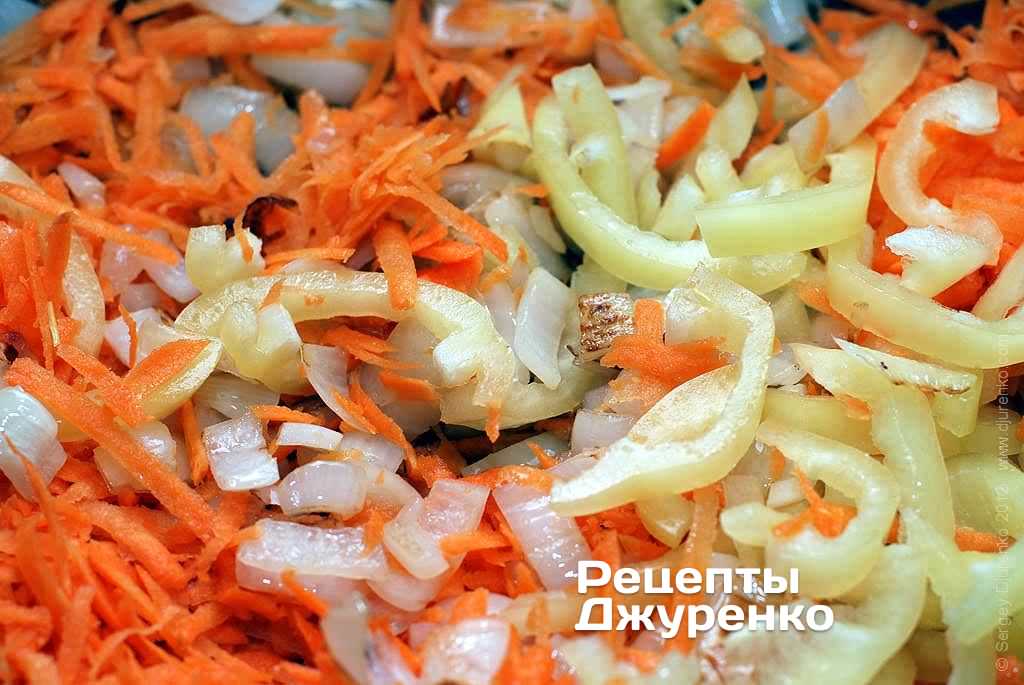
- As soon as the onions start to brown, add the peeled carrots grated on a coarse grater. Then right away add the bell peppers, seeded and cut into strips. Stir everything and simmer covered over low heat for 15-20 minutes.
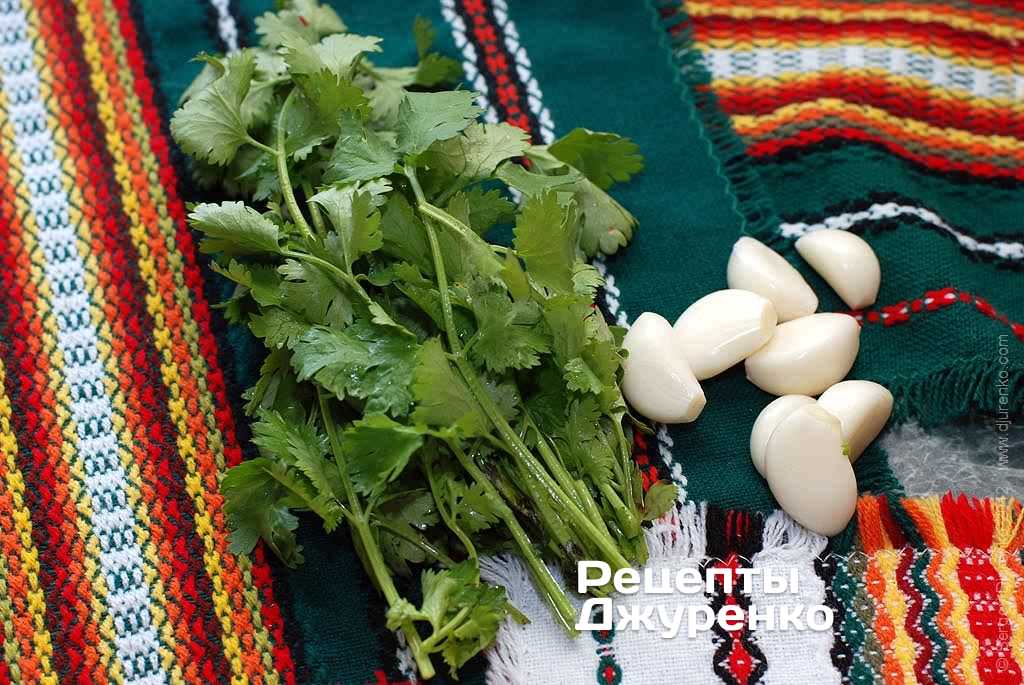
- Peel the garlic. By the way, the amount of garlic is to taste. For this many vegetables, one small head or half a large one is enough.
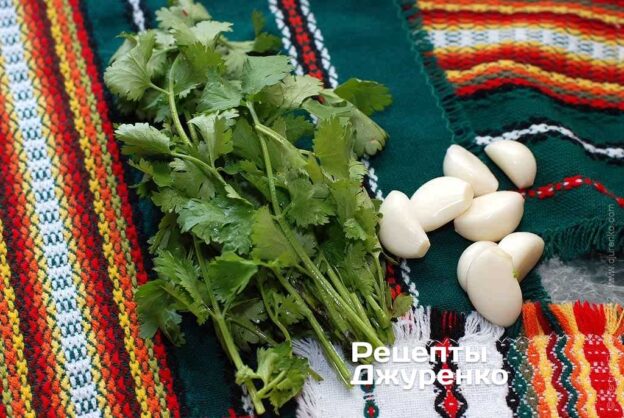
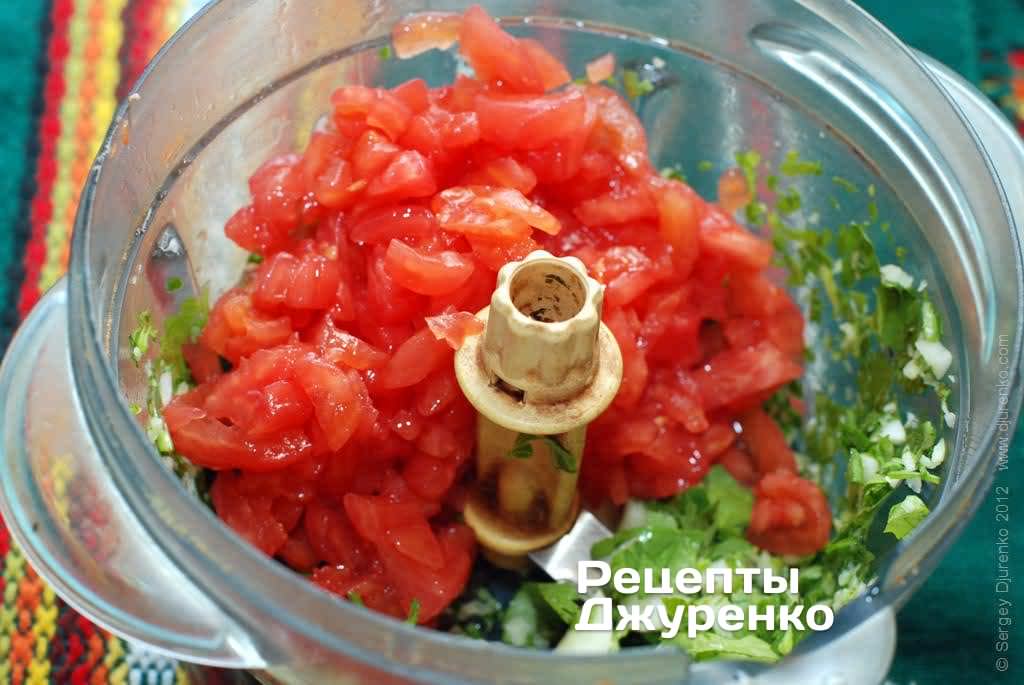
- Chop the peeled garlic and cilantro very finely. Traditionally this is done by grinding them in a stone mortar, but you can use a blender.
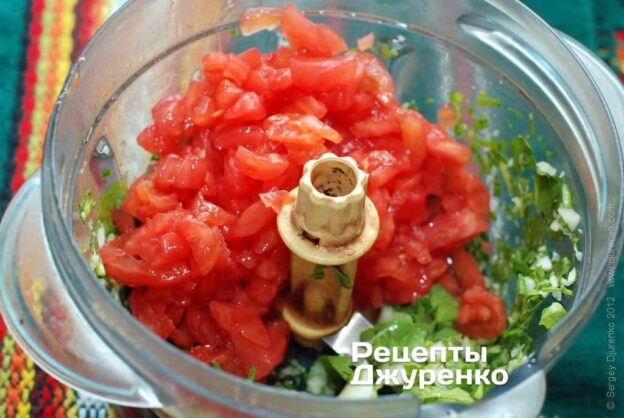
- Then combine the tomato flesh with this mixture and chop it all once more. You should end up with a fragrant tomato sauce. Add the fried eggplant to the stewed carrots, peppers and onions, which should be fully cooked by now.
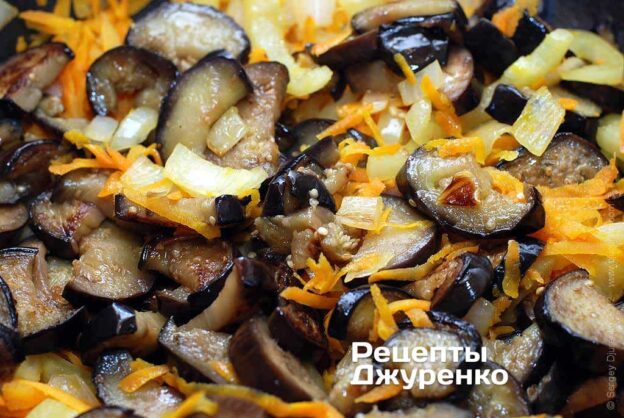
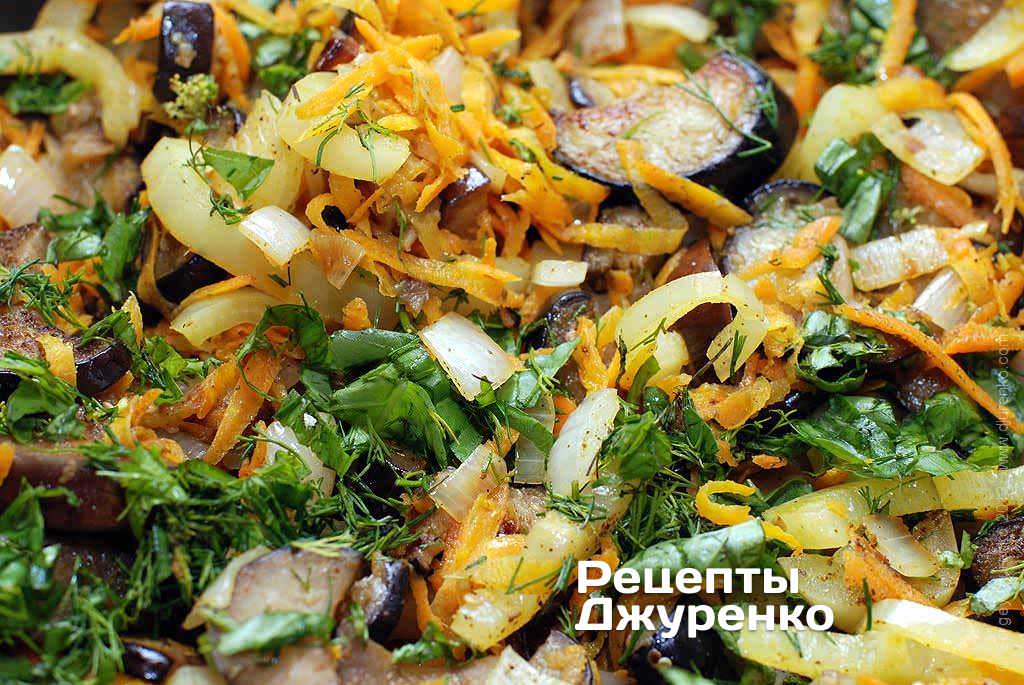
- Sprinkle with a finely chopped mix of basil, parsley and dill. Stir and simmer for 5 minutes.
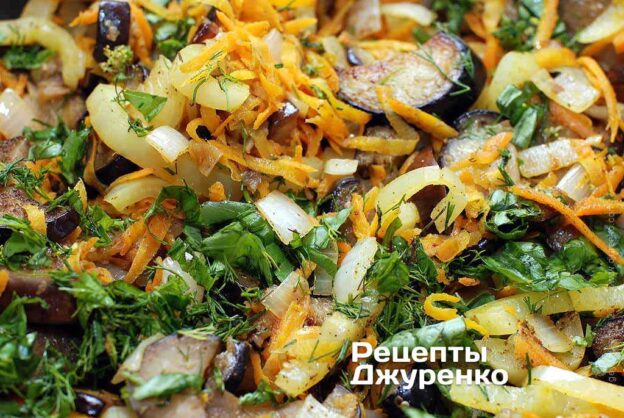
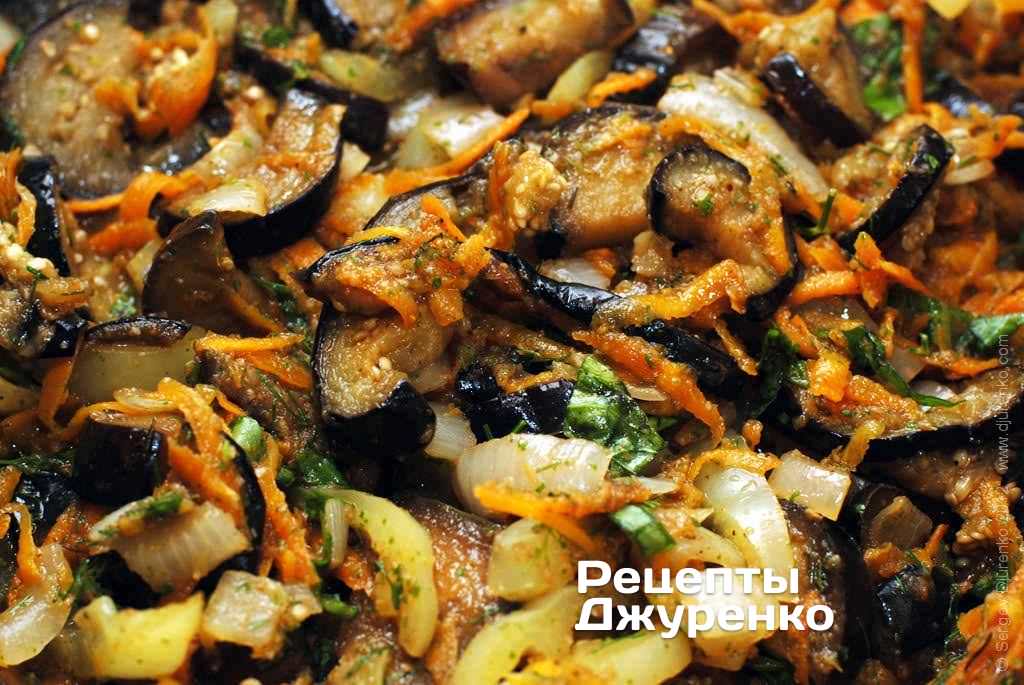
- Pour the tomato, garlic and cilantro mixture over the vegetables in the skillet. Add 1 tsp khmeli-suneli and a little salt. If you like it spicy, finely chop the hot pepper and add it to the dish, or simply season with hot paprika.
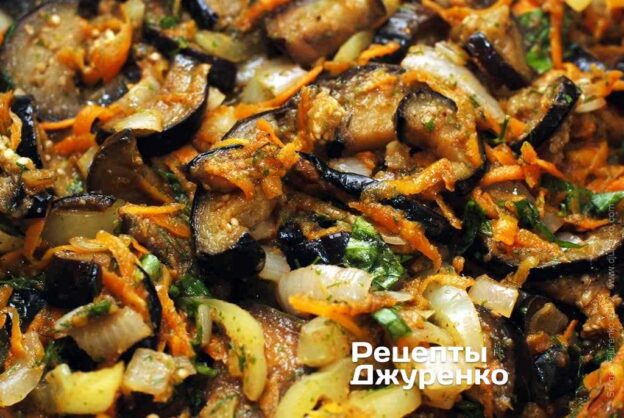
- There's enough moisture for the vegetables to stew in their own juices. But if in doubt, you can add half a cup of water, or better yet, dry white wine. It's up to you.
- Stir and simmer for at least 10 mins.
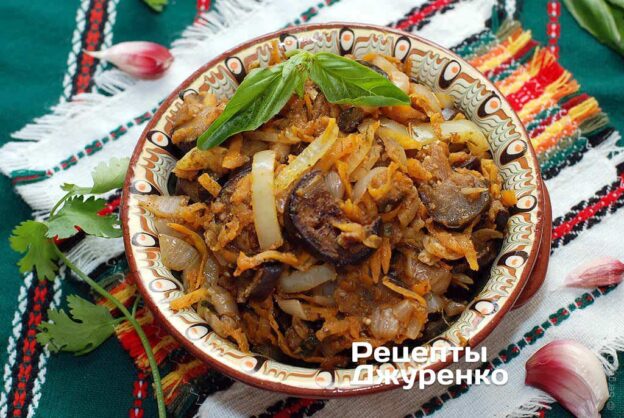
- Then, even though all the vegetables are done, let the stew rest off the heat for half an hour.
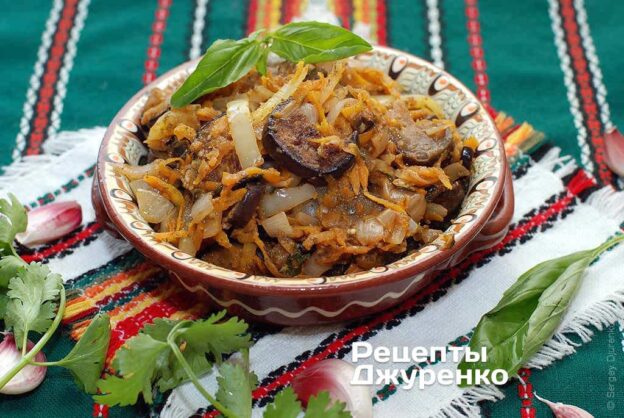
- You can eat the stew hot, nobody's stopping you. But it tastes better once it has cooled completely, and even better well chilled.
- But the vegetables are at their tastiest the next day, after a night in the fridge. It makes sense to cook a big batch at once, put it in the fridge and enjoy it.
| Yield: | 2 servings |
| Calories: | 62 |
| Prep: | 20 mins |
| Cooking: | 30 mins |
| Ready in: | 50 mins |
| Category: | Main Dishes |
| Cuisine: | Caucasian cuisine |
| Rating: |
⭐
⭐
⭐
⭐
⭐
4.8
(2)
|