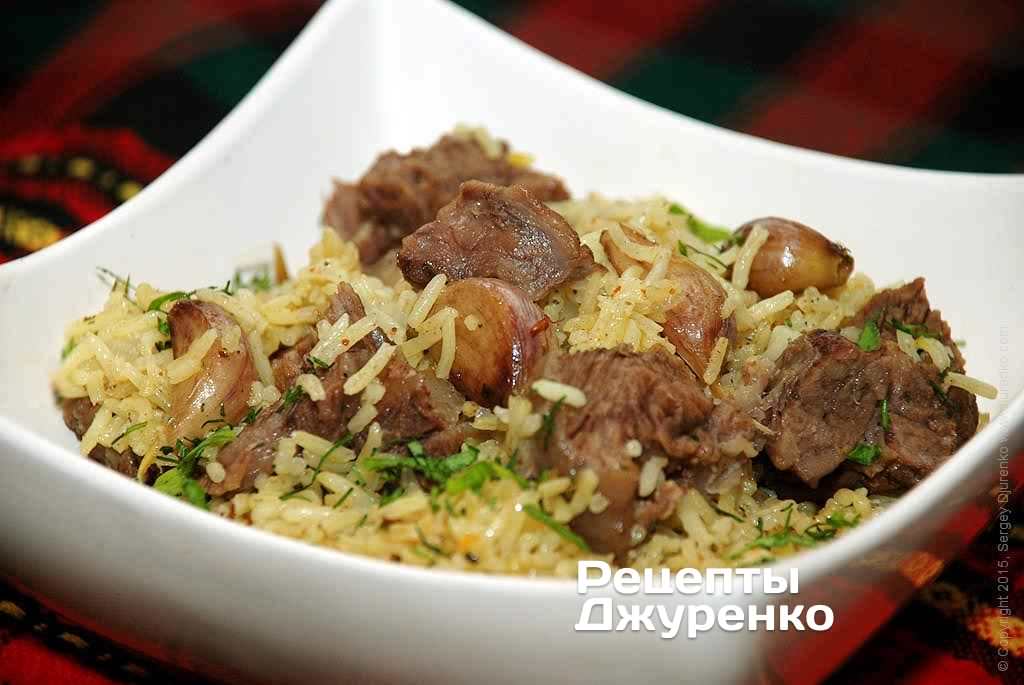
Veal Rice Pilaf: Fluffy Rice with Meat and Spices
For all the variety of rice dishes, be it pilaf or plain rice with meat, one thing is probably common to every cuisine in the world: the rice is simmered in liquid and soaks it up. In textbook terms, this is the absorption method. It is how both pilaf and simple rice with meat are cooked.
Pilaf, risotto, paella and many others are made on this principle. Sometimes it is quite hard to draw the line between two similar rice dishes. But different spices, oils, cooking methods, cooking times and rice varieties turn seemingly similar dishes into completely different ones.
Last year we spent our holiday with friends on the Black Sea coast of Bulgaria; we go there often. One evening in the island part of the town of Nesebar, right on the street by a restaurant, we saw a big, no, a simply enormous pan on a stand, with paella cooking in it. Although that time we ate pasta with meat.
In essence, paella (Spanish: Paella) is a dish of rice coloured with saffron and cooked with olive oil. Seafood, vegetables, chicken, sausage, meat and so on are added to it. The name comes from the Latin word patella (a pan). The variations of paella, “black rice”, made with cuttlefish and its “ink”, and “rice with a crust”, are more traditional for Spain.
Paella calls for a huge flat pan.
To be honest, cooking a real paella in a home kitchen is hardly possible, I am not fond of all that saffron colouring, and as for cuttlefish ink, I would rather say nothing at all.
So let's not put ourselves through an exam. Instead, let's cook what we can manage and what we are sure to enjoy: rice with meat, simple and affordable, no harder than making risotto with onion.
Ingredients
2 servings
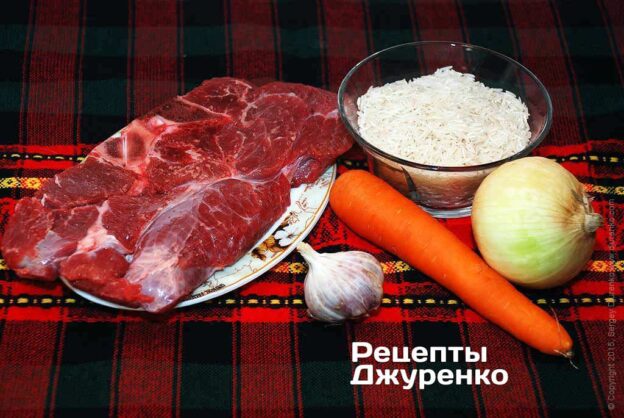
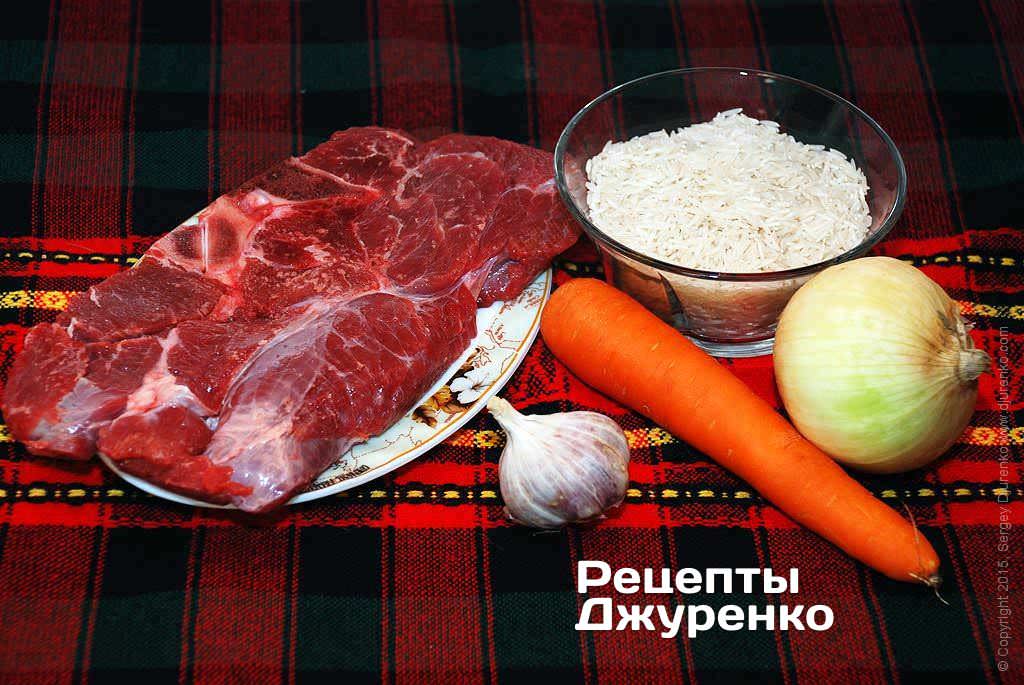
- Rice 1 cup
- Veal tenderloin 400 g
- Onion 1
- Garlic 1 head
- Olive oil 50 ml
- Roots for the broth (carrot, parsley, celery) optional
- Saffron (turmeric, marigold, curry), sweet red paprika, salt, ground black pepper, bay leaf to taste
Step-by-step recipe
- Wash the meat, a veal tenderloin, and trim off the membranes.
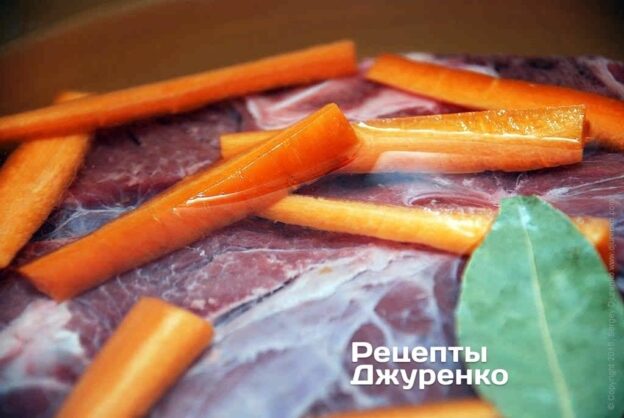
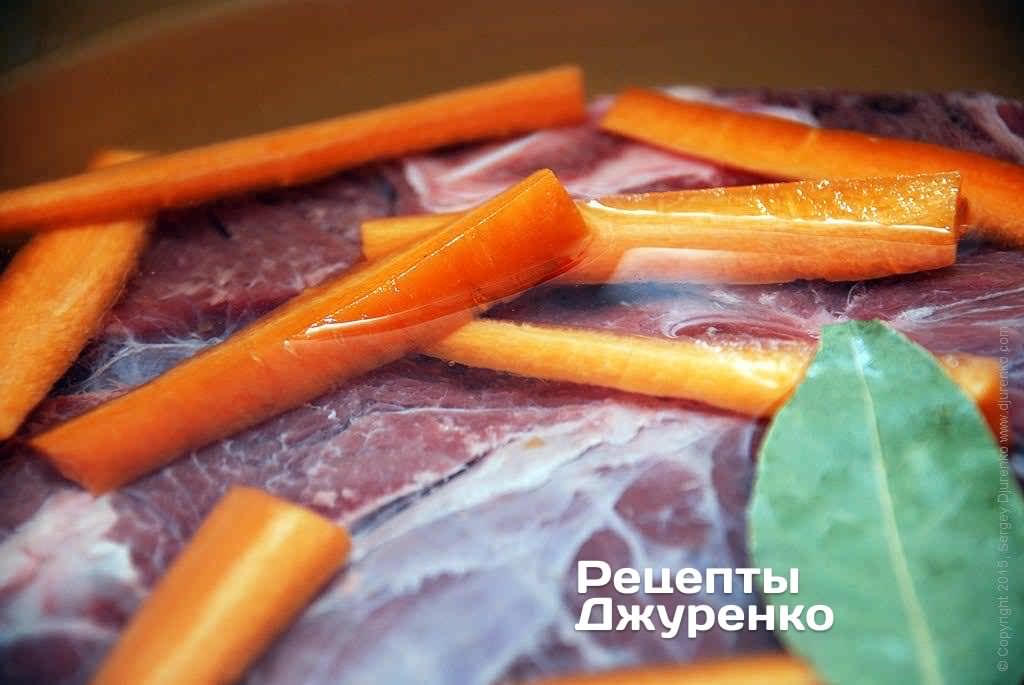
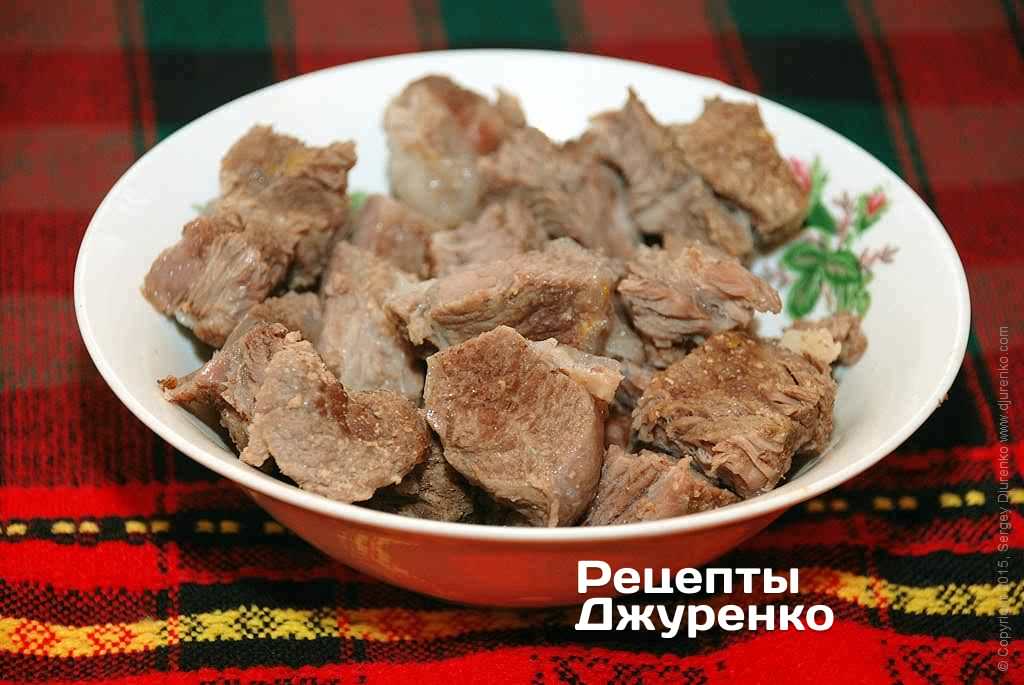
- Make a strong broth from the whole piece of meat in water, without salt. Just water (1 l) and one bay leaf. It is a very good idea, though, to add a handful of dried roots (celery, parsley, carrot, leek) or fresh carrot cut into large pieces while the broth cooks. Simmer the broth for at least 1 hour.
- Choosing the rice variety is the hardest part of cooking any dish. A recipe usually says what kind of rice is needed. But as a rule, shops sell just “rice”: a nameless white grain of indefinite shape. Some will remember that 30-40 years ago shops had two kinds of beer: “beer in stock” and “no beer”. It is the same with rice, and with everything else, for that matter. Still, to be fair, you can always find a rice variety you can make sense of. Basmati, arborio, jasmine… Without special knowledge it is hard to find your way, but recipes usually say something like round-grain, not very fluffy. Or long-grain, sticky. You can always work out what is needed. For our dish, the rice should absorb water well, have a long grain and not clump into porridge, staying moderately fluffy. In such cases I use basmati rice. Basmati is believed to have a unique taste and aroma. The word “basmati” means “fragrant” in Hindi. You can already smell that aroma clearly while rinsing and soaking the rice. Basmati is ideal for cooking by the absorption method.
- While the broth is cooking, be sure to rinse the rice under cold running water to wash away the rice flour left after polishing. This is a must if you want the rice with meat to be fluffy. It is very convenient to put the amount of rice you need into a large enamel bowl and set it under a thin stream of water from the tap. The water will spill over the rim of the bowl and carry away everything unwanted, while the heavy rice stays at the bottom. In 10 minutes the water will be perfectly clear and the rice clean.
- Tip the wet rice into a mesh colander or sieve, shake off the water and let it stand until all the liquid has drained. You can shake it a few times. The rice should be slightly damp but not wet.
- Get the ingredients ready for cooking. As usual: peel the onion, peel the garlic, pick the leaves of the herbs off the stems and chop them finely.
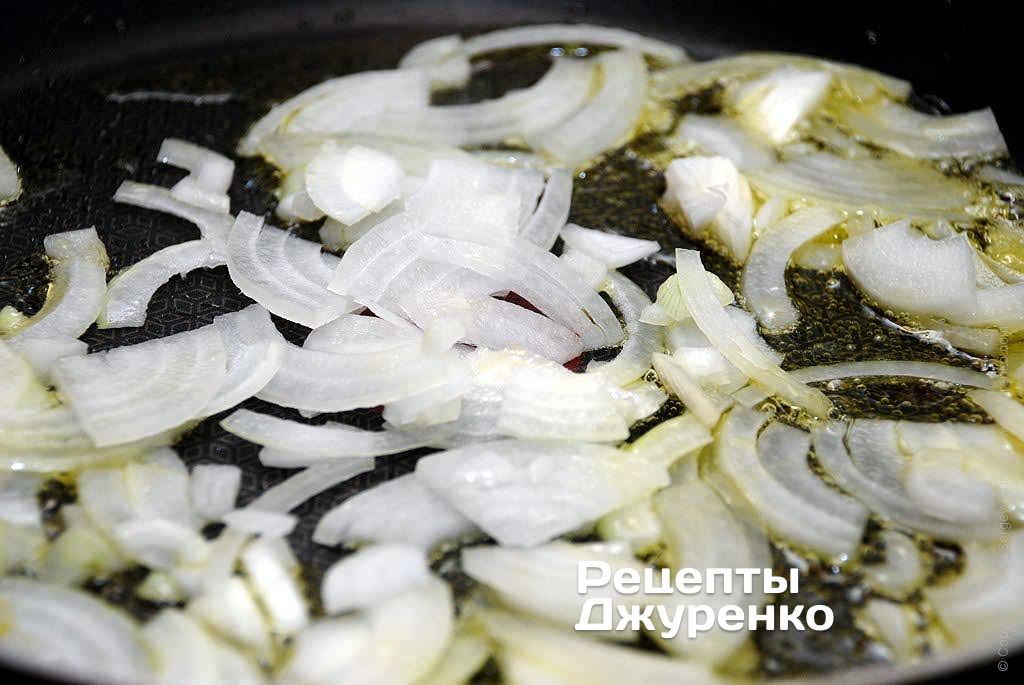
- Cut the onion into thin rings or strips. Try to slice it very thinly. Ruffle the onion with your hands so that the rings or strips separate from one another. Wash your hands with cold water right away, or the onion fumes will bring on a waterfall of tears.
- Crush the garlic cloves with the flat of a knife.
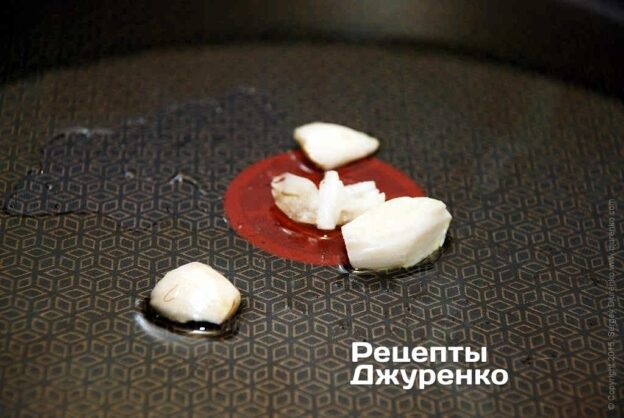
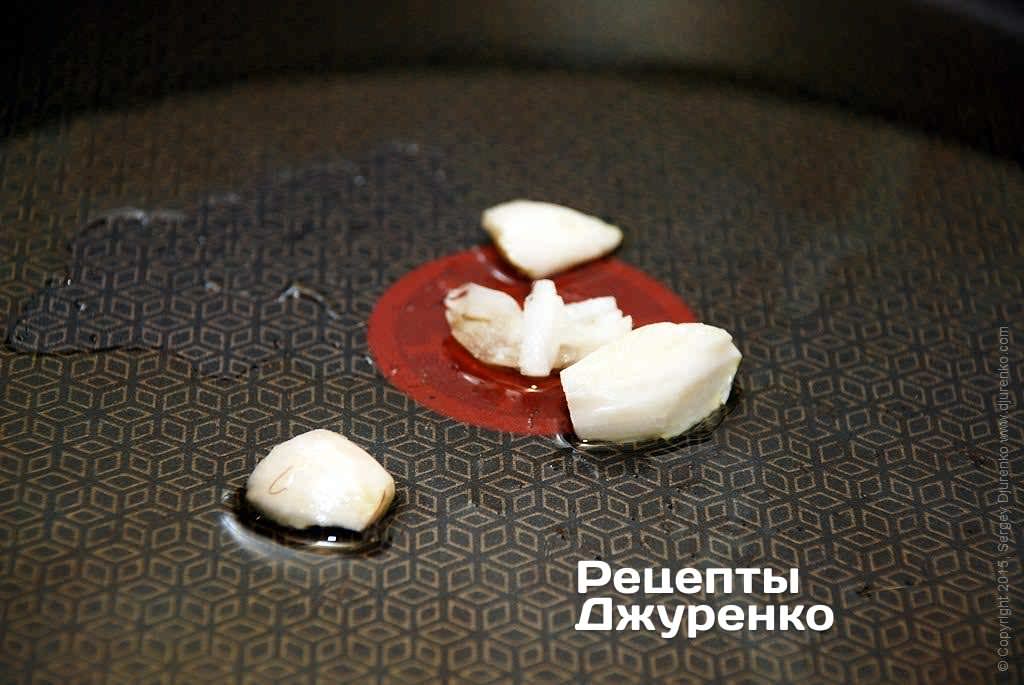
- In a deep frying pan, heat the olive oil until very hot and fragrant. Fry 1-2 garlic cloves for no more than 1 minute, stirring constantly. The garlic must not burn in the oil under any circumstances; it should only flavour the oil. After frying, remove the garlic from the oil.
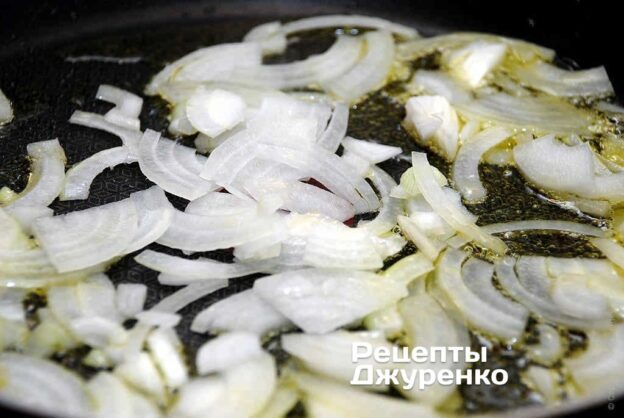
- Fry the sliced onion in the same oil straight away. Fry, stirring constantly, until soft.
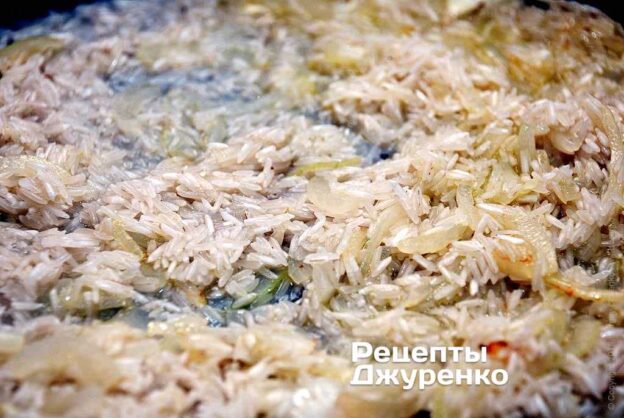
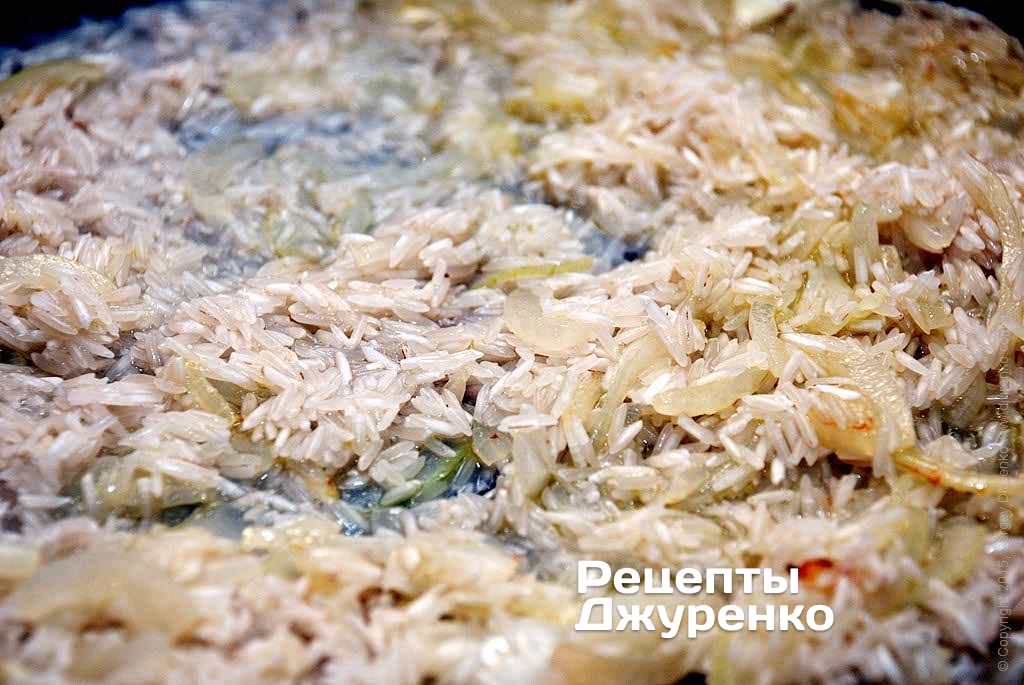
- Add the rinsed and drained rice to the fried onion. Stir and fry the rice for 2-3 minutes. Be sure to stir constantly so that the rice does not burn or stick to the pan.
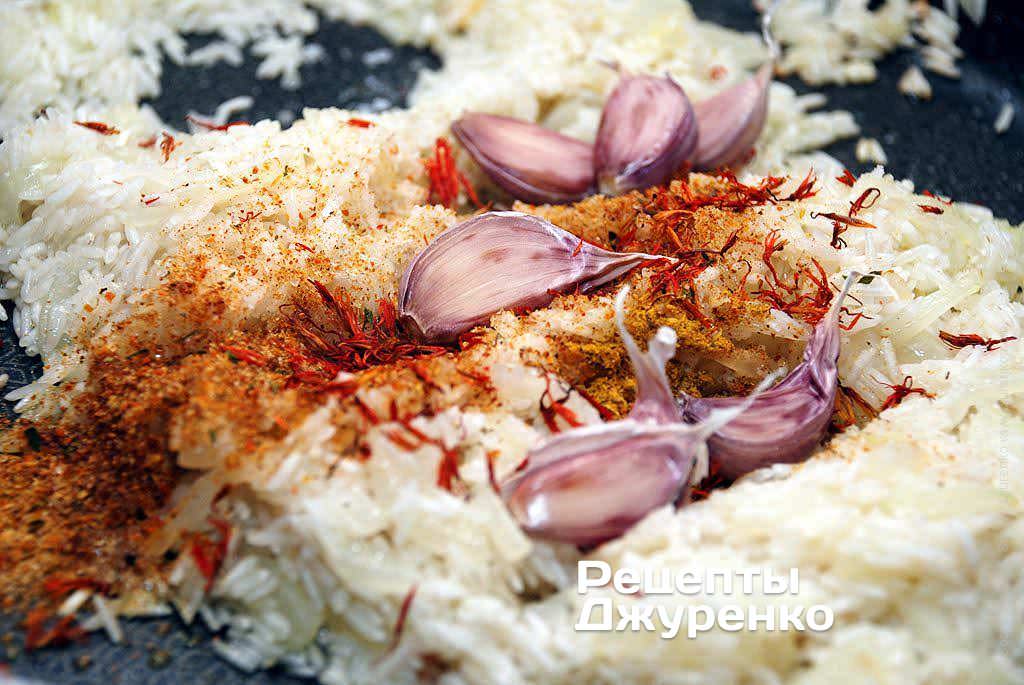
- Lightly salt and pepper the broth, add 0.5 tsp of sweet ground paprika and the remaining unpeeled garlic cloves.
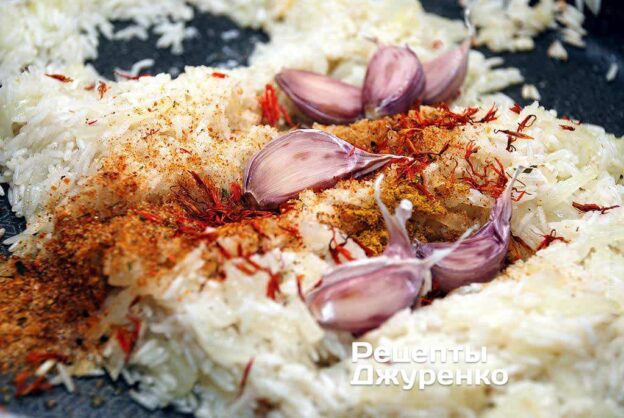
- Next comes the saffron. Saffron is a rather rare and expensive spice. Cheaper and more readily available turmeric is usually used in place of real saffron, while people loudly claim that it is saffron. Turmeric will do just fine, or even curry powder. But be careful. Don't overdo it. Personally, I am not too keen on the bright orange colour of Spanish paella, which has a generous amount of saffron or turmeric in it. For 1 cup of rice I add no more than a quarter teaspoon of turmeric. The colour of the dish is not as bright as is customary, but we agreed that we are cooking rice with meat, not a classic paella. Another option: you can buy dried marigold petals, which also work well for colouring rice.
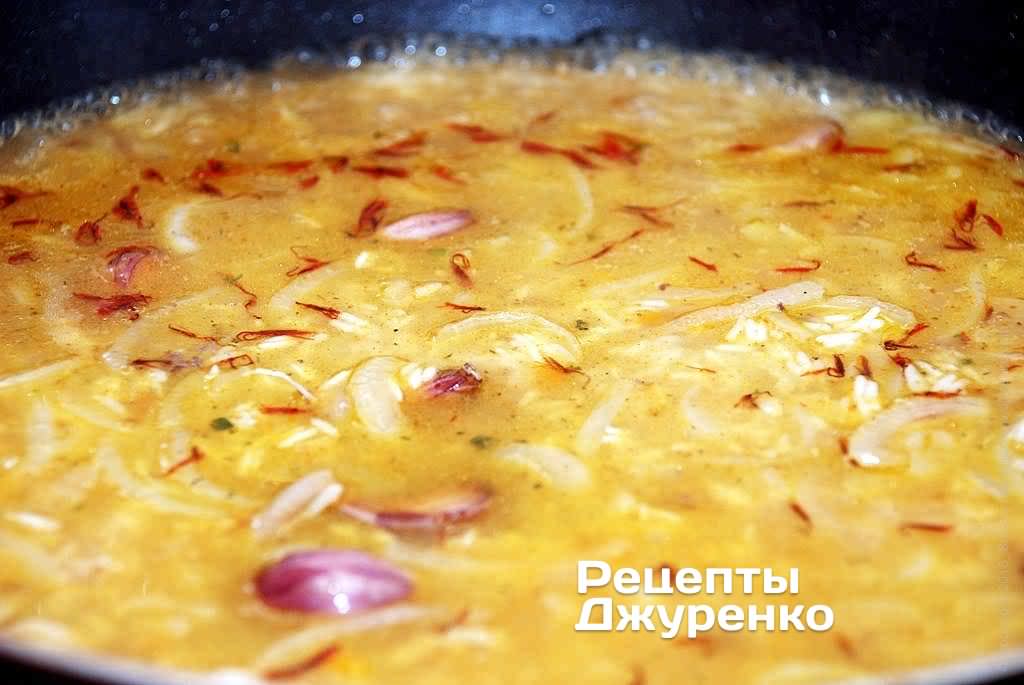
- Pour about 1.5 cups of the meat broth left from cooking the meat into the pan. Rice is usually cooked in twice its volume of liquid, but basmati absorbs less.
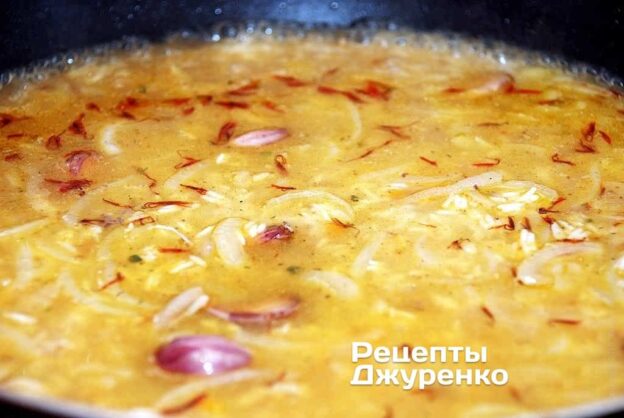
- Stir everything, cover with a lid and, once the broth comes to a boil, turn the heat down to the minimum. Simmer the rice in the broth until it is done and the liquid has fully cooked off and been absorbed. This takes 18-20 minutes. It is important that all the liquid is absorbed or evaporates, so that the rice is almost dry and the grains separate from one another. At the very end of cooking it is worth stirring the rice and keeping the dish over low heat under the lid so that the rice steams through completely. The rice then loses the last of its free liquid and becomes properly fluffy.
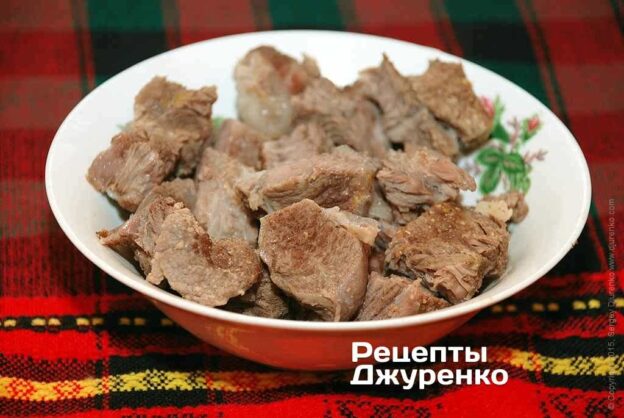
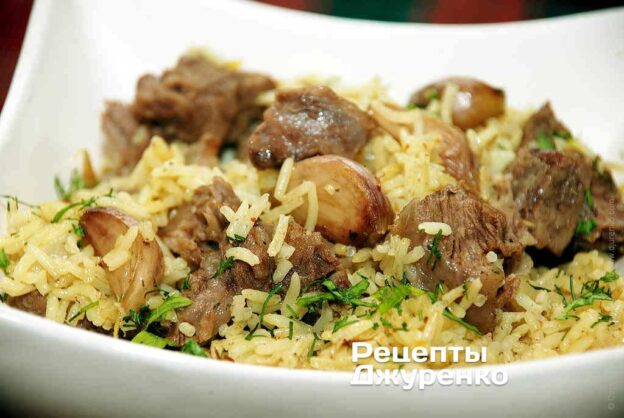
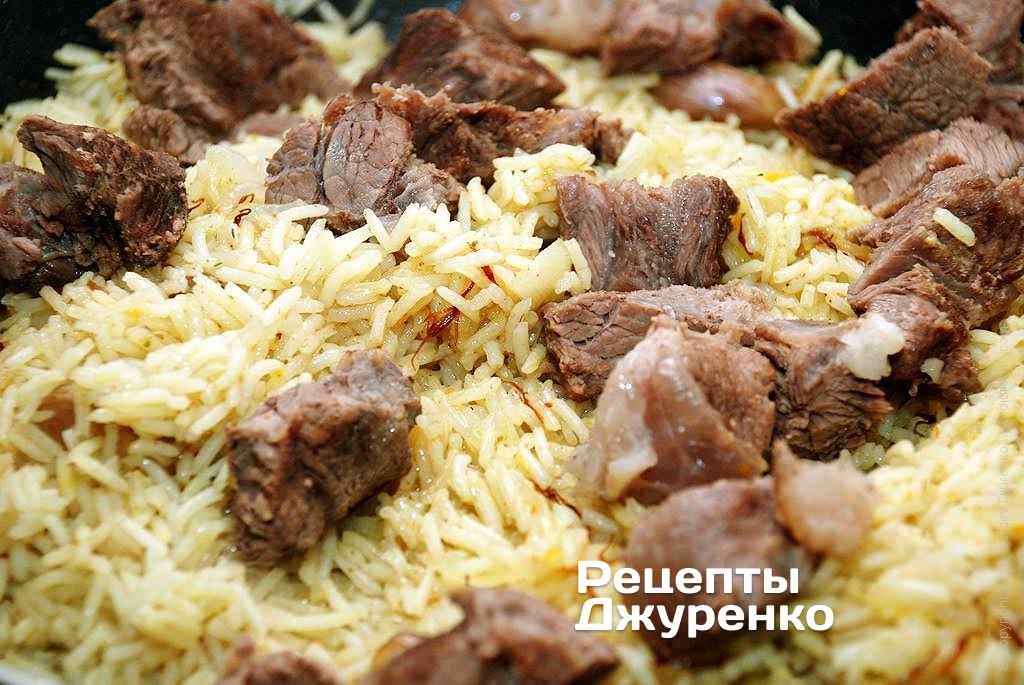
- While the rice is cooking, cut the boiled beef into very small pieces. Mix the boiled beef with the cooked rice, and you have rice with meat
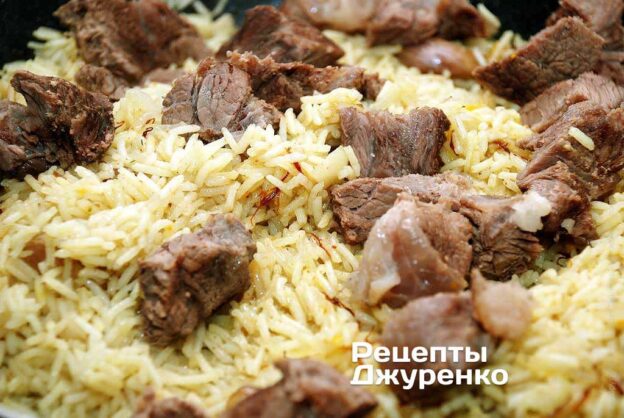
- You can add finely chopped herbs to the rice with meat, or the carrot that was boiled with the meat, and let the dish warm through for a few more minutes.
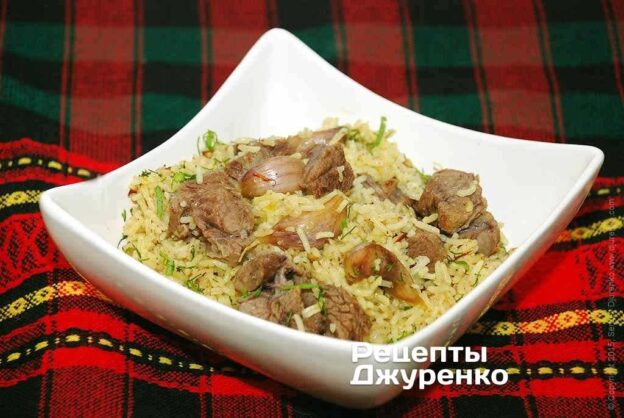
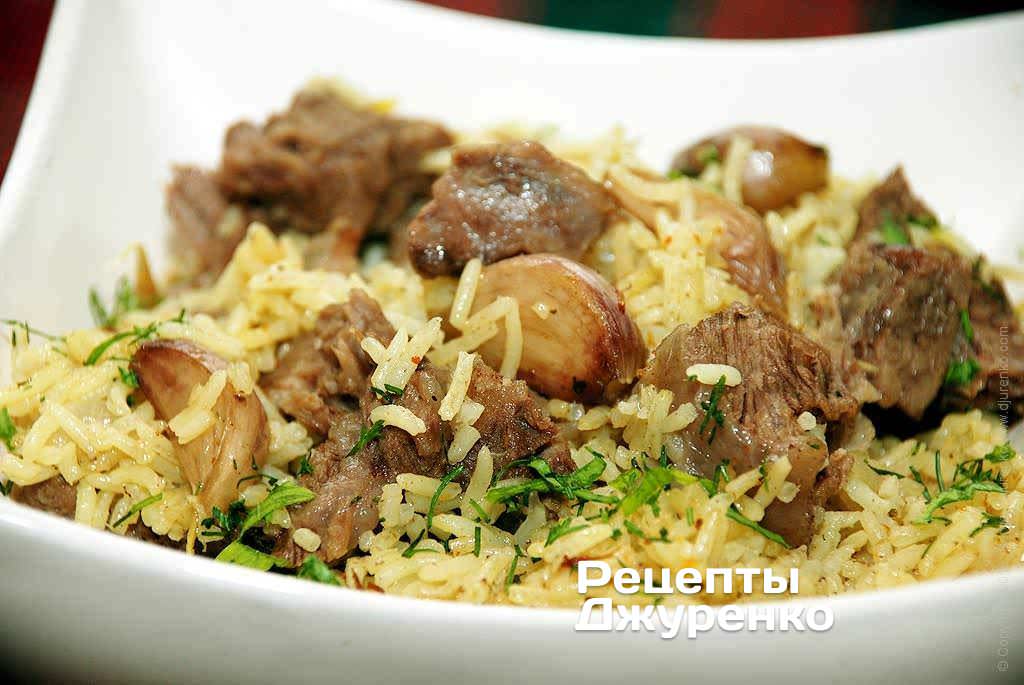
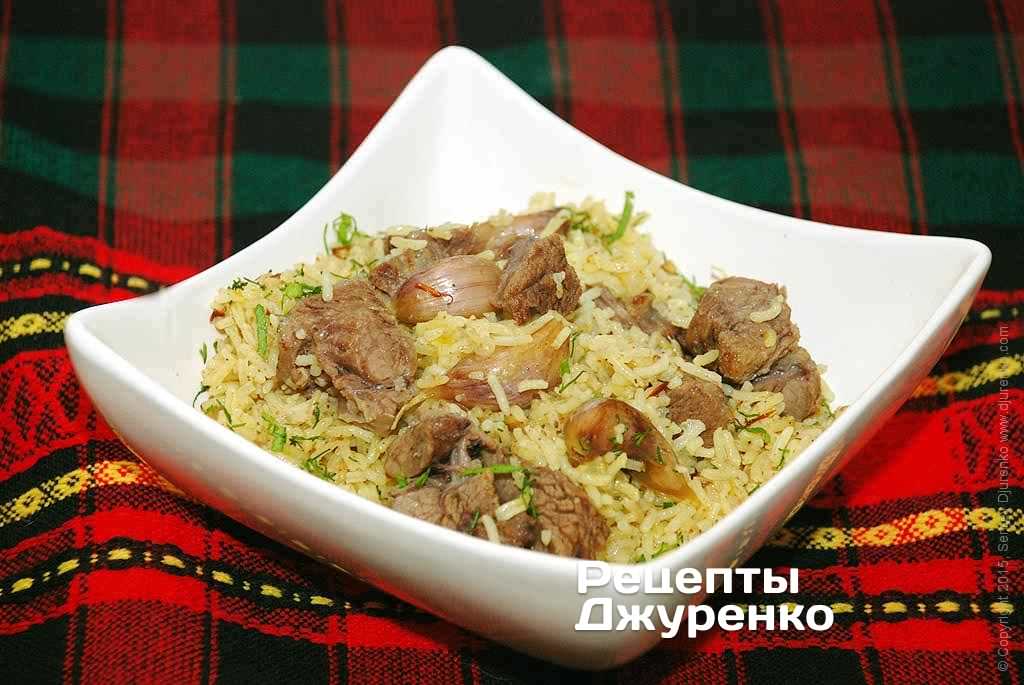
- Spoon the rice with meat onto a plate and serve.
| Yield: | 2 servings |
| Calories: | 150 |
| Prep: | 60 mins |
| Cook: | 30 mins |
| Total: | 1 h 30 mins |
| Category: | Main Dishes |
| Cuisine: | European |
| Rating: |
⭐
⭐
⭐
⭐
⭐
4.6
(7)
|