
Mussel Risotto with Garlic, White Wine and Parmesan
Rice, brought to Italy long ago by Venetian merchants, became one of the cornerstones of Italian cuisine. Restaurants, trattorias and pizzerias offer a choice of pasta or risotto at the start of a meal, quite often a seafood risotto.
Risotto (from risotto, “little rice”) is rice cooked with all sorts of ingredients: meat, fish, mushrooms, berries, seafood, cheese. And always with seasonings. The base of risotto is the round, starch-rich varieties of rice grown in the north of Italy: Arborio, Baldo, Roma and Carnaroli.
The general principle of risotto is that the rice is fried in oil, then wine is added gradually, then stock or water in portions, until the rice is soft and creamy, and only then is everything else added. It is worth saying that round, starchy Italian rice can absorb several times more liquid than the varieties we are used to.
Cooked risotto rice should be soft and creamy, yet keep a slightly firm center, almost like pasta “al dente”. They say you have to get an even consistency, and the Italians say “all’onda”, like a wave.
Arborio and Carnaroli are the most popular rice varieties for traditional risotto. They work well for chicken risotto and vegetable risotto. Of all the seafood risottos, the tastiest is the one with mussels. Adding Parmesan improves the flavor of the risotto. If you are making risotto for the first time, take a look at the recipe where I explain how to make risotto: which rice to take and how to get it creamy. Among other seafood options, I recommend shrimp risotto. Next in the risotto series is risotto with peeled shrimp.


Ingredients
2 servings
- Arborio rice 1 cup
(180 g) - Mussel meat 200 g
- Dry white wine 50 ml
- Olive oil 2 tbsp
- Onion 1
- Garlic 1-2 cloves
- Parmesan 30 g
- Salt, ground black pepper, dried Mediterranean herbs to taste
Step-by-step recipe
Arborio rice absorbs liquid and aromas beautifully, which is why it is so highly prized. Mussel risotto made with Arborio is creamy and almost velvety, though you can still feel each grain separately.

It is best to use mussels that are already shelled and frozen. Cleaning mussels of shells and grit is a whole science. There is even a term, “dirty mussels”, meaning not dirt as such, but grit and bits of shell. Better to buy ready-shelled frozen mussels.

Traditional risotto recipes usually call for cooking the rice with chicken or vegetable stock. In principle, plain water works too, but it is not hard to make a little vegetable stock by simply boiling ordinary vegetables that every fridge has in 1–1.5 l water, without spices or salt.
Boil a peeled onion, carrot, celery and parsley roots, parsnip and a potato for 30 mins.

Frozen mussel meat is most likely farmed rather than wild, so it is worth covering it with water first and bringing it to a boil. Then rinse the mussels and use them to make the risotto.
Heat olive oil in a saucepan and fry 1–2 peeled, crushed garlic cloves in it until they change color. This flavors the olive oil for the rest of the mussel risotto. Throw away the fried garlic.

Peel the onion and chop it very finely, then fry it in the flavored olive oil until soft and lightly golden.

Add the Arborio rice to the saucepan with the fried onion and stir. Fry the rice over low heat for 1–2 mins, until it changes from almost white to slightly pearly and turns translucent at the edges. This first frying of the rice is very important.

The first liquid the Arborio should absorb is dry white wine. This matters for the flavor of the mussel risotto. Add half a cup of natural dry white wine (100 ml) to the saucepan with the rice and stir the rice without covering it. The wine should be absorbed completely.

The vegetable stock should be simmering gently in a pot on the stove next to you. Add the stock with a ladle in small portions, a quarter cup at most.

Add each next portion of stock only after the previous one has been fully absorbed. One cup of Arborio can absorb more than three cups of liquid (600 ml). Taste the rice to check if it is done. Once the rice is soft with a clearly firm bite right in the center, it is almost ready.

Add a pinch of salt, pepper and a pinch of dried Mediterranean herbs to the rice. Then add the prepared mussel meat and stir. Add another portion of stock and cook under a lid for 2–3 mins. The consistency of mussel risotto should be roughly like rice porridge. If the risotto is thicker and denser, add more stock.

Once the mussel meat is added, the risotto can cook for no more than 4–5 mins. Longer is not advisable, as the mussels can turn tough.

As soon as the mussel risotto is ready, sprinkle it with finely grated Parmesan and herbs.

Divide the mussel risotto among plates right away and serve.


Calories and macros
615 kcal
Serving ≈ 450 g
- Protein24 g16% of kcal
- Fat20 g31% of kcal
- Carbs79 g53% of kcal
100 g136 kcalProtein 5.3 gFat 4.5 gCarbs 17.5 g
Calculated from the recipe ingredients, excluding salt and spices. Data: USDA and Matvaretabellen.
 Pull chopper for garlic and onionAliExpress
 Oil sprayerAliExpress
 Kitchen scale up to 5 kgAliExpress
 Vegetable chopper with handleAliExpress
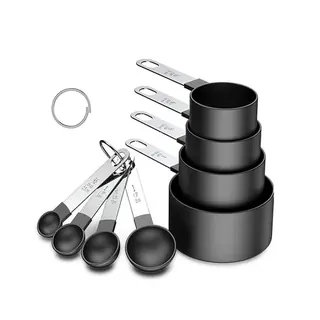 Measuring cups and spoonsAliExpress
 Peeler with wooden handleAliExpress