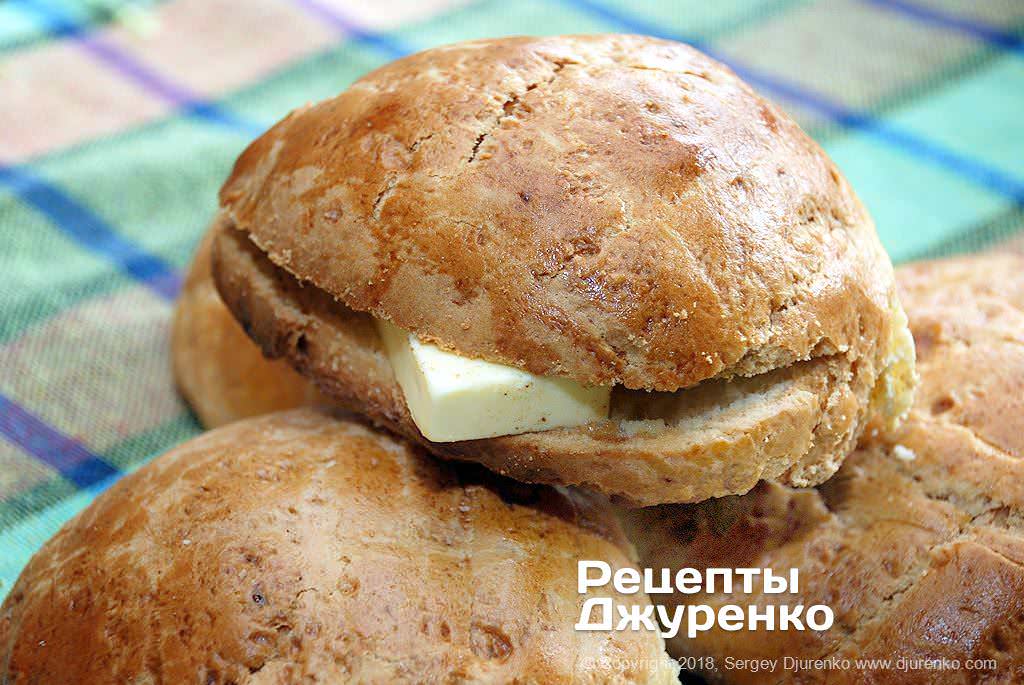
Hong Kong Pineapple Buns
Ingredients
6-8 buns
- Wheat flour 3-3.5 cups (390–455 g)
- Cornstarch 2 tbsp (20 g)
- Instant yeast 5 g
- Milk 100 ml and 2 tbsp
- Egg 3
- Cream (20-25%) 0.5 cup (100 ml)
- White sugar 2 tbsp (27 g)
- Brown sugar 2 tbsp (27 g)
- Baking powder 0.5 tsp (2 g)
- Butter 1 tbsp and 50 g (plus extra for serving)
- Salt 0.5 tsp and a pinch (plus a little for the butter when serving) (3 g)


Step-by-step recipe
How to make the soft milk dough
Two kinds of dough are prepared at the same time. The first is the inner dough. It is soft and fluffy, made with a starter or with instant yeast. Its recipe and texture are very similar to bread dough, only sweeter. In Asia it is called “super soft Asian milk dough,” though I don’t know how accurate that translation is. The second dough is a crisp sugar cookie dough.
There are plenty of ways to make the soft milk dough. They differ in the details, but the idea is the same.
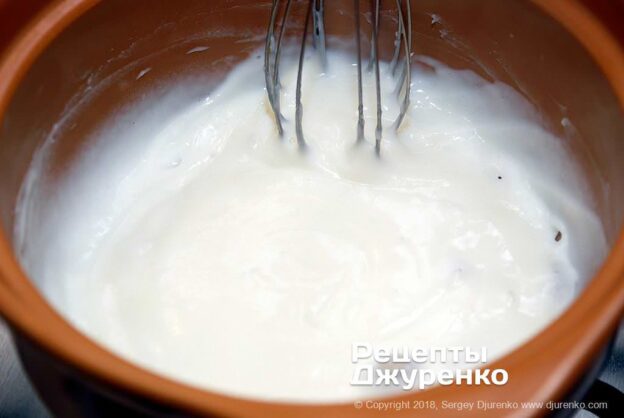
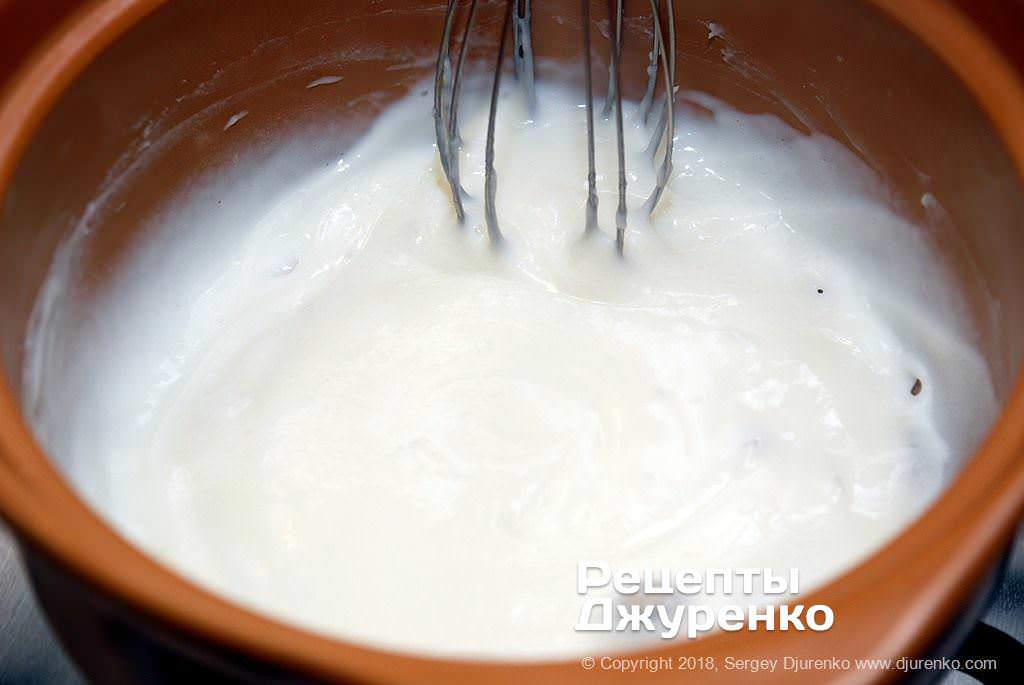
Cook the milk with flour. In a small saucepan, mix 100 ml of milk with 1 tbsp of flour (10 g). Set the pan over low heat and heat until the mixture thickens. While heating, stir with a whisk or a small hand blender on low speed. Don’t overheat it; as soon as the mixture thickens, take the pan off the heat.
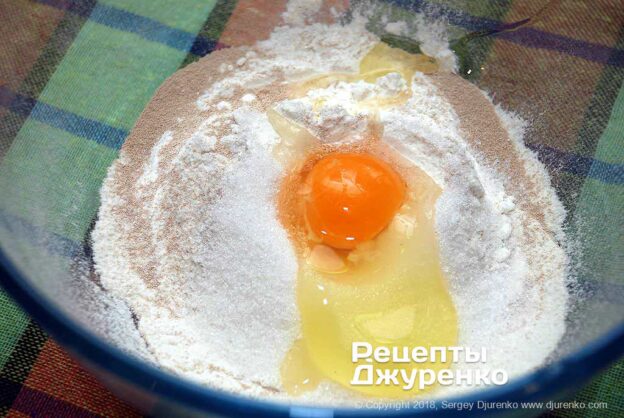
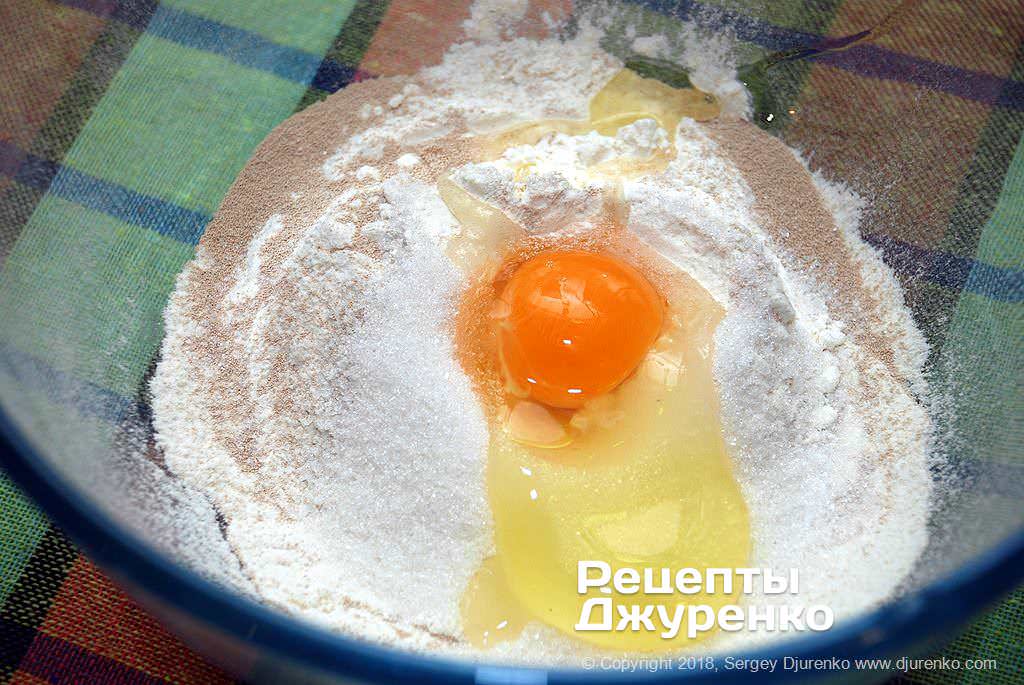
Mix the dry ingredients with the egg. In a large bowl, combine 2 cups of sifted wheat flour (260 g), 0.5 tsp of fine “extra” salt, 2 tbsp of white sugar (27 g), and 5 g of instant yeast. Use the kind of dry yeast that is mixed into the flour, not the kind meant for a starter. Most often it comes in 11 g sachets, so you need half a sachet. Add one egg.
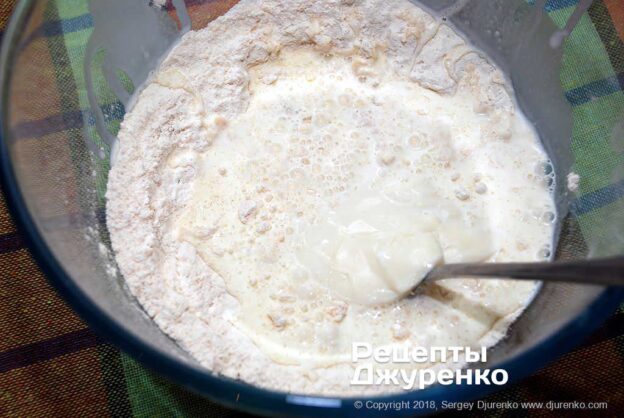
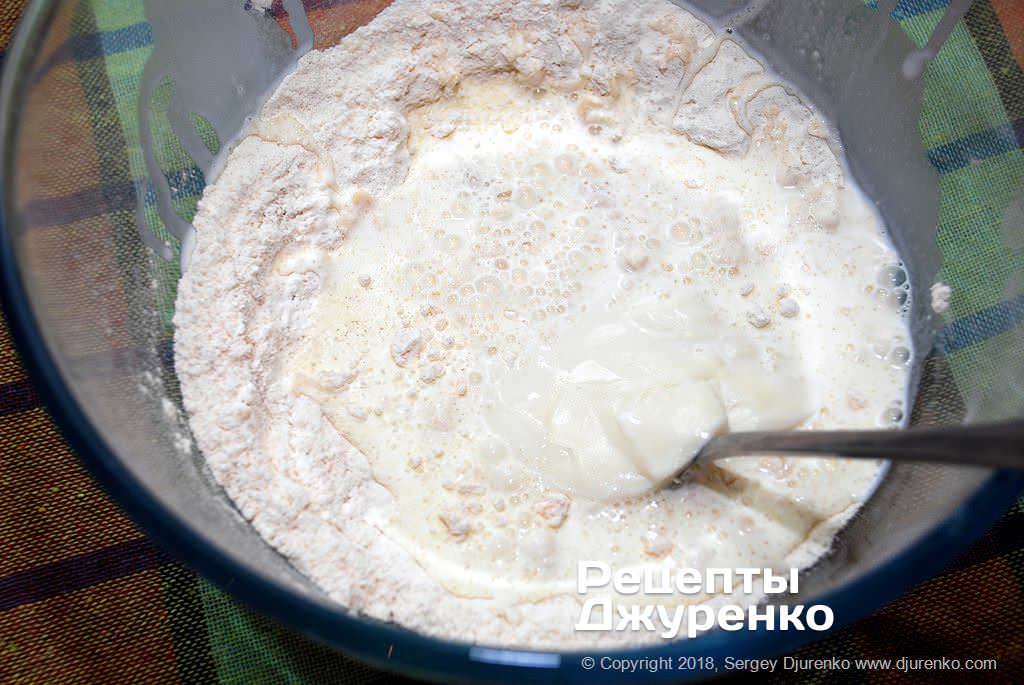
Knead a soft dough. Stir everything together, add 0.5 cup of slightly warmed heavy cream (100 ml) and the warm thick milk and flour mixture. Knead the soft dough thoroughly until completely smooth. At first the dough will be quite runny, so keep kneading, adding flour in small portions.
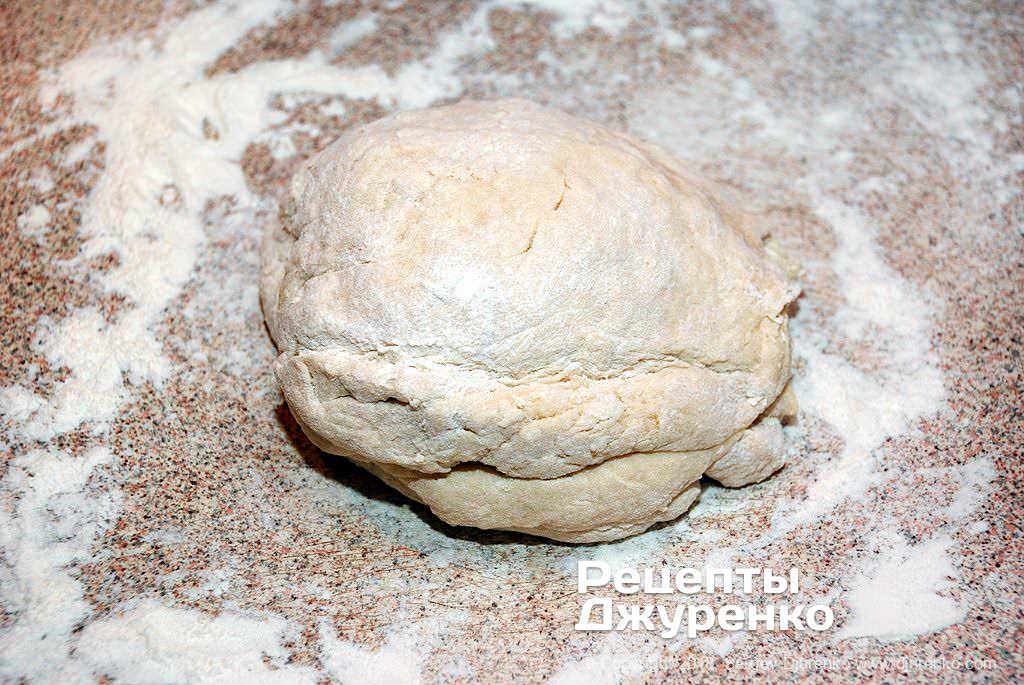
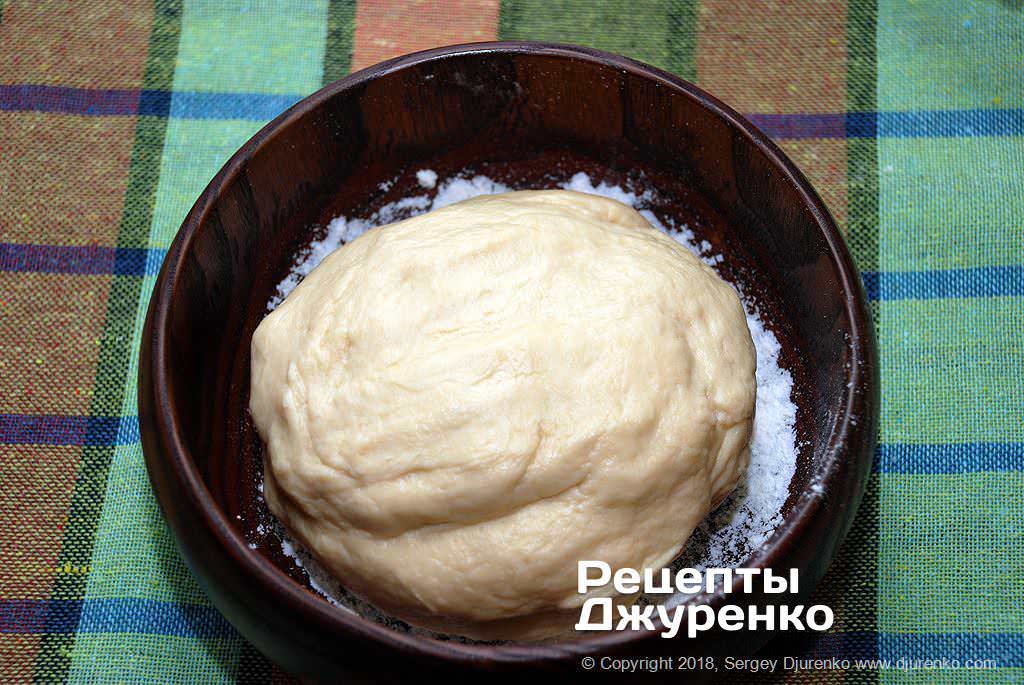
Once the dough no longer sticks actively to your hands, you can continue kneading on a floured table. Knead the dough well until it is very soft but doesn’t stick to your hands. This is important: the dough should be even softer than plain yeast dough. If you stretch it with your fingers, it should pull into a ribbon without tearing.
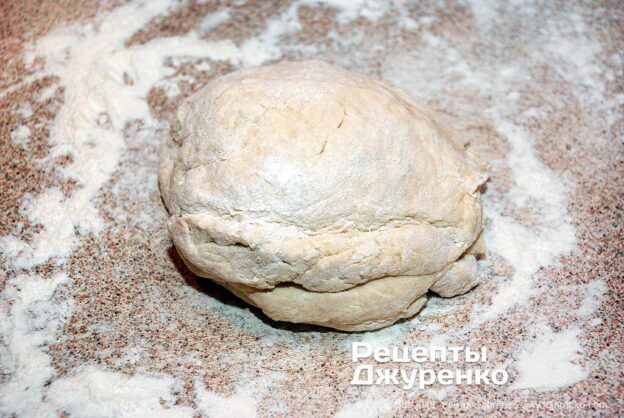
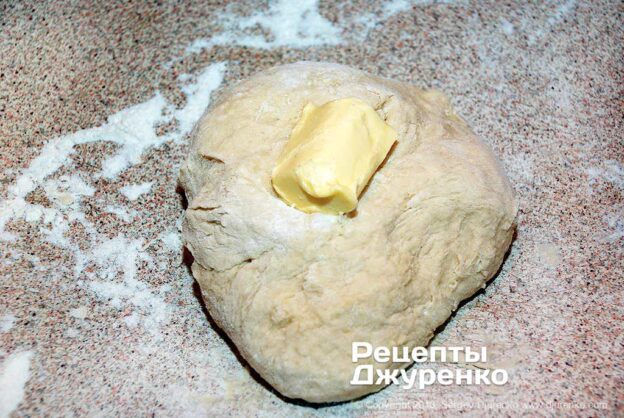
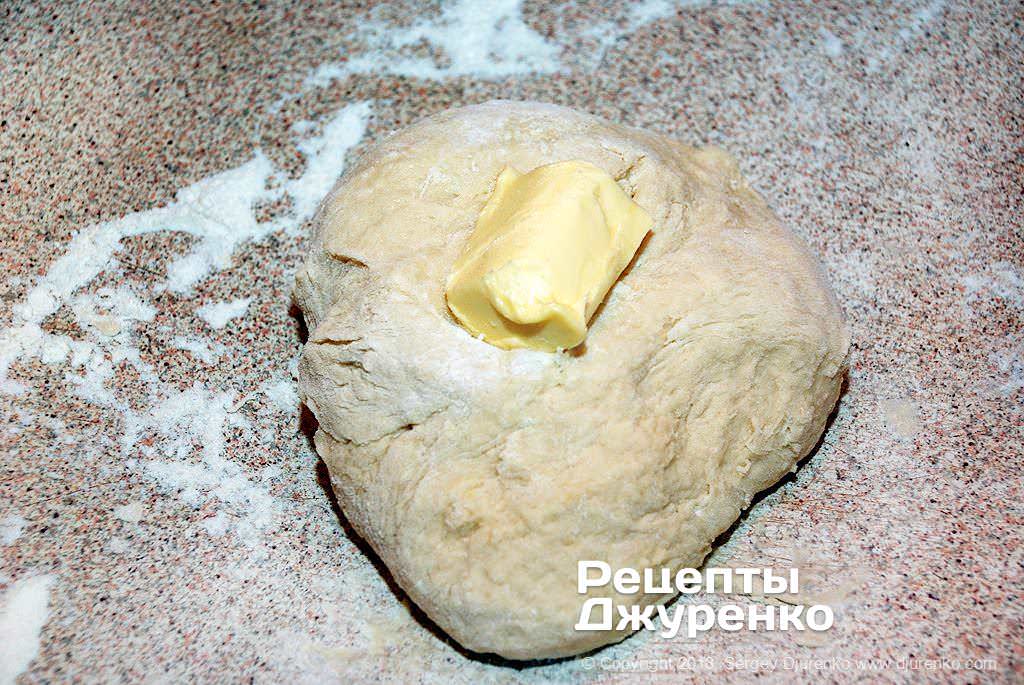
Work in the butter so the buns are soft in the middle. Take a piece of butter, about 1 tbsp, out of the fridge in advance so it softens at room temperature. Don’t warm or melt it. Once the butter is in, knead the dough very thoroughly.
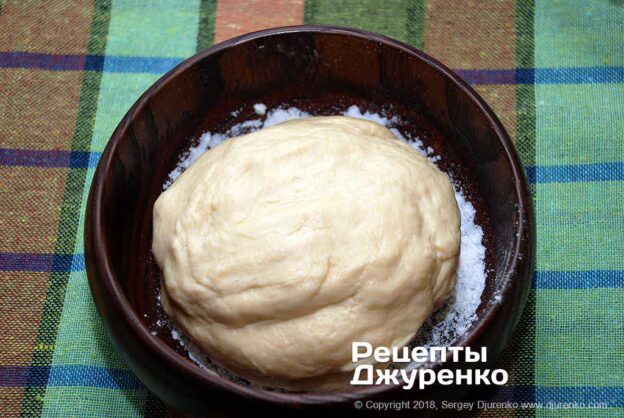
Let the dough rise three times. Dust the bottom of a deep bowl with flour and put the soft yeast dough in it. Cover with a cloth and leave in a warm place for 1 hour. Then knead the dough by hand and leave it for another hour. Knead once more and leave for a third hour. The dough rises well and grows a lot in volume.
How to make the crisp dough
Hong Kong buns are covered with a thin layer of crisp dough that, once baked, looks like the surface of a pineapple, which is where the name comes from. It is a simple dough, quick to make, and needs no special skills.
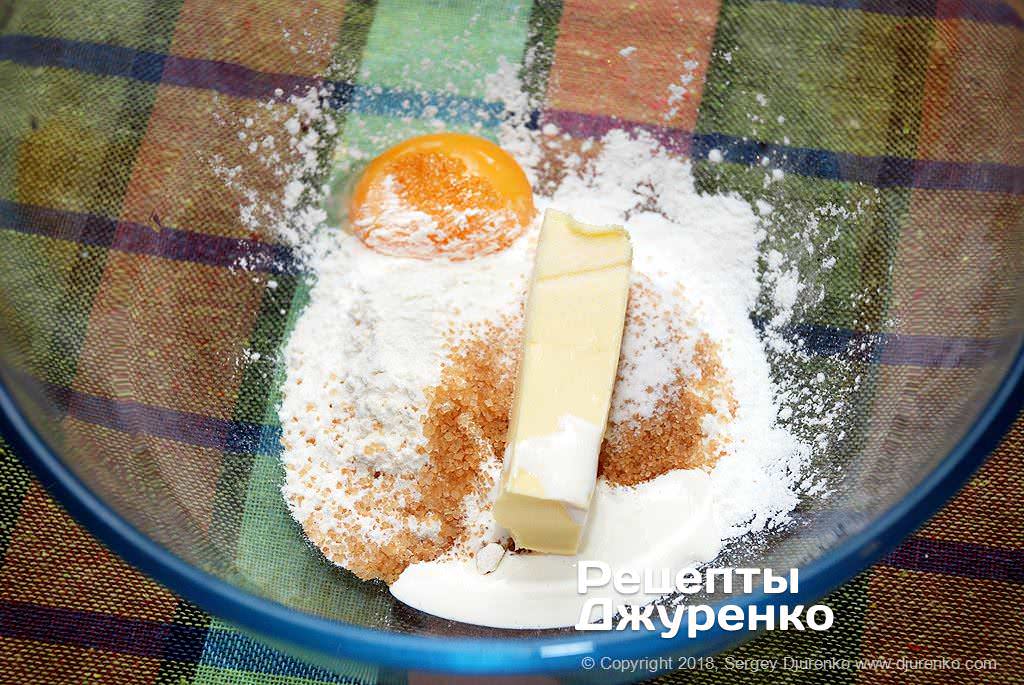
While the soft dough is rising, make the crisp one. Mix sifted flour and cornstarch 1:1. Add 0.5 tsp of baking powder (2 g) and a pinch of fine salt, and stir. You should end up with a little more than half a cup of the mixture. Put it in a bowl or the bowl of a stand mixer.
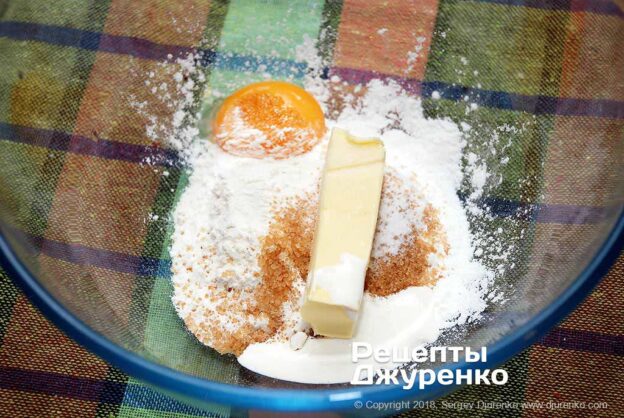
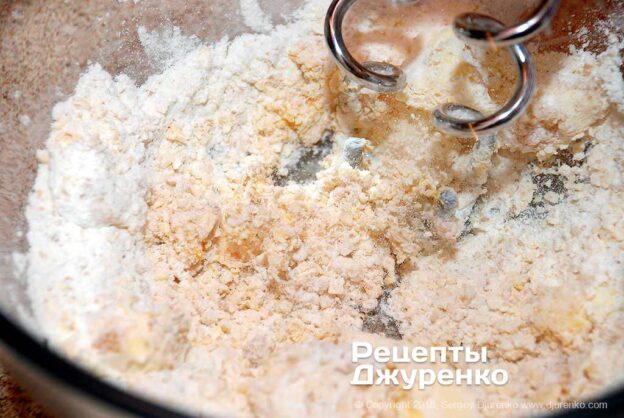
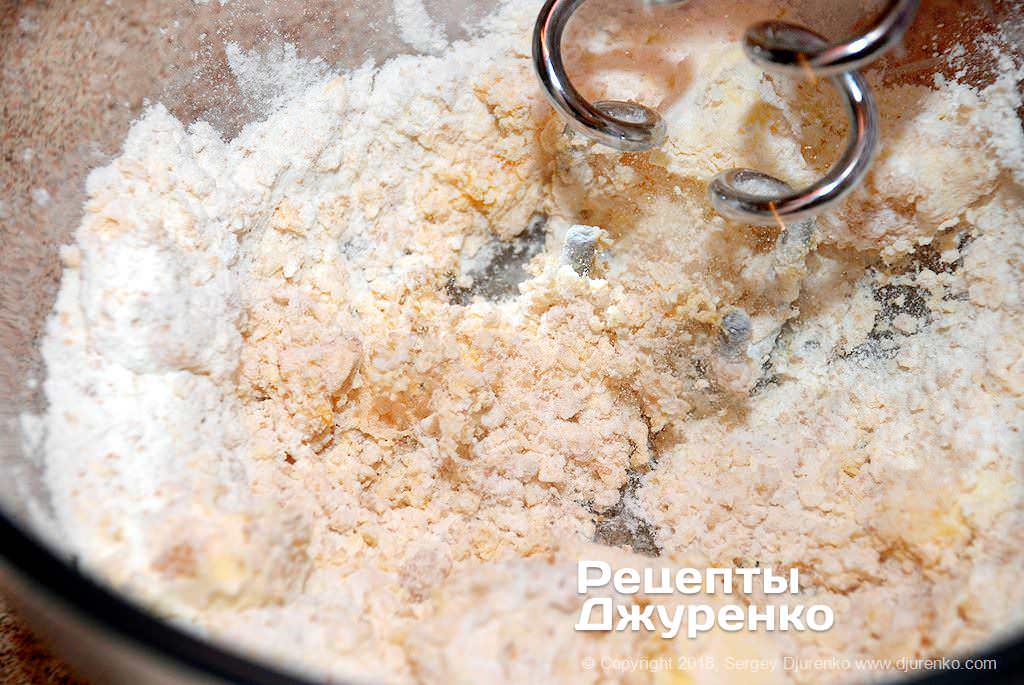
Separate the whites from the yolks of two eggs. Keep the whites for brushing. Add one yolk to the flour and cornstarch mixture, along with 2 tbsp of brown sugar (27 g) and 50 g of softened butter. Mix with the dough hook of the mixer. The dough will be crumbly, like shortcrust dough for a quiche.
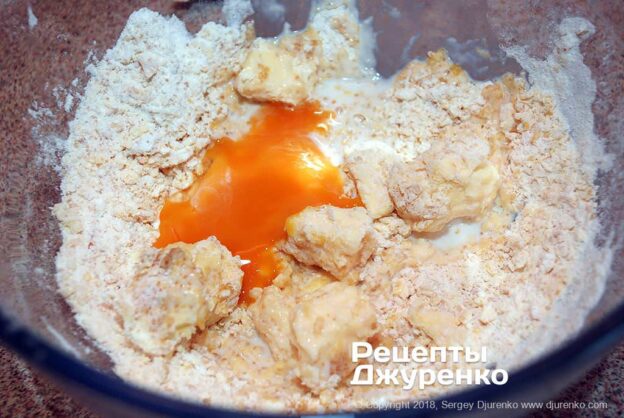
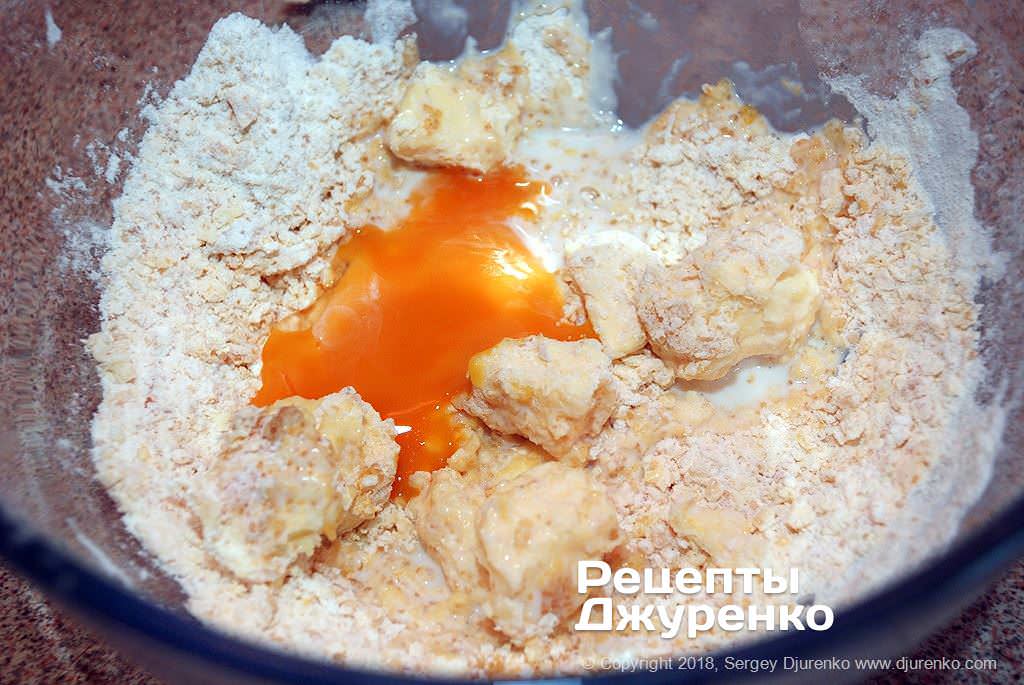
Add the second yolk and 2 tbsp of milk. Keep mixing until everything comes together. After that it is better to knead the dough on the table, as the mixer can no longer cope. Knead it by hand, pressing it together so all the crumbs form one piece.
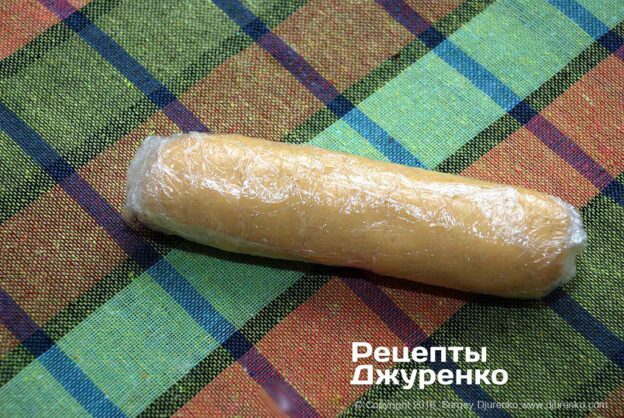
Put the dough in the fridge; it needs to rest before you shape the buns. Roll the dough into a long log and wrap it in plastic wrap. Chill it while the soft milk dough for the pineapple buns rests.
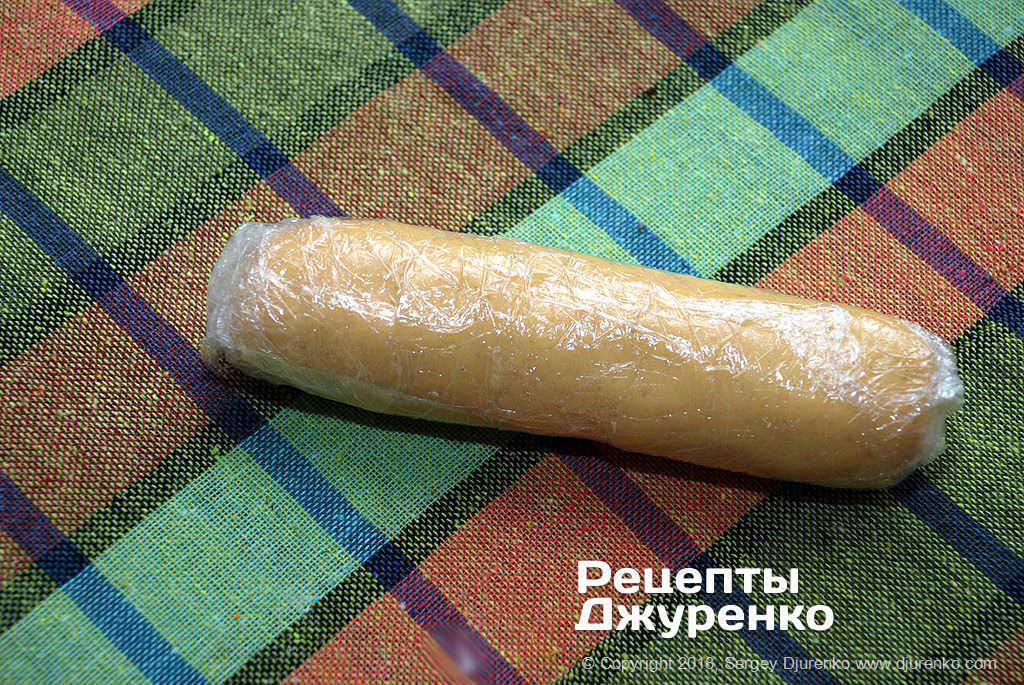
How to shape the buns
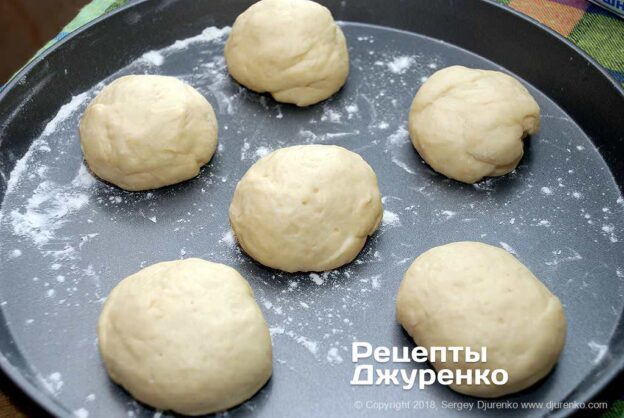
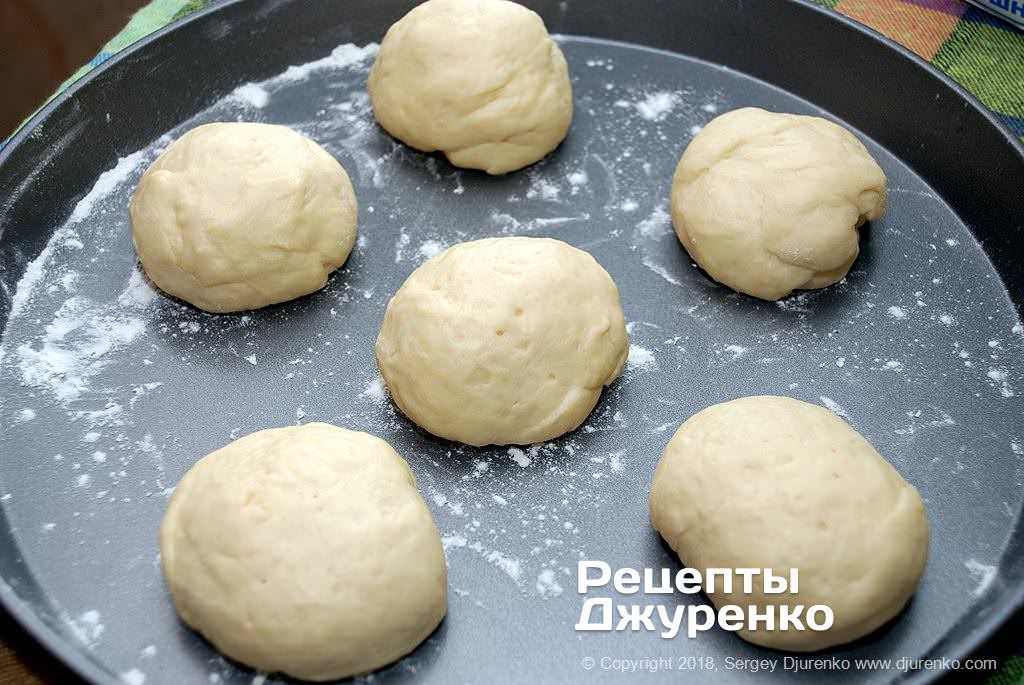
Divide the soft milk dough into 6-8 pieces and let them rise. Each bun should not be too big, and keep in mind that the dough will grow more at the start of baking. Roll all the pieces into balls and place them on a floured baking sheet. This is really a trial fit, so the buns sit loosely with fairly wide gaps. Cover the balls with a cloth and let them stand until they rise a little, about 30 mins.
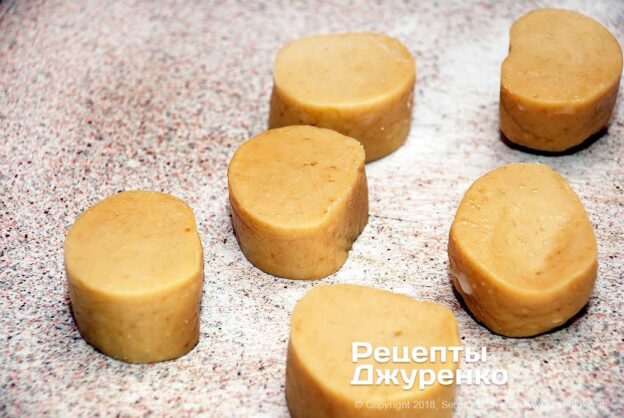
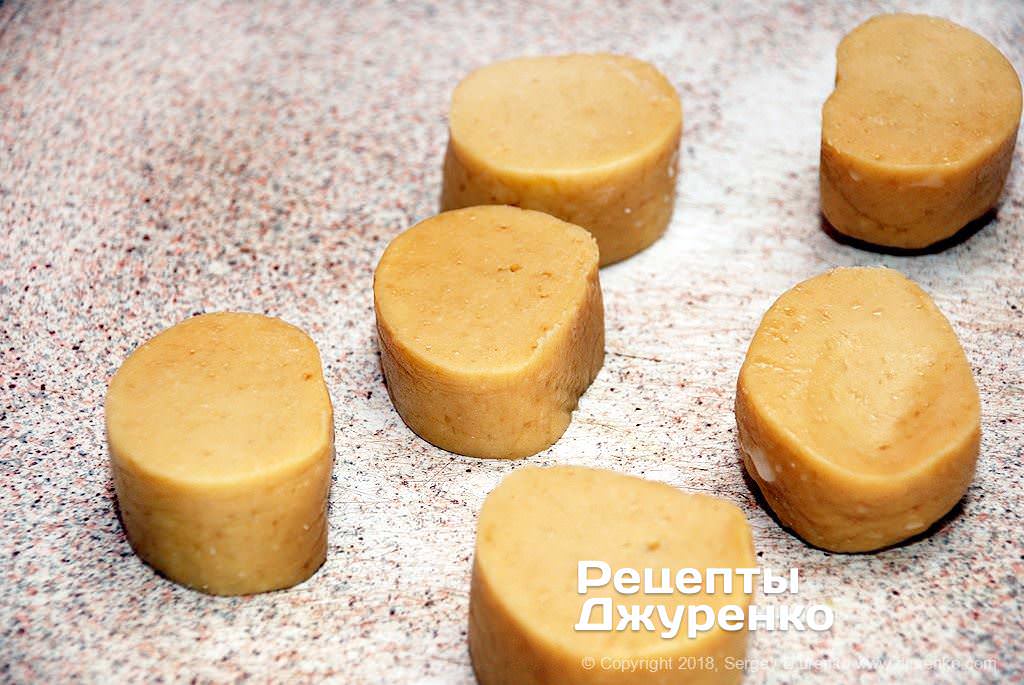
Roll out the second dough. Meanwhile, take it out of the fridge and cut it into as many pieces as you have balls of soft dough. Roll each piece into a thin circle. It should be shaped and sized so that it can wrap over the top of each bun, with the edge tucked underneath. The underside can be left uncovered.
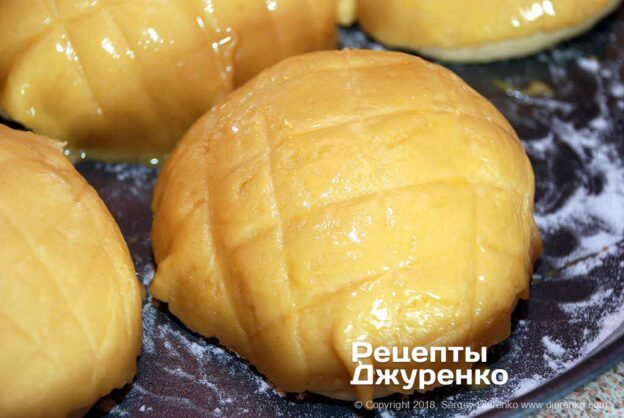
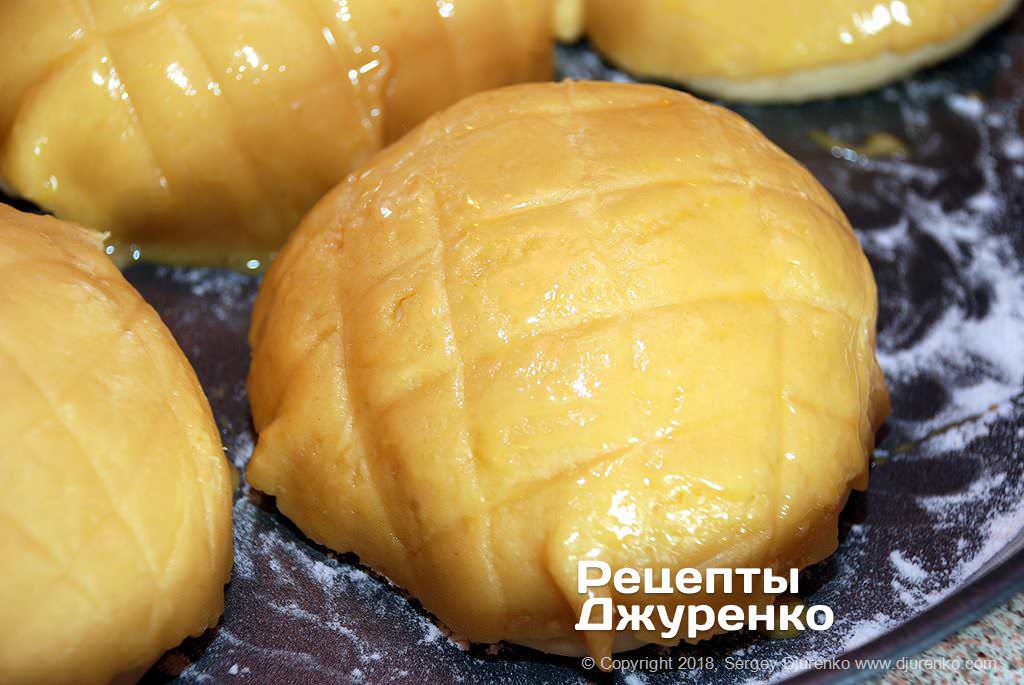
Wrap the buns and score a grid. Wrap all the buns in the dough and place them on the baking sheet with wide gaps. During baking the buns may grow and touch each other, which is fine. With the tip of a knife or a carving tool, cut a large-cell grid pattern into the surface of the shaped buns. The depth is up to you. If the dough is thin, you can just “scratch” it, and the lines will still show on the baked buns. You can cut deeper if the top dough is thick enough. Then the buns will look more like a pineapple.
How to bake
Brush the buns and bake. Whisk the egg whites left over from the second dough and brush the buns with them. Put the baking sheet in an oven heated to 180-190°C. The buns bake quickly, in just 15-20 mins. Keep an eye on them. Once the buns have grown and the top dough begins to brown, the sweet buns are ready. If the cuts are deep enough, the top dough will spread and crack, forming a cellular pattern like a pineapple.
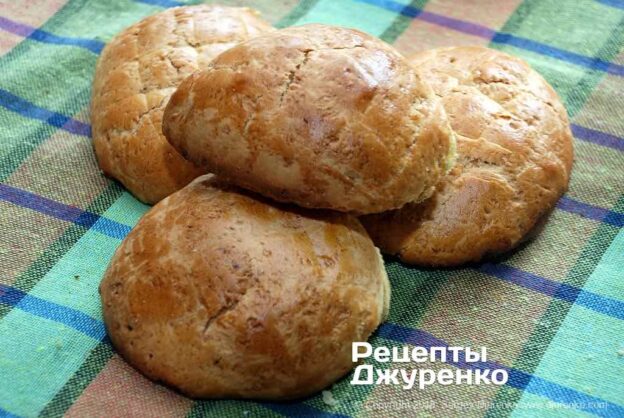
Let them cool. Take the baking sheet out of the oven and move the buns to a table or board. If the buns have stuck together, they easily break apart. The top layer of crisp dough may crumble a little.
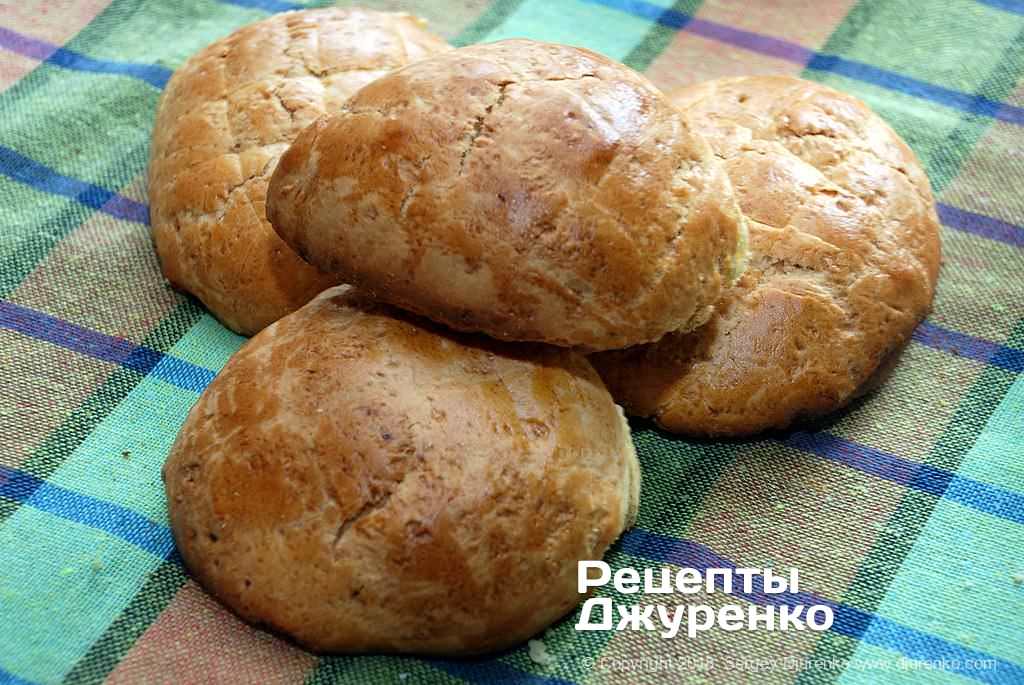
Serving
While the buns cool, make some tea, green or “white”; there is a very tasty “milk oolong” on sale. Also take the butter out of the fridge.
Slice the still-warm buns and put a piece of butter in each cut, with a little salt on it.
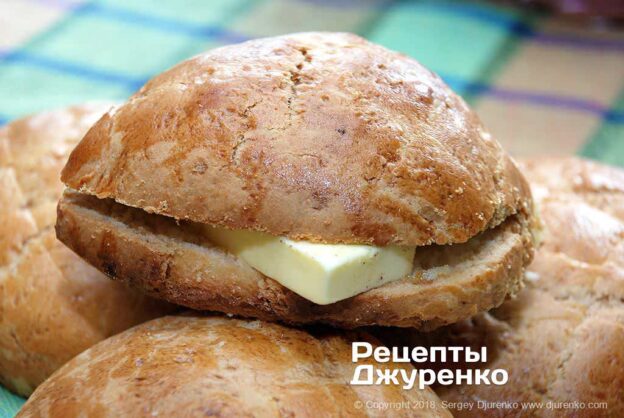
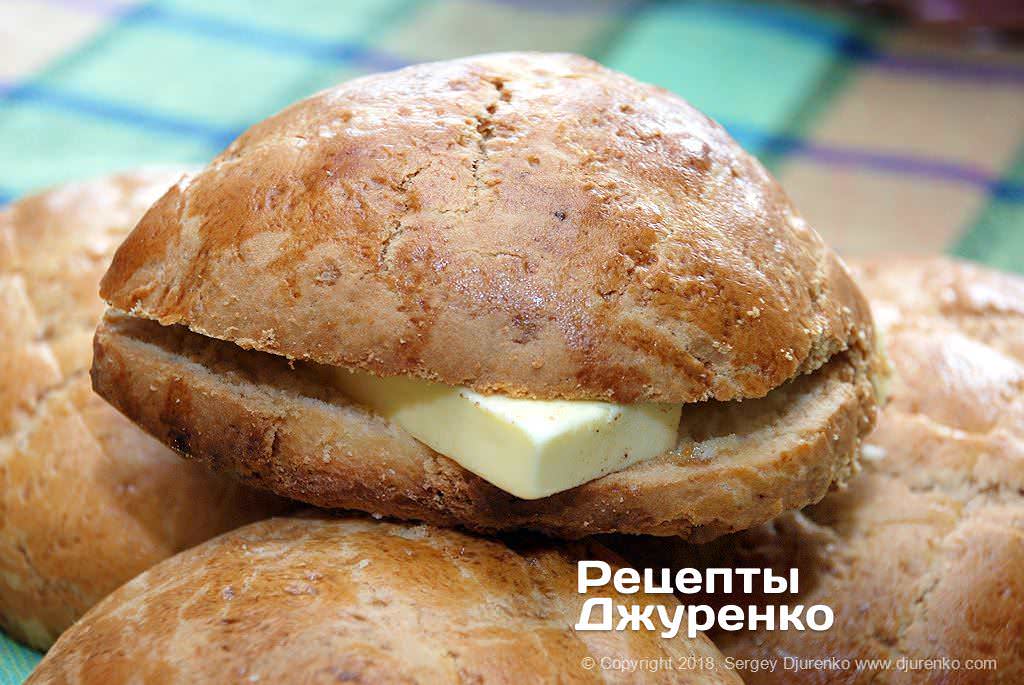
The bun with butter is ready for tea or breakfast. The warm dough melts the butter a little, and it soaks into the soft milk dough inside. Incredible taste and aroma. Enjoy.

How did you like this recipe?
I really want to know how the recipe turned out for you.
Calories and macros
385 kcal
Serving ≈ 100 g
- Protein9 g10% of kcal
- Fat13 g30% of kcal
- Carbs56 g60% of kcal
100 g375 kcalProtein 9 gFat 12.3 gCarbs 54.6 g
Calculated from the recipe ingredients, excluding salt and spices. Data: USDA and Matvaretabellen.