
Poppy Seed Yeast Buns
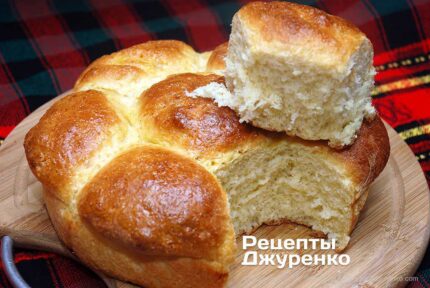


Ingredients
6–10 buns
- For the dough
- Wheat flour up to 4 cups (520 g)
- Instant dry yeast (mixed into flour) 5 g (½ sachet)
- Milk 250 ml
- Egg 1
- Butter 150 g (in total, including the filling and greasing the pan)
- Sugar 1 tbsp (14 g)
- Fine “extra” salt ½ tsp (3 g)
- Vanillin a pinch
- For the filling
- Poppy seeds 100 g
- Sugar 2 tbsp (or to taste) (27 g)
- Butter 30–35 g (out of the 150 g)
- Milk 1–2 tbsp
- For brushing
- Egg 1
Step-by-step recipe
Yeast dough
Take the eggs, butter and milk out of the fridge ahead of time so they come to room temperature. Sift the flour to get rid of lumps, bits of bran and other debris. Sifting also aerates the flour, which is good for the dough.

Put 2–2½ cups of flour (260–325 g) into a large bowl, keeping some back for kneading and shaping the buns. Add 1 tbsp sugar (14 g), a pinch of vanillin, ½ tsp fine “extra” salt and the instant dry yeast. Instant yeast is usually sold in 11 g sachets, so you’ll need half a sachet. Note that you need the kind of yeast that’s mixed straight into dry flour, not the kind for a sponge starter. Mix the flour thoroughly with a fork so all the dry ingredients are combined.

Pinch off a small piece of butter, literally 1 tsp, for greasing the pan or baking sheet for the buns. You’ll also need a piece of about 30–35 g for the poppy seed filling. Melt the rest of the butter, but don’t let it get hot. Warm the milk slightly in the microwave for 30–45 seconds. Add one egg, the melted butter and 1 cup of milk (200 ml) to the flour mixture.

Knead the dough, adding flour in small portions until it is elastic, soft and doesn’t stick to your hands at all. Knead the dough very thoroughly by hand on the counter. It’s important that the dough is very smooth, without lumps, and stretches well under its own weight.

Shape the dough into a ball. Dust a deep bowl with a little flour and put the dough in it. Cover the bowl with a cloth and leave in a warm place for 1½ hours. Then knead the dough by hand again and leave it in a warm place for 30 minutes. Yeast dough rises very well, and it may seem like there’s too much of it.


Poppy seed filling
There are many opinions on how to make poppy seed filling. When my grandmother baked poppy seed pies, she steeped the poppy seeds in boiling water. Also, to avoid ending up with an omelet, she didn’t add eggs to the filling. It’s all very simple.
Toast the poppy seeds a little in a dry frying pan until you get a light, pleasant aroma. Then pour boiling water over them for 6–8 minutes. Longer is fine, but not less: the poppy seeds need to swell.

Drain the water from the steeped poppy seeds or, even better, strain it through a cloth.
Grind the poppy seeds any way you like: in a mortar, with a blender or even a meat grinder. Since there aren’t many poppy seeds, I used an immersion blender. Add 2 tbsp sugar (27 g) to the ground poppy seeds, or to taste.

Mix the poppy seed filling well until the sugar dissolves. Taste the filling. If it doesn’t seem sweet enough, go ahead and add more. The buns should have a sweet poppy seed filling. Add the piece of softened butter, that 30–35 g, and grind again. To make the filling easier to spread on the dough, you can add a little milk, literally 1–2 tbsp.


Shaping and baking the buns
Turn the dough out onto a floured linen cloth; the dough won’t stick to it while rolling. Knead the ball of dough a little by hand. Roll it out with a rolling pin into a sheet 6–7 mm thick. Try to make the rolled dough as close to a rectangle as possible.

Spread the poppy seed filling evenly over the dough. Don’t try to spread a thick, even layer: we’re making buns, not filled pirozhki. Leave a 1–1.5 cm strip without filling along the long edges, as the ends will be cut off.

Carefully lifting the linen cloth at the short end of the dough, roll the filled sheet up into a log. You can press the dough a little with your hands to give it an even cylindrical shape.

Even out the rolled log with your hands and trim the ends with a very sharp knife to get a neat cylinder.
Grease a baking sheet or glass ovenproof dish with a little butter. Figure out how many pieces to cut the log into, and cut it. Usually the buns are as long as they are wide.

Lay the buns in the greased pan on their sides, not cut side up the way cinnamon rolls are laid. You can leave gaps between them or pack them tightly, as the baked buns separate easily with a knife. Cover the pan or baking sheet with a cloth and leave in a warm place for 30 minutes. In that time the buns will grow a little and get fluffier.

Crack the second egg into a cup and beat it with a fork. Brush the top of each bun with egg. Preheat the oven to 190–200°C and put the pan in.

Bake the buns for 30–40 minutes. In that time the dough will definitely bake through and the tops will brown. If needed, the poppy seed buns can stay in the oven longer. You can get them as golden as you like without worrying about burning. To check doneness, use a toothpick: the classic skewer test.

Take the golden buns out of the oven and separate them with a knife.


Serving
Put the sweet poppy seed buns on a plate or in a wicker basket and cover with a cloth napkin or towel. Let the buns cool.

And now the long-awaited moment: time for tea. Besides tea, poppy seed buns are lovely with warm cherry kissel or fresh warm milk. Don’t cover the buns with plastic or make them ahead; they should only be eaten fresh.

Calories and macros
389 kcal
100 g
- Protein8.9 g9% of kcal
- Fat19.7 g47% of kcal
- Carbs41.2 g44% of kcal
Calculated from the recipe ingredients, excluding salt and spices. Data: USDA and Matvaretabellen.
To Get It Right
If you like them sweeter
The dough for poppy seed buns is enriched but barely sweet, and the filling has only 2 tbsp of sugar (27 g) — many readers find that too little. Be sure to taste the filling and add more sugar freely; you can also put a spoonful or two more into the dough.
Add the flour gradually
The bun dough takes up to 4 cups of flour (520 g), but how much exactly depends on the flour itself. Add it in small portions and stop as soon as the dough no longer sticks: with too much flour the buns turn out a bit tough.
Keep the filling thick
Only 1–2 tbsp of milk go into the poppy seed filling for the buns, just enough to make it spreadable. A runny filling leaks out and the buns spread. They also spread on a large baking sheet — packed tightly in a smaller dish, the buns hold each other up.
Have your own trick for this recipe?
Questions and answers
How long do you bake poppy seed buns in the oven?
30–40 minutes at 190–200°C. Check doneness with a toothpick; overbaking isn’t a worry, the buns just get more golden.
Can you skip steeping the poppy seeds?
You can, but unsteeped poppy seeds stay hard, crunch between your teeth, and the filling comes out dry. If you don’t want the fuss, at least pour hot milk over the poppy seeds for 15–20 minutes, then mix with sugar and butter.
What other fillings work with this dough?
The dough is quite versatile. Better a filling that isn’t runny, not jam: poppy seeds, sweetened farmer’s cheese or even cherries. Berries are best prepared with starch, as for a crostata.
Can you bake a poppy seed roll from this dough?
Yes: roll it up the same way as for the buns and don’t slice it. A whole roll takes longer to bake than buns, so check doneness with a toothpick.
How many calories are in a poppy seed bun?
About 310 kcal per 100 g: an enriched dough with milk, butter and egg plus a sweet poppy seed filling.